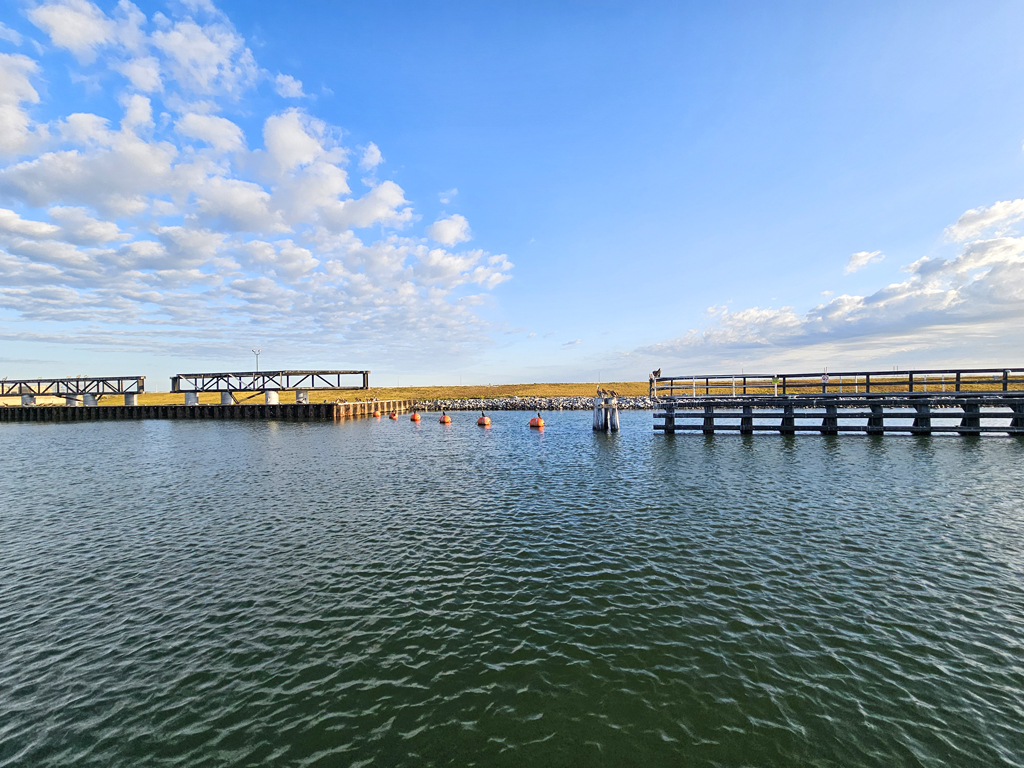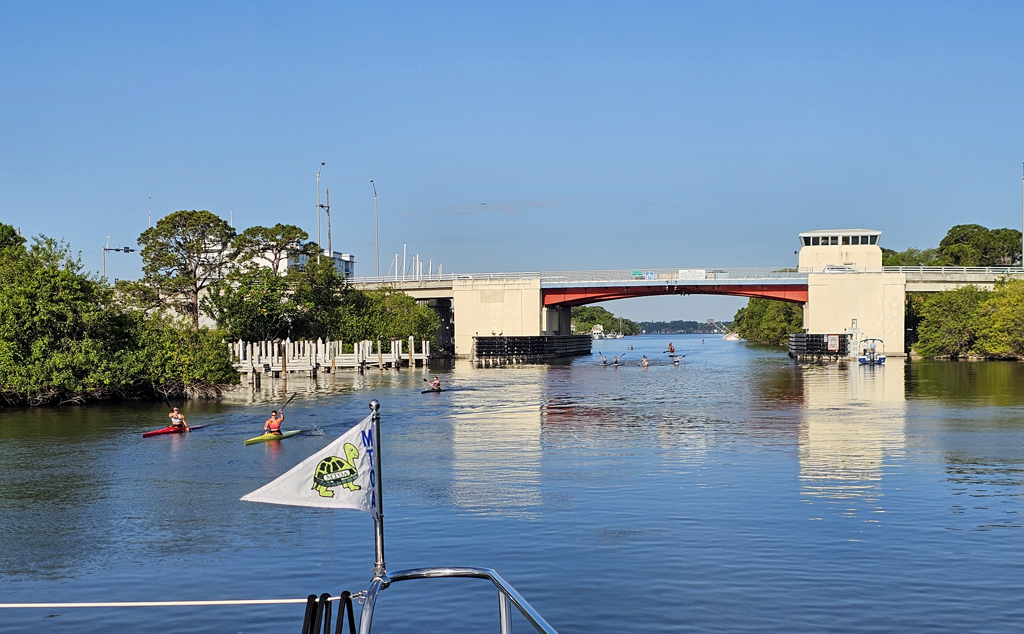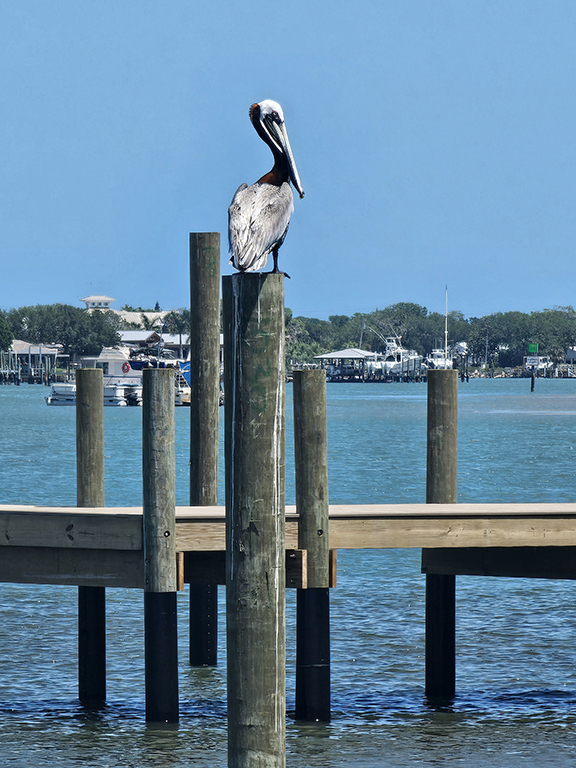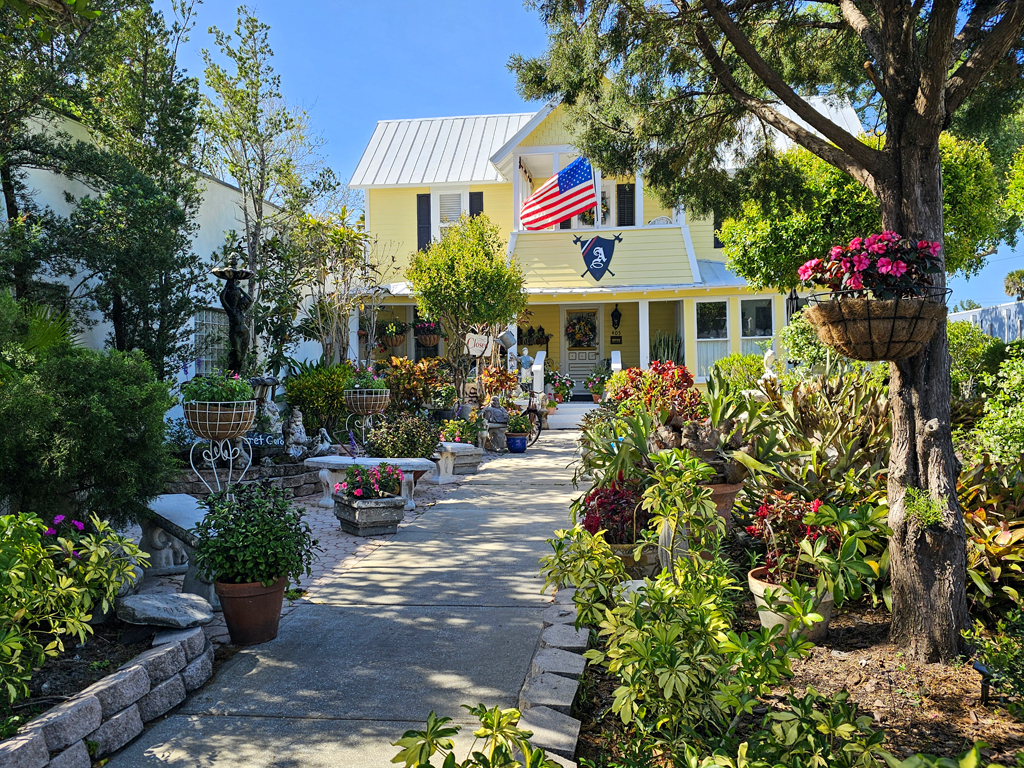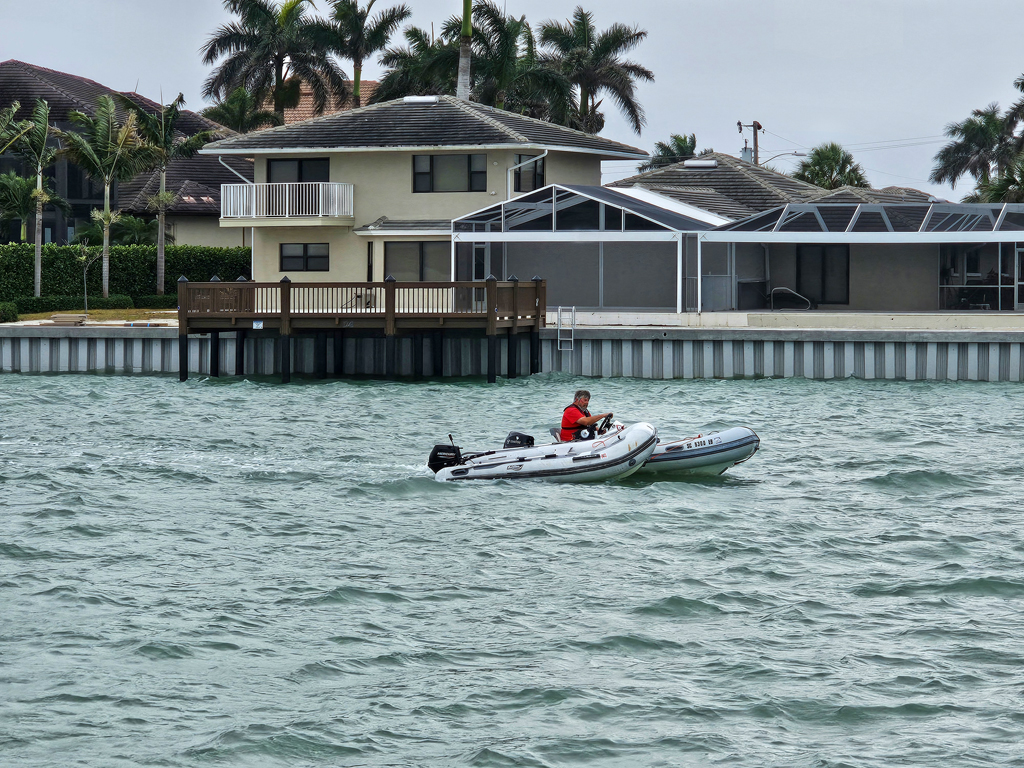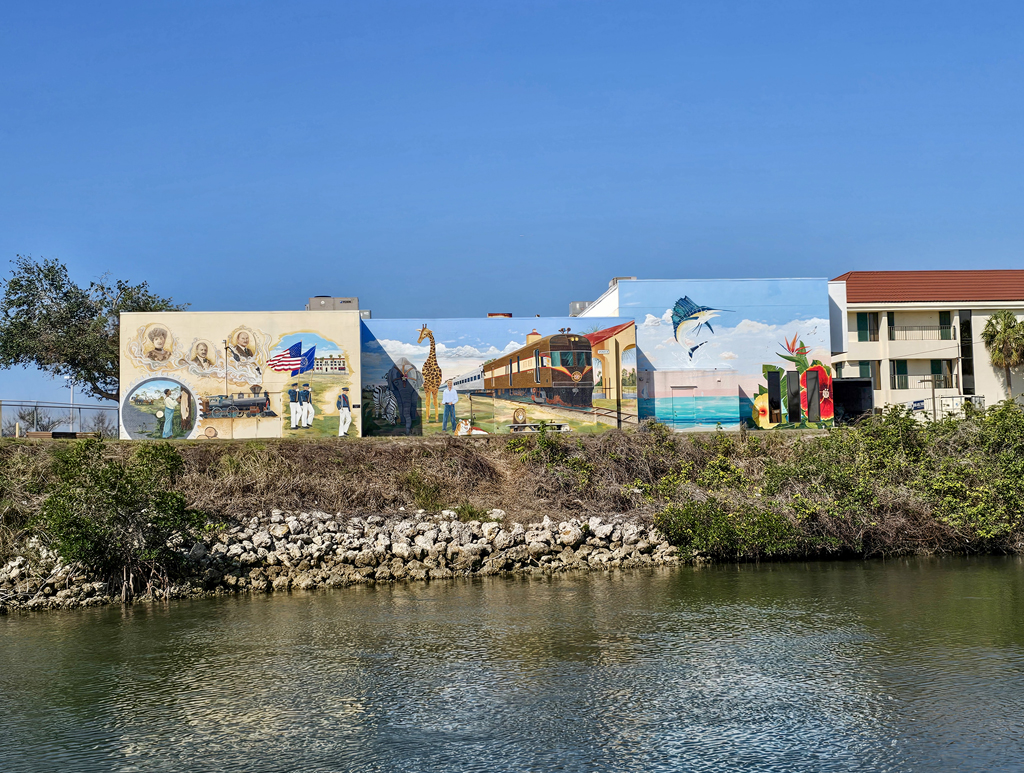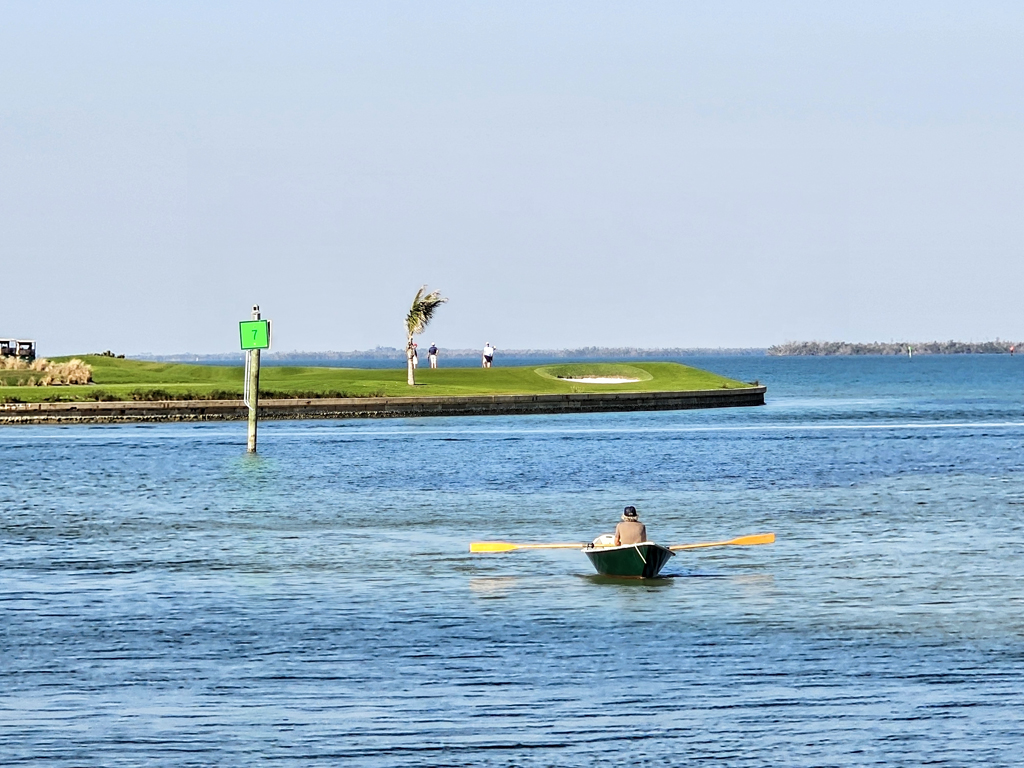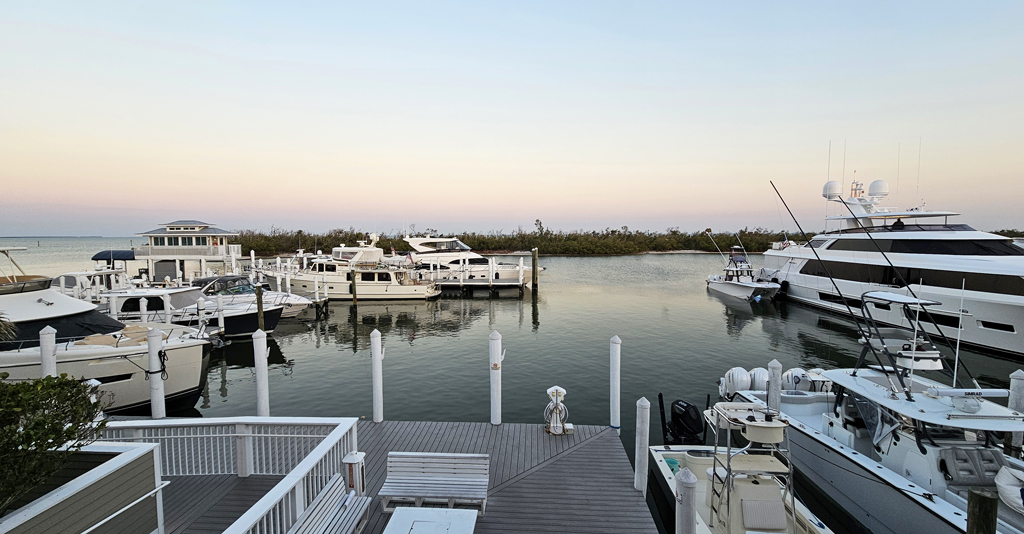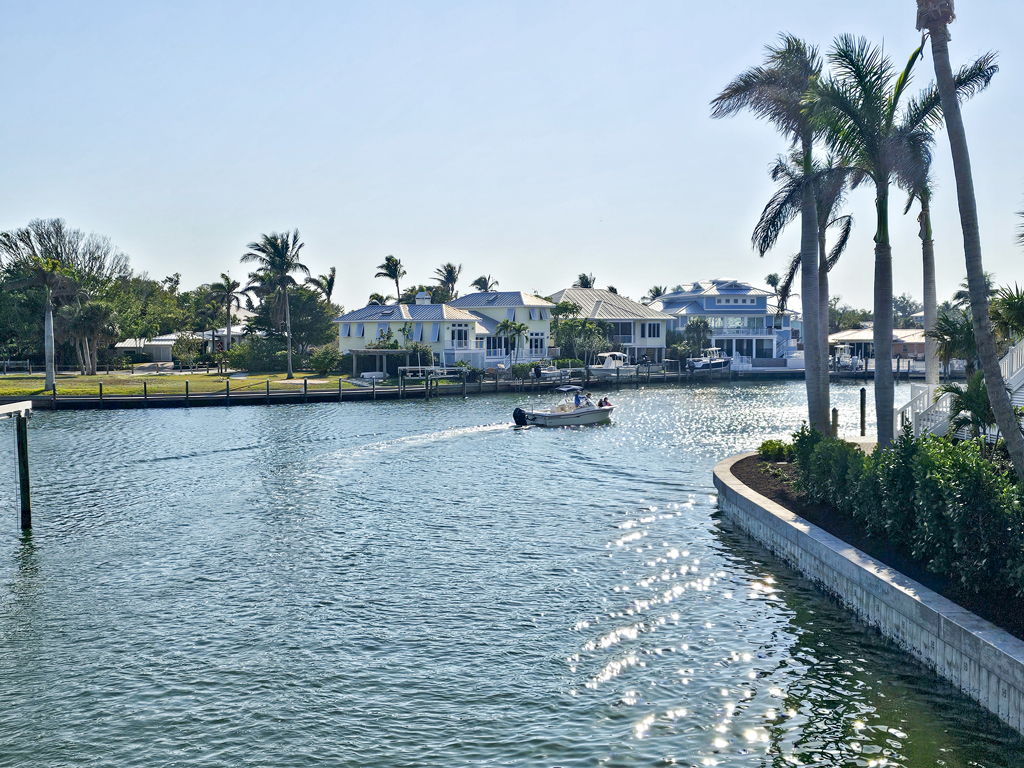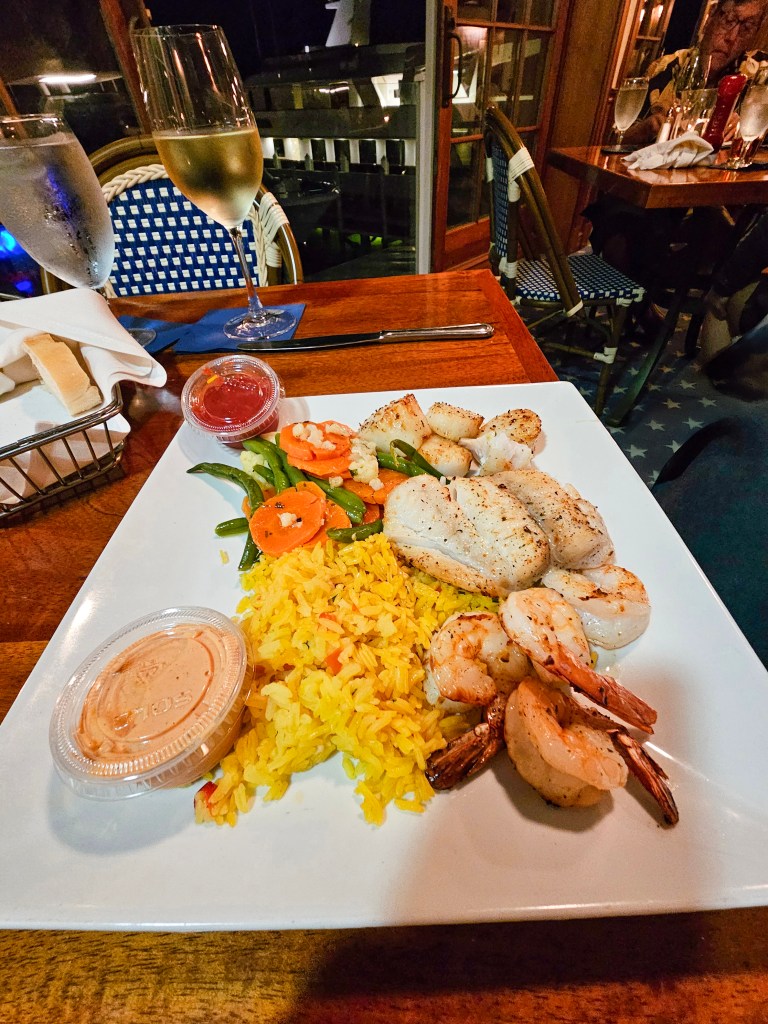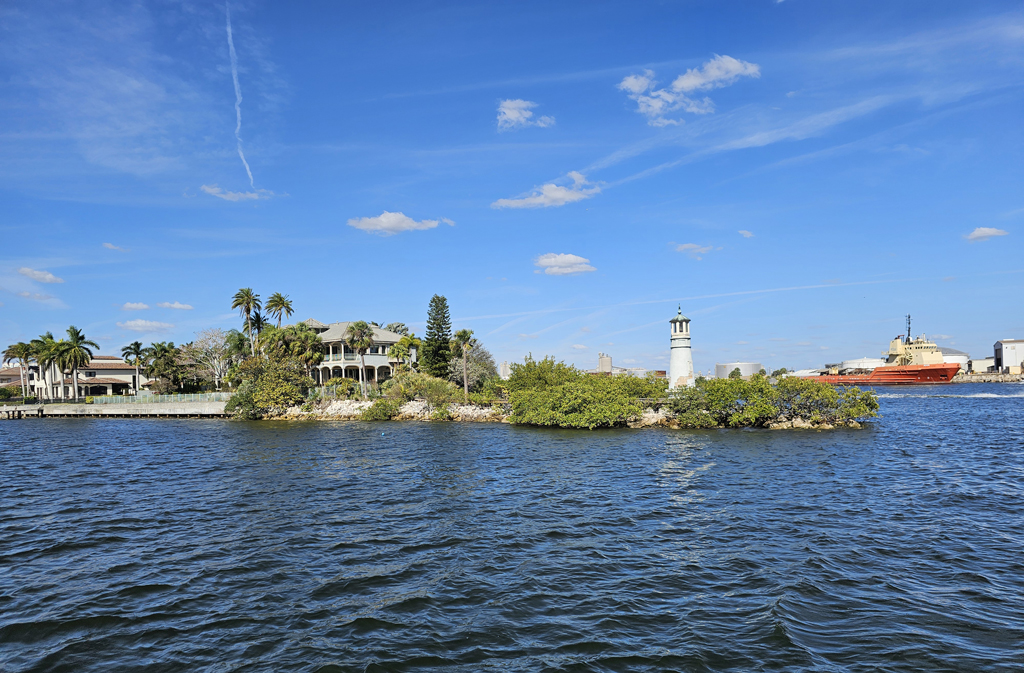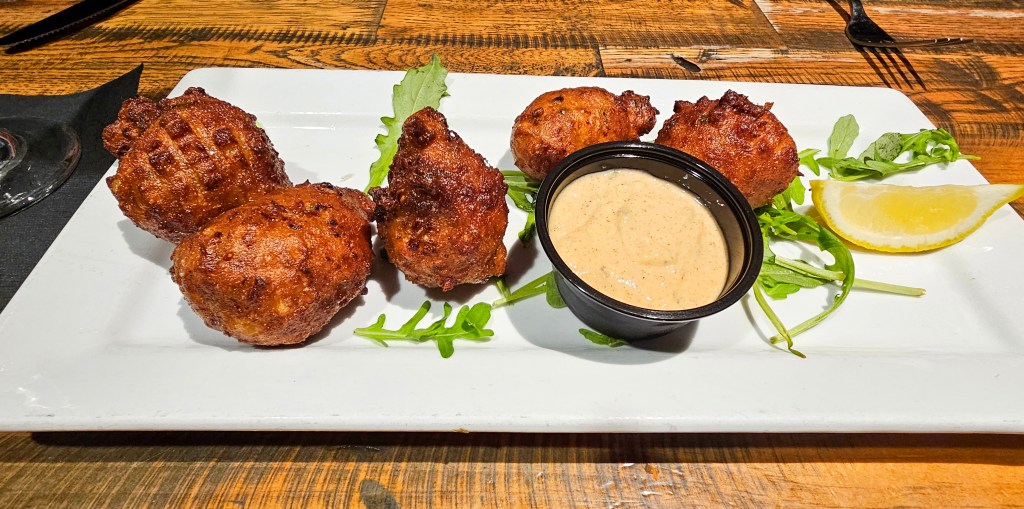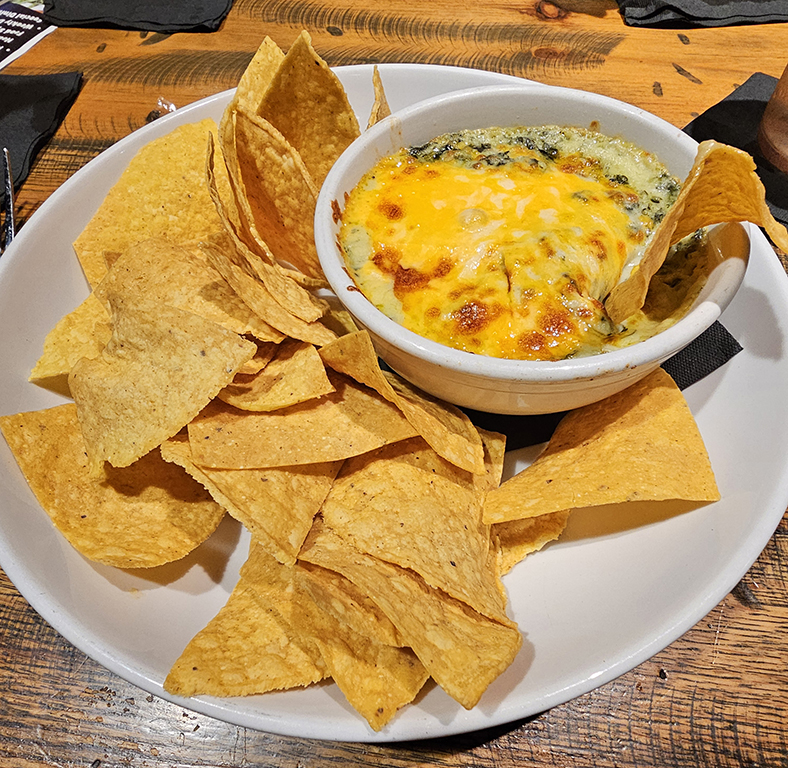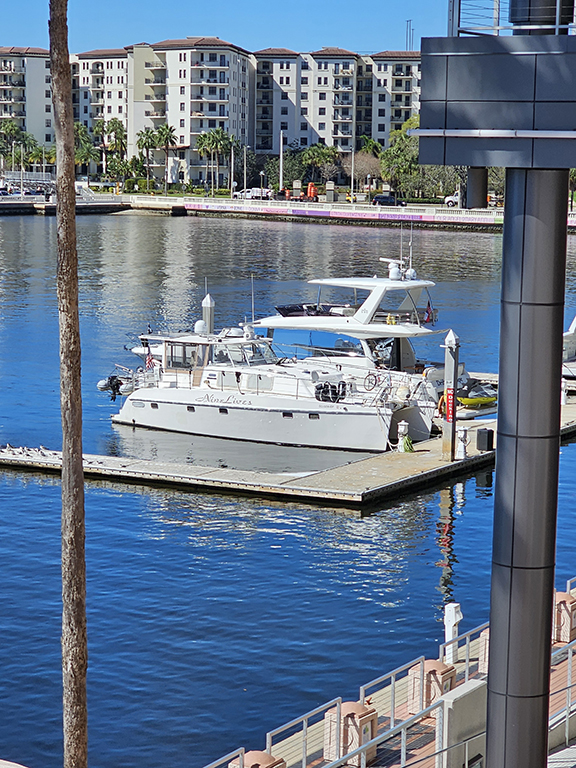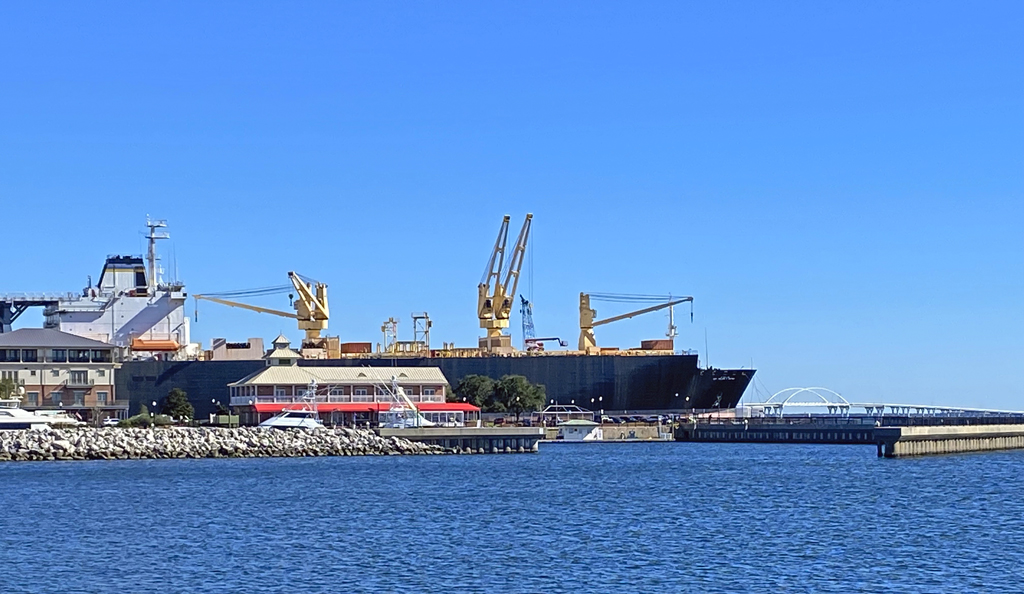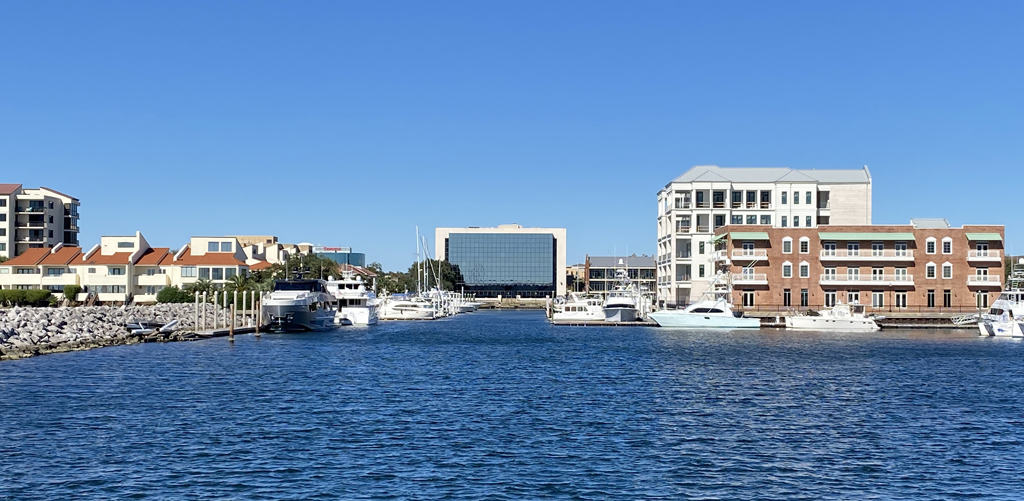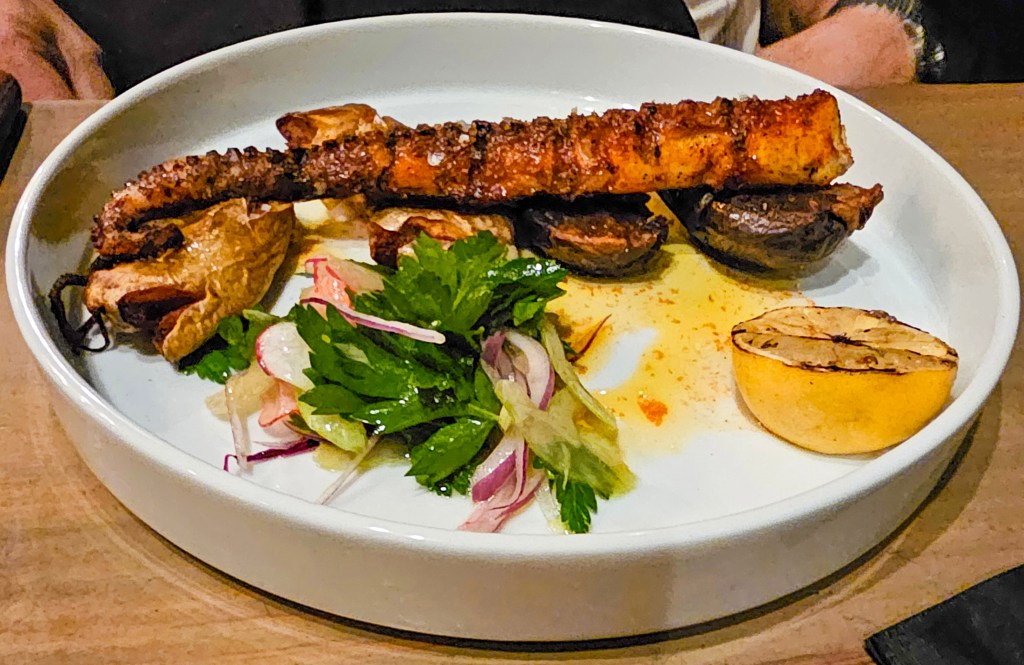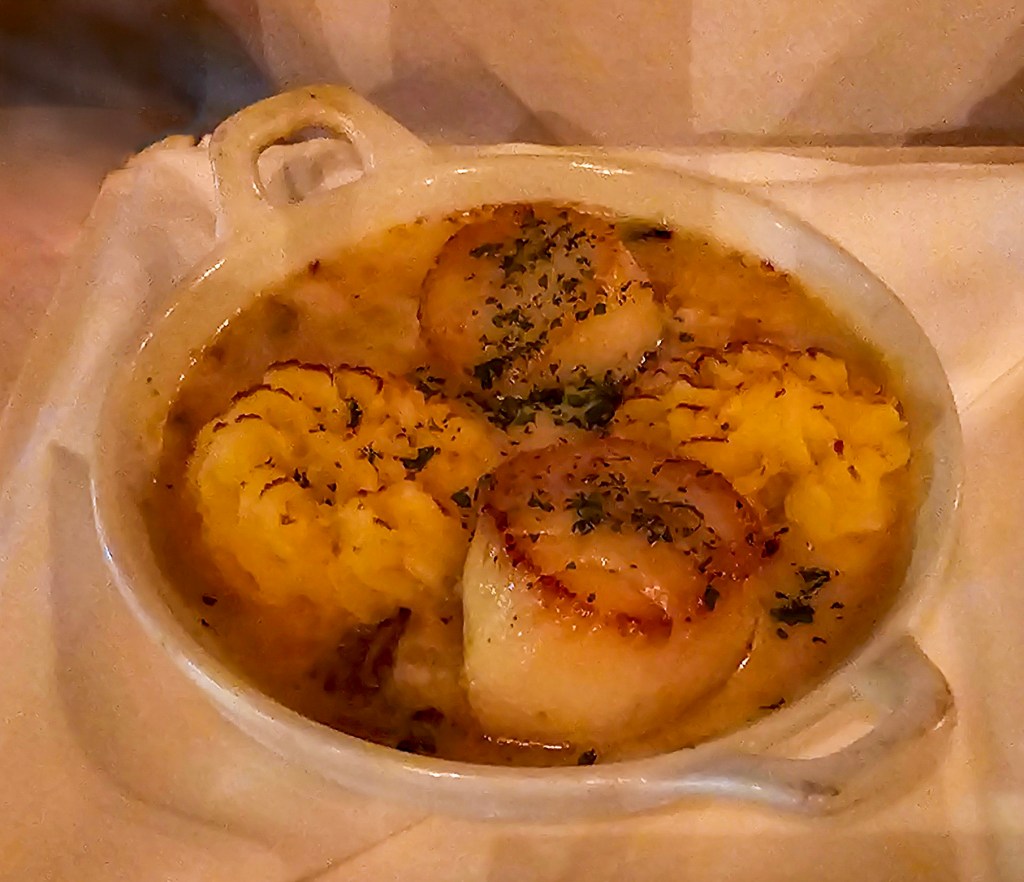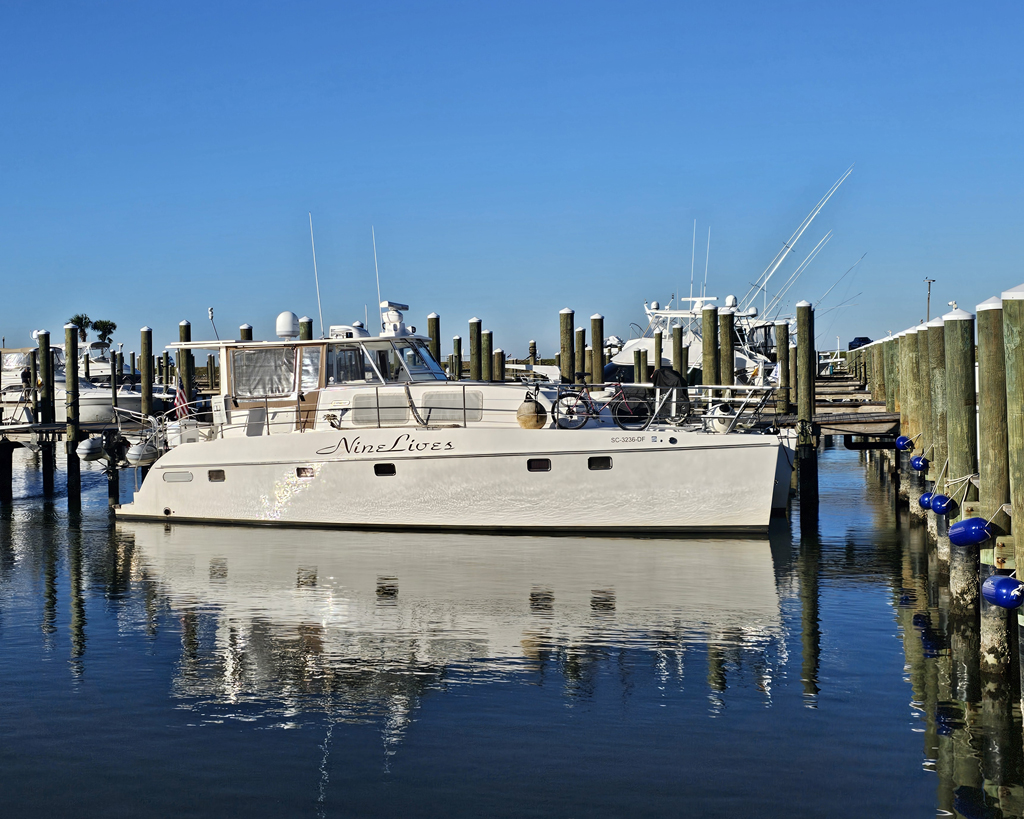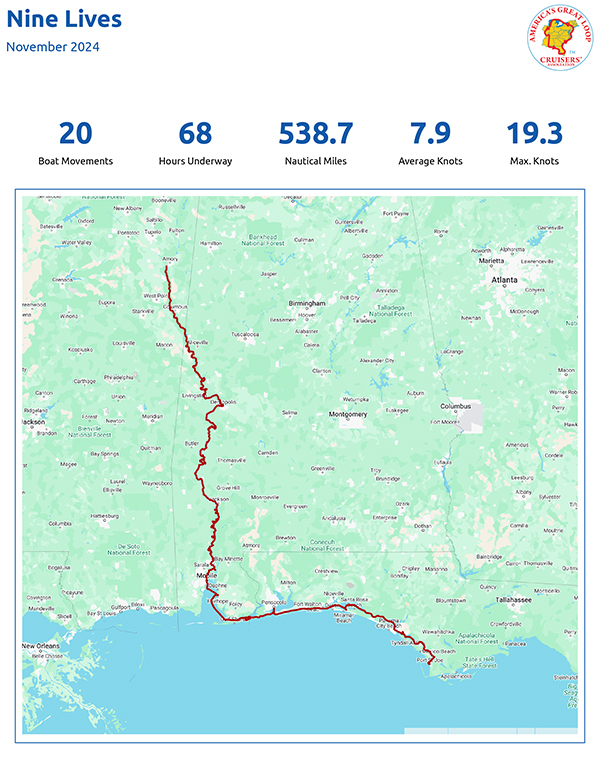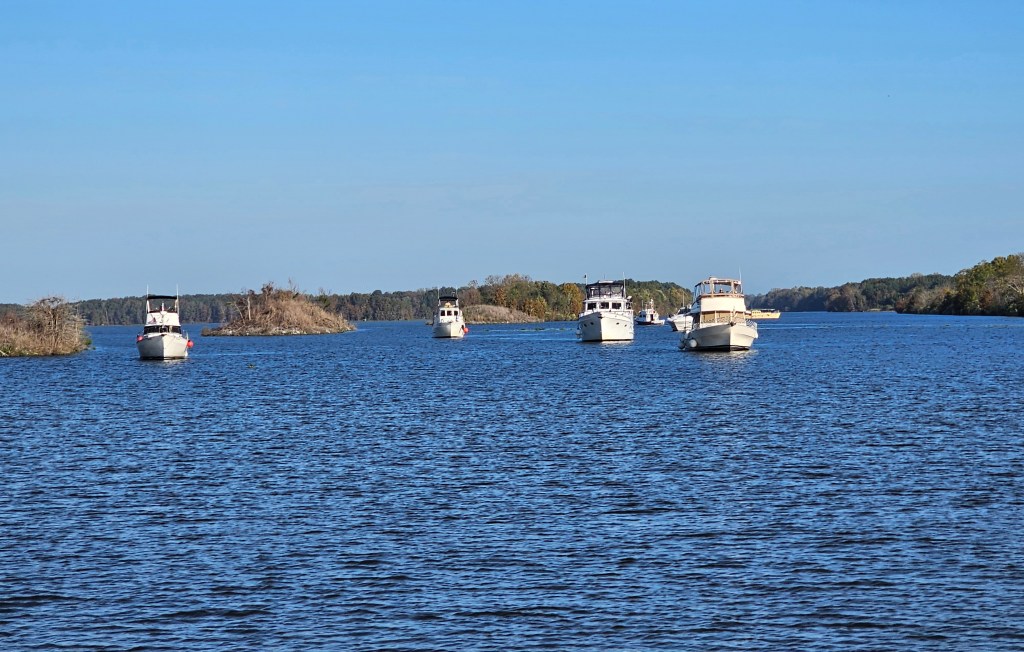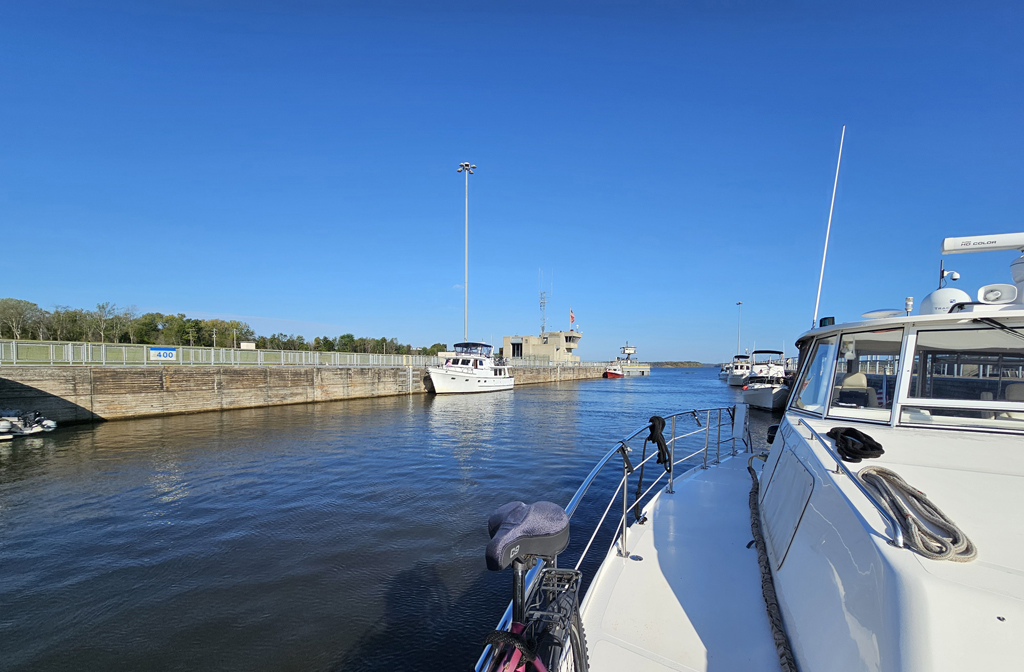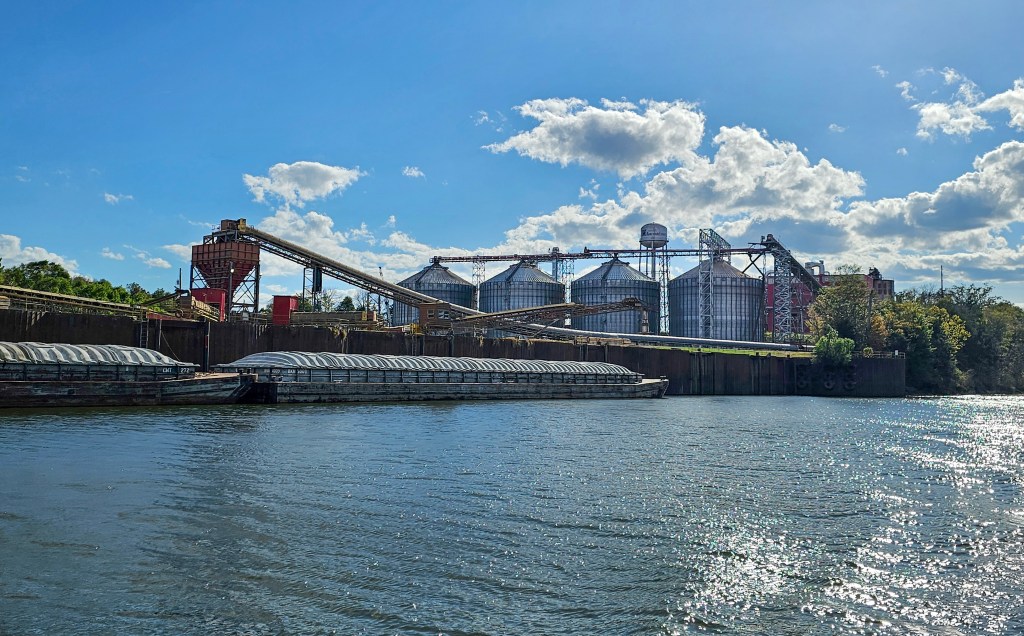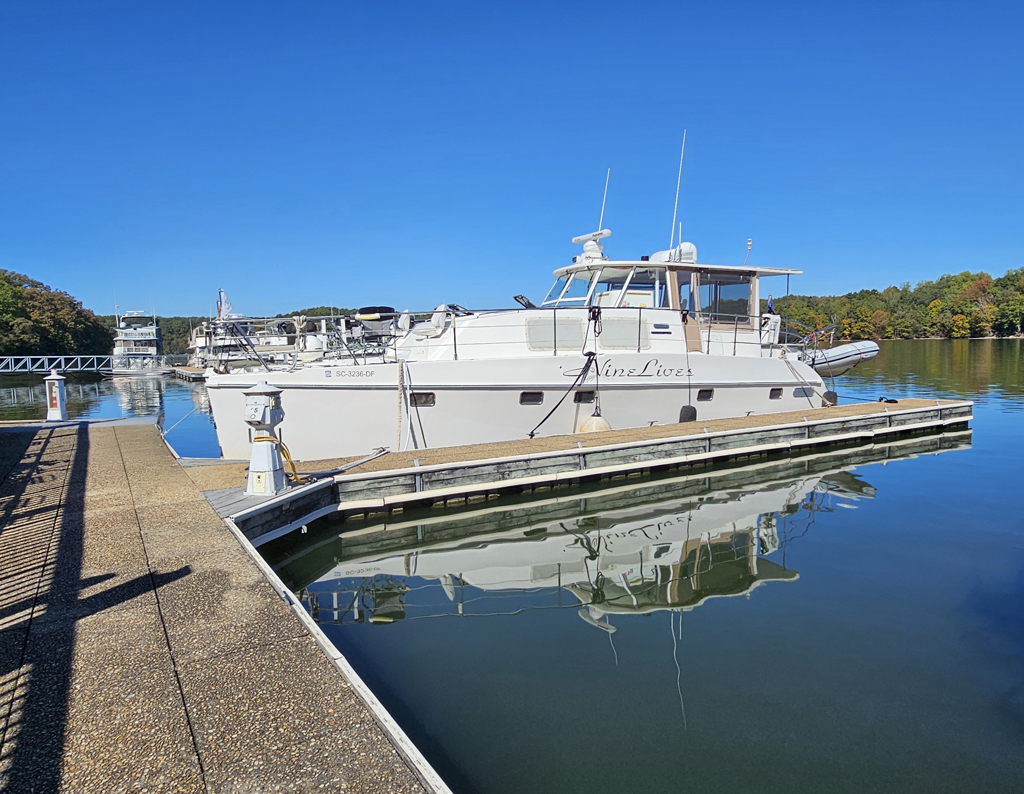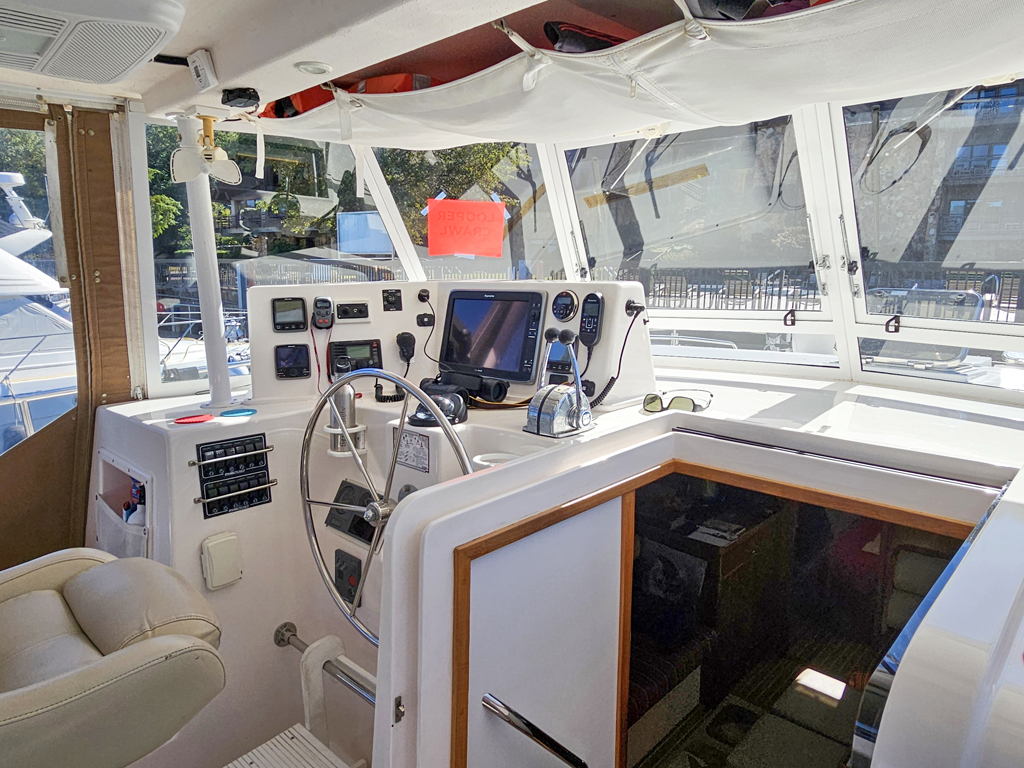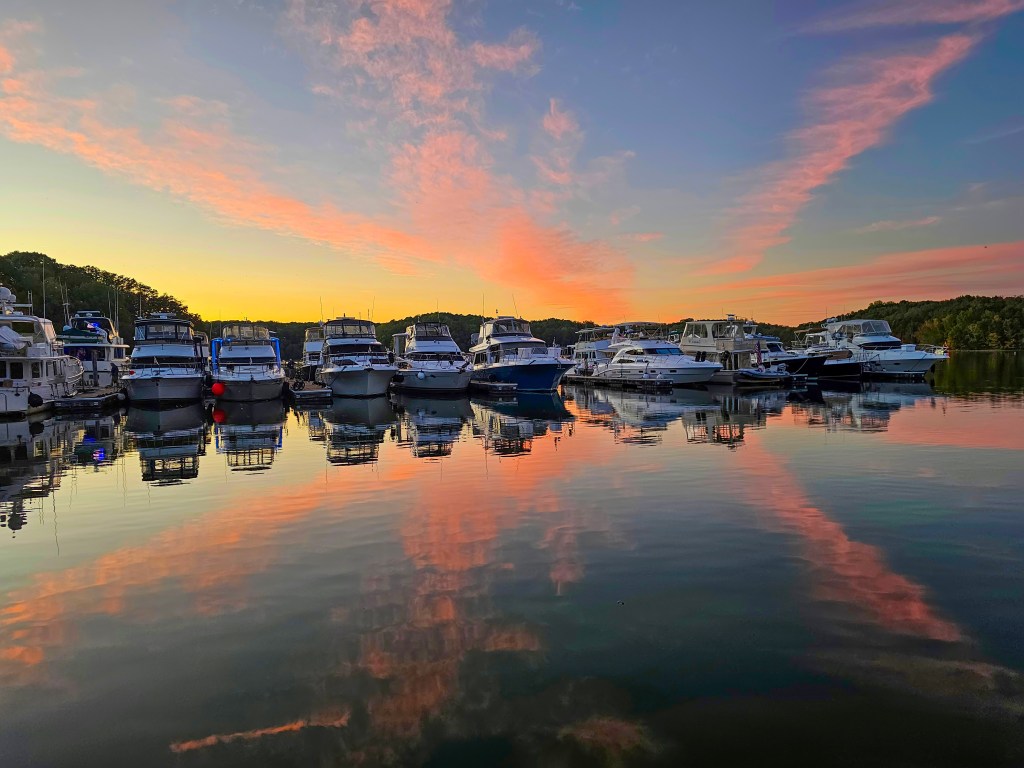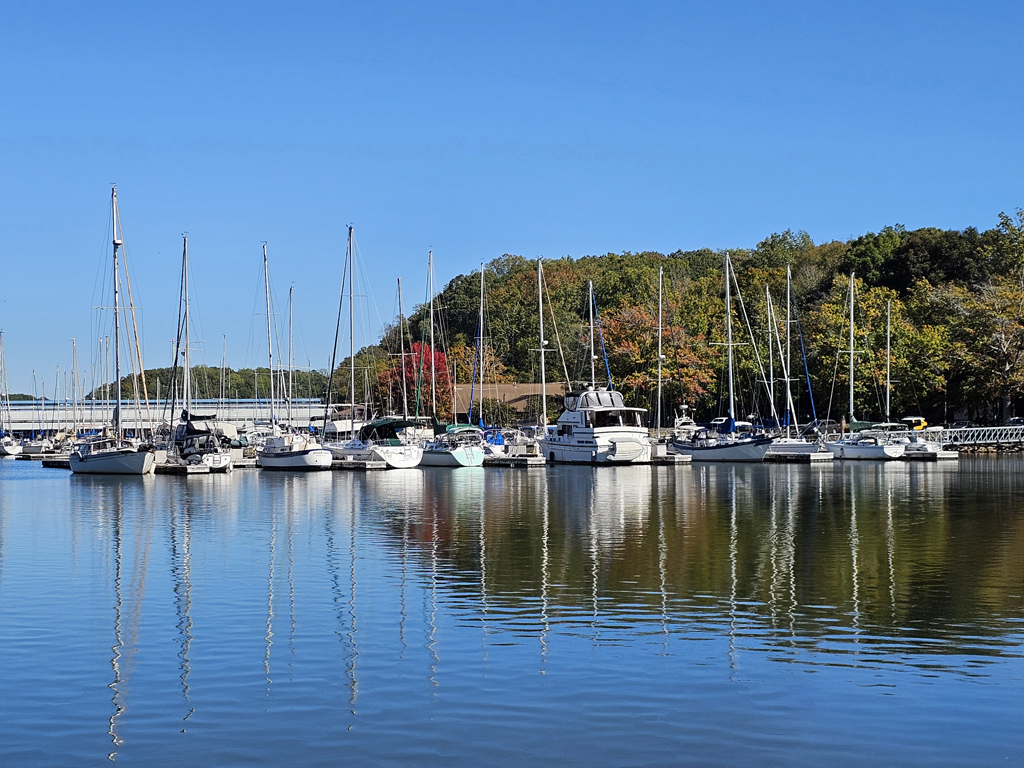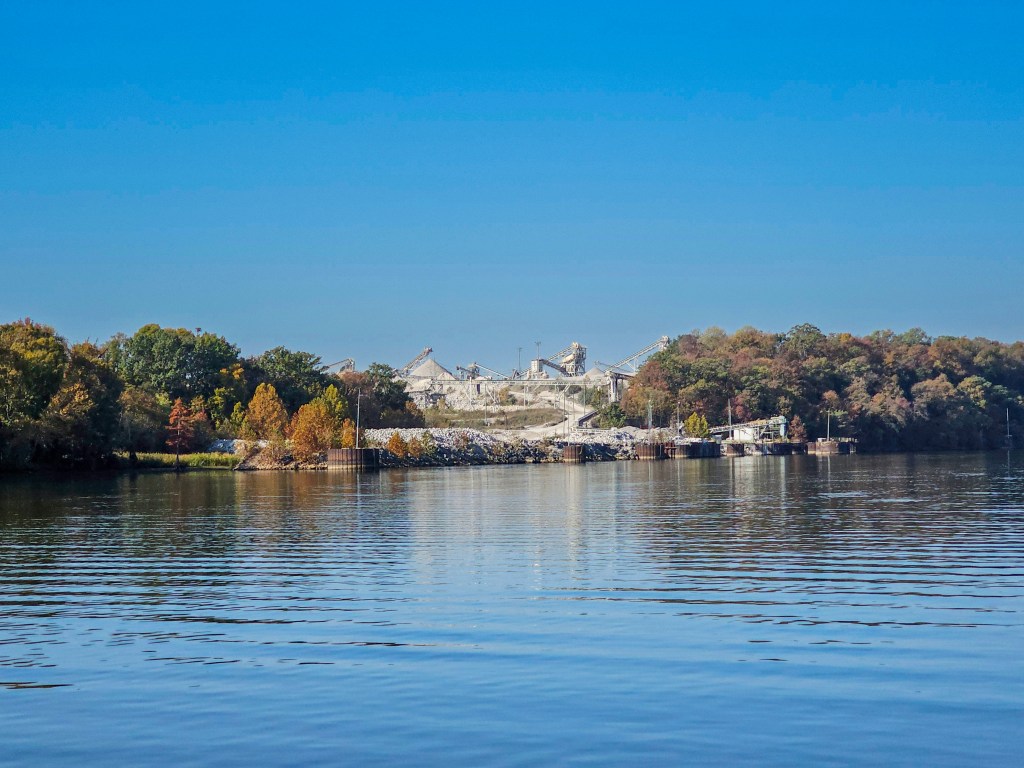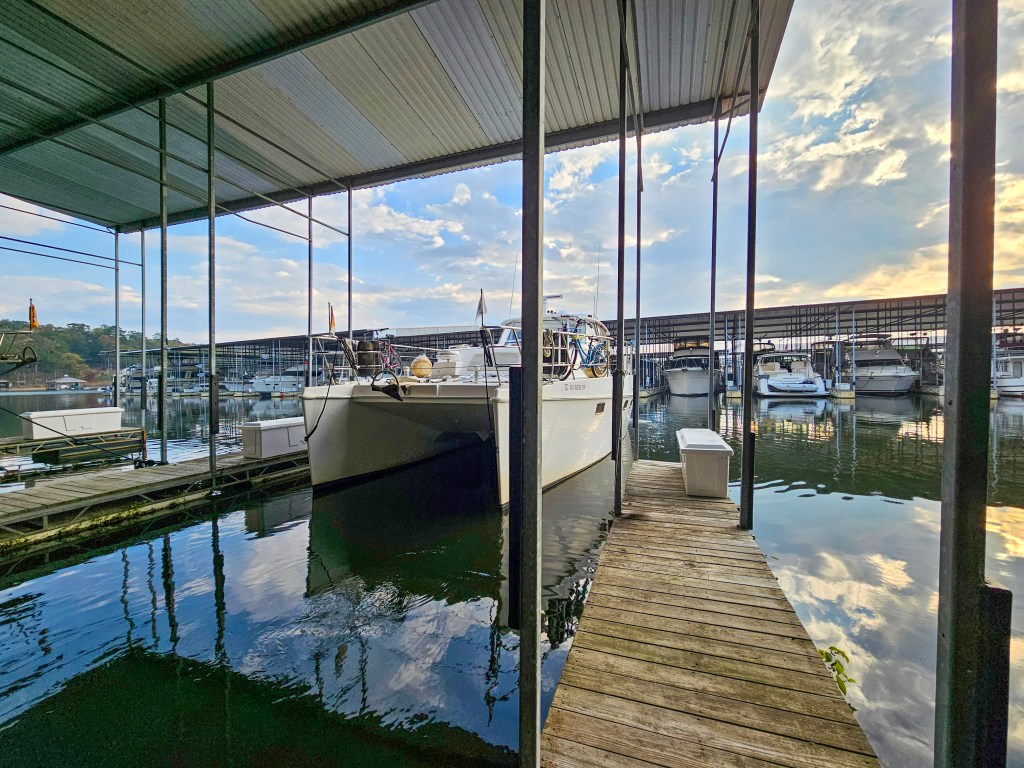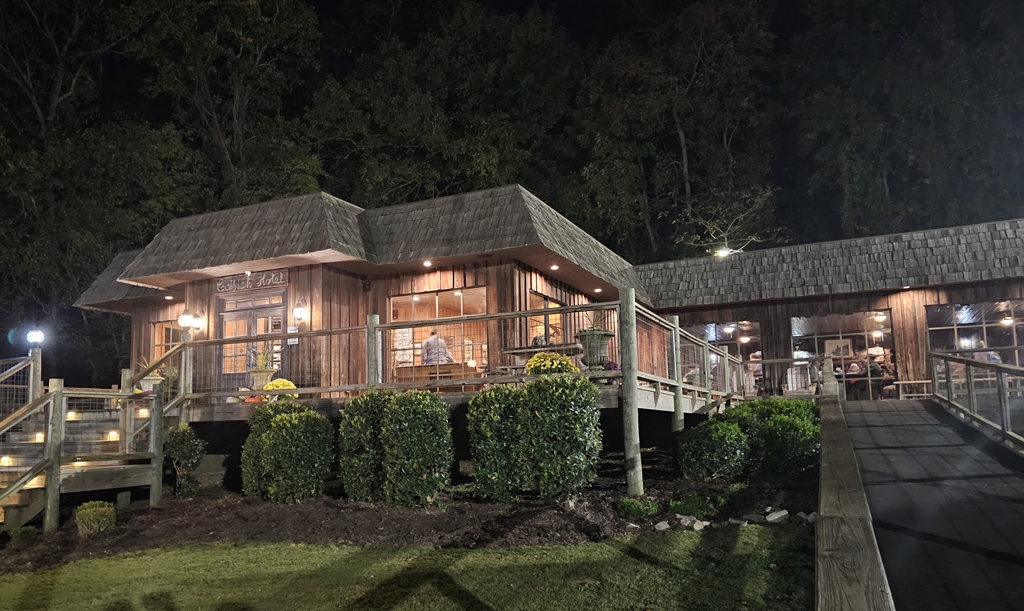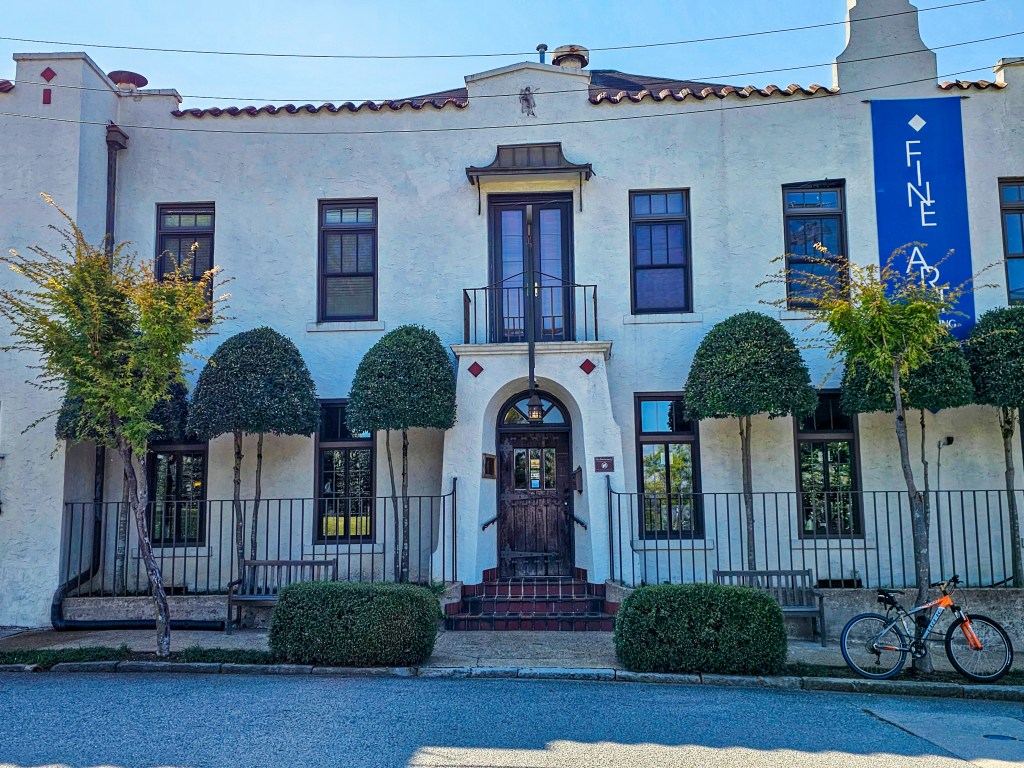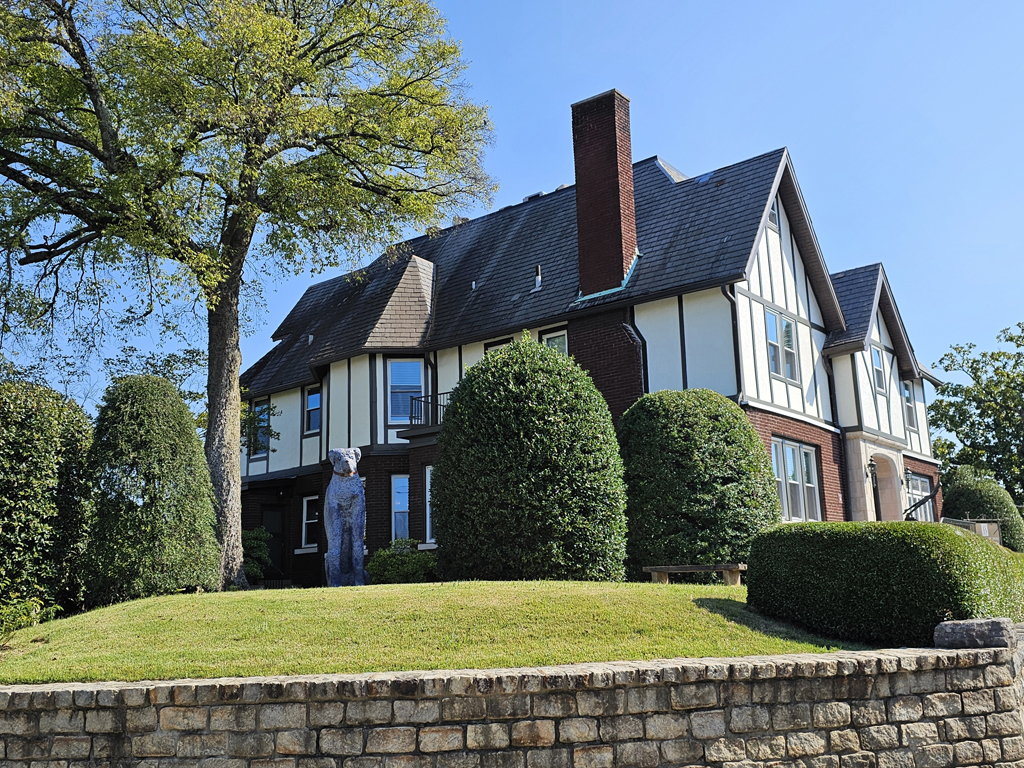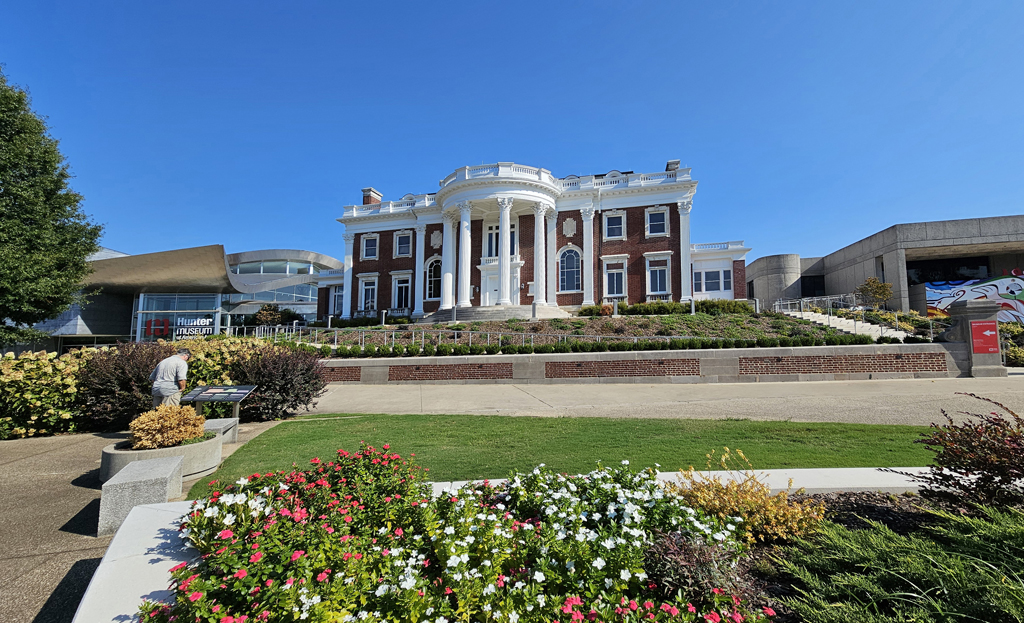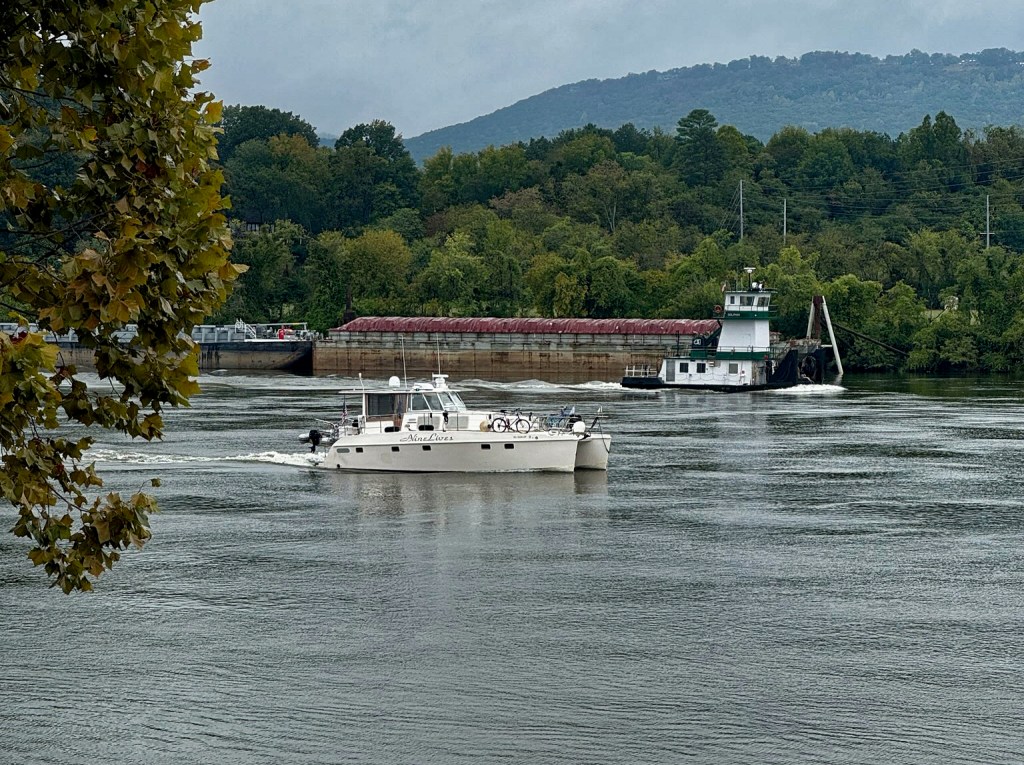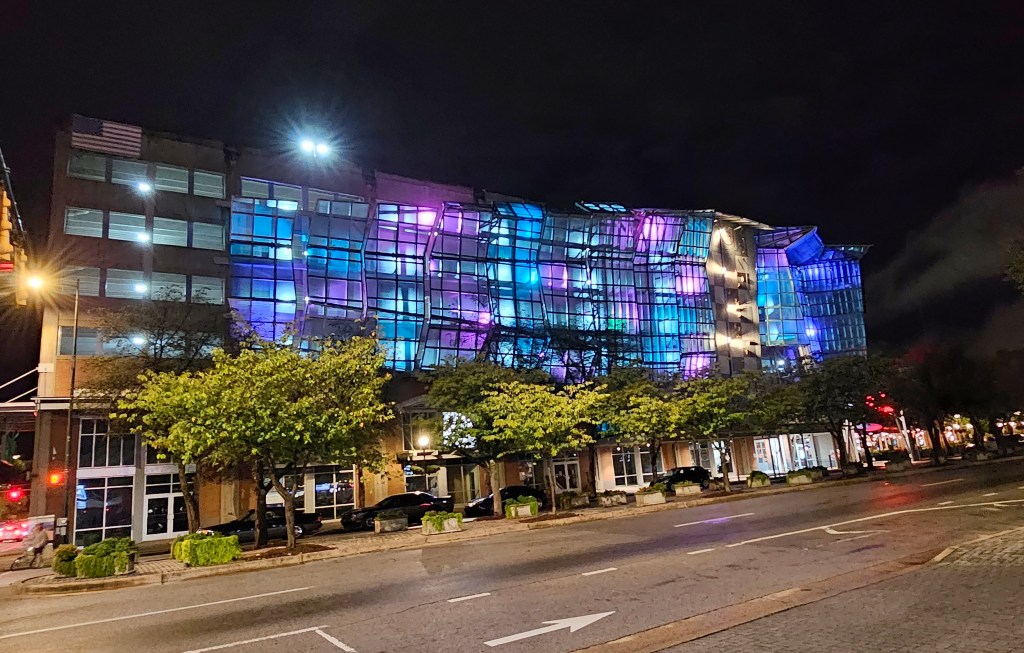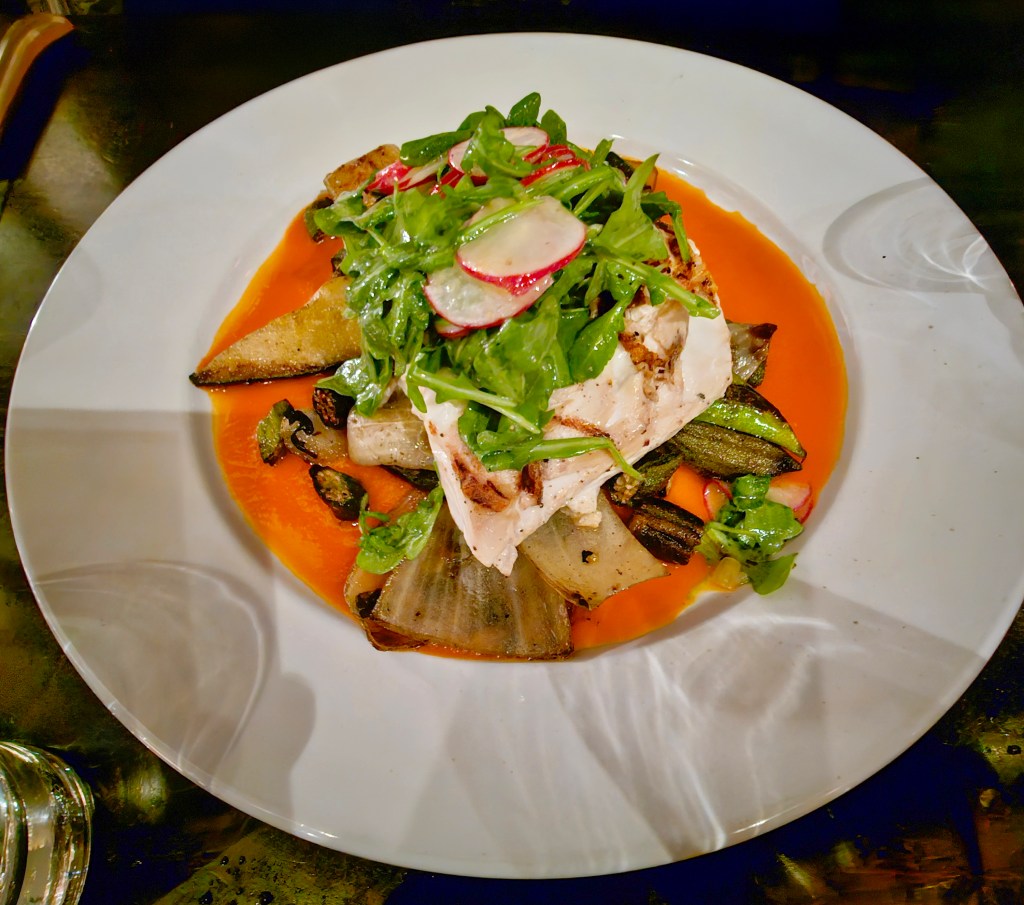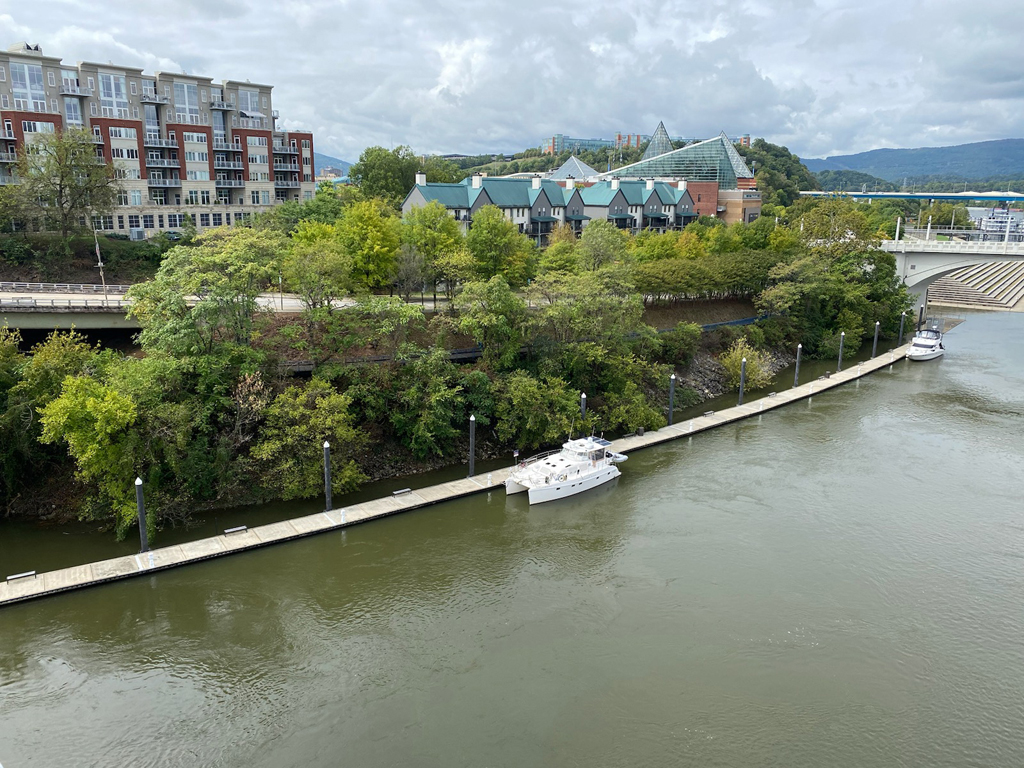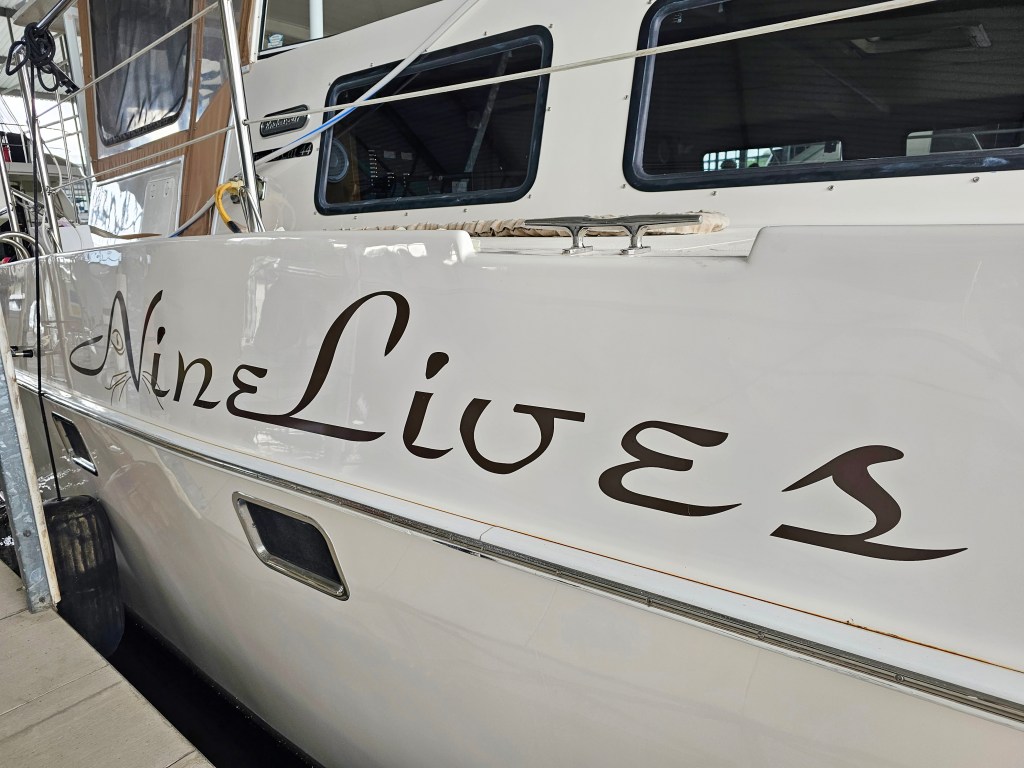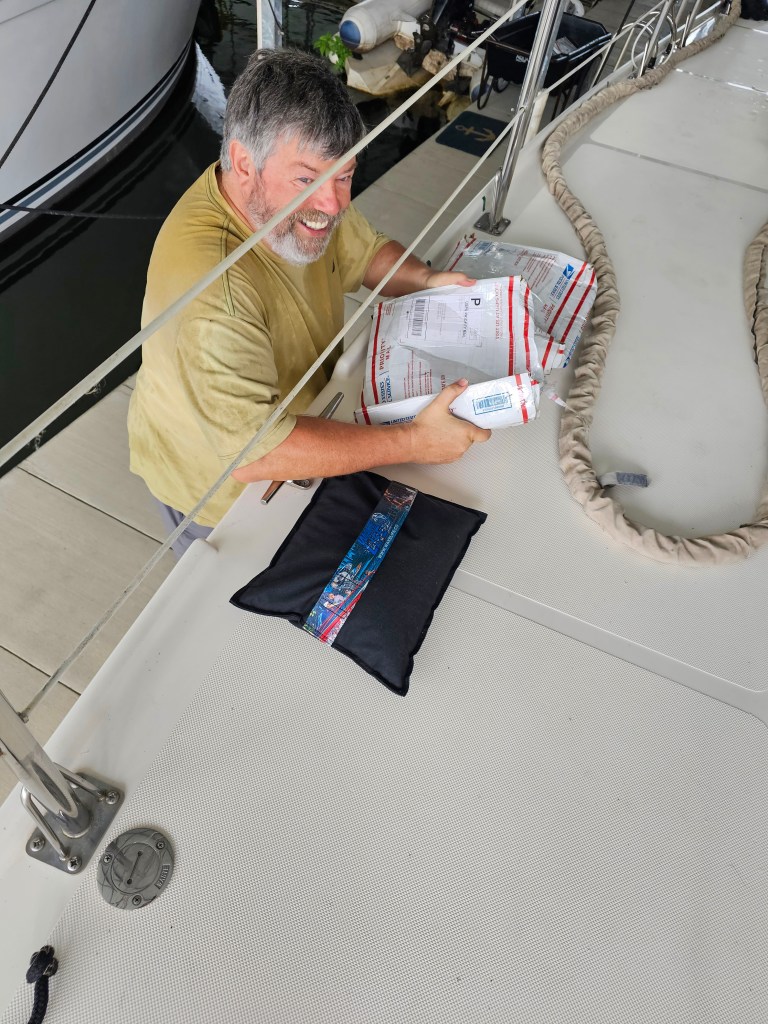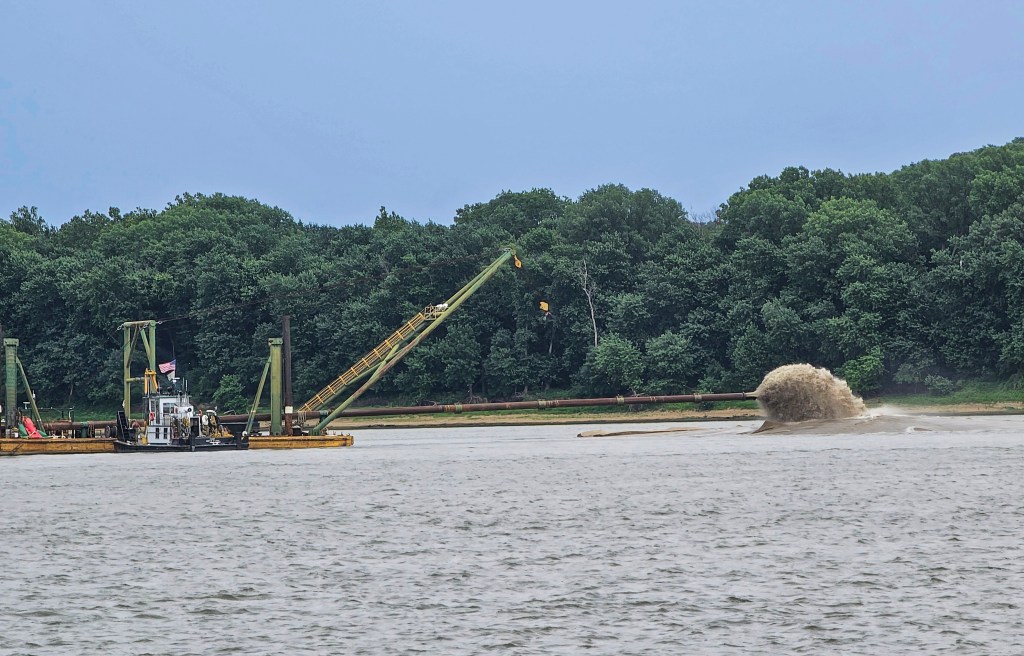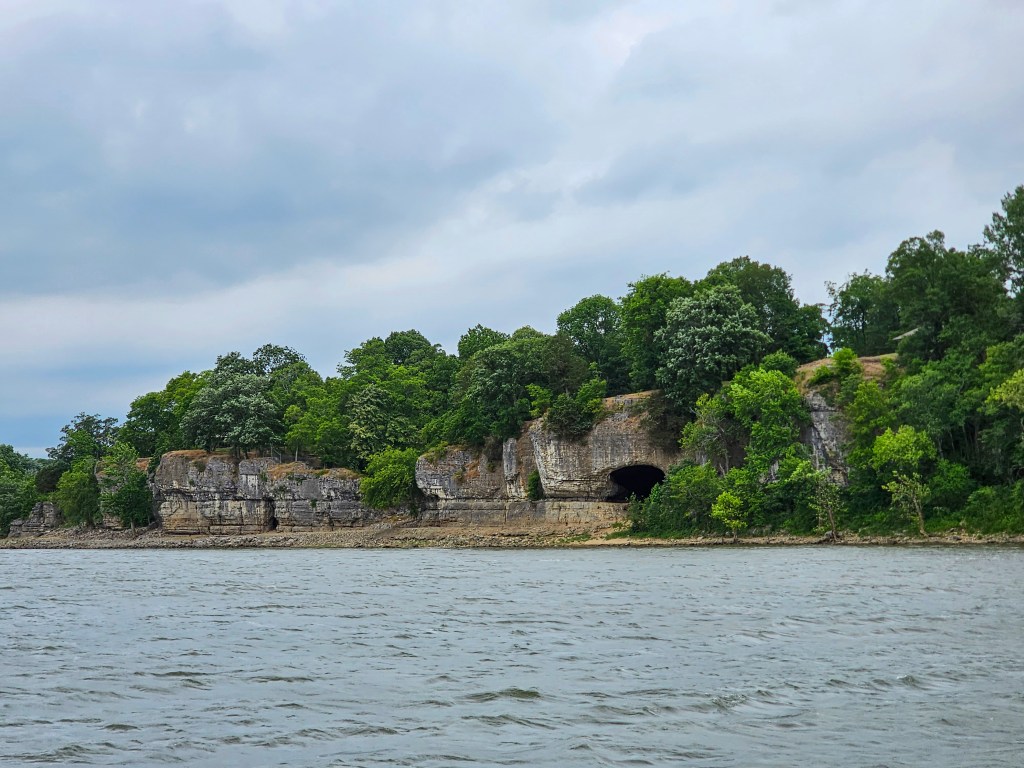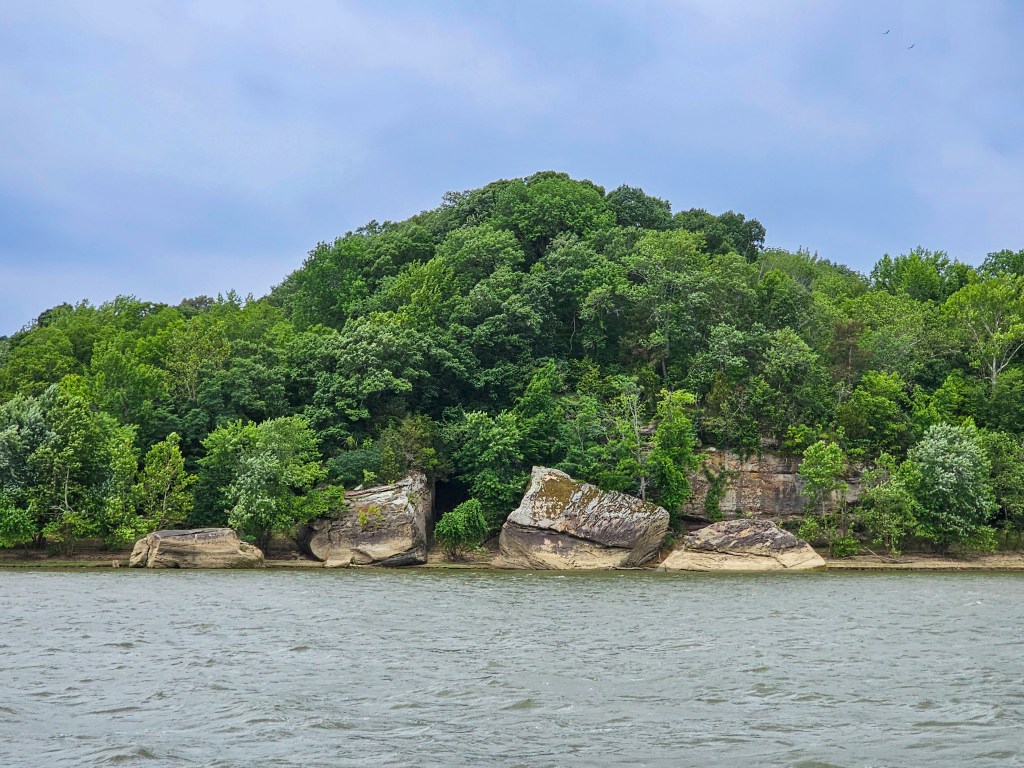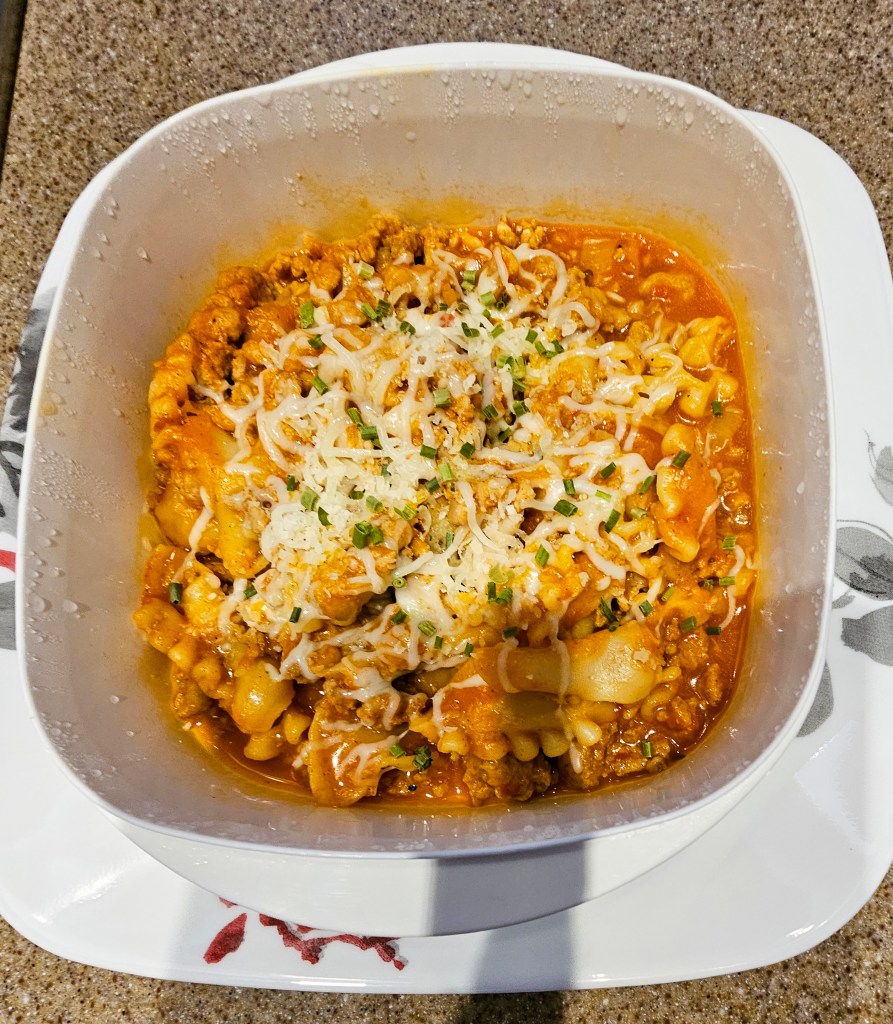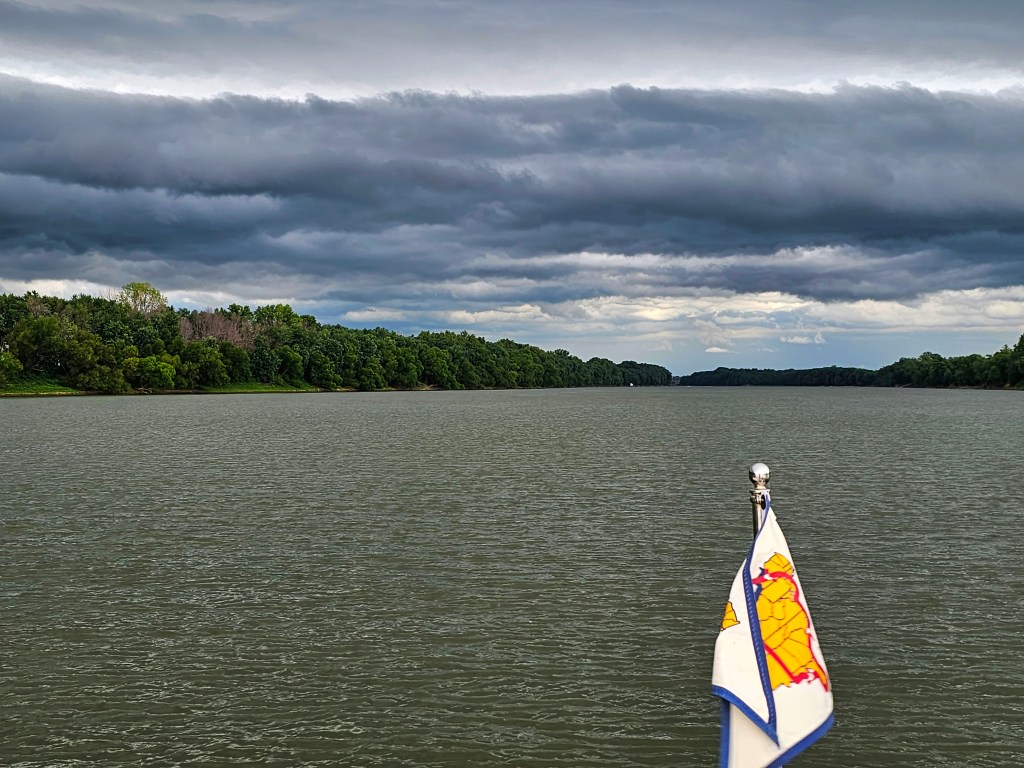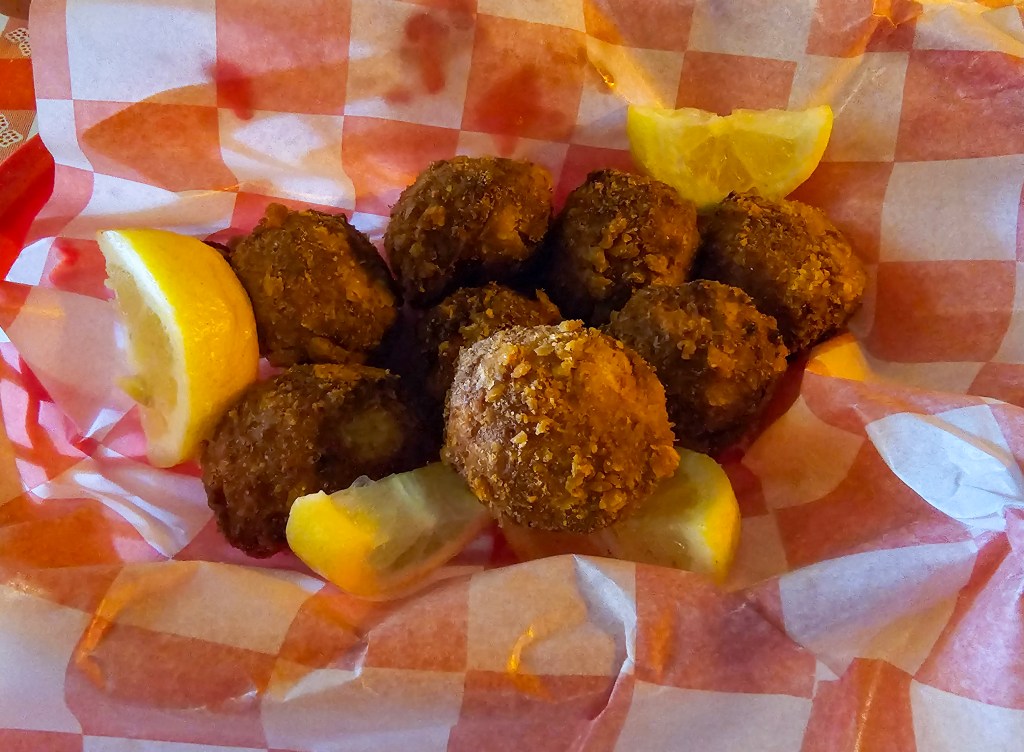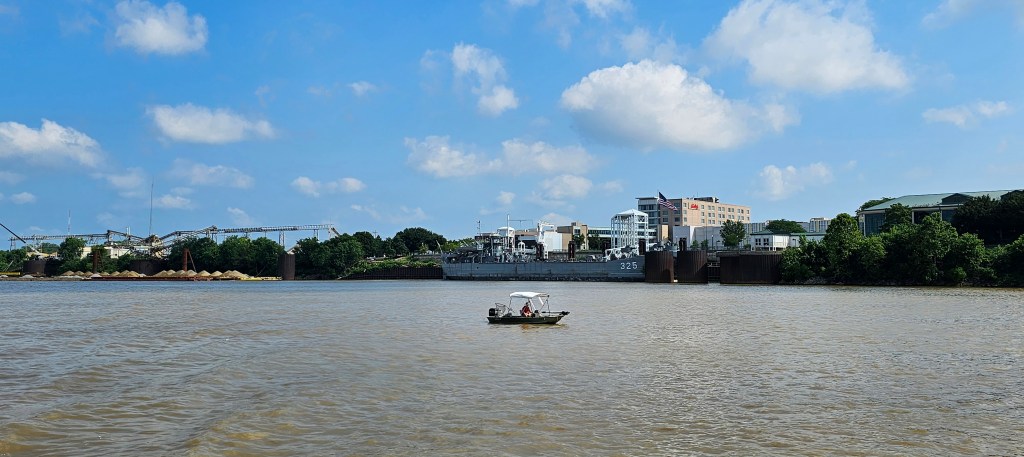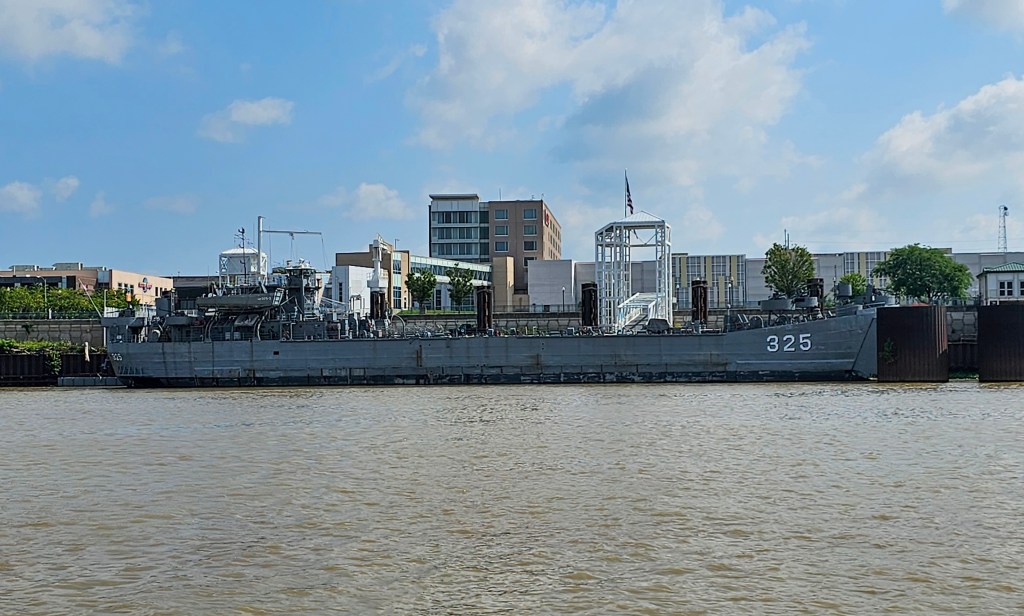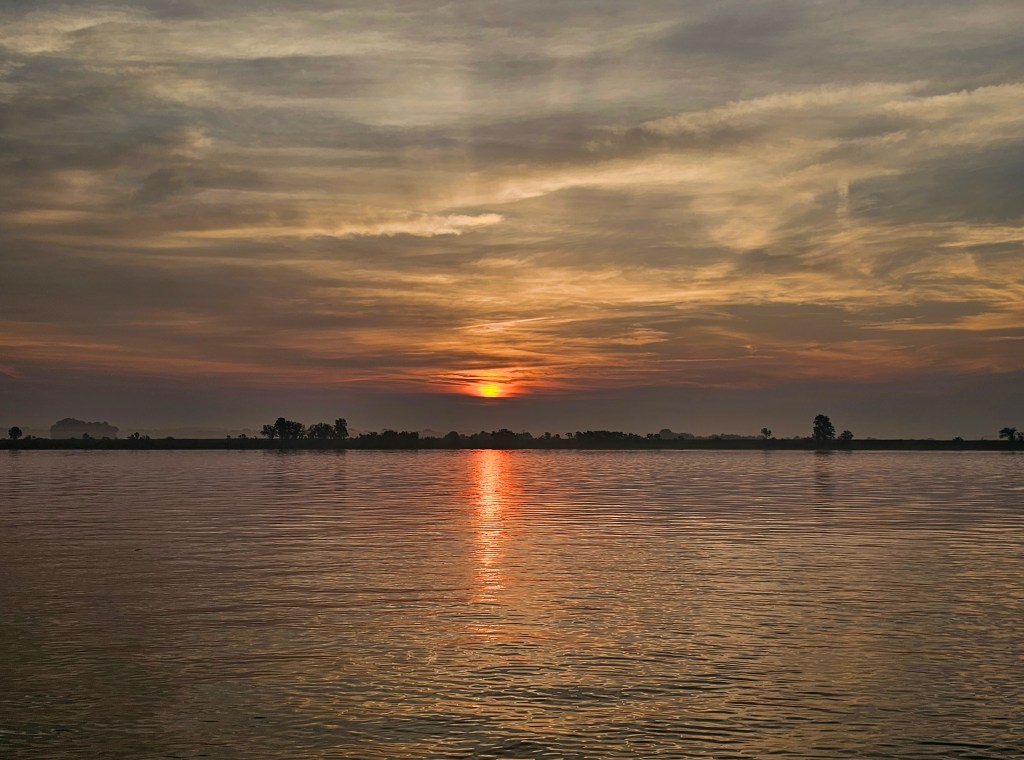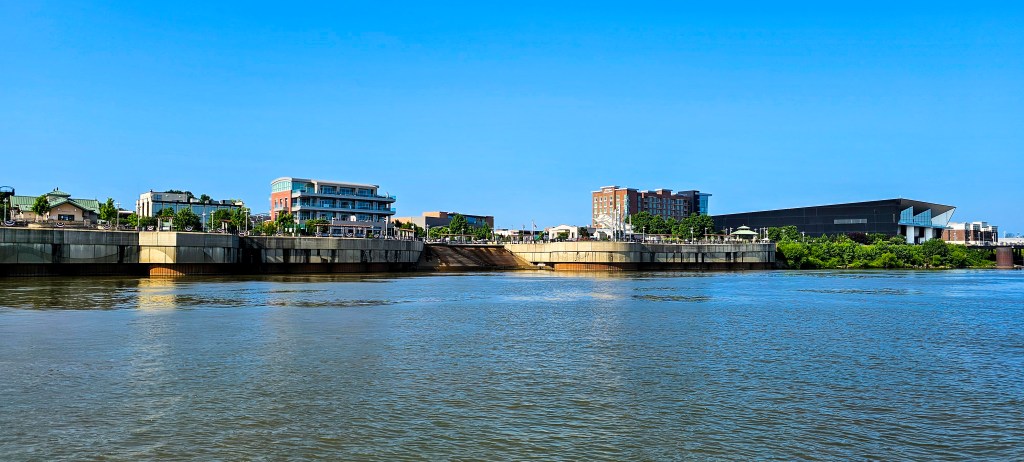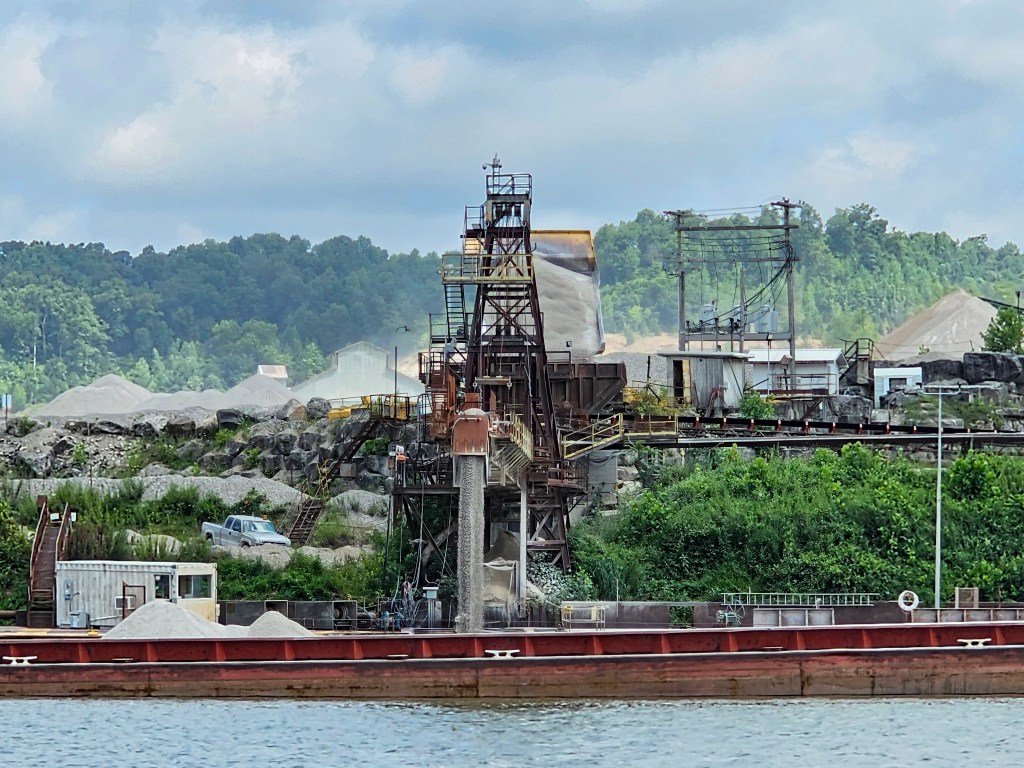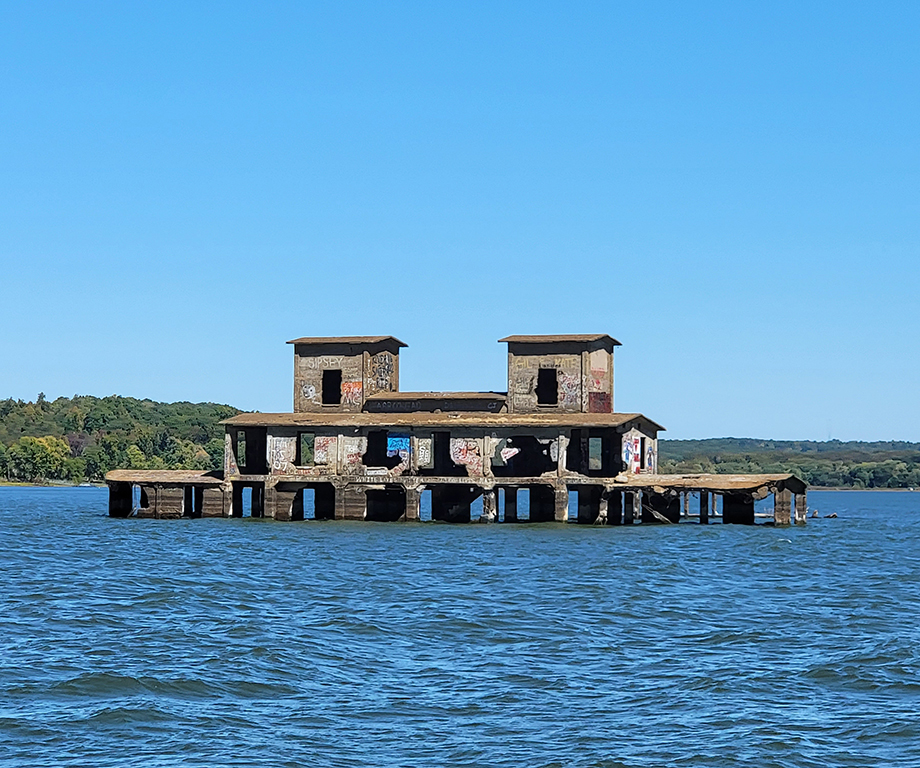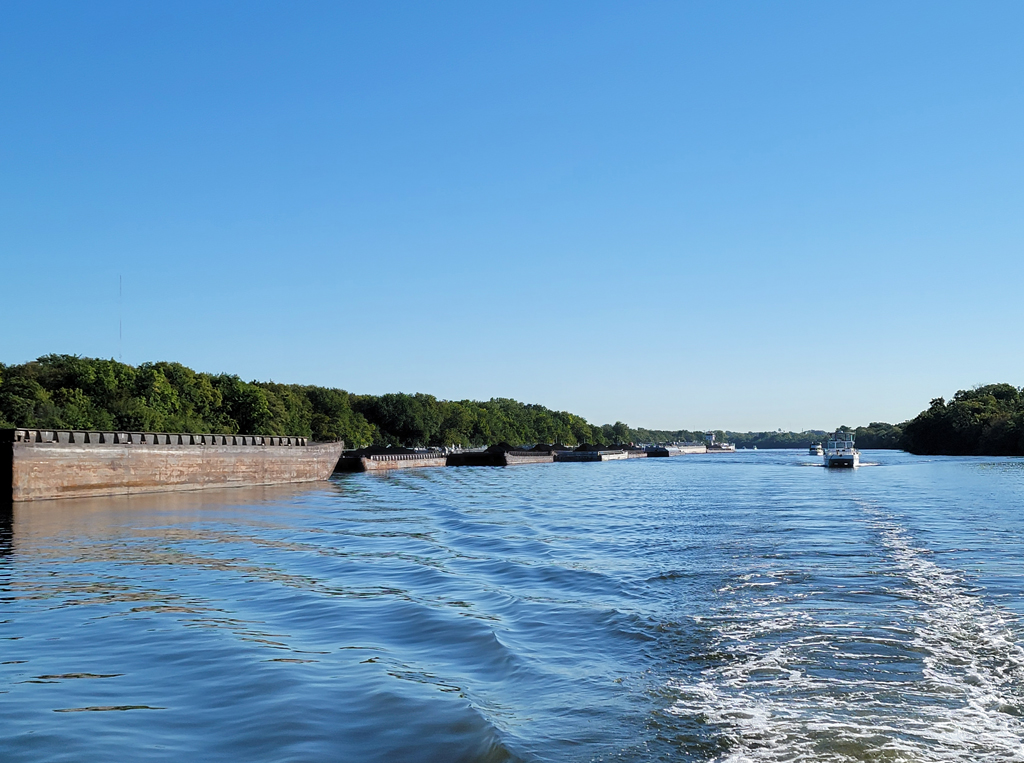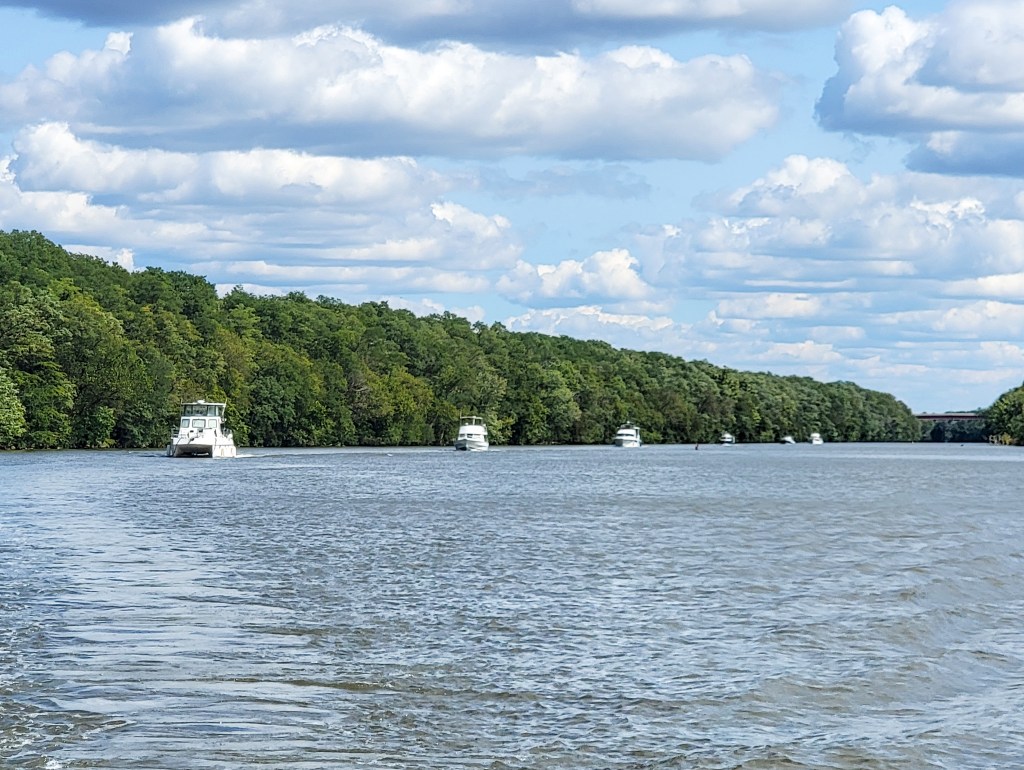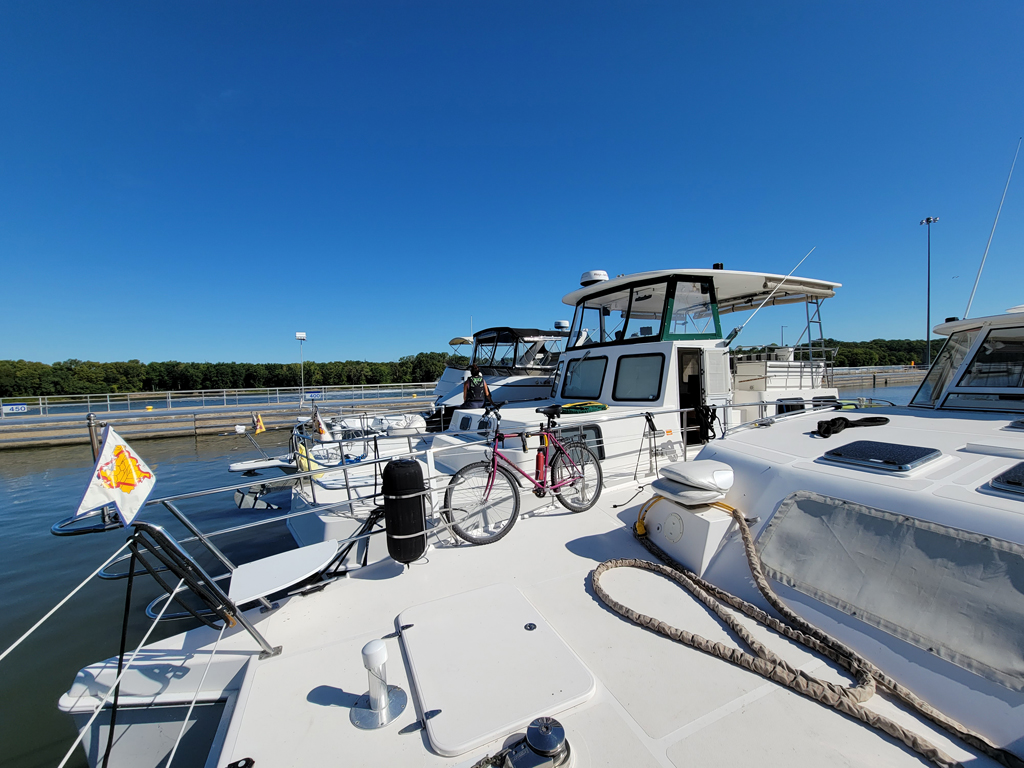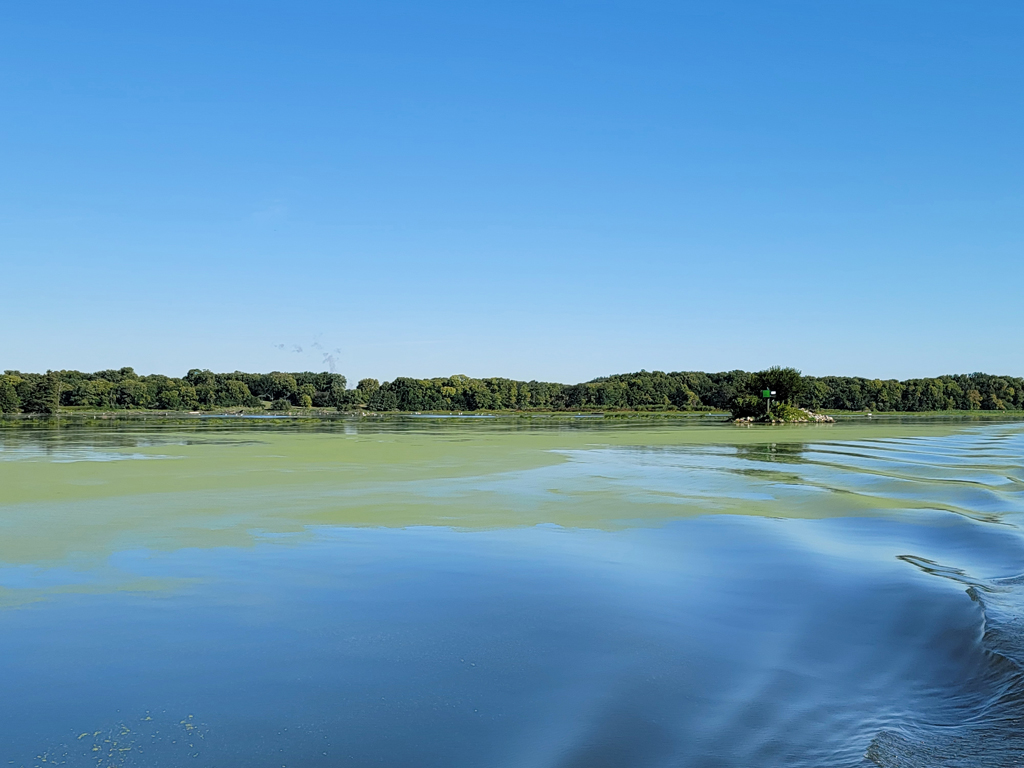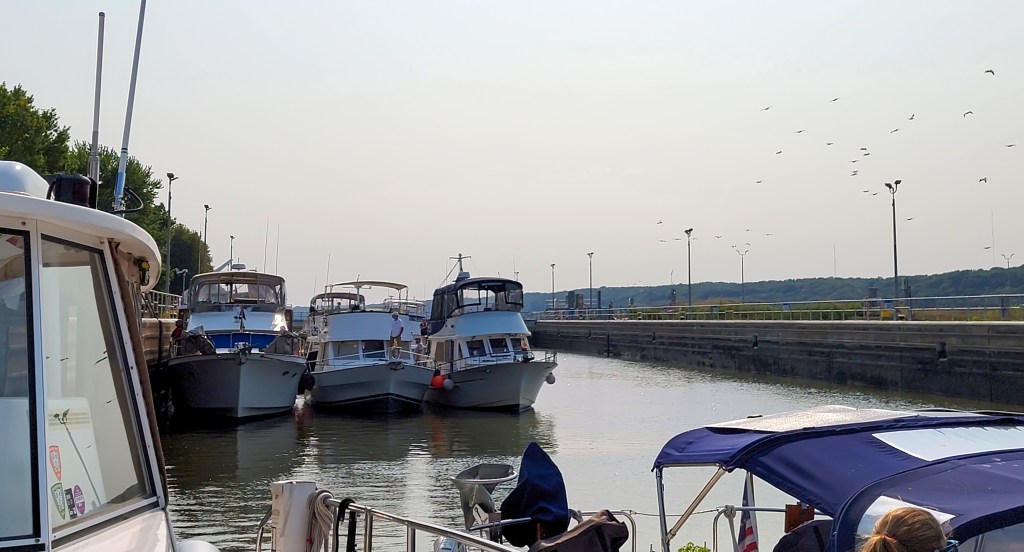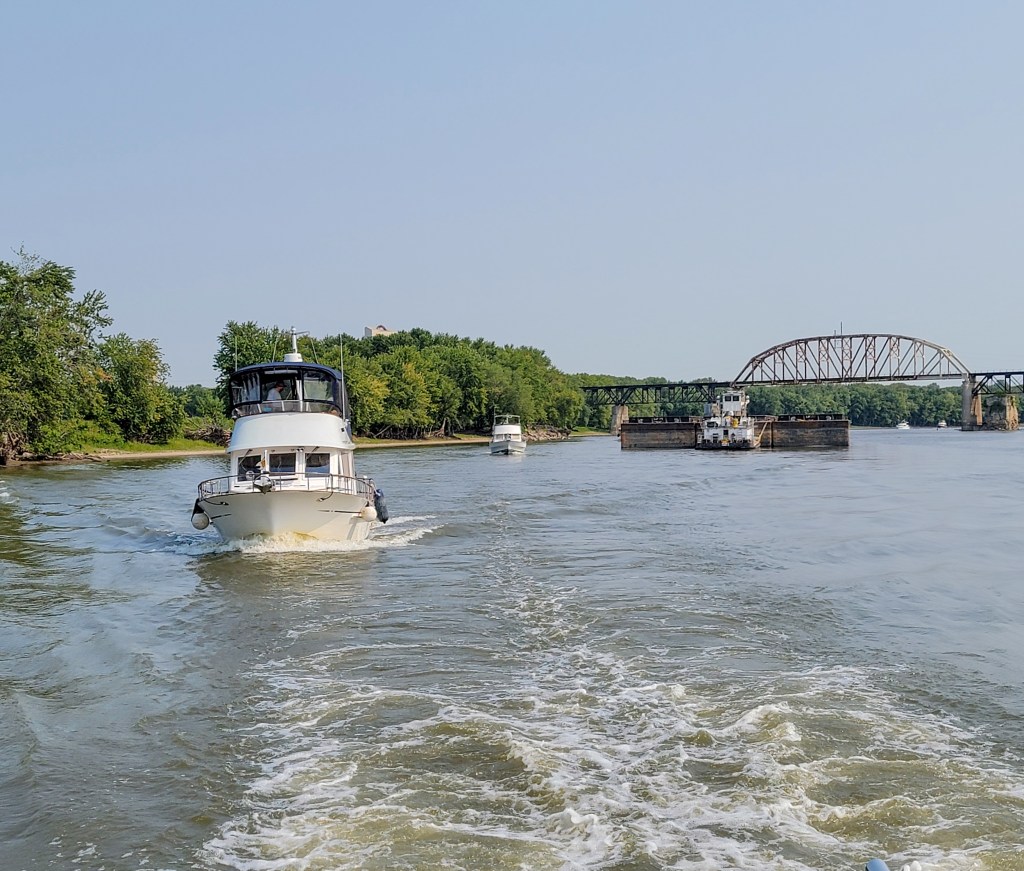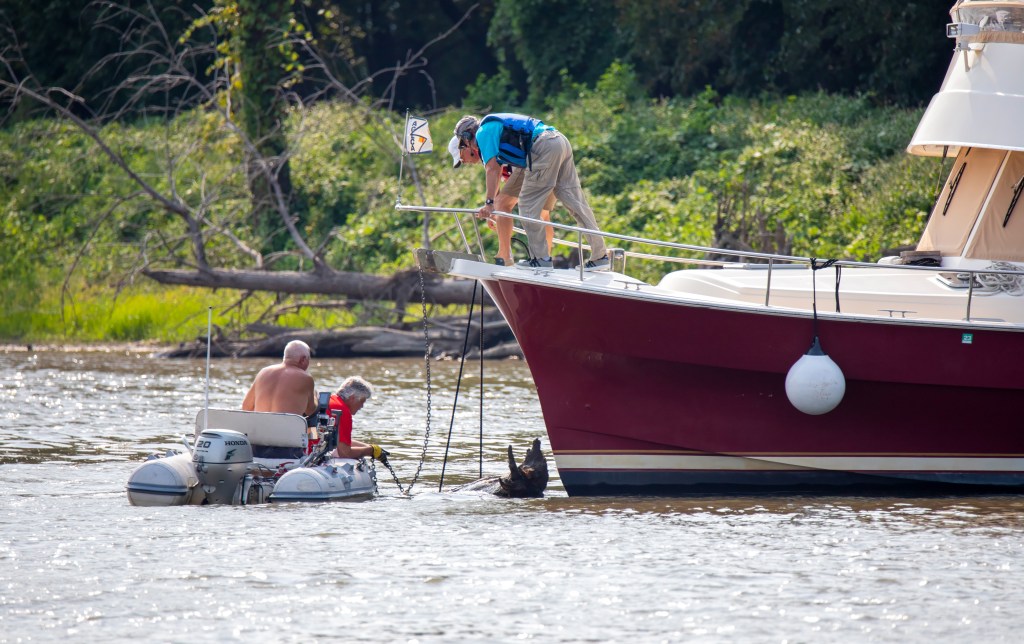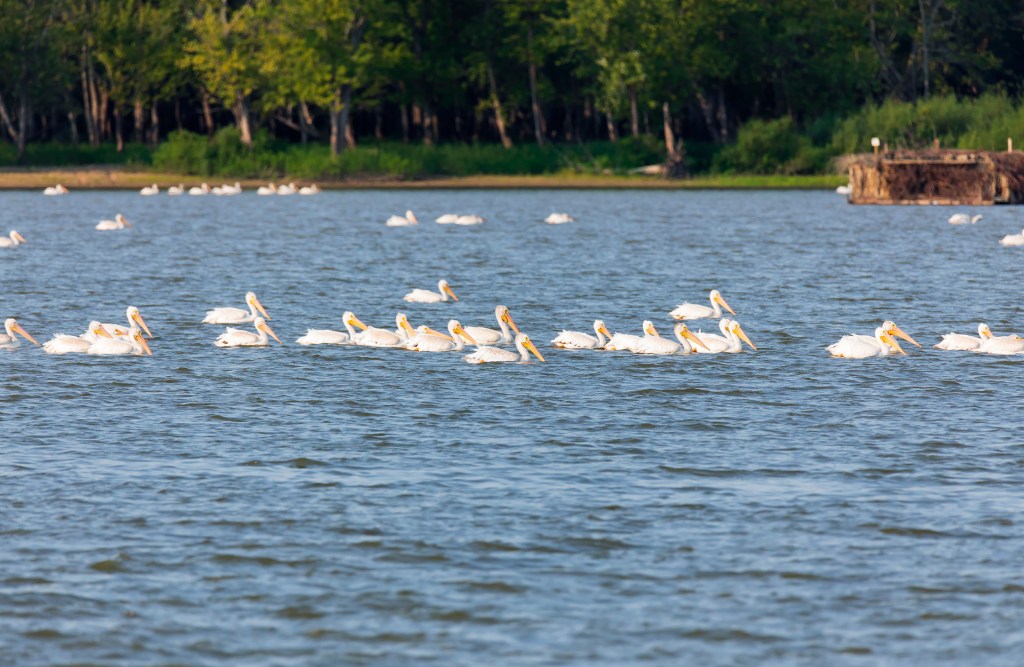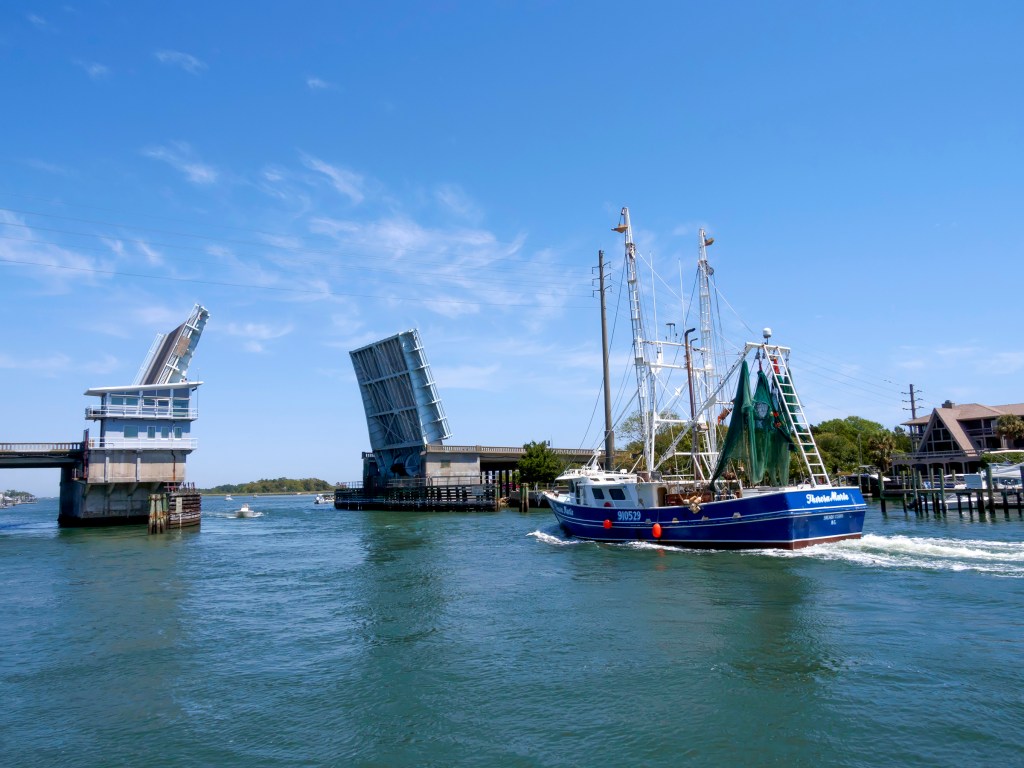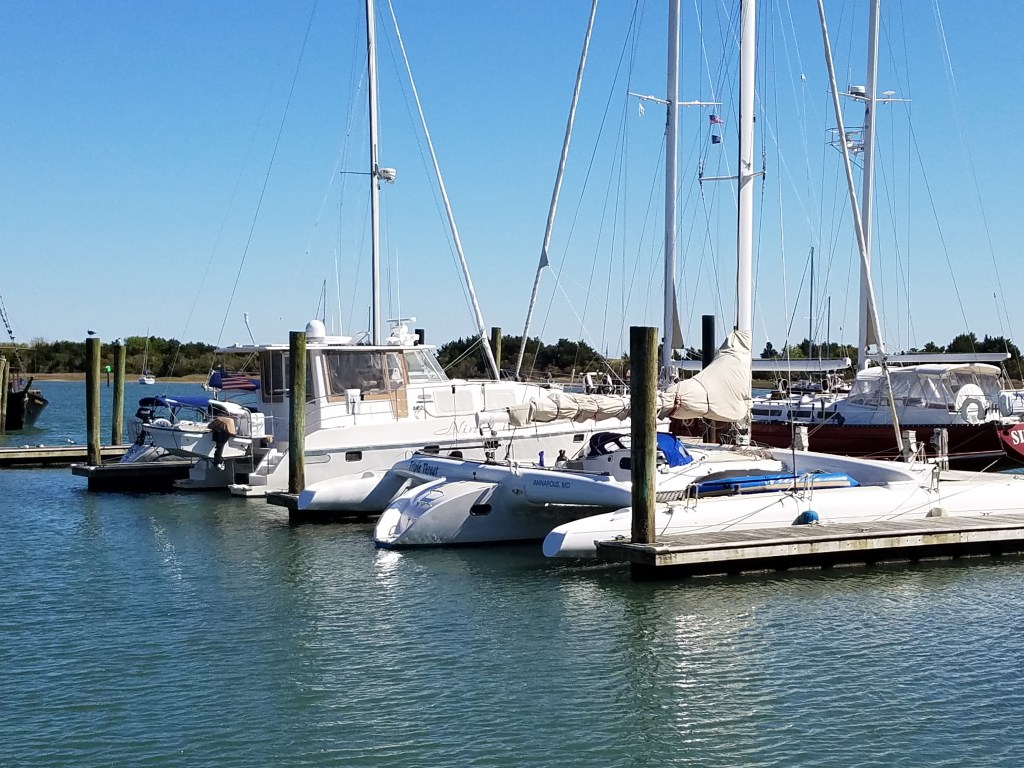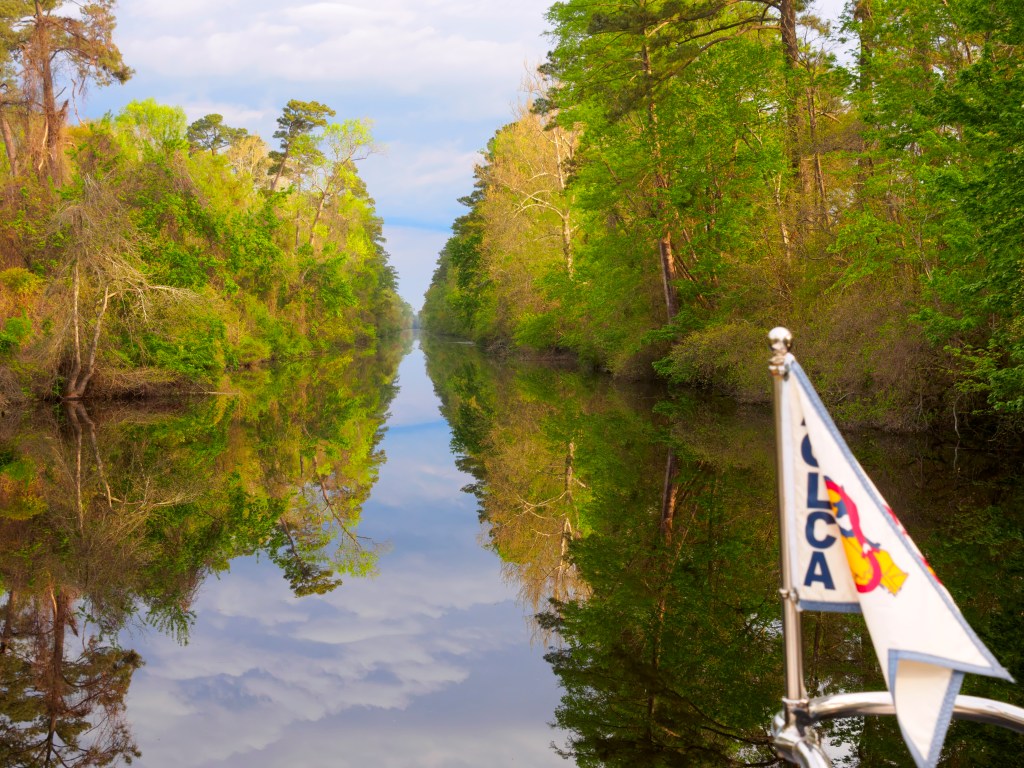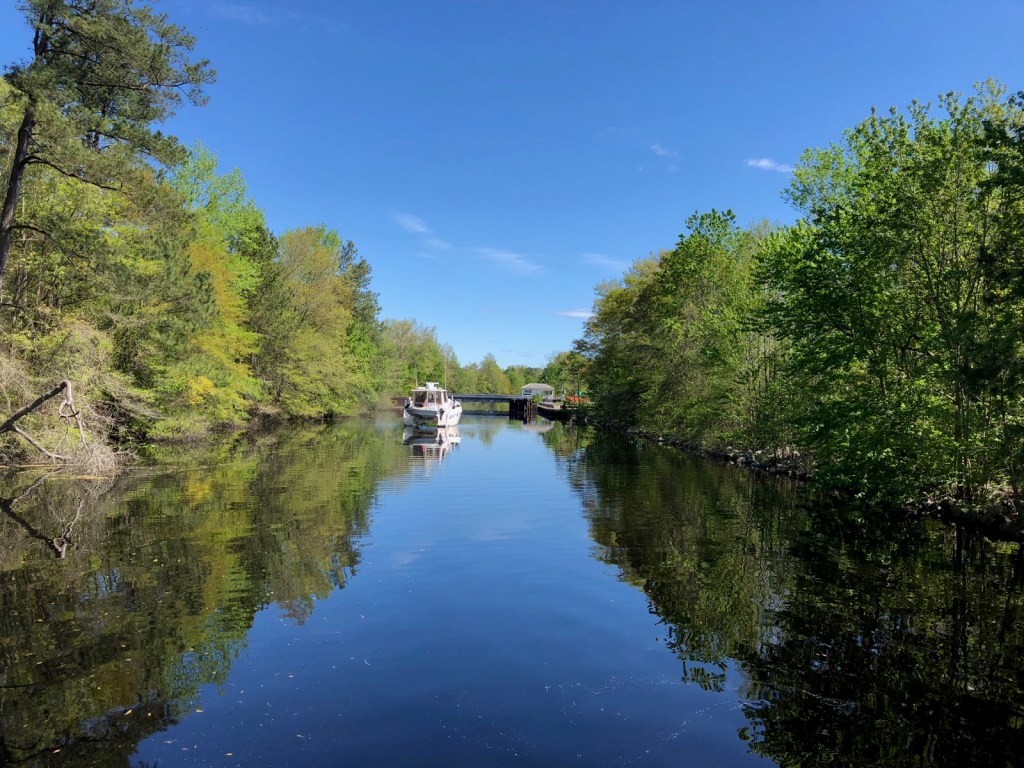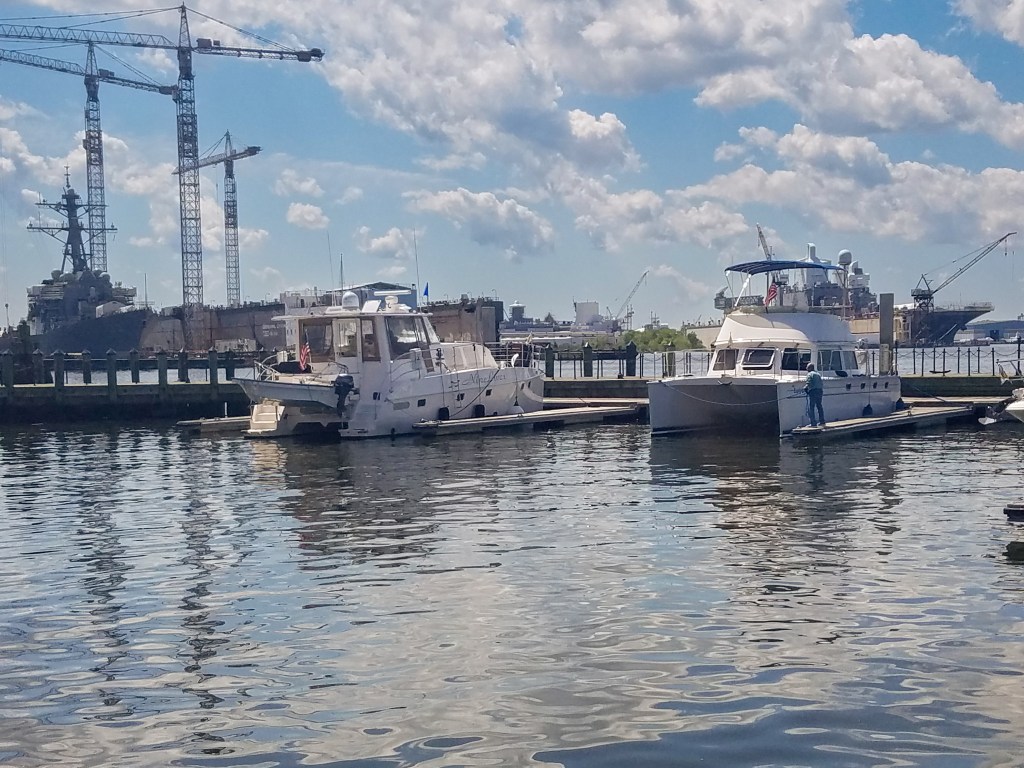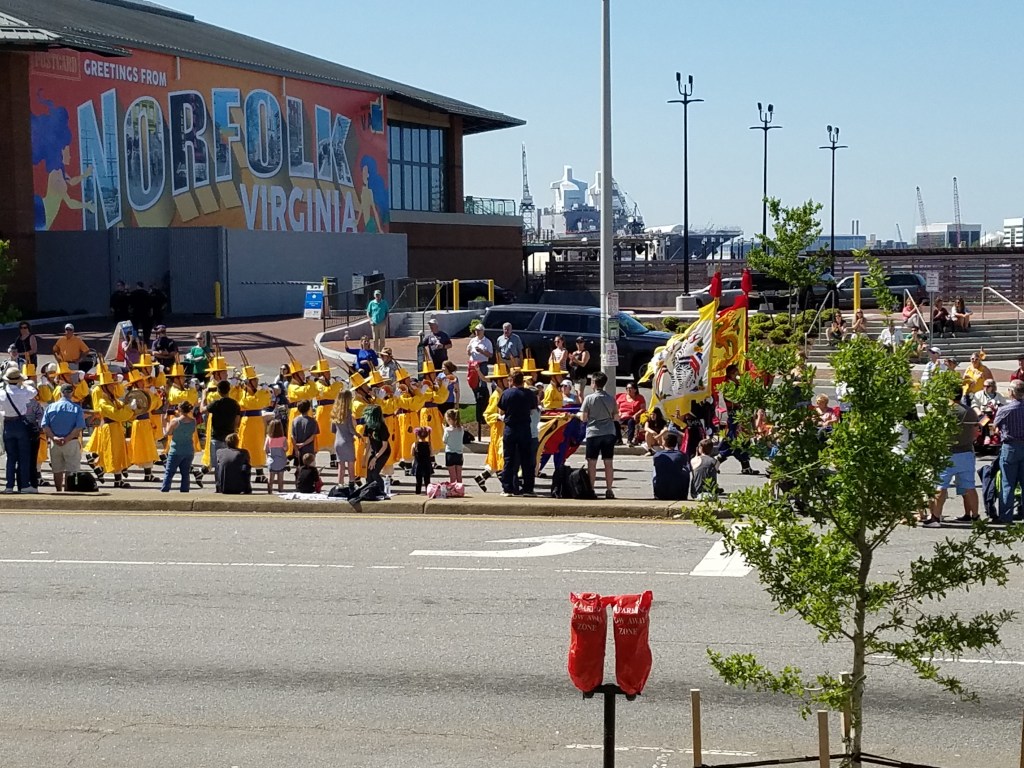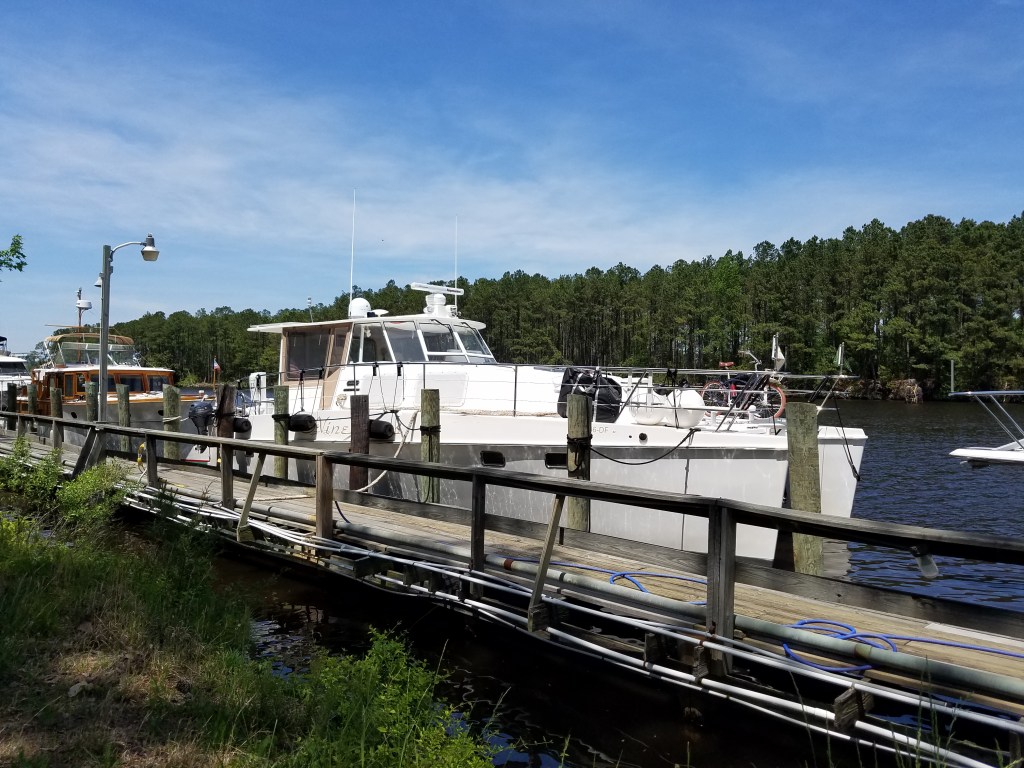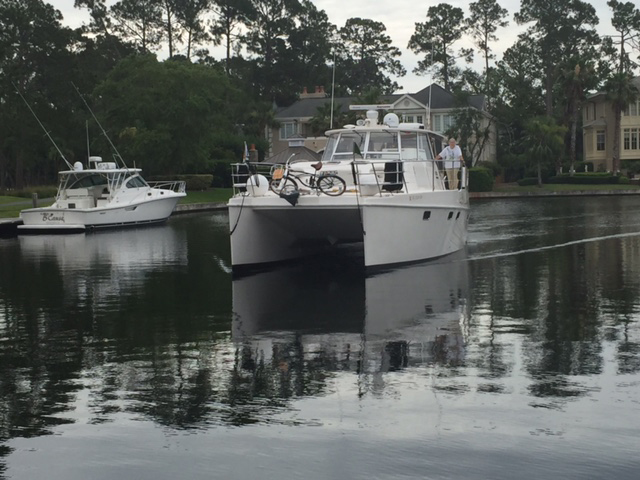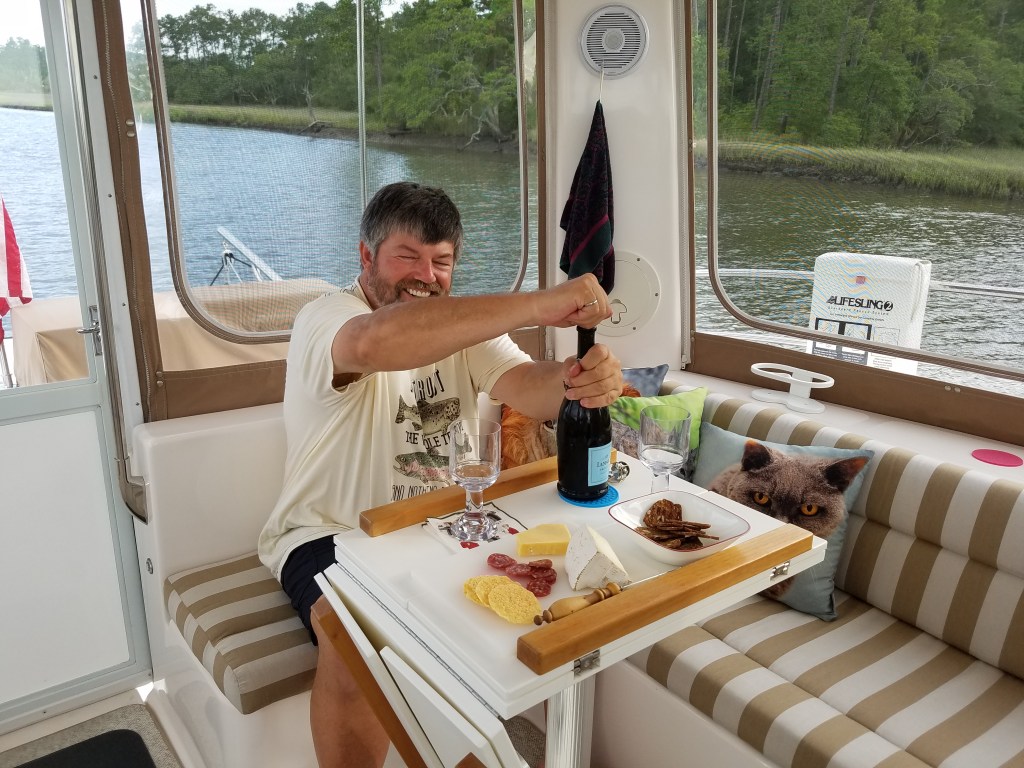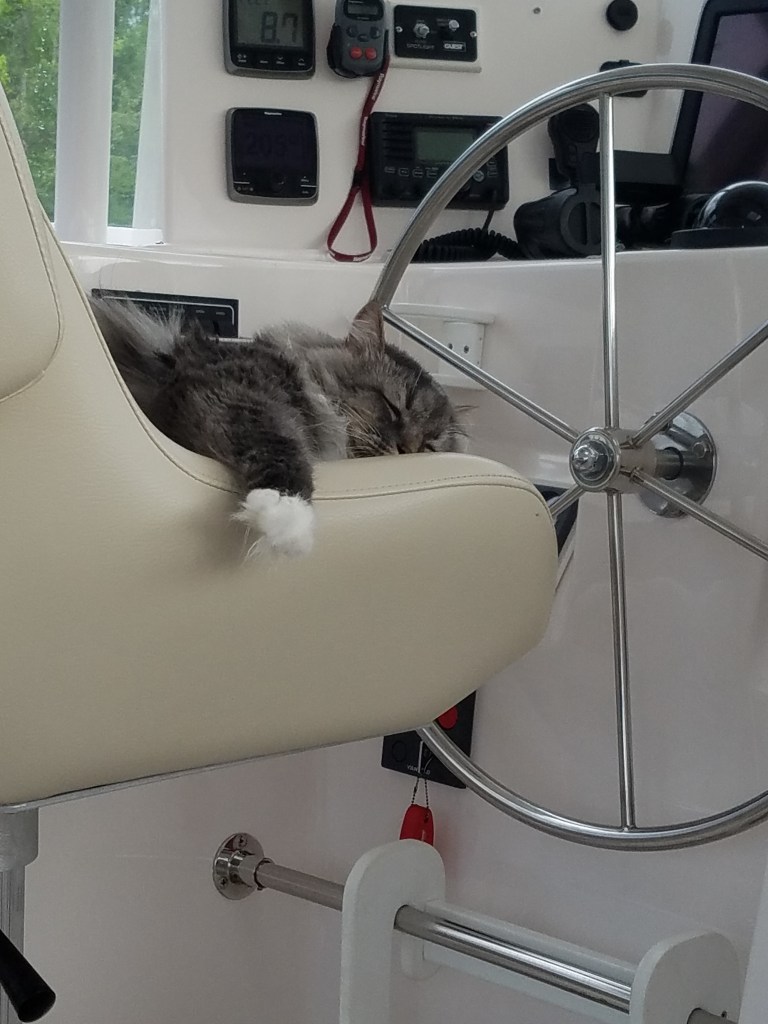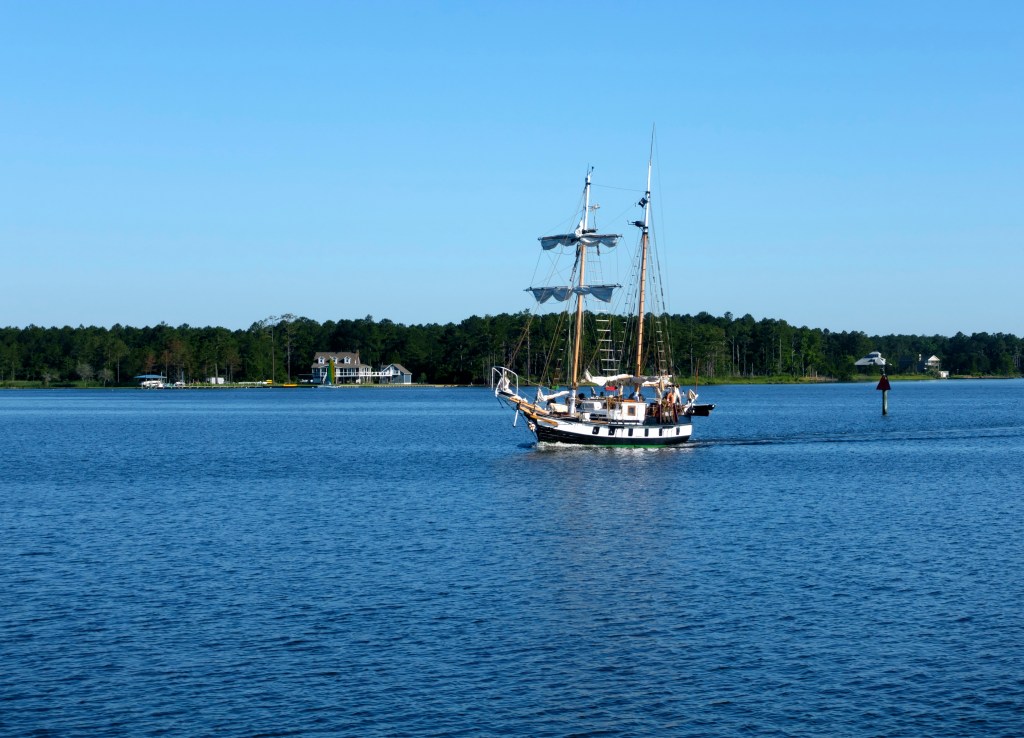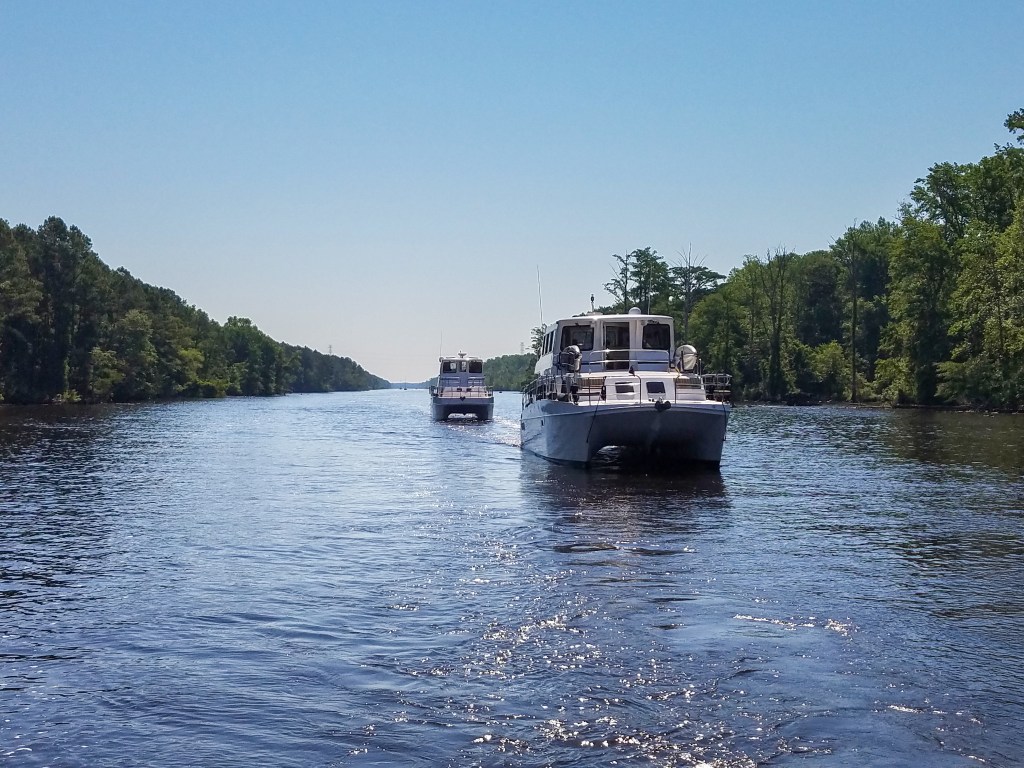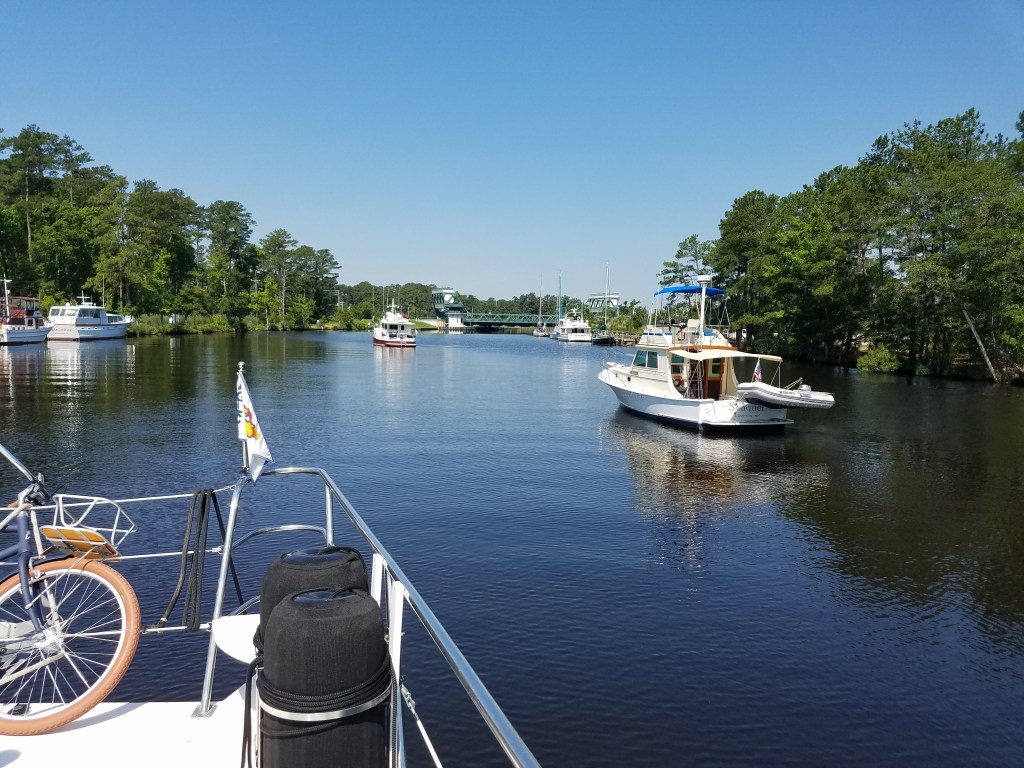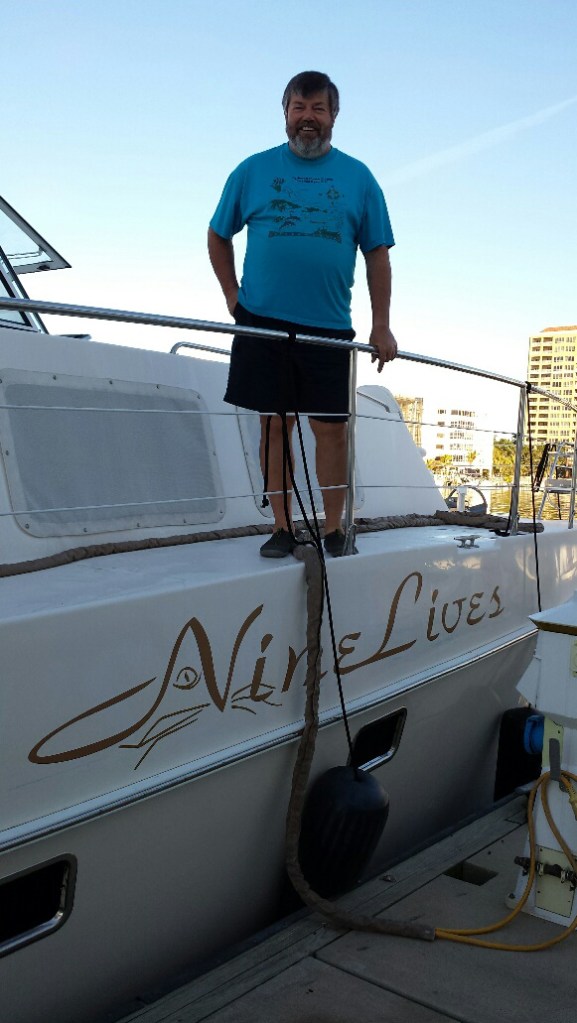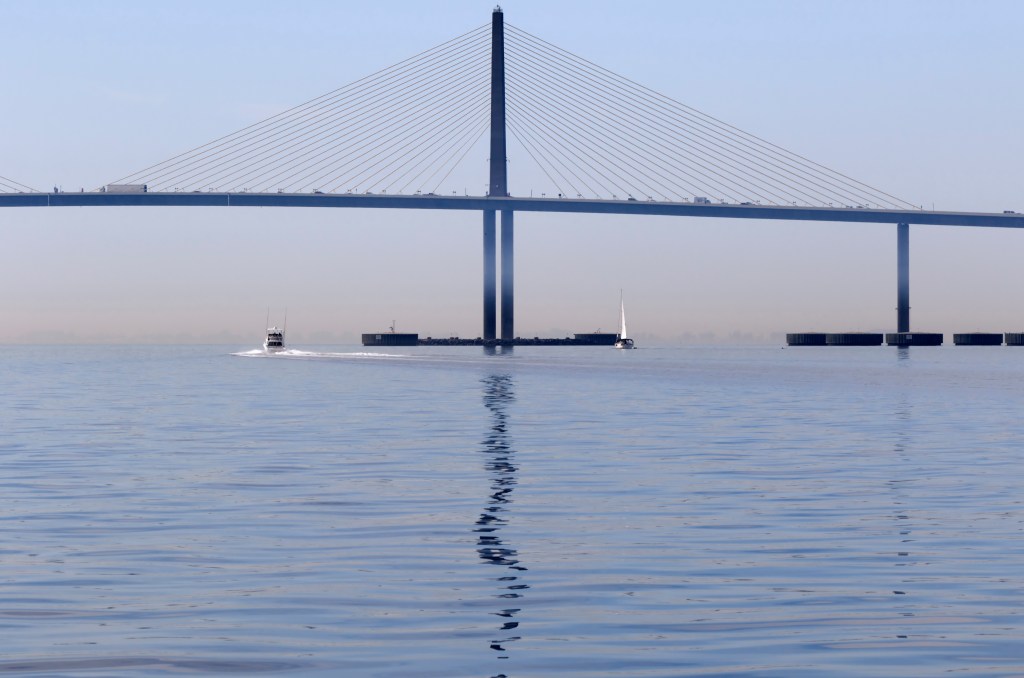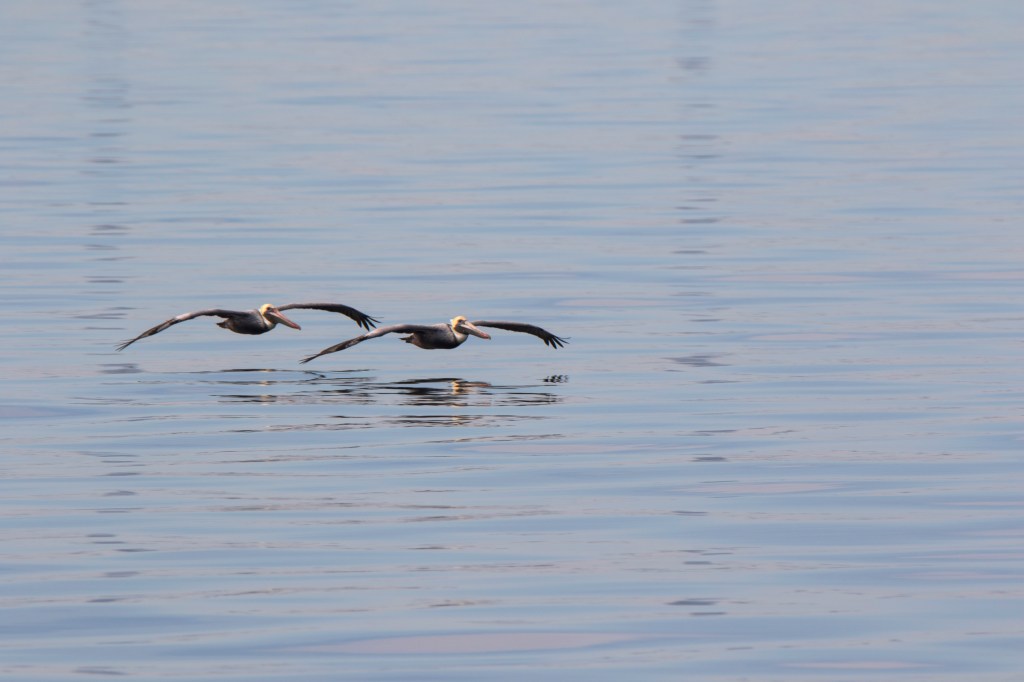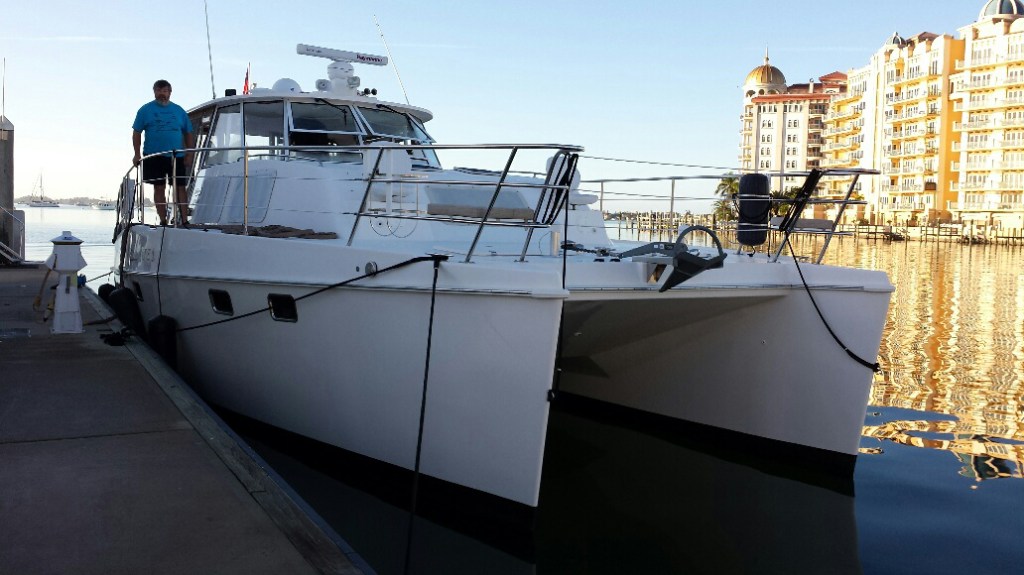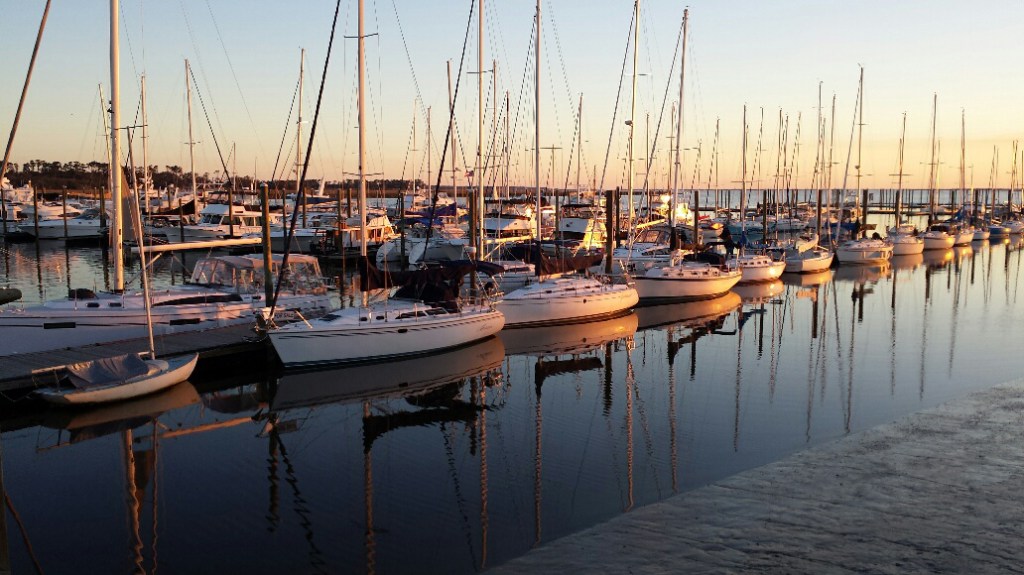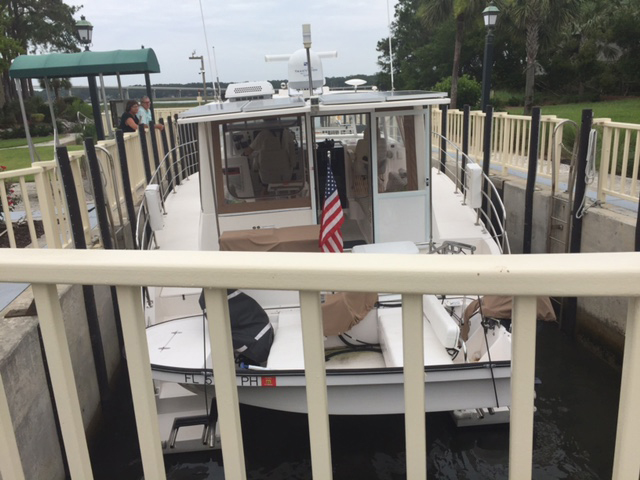
April 17th to May 2nd, 2025: Jacksonville to Hilton Head

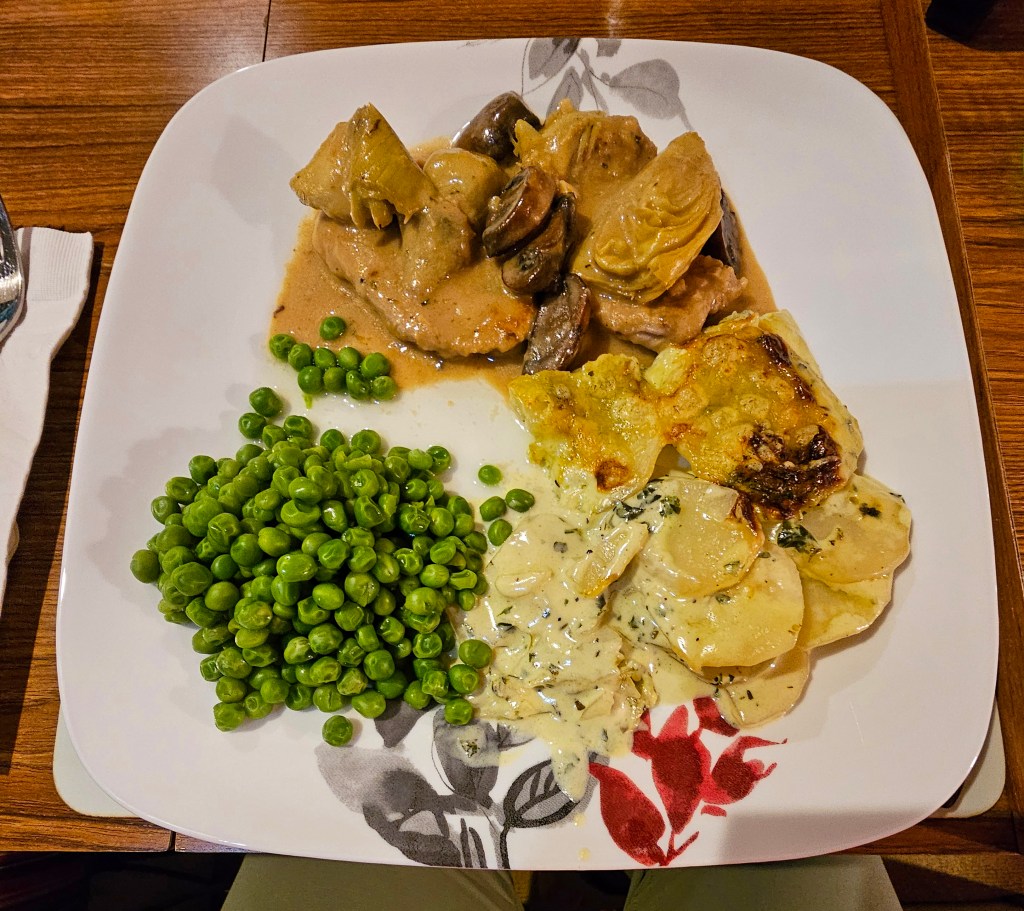
Our first full day in Jacksonville was enjoyable.  Dick set off early to collect the rental car, while I made apple cake in anticipation of visitors.  Fellow gold Loopers Debbie and Steve dropped by to visit Nine Lives and share the apple cake.

Later in the morning the local harbor host came over to see if there was anything we needed.  I chatted with him, but Dick was tied up with the lighting project and didn’t realize we had a visitor.  I finished and published the next installment of the blog while Dick replaced the fluorescent light fixture in his bathroom.  This was another electrical project that required 3 hands and a certain amount of adult language to complete.  The bathroom is now exceptionally well lit!

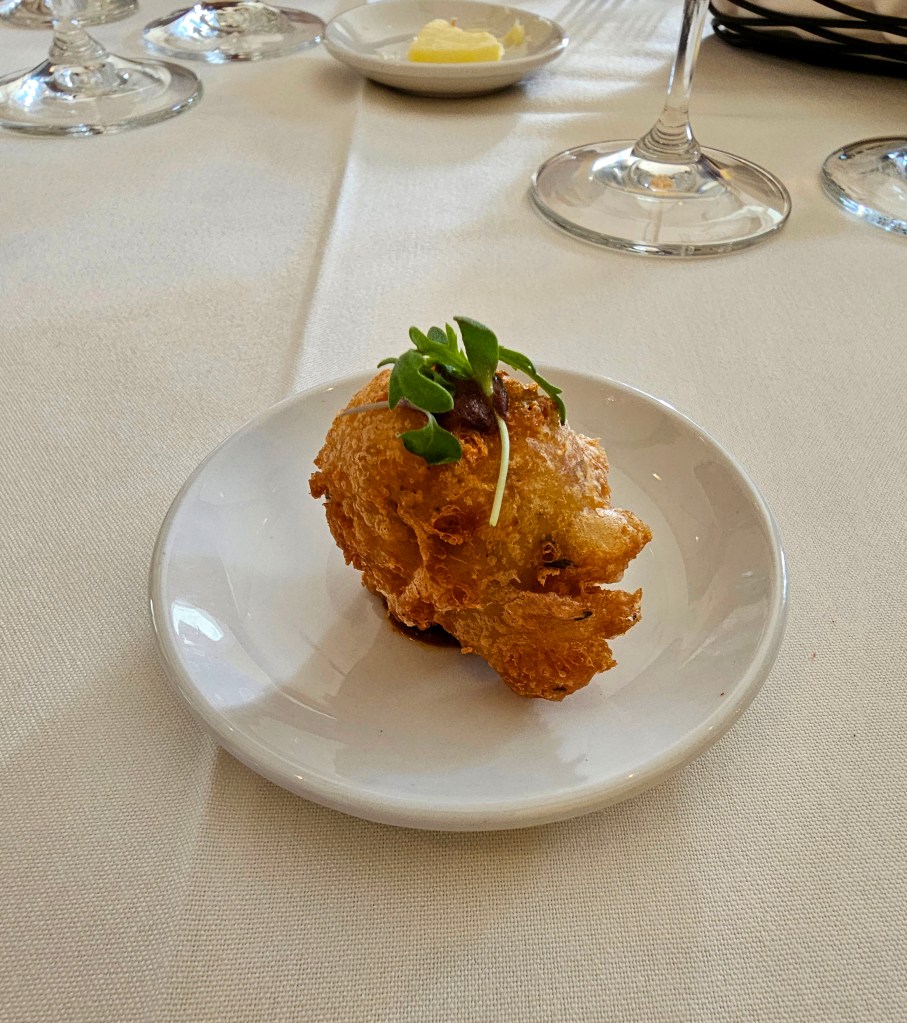
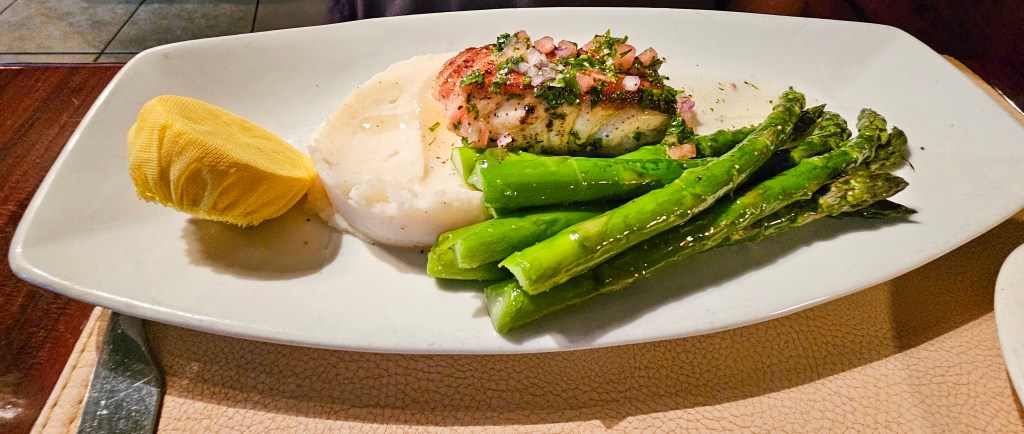
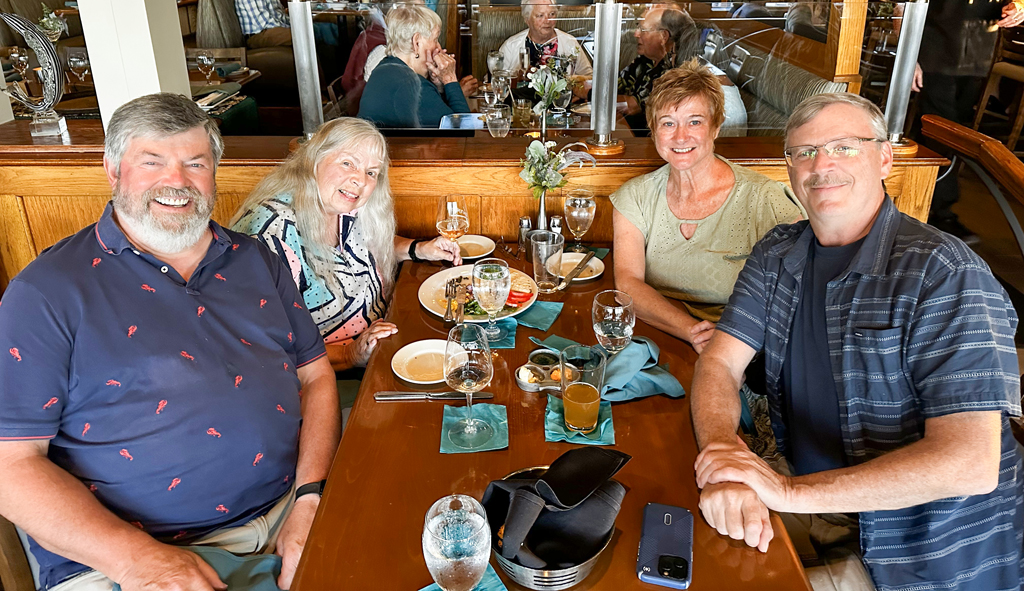
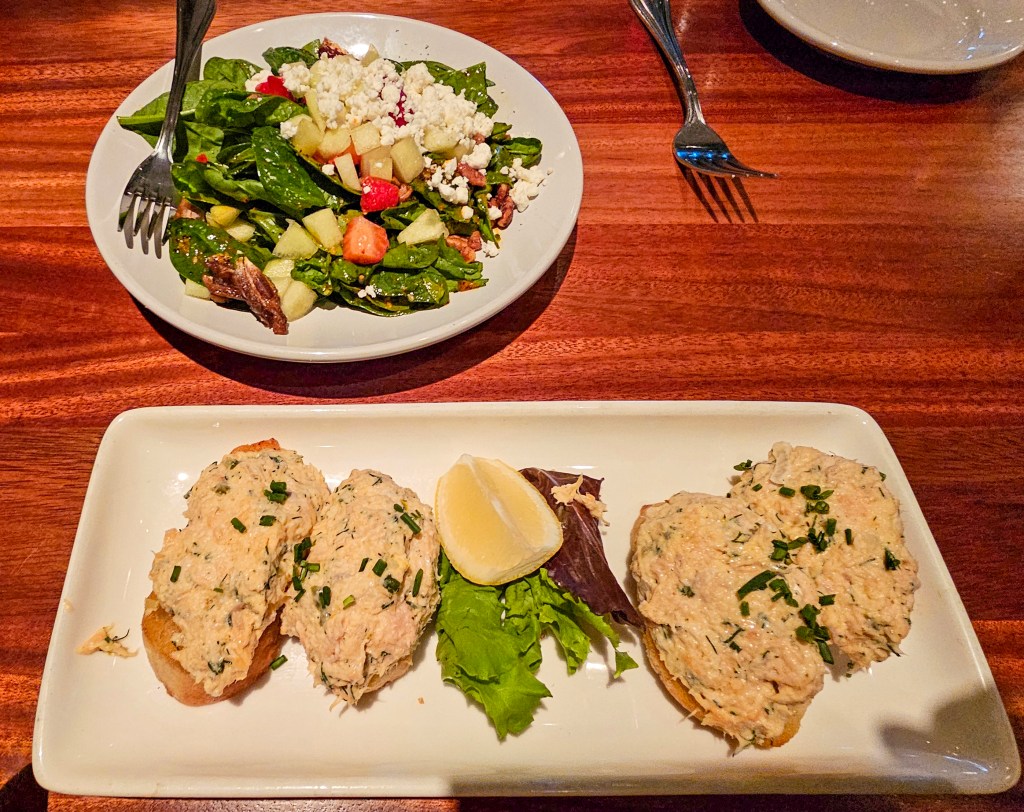
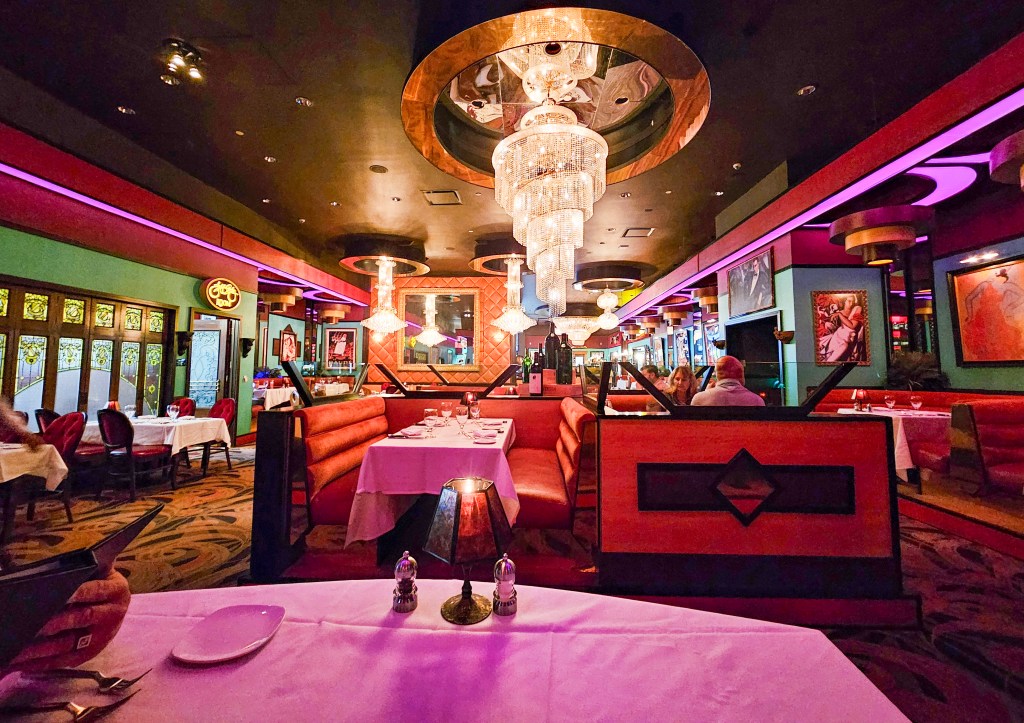
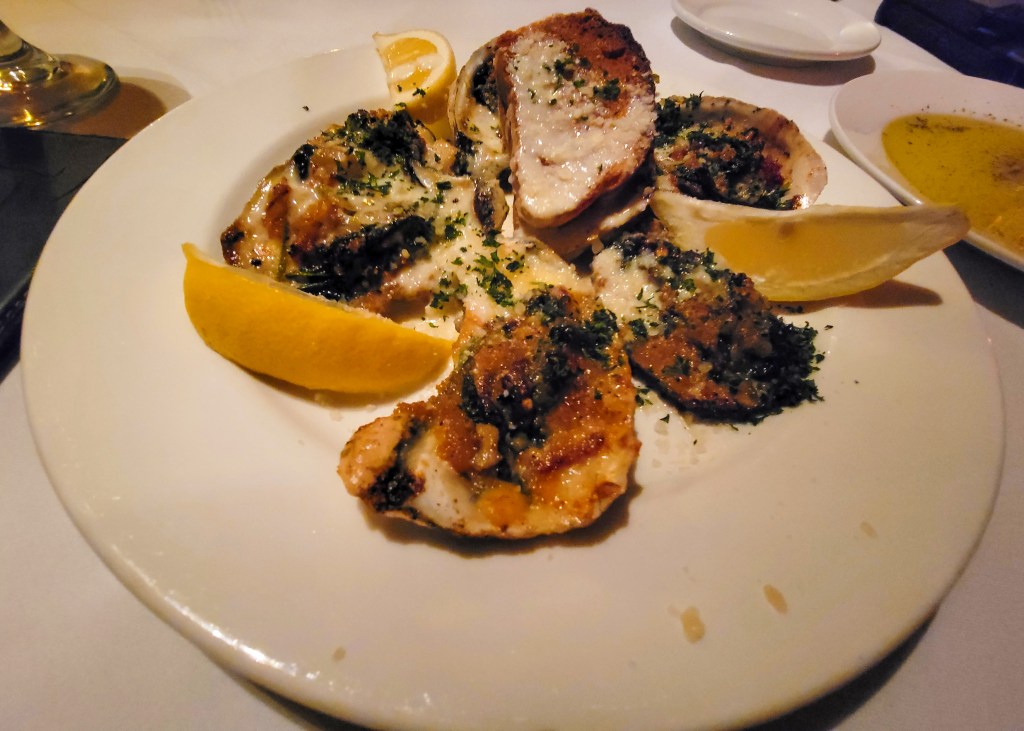
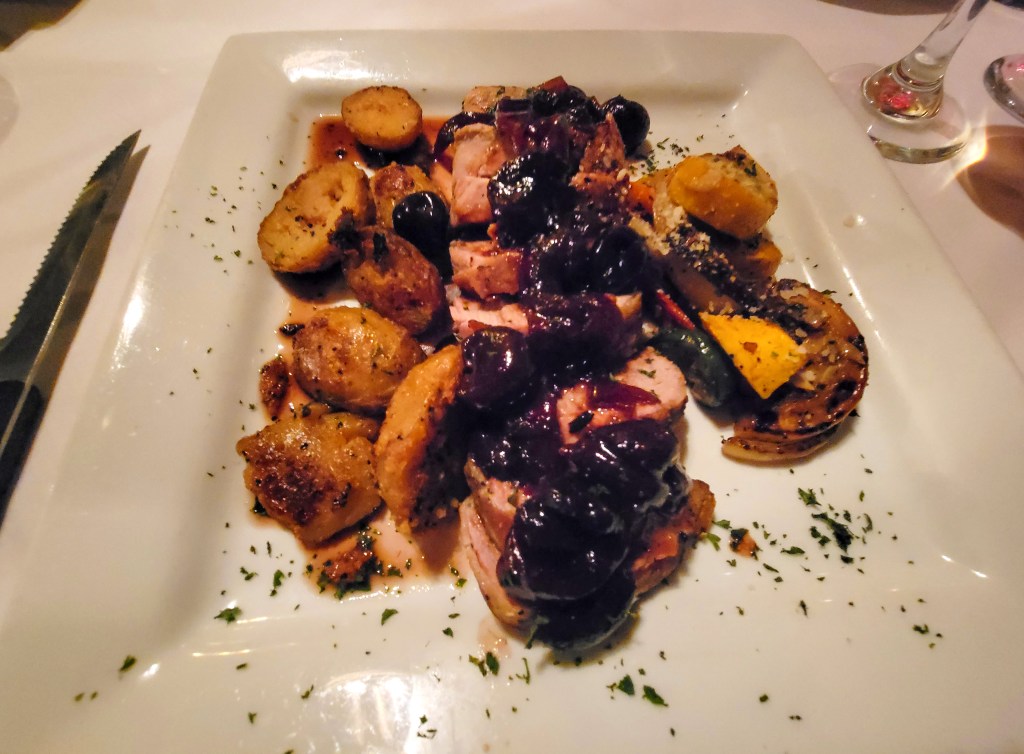
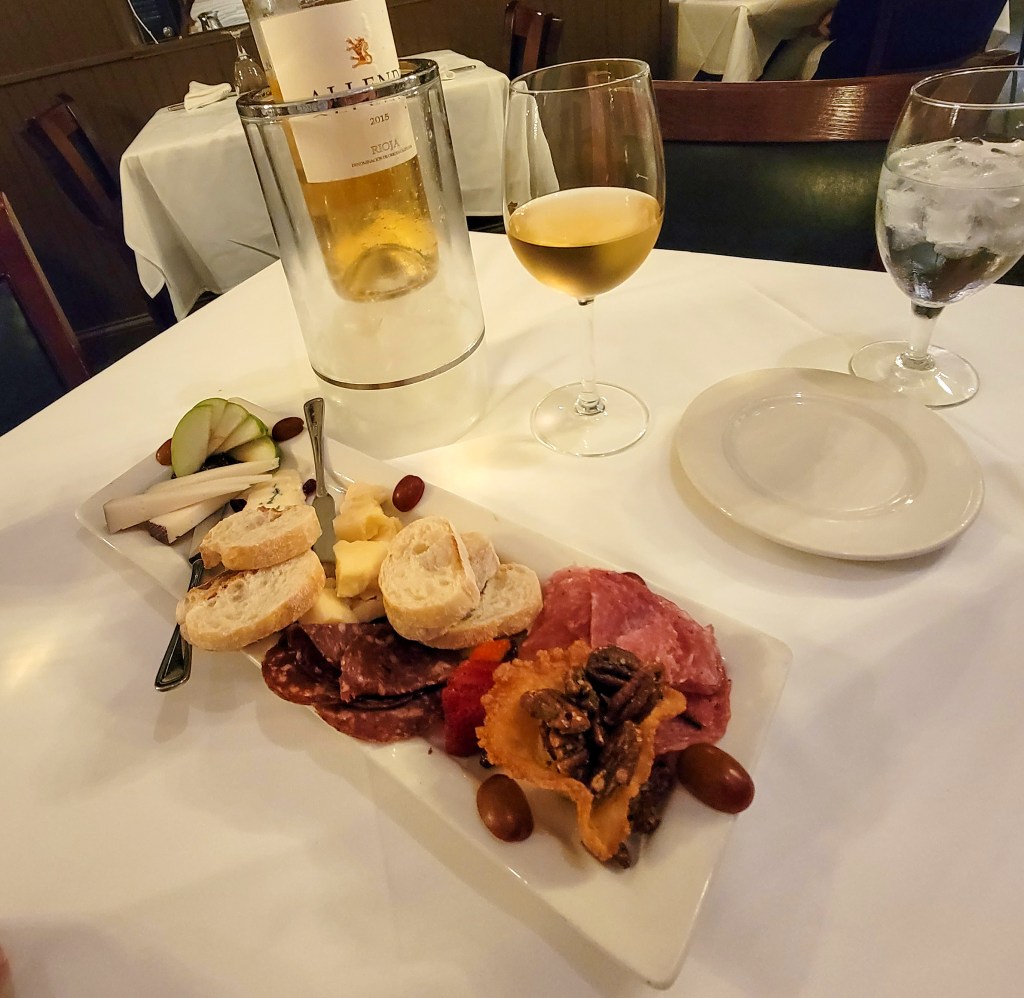
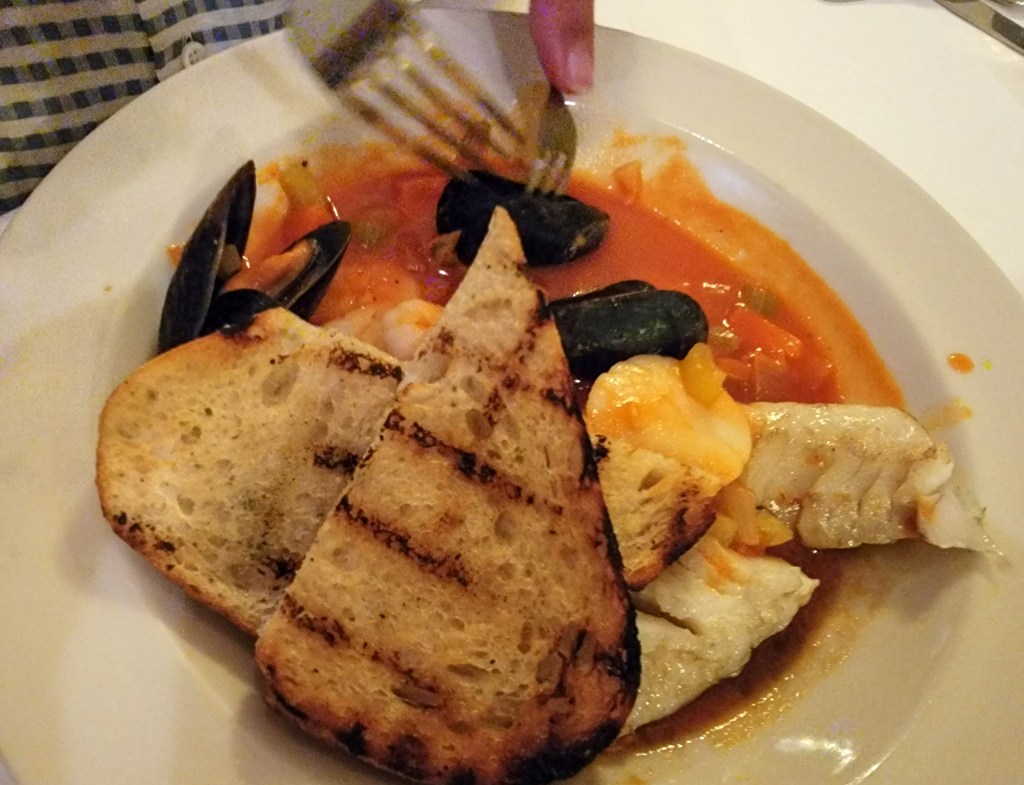
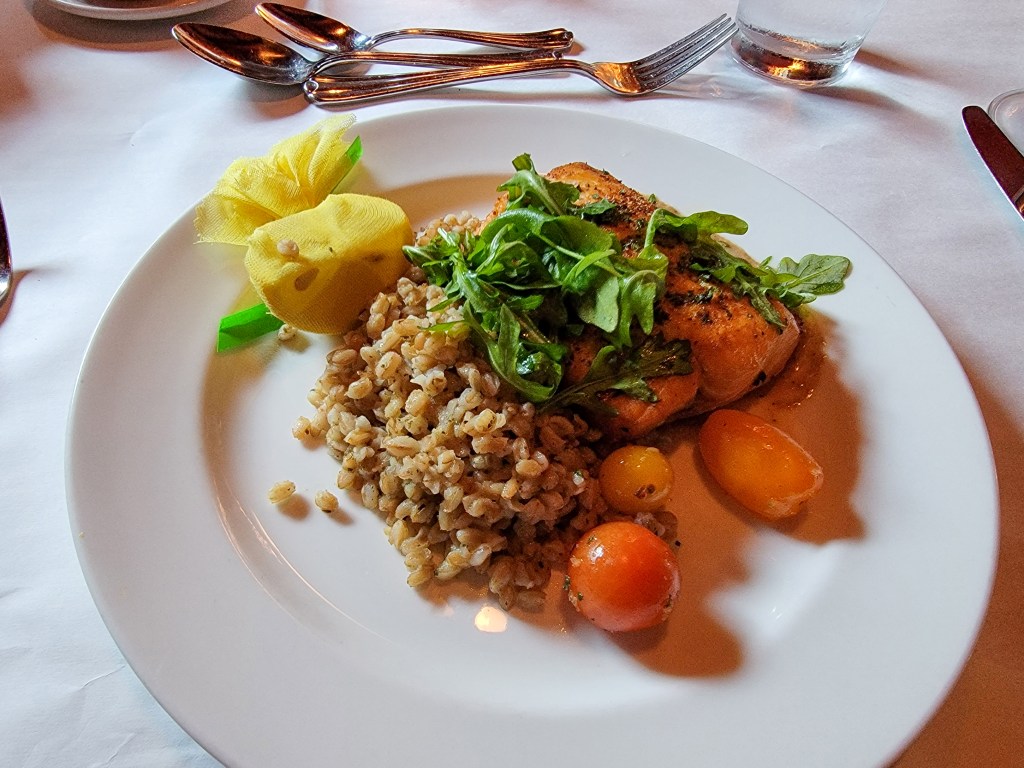
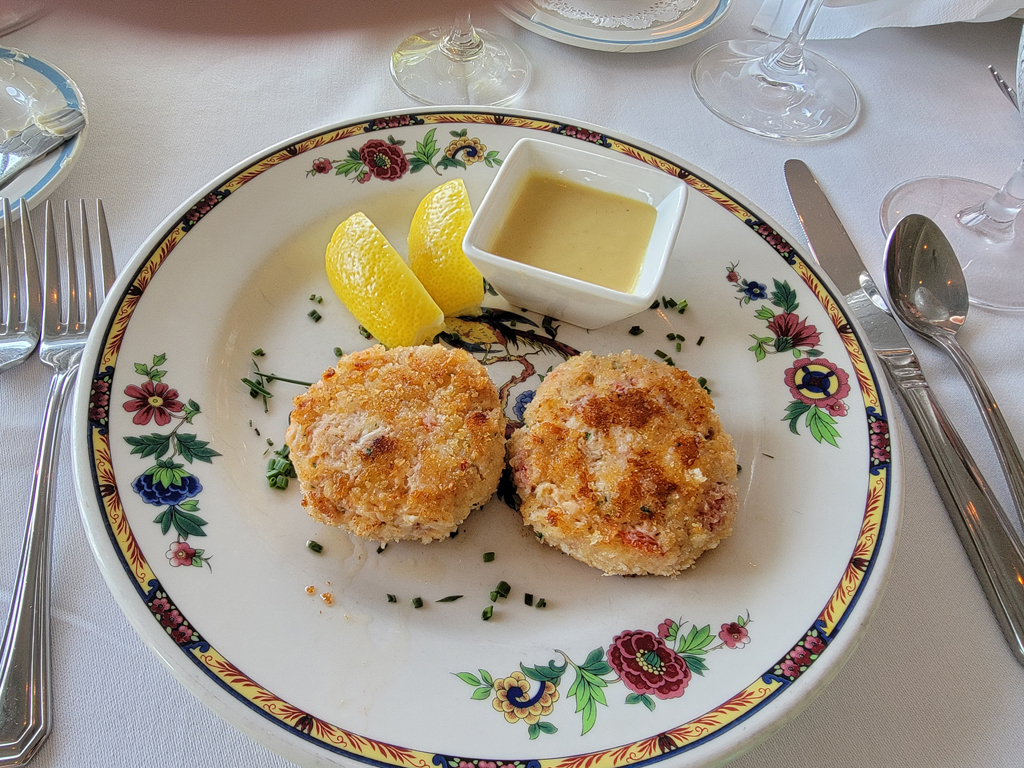
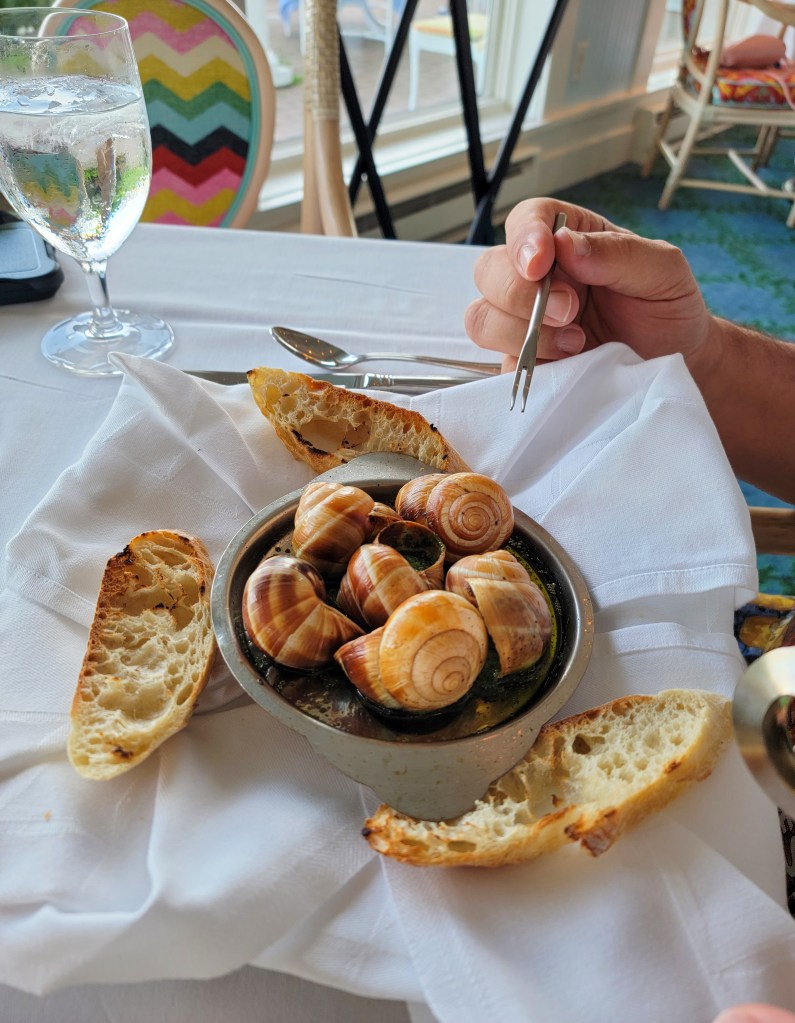
Our dinner in the evening was at a French bistro, Restaurant Orsay.  It was an enormous place, and at first it looked as though we would be seated in a very crowded, noisy place with tiny tables and uncomfortable looking chairs.  However, our hostess led us through a rather dark concrete tunnel-like corridor (where the heck are we going!) past the kitchen, and out into a pleasant, spacious, and quiet area.  We were also delighted to be seated at one of the larger tables.

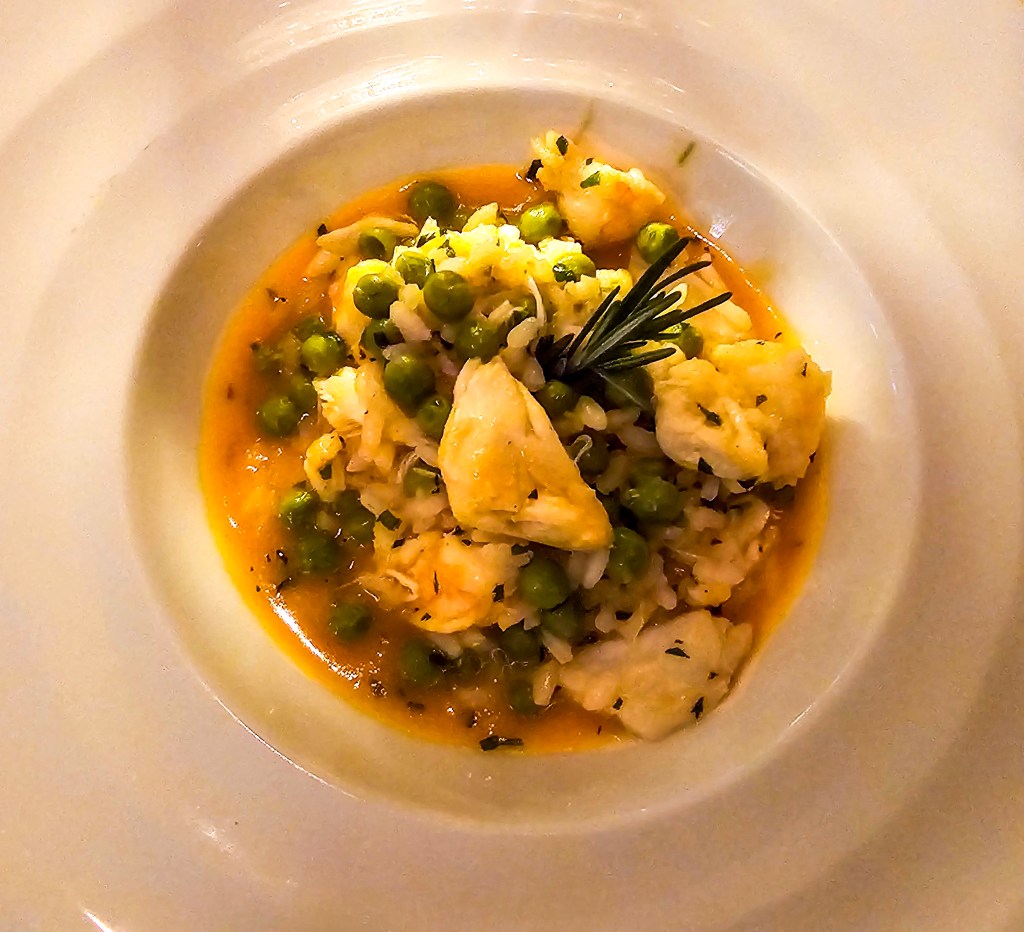
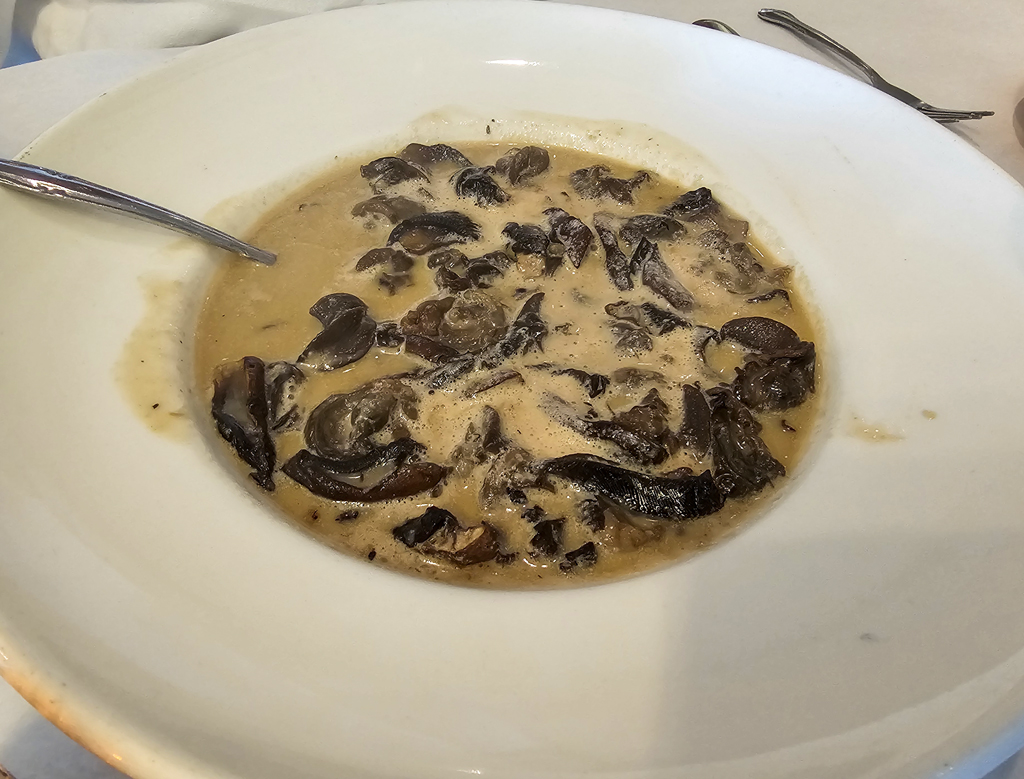
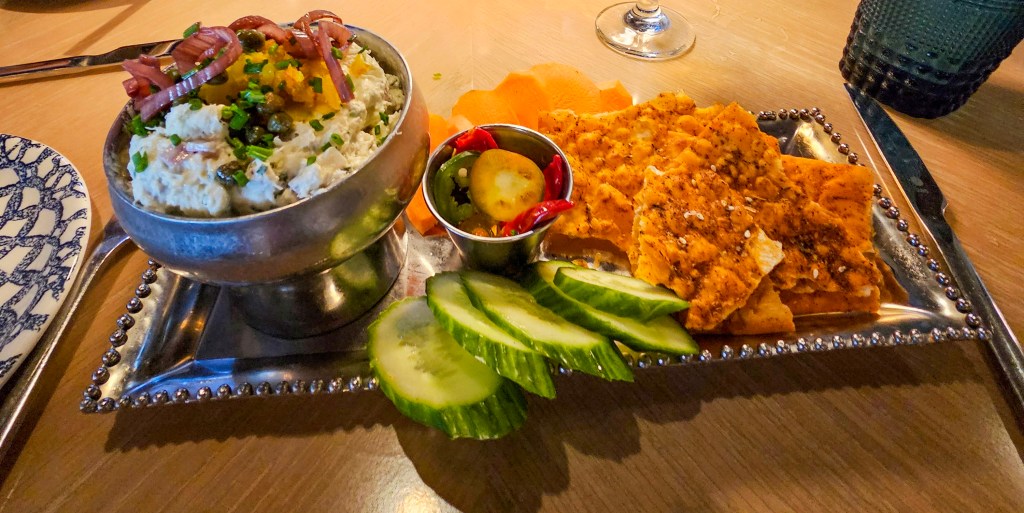
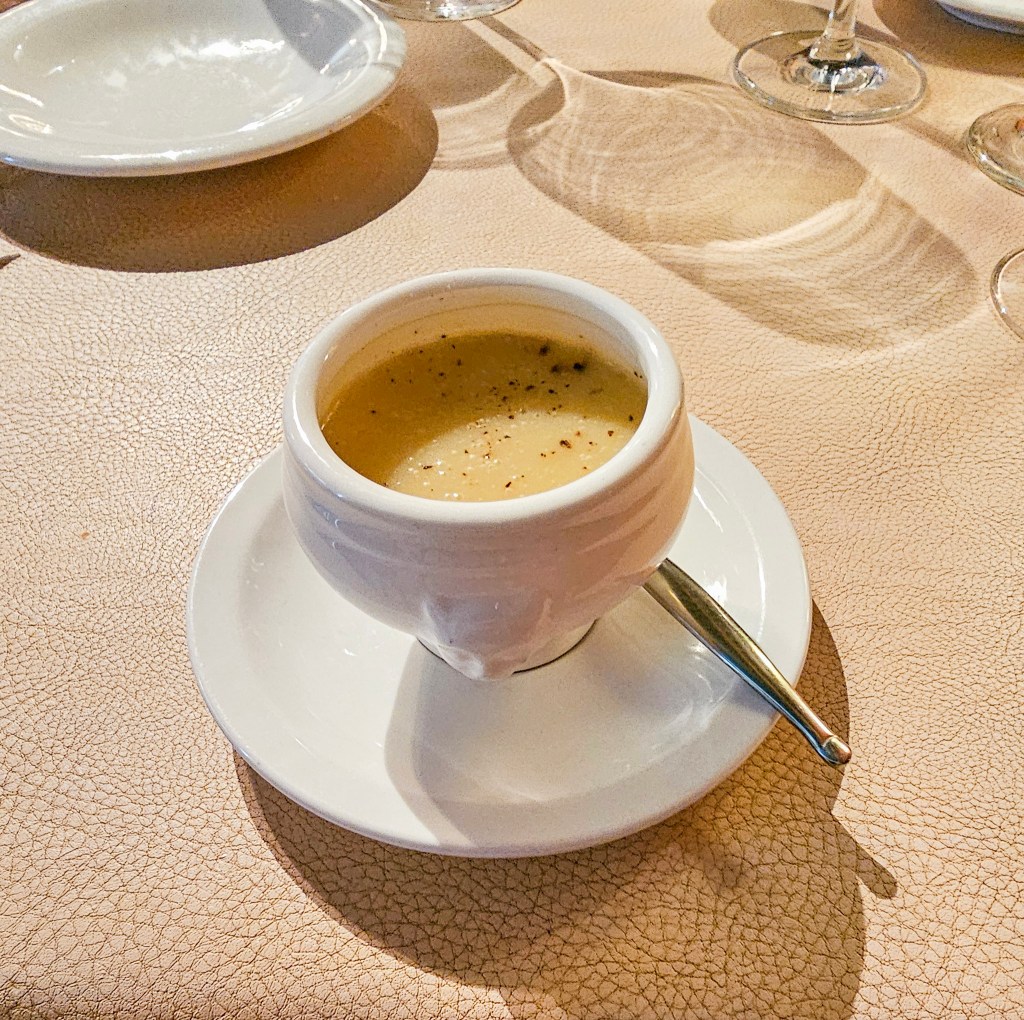
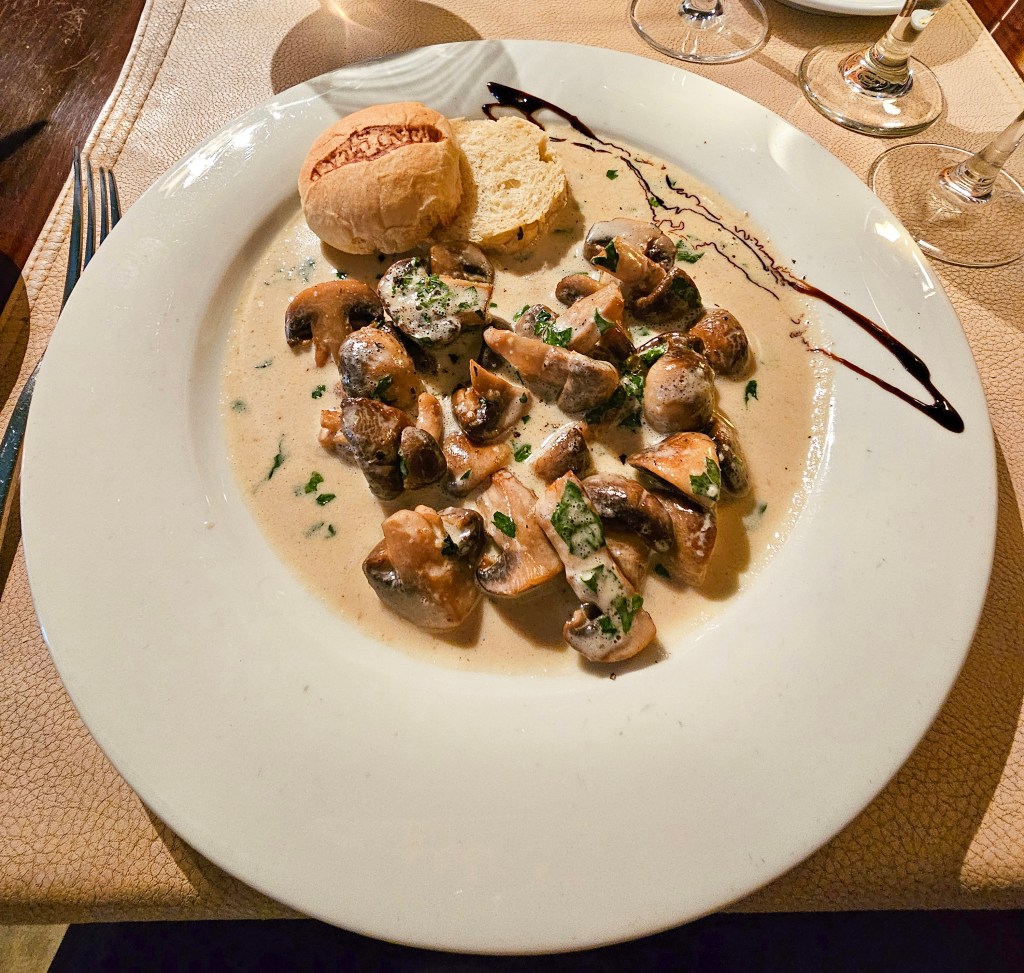
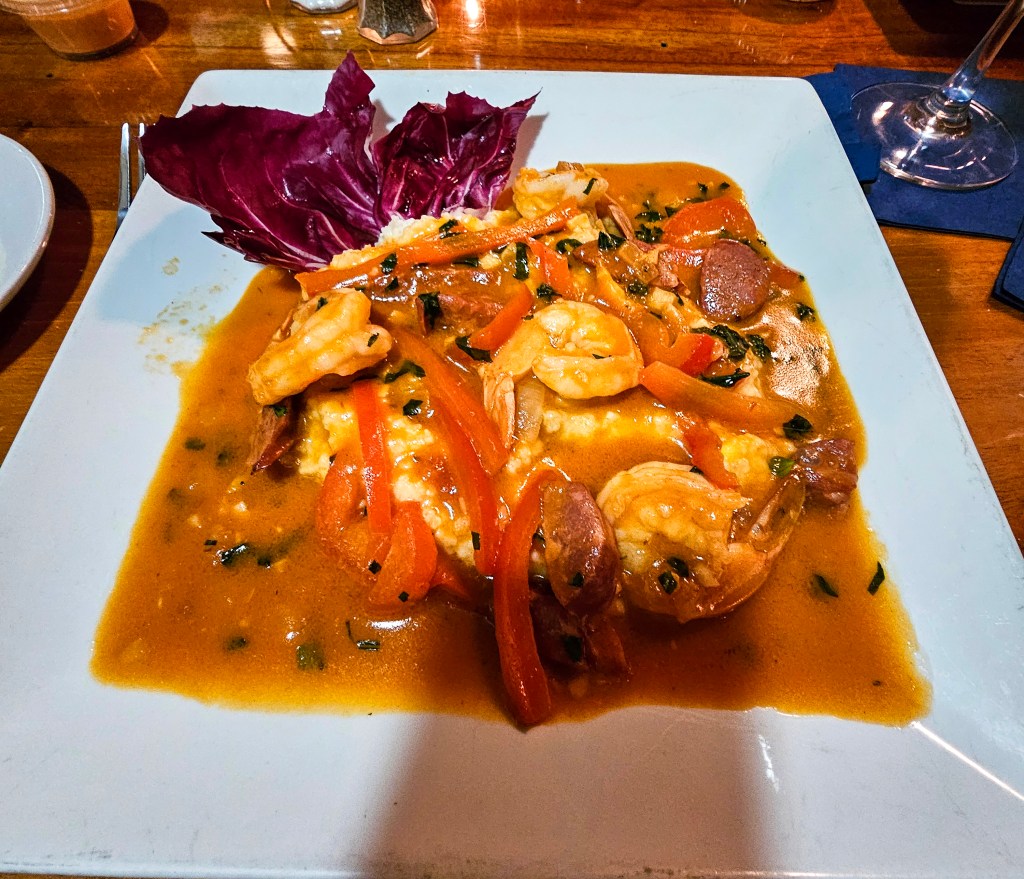
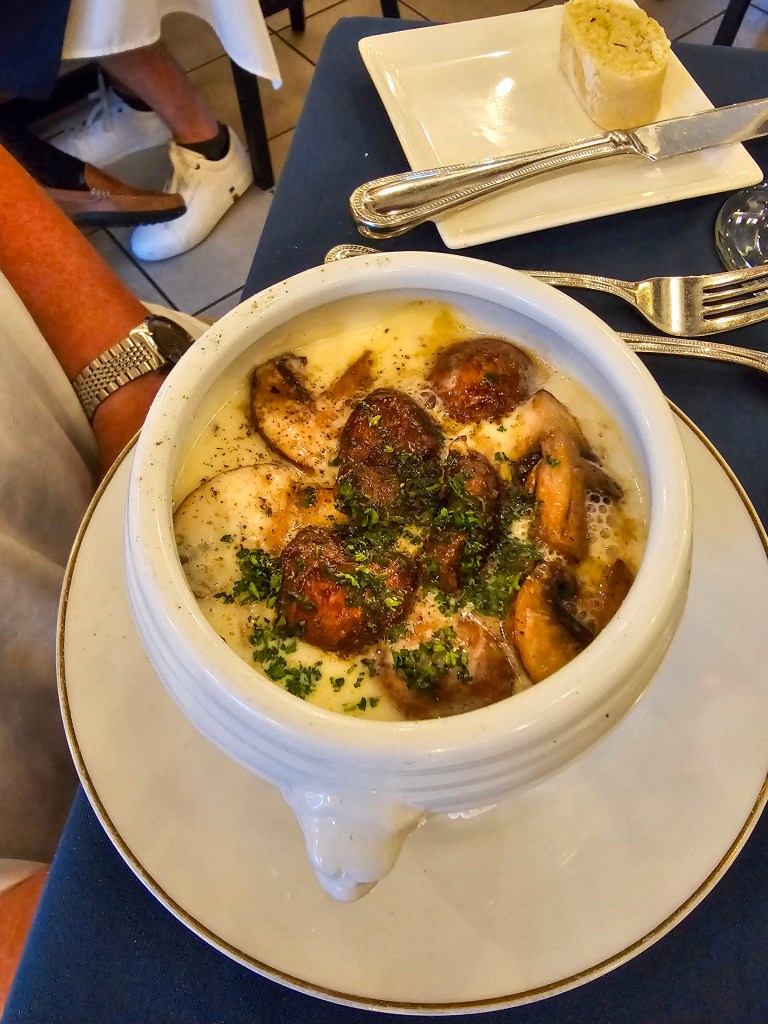
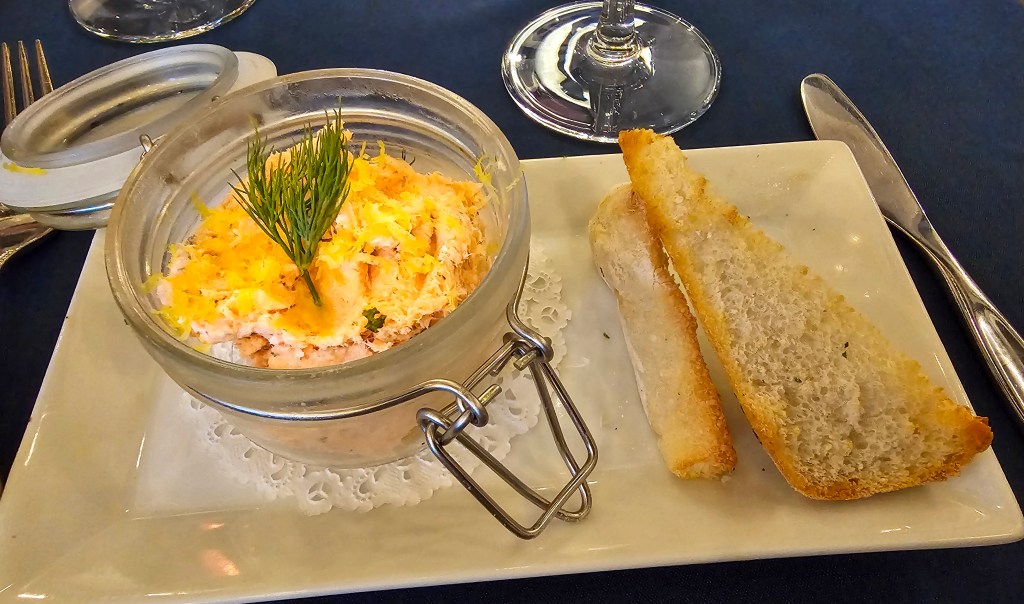
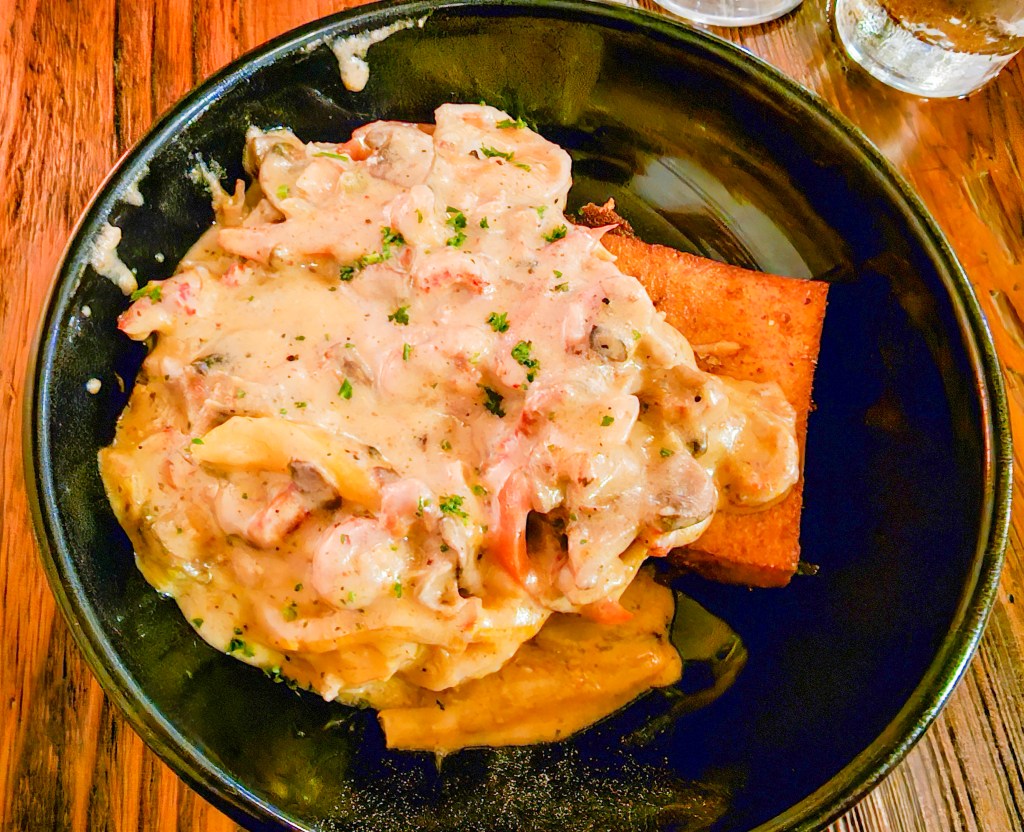
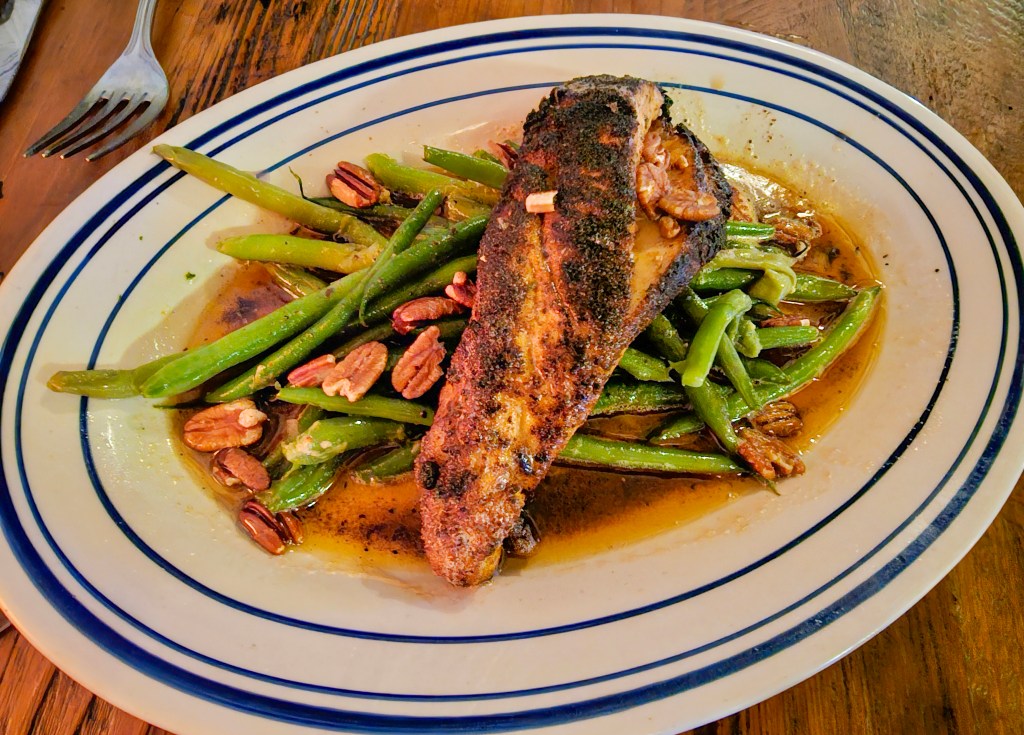
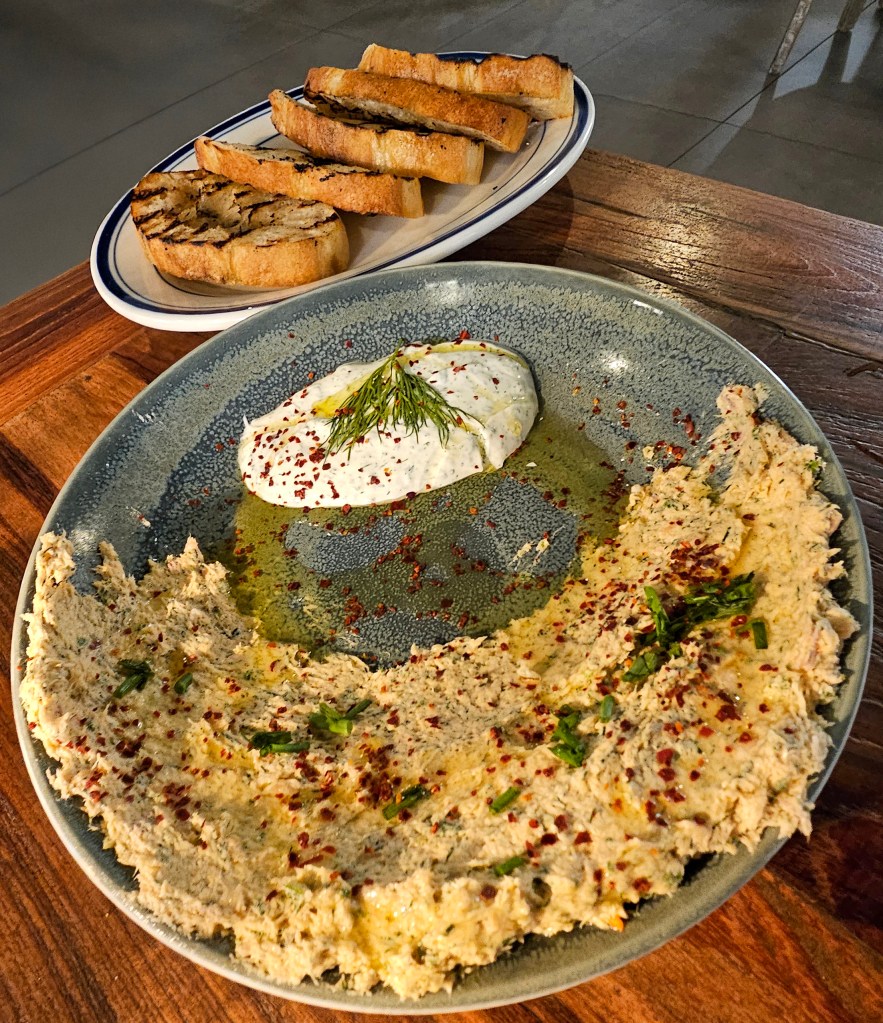
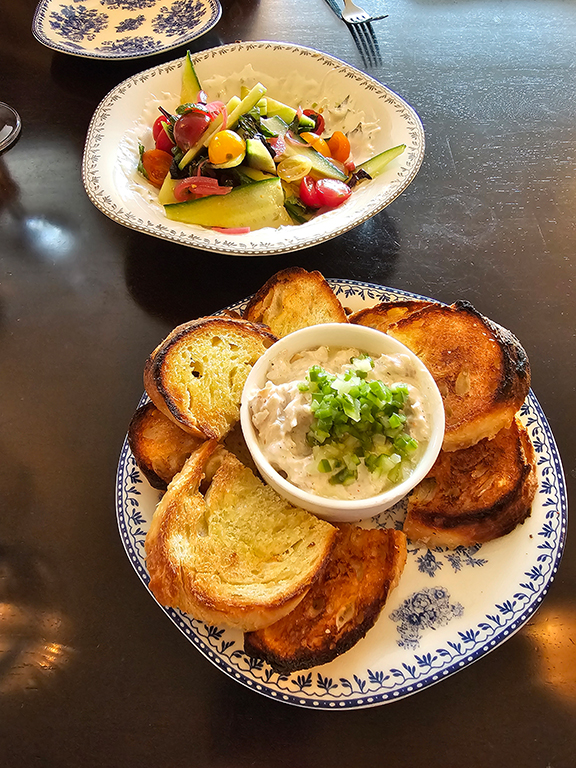
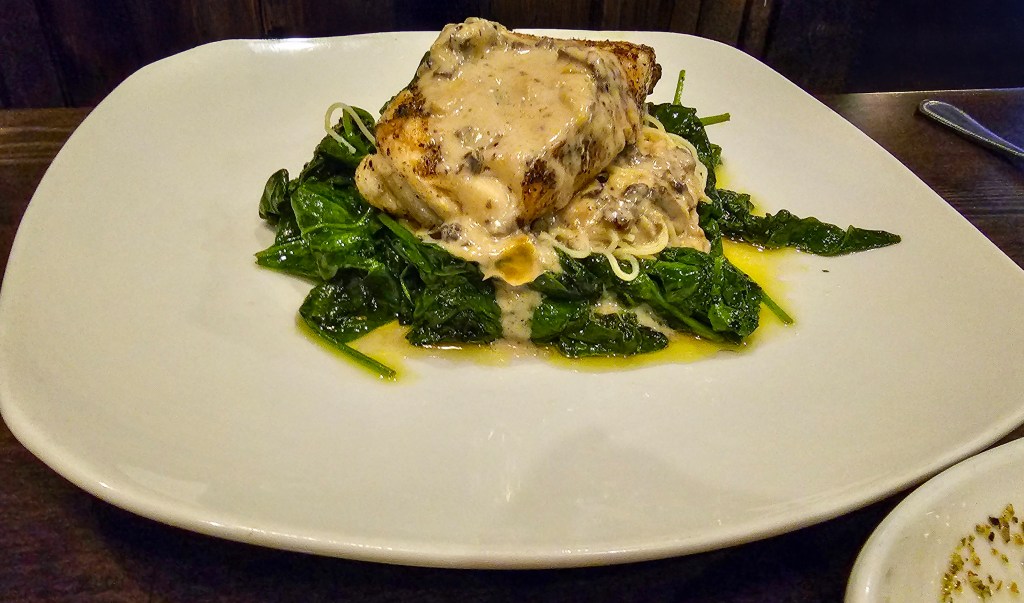
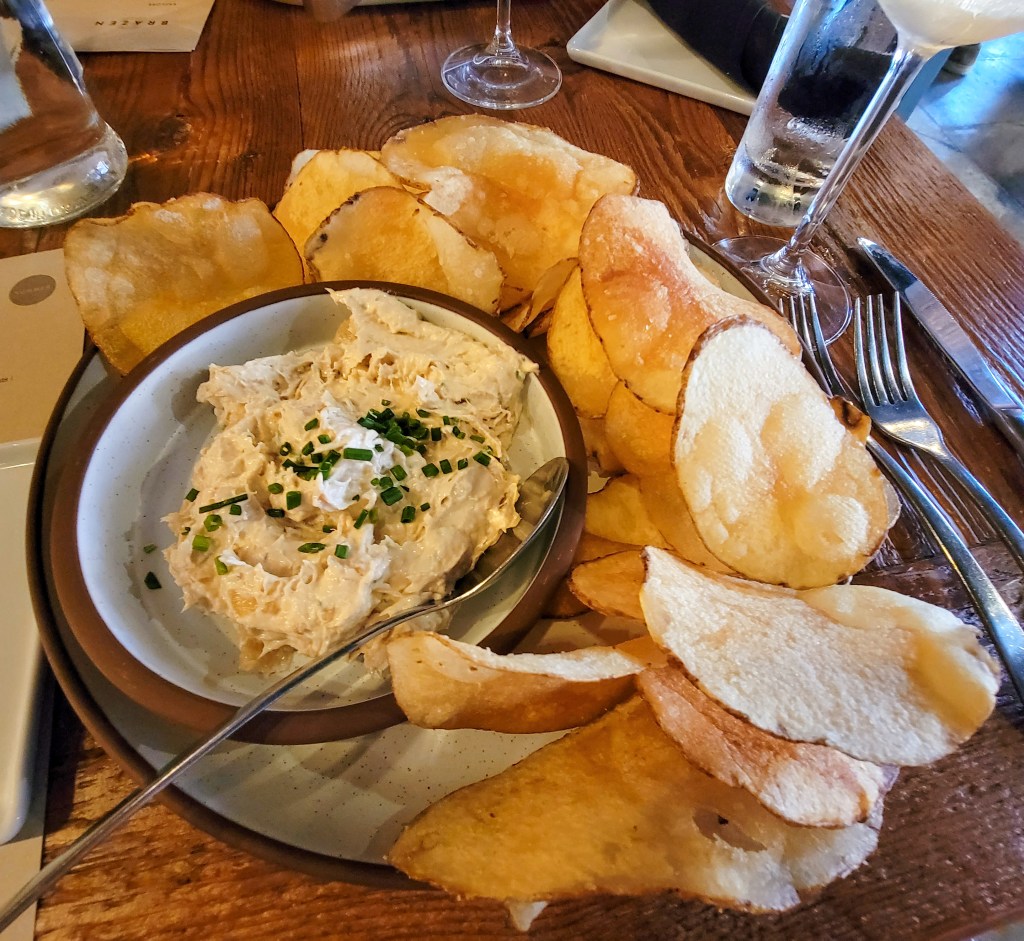
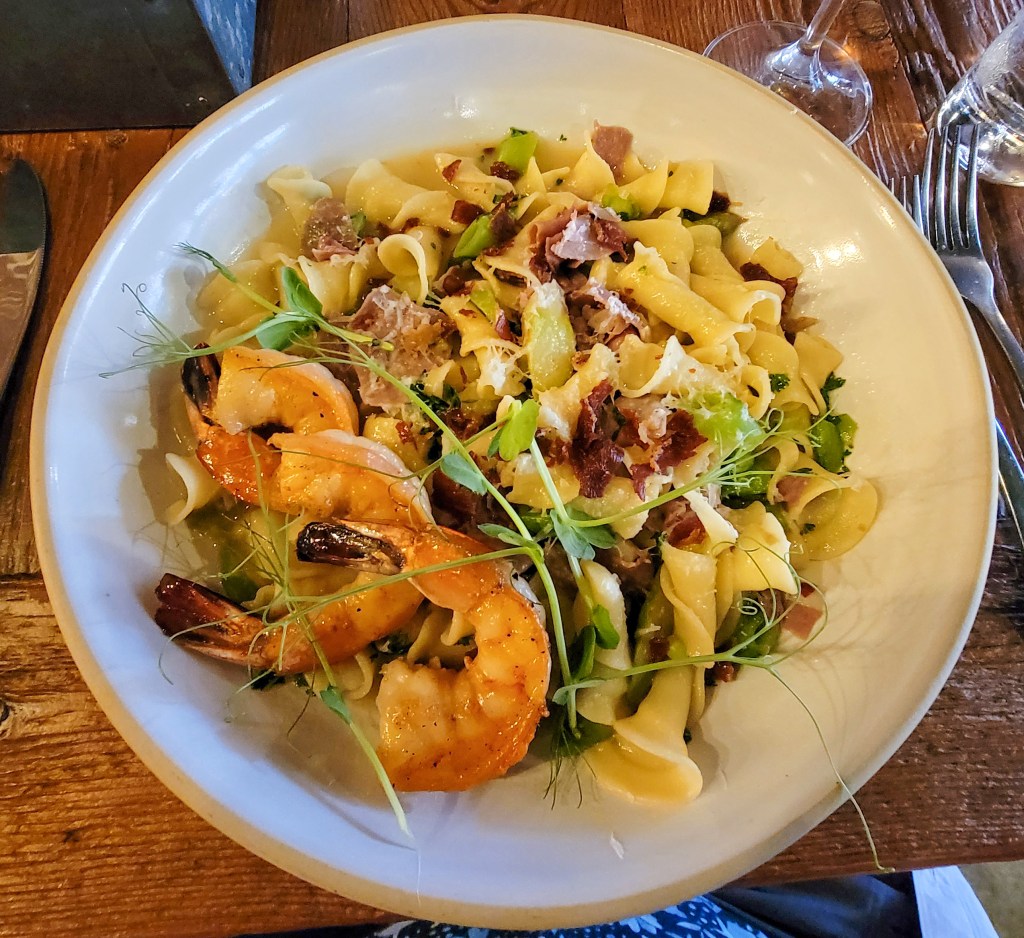
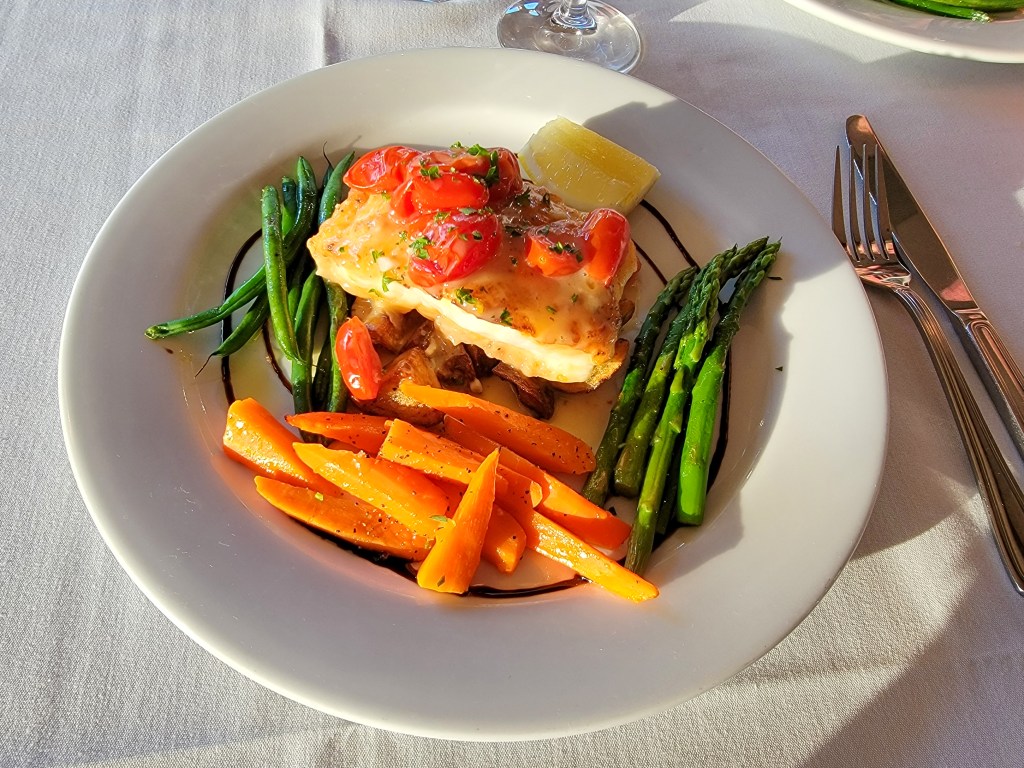
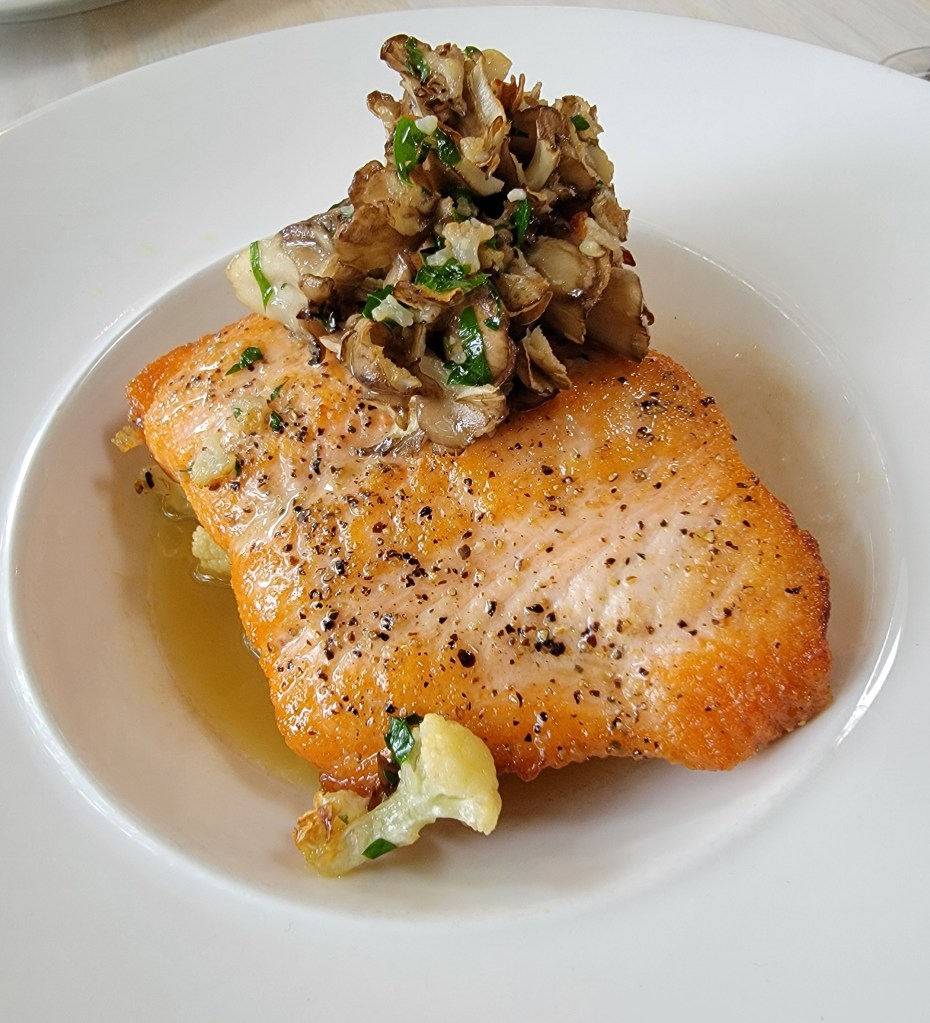
The meal was mostly very good.  I started with a smoked trout dip, served with interesting cornmeal biscuits.  Dick ordered escargots, that came in puff pastry with a lovely mushroom sauce.  I tried lobster pot pie for my main dish.  The lobster was absolutely delicious, perfectly cooked, not tough as it can be sometimes, in a delicate sauce.  The dish fell short because of roasted vegetables that were well overcooked.  It may be an easy option, but it really is time to get rid of the fashion for roasting vegetables!  Too often it is an excuse for using up produce that is past its prime, although that was not the case on this occasion, they were just burnt. The biscuit that served as the “pie” was a tasty traditional southern style biscuit, but the flavour was too intense, and it overcame the delicate lobster and sauce.  I ignored the biscuit and enjoyed the dish with French bread instead.

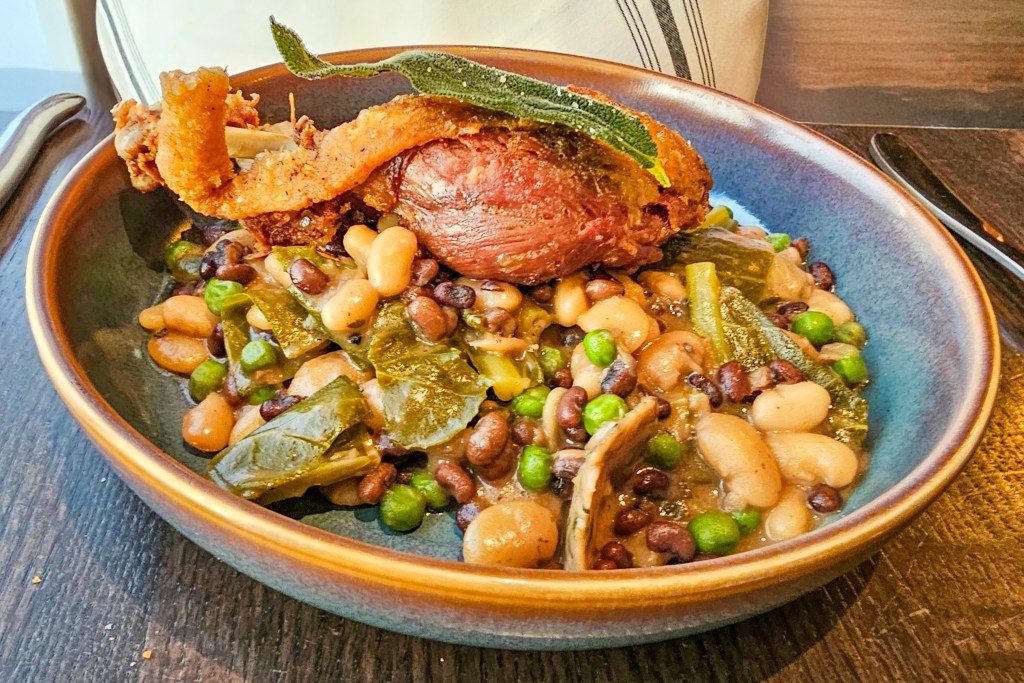
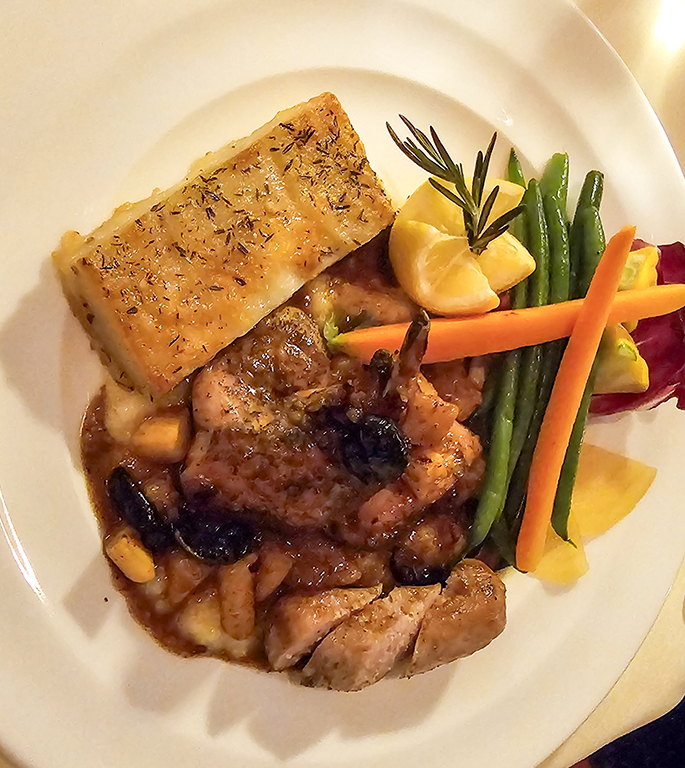
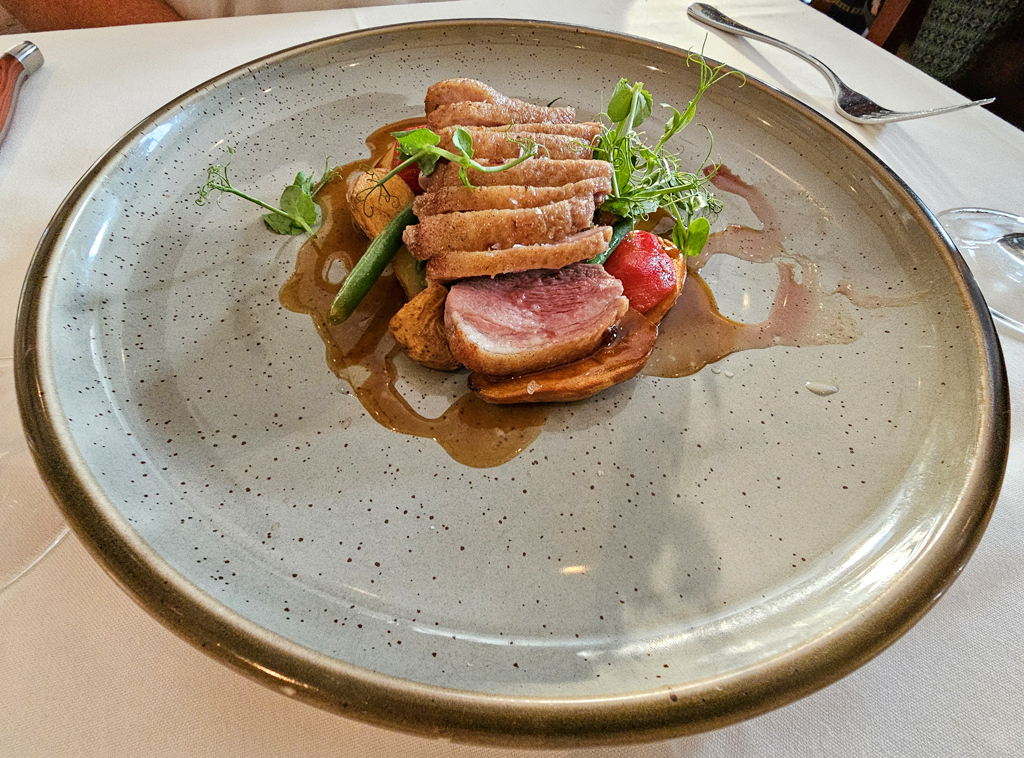
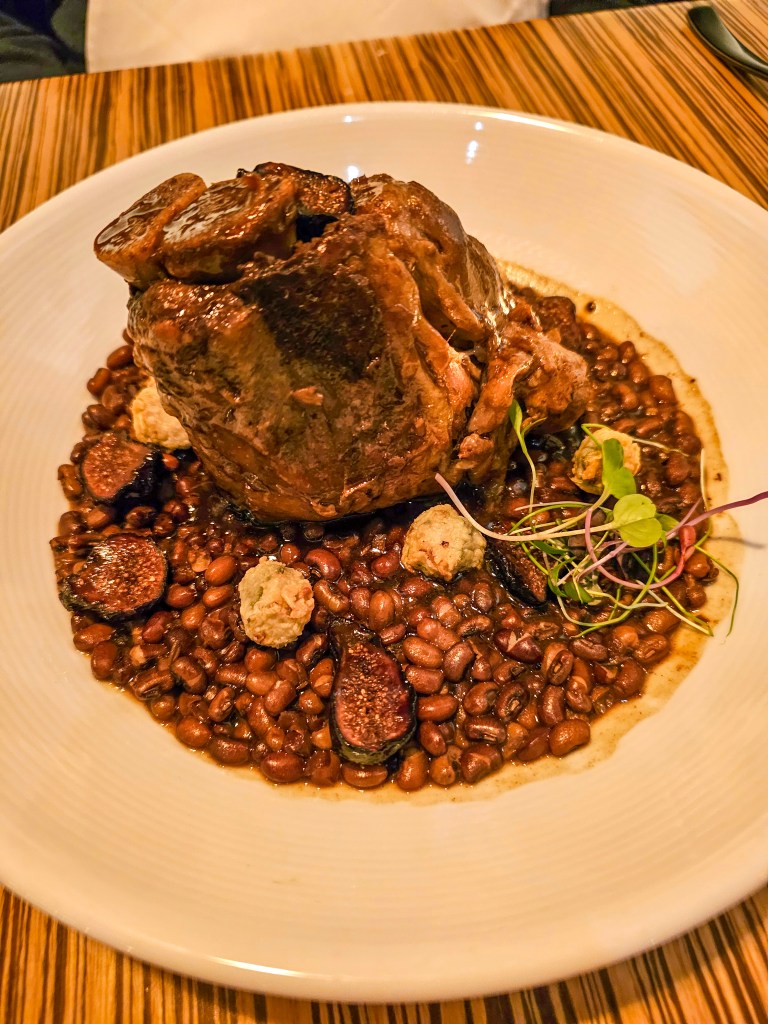
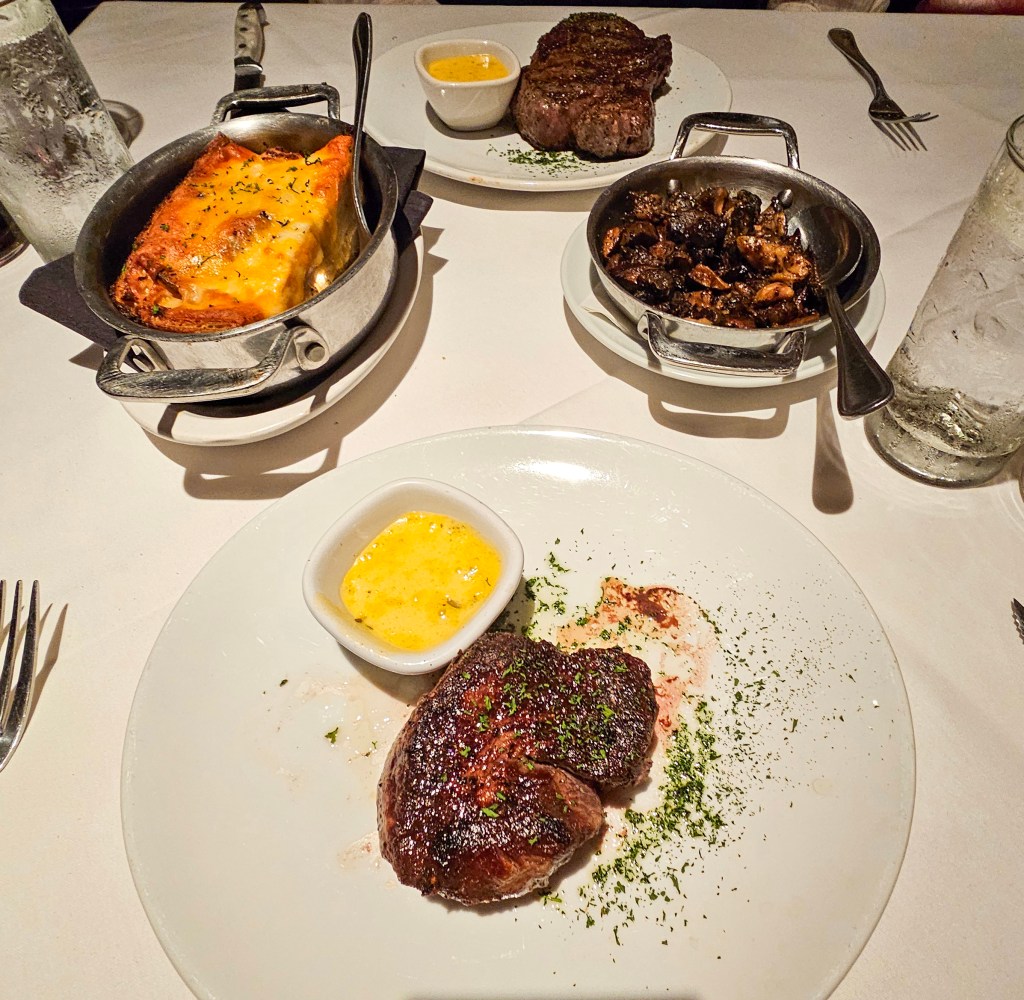
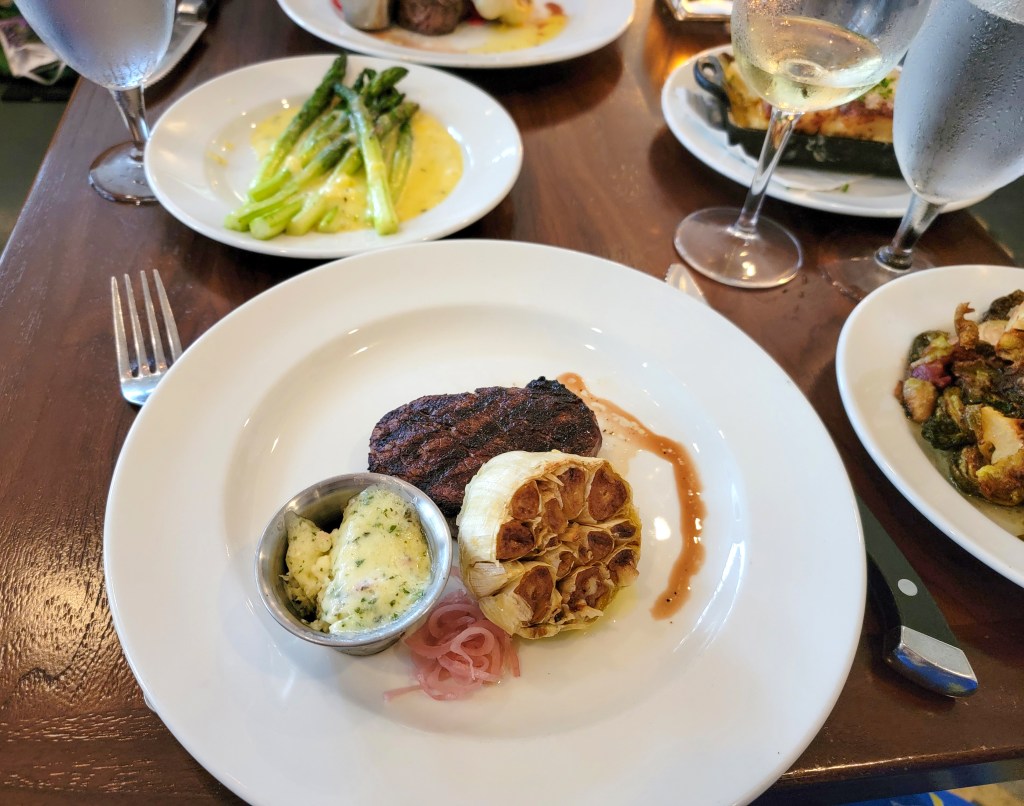
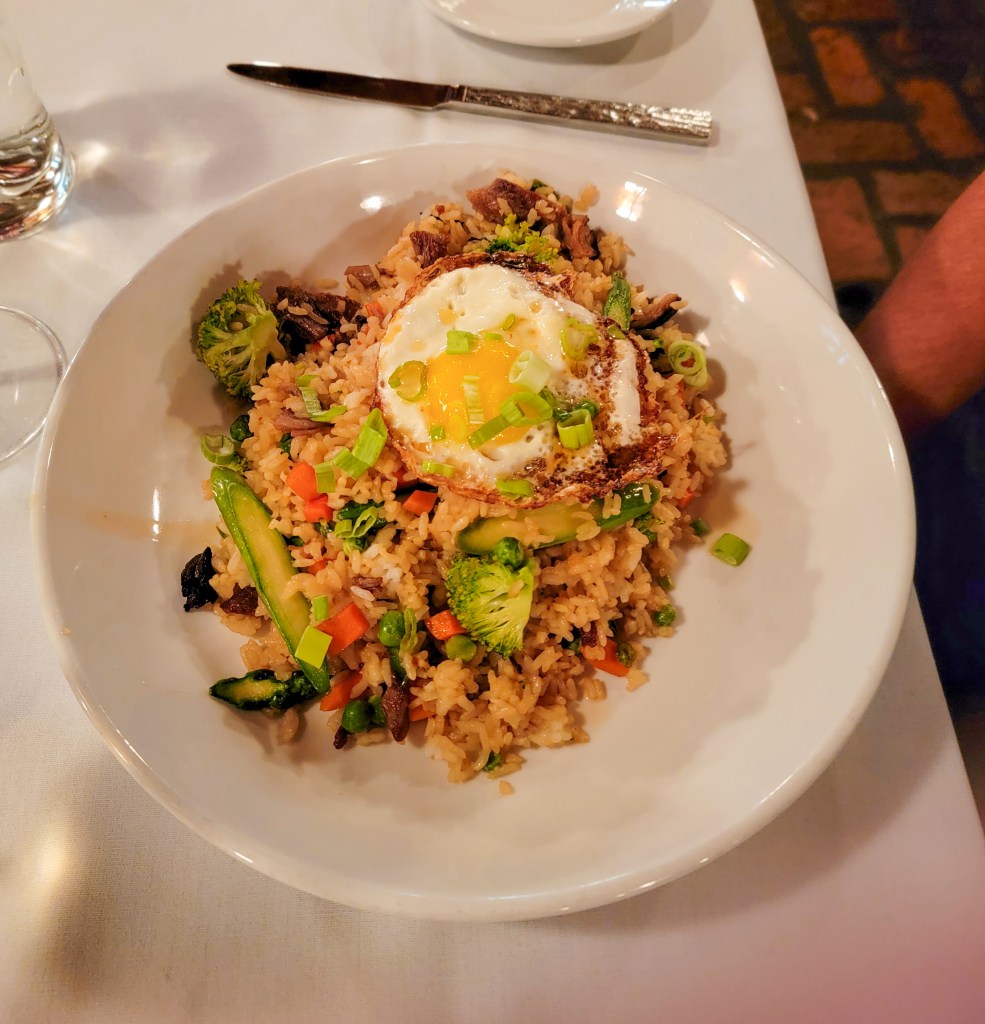
There were several favourite offerings for Dick to choose from, but he decided on cassoulet, which he enjoyed.

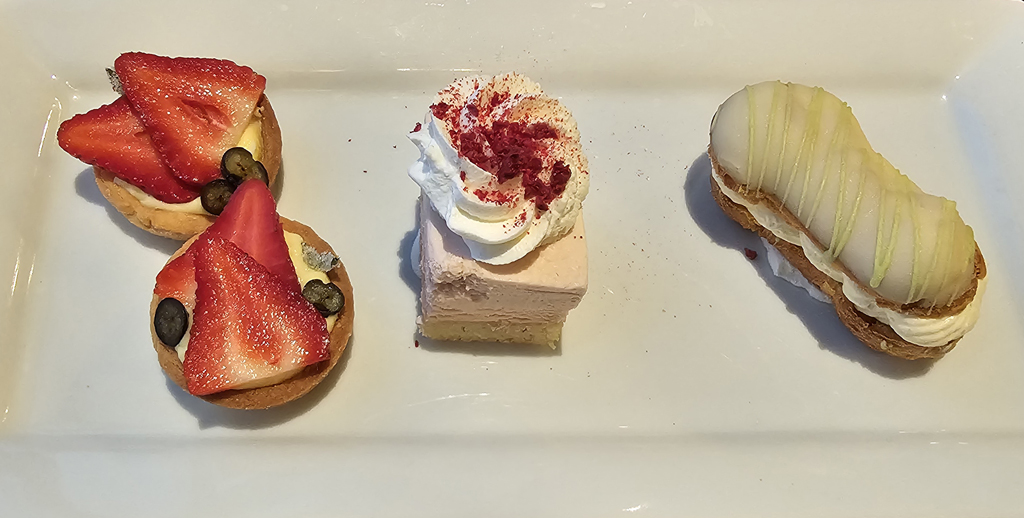
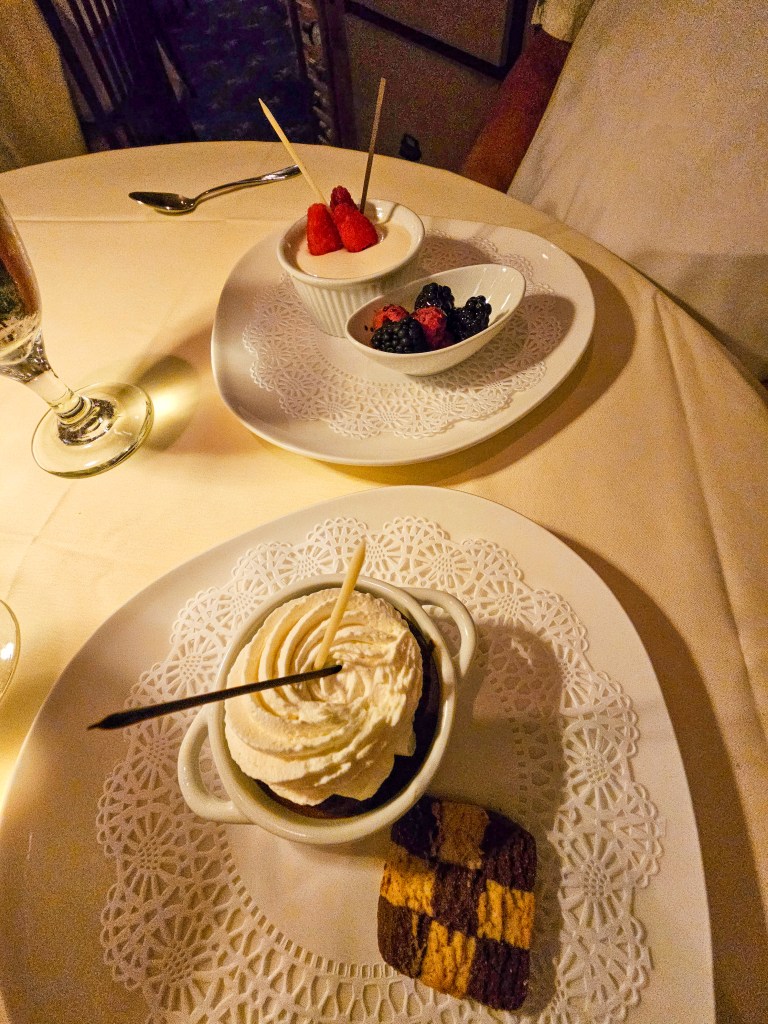
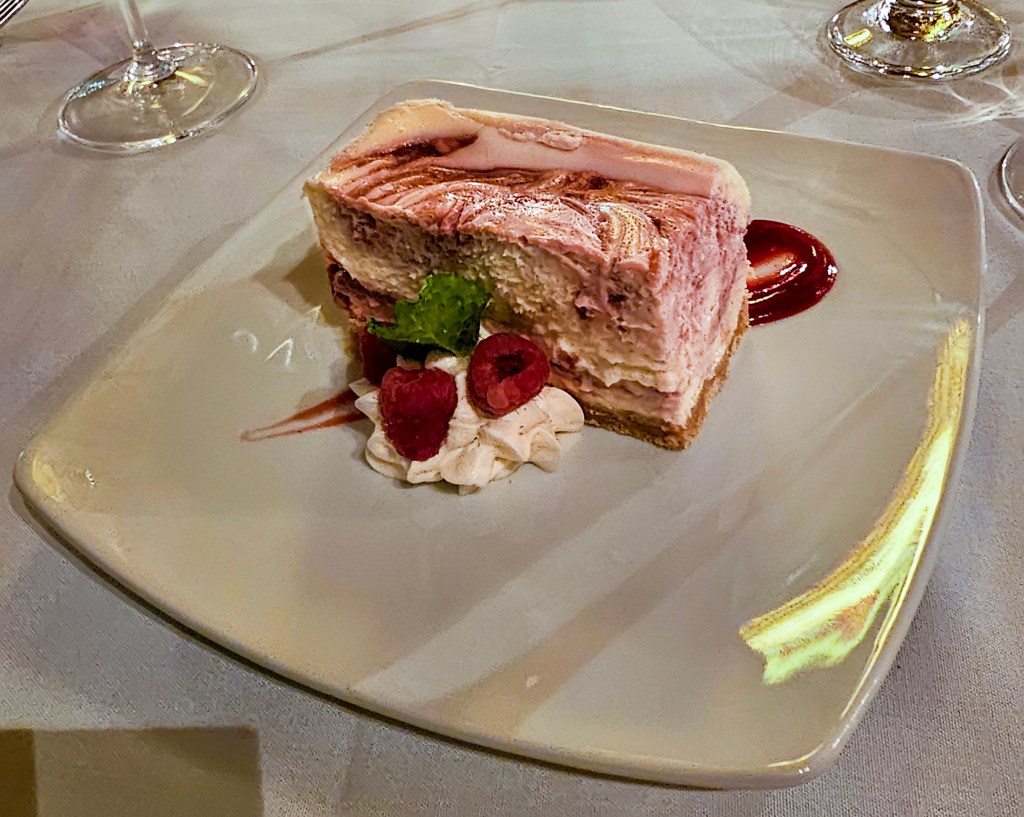
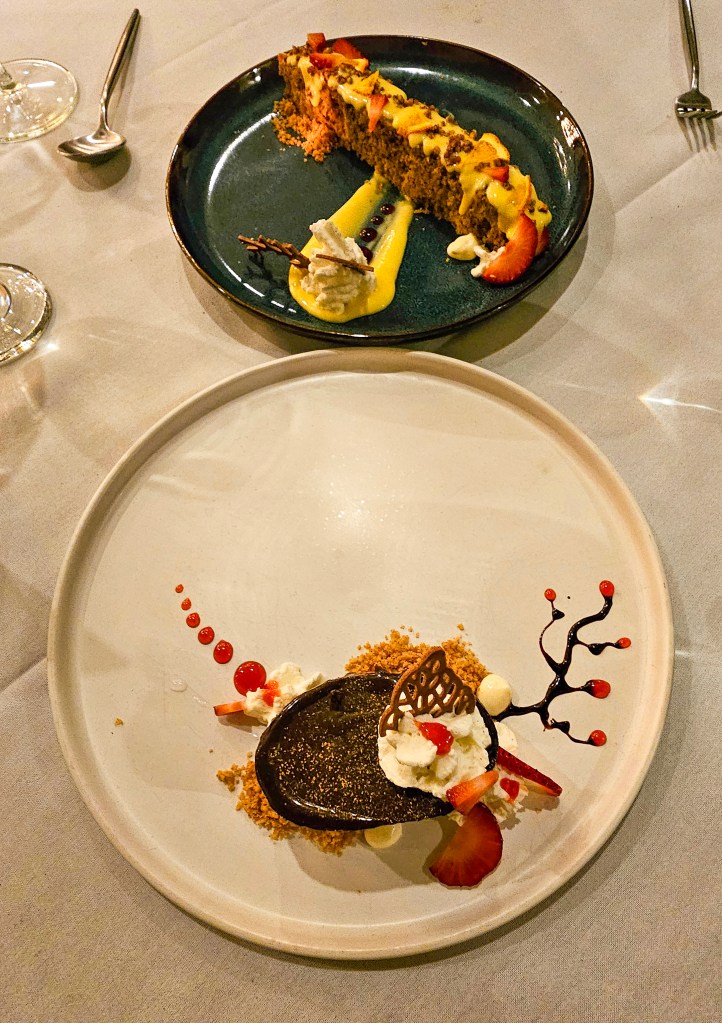
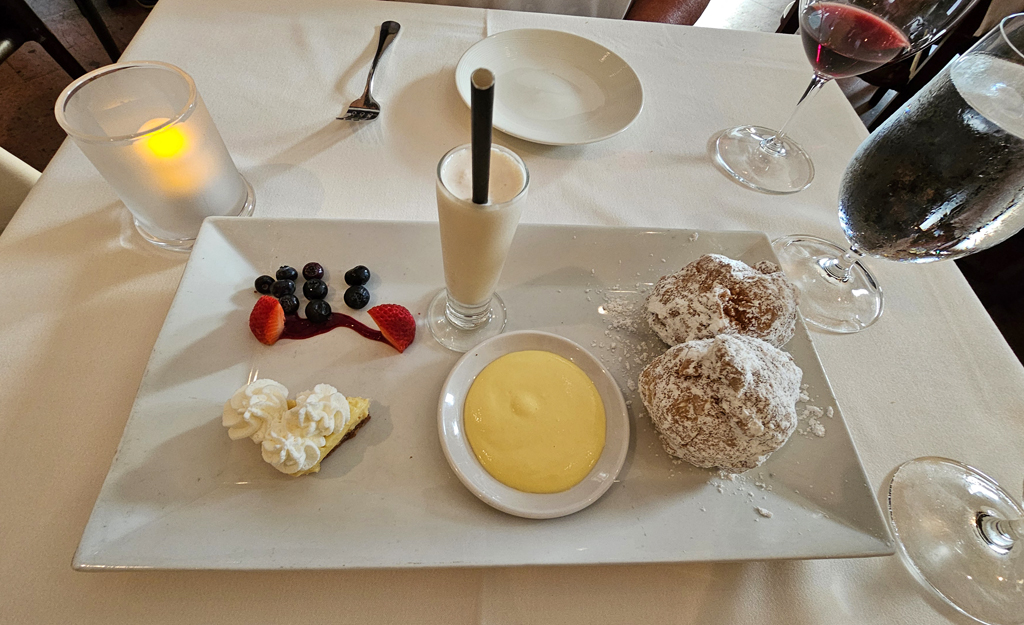
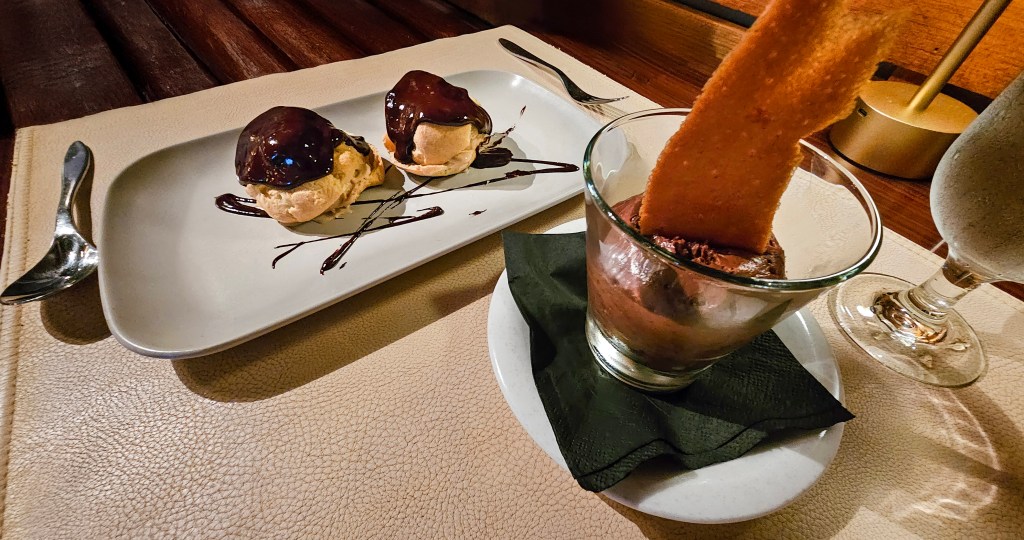
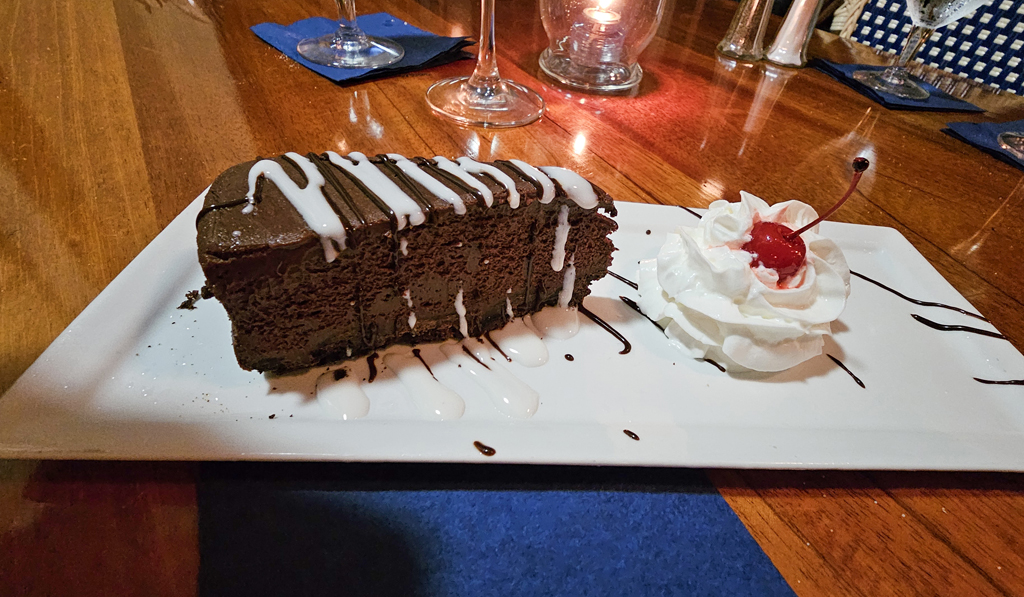
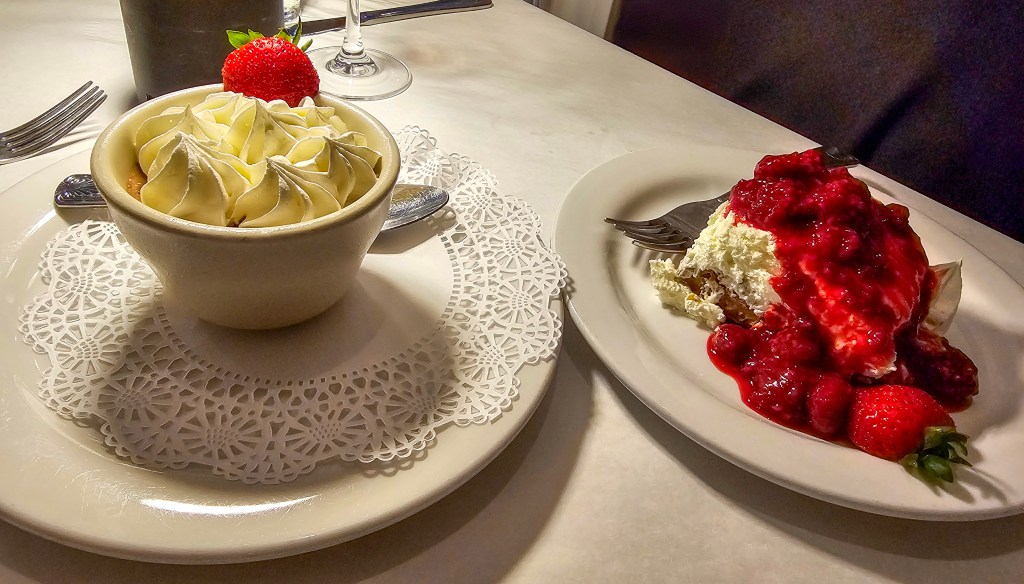
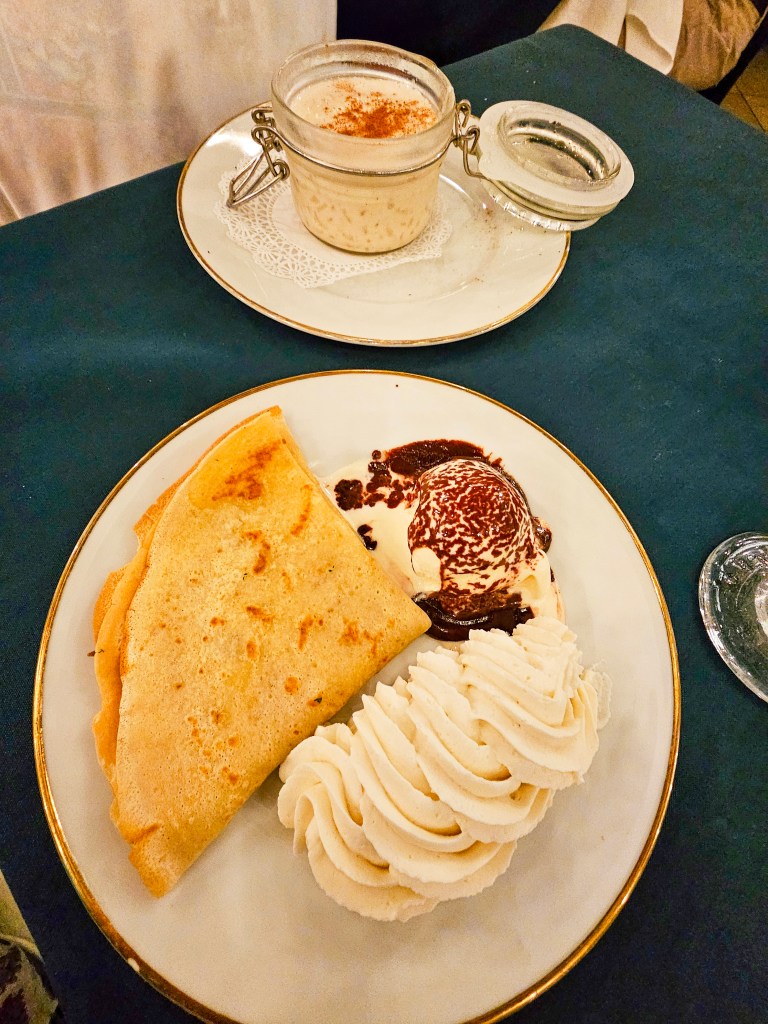
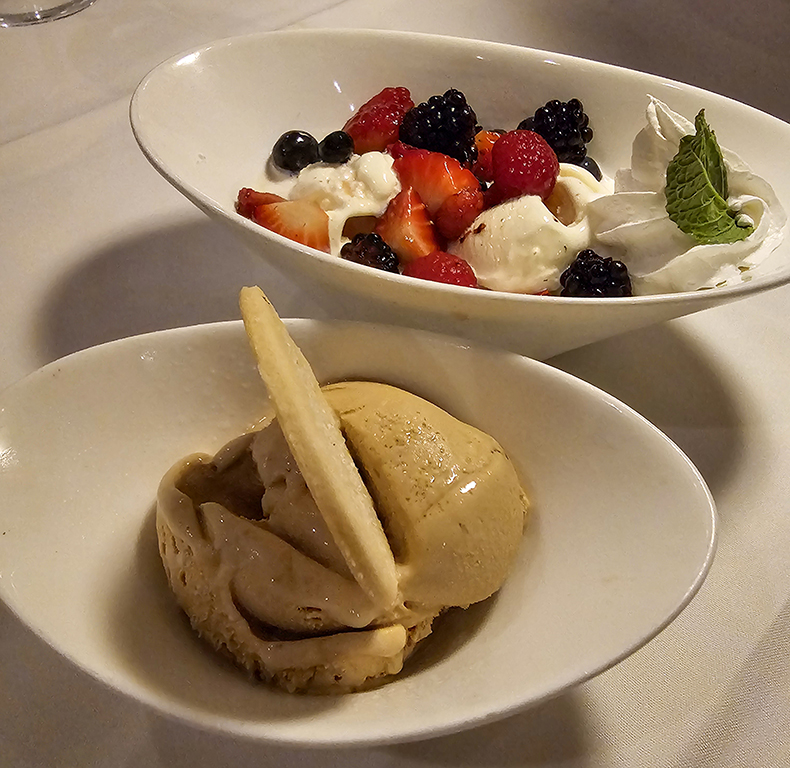
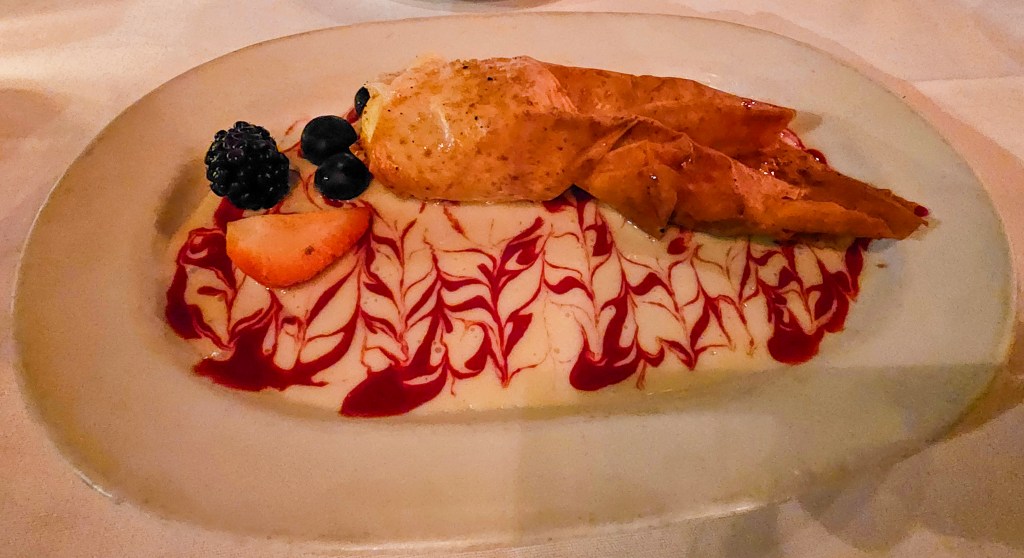
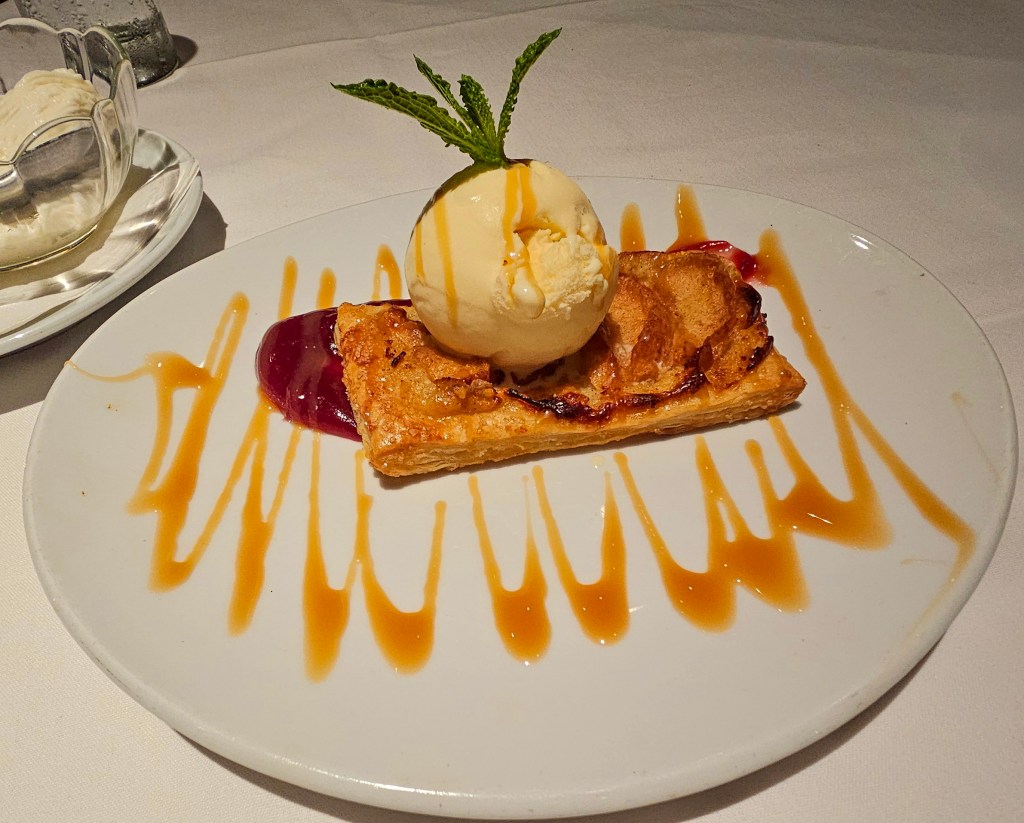
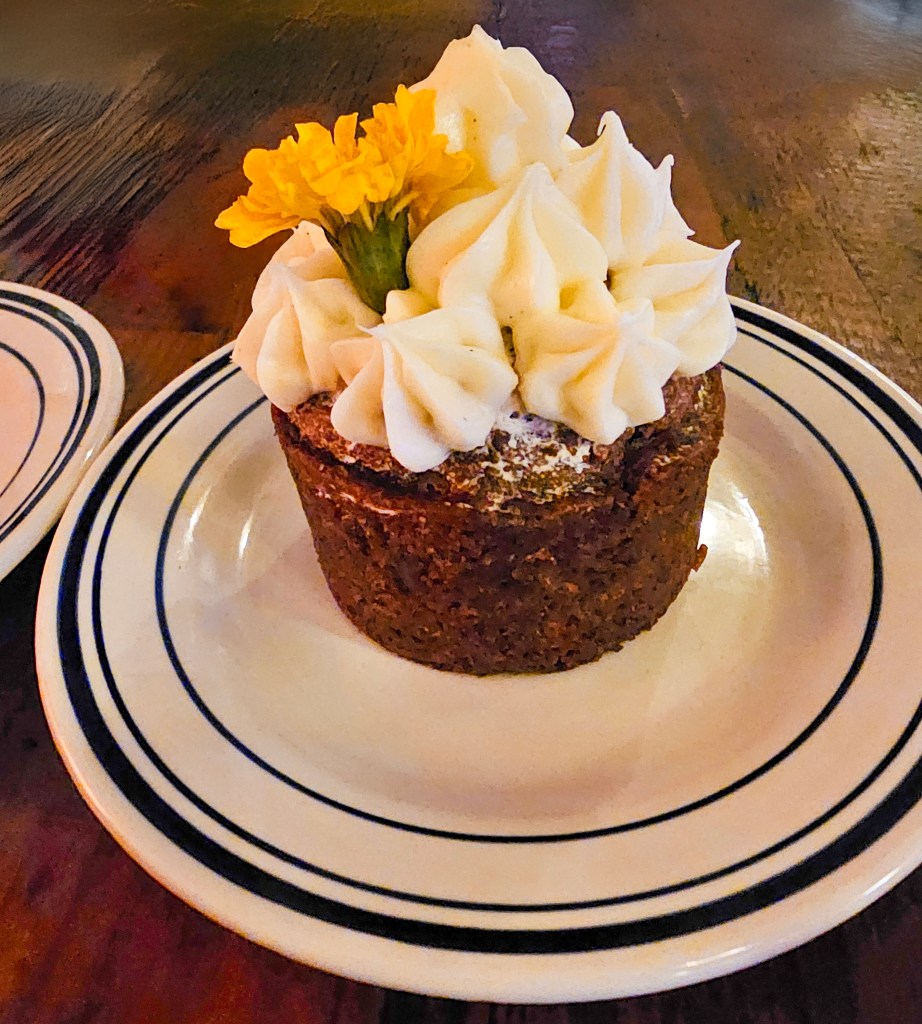
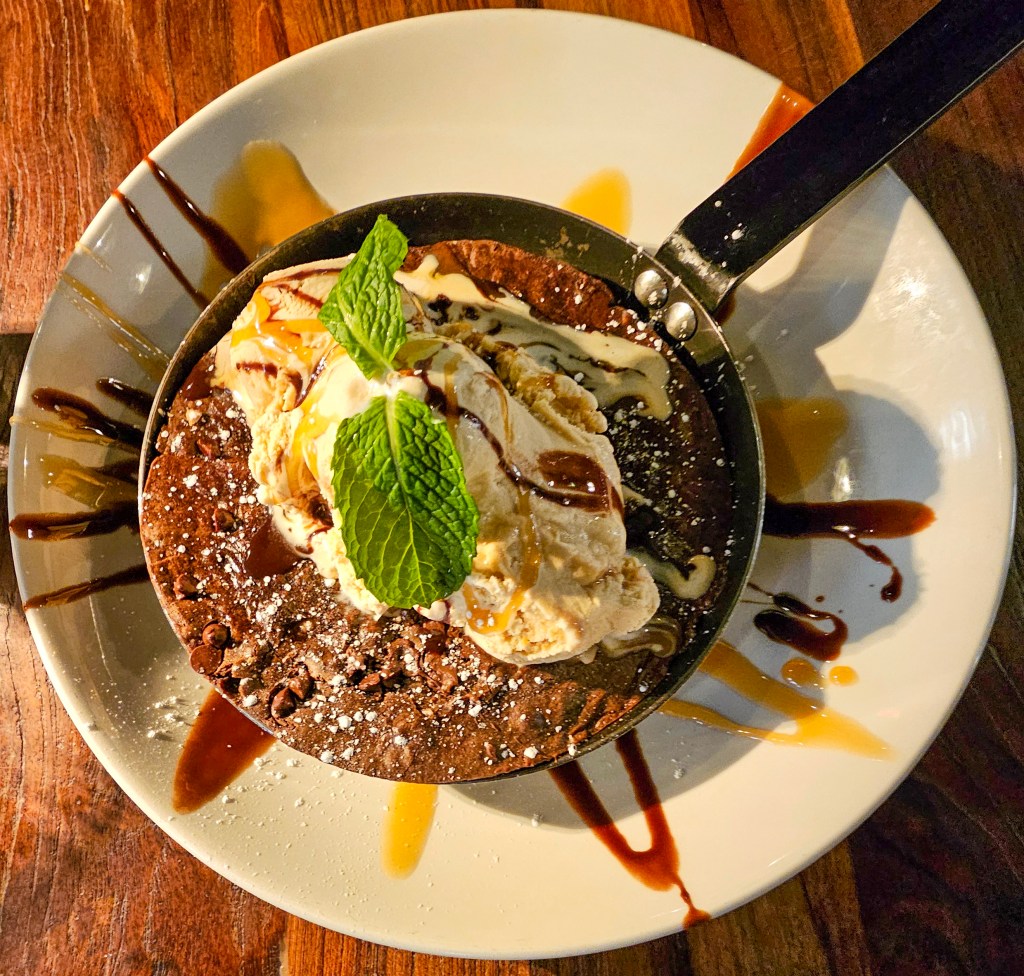
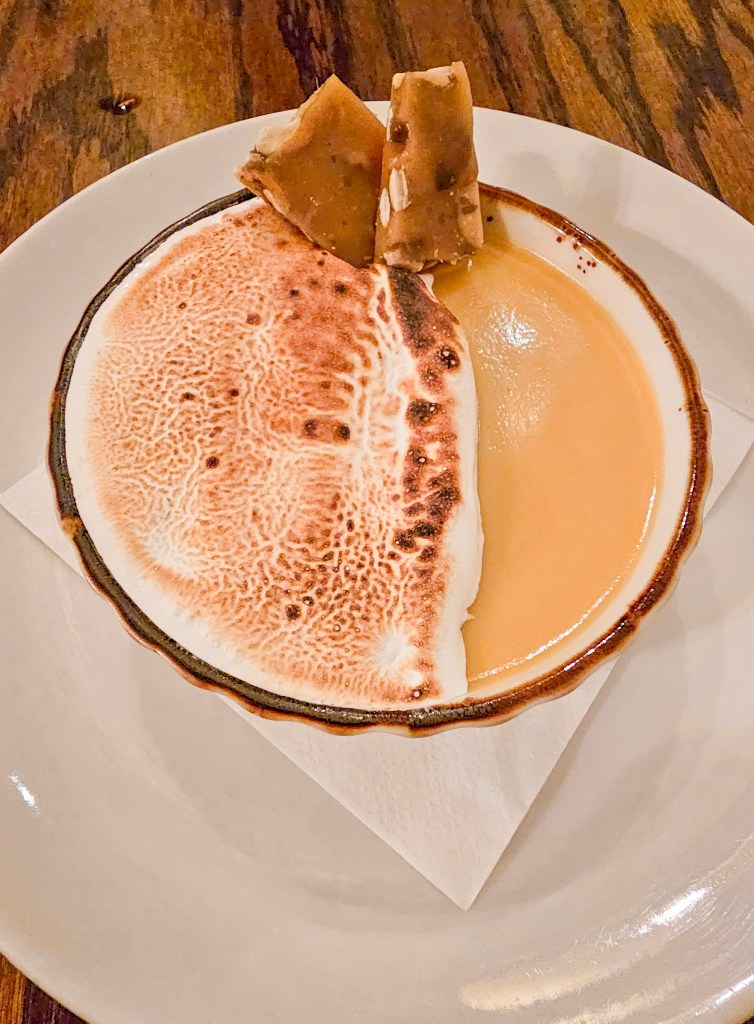
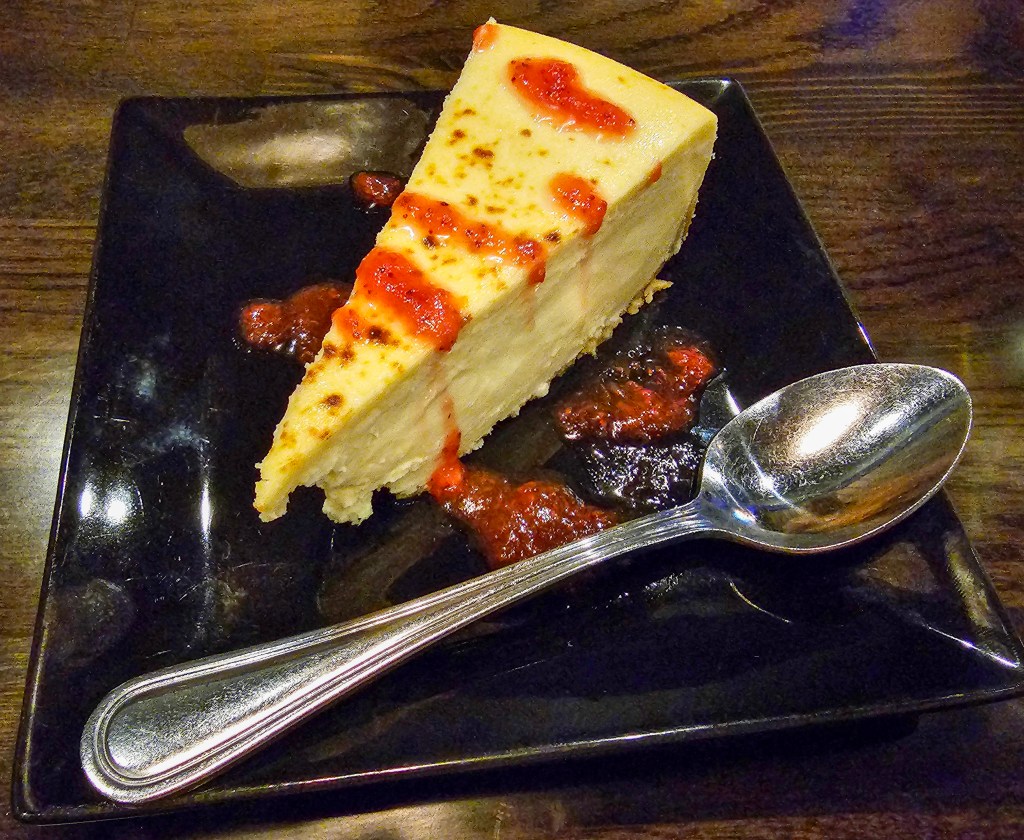
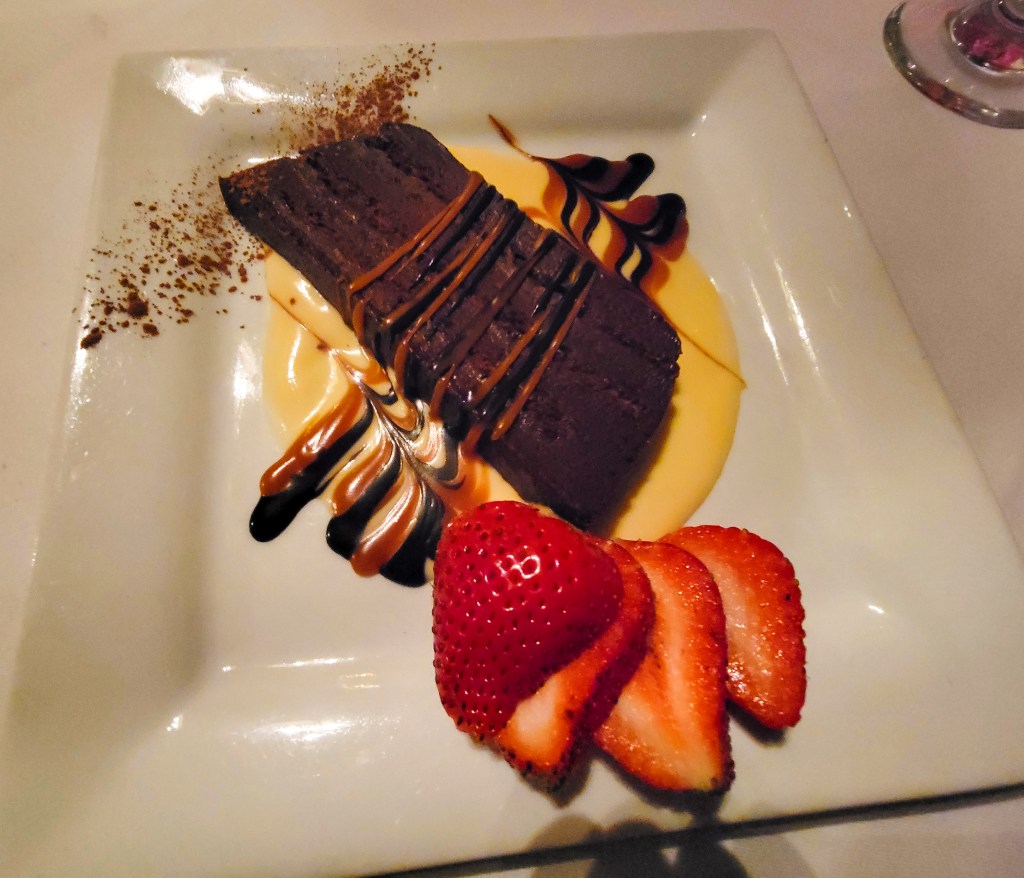
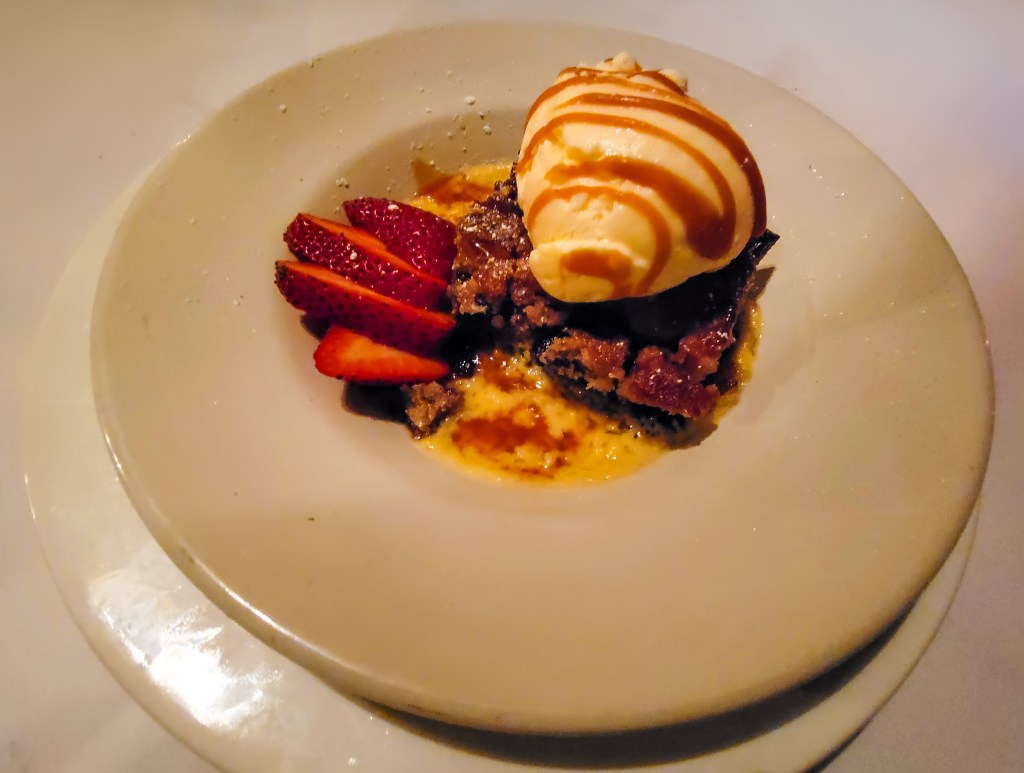
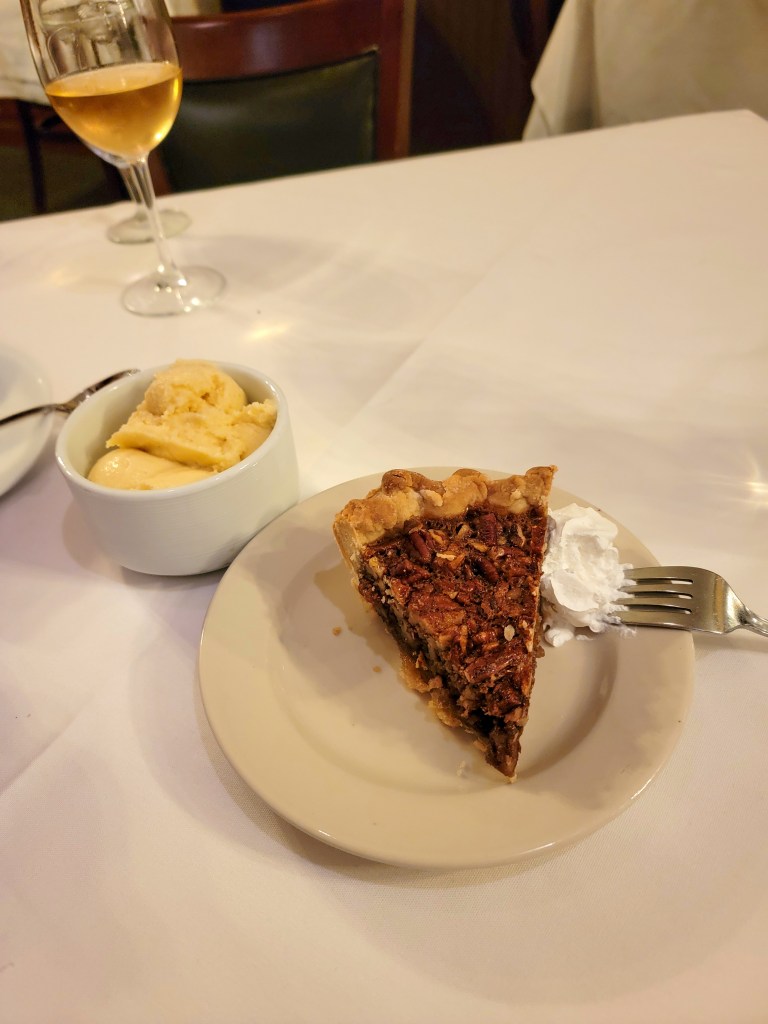
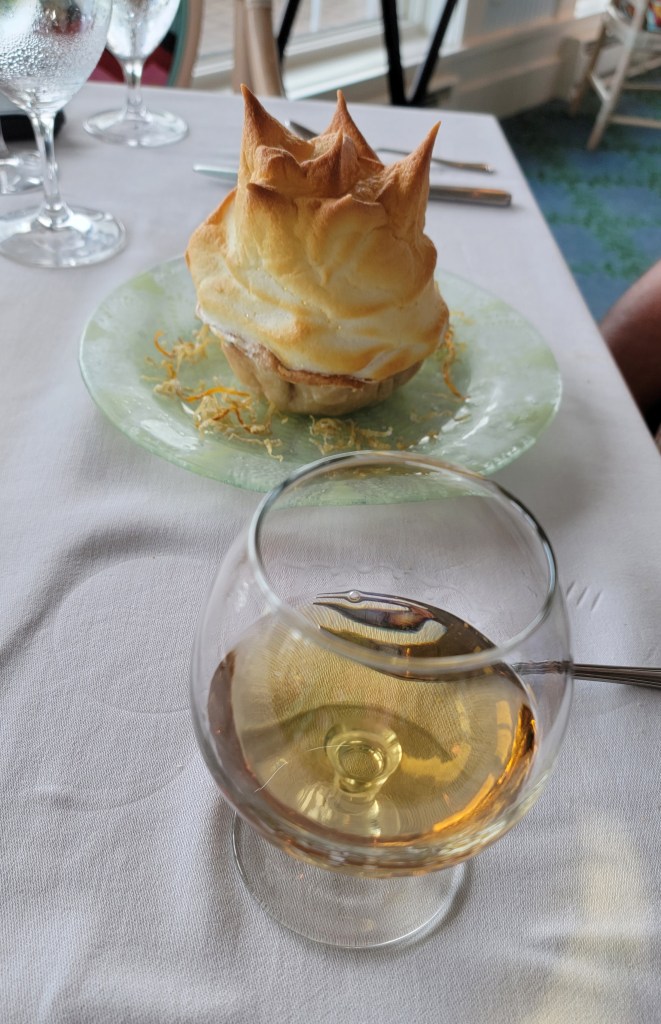
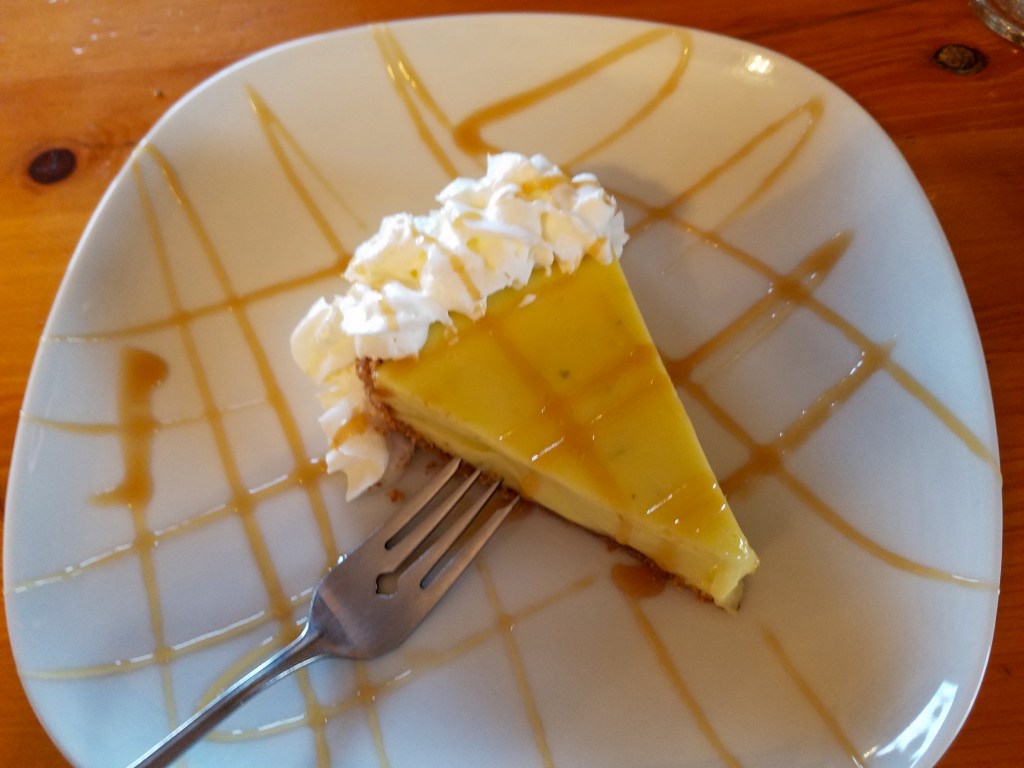
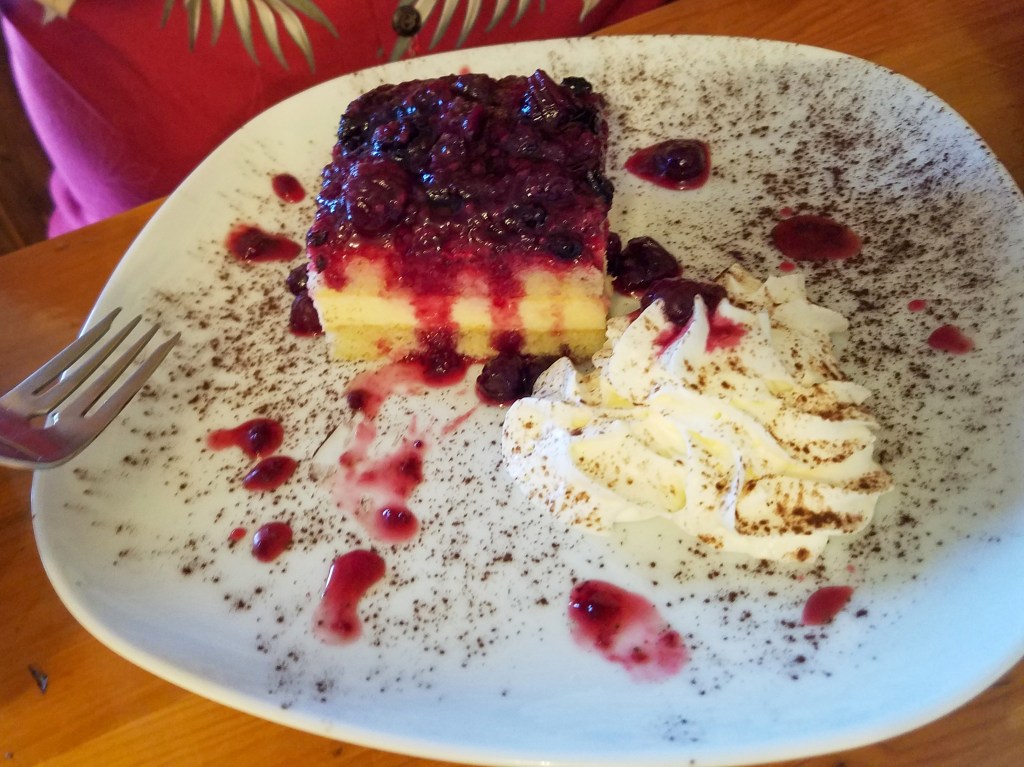
The restaurant has a dedicated pastry chef on staff, and it showed.  So often a meal is let down by mass-produced or frozen desserts.  Here, one could choose a small version of several of the dessert offerings, so we decided to share 3.  Dick’s favourite was a beautiful fruit tart, while I loved the raspberry mousse.  We both liked the éclair, unusually presented with key lime filling and glaze instead of chocolate.  It was a wonderful finish to an excellent evening.
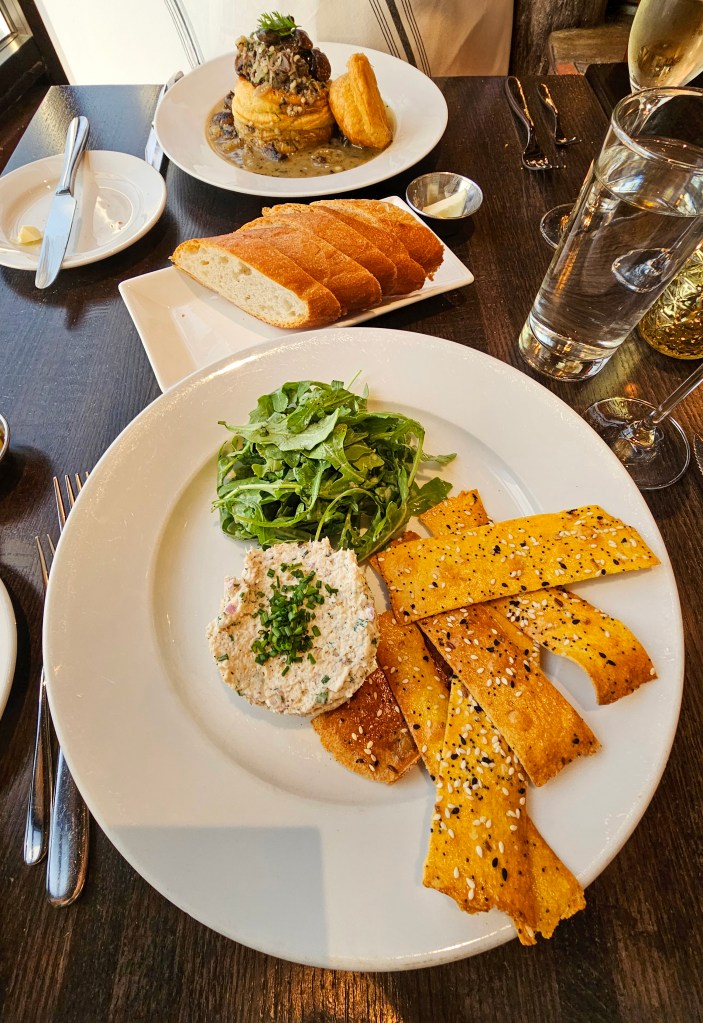
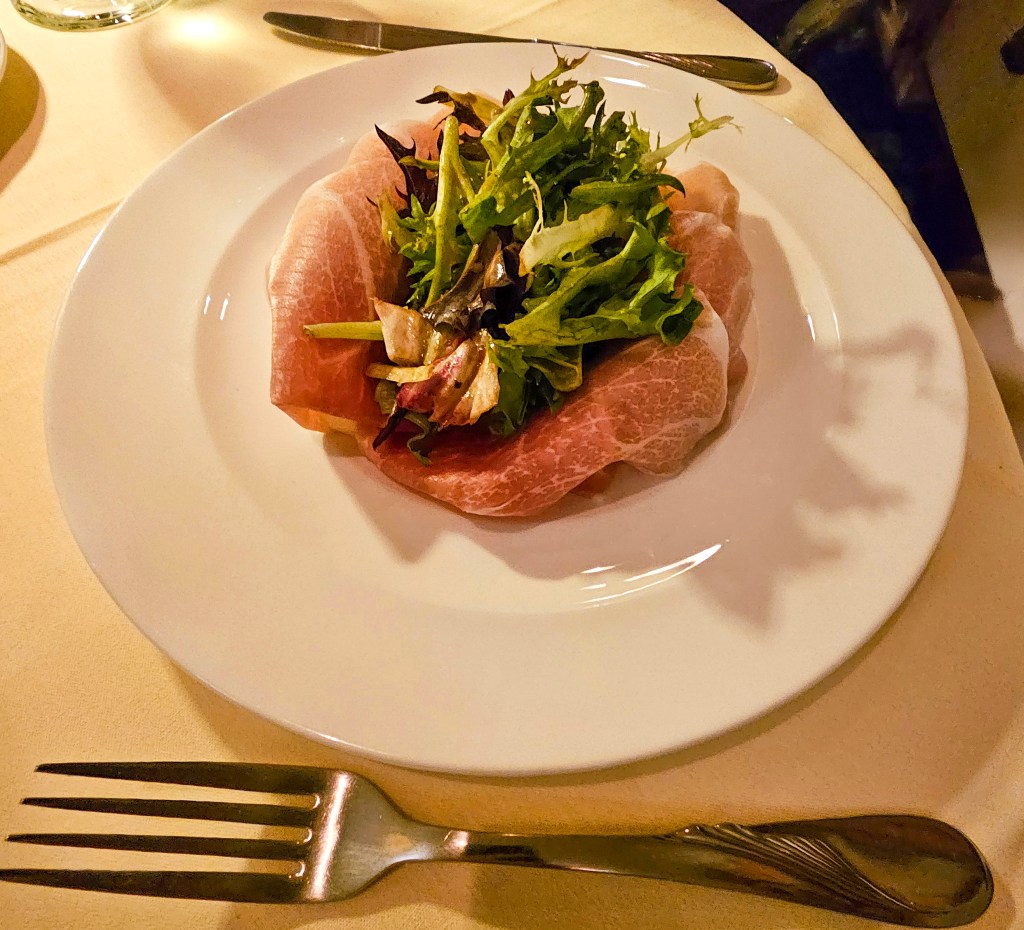
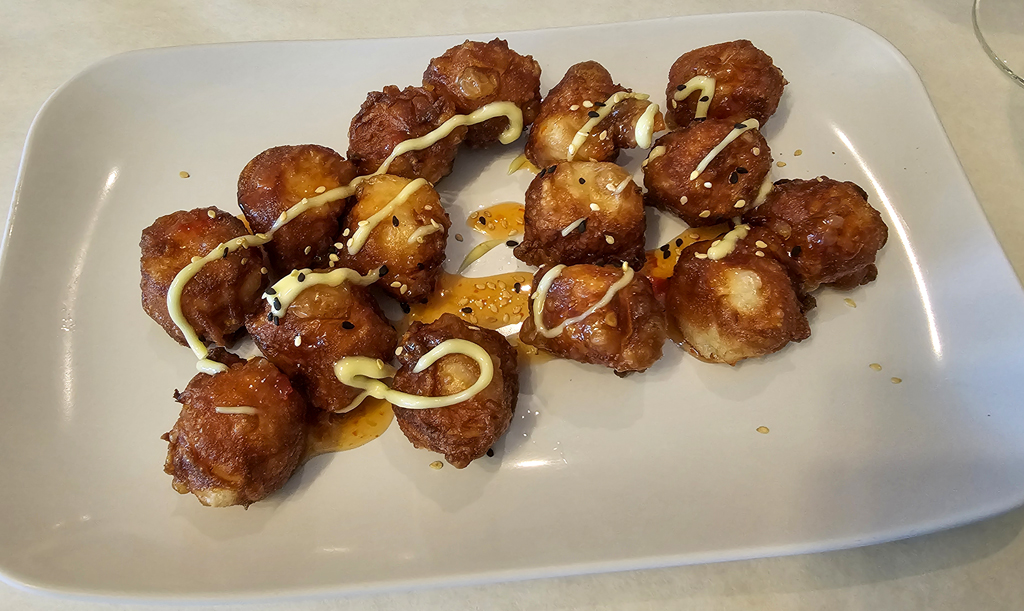
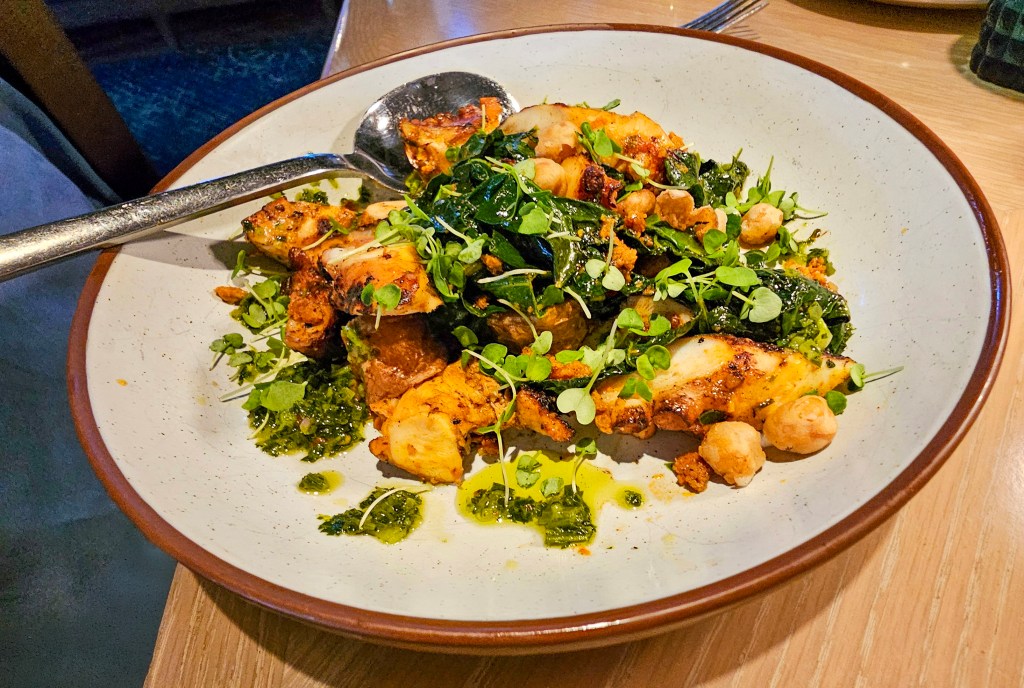
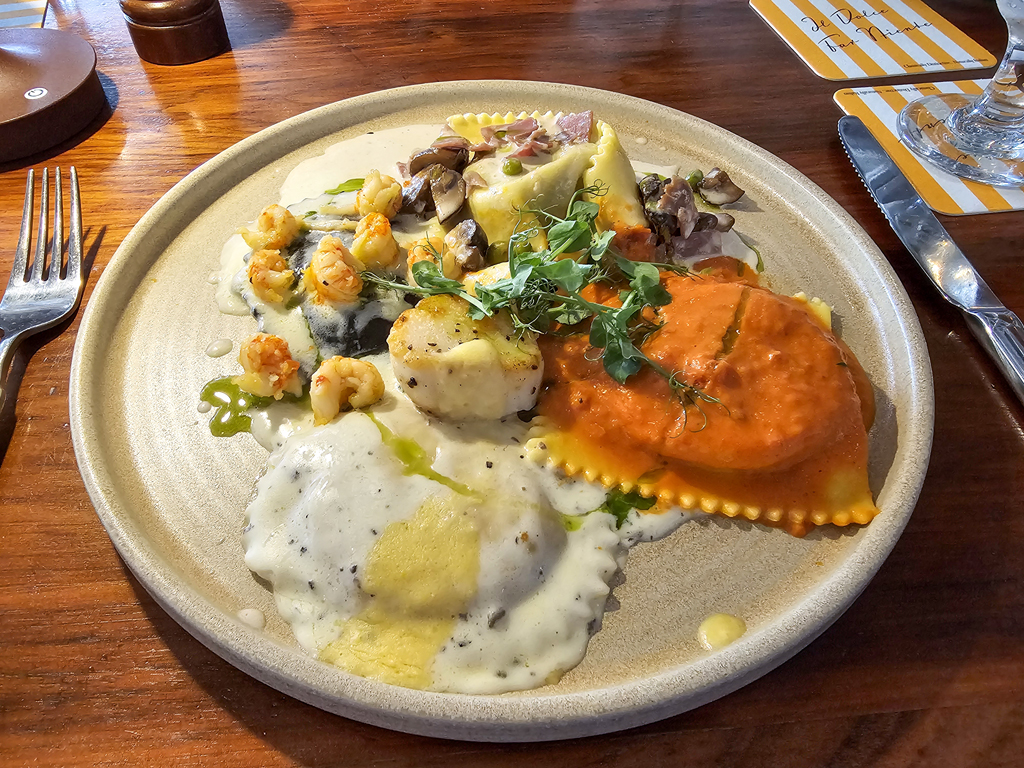
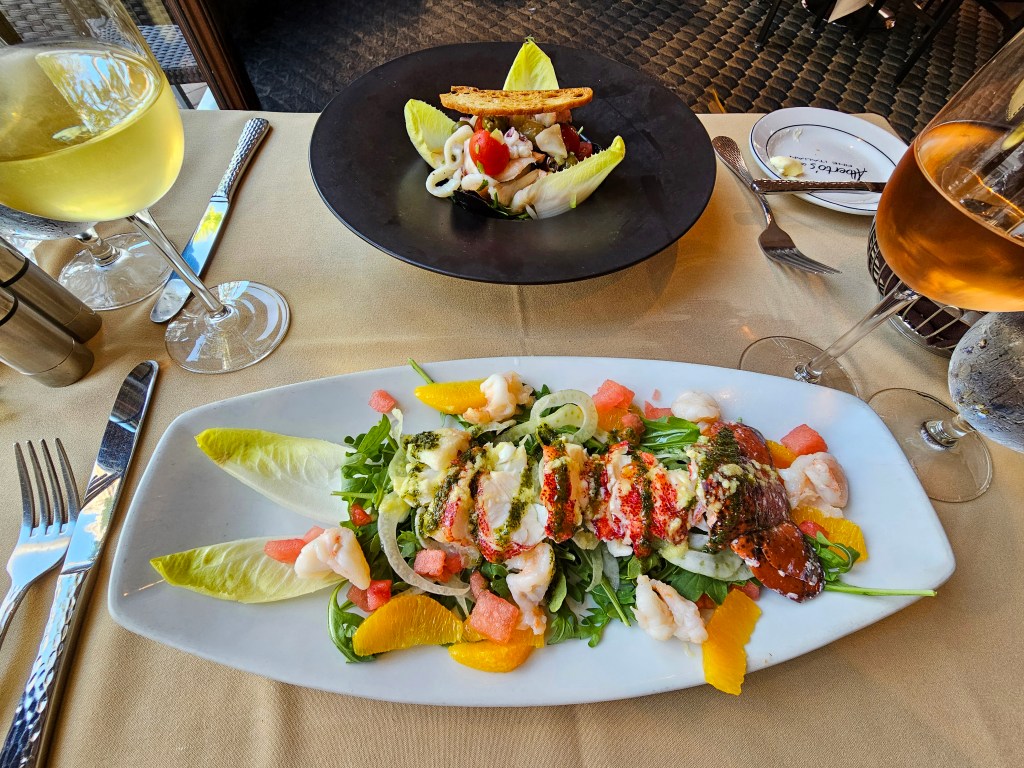
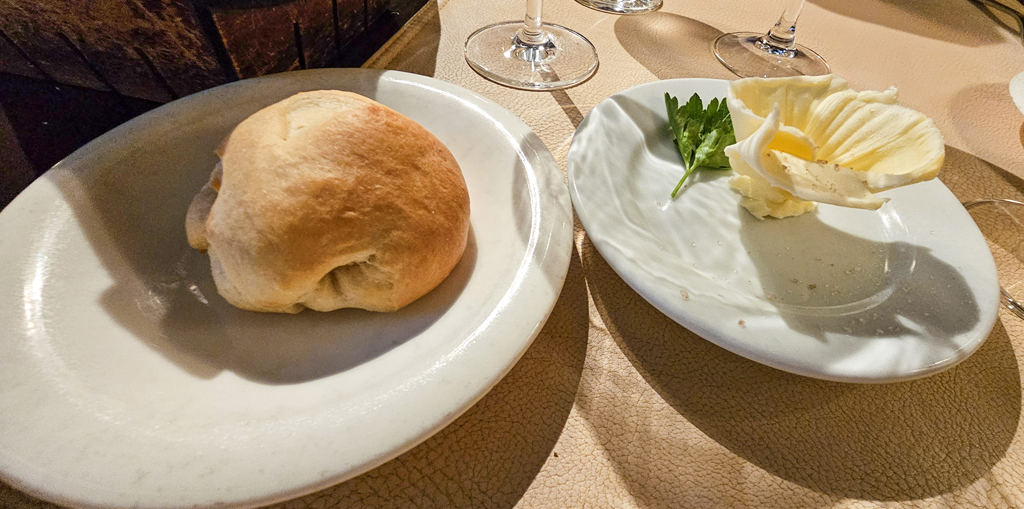
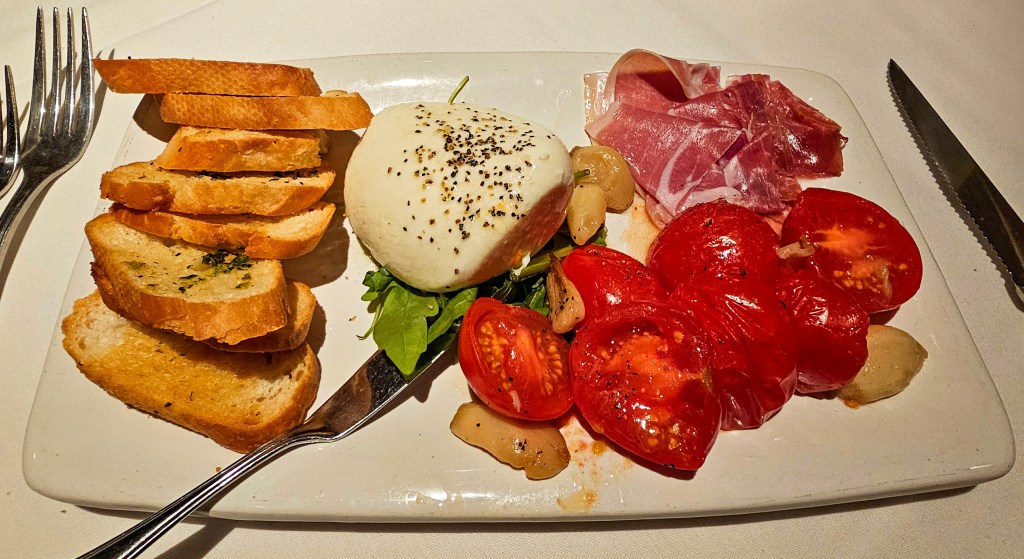
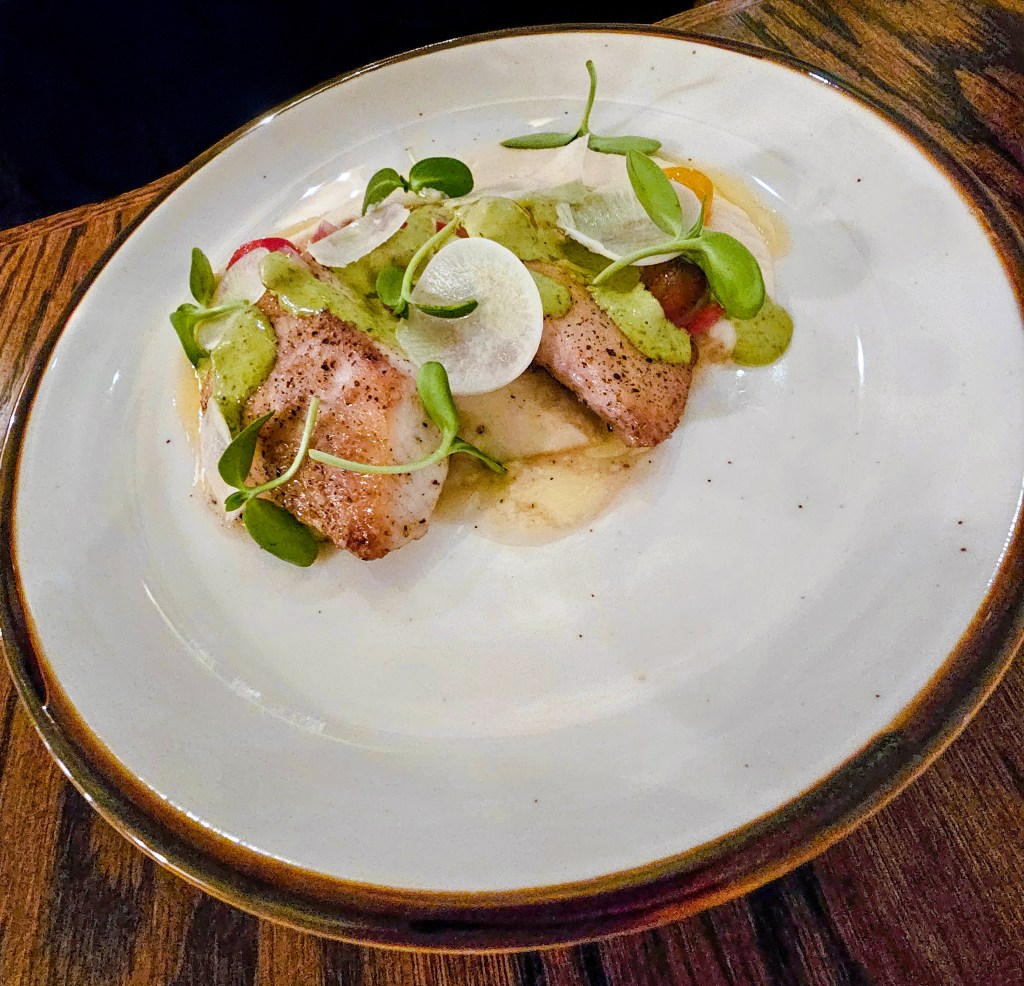
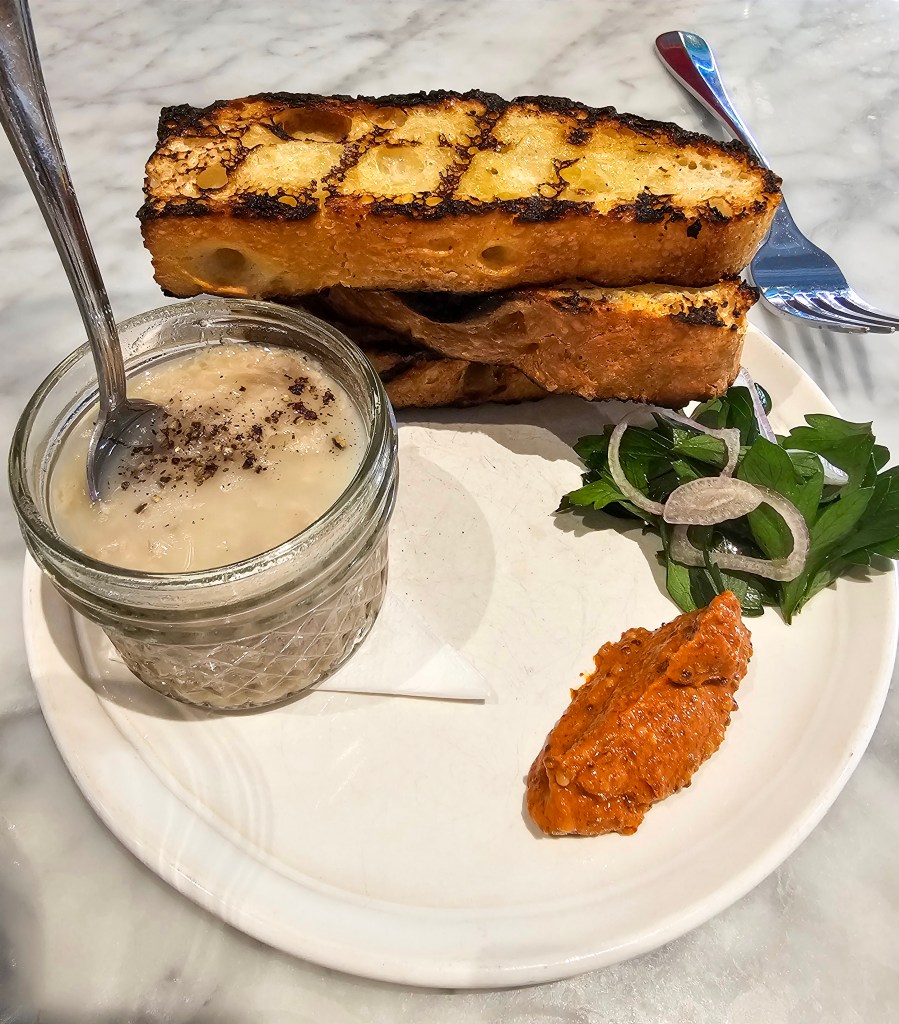
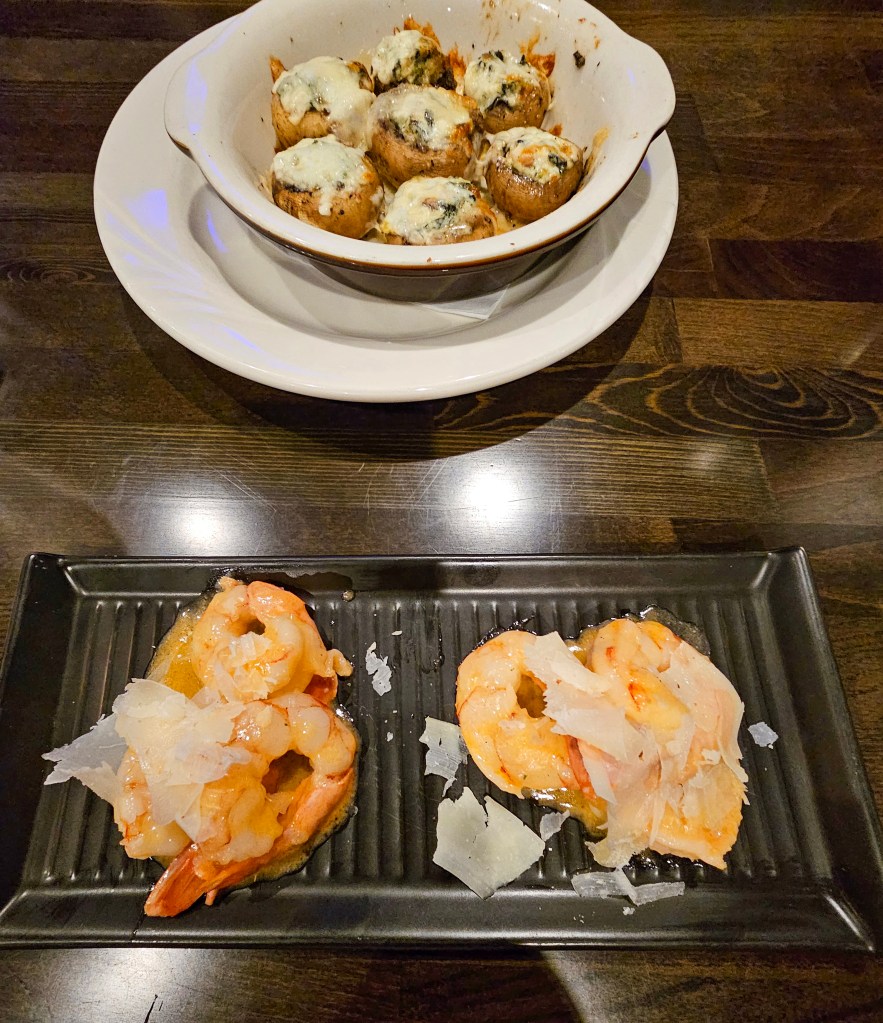
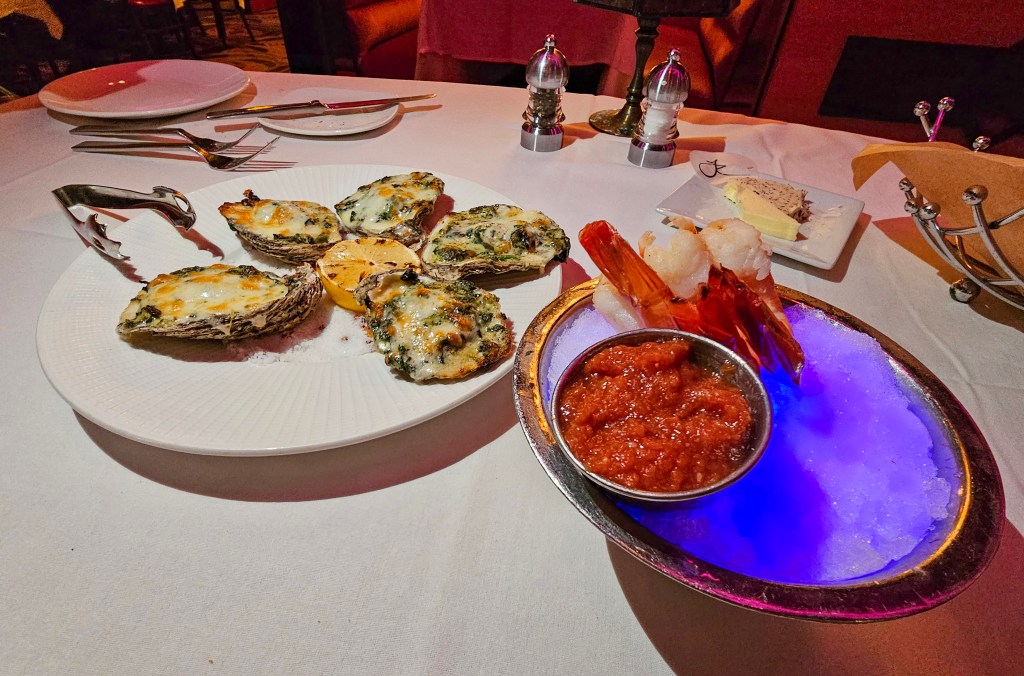
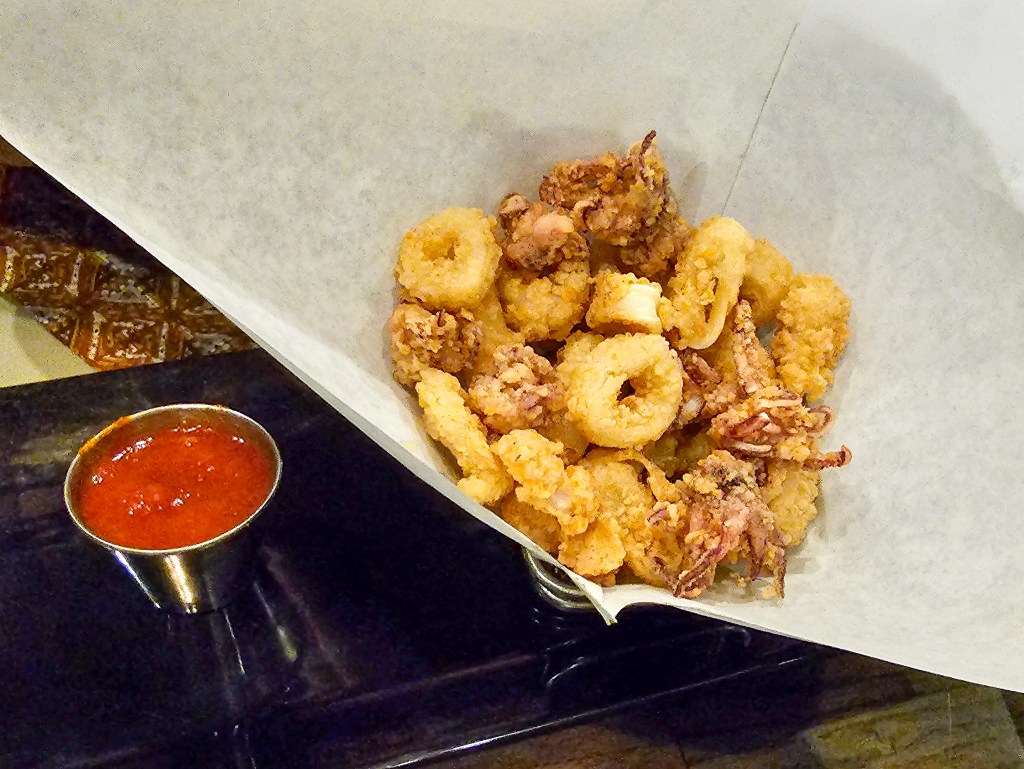
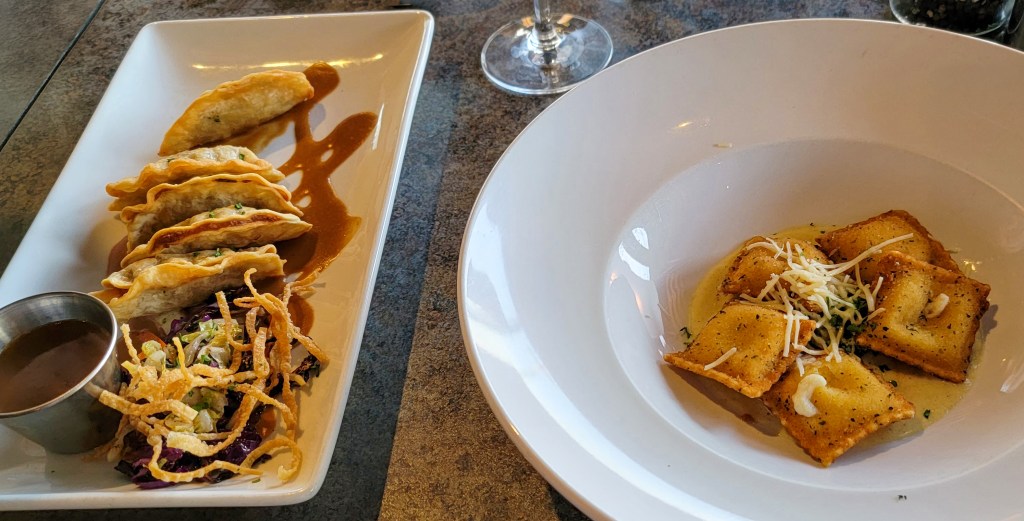
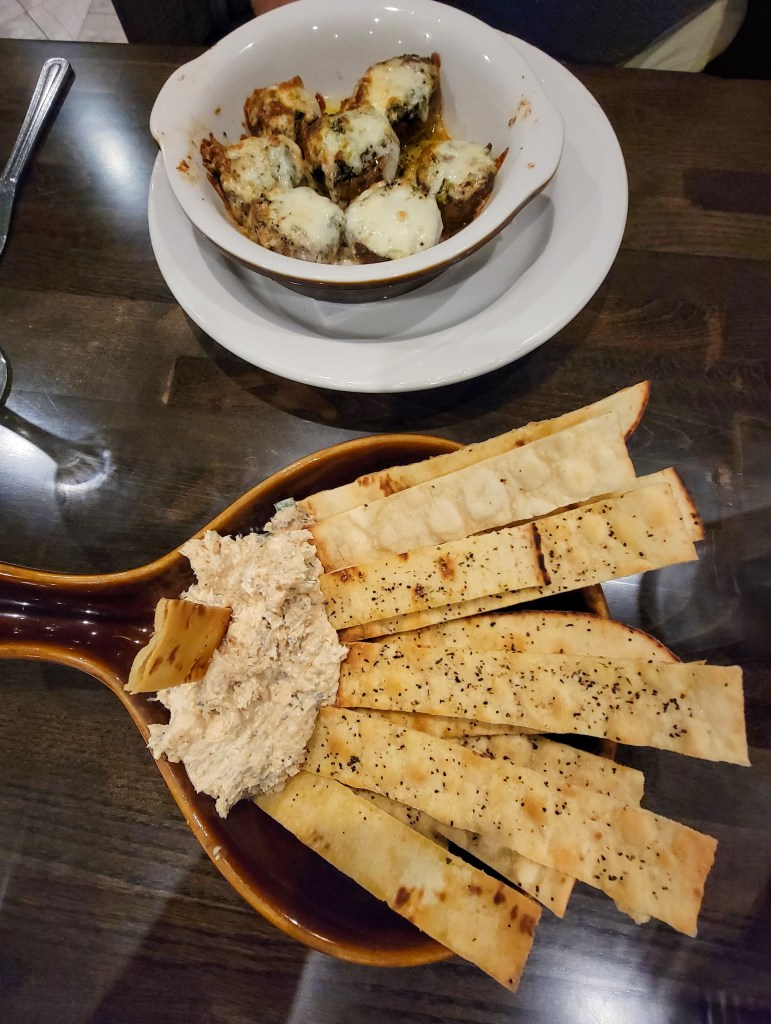
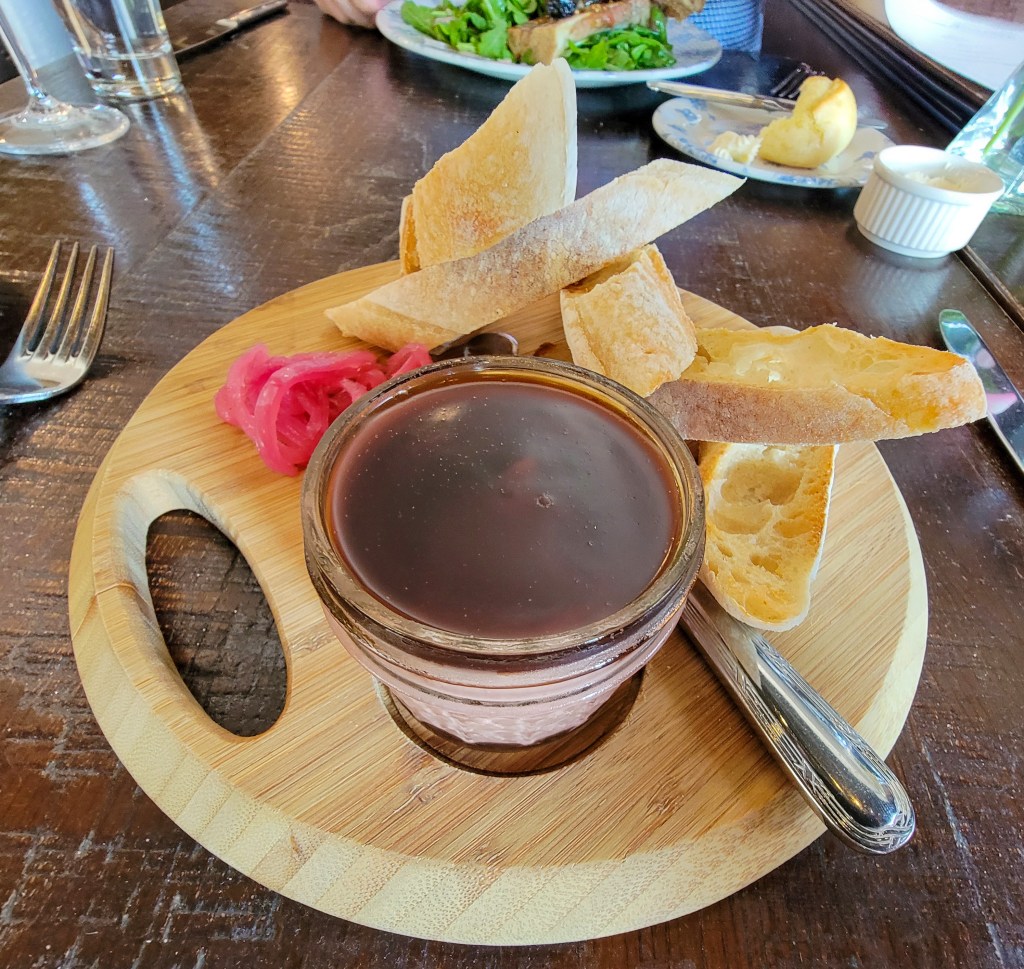
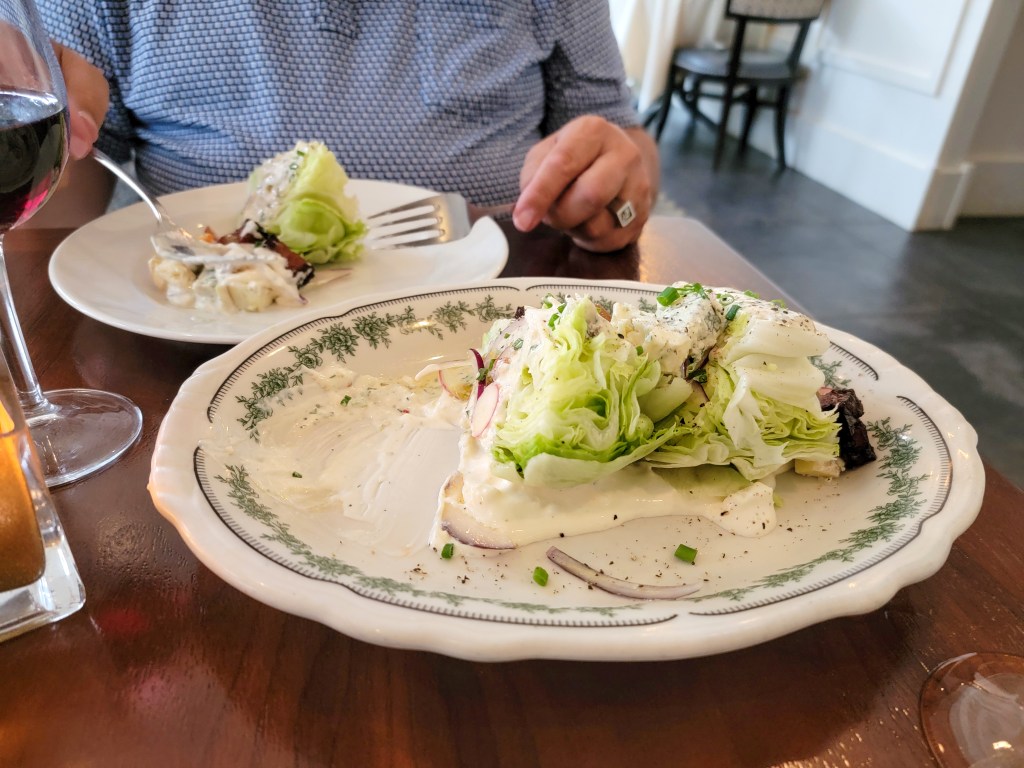
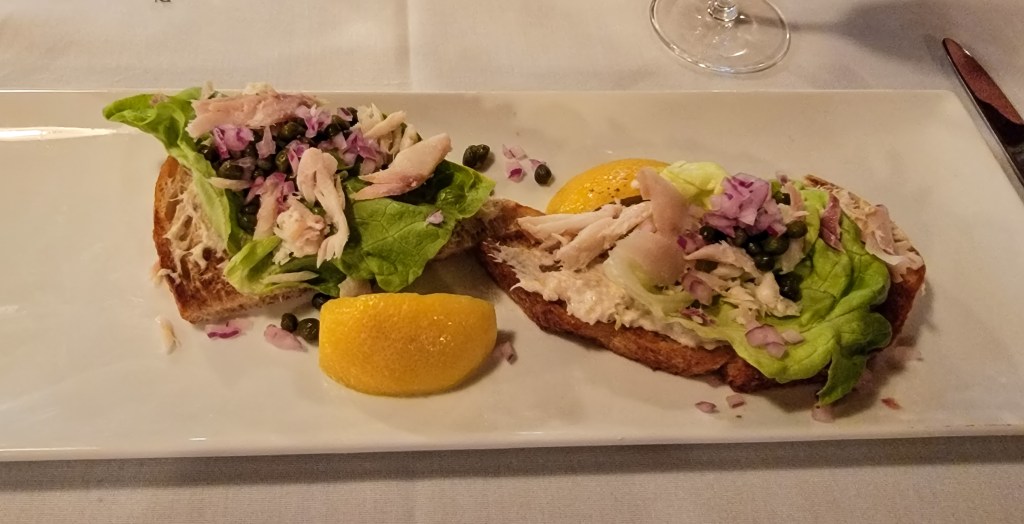
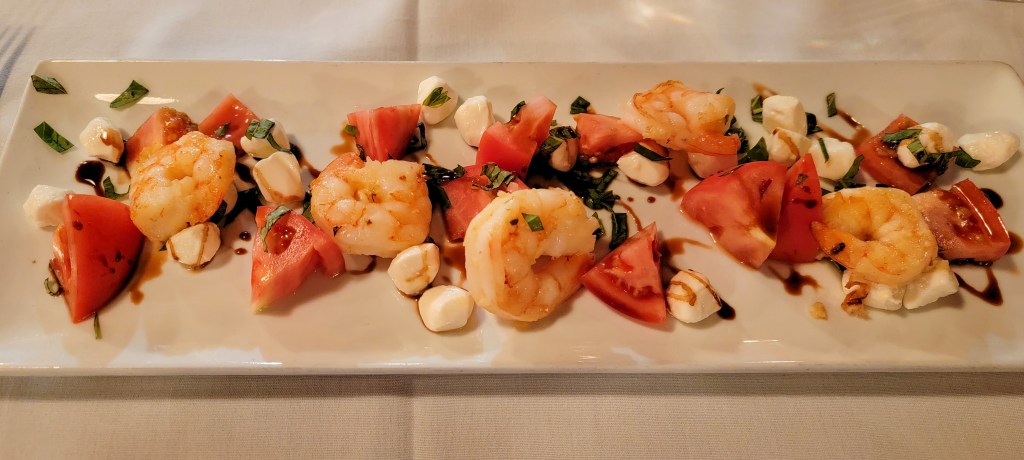
Restaurant Orsay starters
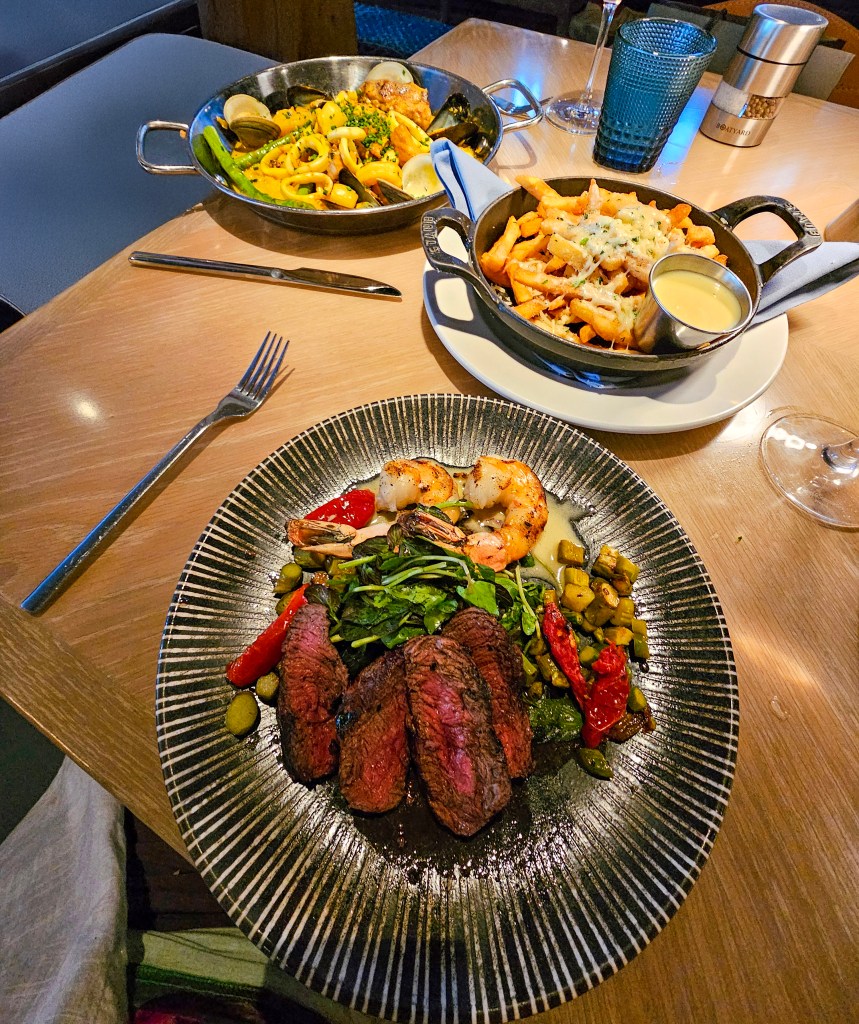
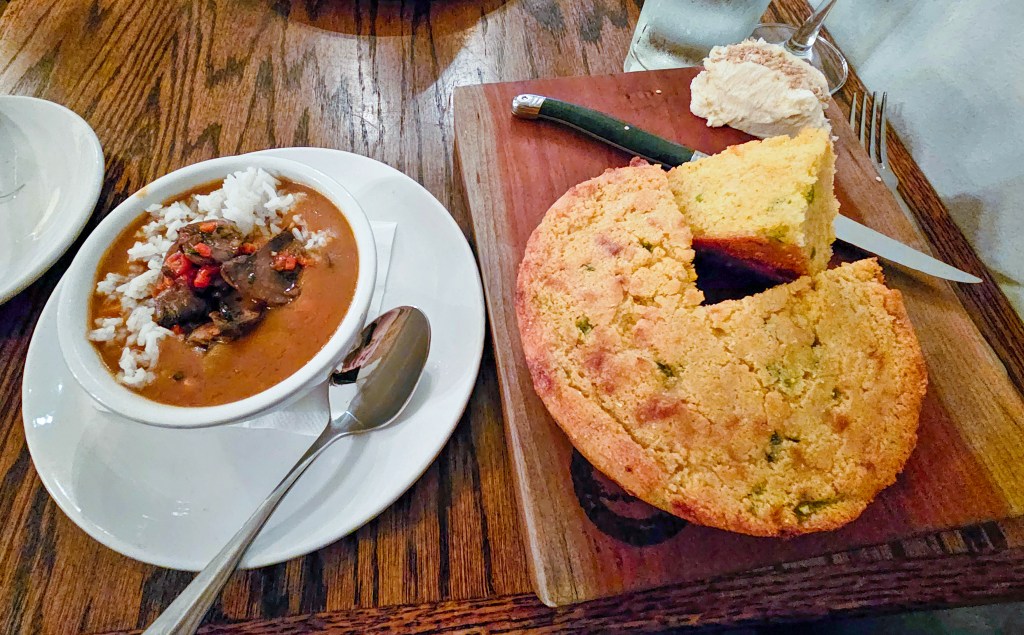
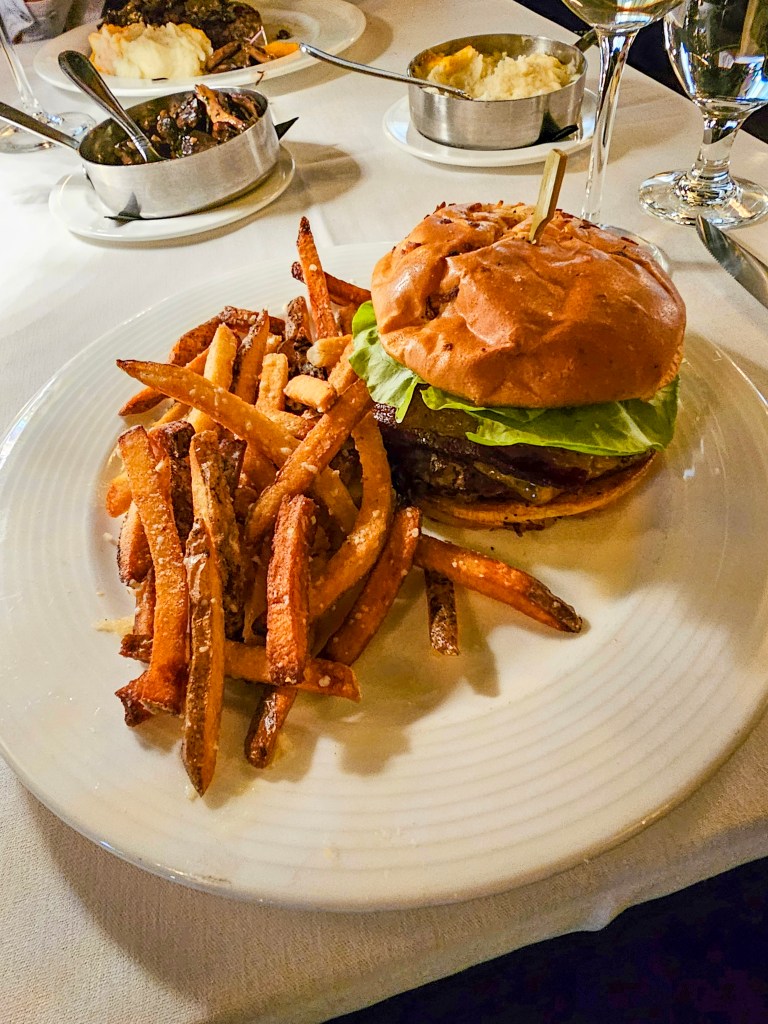
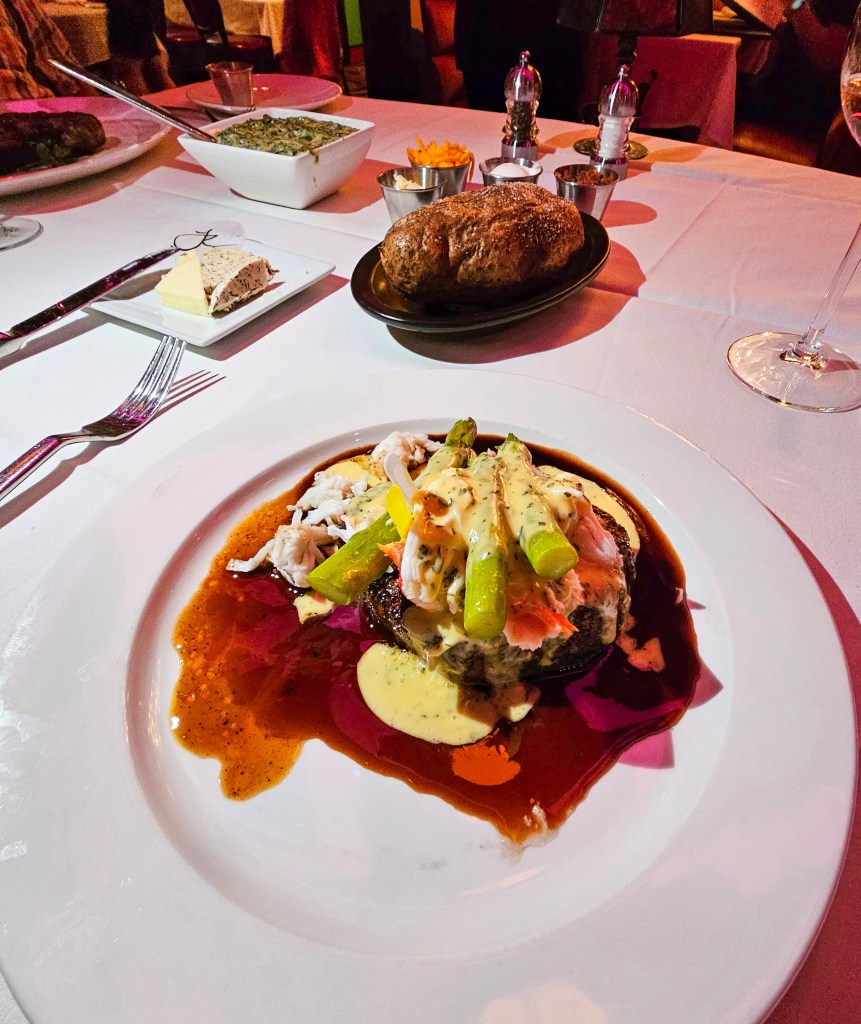
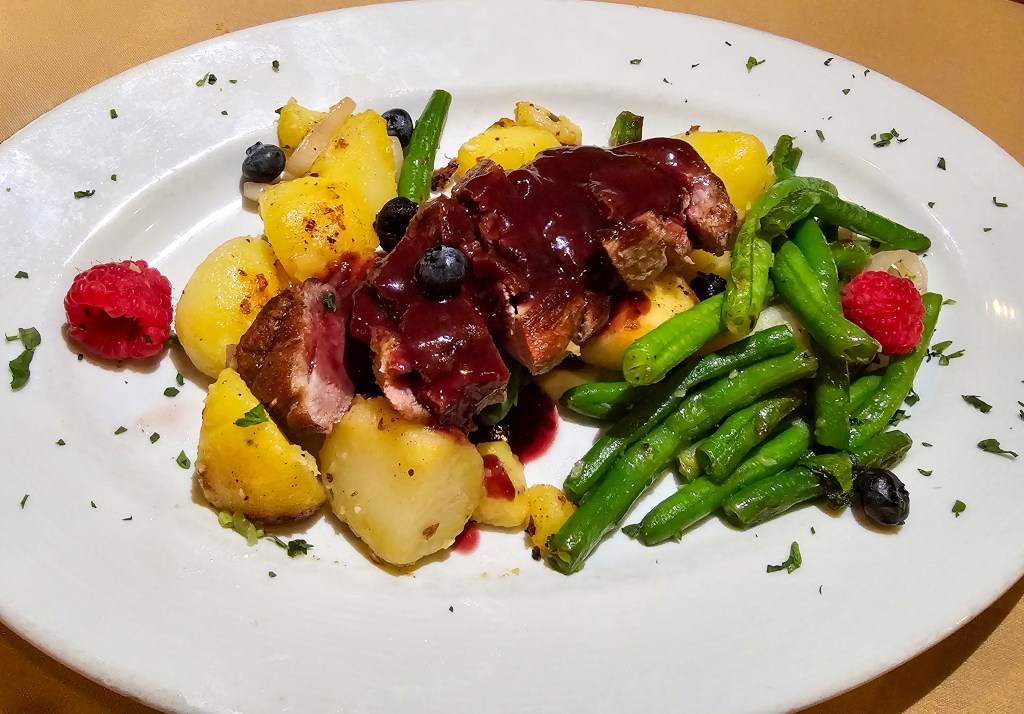
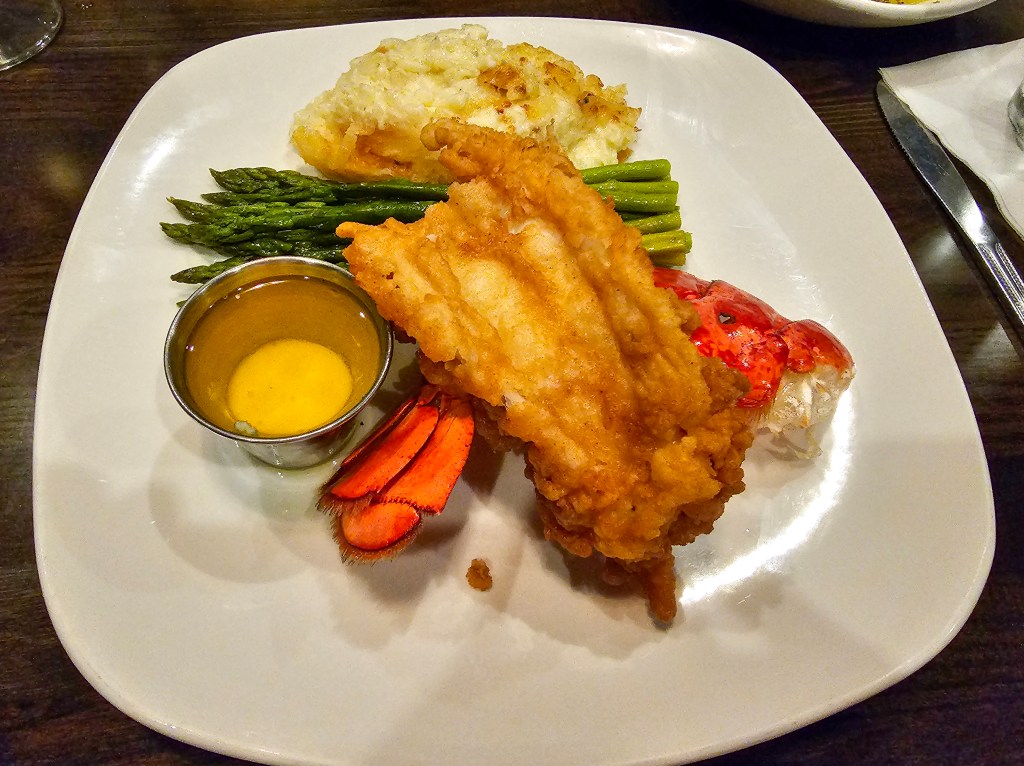
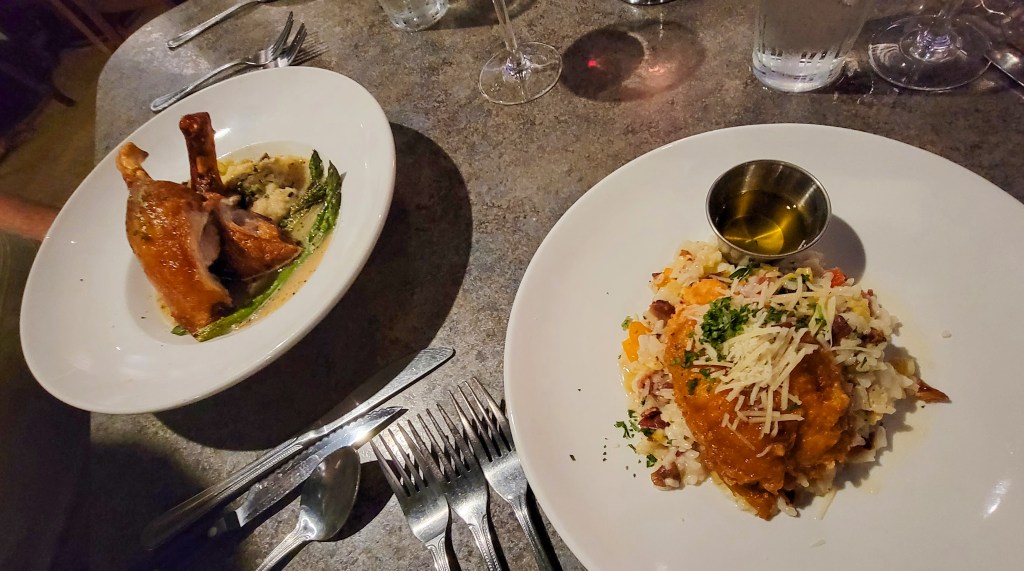
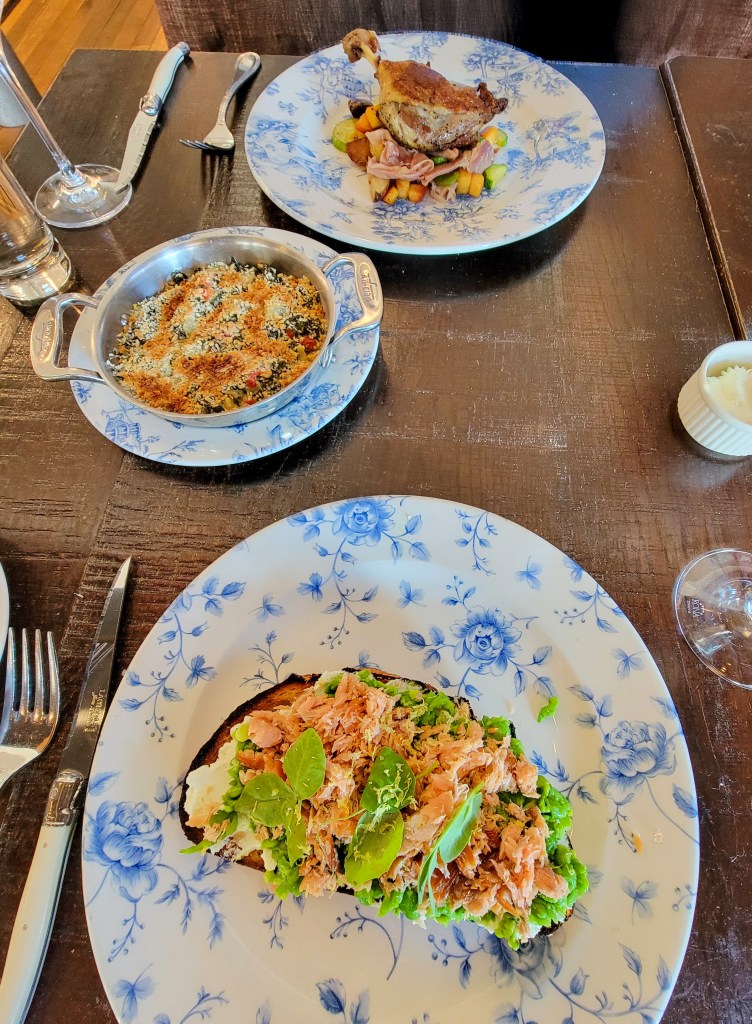
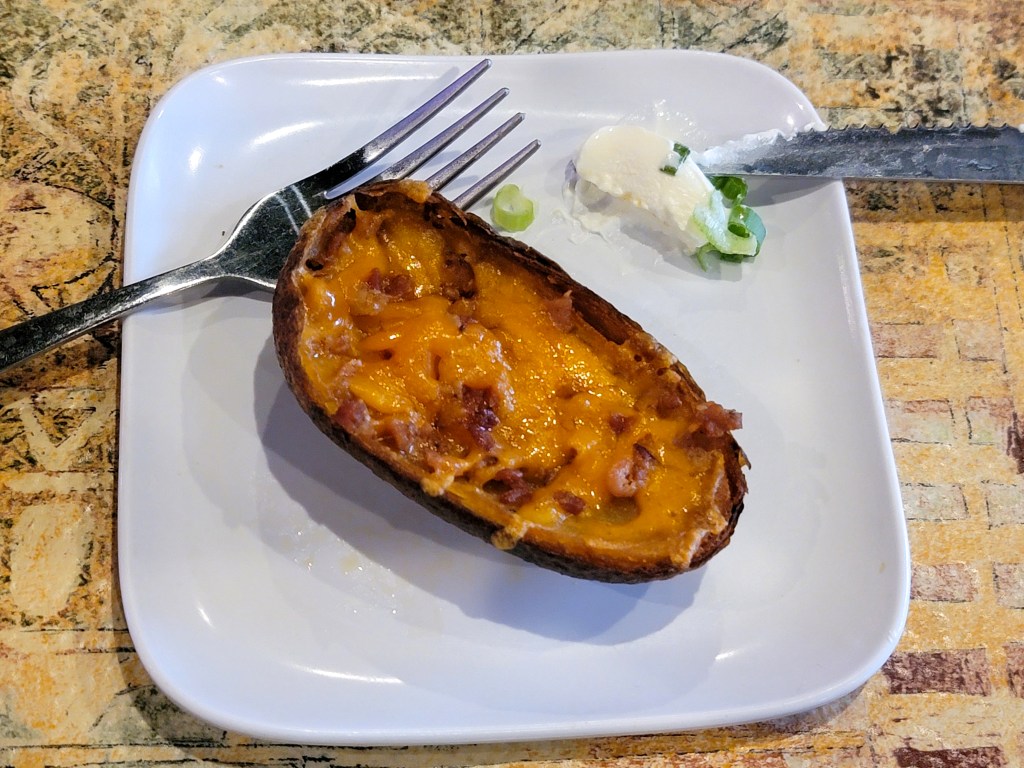
Lobster Pot Pie at Restaurant Orsay
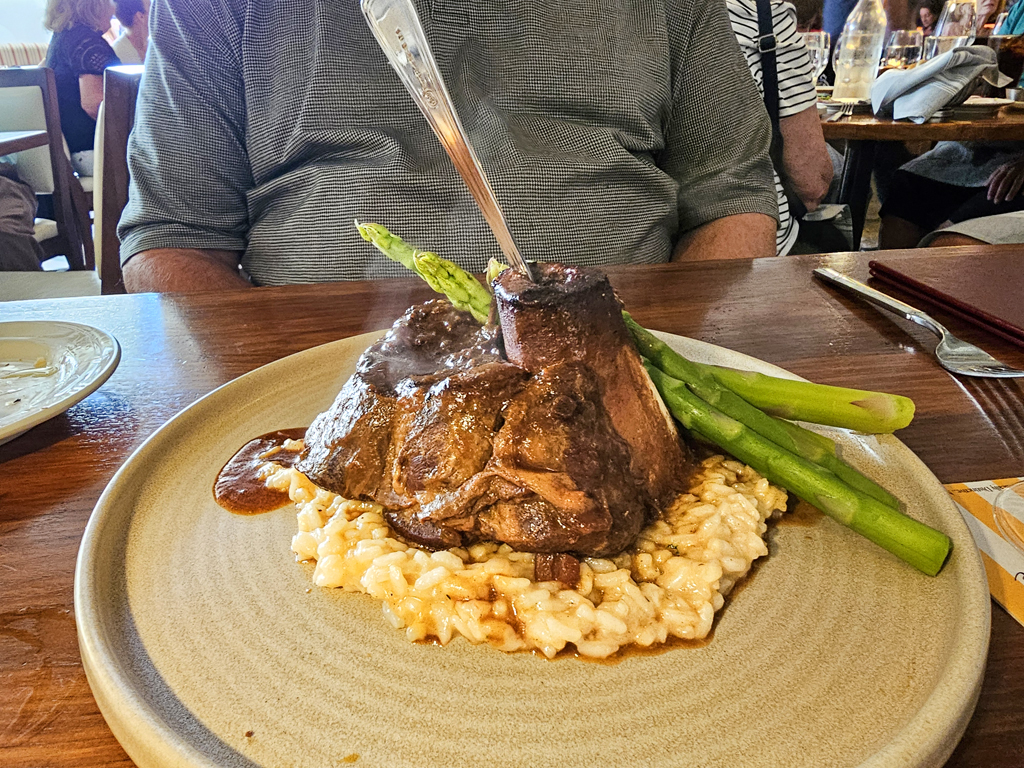
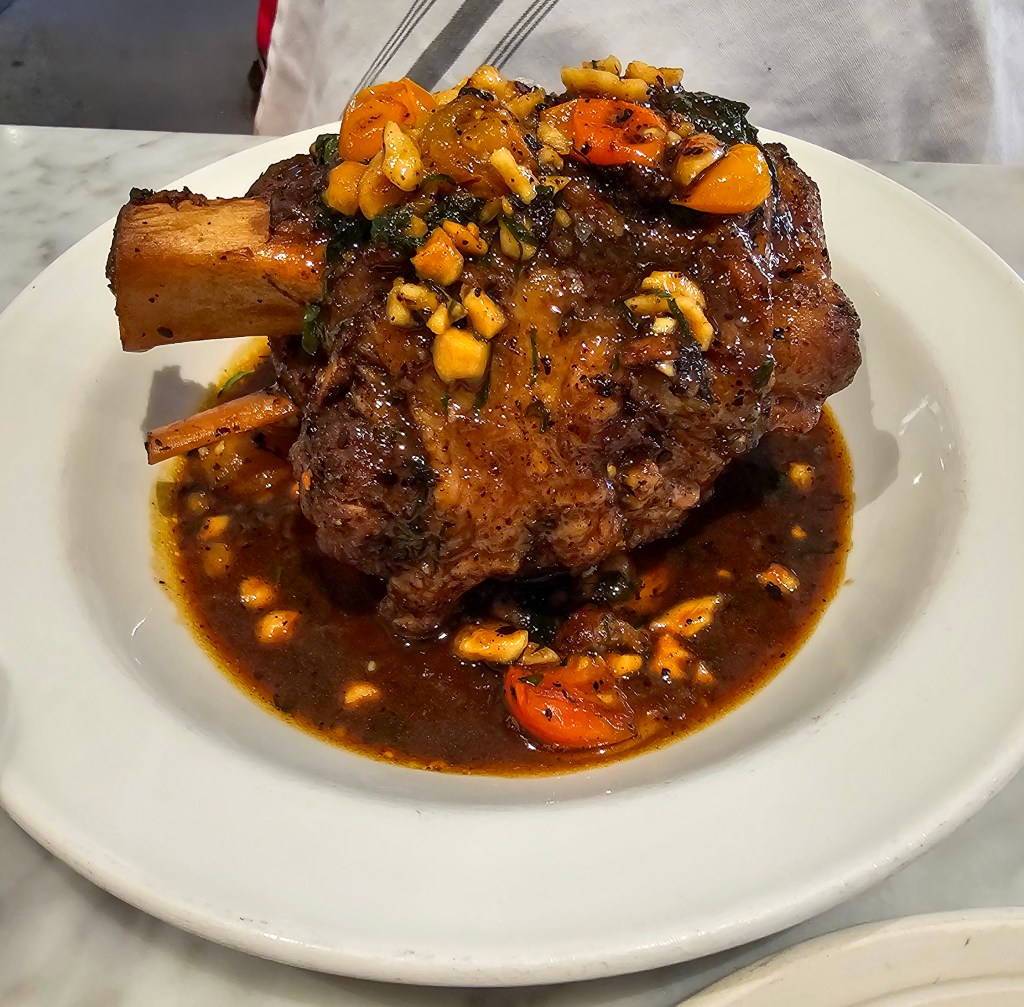
Cassoulet at Restaurant Orsay
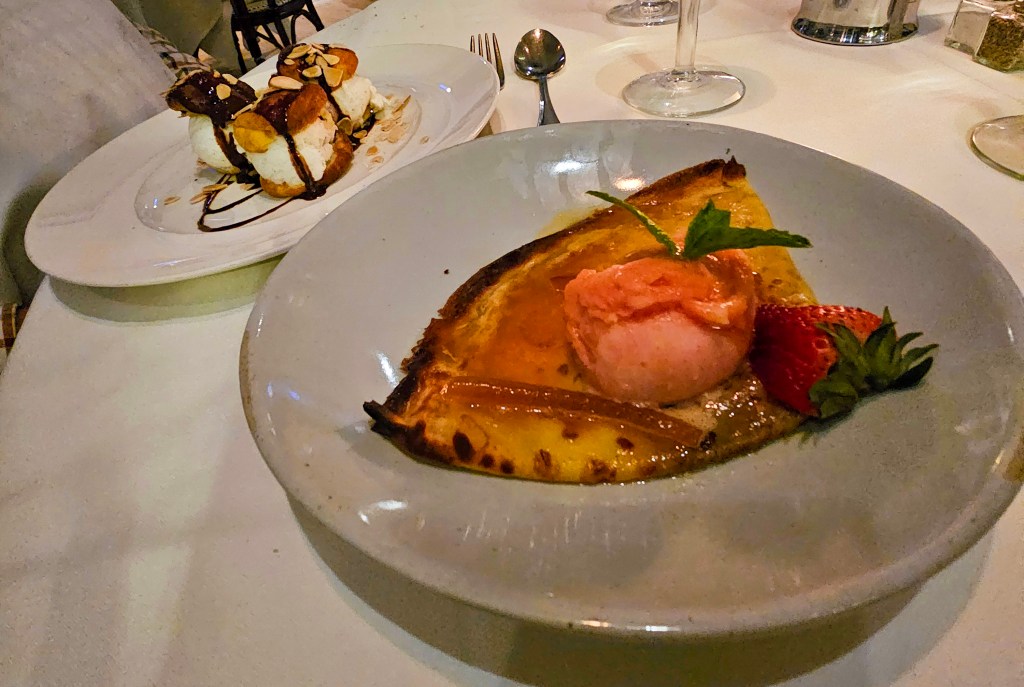
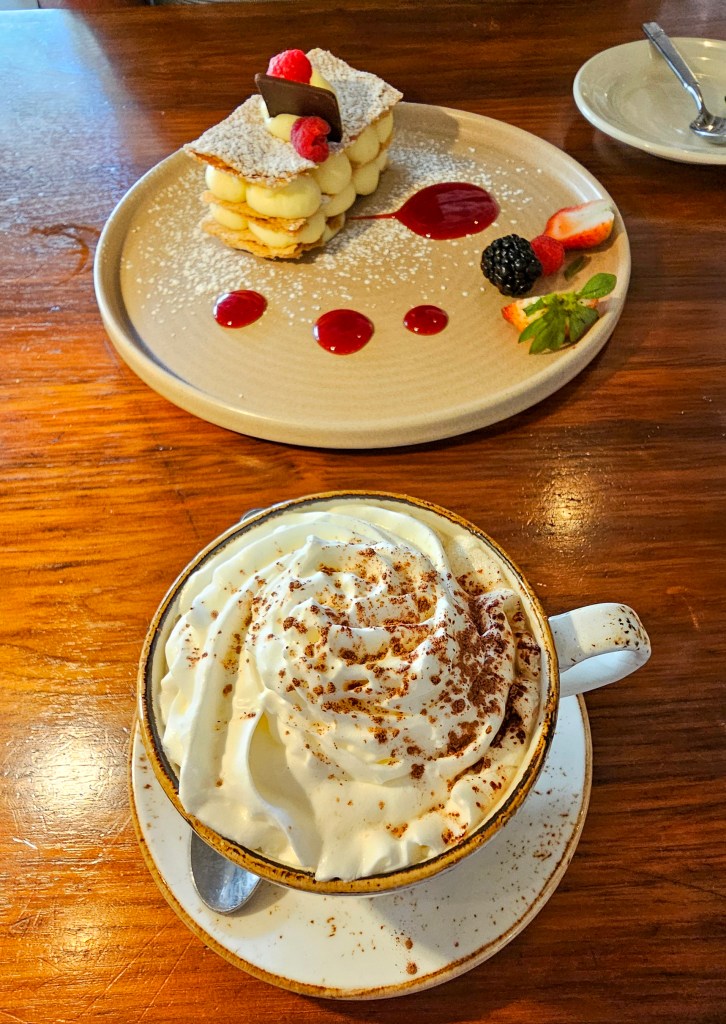
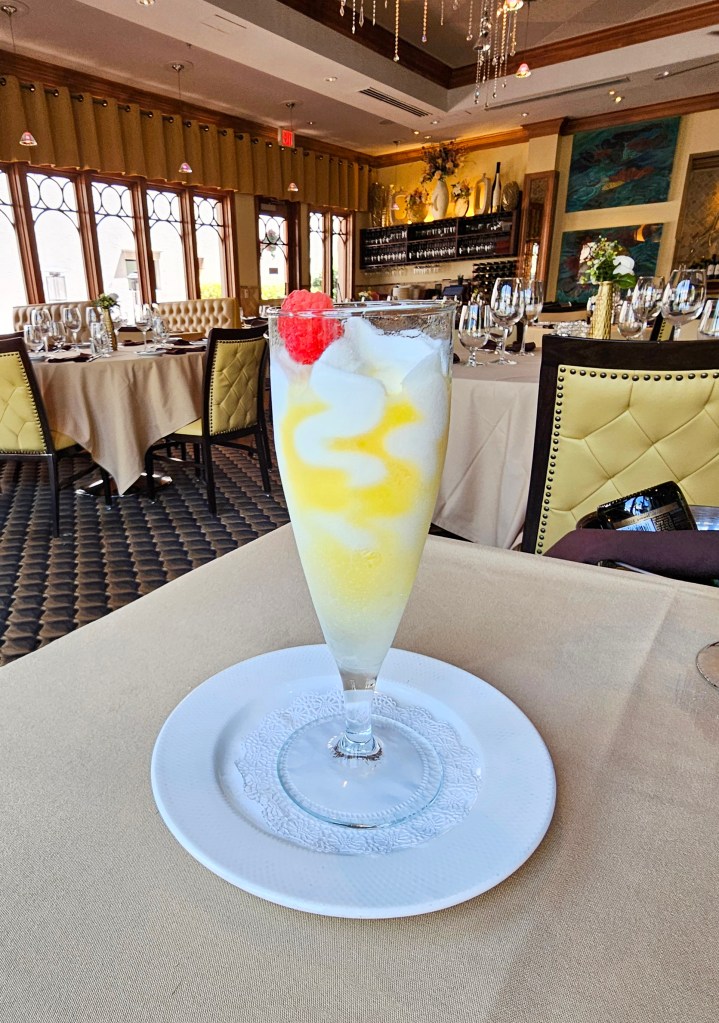
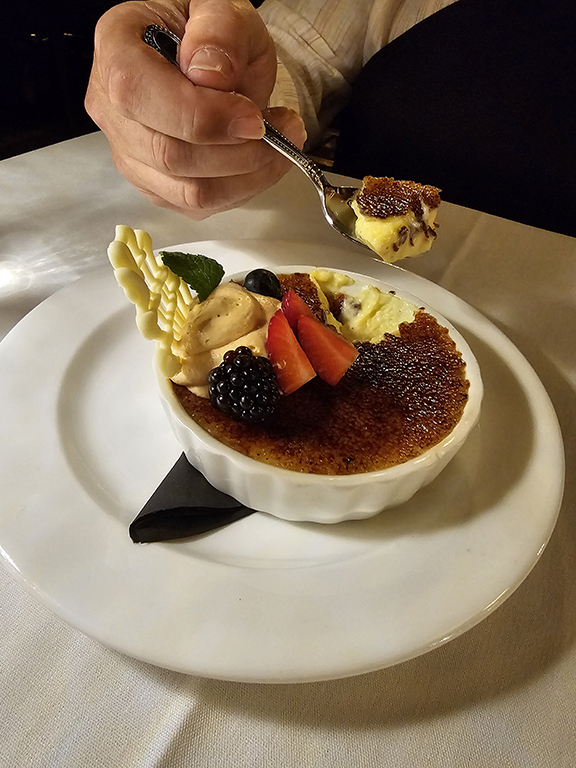
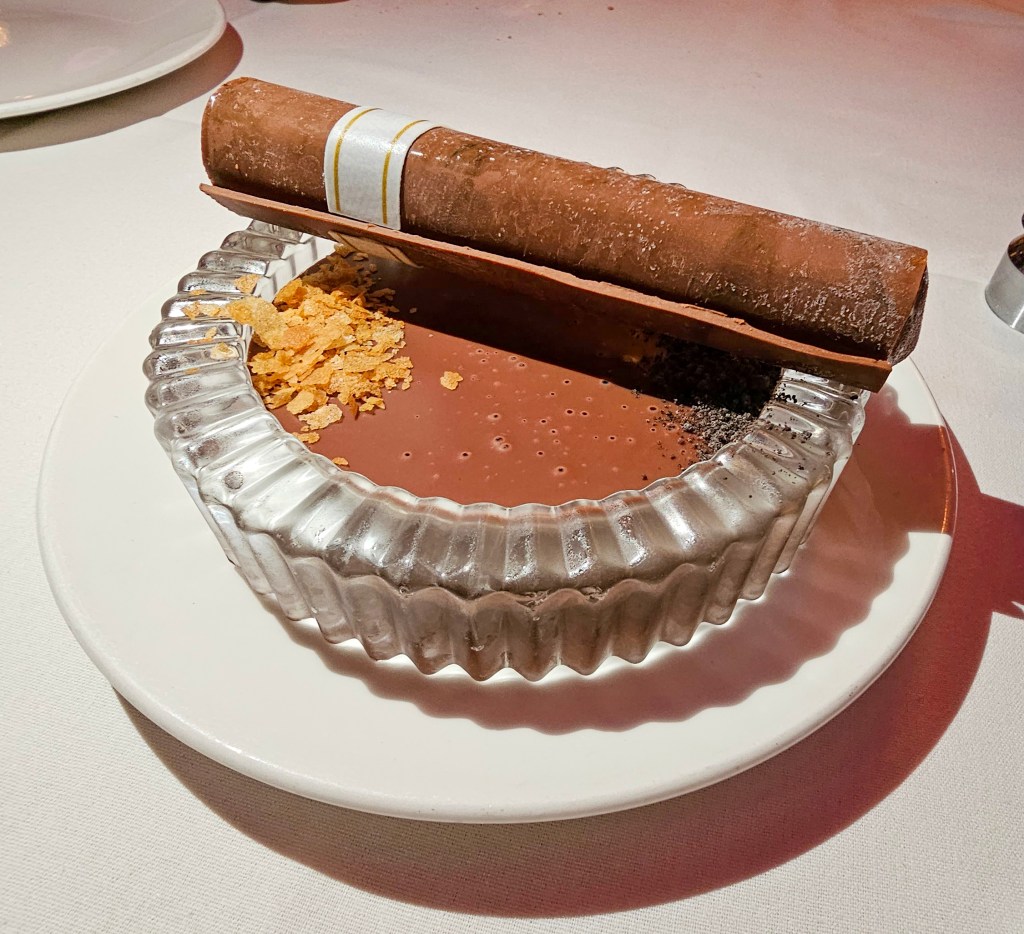
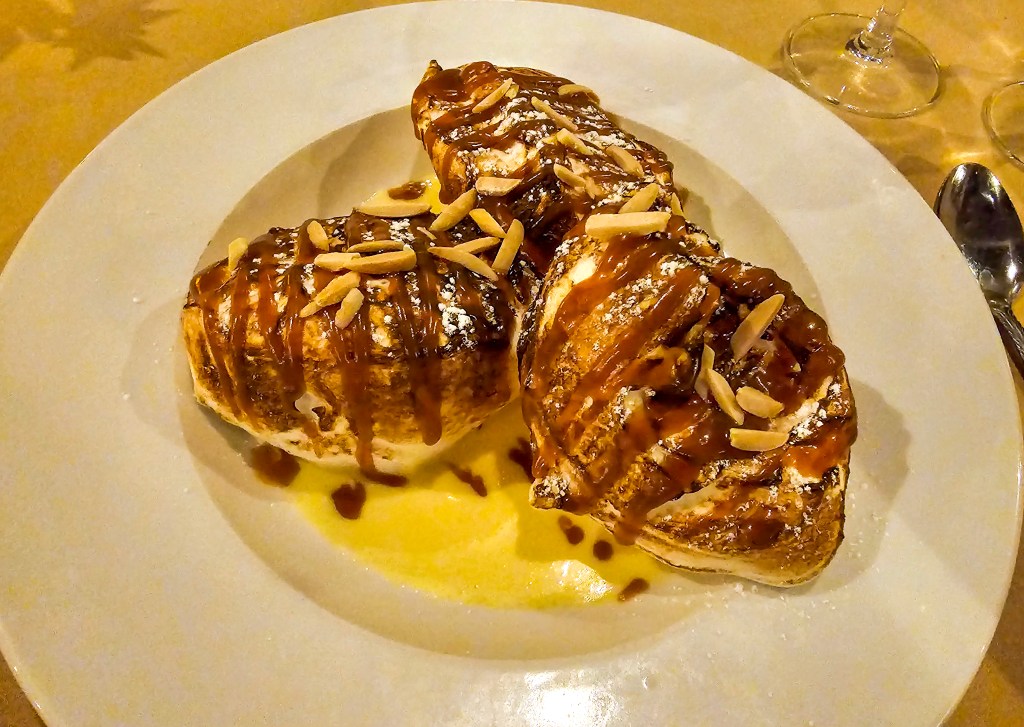
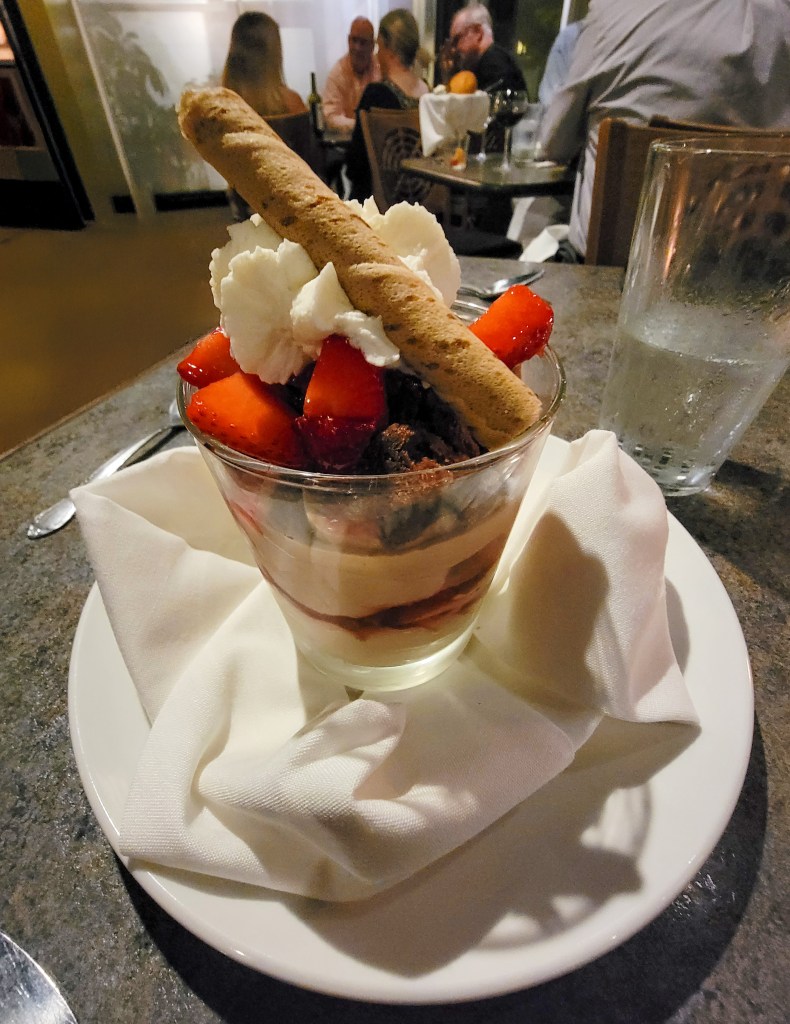
Delicious desserts at Restaurant Orsay
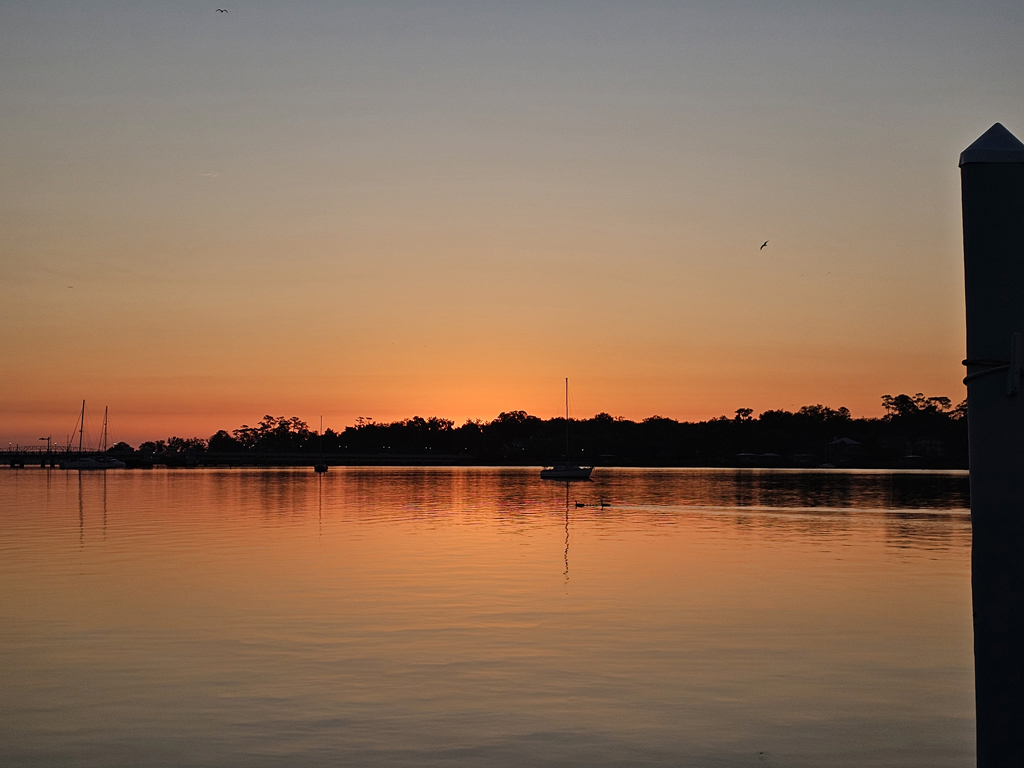
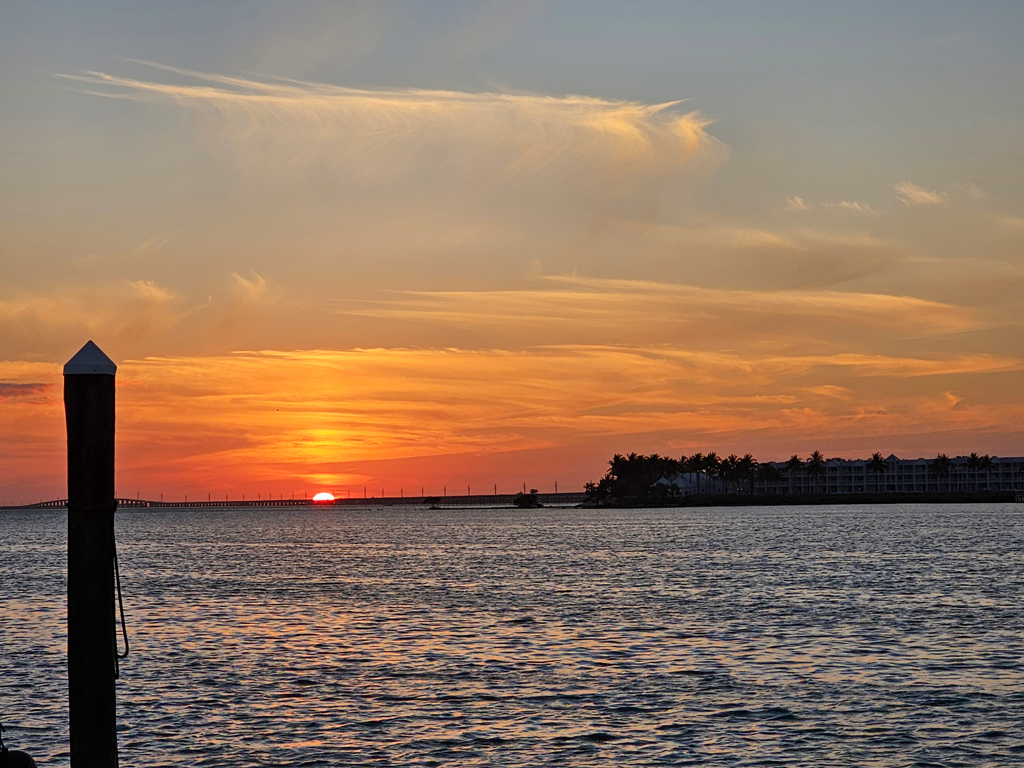
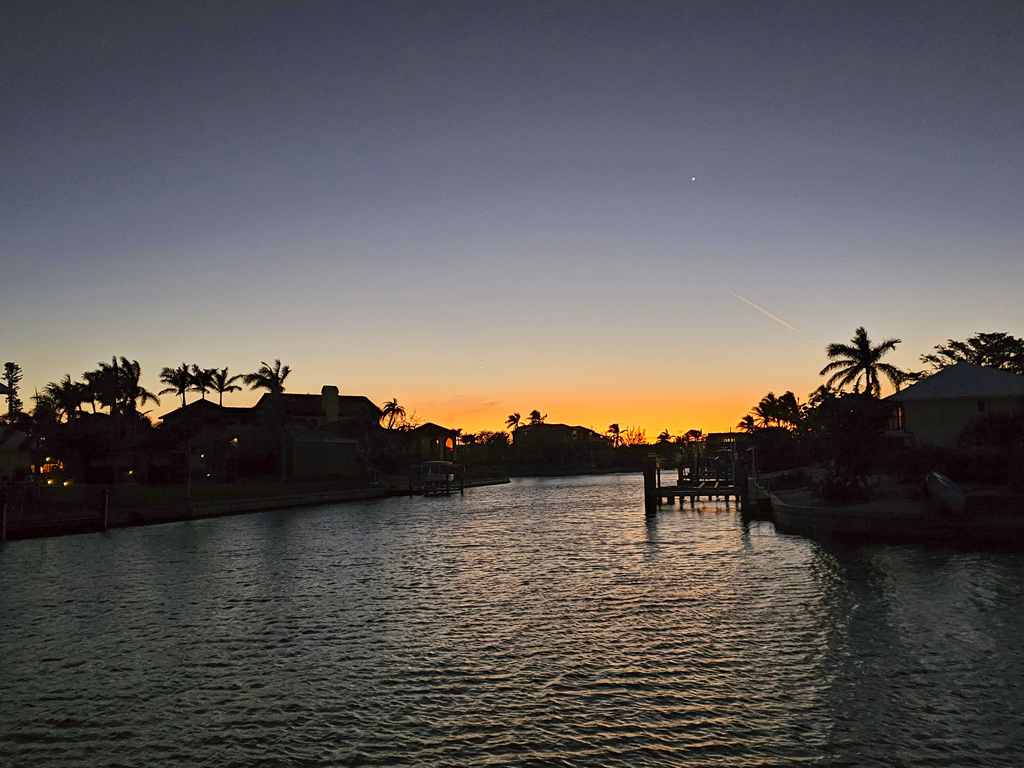
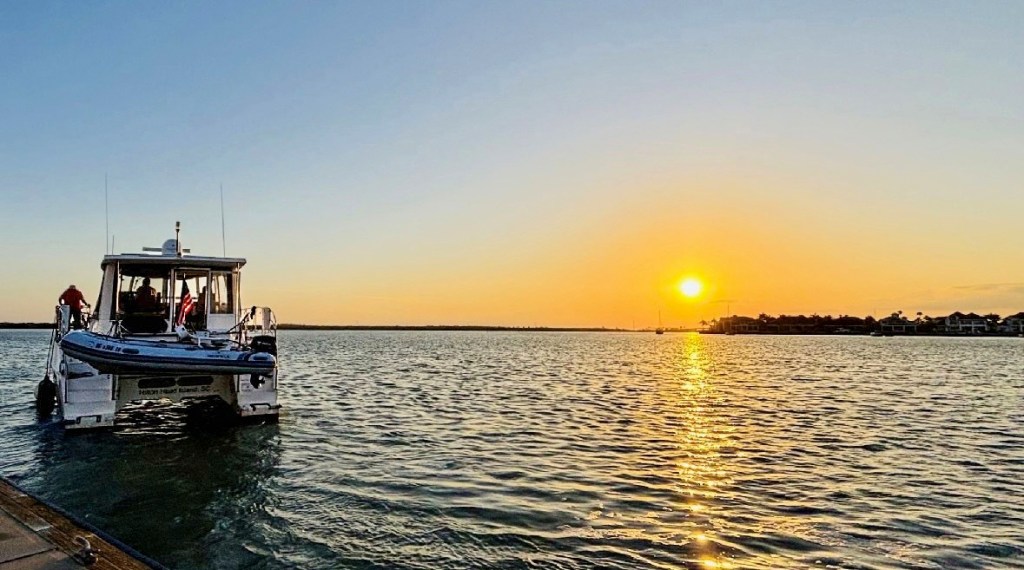
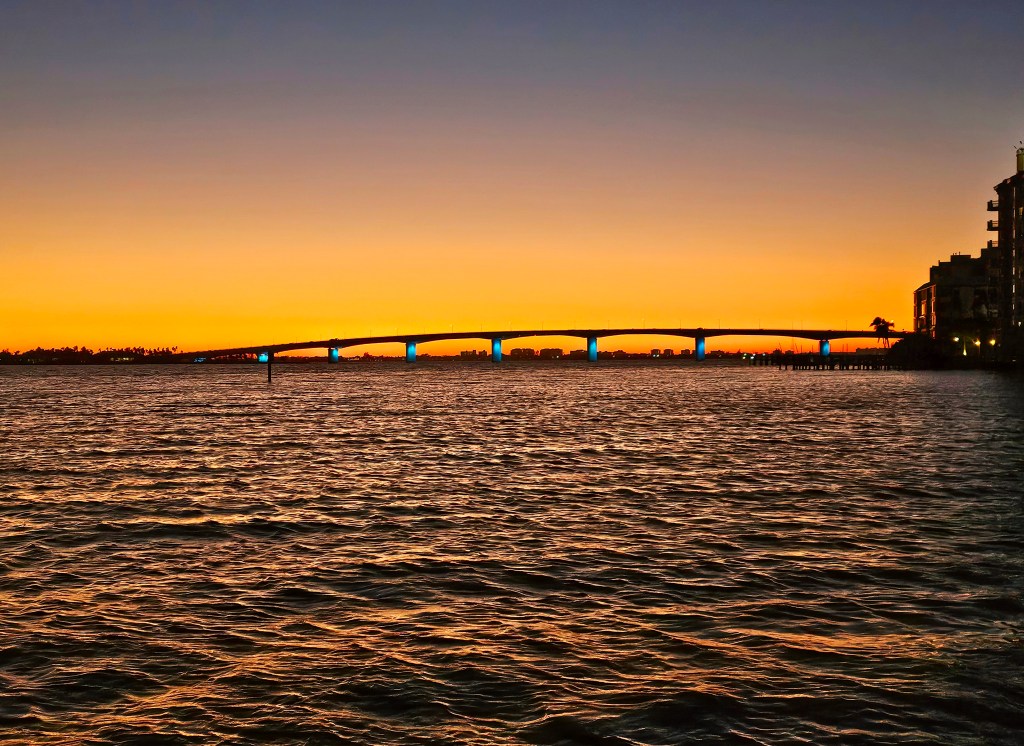
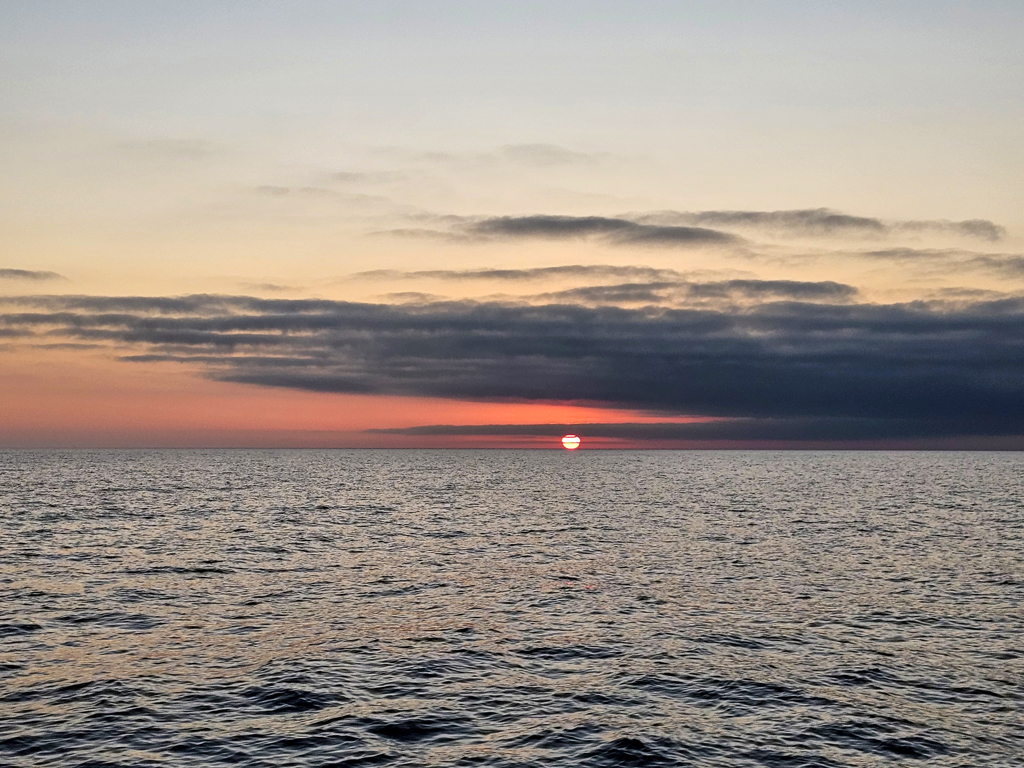
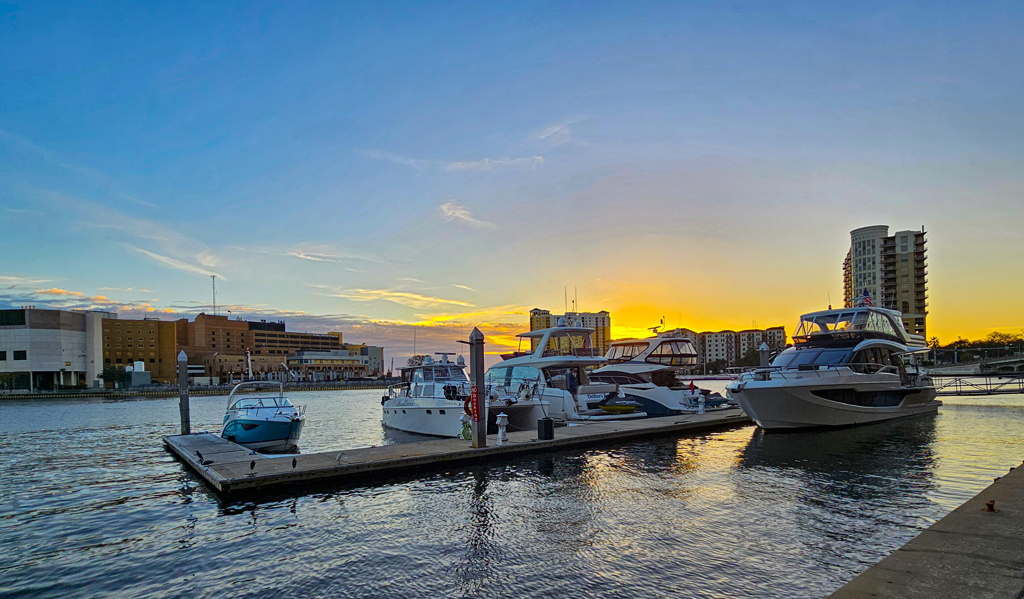
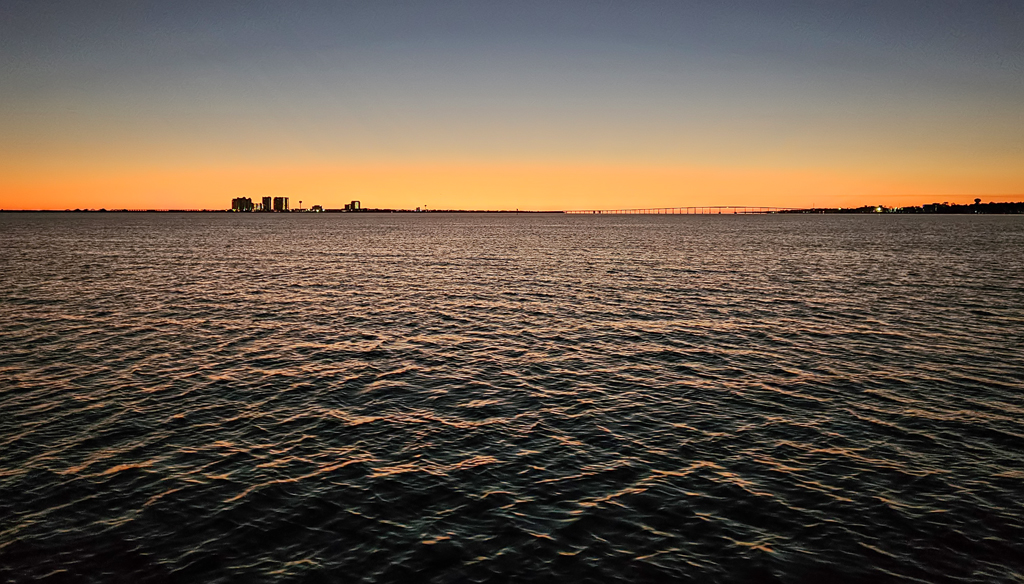
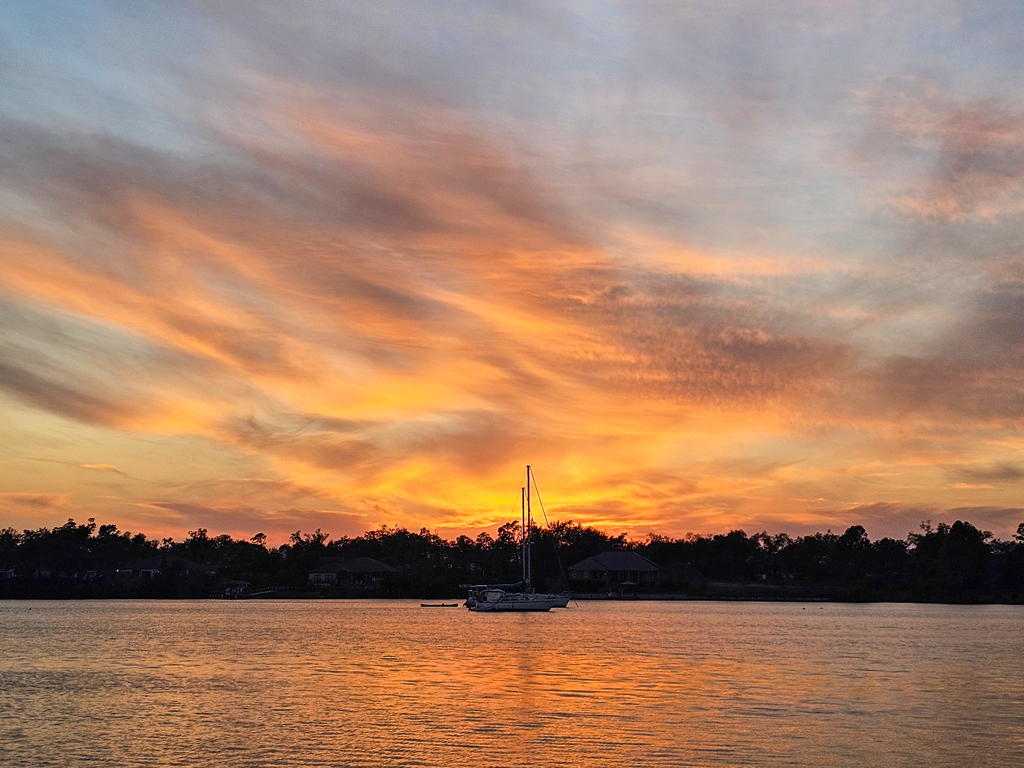
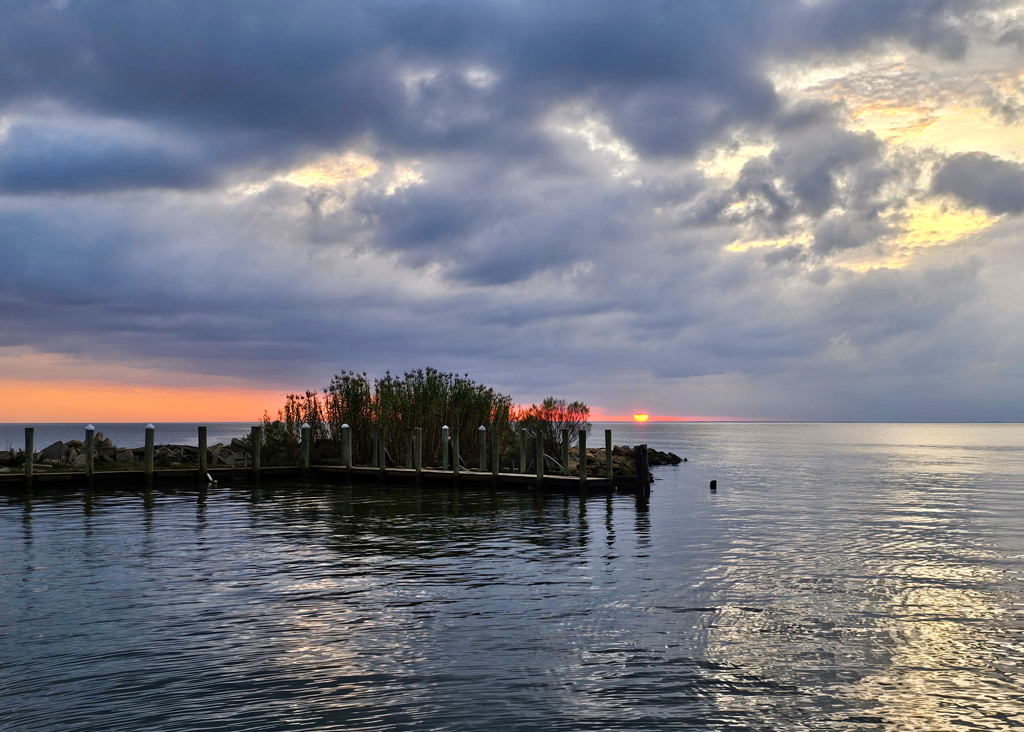
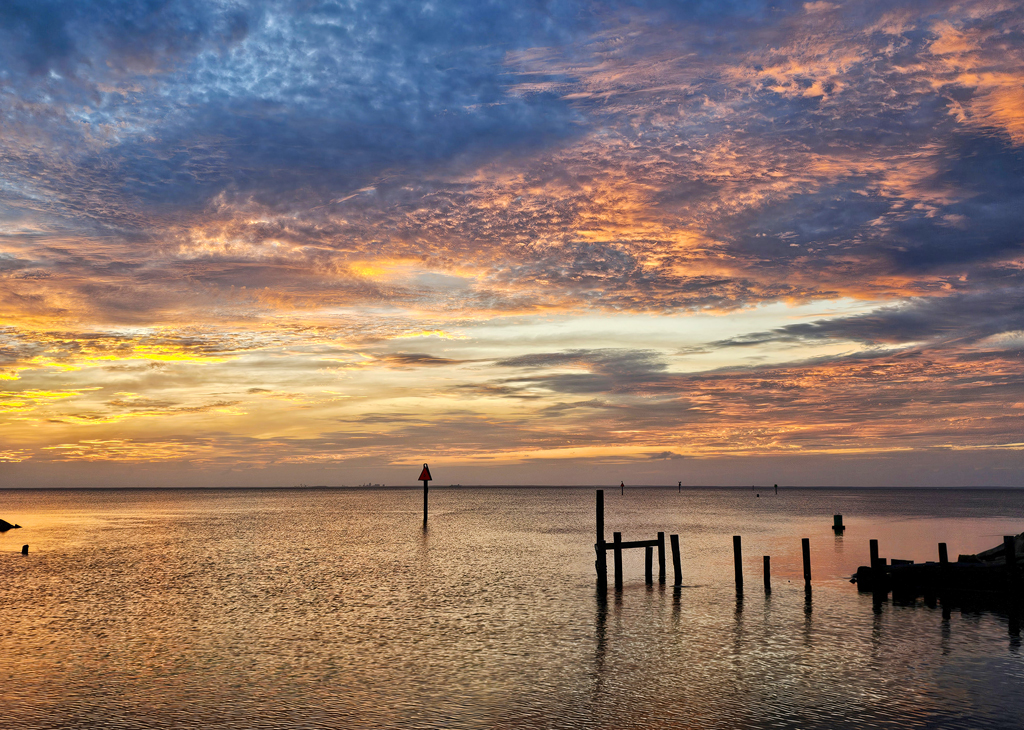
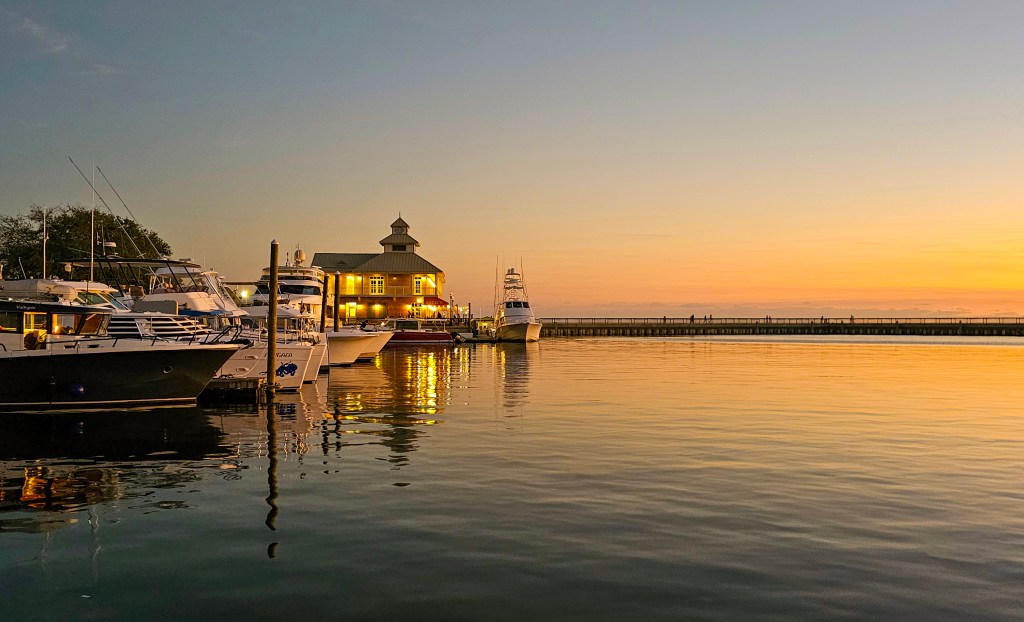
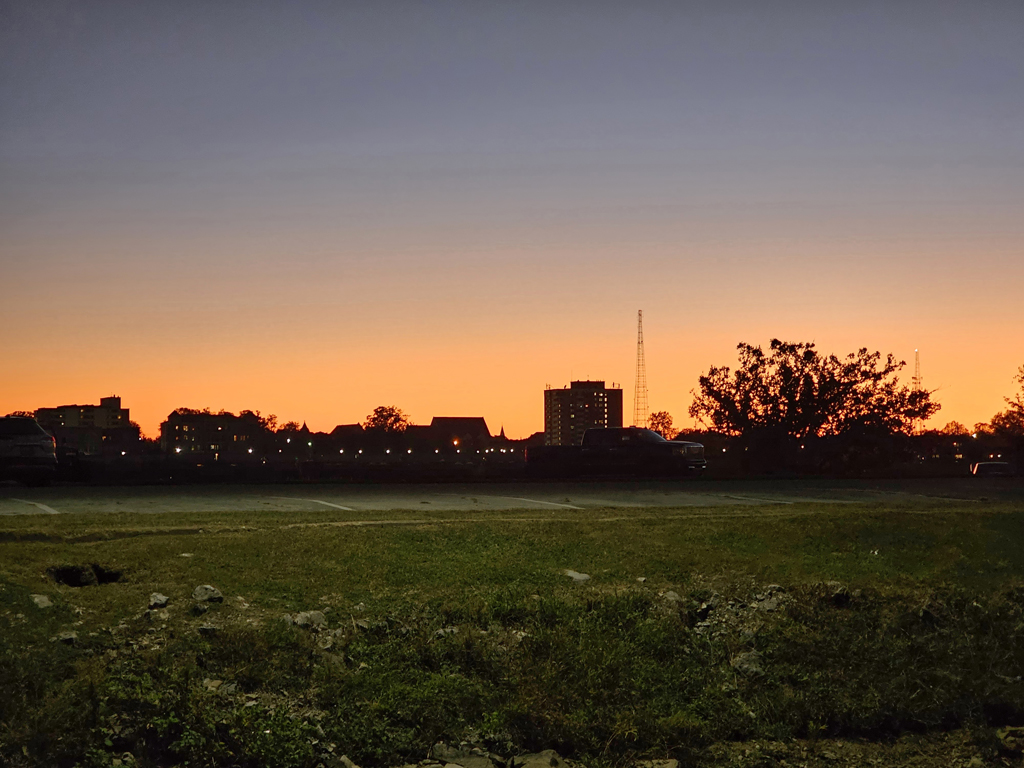
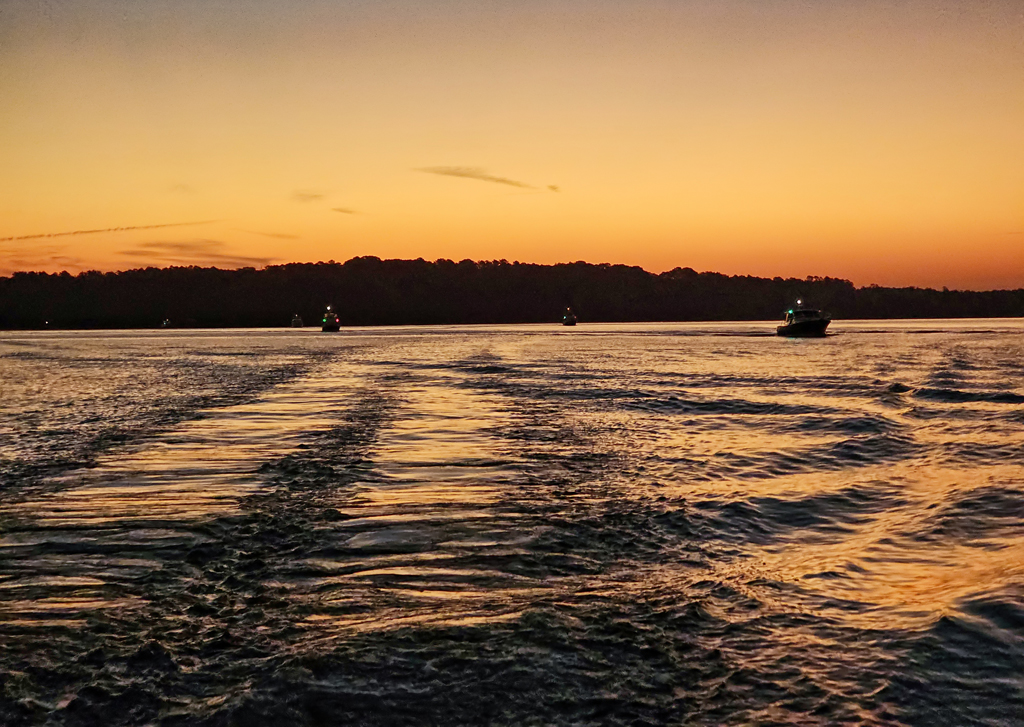
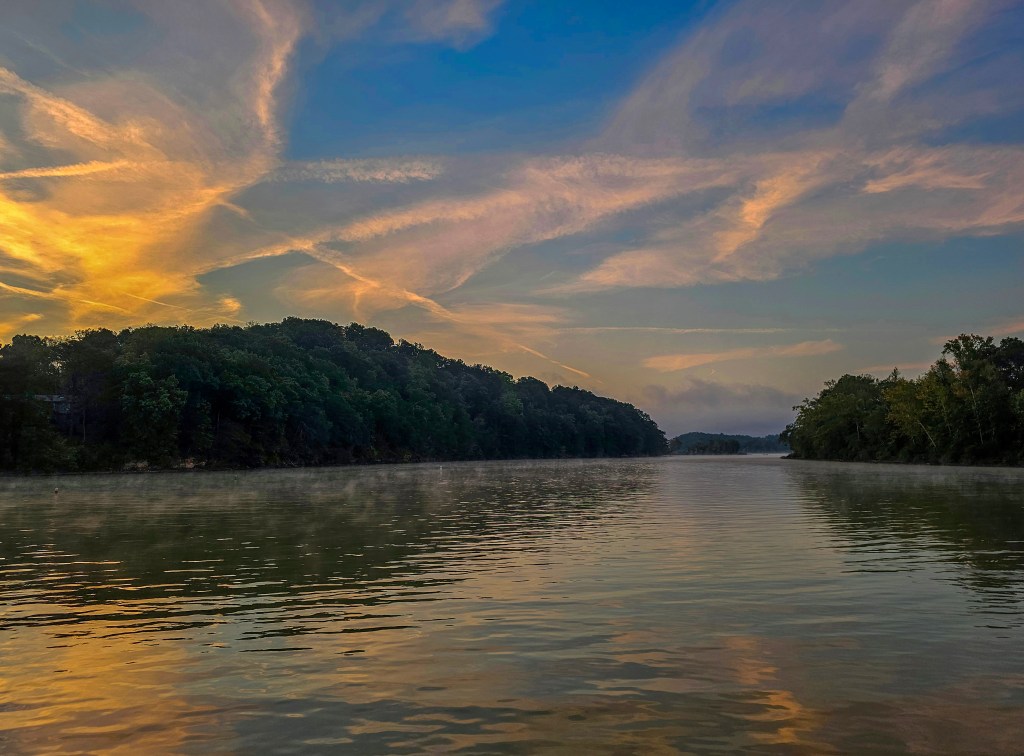
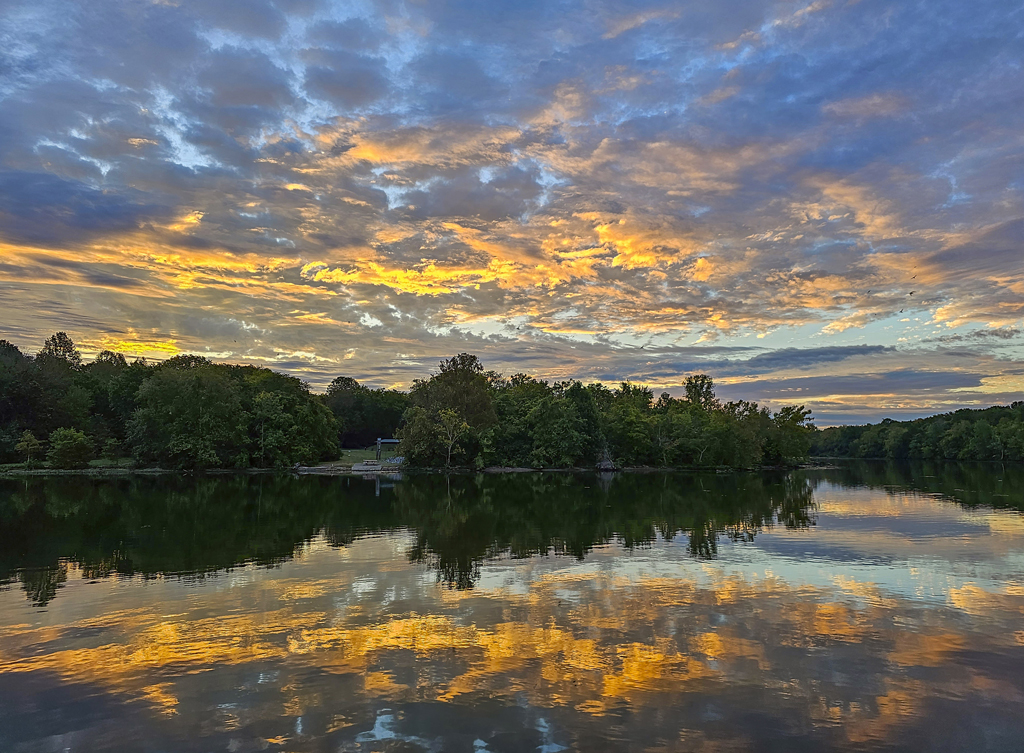
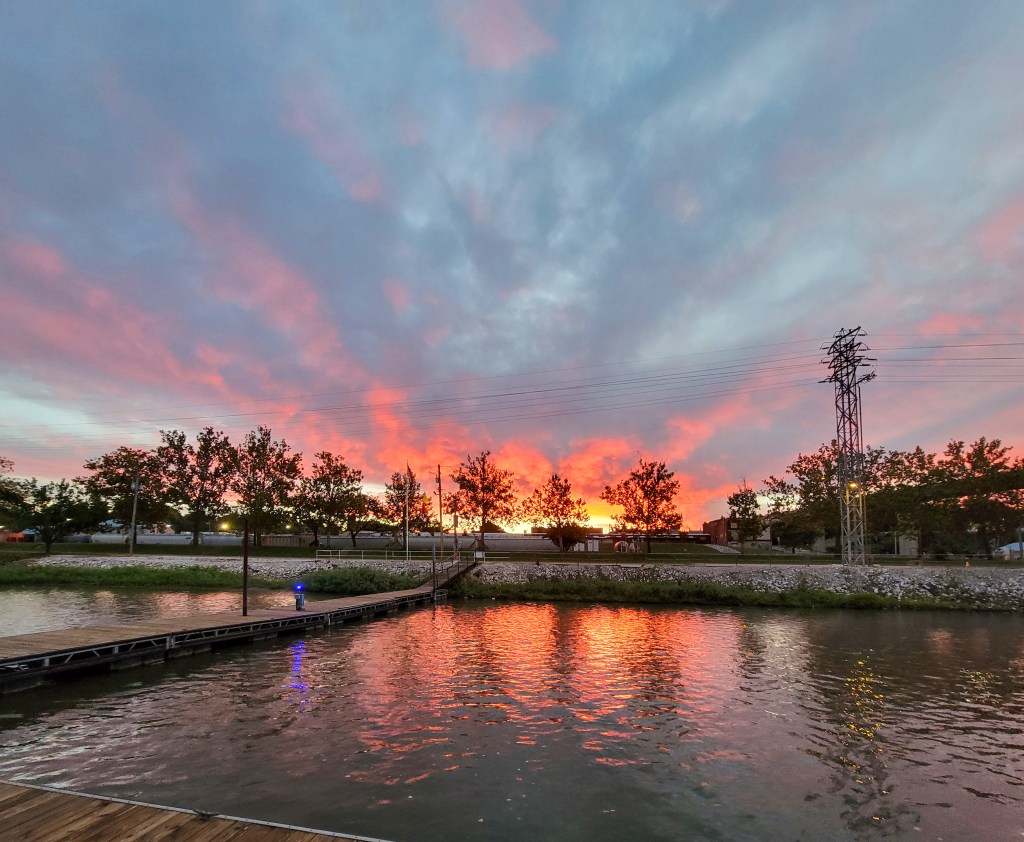
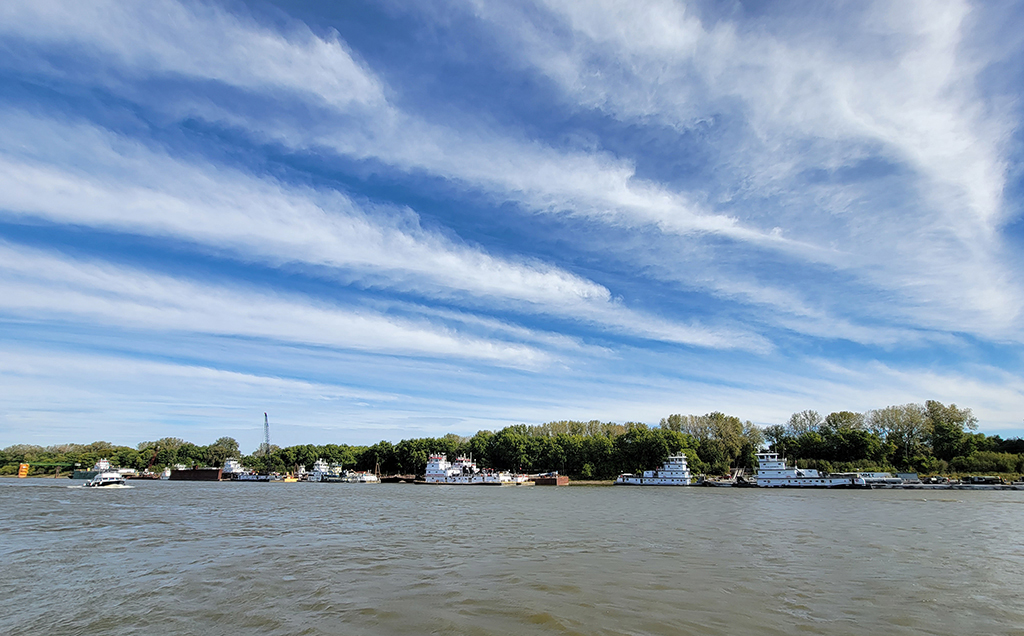
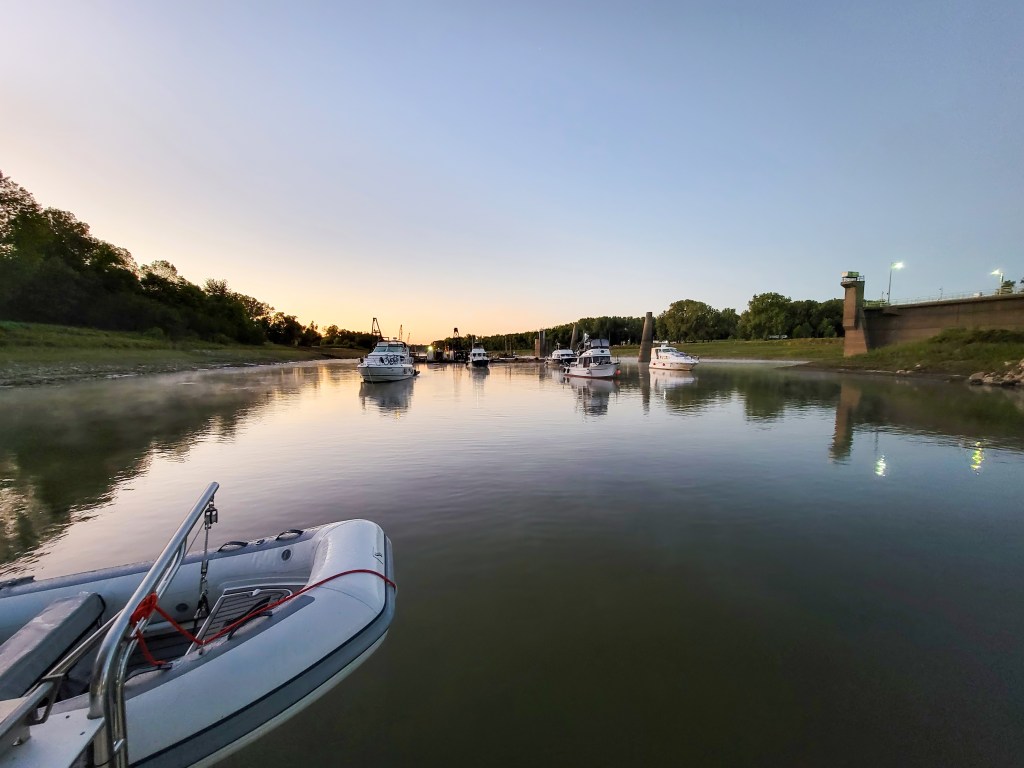
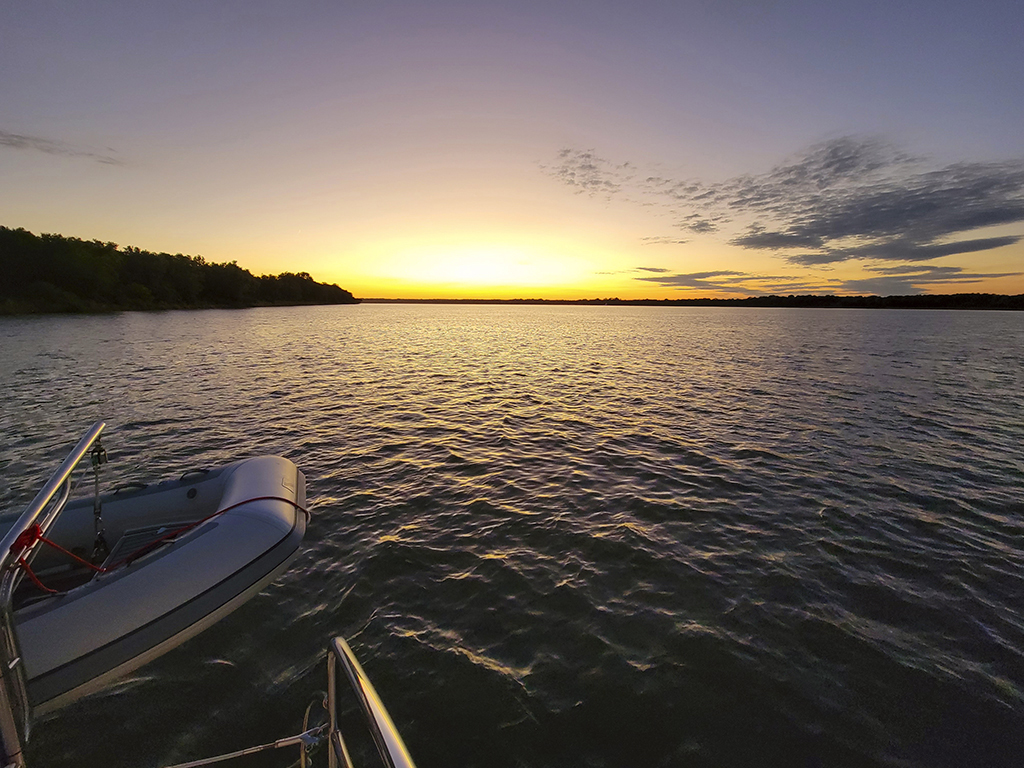
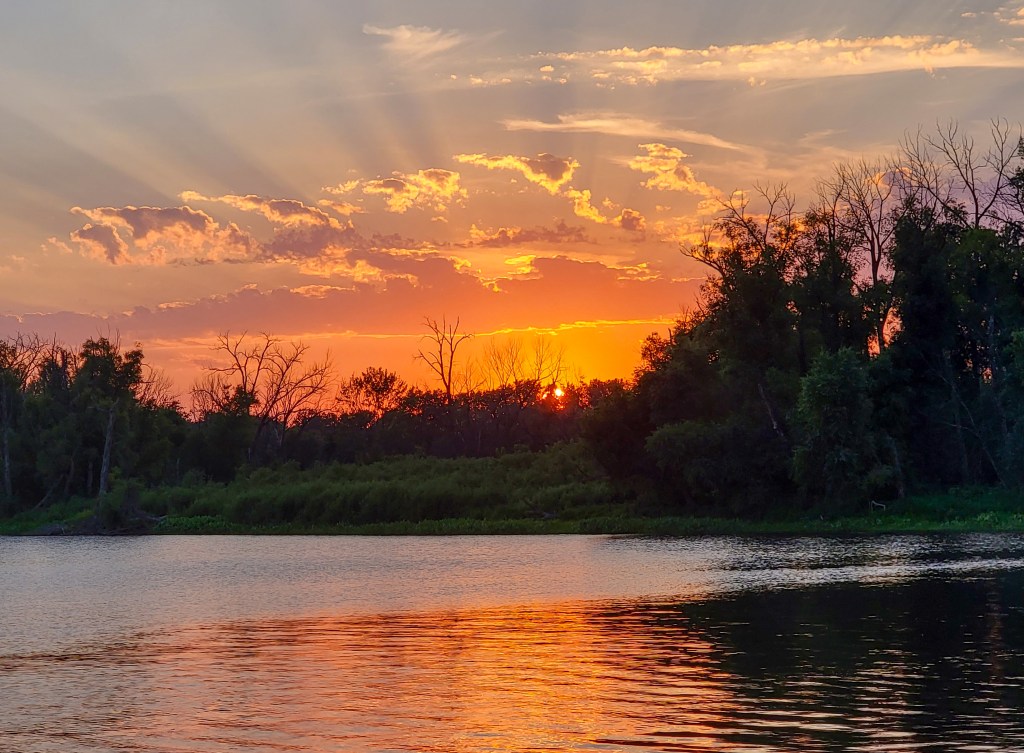
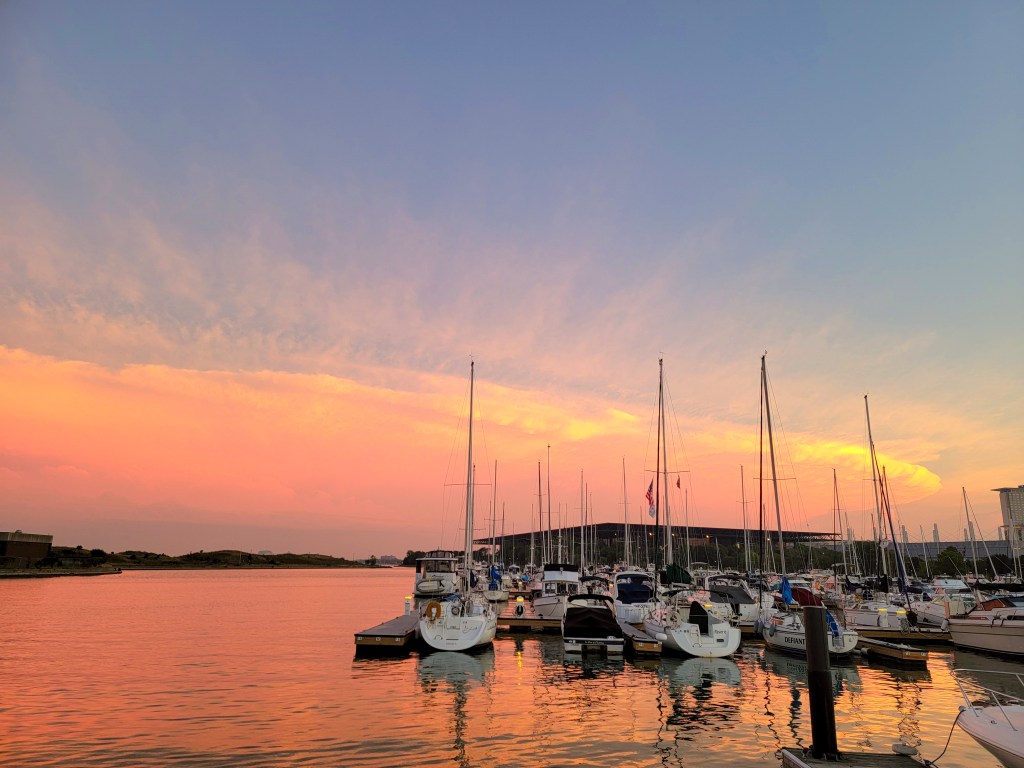
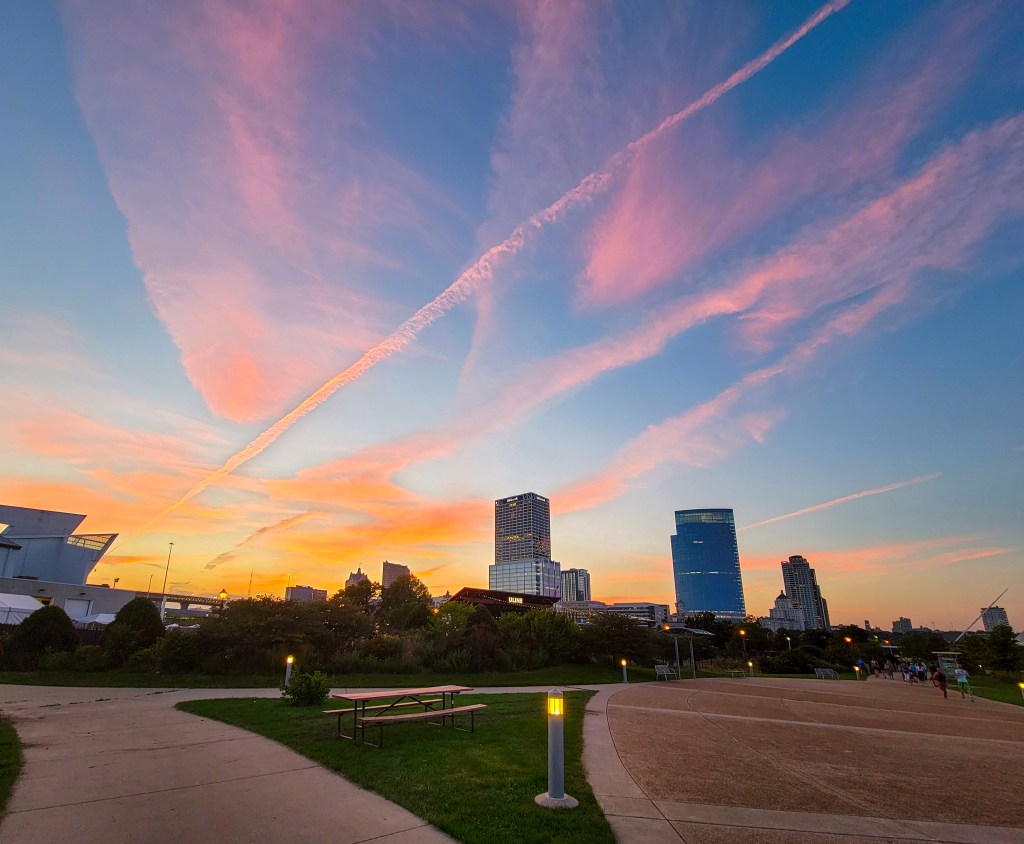
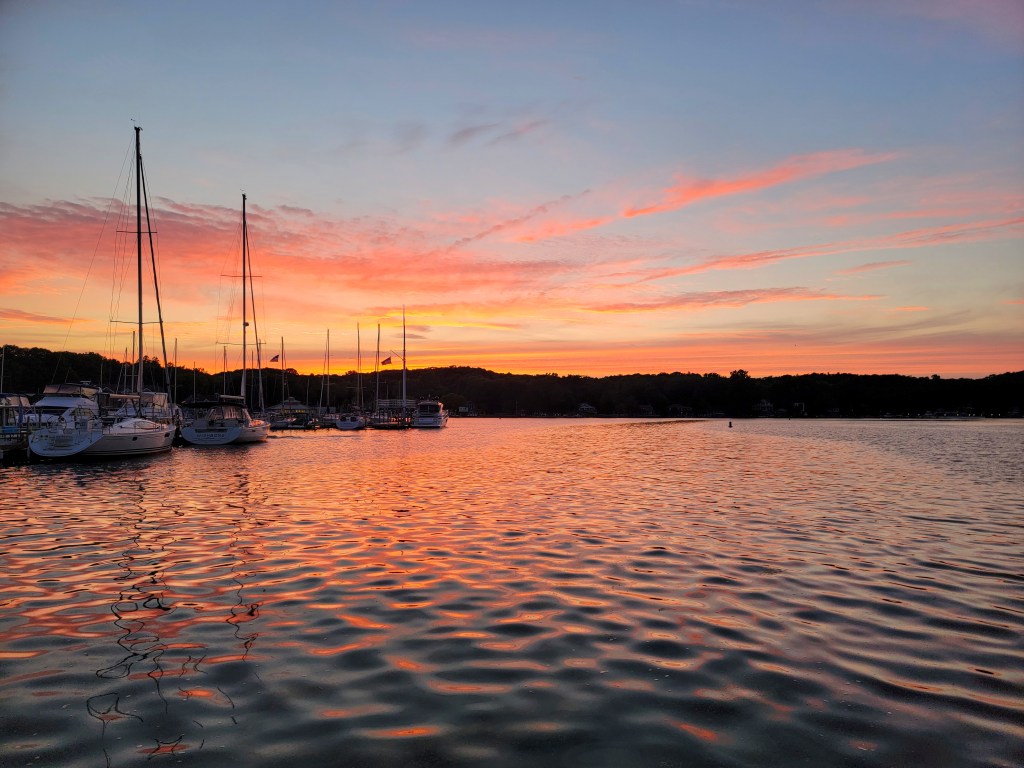
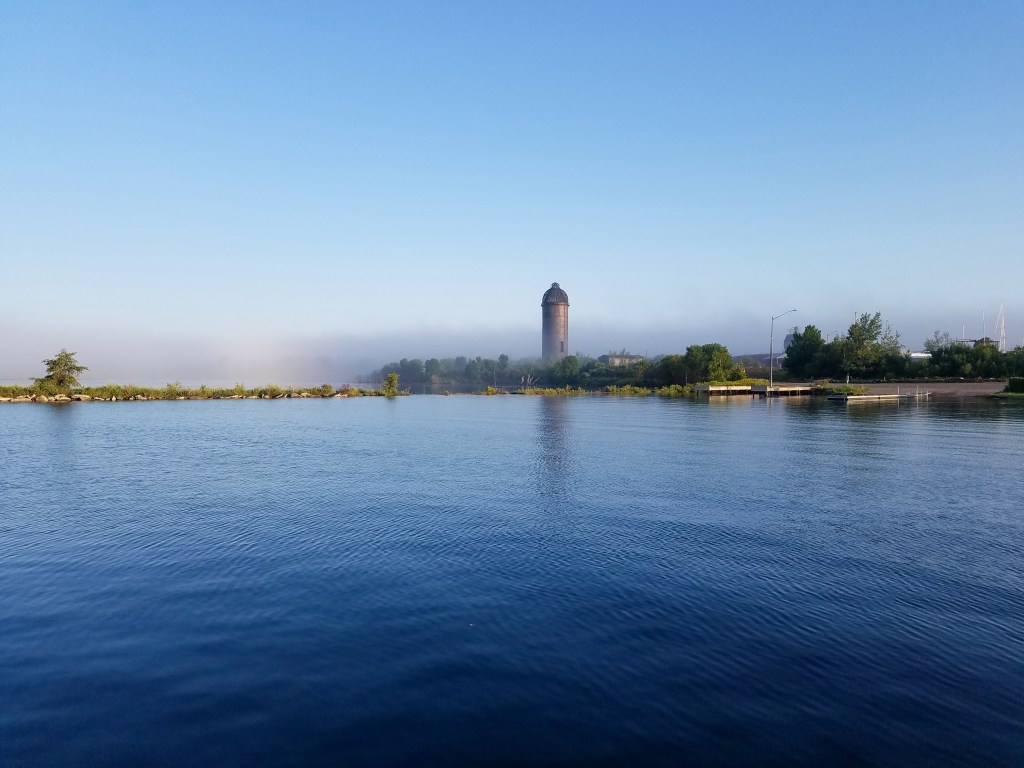
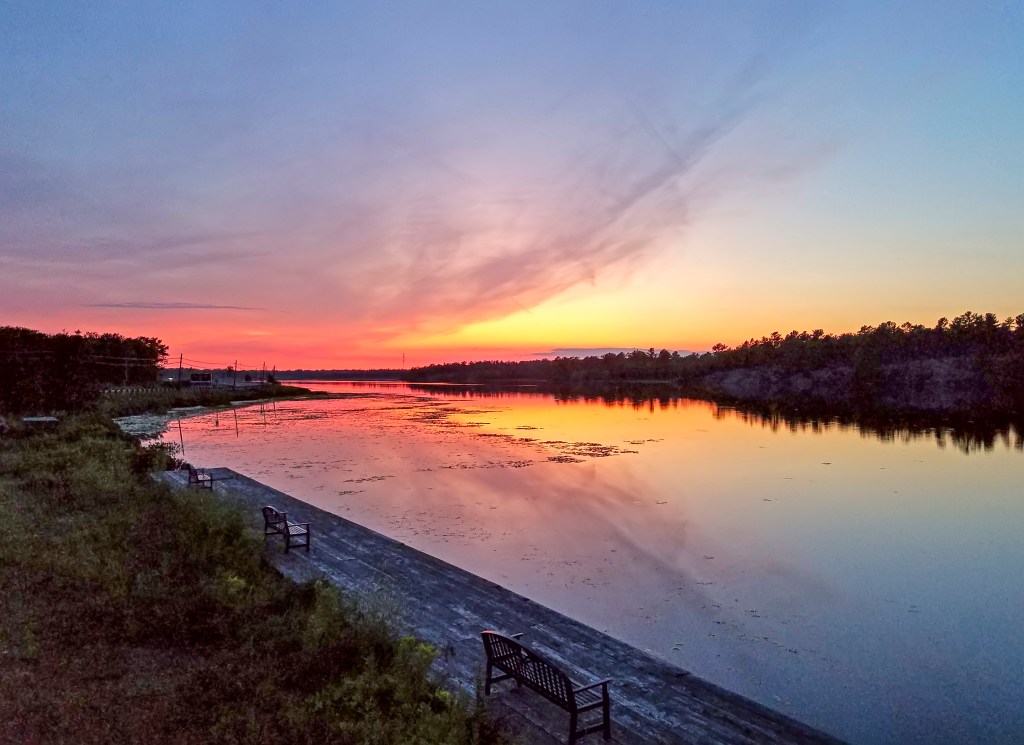
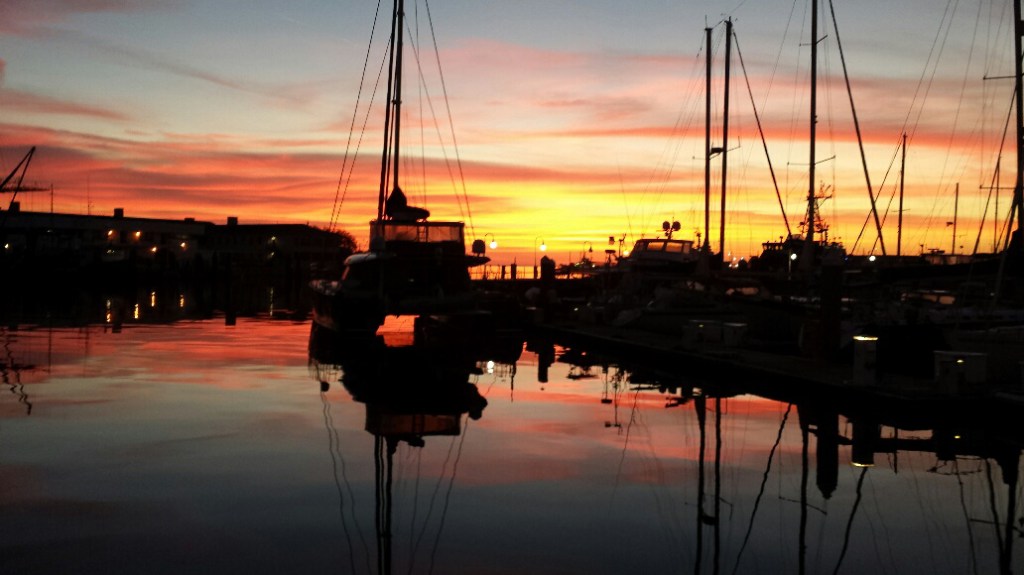
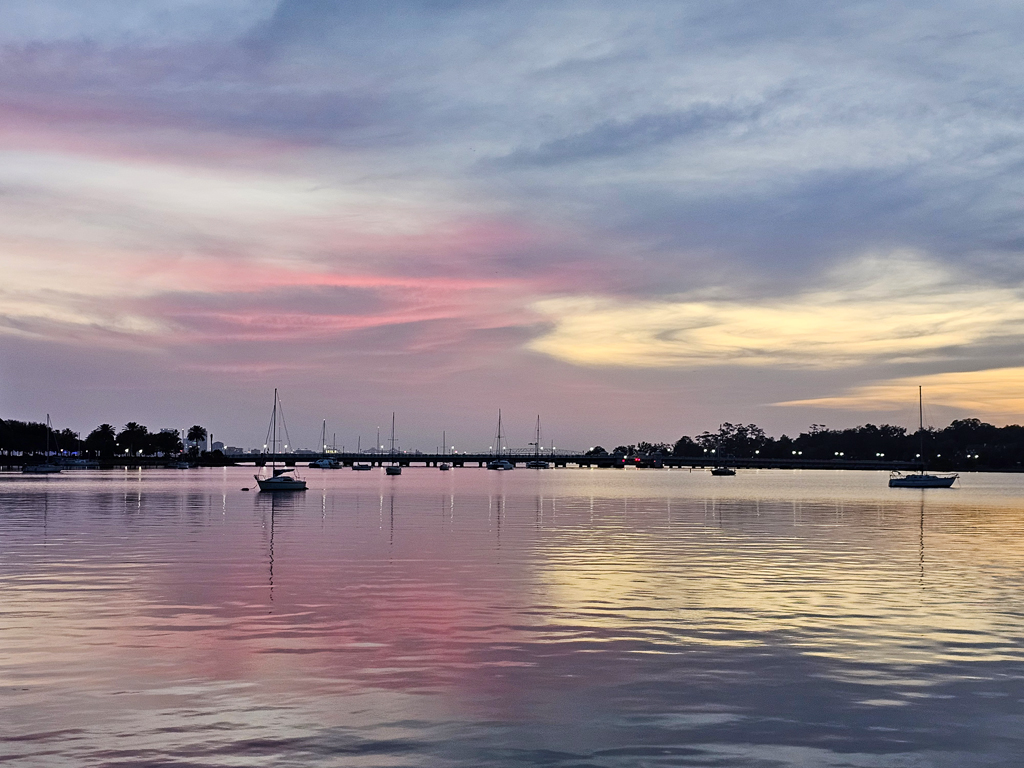
Jacksonville sunset

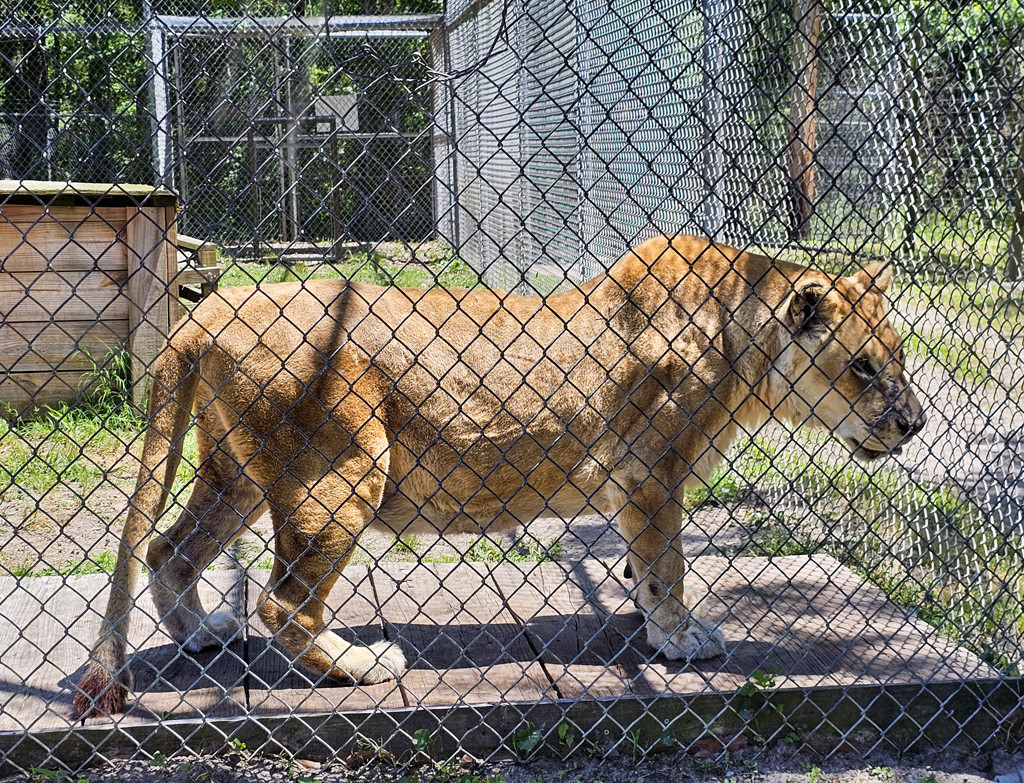
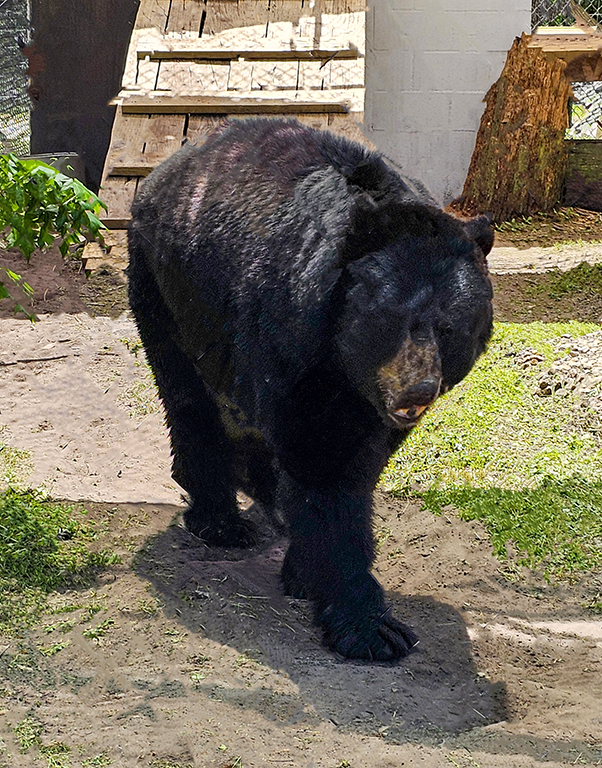
Friday was a busy and interesting day.  Dick set off for groceries in the morning.  Shortly after noon we drove to Catty Shack Ranch Wildlife Sanctuary.  Their mission is to rescue large cats that have been seized by law enforcement or are made homeless by zoos or private collections closing down.  They have expanded to include other animals, and now have 2 bears and some coatimundi.

We enjoyed the visit, even though, as expected, most of the cats were sleeping as they do through most of the day.  It is possible to attend the night-time feeding, so we may consider a future visit for that.  These animals have spent their lives in captivity, some of them in terrible conditions, so they are used to being in enclosures.  There is plenty of stimulation, including giant plastic balls, that given their scratched condition, are popular for playtime!  The owner and volunteers get around in golf carts, and we were amused to see that if a golf cart stopped near an enclosure, the fast asleep kitty would immediately get up and come over to the fence, in anticipation of a little snack.

Even when the animals are elderly or infirm, they are looked after and provided with special ramps in their enclosures to allow them to enjoy a peaceful old age.
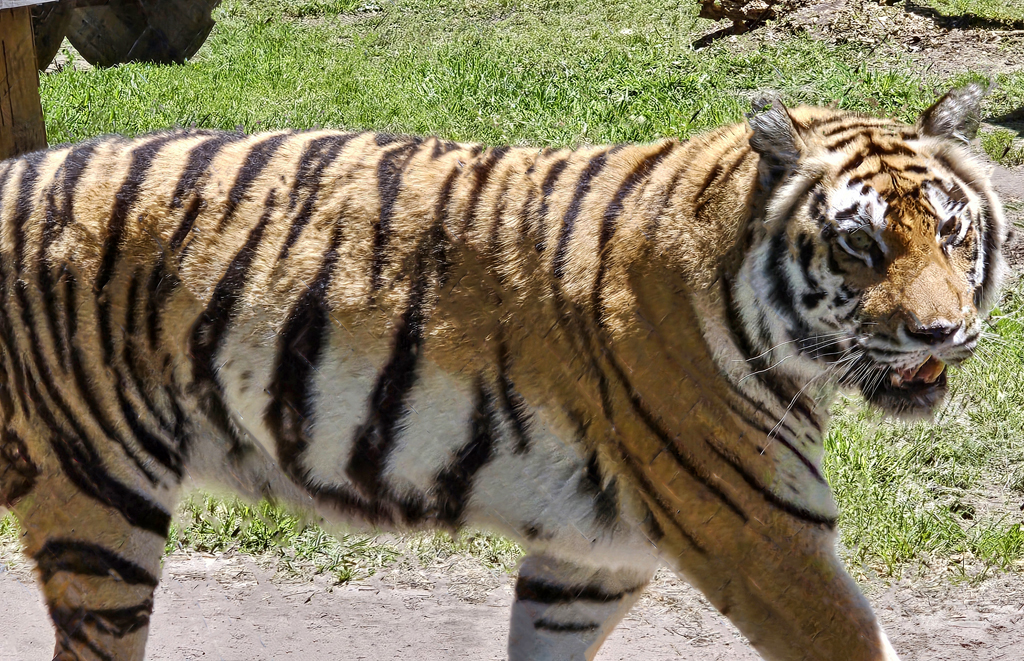
Catty Shack tiger
Catty Shack bear
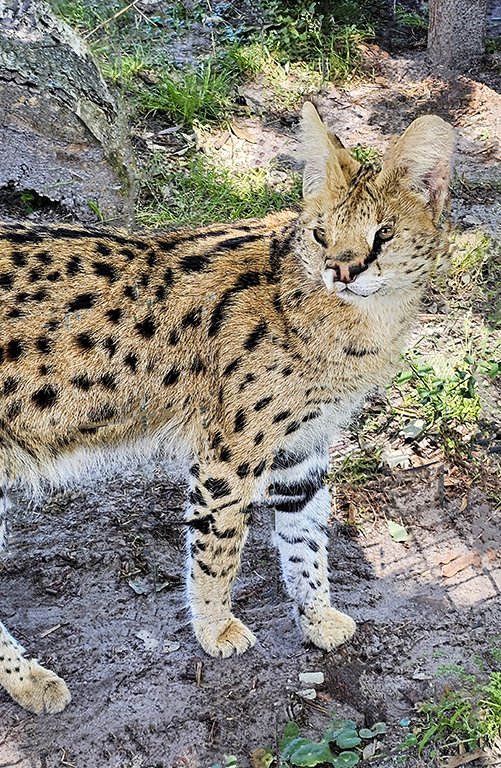
Serval at Catty Shack
Serval expressing an opinion
Elderly and infirm animals are well looked after and allowed to live out their years in comfort

In the evening, we went to La Cena Ristorante, a well-regarded Italian eatery.  It was an odd experience.  Reservations are only taken by phone, and the owner stresses the first of many rules, no young children, and no strong personal scents.  A sign also repeats these requirements at the door.  The whole first page of the menu sets out more rules in great detail.  The rules are basically a push-back on the increasingly common practice of diners sharing just one appetizer and entrée.  You can share an appetizer, but if you share an entrée, the upcharge will be the same as if 2 entrees are ordered.  The same if you order a second appetizer instead of an entrée, you will be charged an entrée price.  The whole meal must be ordered all at the same time.  We fully understand why a restaurant may wish to make these policies, but we did notice that on a Friday evening, the venue was less than half full.

The meal was delicious, and we followed the proper Italian custom of a second, small pasta course between the appetizer and the entrée. A salad was included, as was the most delicious bread.  As we arrived early for our reservation, the whole restaurant smelled heavenly.  The bread is baked inhouse.  In response to our compliments, a whole loaf was given to us to take home, just as we were wondering whether we dared ask if we could order a loaf to go

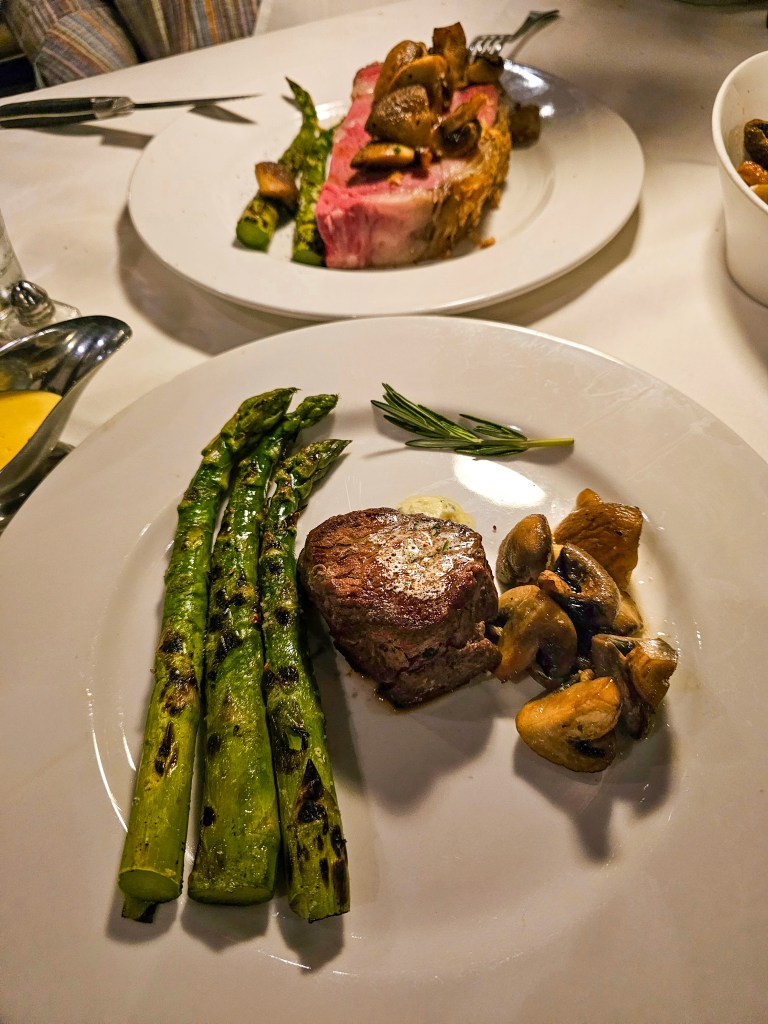
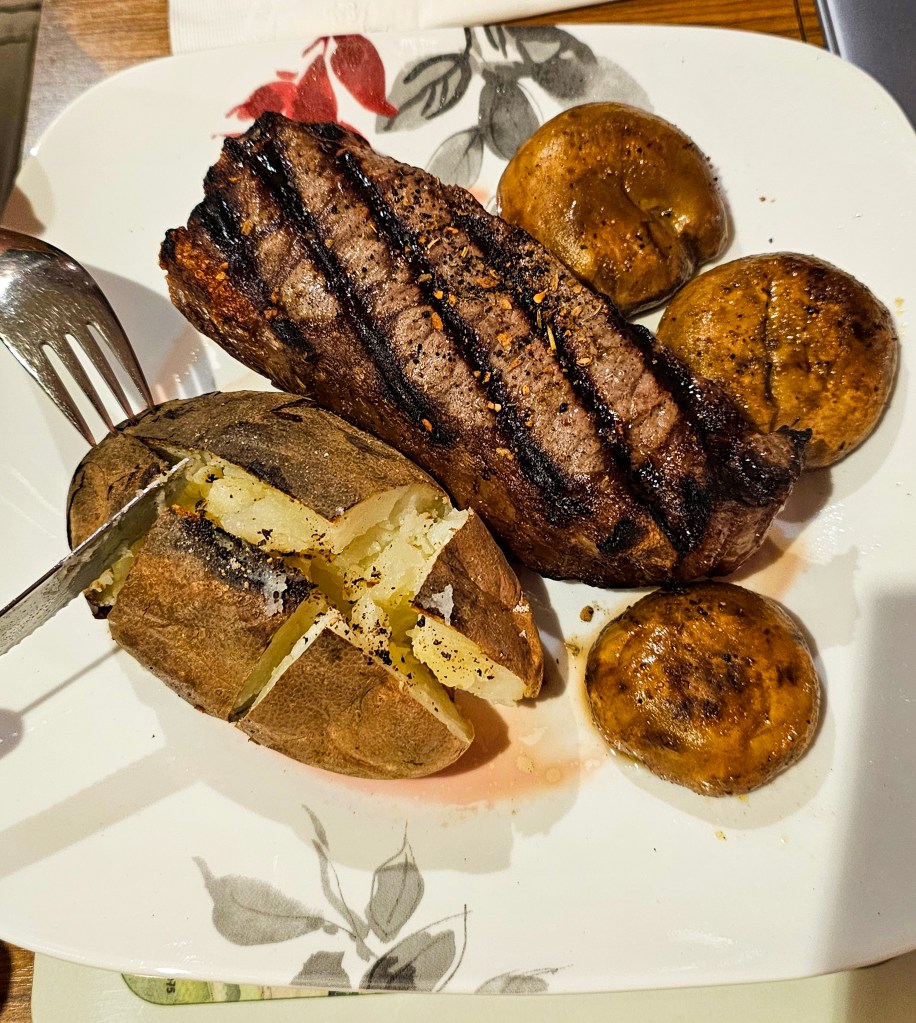
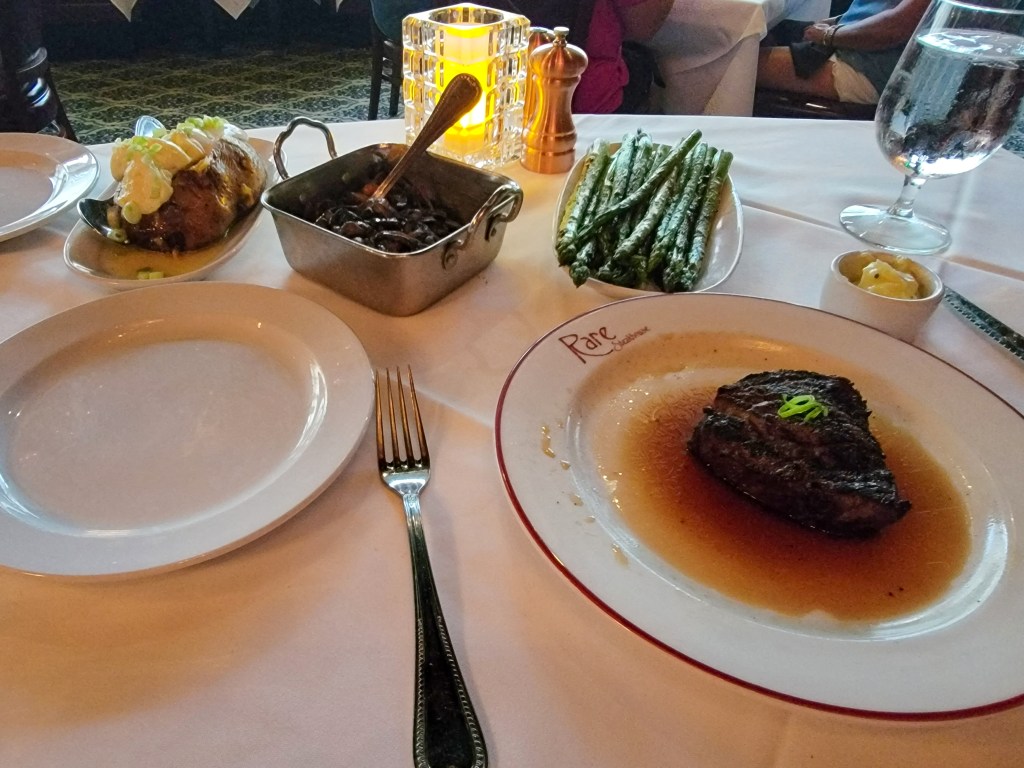
Saturday turned out to be a quiet day.  After Dick completed the grocery shopping at a supermarket he had forgotten to visit the day before, I walked the docks in the marina and issued some invitations for docktails the next day.  After that, it was very hot and humid, so we decided we would not do the afternoon outing we had planned.  Either the heat or something I ate disagreed with me, so we also cancelled our dinner reservation for the evening.  Dick’s wallet was happy for the reprieve, but we were both sorry to miss the venue – a steakhouse in a historic former bank building in downtown Jacksonville.
Sunrise in Jacksonville

On Sunday we went for a short drive through some very attractive neighbourhoods near downtown.  The housing is all different styles and sizes, at a guess, most date from between the wars.  We also drove across the bridge over the Ortega River and through another attractive suburb.  Here, the houses on the shoreline are much larger, many of them with imposing gates, while the homes further inland are smaller as the cross-streets get farther from the waterfront.

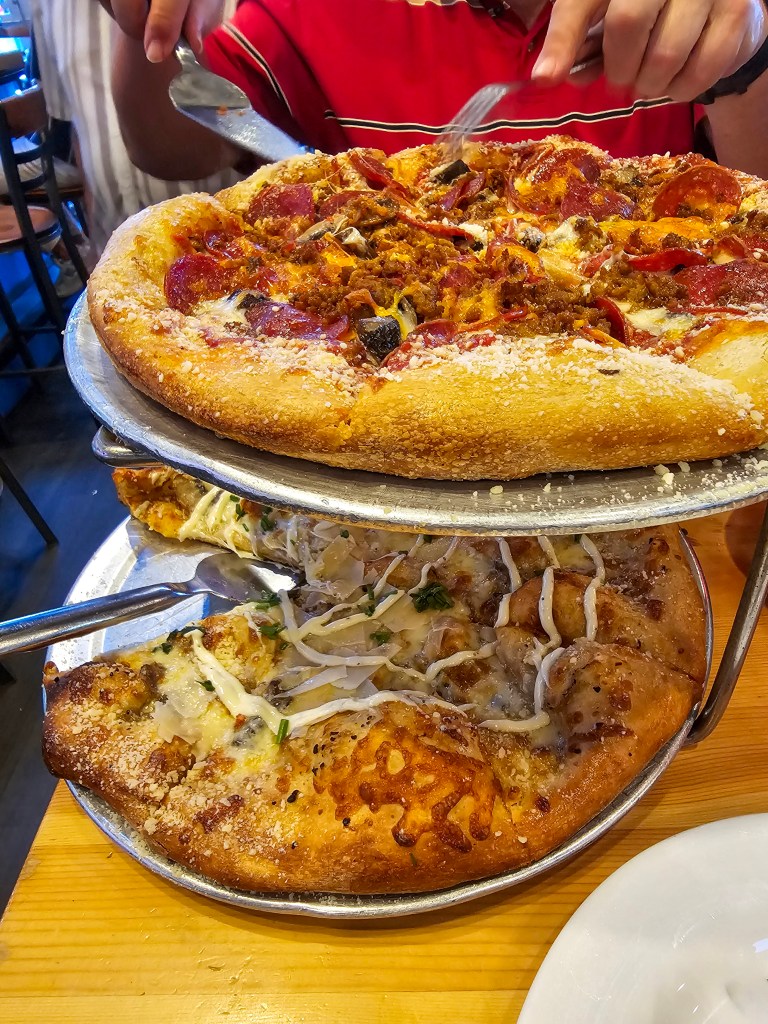
Late afternoon, we hosted docktails.  There were just 5 of us, as we were competing with a marina pot-luck gathering.  George joined us, he is a solo Looper from Texas.  We enjoyed meeting him and sharing stories.  It was great to spend time again with Sandy and Frank, and afterwards we went for pizza together.  Their boat has just sold, and they are moving to a larger one with plans to go through the Panama Canal and up the West Coast.  It is good news that higher-priced boats are still selling, gives us hope that Nine Lives will soon find a buyer.
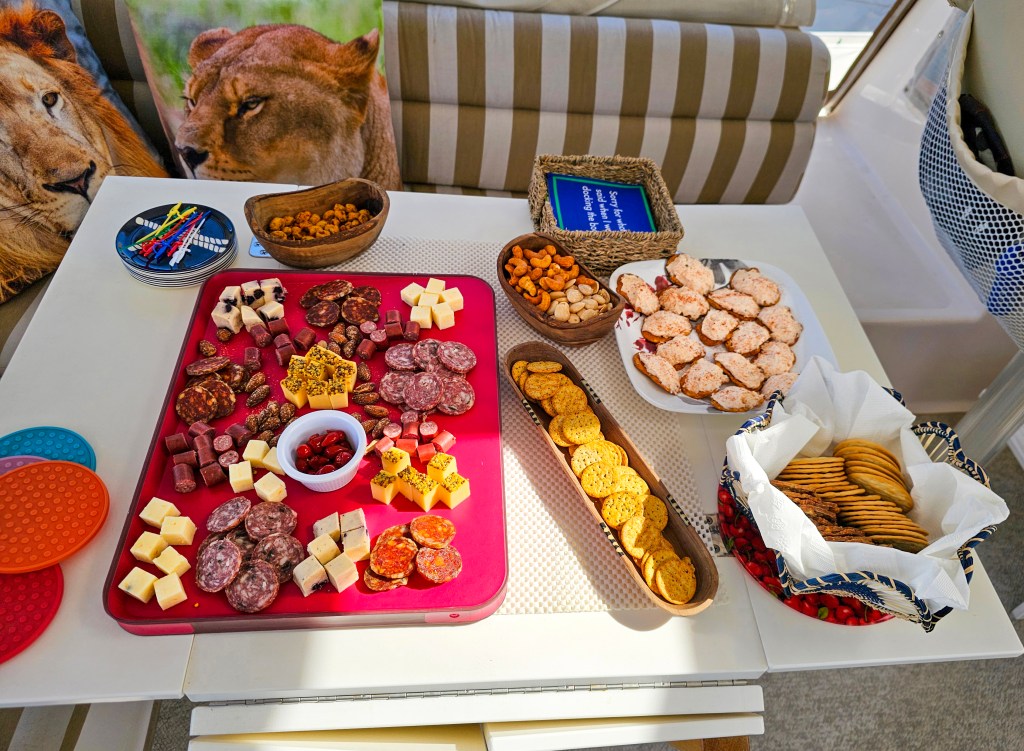
Docktails spread

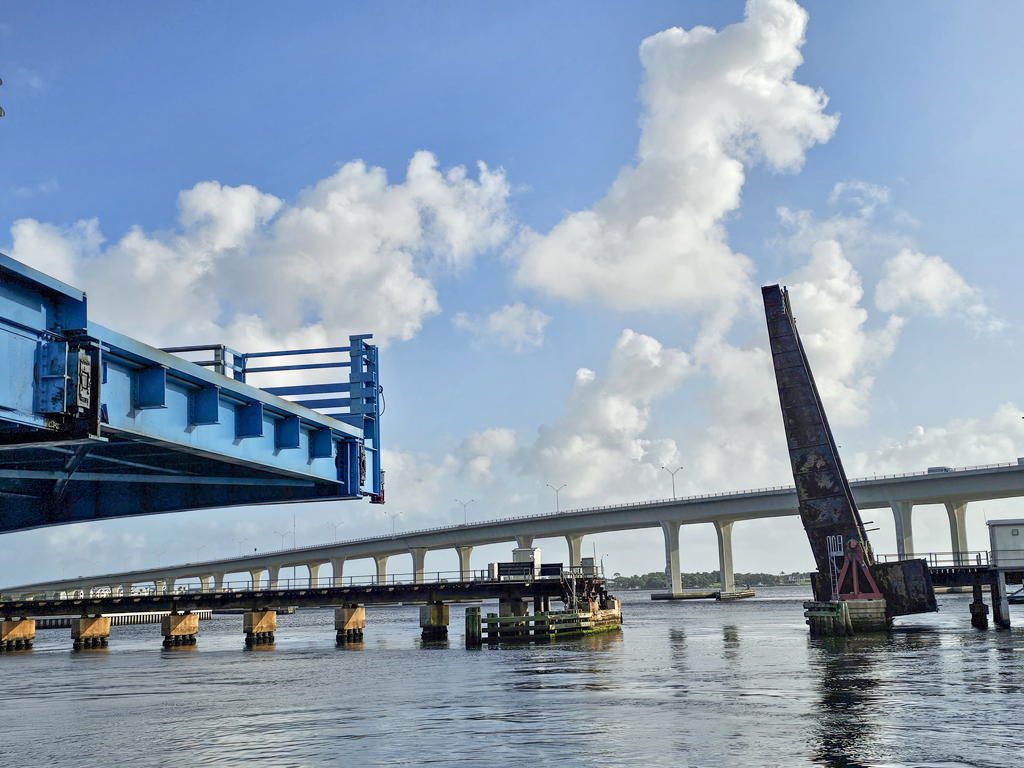
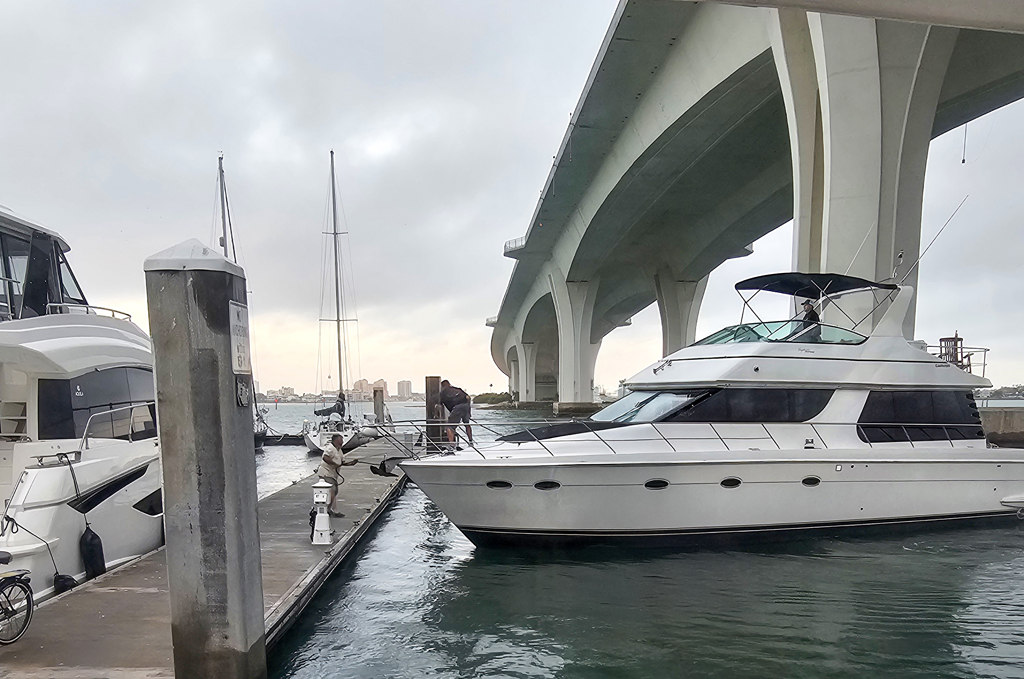
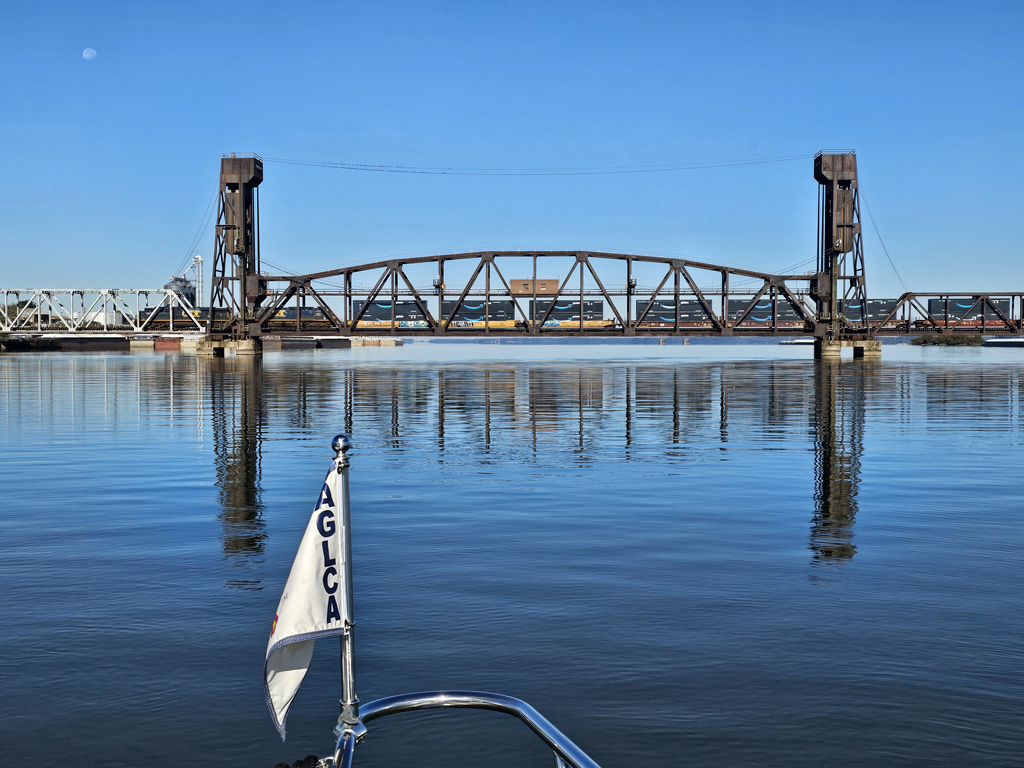
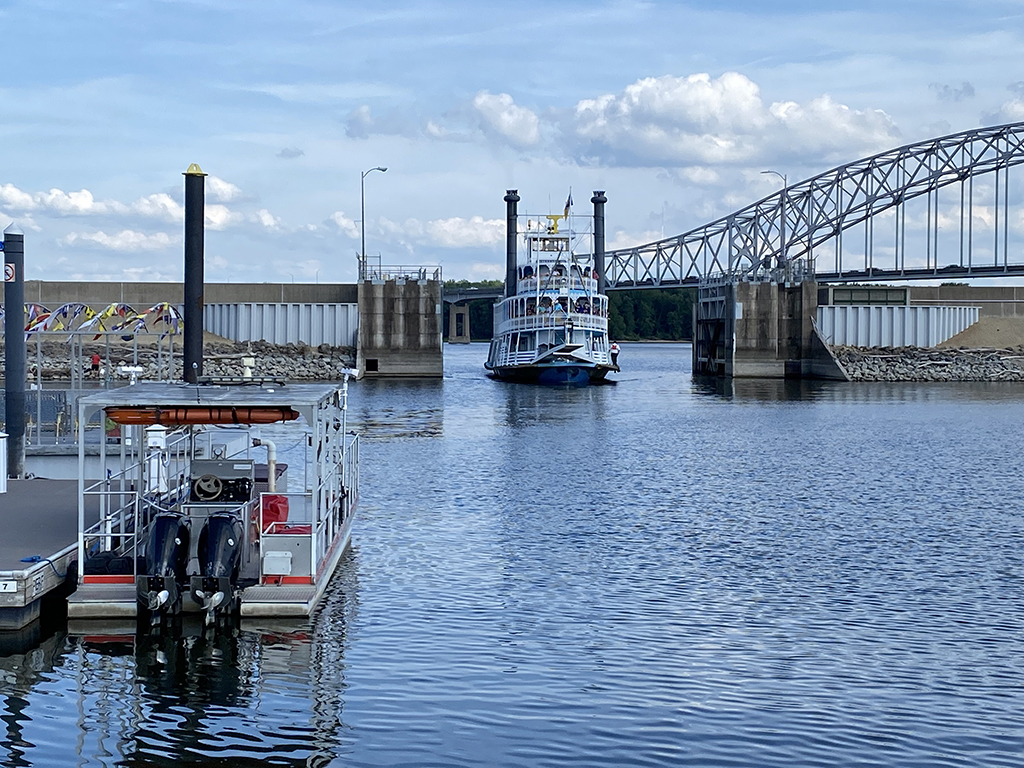
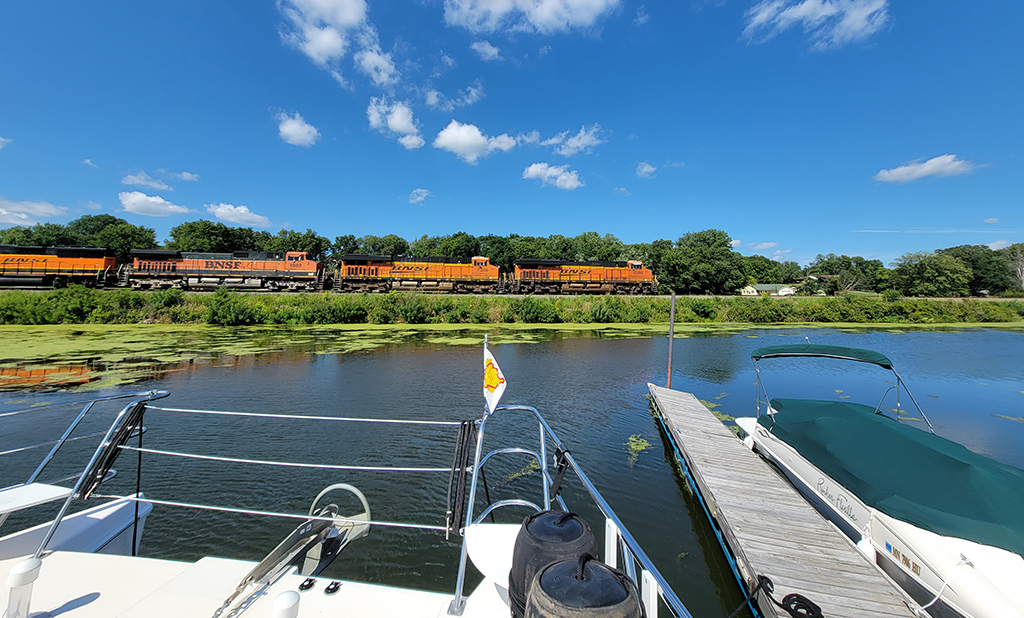
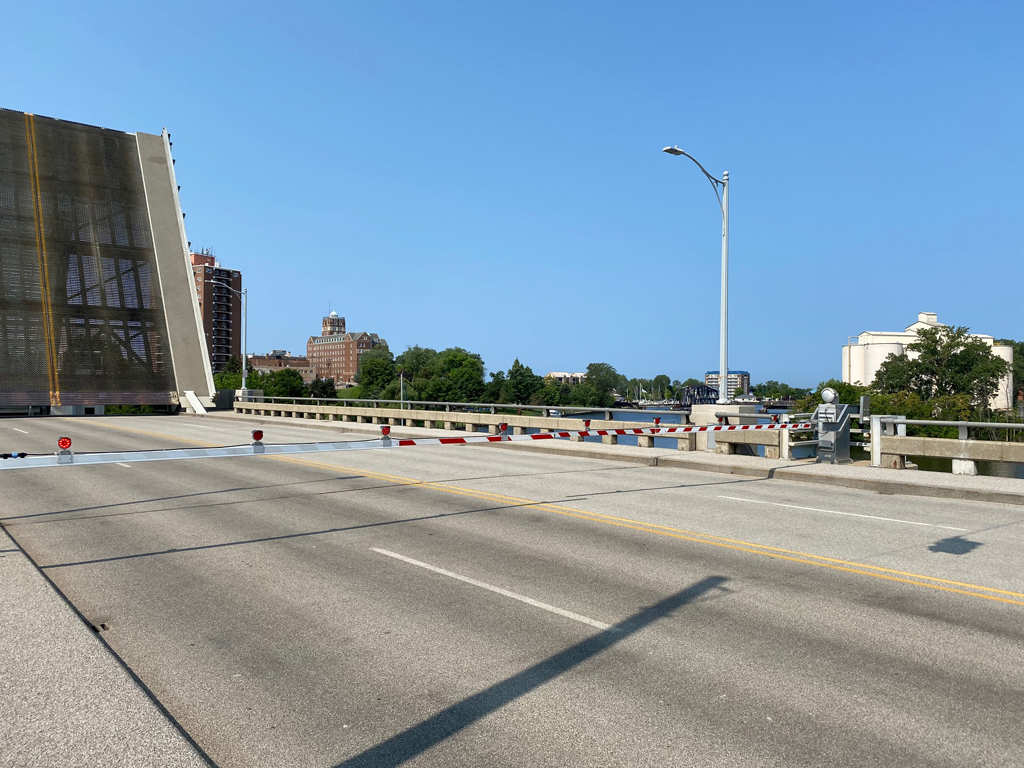
Leaving the marina the next morning, we had to wait a few minutes for the railway bridge downtown.  Then, as we passed the highway bridge, a gentleman in a waterfront high-rise took pictures and posted them on Nebo, wishing us safe travels.
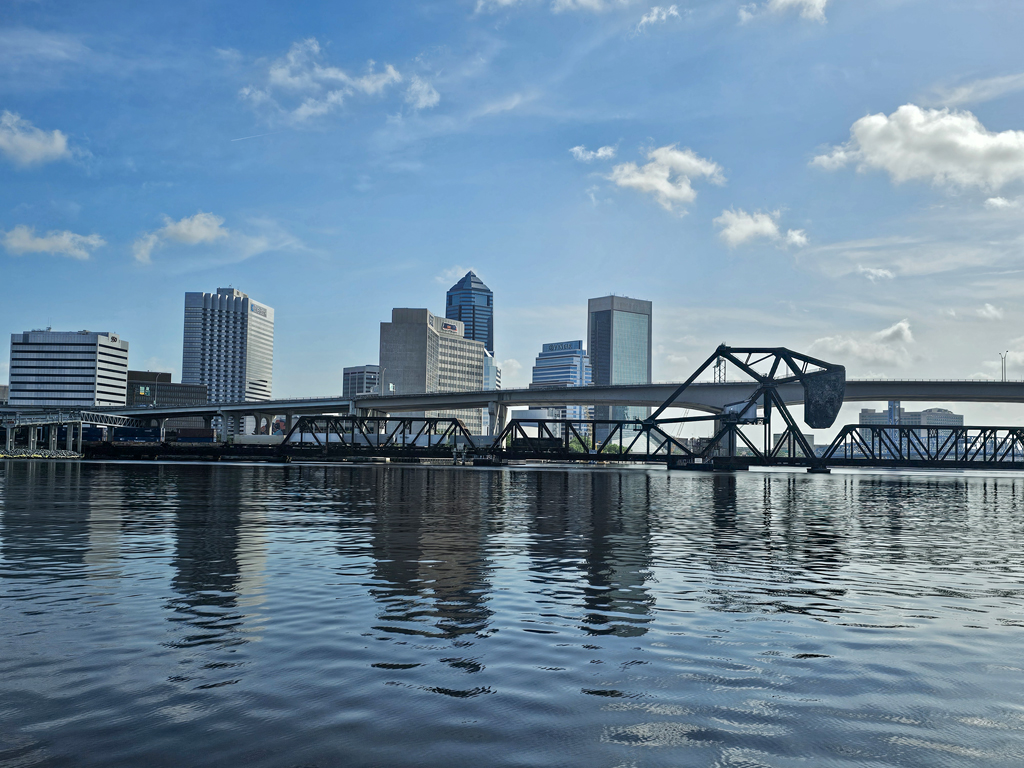
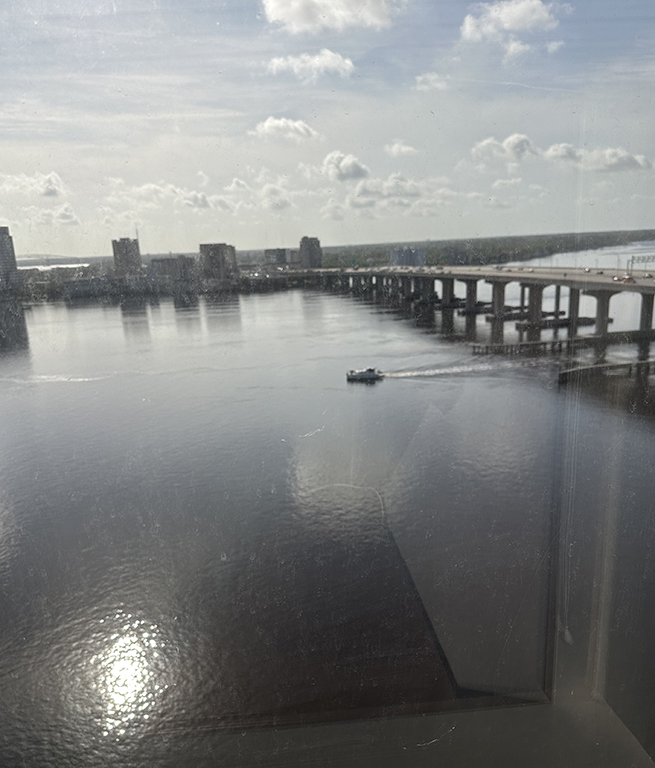
Jacksonville downtown railway bridge
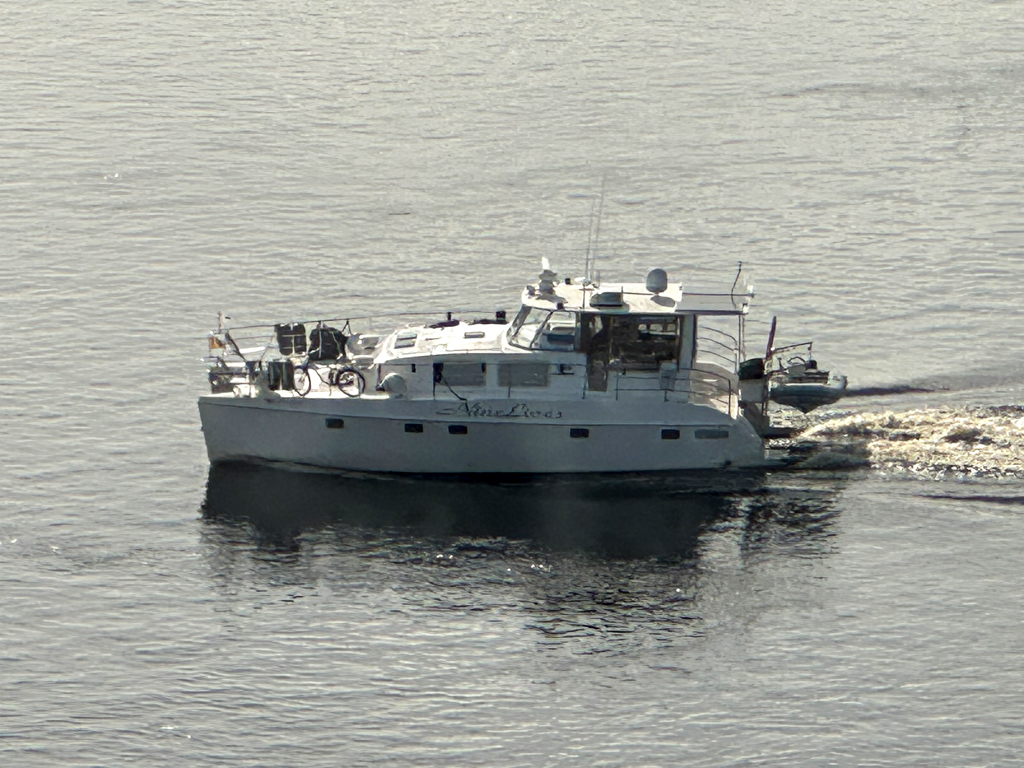
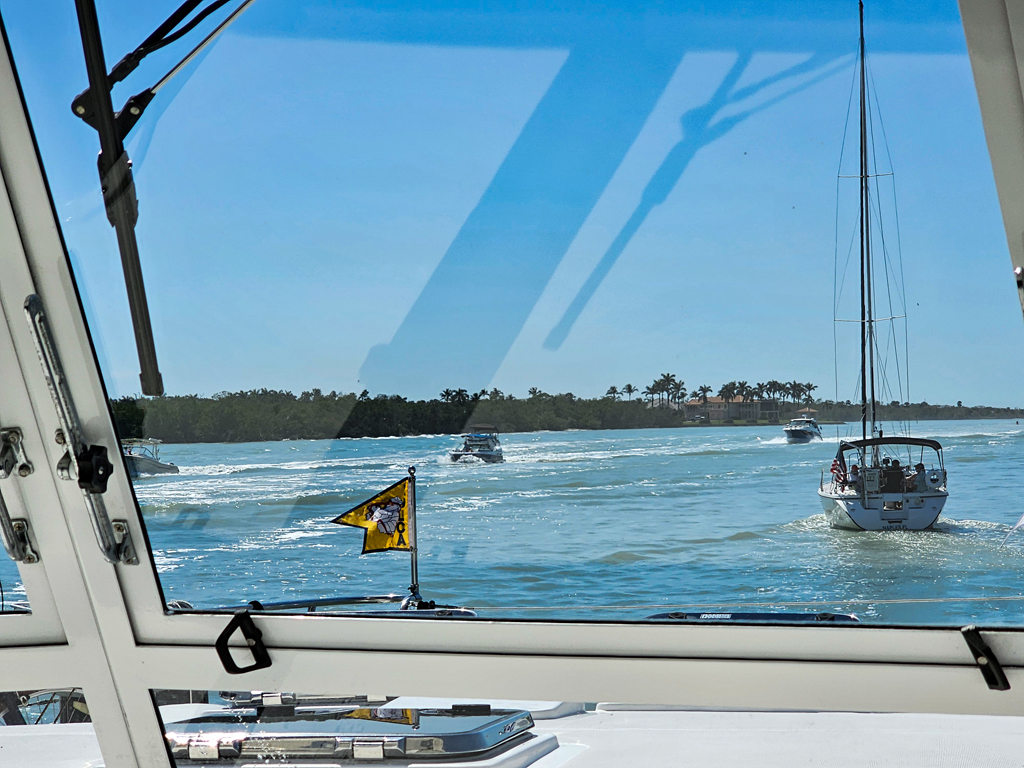
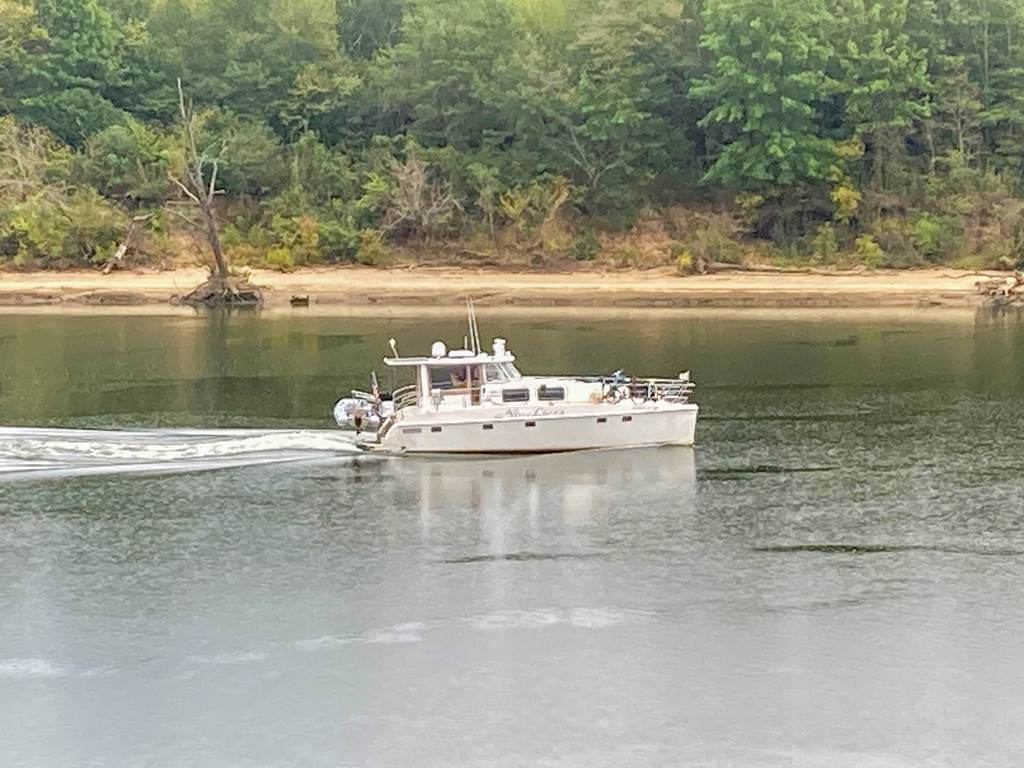
Nine Lives leaves Jacksonville
There she goes!

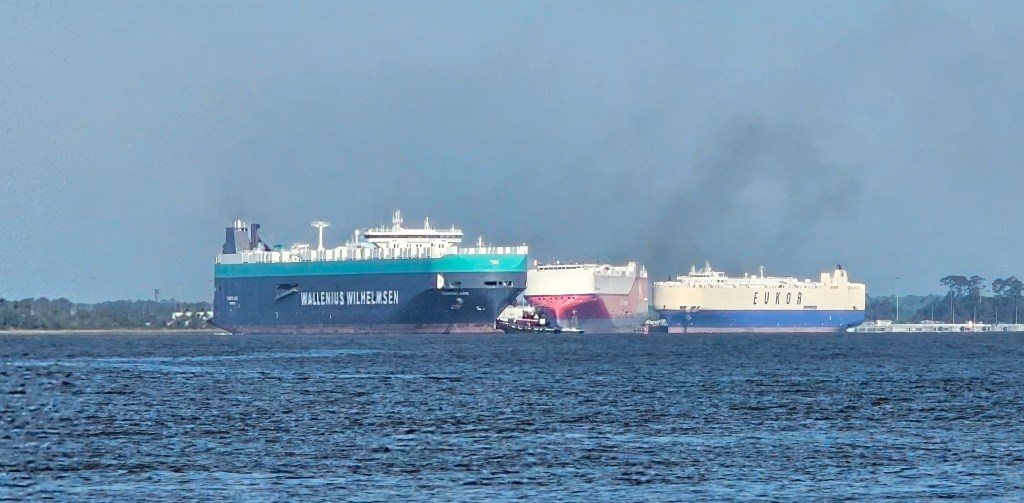
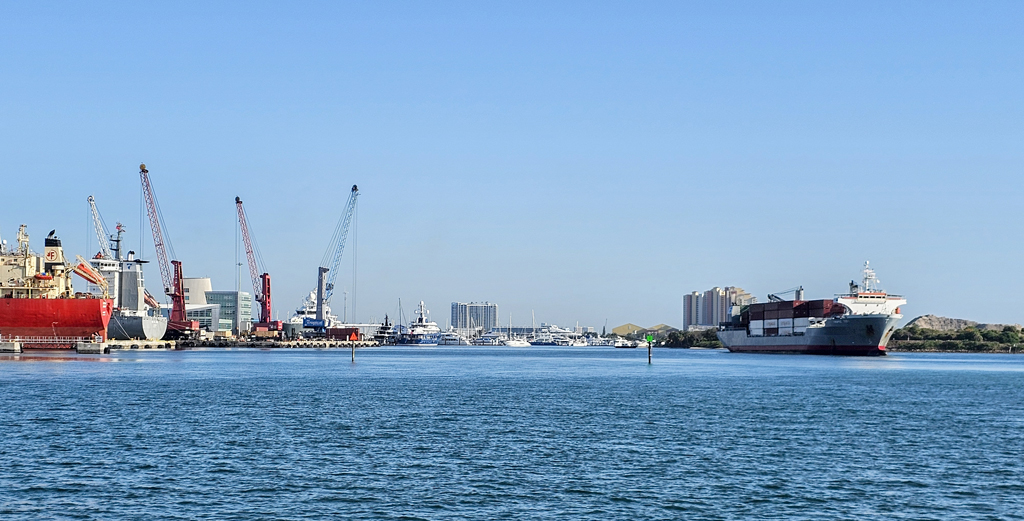
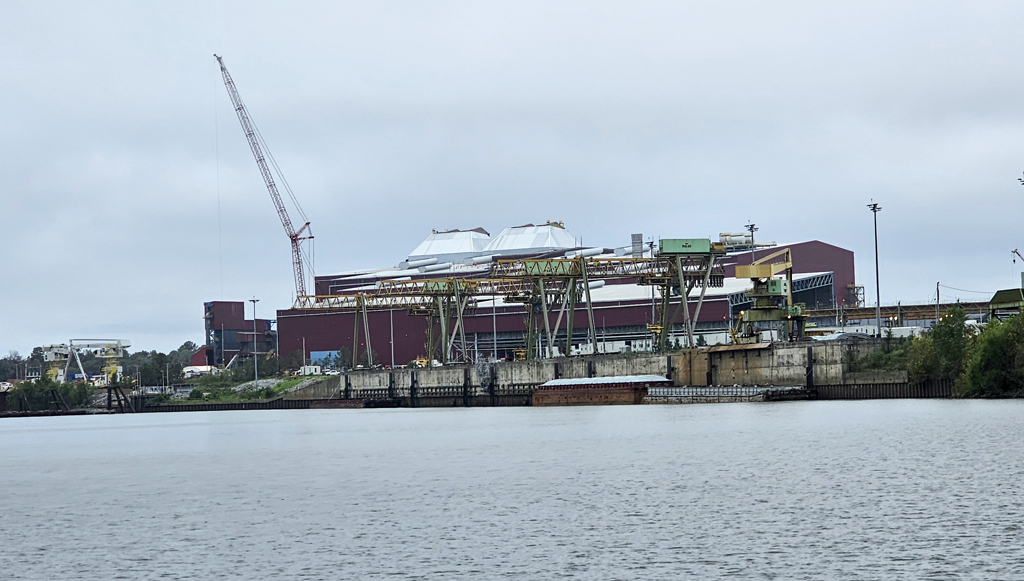
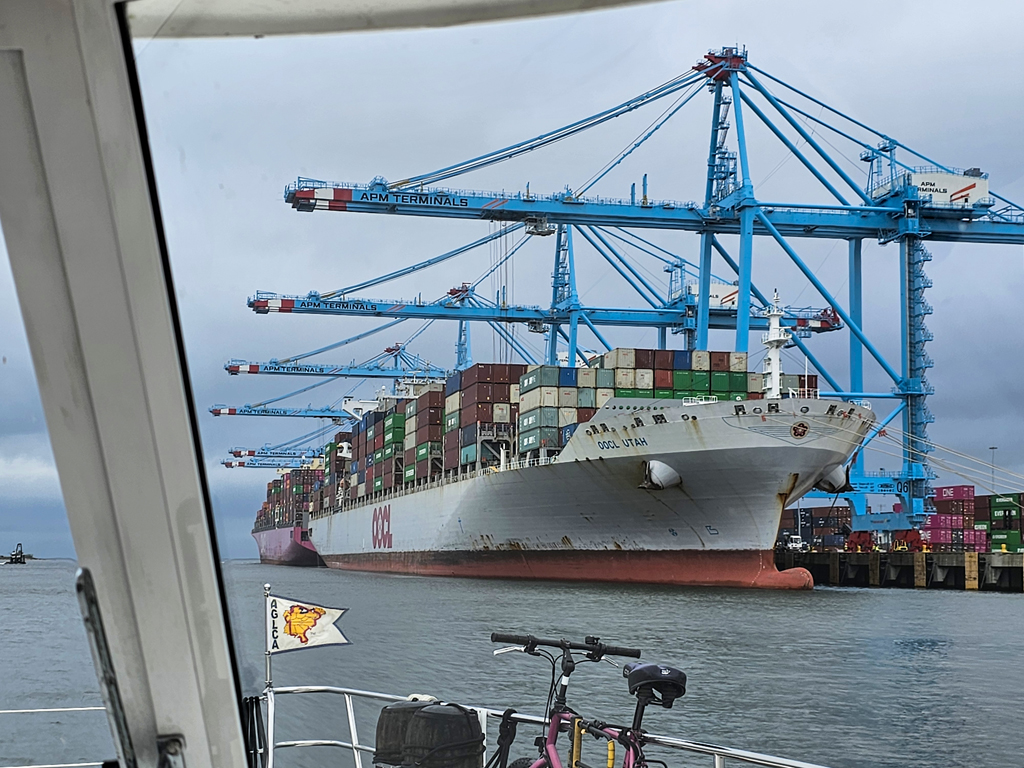
East of downtown, the Saint Johns River is an industrial port.  We met a huge vehicle carrier making its way upstream.  Further downriver was an even bigger one, maneuvering into dock with no less than 3 port police boats hovering to direct other boat traffic if needed. Our timing was good, and their docking was completed before we got there.
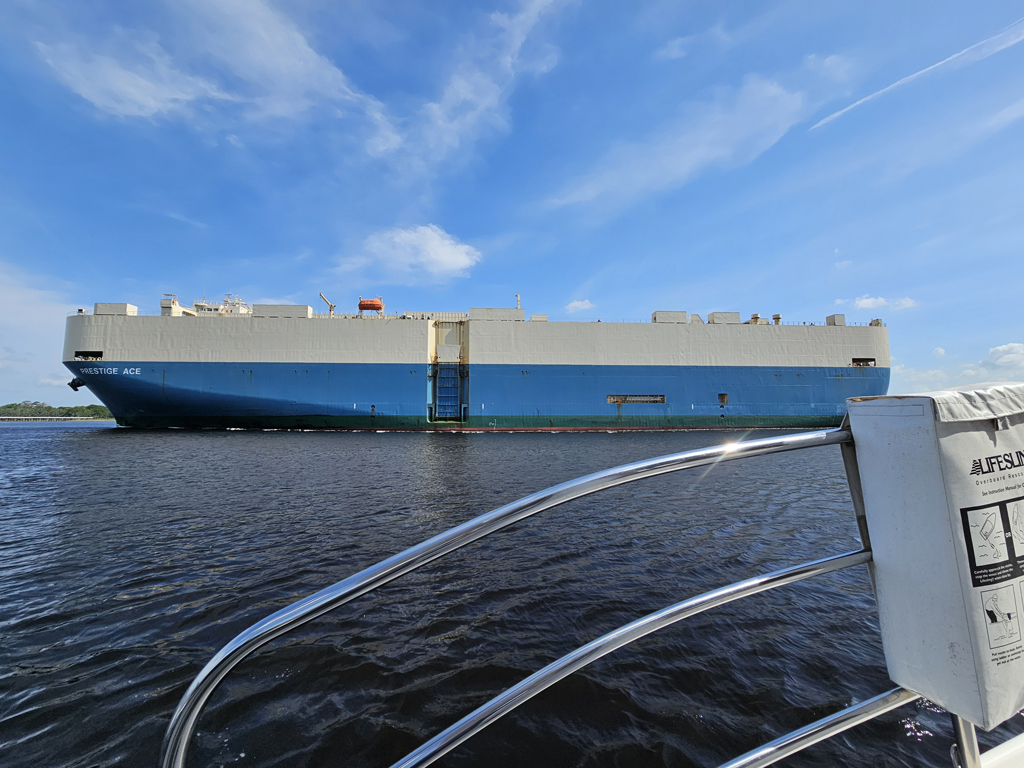
Car carrier entering Jacksonville Port

The next excitement was two Coast Guard boats practising something, tearing back and forth, apparently chasing each other.  The one doing most of the chasing had a gun in the bow.  I decided that it would be prudent to take my pictures from inside the cockpit, rather than going out on deck as I usually do.
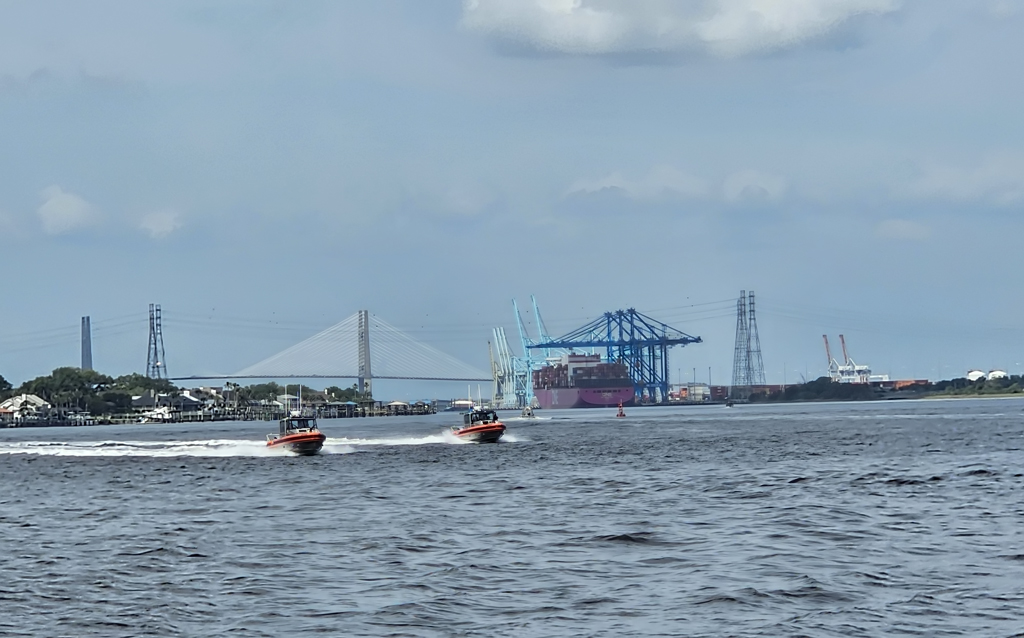
Coast Guard boats practising in Jacksonville Port

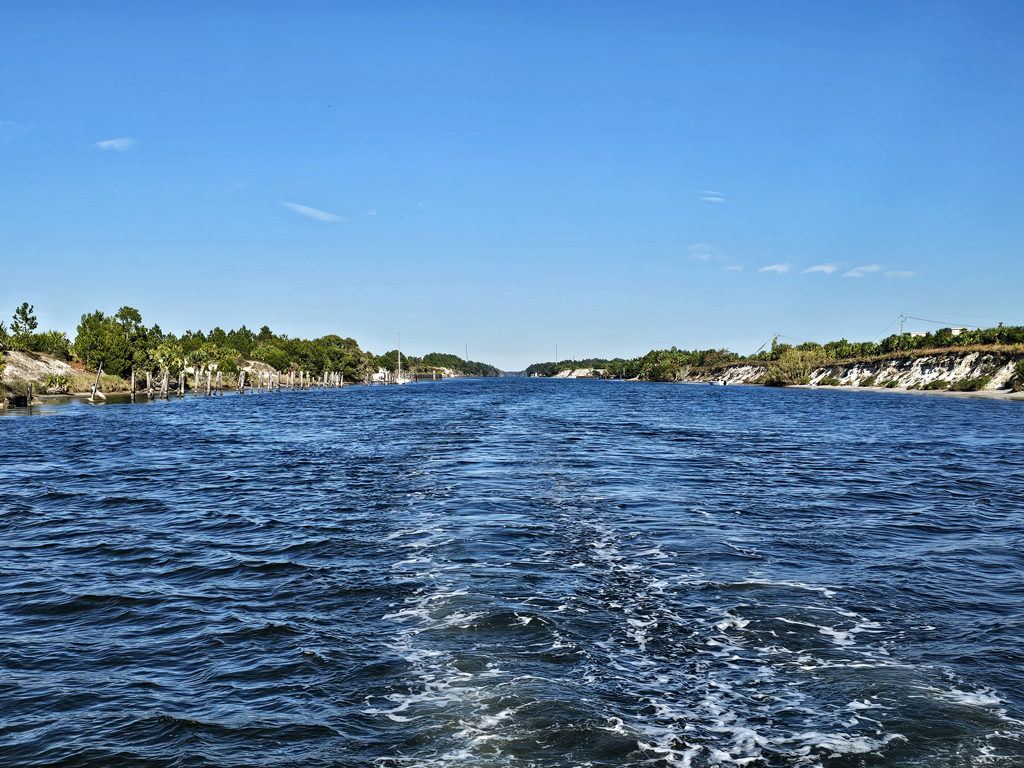
We are certainly back in the “Low Country”, with a lot of shallows and the channel meandering back and forth.  We have to pay close attention to both charts.  We passed the railway bridge, and the very narrow channel to one of the marinas on Amelia Island.  In 2017, we tried multiple times to get into that channel with zero success.  Although dredged, it was V-shape rather than U-shape, and Nine Lives with her two well-spaced hulls simply did not fit.  It was our first really tough setback on our maiden voyage to bring Nine Lives round to Hilton Head.  We had to continue on, into the inlet, and up the St Mary’s River with a small craft warning and very difficult dockage at the end. We shuddered as we passed that channel, which looks no better today than it did in January 2017!

We docked without incident in downtown Fernandina Beach, one of our favourite towns.  As we enjoyed our early evening cocktail, we noticed a young woman with a skateboard.  The docks here are only secured at night, and as we have seen in other places, it is a common thing for people to walk around and look at the boats.  This young lady had the kind of skateboard with a large ball or wheel in the middle.  Research suggests that they are highly controversial and quite dangerous.  She was clearly wobbly, still learning how to use the board, and we wondered whether she and her skateboard were about to enjoy an unplanned swim.  Sadly, it was a lot more serious.  She hit the cover that goes across the dock (ironically, it’s there so people don’t trip on boat power cords and hoses), and she came off at speed onto the concrete dock.  A nearby boater with medical training helped and medics were called.  It was a reminder that NO wheeled vehicles of any kind should be ridden on docks.
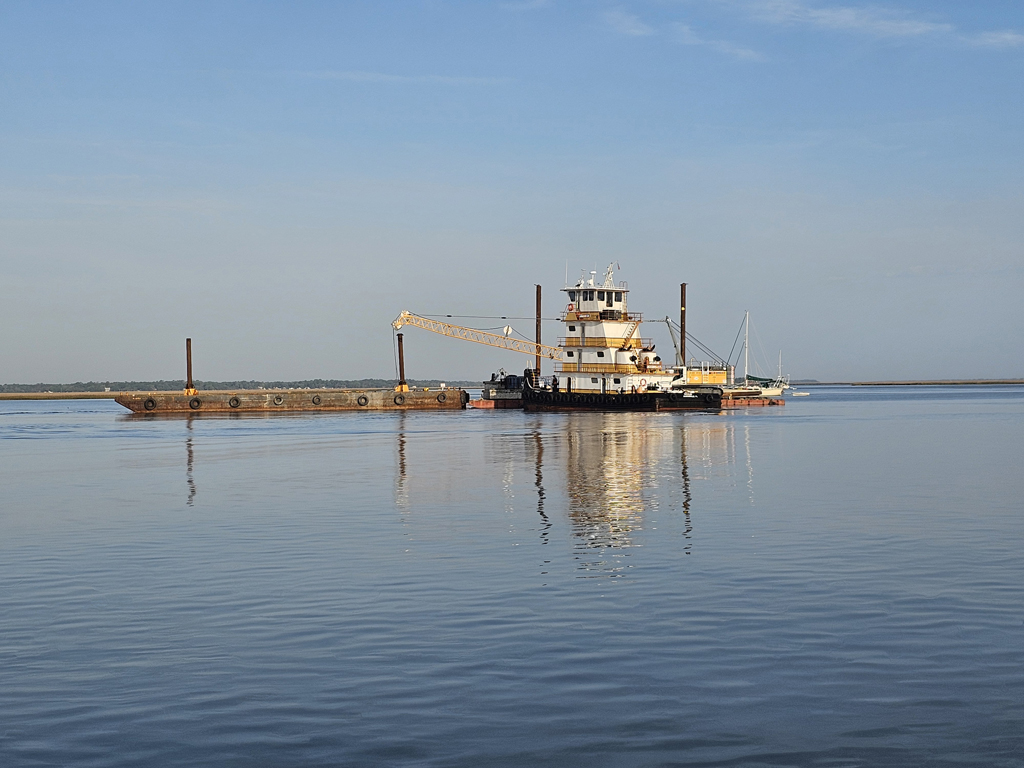
A barge moves a dredge in Fernandina Beach. We called this the wedding cake barge!

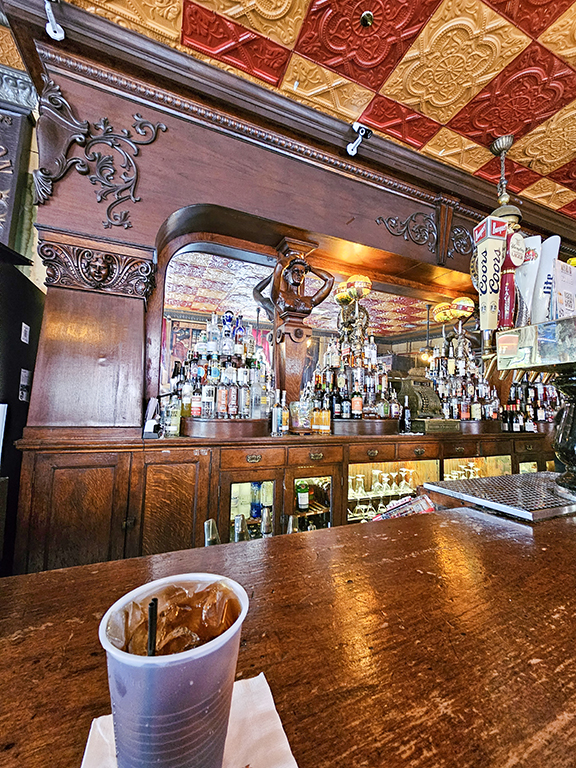
We enjoyed a lovely walk around the town the next day.  We bought some nice things, paused for a refreshing beverage at the famous (or infamous) Palace Saloon, and then we ate lunch in the form of some excellent ice cream.  After that, a nap was required.
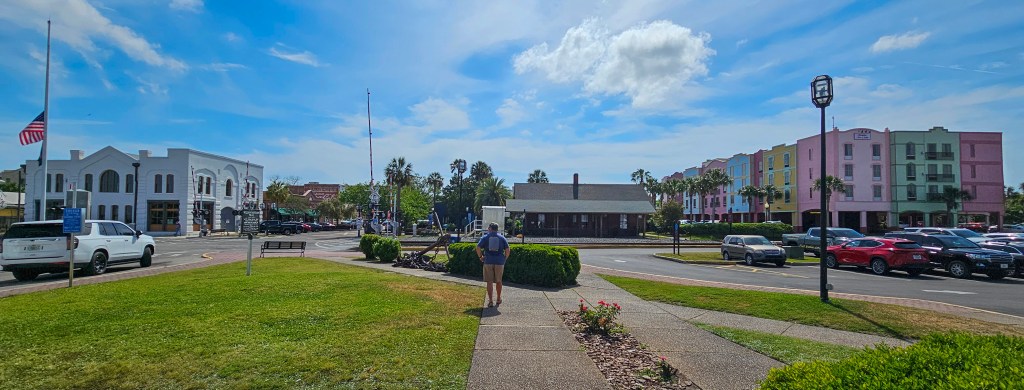
Fernandina Beach downtown from the marina
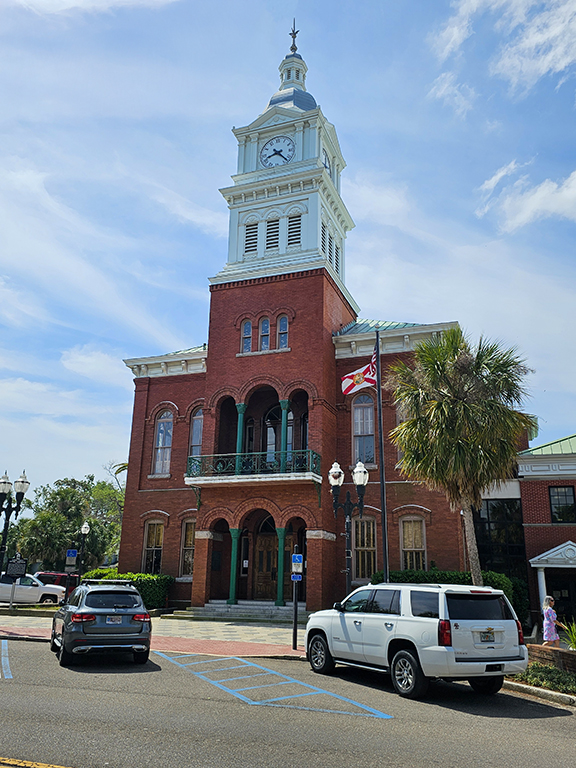
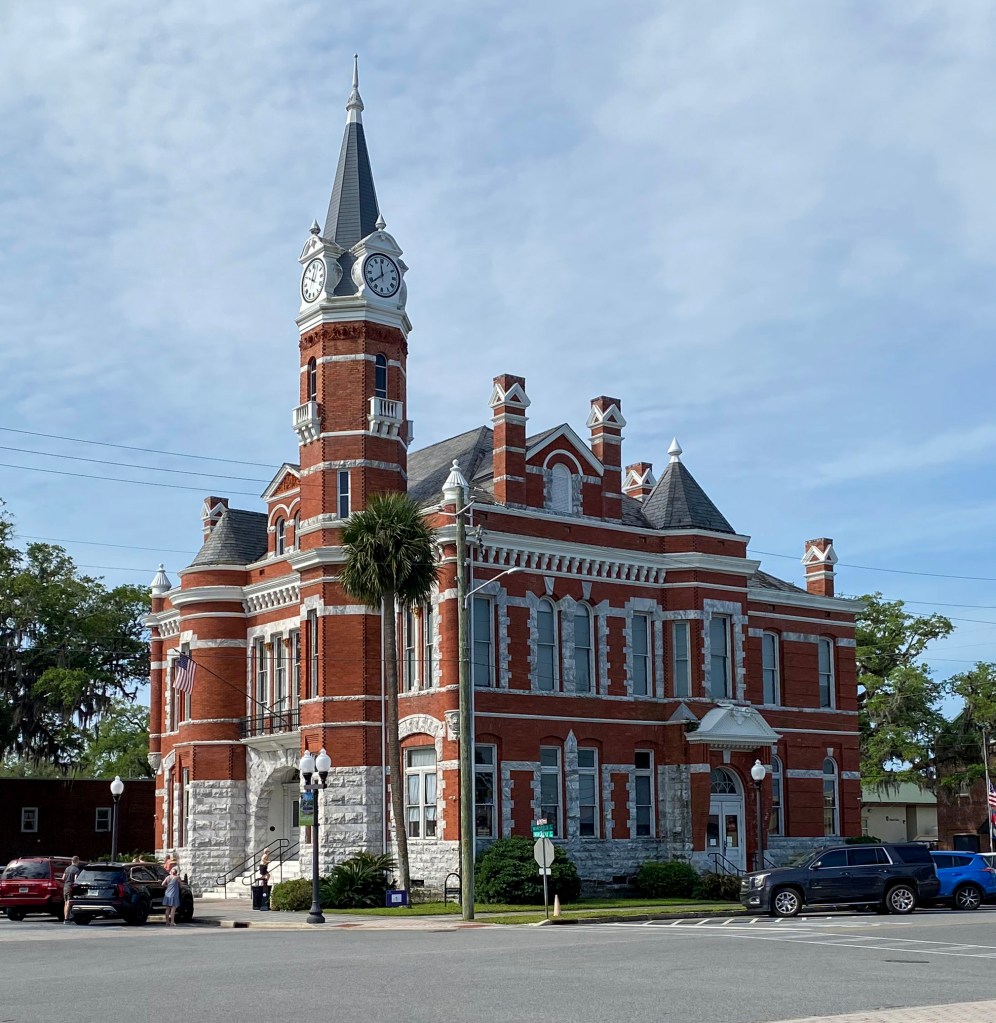
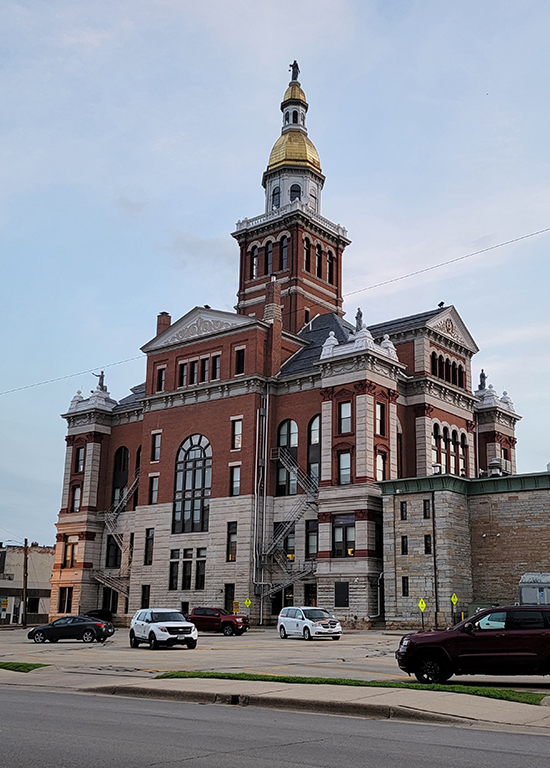
Fernandina Beach County Courthouse
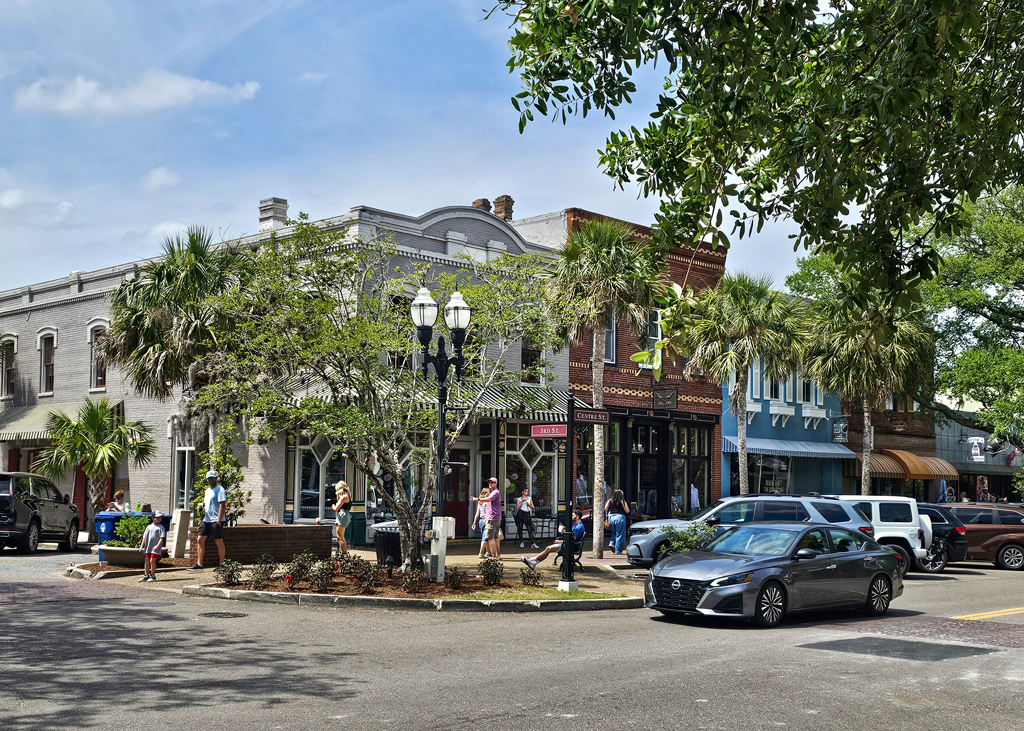
Downtown shops in Fernandina Beach
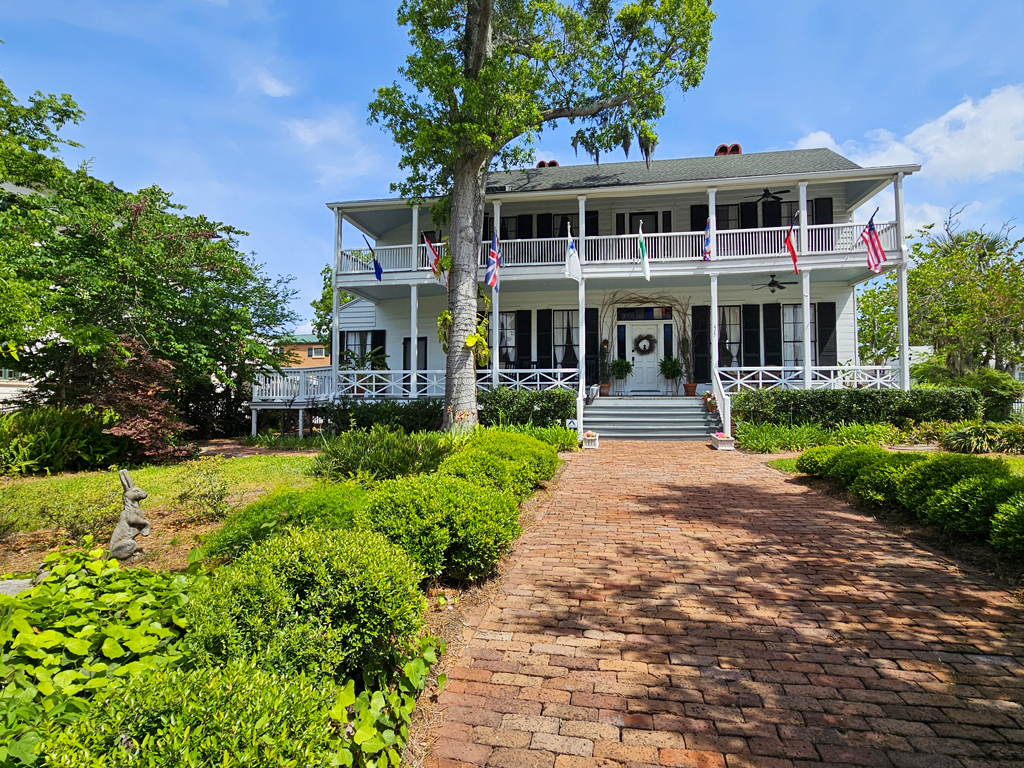
Lesesne House
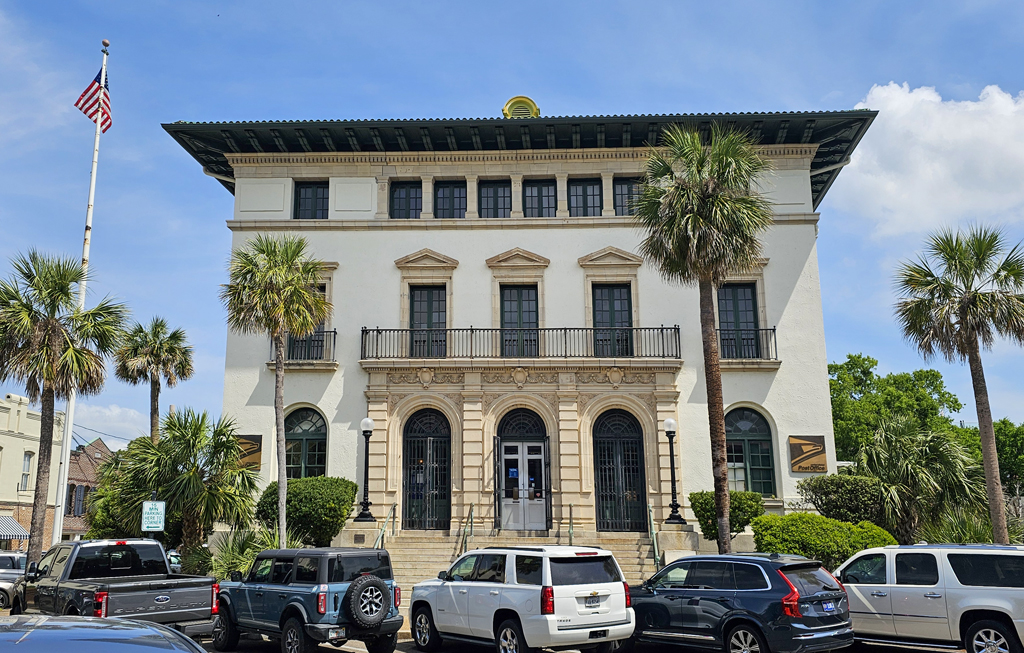
Fernandina Beach Post Office
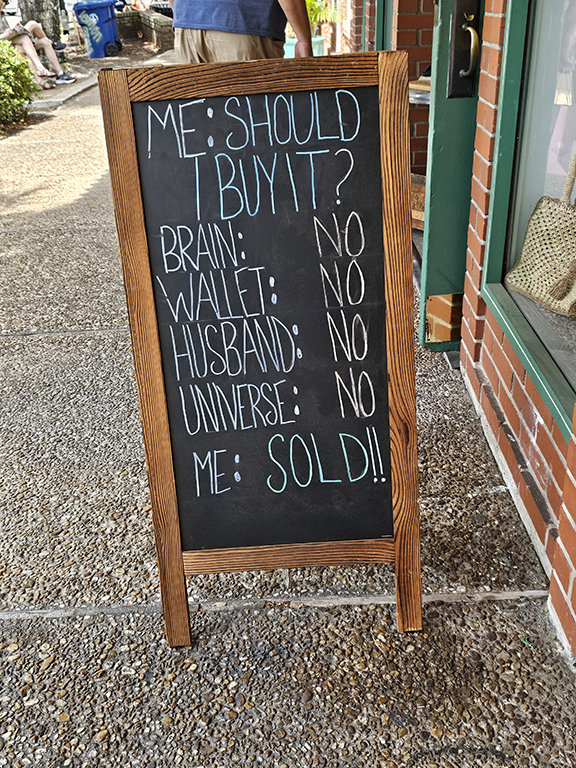
Shopping in Fernandina Beach
Drinks in the Palace Saloon

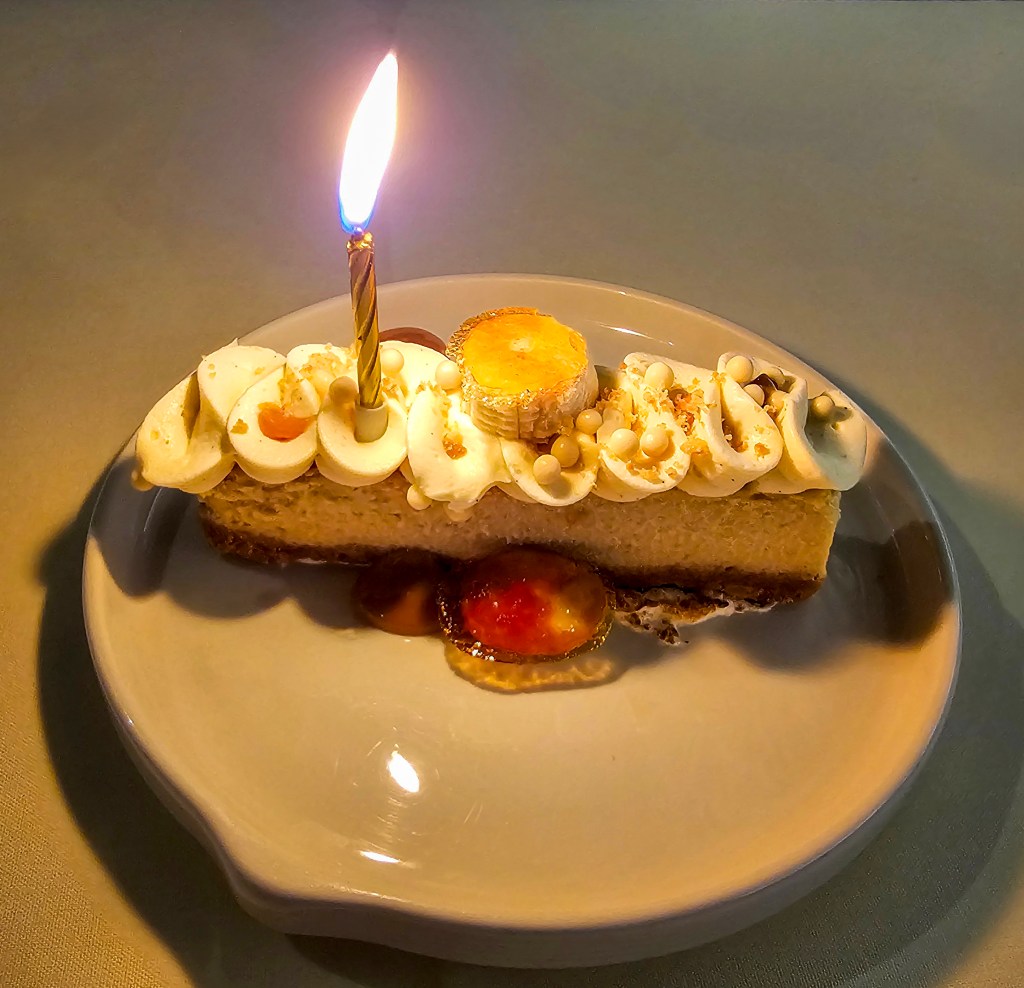
In the evening, we walked down a road with beautiful old homes to David’s, a restaurant we had visited a few years ago.  It was a day early, but a lovely birthday dinner for me.  There was even a candle on the dessert!  We returned to a pretty sunset and enjoyed a postprandial glass of whiskey in the cockpit.
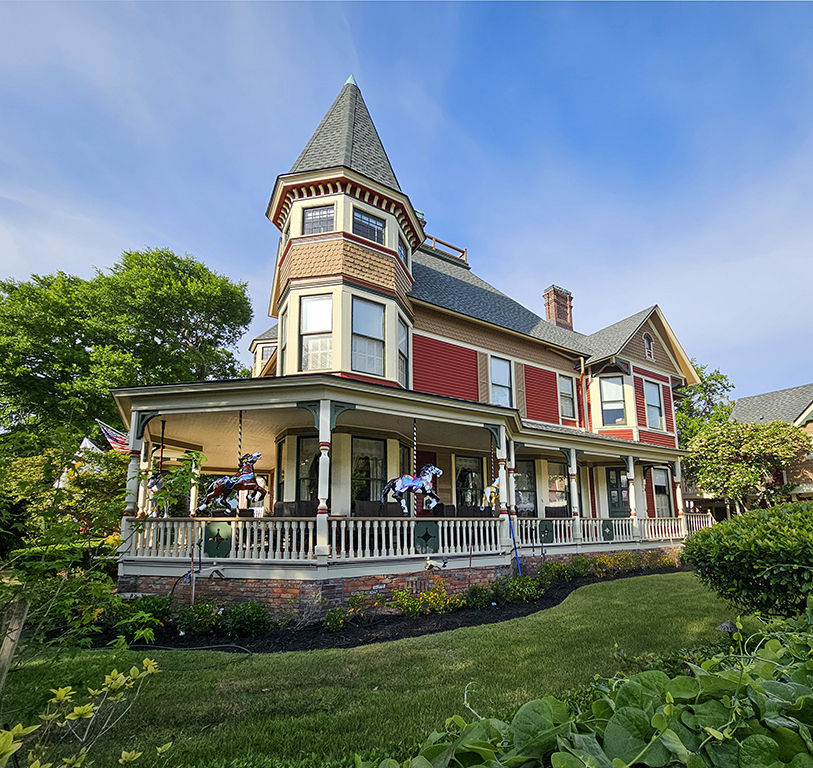
Bailey House, Fernandina Beach. Note the carousel horses on the porch.
David’s Restaurant starters
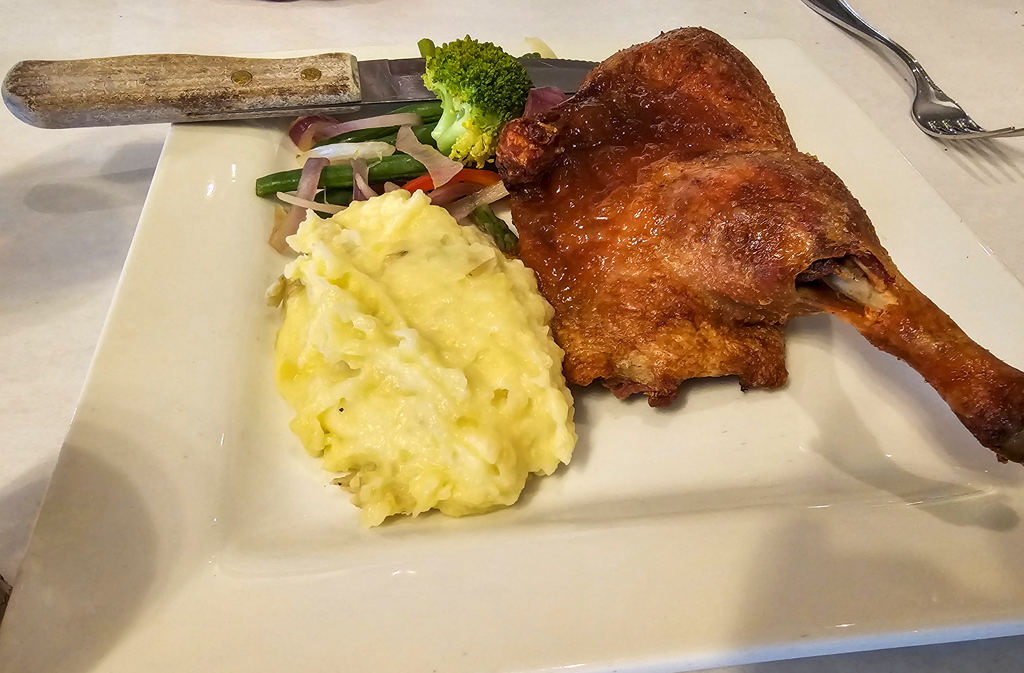
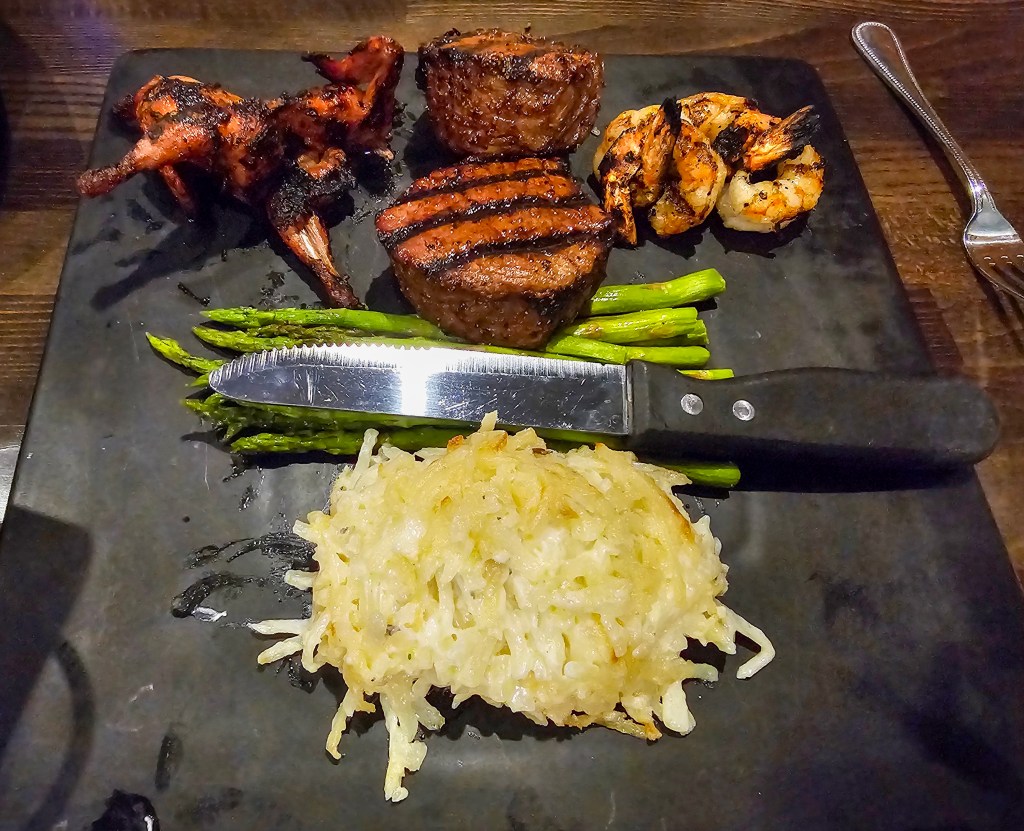
Dick’s surf and turf was filet steak and a lobster tail
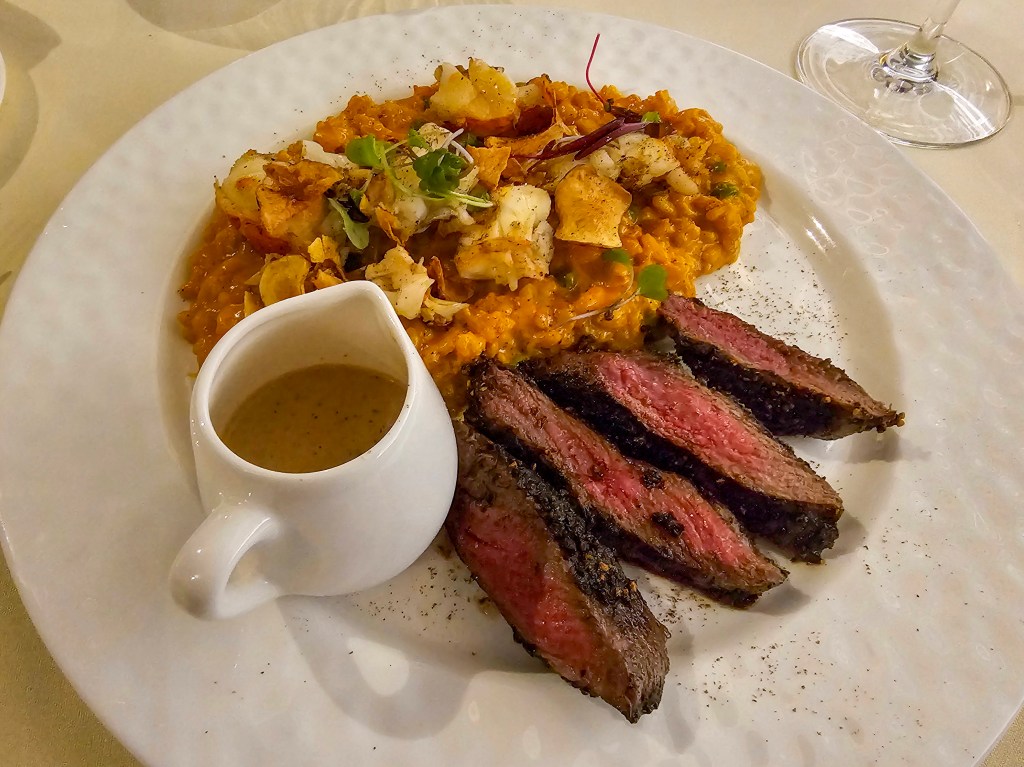
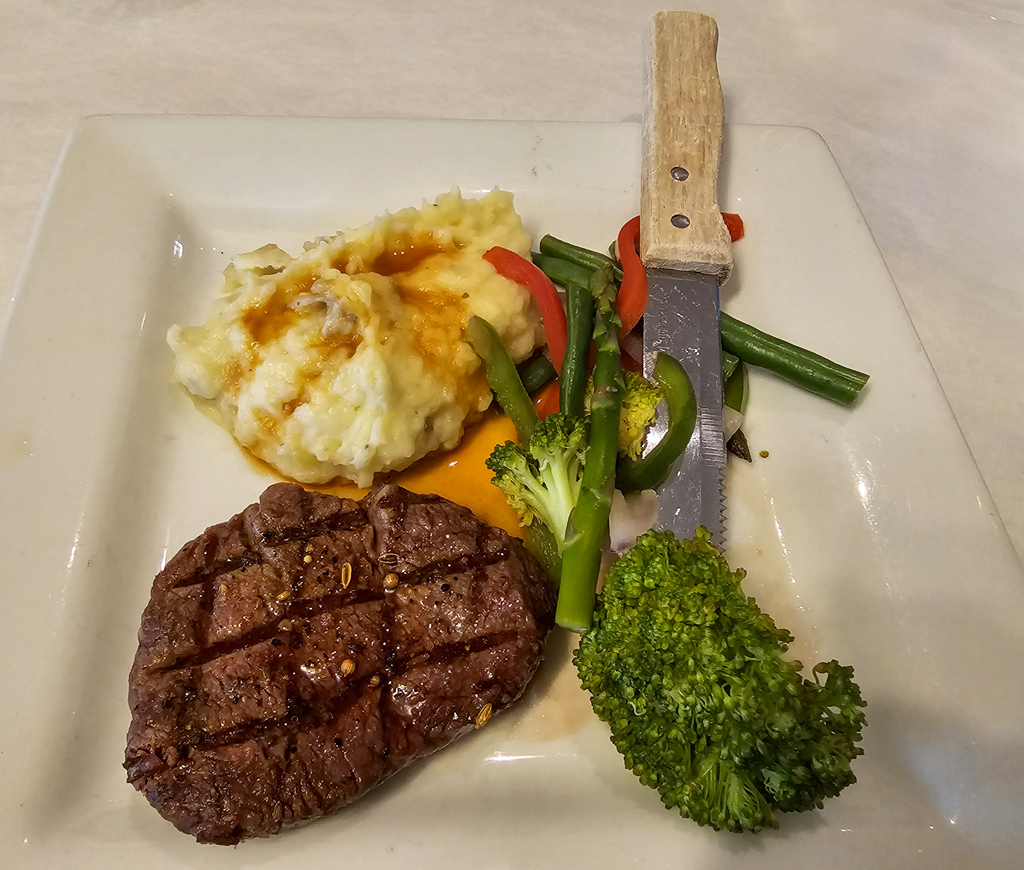
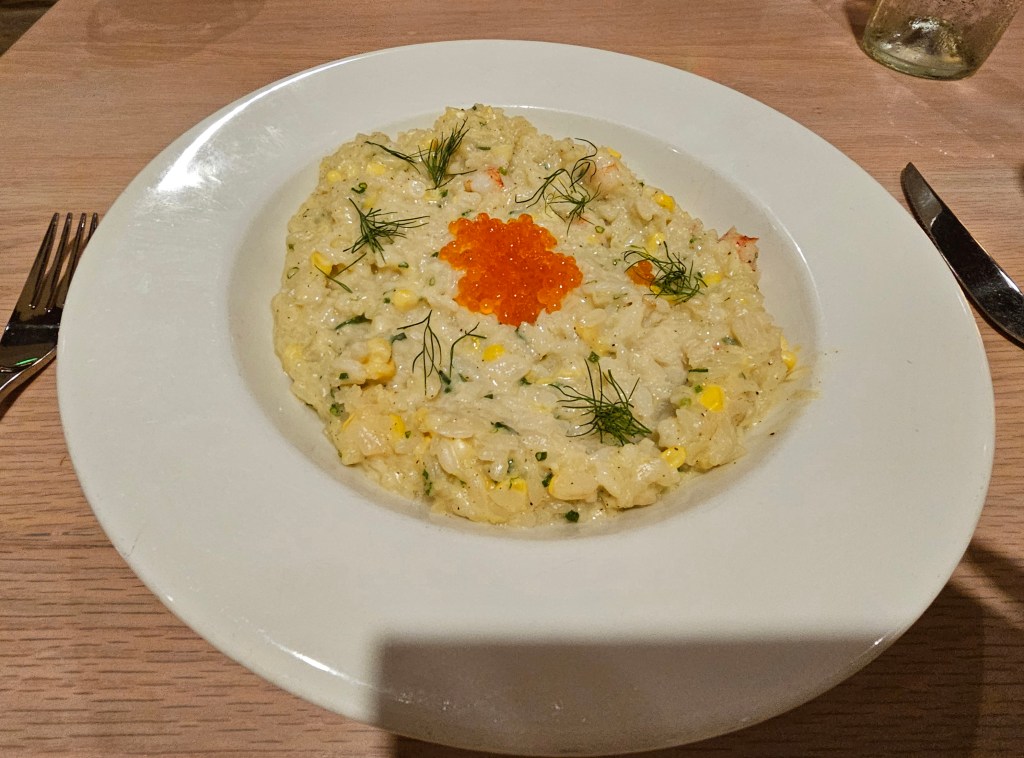
My surf and turf was filet steak and lobster risotto
A birthday candle on the dessert at David’s Restaurant
Sunset at Fernandina Beach

We left very late (after 11am) the next morning, because we only had a little over an hour to travel to St Marys.  Even then, when we arrived our slip was occupied.  They untied quickly and our docking was accomplished without drama.  After we had time to settle in, the dockhand took us on a golf cart tour of the town.  It was an interesting, and very opinionated tour!
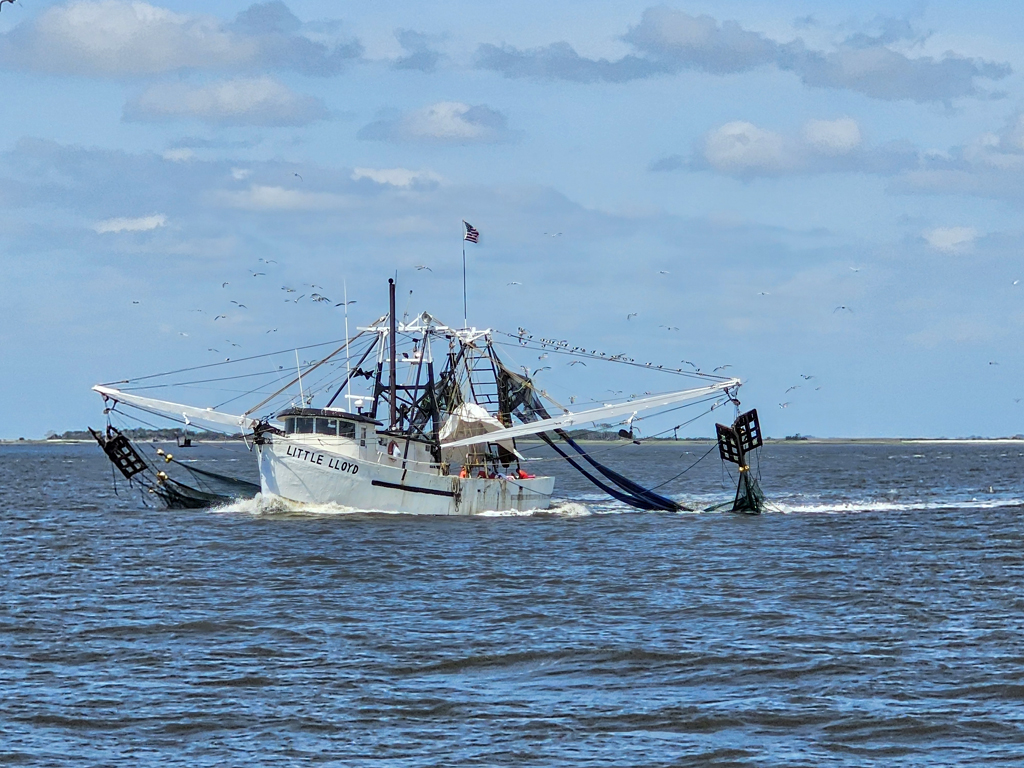
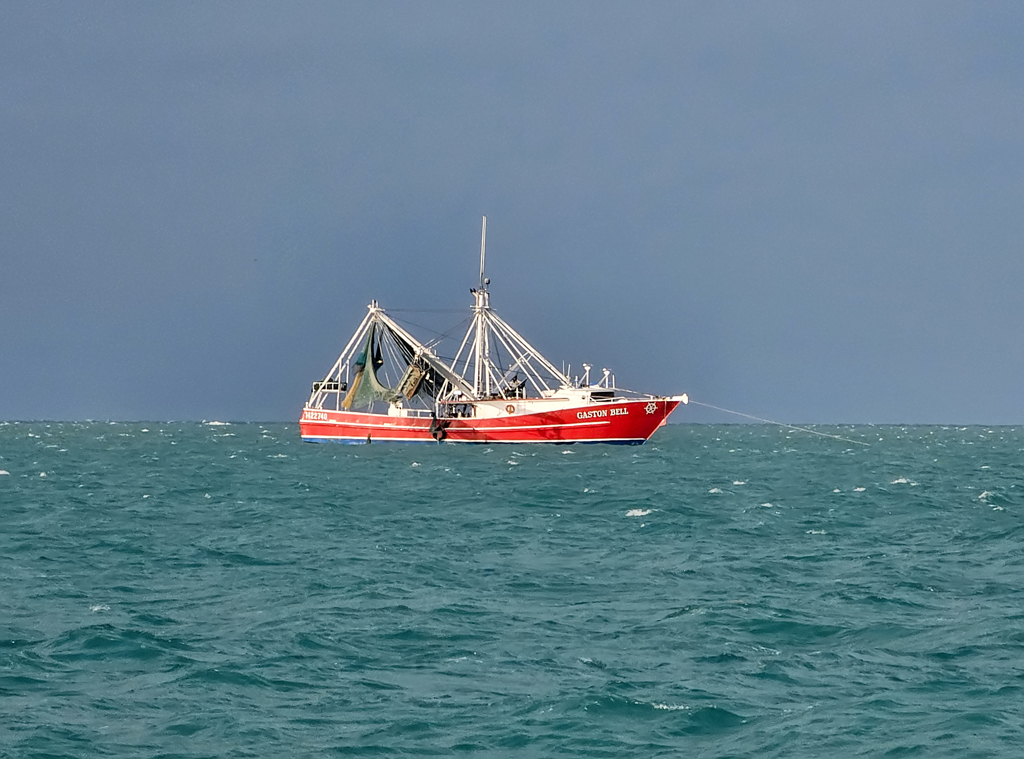
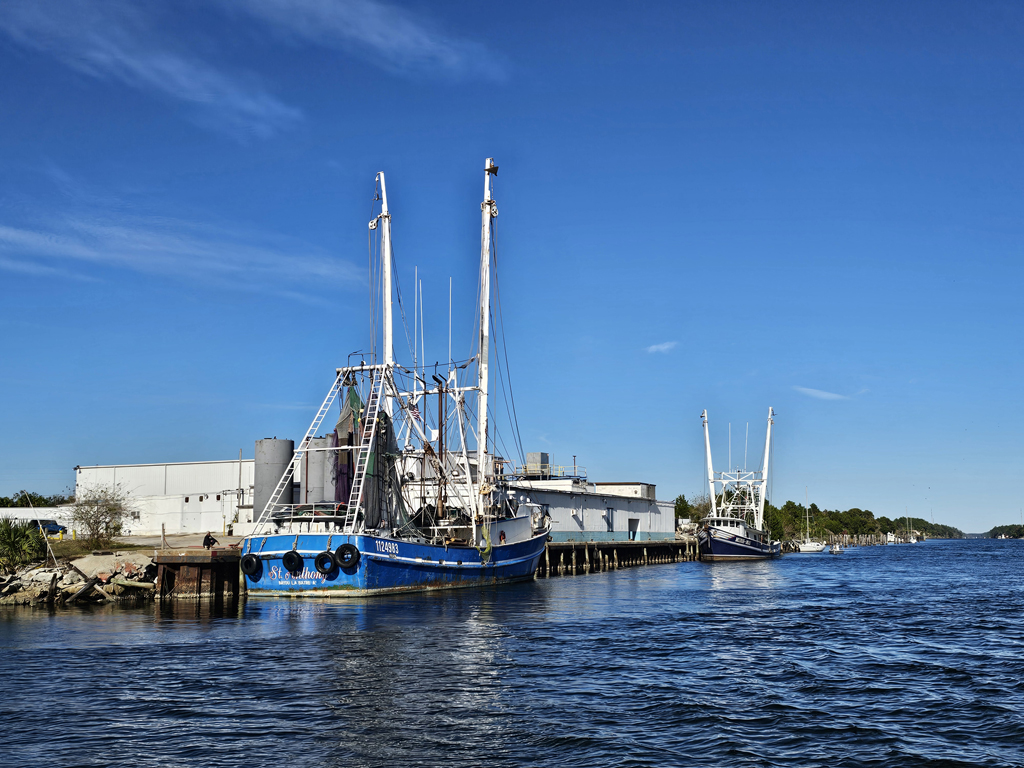
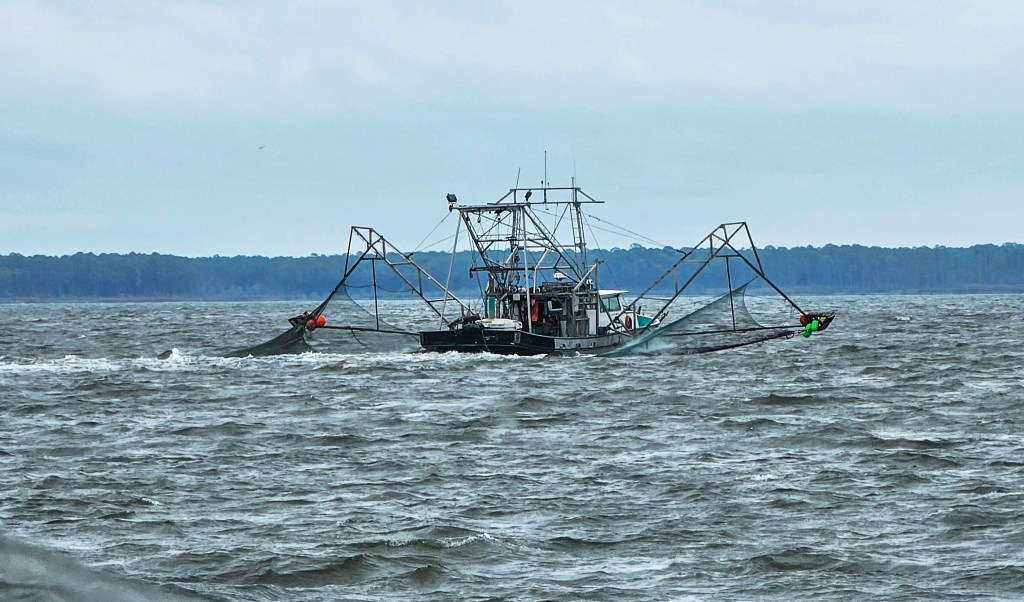
A shrimper in St Marys River

In the 1700’s the Acadian diaspora took place in 3 waves, beginning in 1755.  The British had been ceded what are today the Maritime provinces in Canada and some parts of Maine as part of the Treaty of Utrecht in 1713.  Over the next years, some of the French residents at the time, the Acadians, participated in French military operations against the British.  By 1755, if the Acadians refused to take an oath of allegiance, they were removed.  Initially, they were sent to the 13 colonies, and the more troublesome the individuals, the farther south they were sent.  500 were sent to South Carolina, and 300 were sent to Georgia.  Families were split up.  Keep in mind that these would have been large, farming families, with grown sons and daughters.  In some cases, women were sent to one place, fathers to another, and the children to a third destination.  Some of the women are buried in the St Marys cemetery.  What I found amazing when I researched the story was how determined the Acadians were.  Many of them simply returned to their homes in Acadia, and were deported again.  The second wave were sent to Britain and France, and even then, they took ship and tried to return.  Many were shipwrecked or died from other causes.  Ultimately, although none were sent to Louisiana by the British, it became a destination for the displaced Acadians, and they made their way there from the various places they had been sent.  They became the Cajun people, and contributed to the rich heritage of Louisiana.

The land for laying out the town was purchased in 1787, and the City of St Marys was incorporated in 1802.  It was the County Seat, twice, finally losing that status in 1923.

St Marys is the jumping-off point for visits to Cumberland Island.  I have stayed in the very characterful Riverside Hotel twice.  It was both eccentric and comfortable, and I am sure the dust on the stairs dated back to the 19th century!  According to our guide, much of the commercial property in the town has been bought up by a billionaire.  Most of the restaurants and shops are owned by him, although some are leased back to the previous owners.  He built a huge marina (still partly under construction) to accommodate his 100-foot yacht.  The docks appear to be fully functional, but there is no marina business there and no docked boats. We stayed at a small marina at the other side of town.
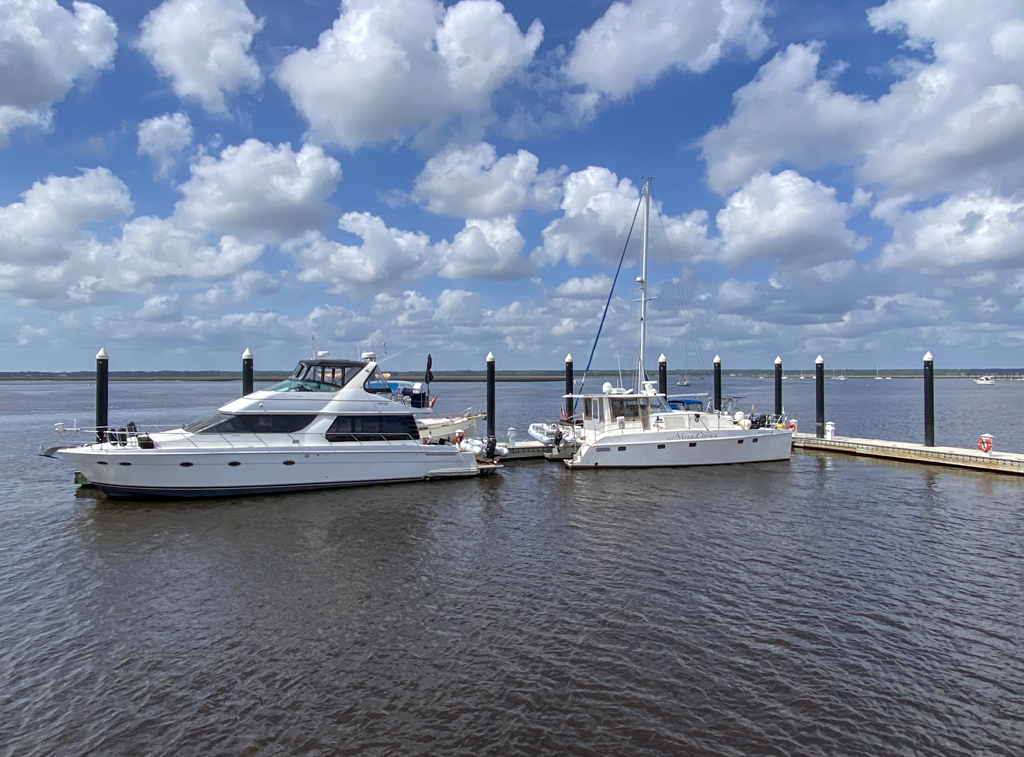
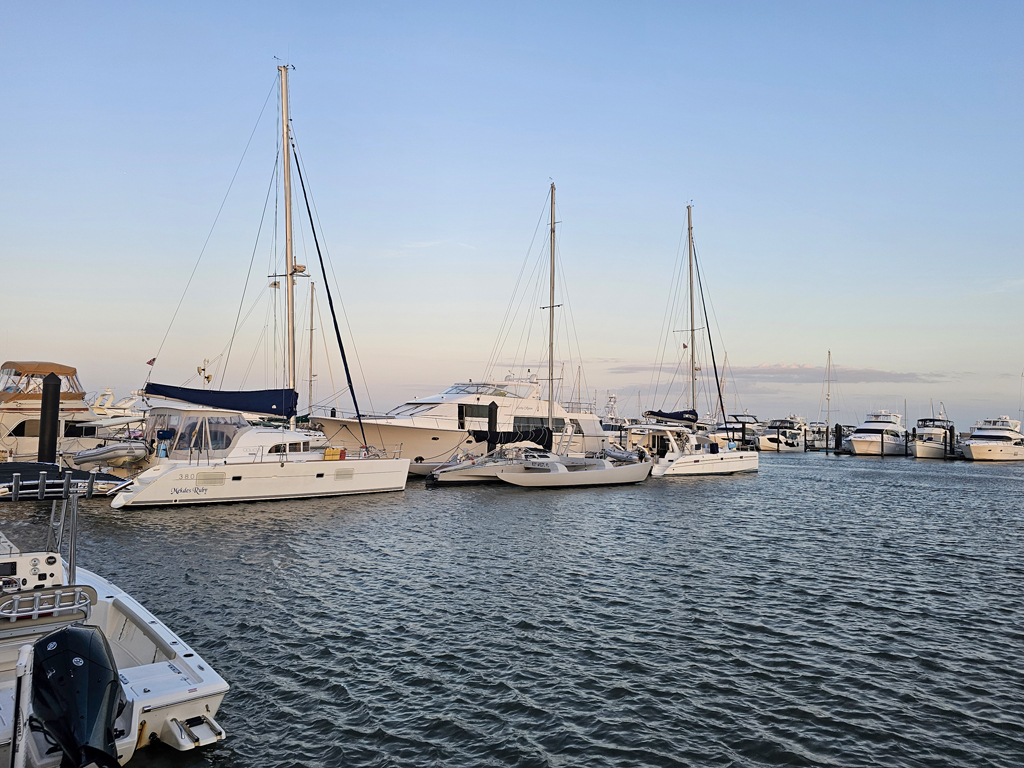
Nine Lives in the marina in St Marys

The town has always been quirky, and in the 8 or so years since I have been there, I saw definite improvements.  We are told there is a huge housing tract of over 3000 homes about to be built nearby, but at the moment, there are no jobs or local industry.  20% of the current residents are below the poverty line.  The nearby Kings Bay Submarine Base apparently does not provide much employment for outsiders, even though there are over 9000 people working there.

St Marys downtown
Orange Hall, a historic home in St Marys

We ate on board, then participated in a Loopers’ Zoom docktails session.  We chose the “Misadventures on the Loop” section, and were able to regale the participants with several of our mis-judgements and “I told you so” stories.  It was fun hearing other scary tales, although I suspect the lady who is just a few days into her Loop came away considerably more worried than amused.

We enjoyed a pleasant day in St Marys.  The farm to market shop was a bit of a hike, so Dick took his exercise and came back with some interesting goodies.  He also visited the small submarine museum.  In the afternoon, we explored the shops.  What looked like two similar home goods stores turned out to be something like an antique mall, but with lots of crafts and bric-a-brac as well.
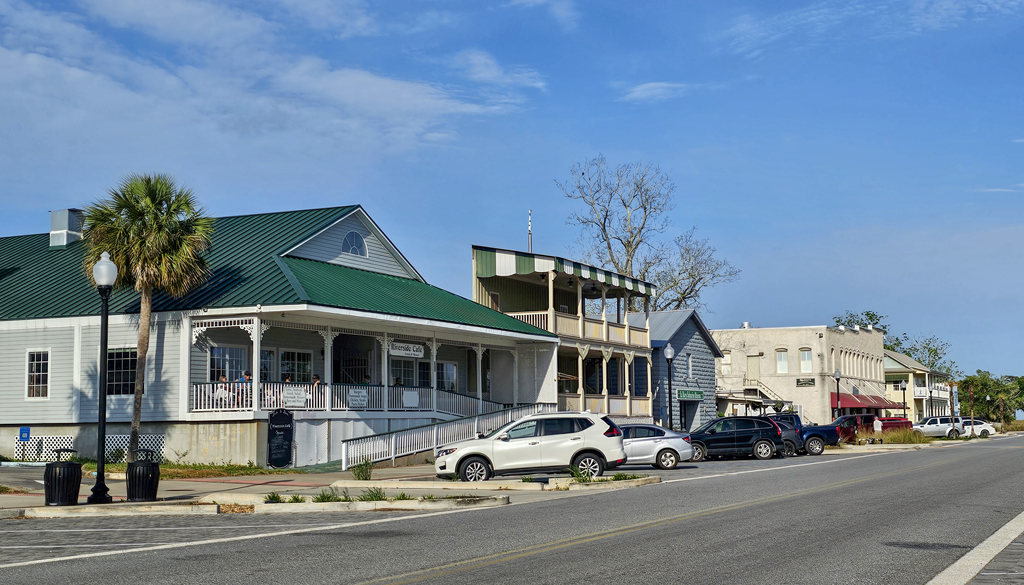
Another part of downtown St Marys

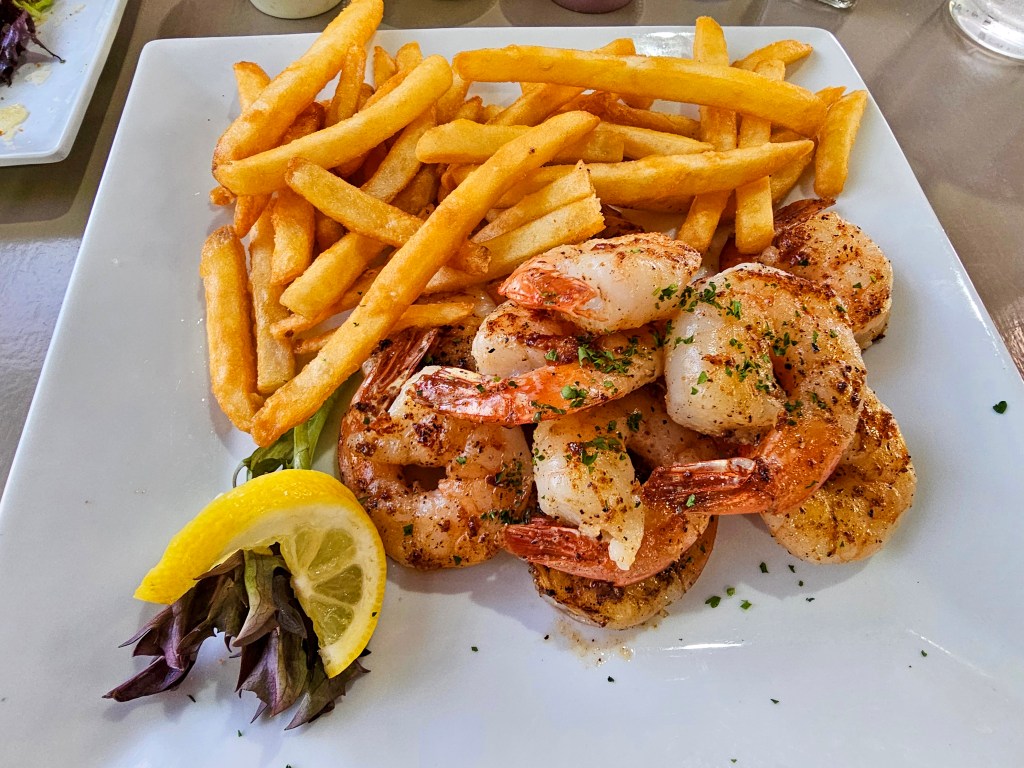
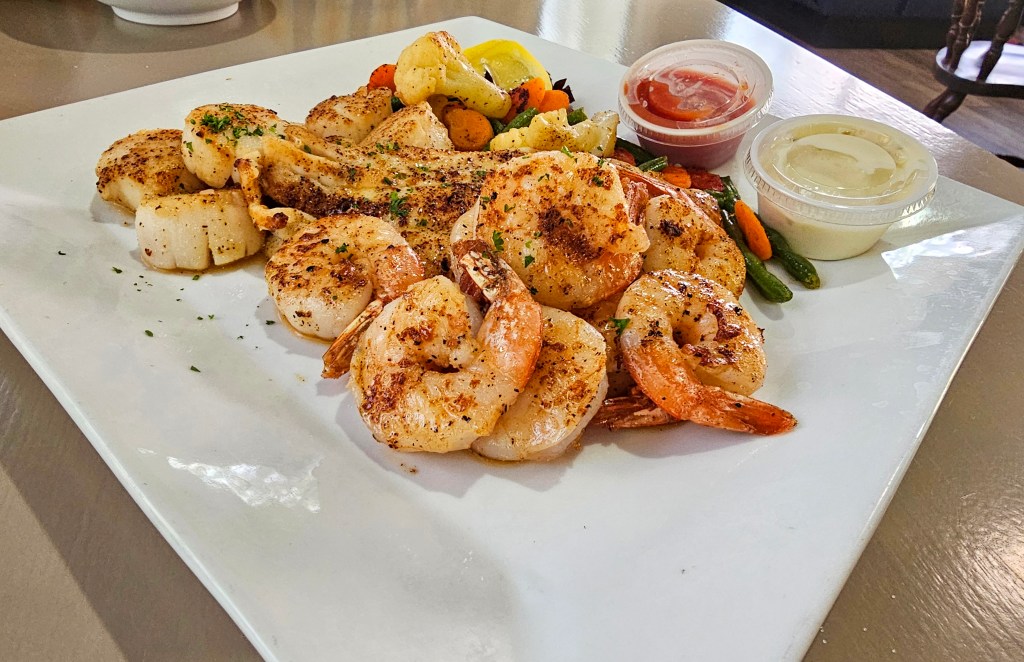
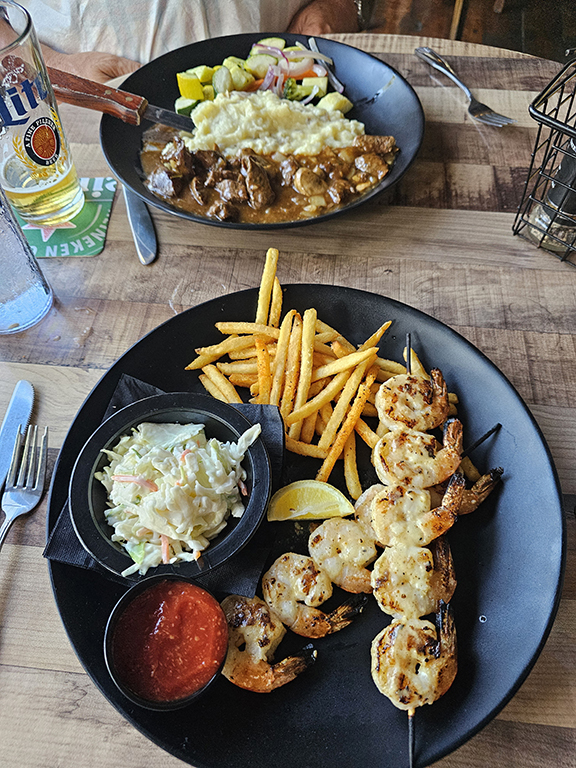
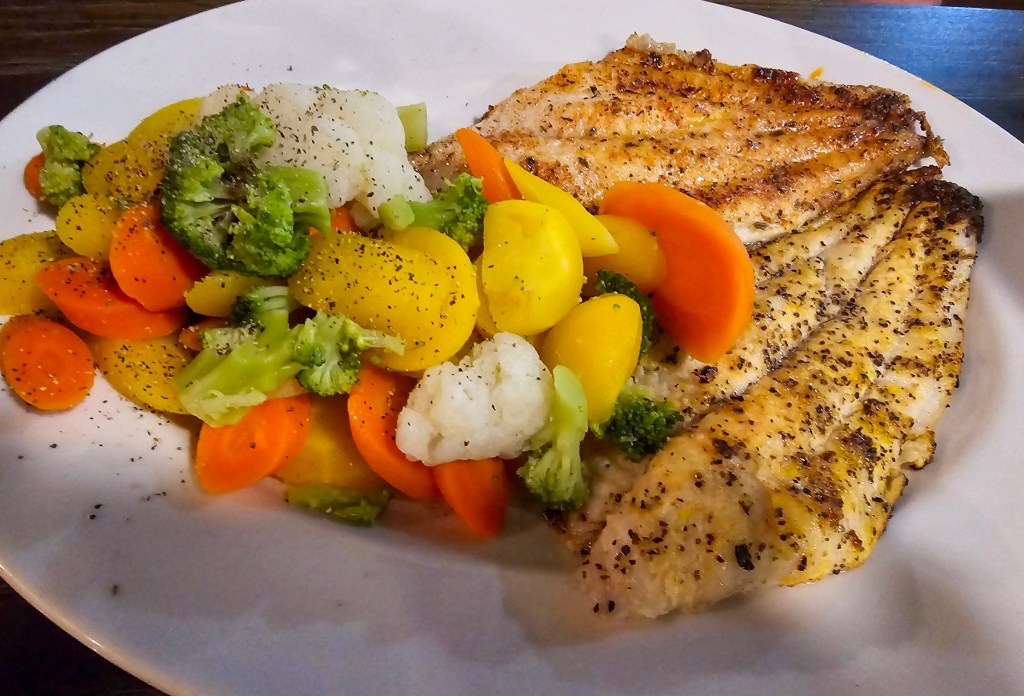
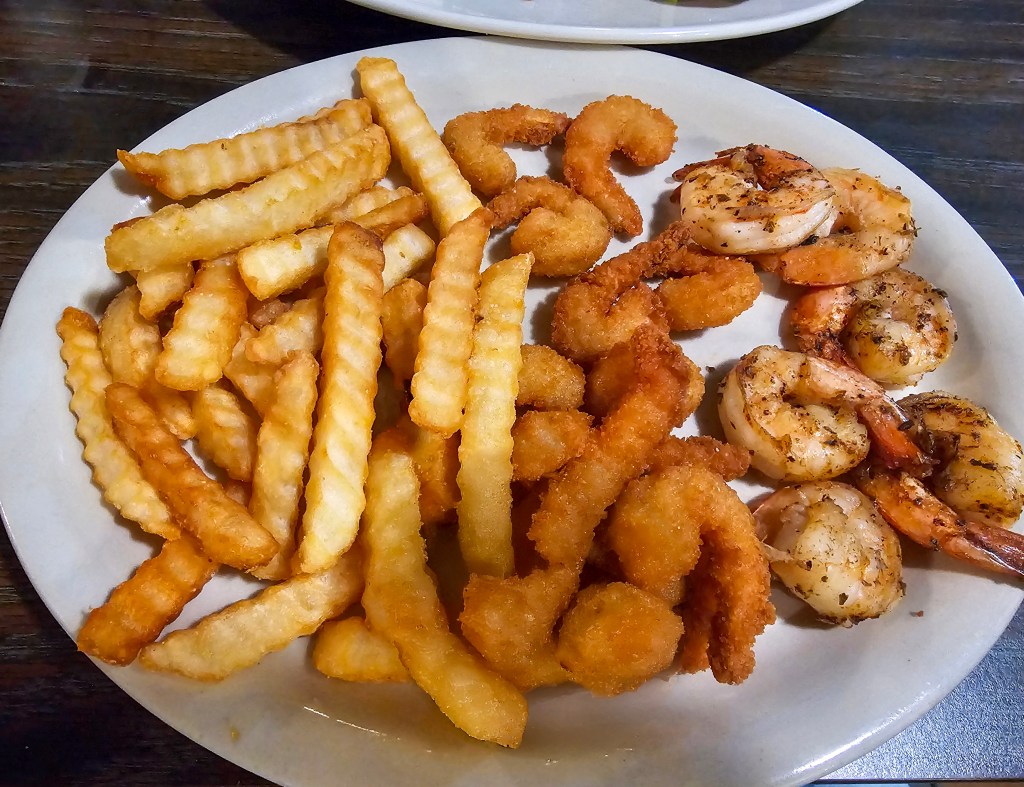
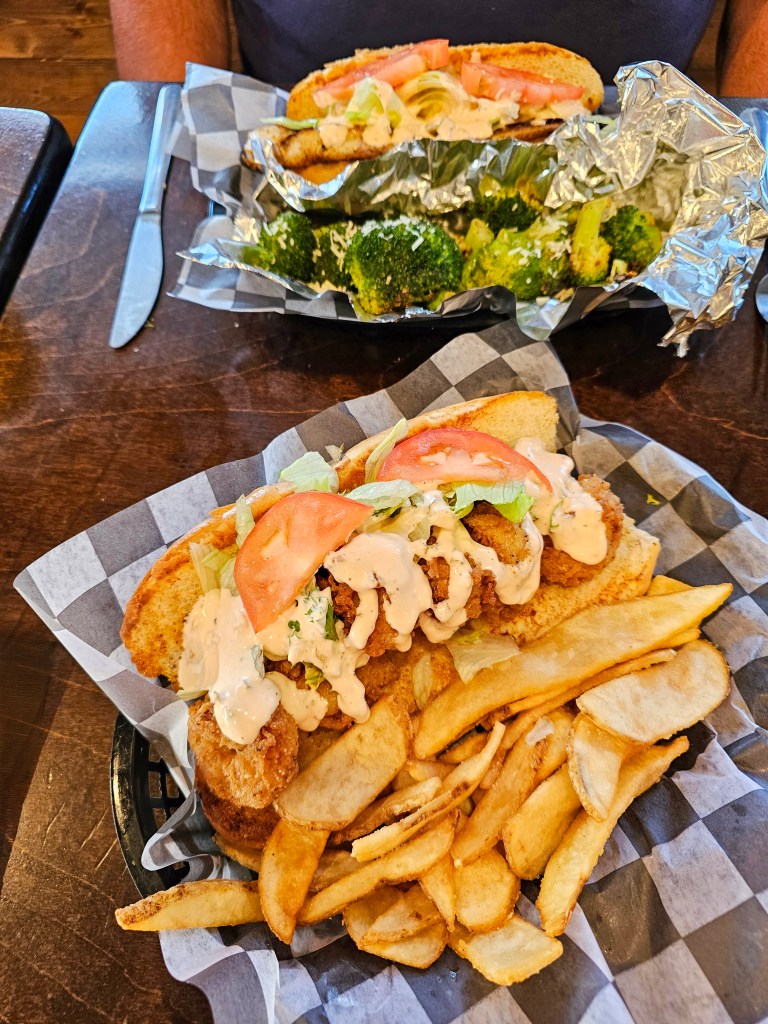
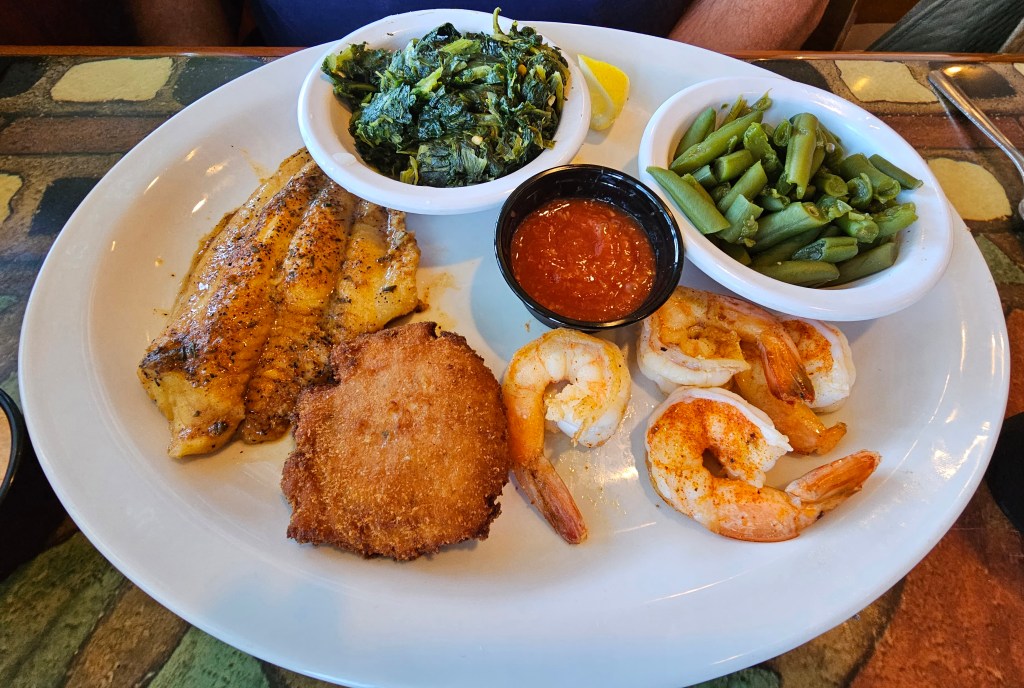
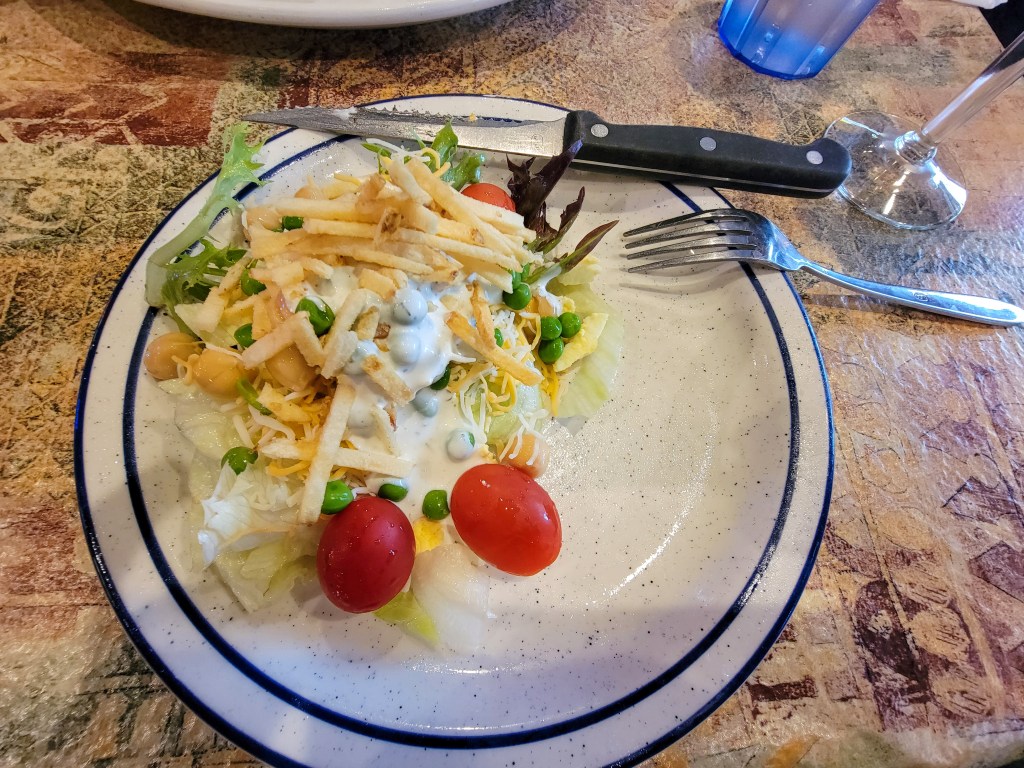
We continued on to Locals Dockside, a waterfront seafood restaurant.  We had a good meal with great service, perfectly cooked shrimp and fish, and piping hot fries.  The side salads were very fresh and extremely generous in size.

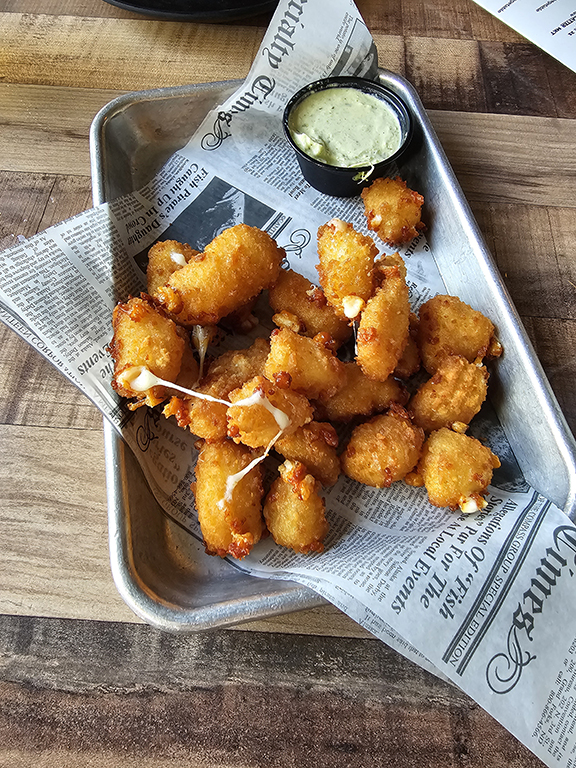
Cheese sticks at Locals Dockside
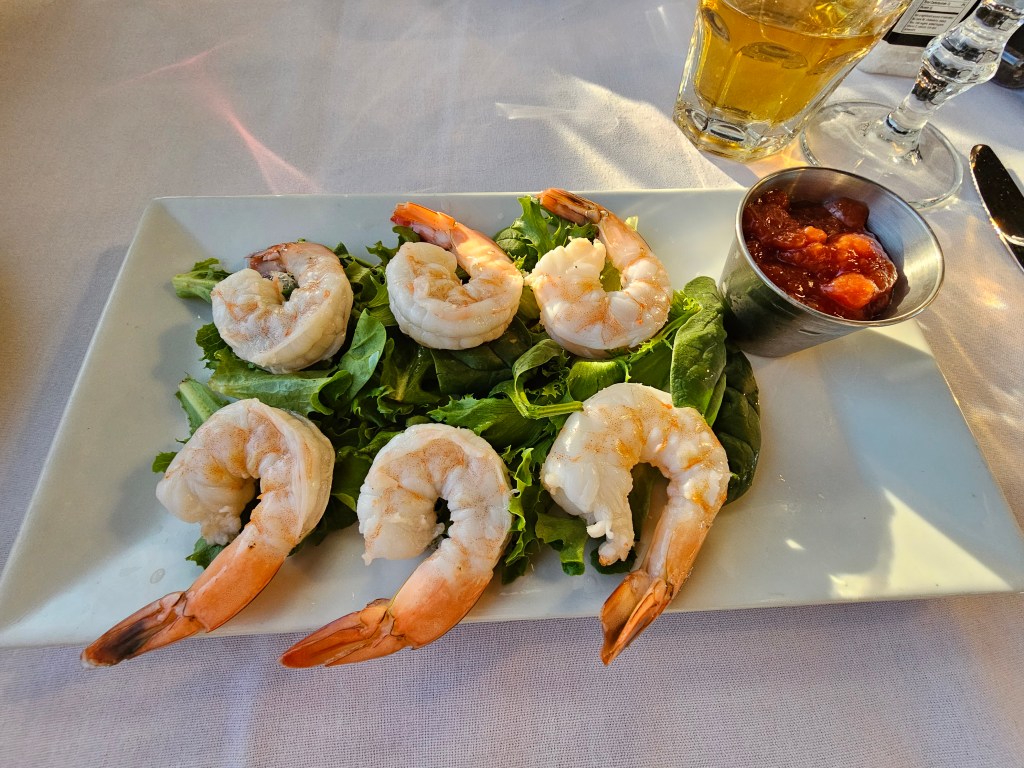
Grilled shrimp at Locals Dockside
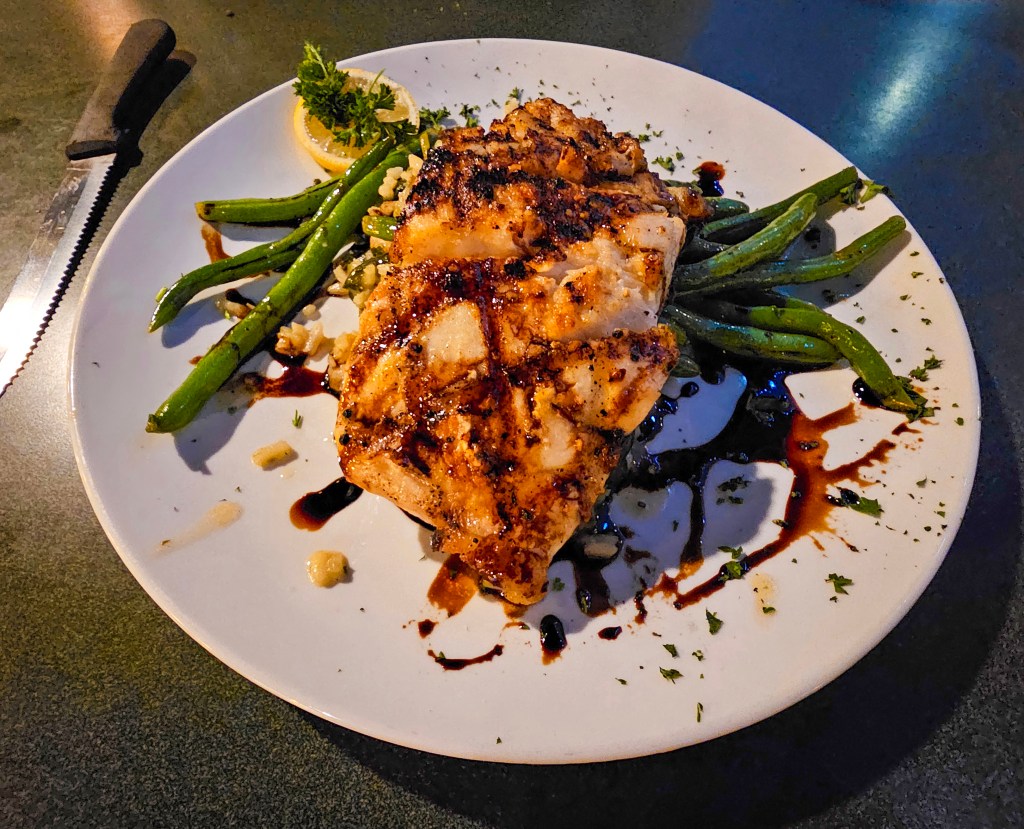
Grilled seafood and vegetables at Locals Dockside

After the sun was low enough on the horizon to not be shining in our eyes, we sat in the cockpit for an evening whiskey.  The Thermocell gadget was required, there were far too many no-see-ums!  It did work well, so we will certainly be buying refills and using it on our balcony in Hilton Head.

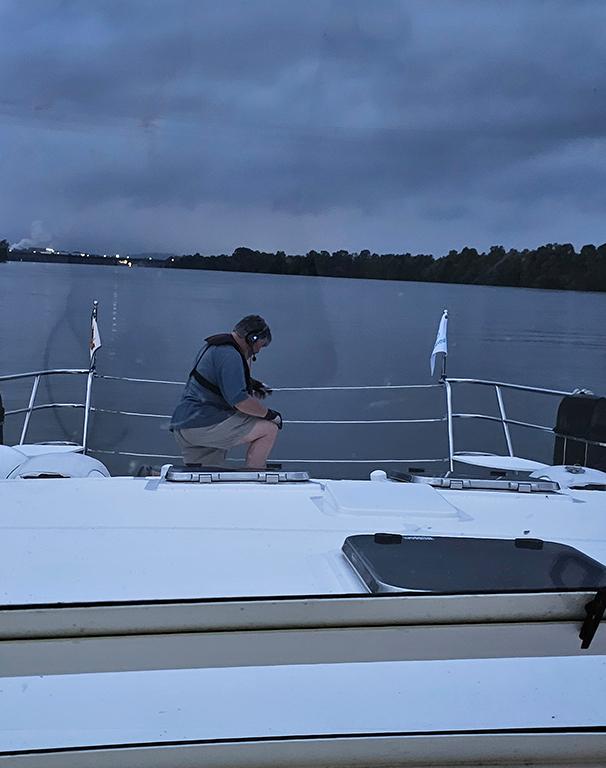
In the morning, the bugs were impossible, so I had to give up my usual peaceful coffee hour in the cockpit.  We wanted an early start anyway.  The previous day, another large (Looper) boat had arrived and docked behind us, so getting out of the marina was going to be tricky, and best done at slack tide. For our landlubbers, that is the time when the tide changes, so the currents are at their least strength.  We had about 10 feet in front of us for Dick to maneuver away from our berth.  Good help from the dockmaster and his helper was needed to keep the stern and the dinghy from running into the dock, but it all went very well and we looked like pros!

We listened to the Coast Guard calling boats near the Amelia Island Inlet.  There was a nuclear submarine about to enter the channel and make its way to Kings Bay Submarine Base.  Several small boats were not paying attention and required multiple calls.  When it became clear that the sub might be catching us up as we made our way past Cumberland Island, Dick speeded up so we didn’t have to heave to and wait, or possibly be asked to turn around.
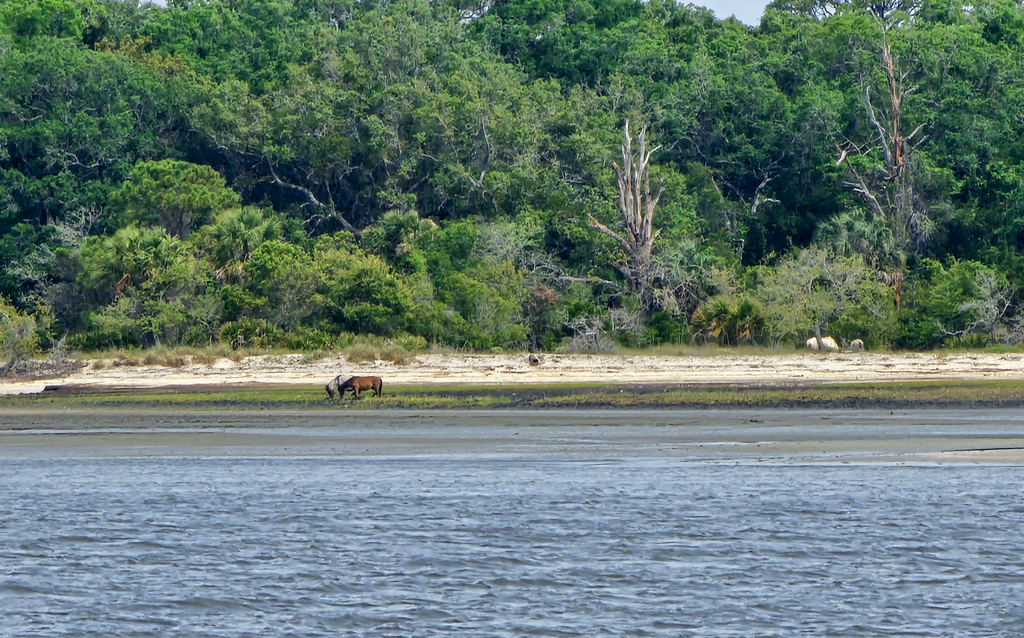
Wild horses on Cumberland Island

Kings Bay Submarine Base is the largest construction project ever undertaken by the United States Navy.  It was started in 1980, took 9 years to complete at a cost of $1.5 billion, and employs over 9000 people.  As we passed, a gunboat eased out and hovered with its bow (and gun) pointing at us.  Just making sure we were proceeding on our way and not getting any closer to the base.  I did NOT step out on deck to take pictures!

Kings Bay Naval Submarine Base

As we arrived in St Andrew Sound we had wind opposing tide, giving us a roll on the bow.  Dick cooperatively sped up for me.  It didn’t really help with the motion, but it meant that it was only a few minutes before it was time to make the turn up the sound and the waves were off the stern.  St Andrew Sound is one of several ugly inlets in this part of Georgia.  It is wide and shallow, and shoaling means that you have to zigzag across rather than taking a direct route.

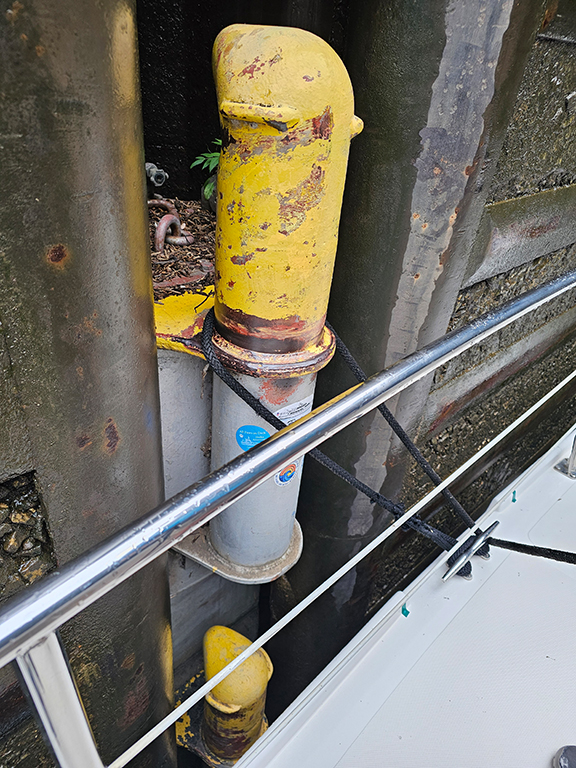
The channel that passes Jekyll Island is notoriously skinny, and we went through it at low tide.  This may have been a misjudgement! After passing the marina and the public dock, both with extremely shallow water, even bare mud, on the land side, we came into a particularly shoaled section of the channel.  Suddenly, Nine Lives was going uphill!  We were in the mud.  We were only slightly to the west of Bob’s Tracks, but for a few minutes it seemed as though we might run fully aground.  We gently pushed through the mud, and eventually it got slightly easier and we were back in the channel.
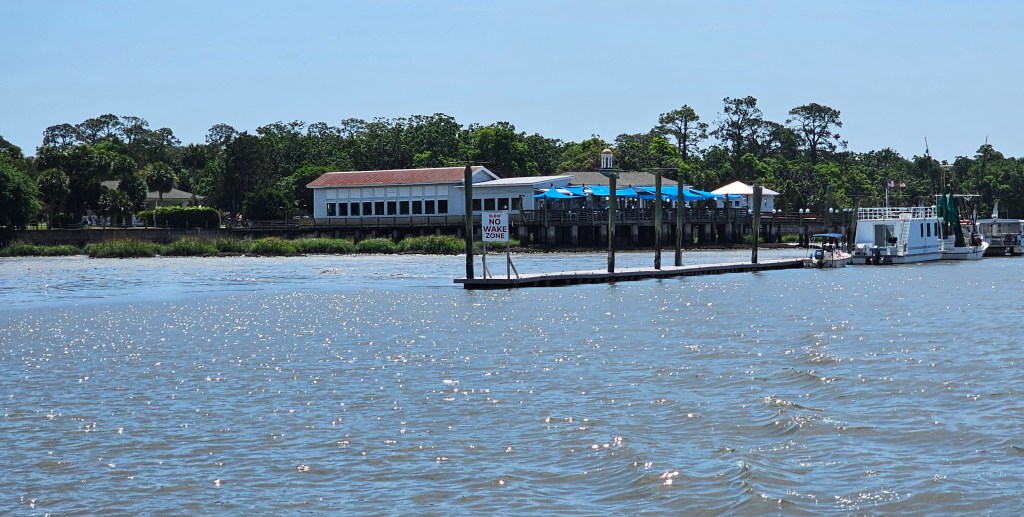
Shallow water in Jekyll Creek. The inside of the dock is mud with just a few inches of water!

Bob’s Tracks is an app you can download to your charts.  It is crowd-sourced, created by a number of boaters who travel back and forth along the ICW each year, and record their exact tracks.  These are then combined to produce a single best recommended routing.  Much of the time, the tracks are pretty much where the regular magenta line is, but it is in areas of continuous shoaling that it comes into its own.  When we last passed through this area, there was no such app to help us.  What’s more, we didn’t even have the contour features that are now part of Navionics on the chartplotter, nor did we have Aquamaps on our second, iPad-based charts.  It has taken us a bit of adjustment to work out how I can best convey where we need to be for Dick at the helm. Bob’s Tracks are on my iPad, not the chartplotter that Dick has in front of him.

Later, Dick read the Waterway Guide advice for the Jekyll Island Creek.  It says, “Do not go through Jekyll Creek at anything less than half tide rising.”  We did it at dead-low tide, which was also a foot lower than normal because of spring tides!  Might possibly have been a good idea to read that section before we arrived, rather than afterwards.

After that excitement, the rest of the journey to Brunswick went well and we docked without incident shortly after 1pm.  Our friend Bob arrived to welcome us, just as we were adjusting the lines, so we roped him into helping (pun intended)!  Later, we carried the makings of cheese and charcuterie across to their boat, because Asea is recovering from a mishap that resulted in a broken leg.  It was great to spend time with them again.  We always laugh a lot when we are together!
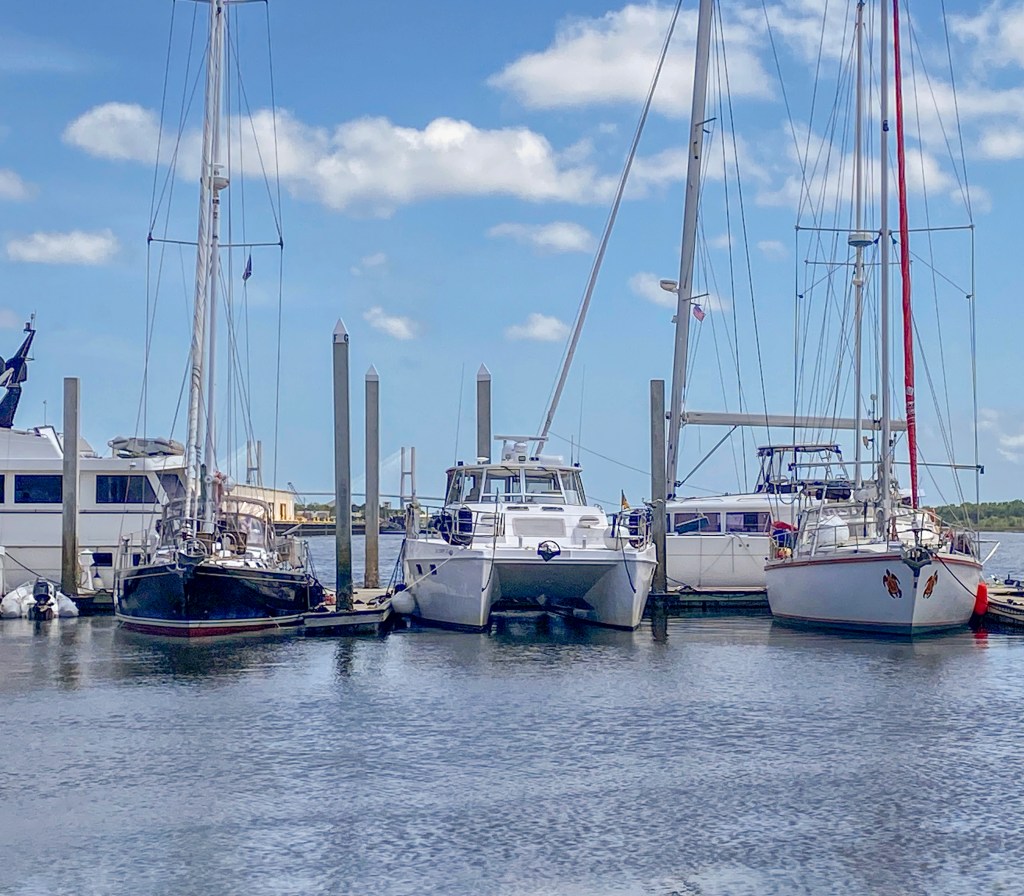
Nine Lives in the marina in Brunswick

The next morning, Dick visited the farmers’ market, and then explored the town.  The no-see-ums were impossible, so I stayed below and did some work on the blog and photoshop.  This is not a good time of year to be living “outdoors” in the Low Country.  When we are at home in Hilton Head in late spring, we stay inside.

Brunswick is a city with a somewhat checkered history. It was very prosperous in the mid to late 1800’s.  During the mid-20th century some of the beautiful old buildings that remained from earlier, more prosperous times, were allowed to become derelict and were pulled down and replaced with mid-century modern establishments.  The 14 fine leafy garden squares had nobody to save them, and roads were built through the middle of some of the ones that remained. Only 2 of the squares today retain their original size and shape.

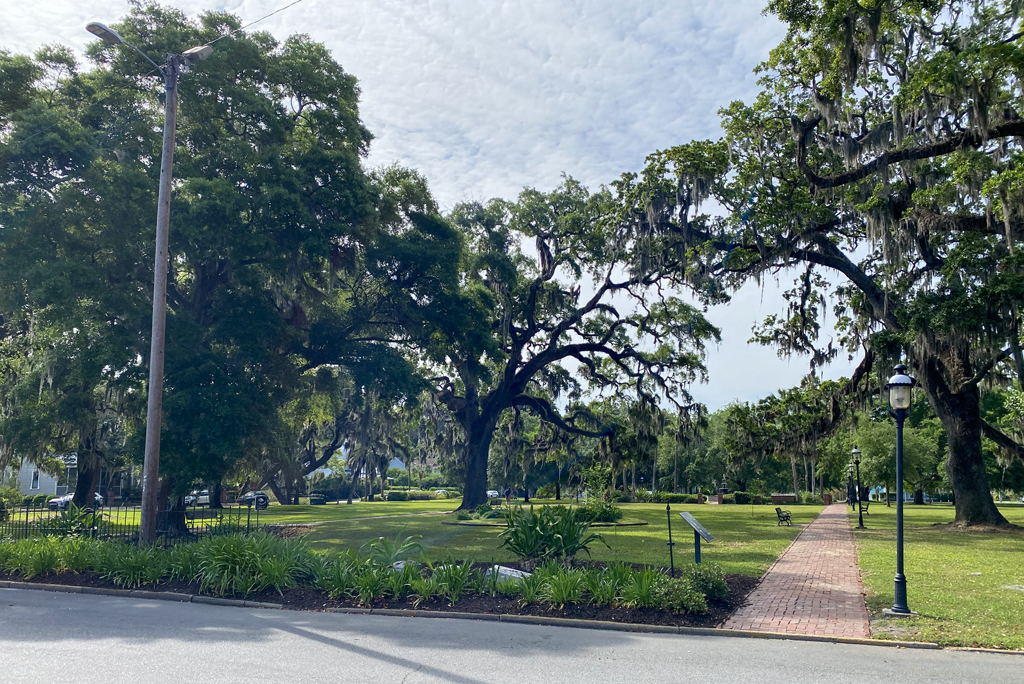
Brunswick downtown shops
One of the remaining squares in Brunswick
Former City Hall in Brunswick
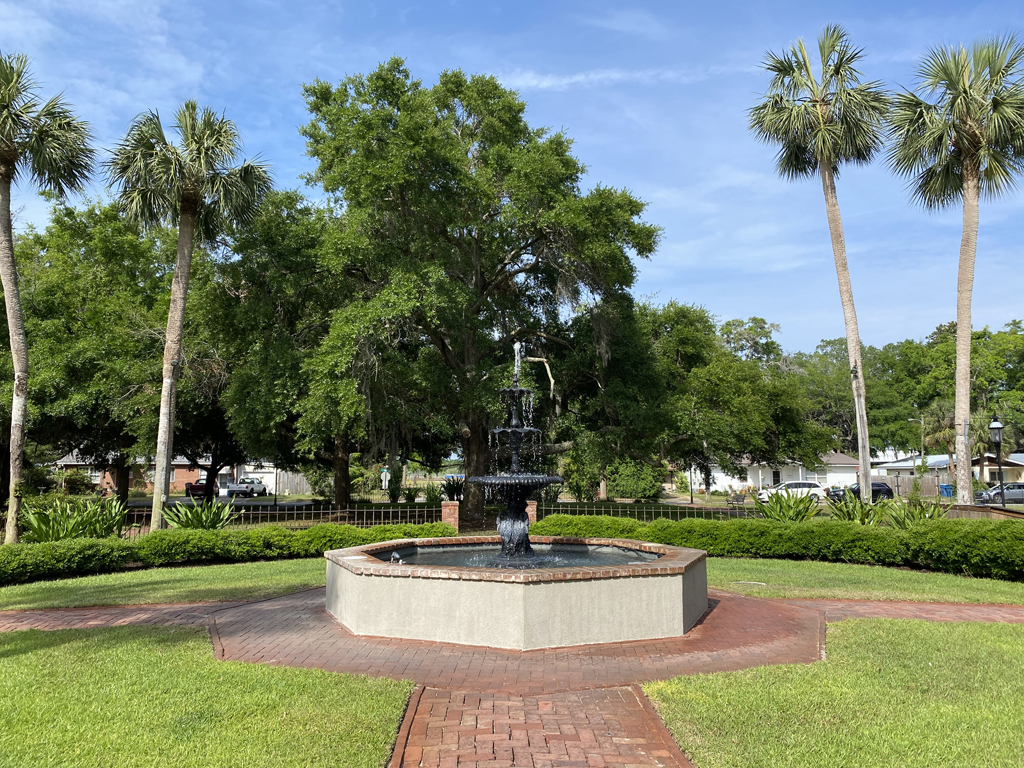
Hanover Square fountain
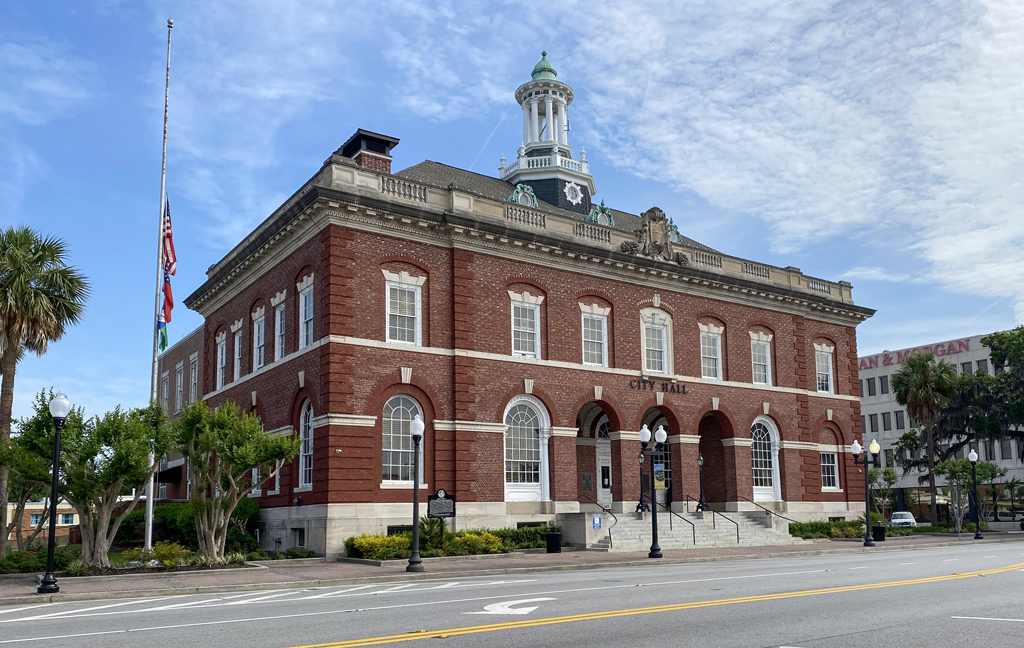
City Hall, Brunswick
Ritz Theatre
Another of Brunswick’s lovely squares
Mary Ross Waterfront Park

During WWII the Liberty Ships were built in Brunswick.  There were steel hulled ships, 447 feet long, weighing 3500 tons.  They served as cargo vessels and troop carriers.  99 were built for the U.S. Merchant Marines with the shipyard producing about 4 per month.  In 1944, the Navy asked for 6 ships to be built, and the shipyard managed to build 7 of the vital ships in a single month. 
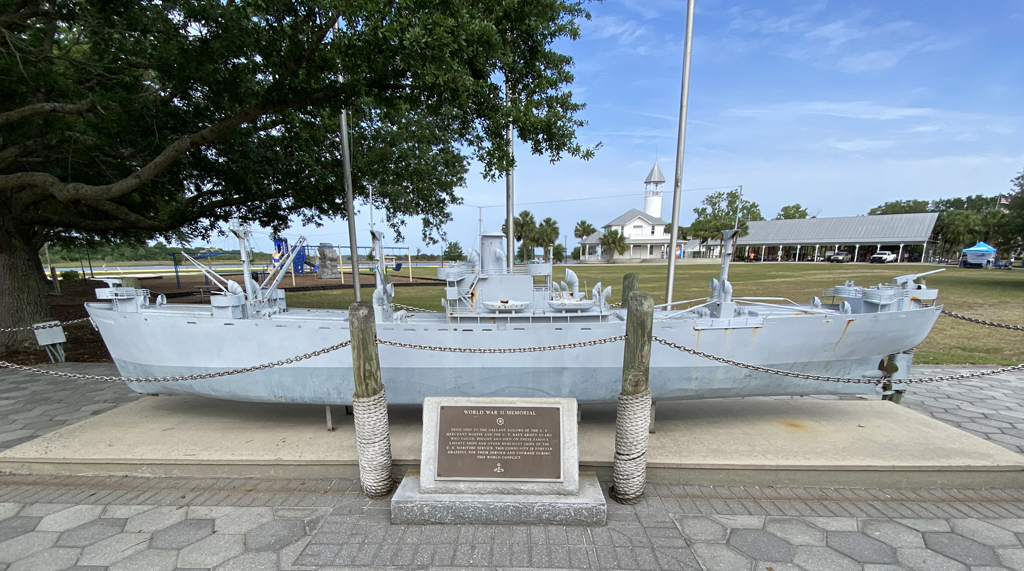
Replica Liberty Ship

Both Virginia and Georgia claim to have developed Brunswick Stew.  It is traditionally a tomato-based stew with beans, vegetables, and originally small game meat such as squirrel or rabbit.  Today it is usually made with chicken.  Georgia’s claim includes the original stew pot!  One story says that the stew was invented by a group of hunters.  One man was left to look after the camp and make dinner.  He was lazy, and simply threw all the ingredients into one pot.  When the hunters returned, cold, and tired, a delicious stew was ready for them.
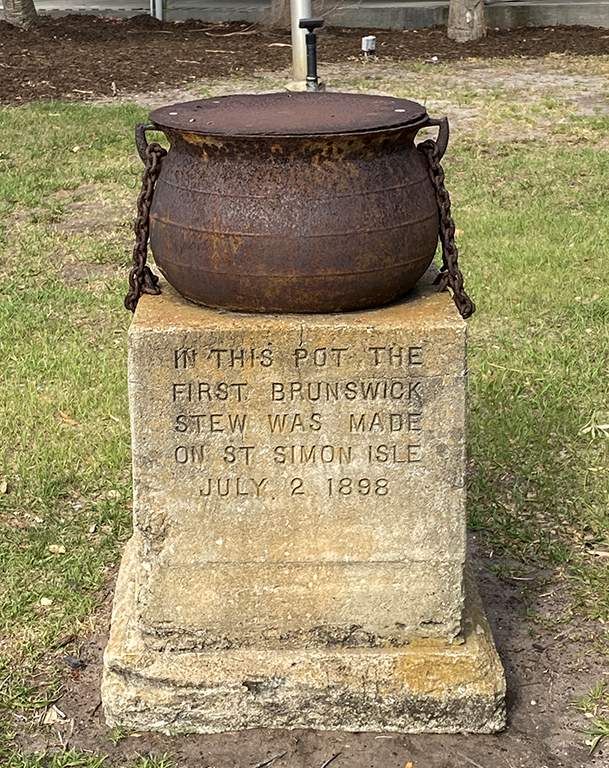
The first Brunswick Stew

Today, Brunswick is a major seaport, one of two in Georgia, and its economy is mainly based on tourism and logistics.  In the afternoon we walked into town to have a look around.  There are a surprising number of restaurants, and it seems to be something of an antiques destination.  Karen drove over from St Simons and joined us with Asea and Bob for dinner at Reid’s Apothecary.  It was a great evening with good food and congenial company.

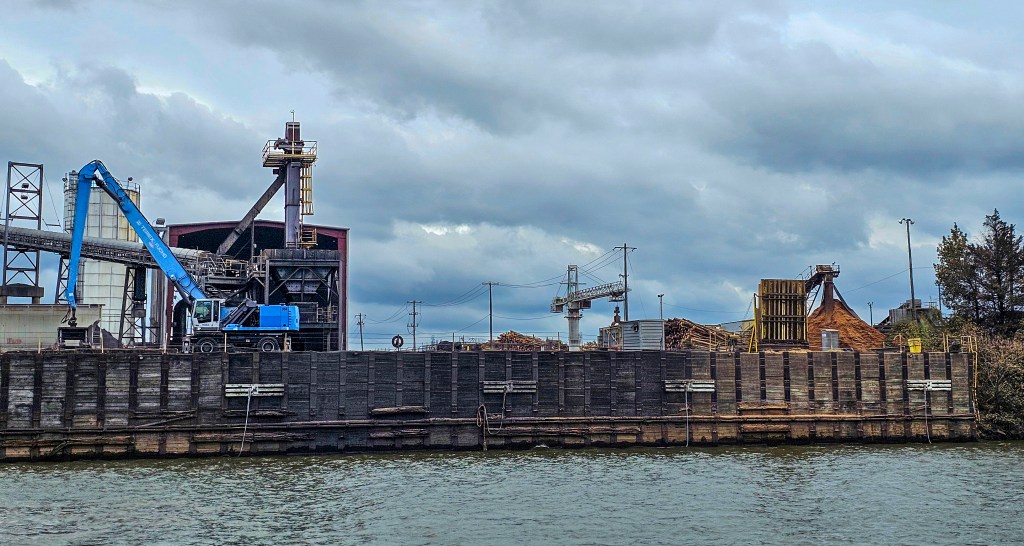
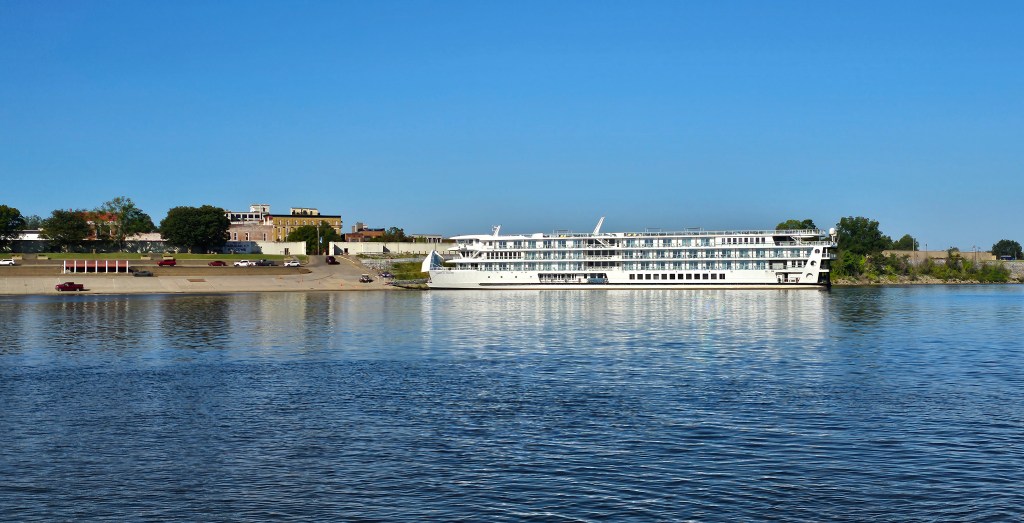
America Liberty, a 100-passenger cruise ship, was docked downtown.  We saw her again later, passing us on the ICW when we were docked in Isle of Hope.  As we approached the Highway 17 bridge, we could see the casino boat.  Also, there were 3 car carriers docked in the South Brunswick River.  It’s a busy port.

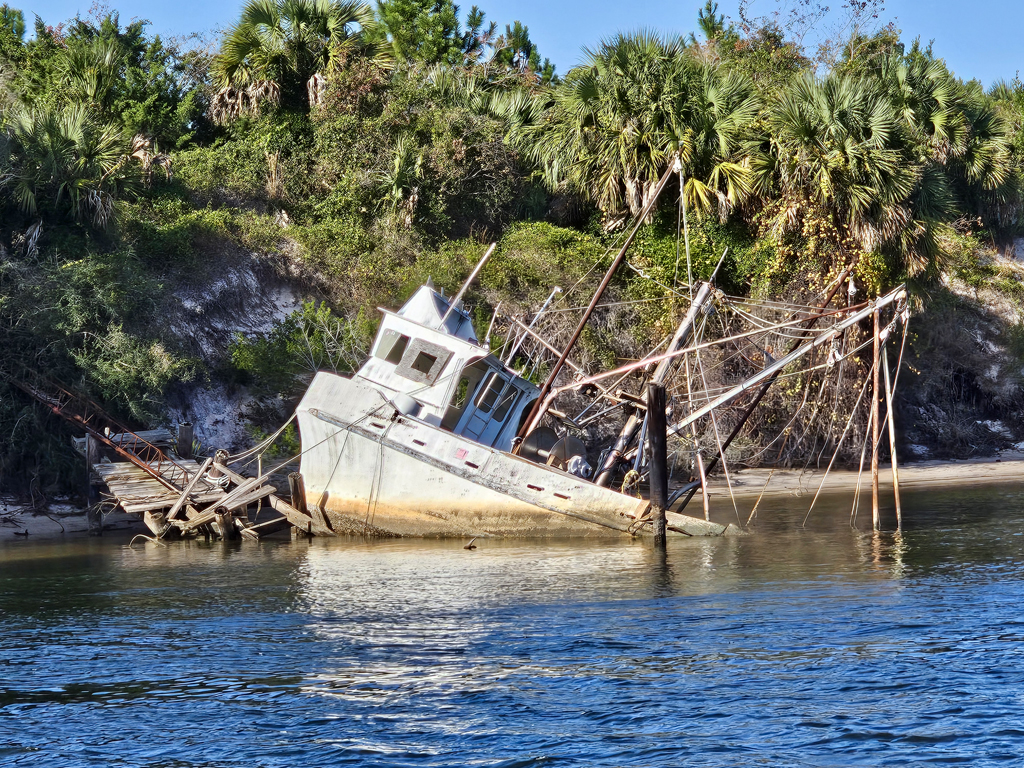
A barge collecting debris including derelict boats
Car carriers in the port
Highway 17 bridge. We have see this from I-95, many times!

It was a long day, initially boring, but with areas of extreme shoaling where we had to pay close attention to the hazard warnings on the charts and follow Bob’s Tracks meticulously.  In the charmingly named Old Teakettle Creek, we passed some markers that were high and dry with the spring low tide.
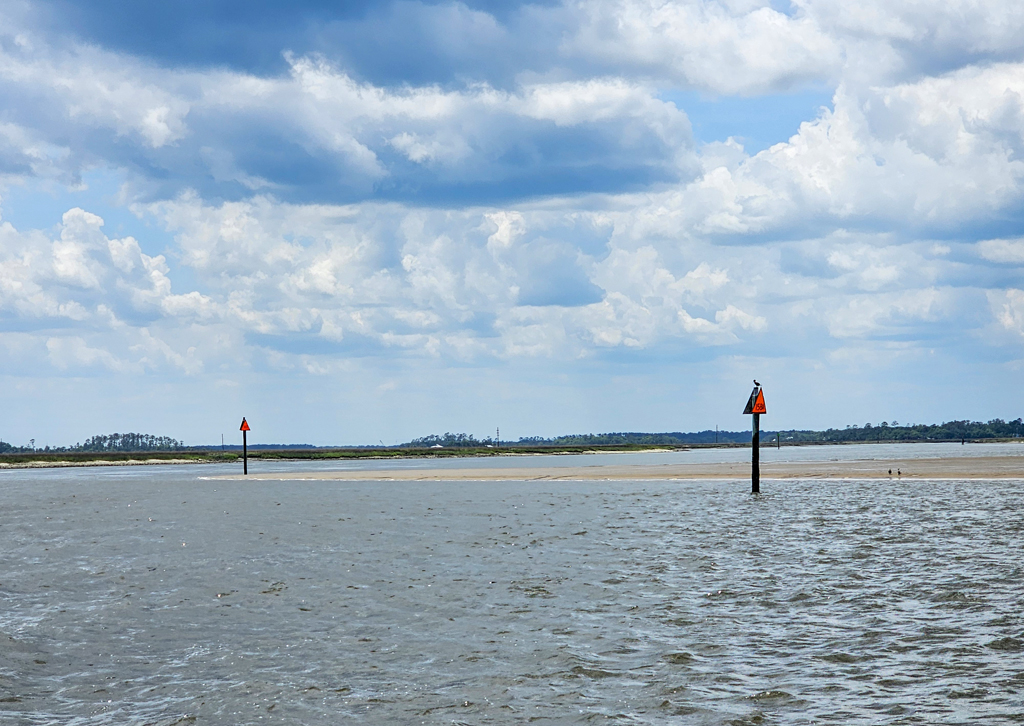
Markers high and dry on the ICW north of Brunswick

As we turned into Sapelo Sound, we could see whitecaps, so Dick decided to run fast until we were back into South Newport River.  It was like stepping through a door – one minute it was very calm and very hot, and then we were in strong winds and cloudy skies to make me shiver.  It even rained a little.  Not enough, we decided, to need the windows rolling down.  In hindsight, we should have rolled them down and swapped out the screen doors!  As we entered St Catherine’s Sound, the waves got higher, and soon we were plunging up and down, and spray was coming over the bow like a giant green wave.  Salt water came right over the cockpit and washed over me and everything on the starboard side of Nine Lives.  Naturally, Dick was completely dry.  As the huge waves crashed over the bow, Nine Lives slammed down into the troughs.  Dick had already speeded up, and it helped somewhat, until it didn’t, and he had to slow down to keep control.  Some waves threw us sideways.  Fortunately, that part of the trip, although scary, nasty and wet, was short, and even as we made the turn into the Medway River, the waves were never quite broadside.  As we made our way up the river, the waters gradually calmed, and we heaved a sigh of relief.  This was probably our worst experience with waves, surpassing even our awful memories of the Neuse River from 2017.  Our no-go criteria is 2-foot waves and 15 mph winds.  This was 4-to-5-foot waves, and 20 to25 mph winds.

The excitement was not over.  We were nearing the part of the river where we were to turn off, cruising in the centre of the channel as is prudent, with both charts showing 27 feet of depth. I looked over at the depth sounder, and said to Dick, “That’s odd.”  That is one of the worst things you want to hear on a boat.  The depth sounder was showing just 6 feet under us.  Suddenly, we came to a juddering halt.  Aground.  Dick was right on it, and immediately put the engines into neutral.  We were lucky, the high winds, and waves coming from behind, lifted us and we floated free.  We can only conclude that the shoal marked on the charts has encroached far into the channel since the last time the Army Corps of Engineers passed this way.

After that, we were happy to have an easy docking with good help and the wind blowing us onto, rather than off, the dock.  Once we were in, we could see the mess our adventure had made.  Fortunately, we have good discipline and keep the cupboards latched, so nothing had fallen out inside the boat.  The salt water that drenched the starboard side of Nine Lives came through the screens, which were quite dirty after weeks of travel.  All of that dirt, plus the salt, was deposited on the windowsills, cushions, and even onto the back door, right up to the ceiling!
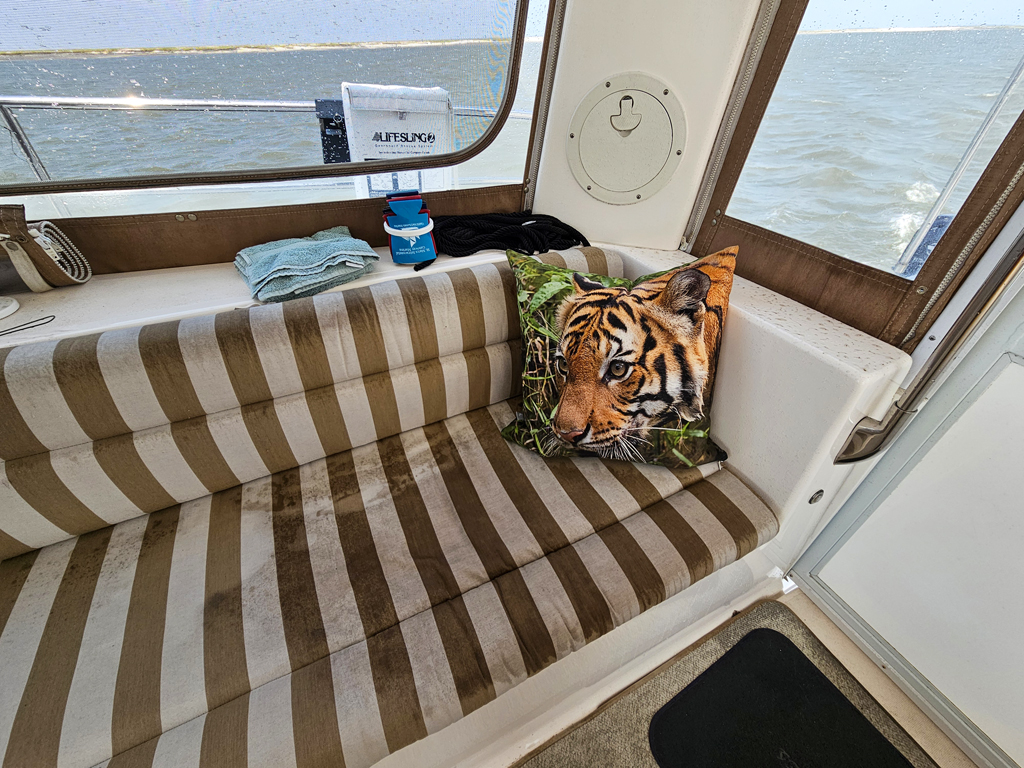
Salt water through the screens made everything filthy!

We ate at the rustic Sunbury Crab Company.  We had been there once before (by car), so we knew that the food would be good.  Great service, and a very chatty owner, made for a pleasant evening.

Sunbury Crab Company
Sunbury Crab Company marina
Commercial boats docked at Sunbury Crab Company
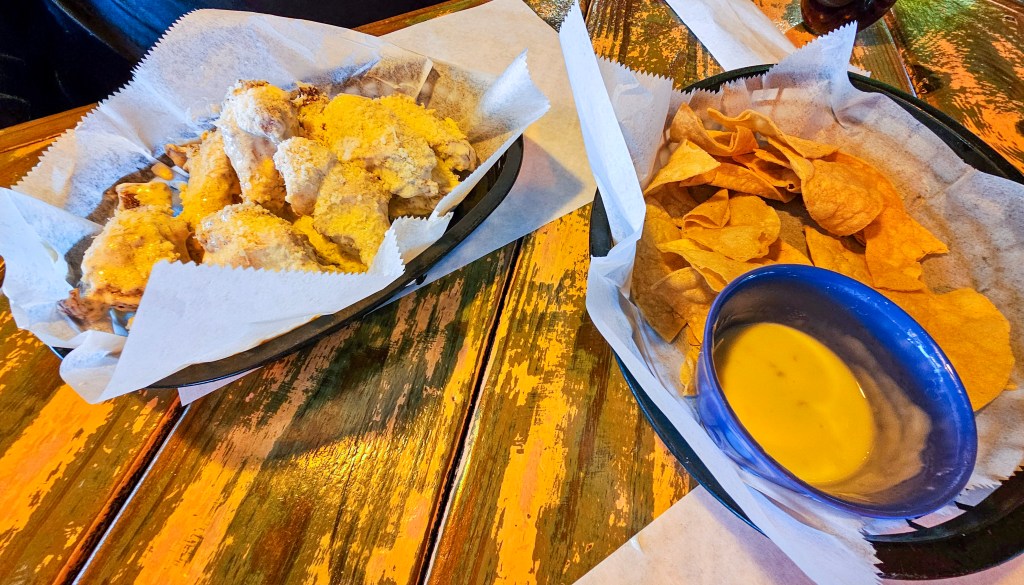
Queso and chicken wings at Sunbury Crab Company
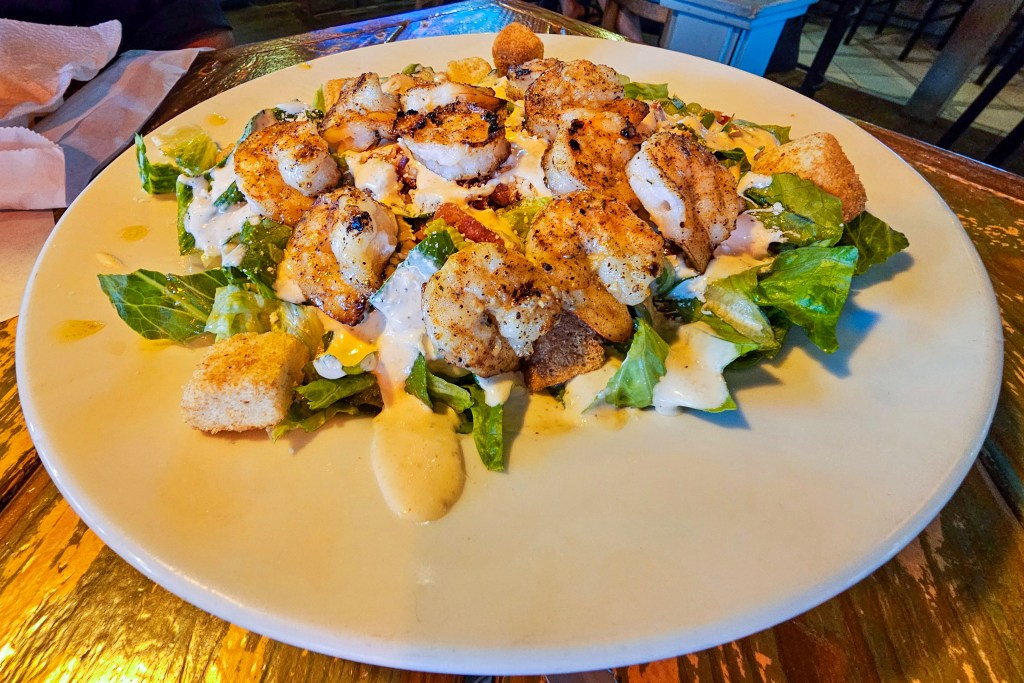
Caesar salad with grilled shrimp

There were heavy thunderstorms during the night, so everything was soaked in the morning.  The side of the boat that faced the dock was coated with an amazing variety of insects.  We debated whether the forecasted rain and wind was such that we should stay put for another day, but the next day was going to be even worse, albeit sunny.  The no-see-ums buzzed around us as we untied and got underway.  We timed our departure so that it would be slack tide when we got to St Catherine’s Sound.  The plan worked, and the waves were not as bad as the previous afternoon.  The period was also shorter, that is, the waves were closer together, so Nine Lives was not riding up and slamming down as she had the day before.

The next challenge was Ossabaw Sound, which is in two parts, joined by a channel called Hell Gate (really, even on the charts!)  This is extremely narrow and shallow, and subject to wind tides.  That means that a sustained wind can actually blow the water out of the channel.  Fortunately, the wind was in the “right” direction, and we were still only a little after high tide, so the passage, much dreaded by Loopers, was uneventful.  Once through Ossabaw Sound, the rest of the journey was pleasant and smooth, just the way we like it!  We arrived at Isle of Hope Marina, our last stop on our Loop voyages, by 1pm.

There are incredible numbers and variety of bugs in this part of the world.  Not only no-see-ums, which are as tiny and sneaky as the name implies, but also the large greenflies that give a very painful bite.  Annoying, but fortunately not biting, are strange long-legged spider-like things, and of all the unexpected pests to find on a boat, grasshoppers!

The heat and the bugs kept us inside for most of the day on Isle of Hope, but we ventured out in the marina courtesy car to stock up on beer and to have a late lunch.  The Driftaway Café has earned TripAdvisor’s highest accolades, and the food was certainly very good.  The venue was decorated throughout by sea creatures painted on the walls and ceilings, and quirky tchotchkes.  There were plants everywhere, and the decks and garden were lined with an amazing number of small pots with colourful flowers.  Cleo, the customer support feline was dozing on one of the outside tables, waiting with the menu to greet the next diners.
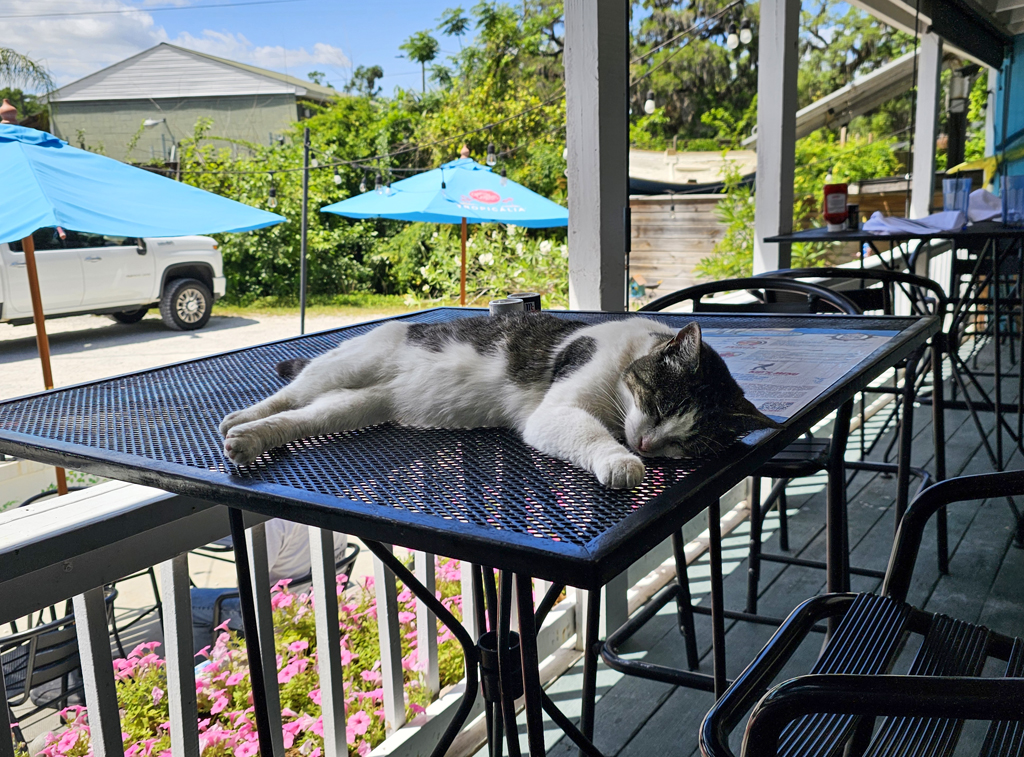
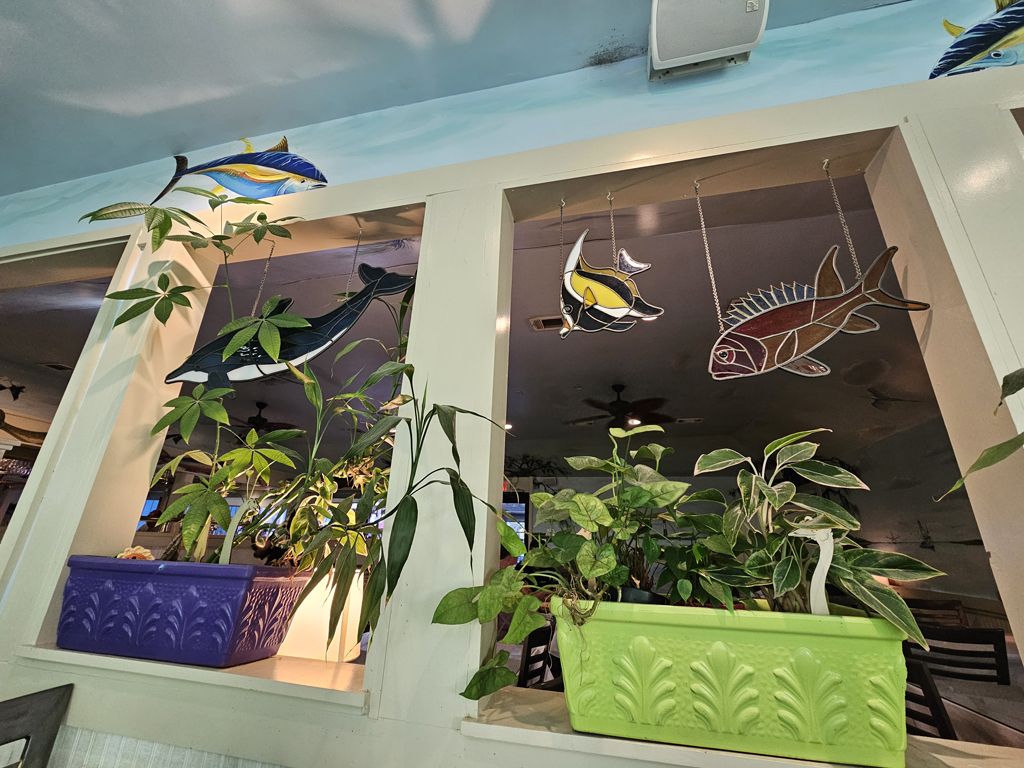
Driftaway Cafe Customer Support Feline, Isle of Hope
Colourful interior of Driftaway Cafe
The terrace at Driftaway Cafe
Garden steps at Driftaway Cafe

The bugs were awful in the evening and first thing in the morning.  We headed out at 9am for the final leg of our 8-year voyage.
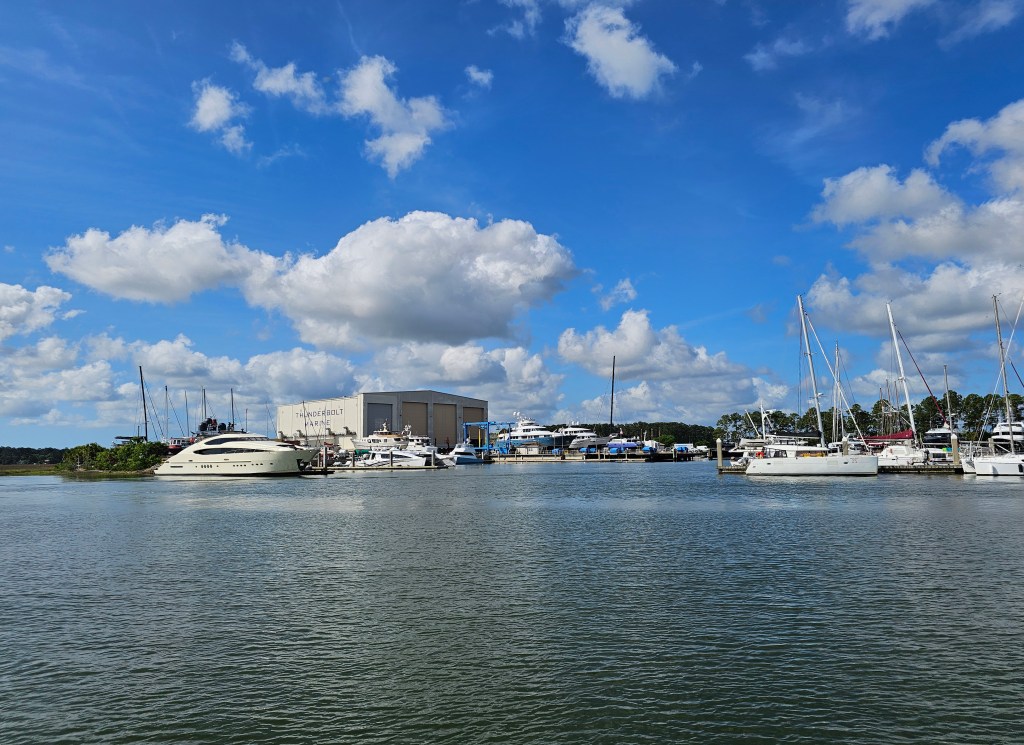
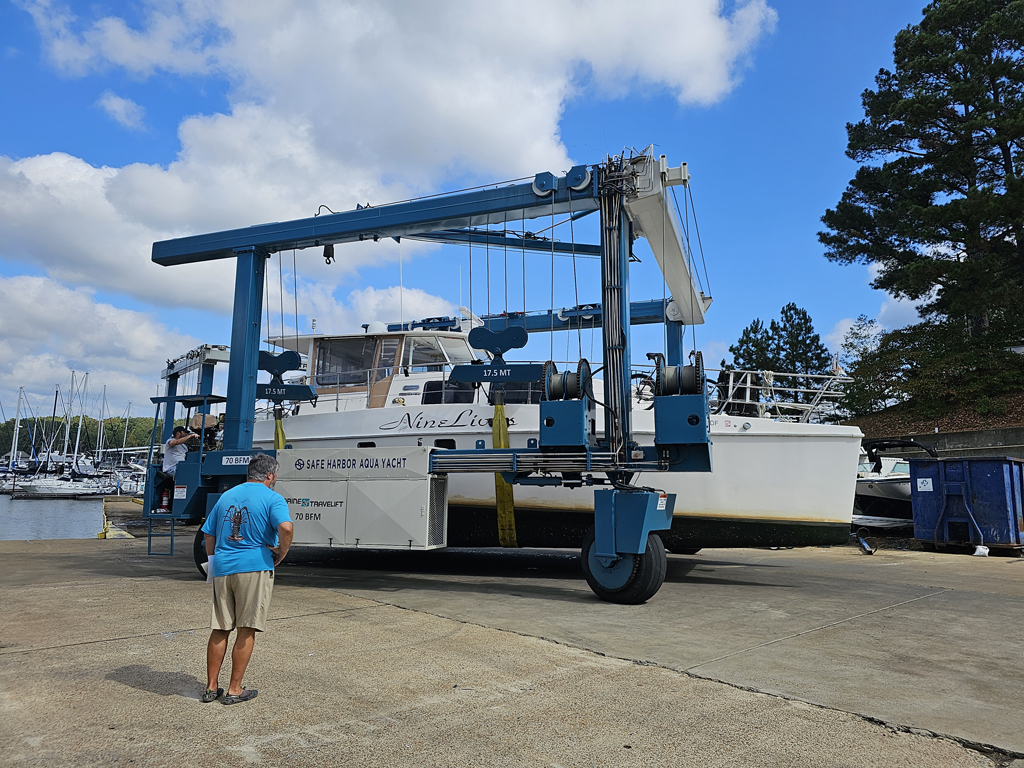
We passed Thunderbolt Marina. Nine Lives will come here for new bottom paint and when a new buyer asks for a survey.

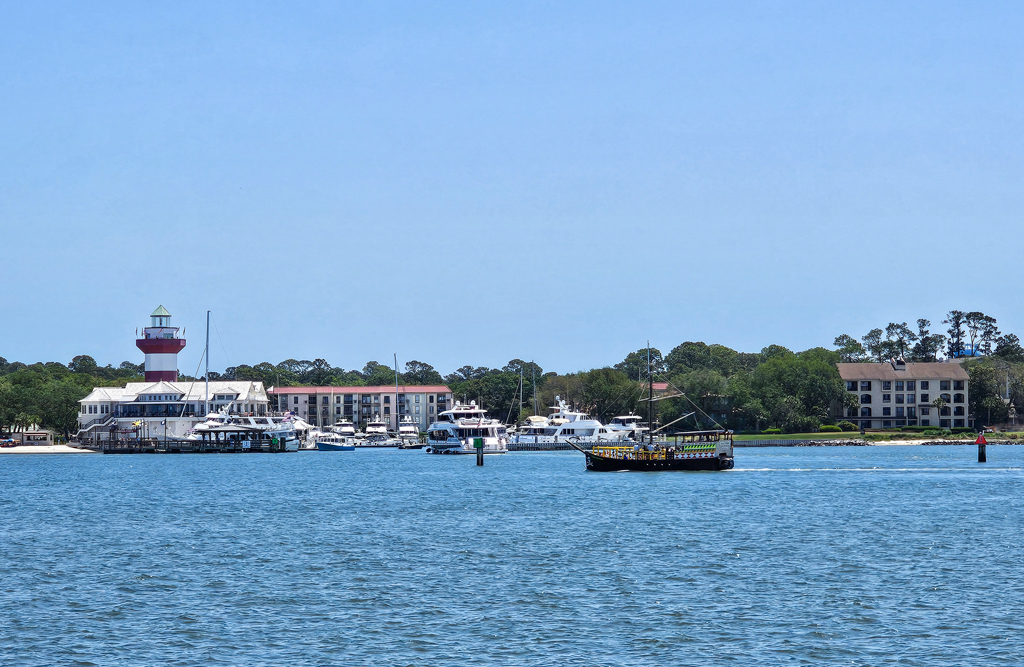
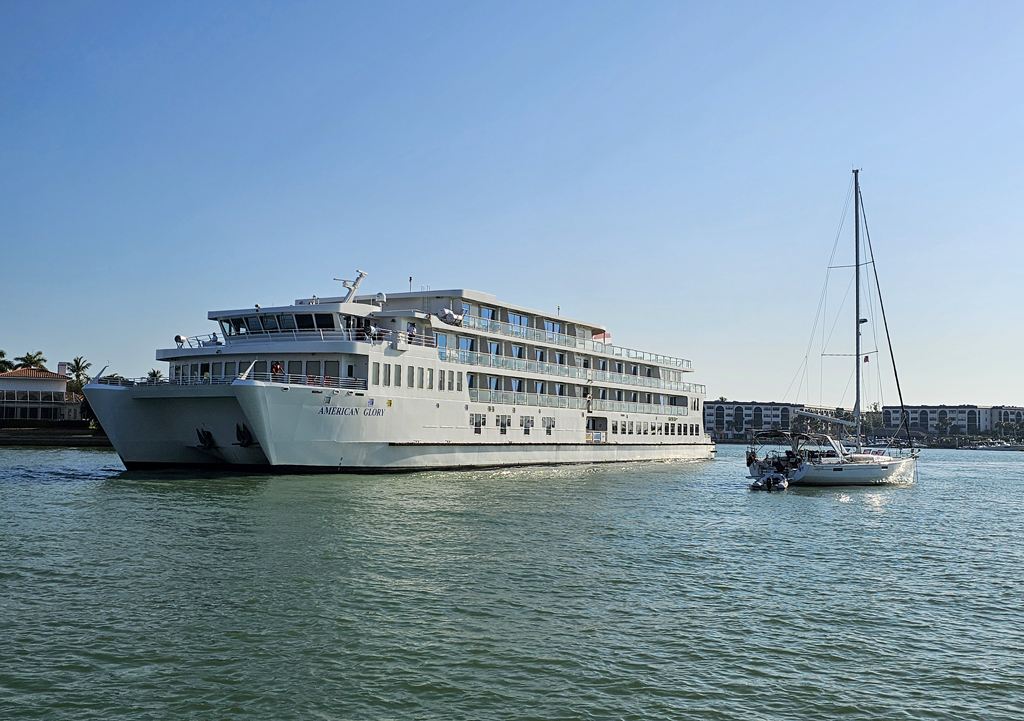
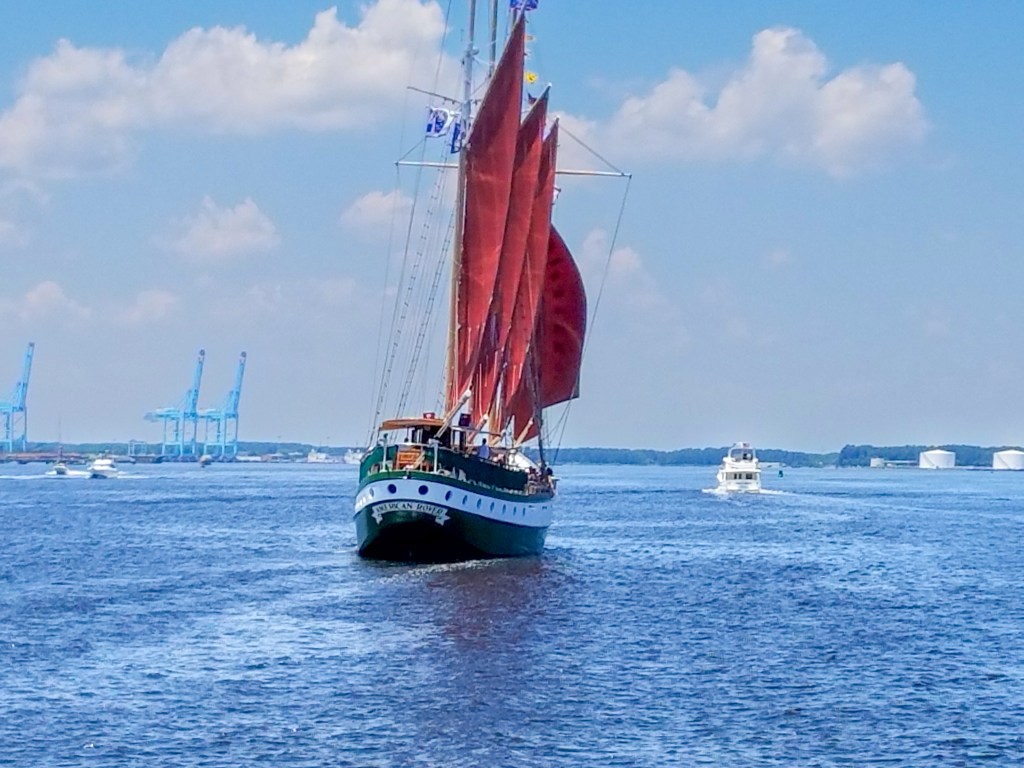
Crossing the busy ship channel of the Savannah River and going through the shallow Fields Cut were uneventful.  We followed a gorgeous 100-ft yacht.  Her name was the engaging, and slightly disrespectful Waddle We Do.  As we came into Calibogue Sound we were surprised to see not one, but two cruise ships anchored off Harbour Town.  One of them was American Liberty, who we first saw in Brunswick and again when she passed Isle of Hope.  The other was American Eagle.  Both are 100-passenger coastal cruising ships.

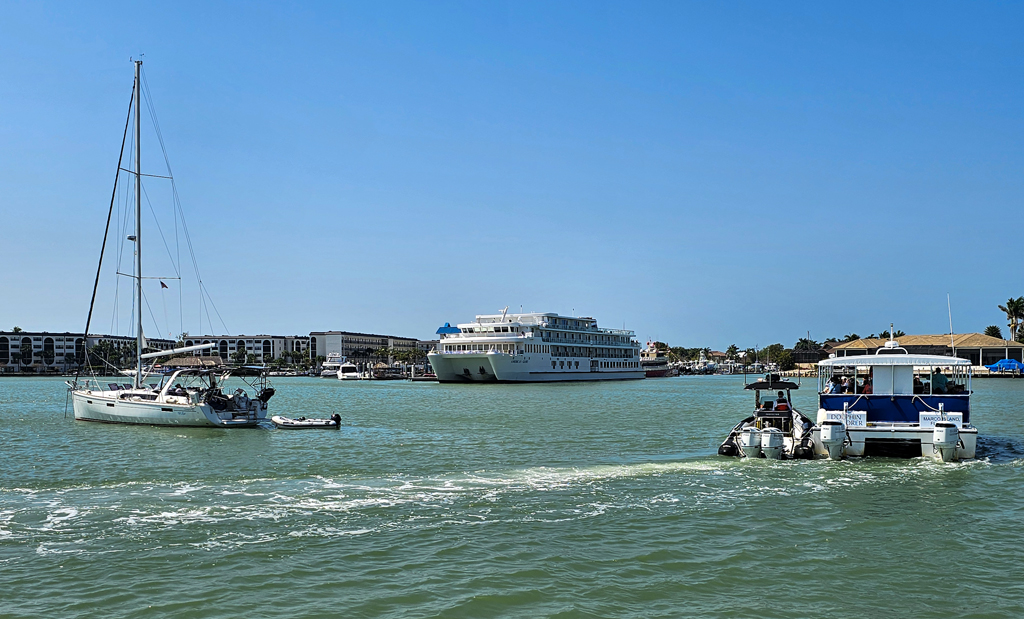
American Liberty anchored off Harbour Town, Hilton Head
Busy Harbour Town, Hilton Head
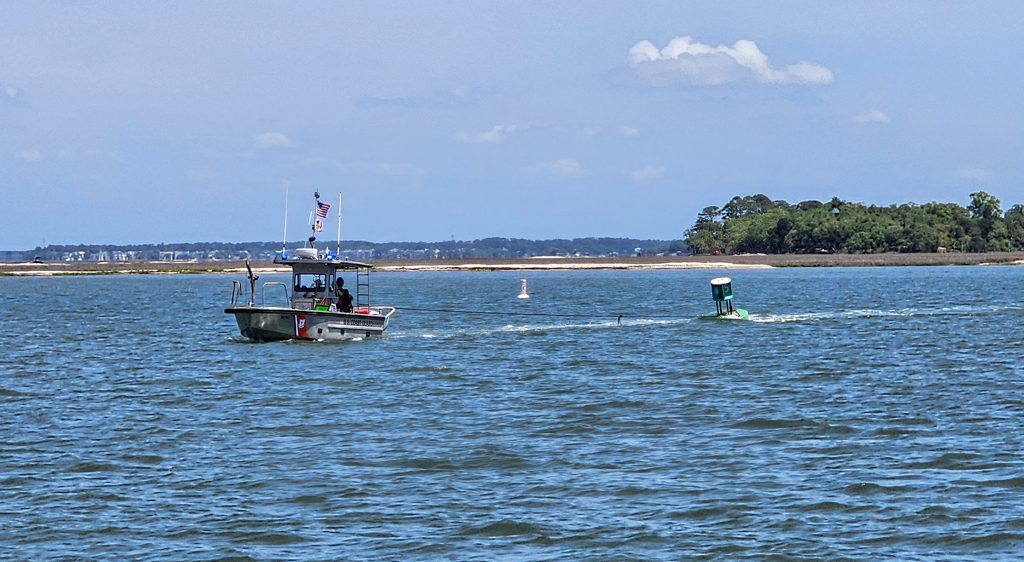
We have never seen a Coast Guard boat towing an ATON before!

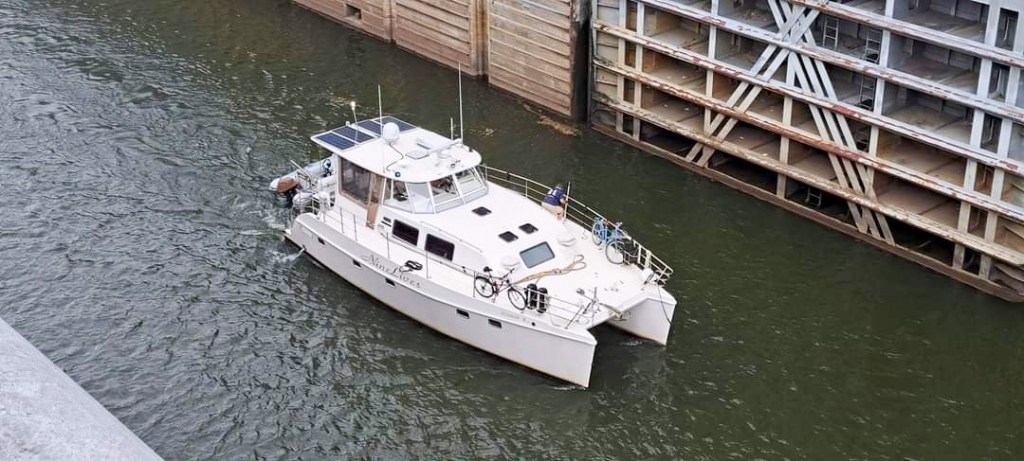
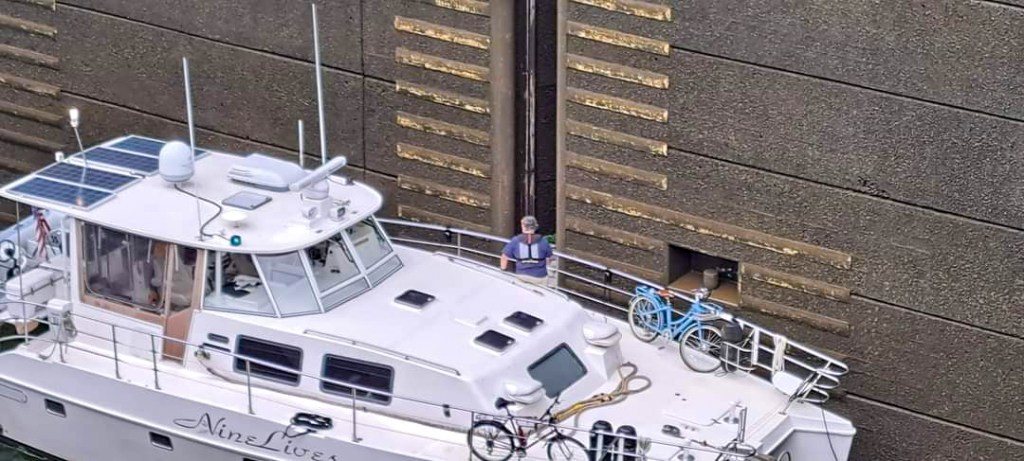
We arrived at the lock at Wexford, where we departed from in April 2018.  Somehow the channel leading to the lock seemed narrower!  Once in the lock, with only inches to spare on each side, Nine Lives looked huge!  We were soon tied up on the guest dock, and had time to relax and watch the construction.  Wexford is building a new, much larger harbour building and is also doing a major renovation to the clubhouse.
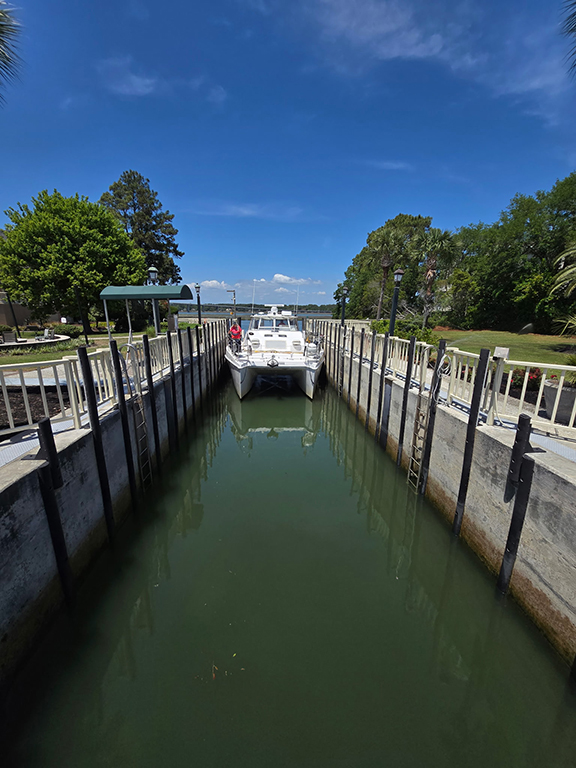
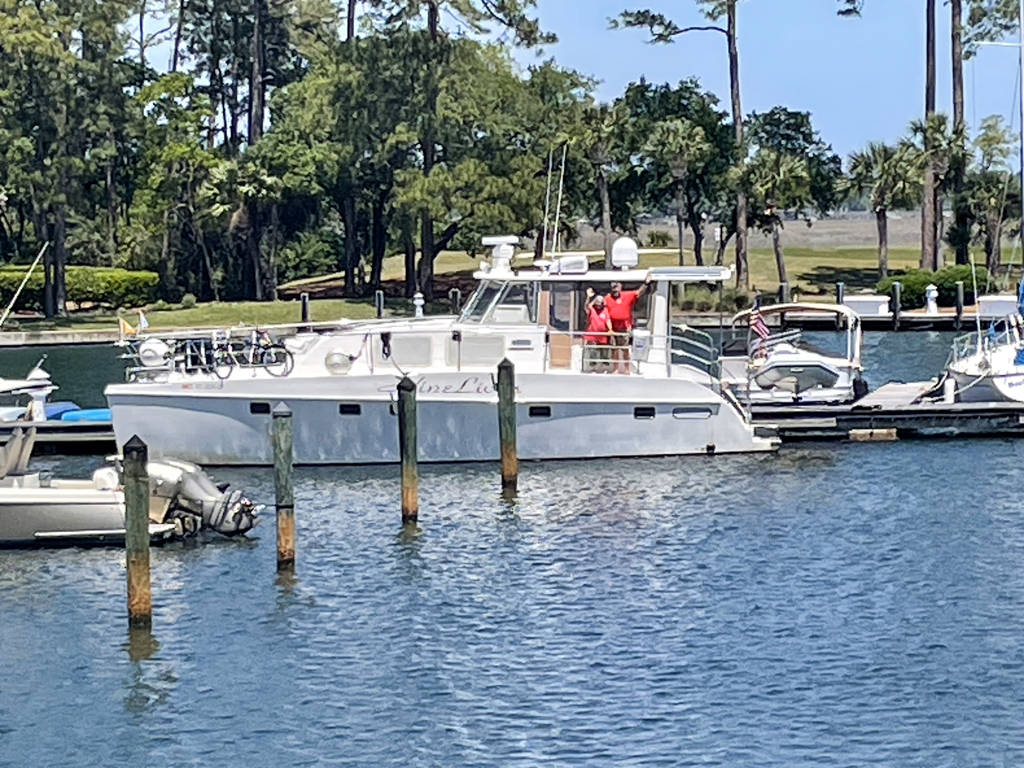
She fits with inches to spare!
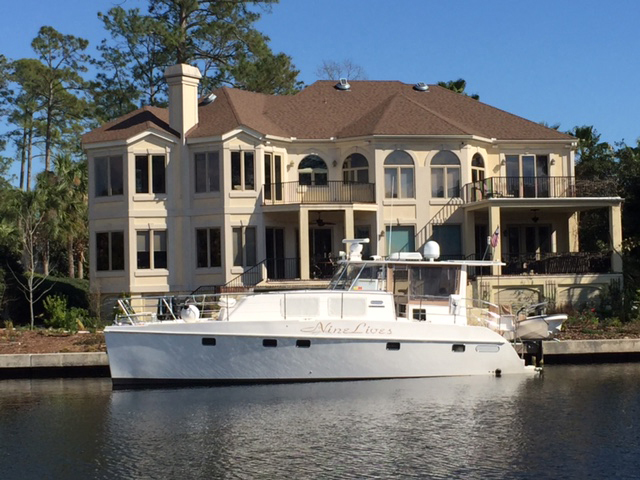
Nine Lives has returned to Wexford for a final visit

Later, I was able to join my bridge friends, even filled in for a hand, before the traditional wine and gossip afterwards.  We spent a quiet evening (blessedly with many fewer no-see-ums) and woke to a pretty sunrise over the golf course.
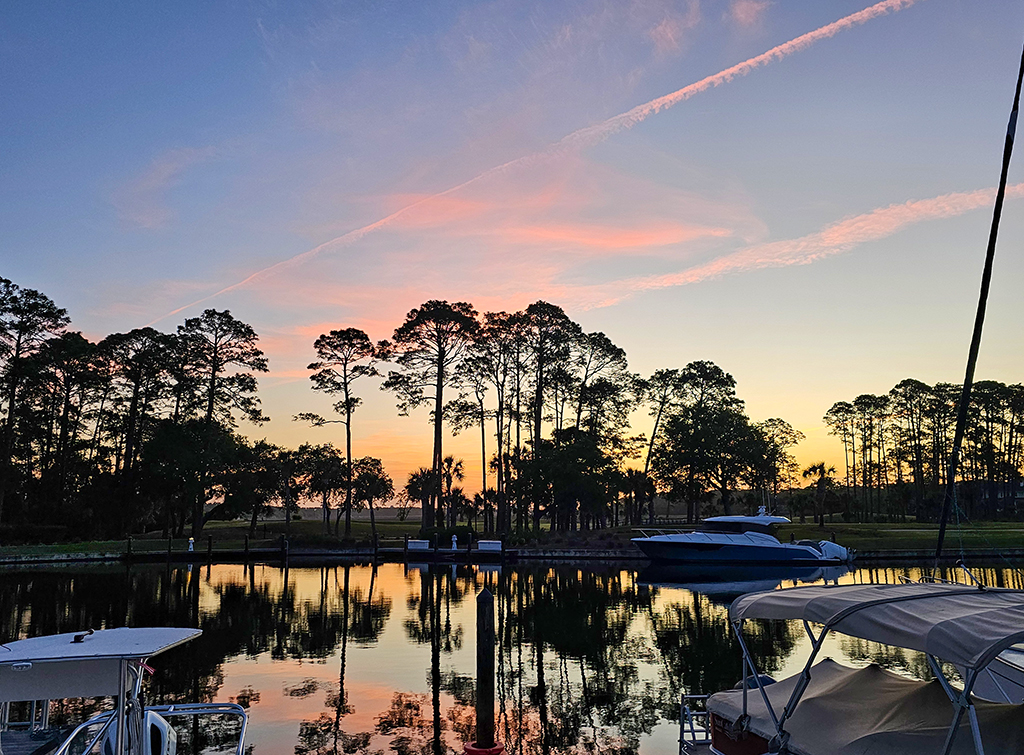
Sunrise over the golf course and the harbour in Wexford

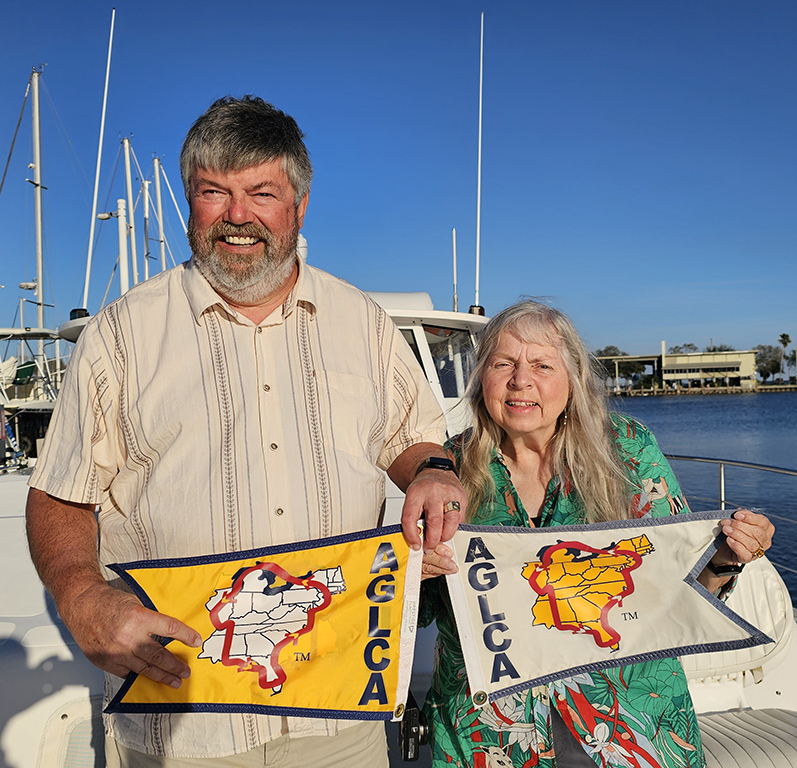
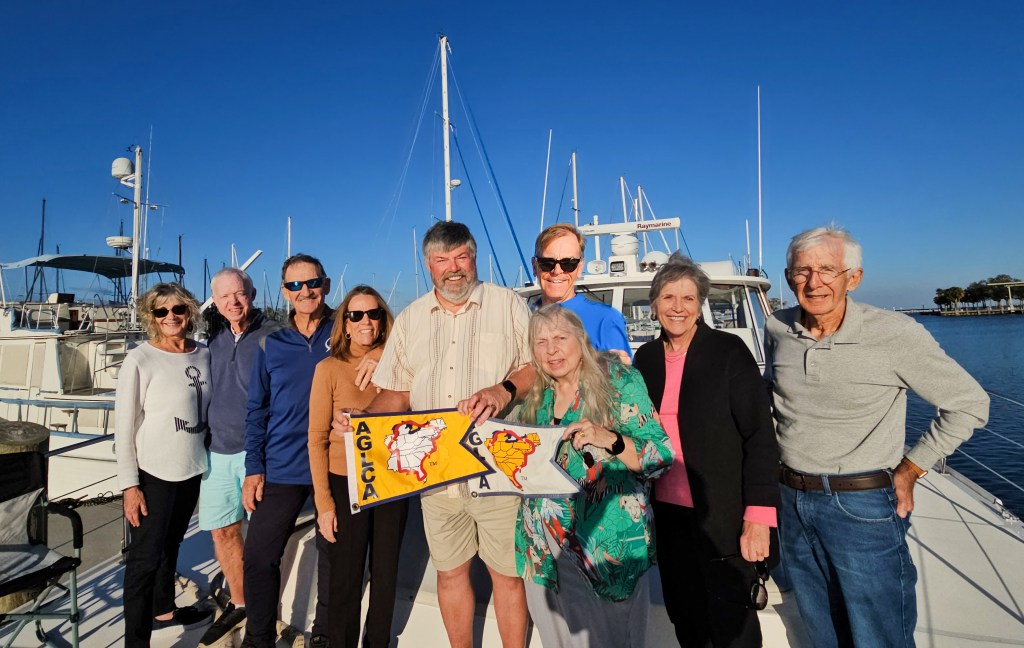
For the eagle-eyed, and mathematically inclined readers, you might notice a slight disconnect between some of our stated statistics.  We collected Nine Lives in January of 2017, in St Petersburg.  So we technically finished the Great Loop, and earned the gold burgee, this February when we passed under the bridge in Tampa Bay.
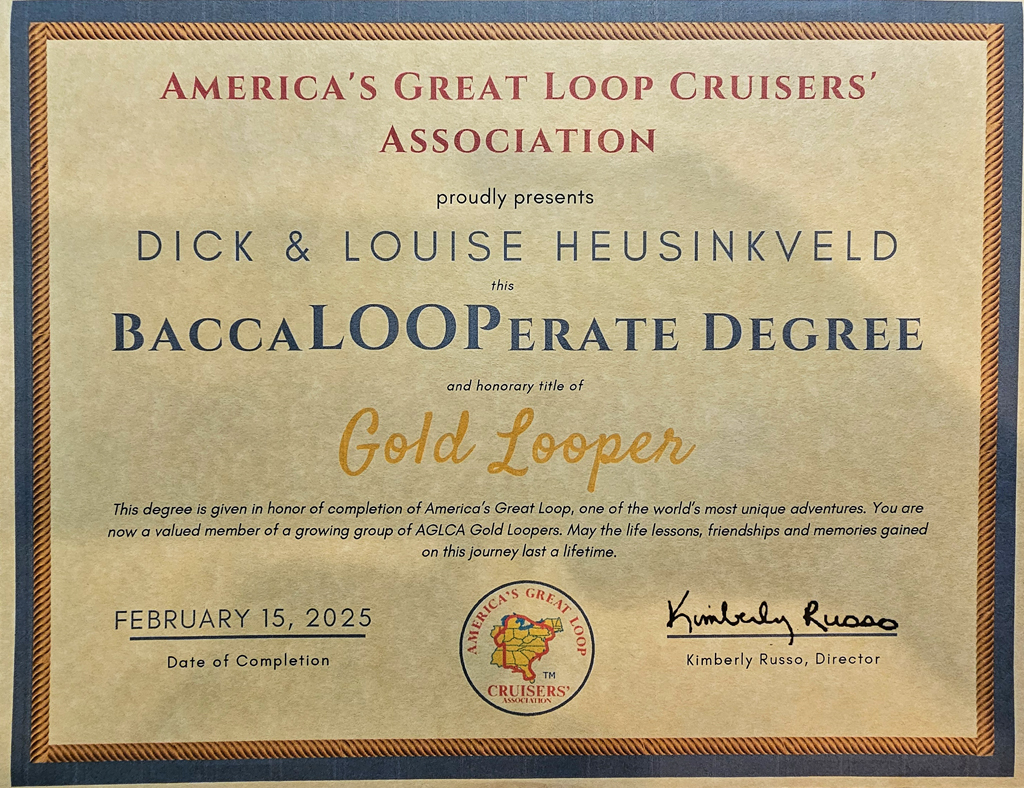
AGLCA awards the BaccaLOOPerate degree when we complete the Great Loop

In 2017, we spent a few weeks bringing Nine Lives to Hilton Head, where she was based in Wexford, behind our house, until April of 2018.  During the summer of 2017, we went on a 3000-mile shake-down cruise (yes, 3000 miles, only Dick would call that a shake-down cruise).  We went north, following the traditional route of the Great Loop, as far as Oswego on Lake Ontario and then returned.  We had a decent boating resume before we bought Nine Lives, but we had never owned a large boat, and much of our most relevant experience was on sailboats and narrowboats.  We did not know what we did not know!  So we sailed off into the wild blue yonder, ever so slightly unprepared, but full of confidence. There were adventures and misadventures, and it was on this cruise that Tucker-cat decided that he is NOT a boat-cat, and prefers to remain on dry land.  The following year, having added Nine Lives to the annual AGLCA fleet t-shirt, we set off on the first of our 7-year segments of the Great Loop.
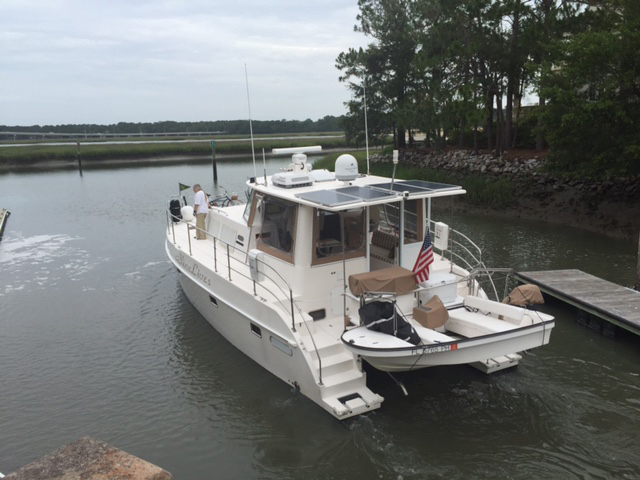
Nine Lives leaving Wexford in April, 2017

To resume this year’s story, the next morning, Dick rode his bike to our friend’s house to retrieve his car, which he then parked at Palmetto Bay Marina.  I spent the morning cleaning, including polishing the outside railings and cleaning the cockpit of accumulated salt grime. This was the day of our big party to celebrate Nine Lives and the completion of our epic journey.  Perhaps it should be referred to as a pawty?  Or, given that Nine Lives is a cat, we could talk about the purrrty.

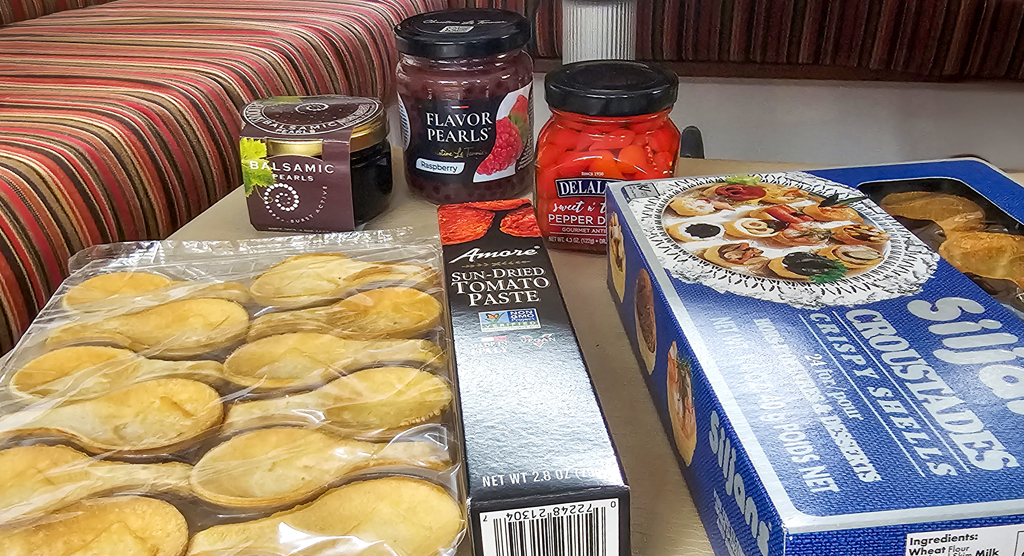
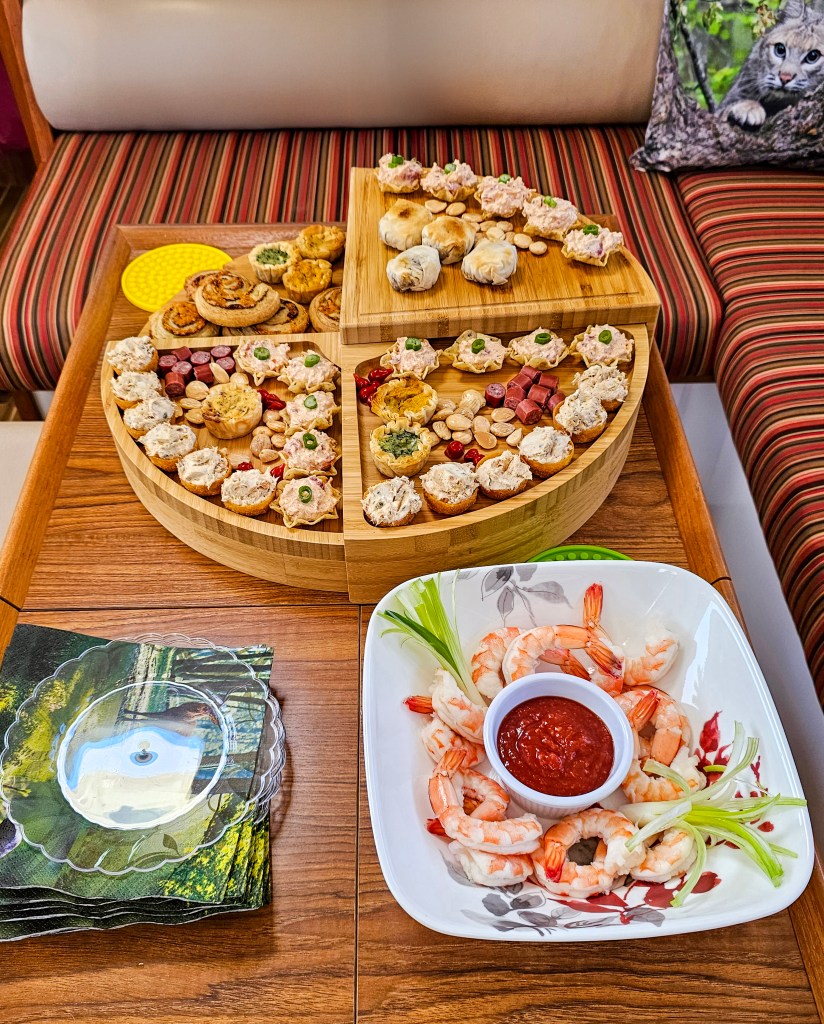
Then there was nothing to do for a few hours, since the party was to be catered!  In due course, a huge table arrived and was set on the dock.  There was a certain amount of concern because there was a gusty wind blowing.  We decided that drinks would be on the dock, and food on the boat.  Five enormous trays of an amazing variety of hors d’oevres arrived next.  Sausage rolls, quiche, cheese and charcuterie, shrimp, tiny flatbread slices, and a whole tray of beautiful macarons and fruit were spread out in the cockpit and downstairs in the salon.

We can certainly say that the party was a success.  37 people managed to fit themselves onto Nine Lives, spreading out between the cockpit, the salon, the foredeck, and even on the back platform.  The food was excellent, and our serving helper kept the wine and beer flowing.  Most of the guests had not been on Nine Lives before, so it gave them a chance to see what our floating home looks like.
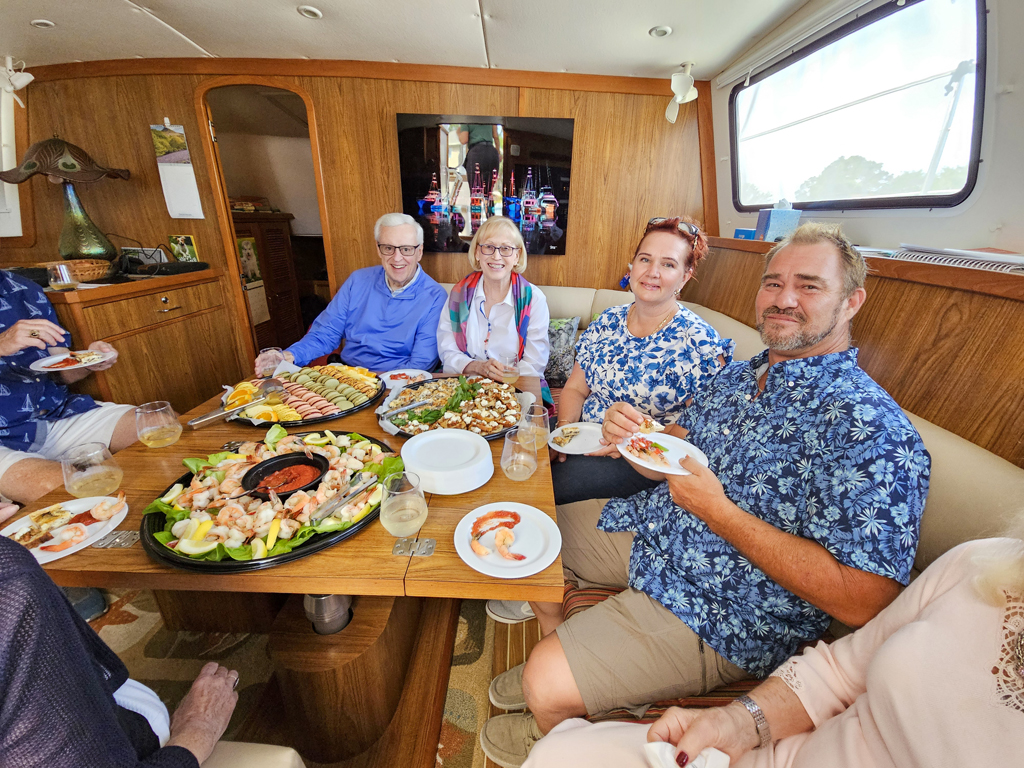
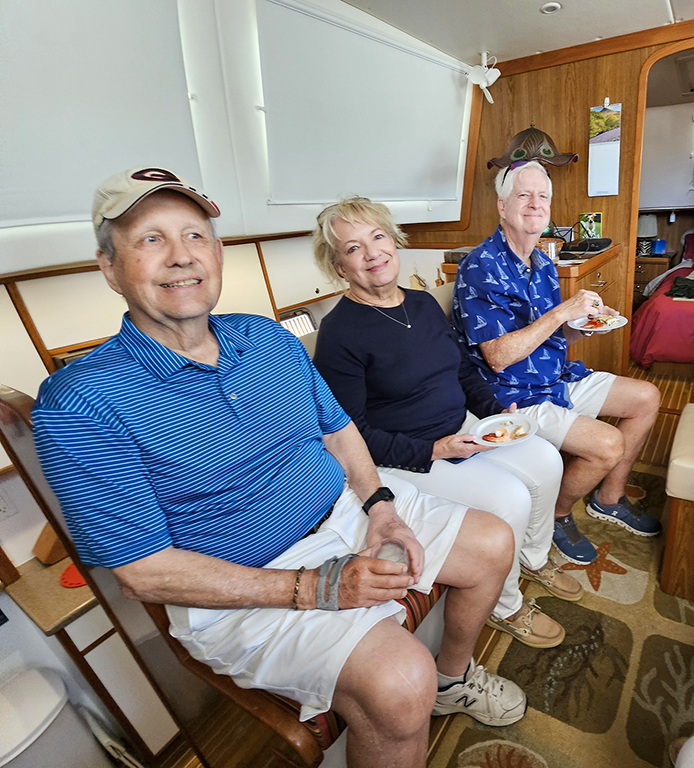
Guests and food for the Nine Lives Pawty
More of the purrrty guests

In the morning, we took Nine Lives around the whole of Wexford Harbour for a last look at the lovely homes and gardens, and then out through the lock and the very short trip down Broad Creek to Palmetto Bay Marina.  Nine Lives will stay there until she finds a new owner to take her on new adventures.
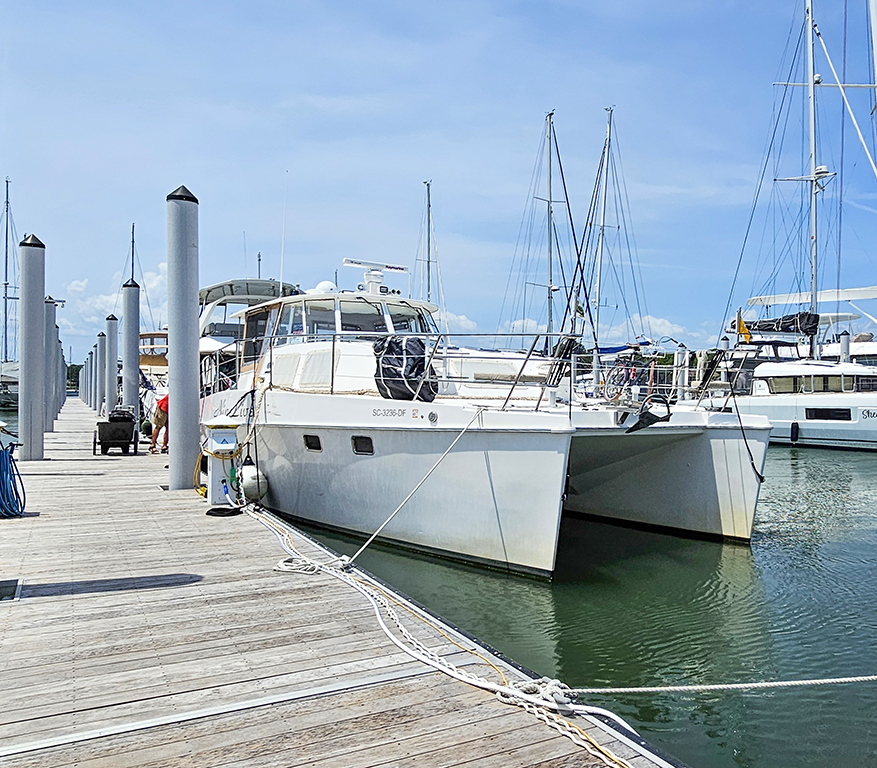
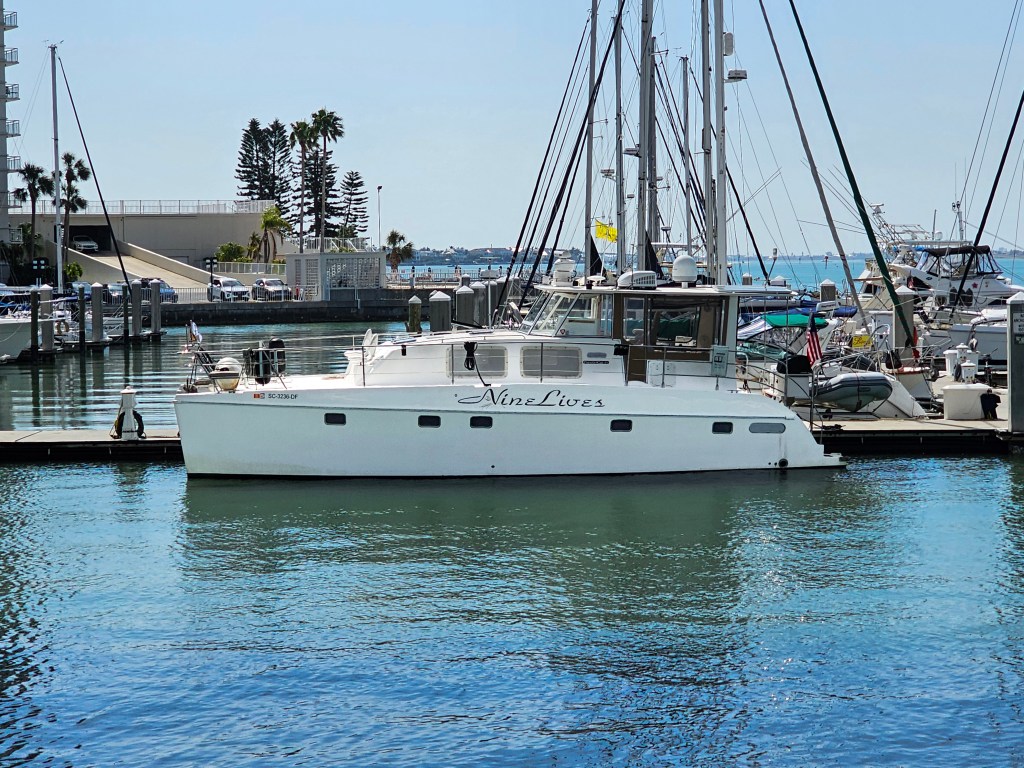
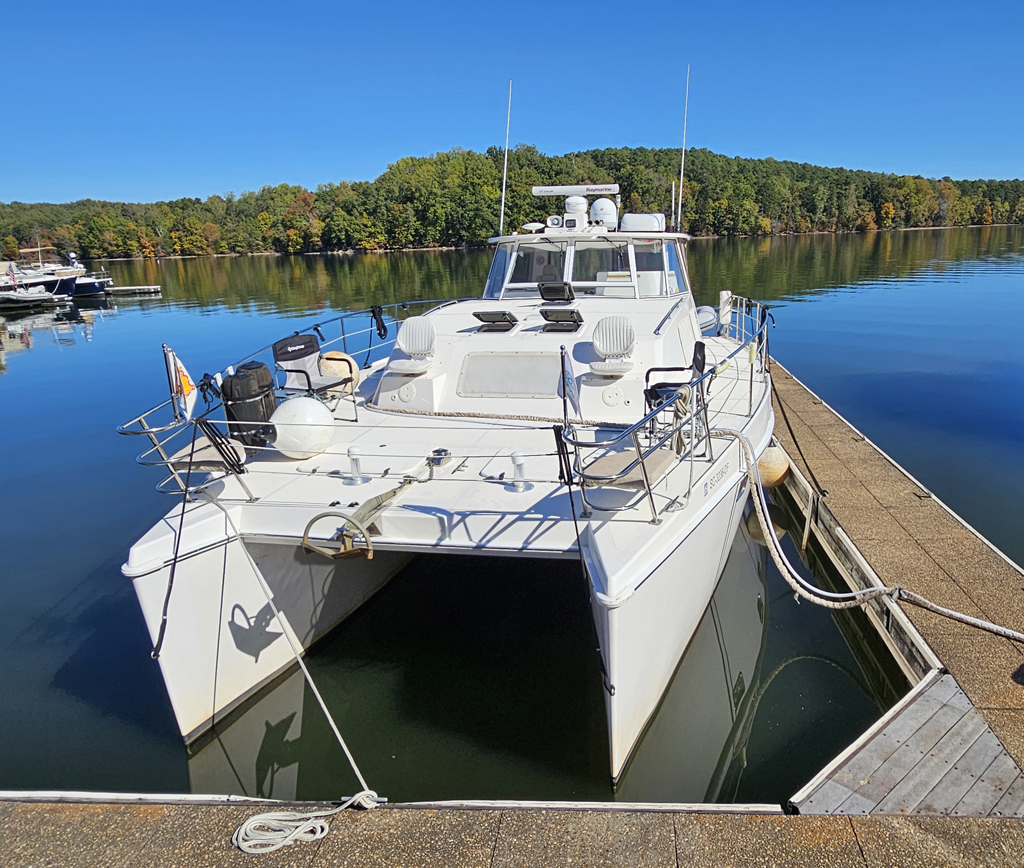
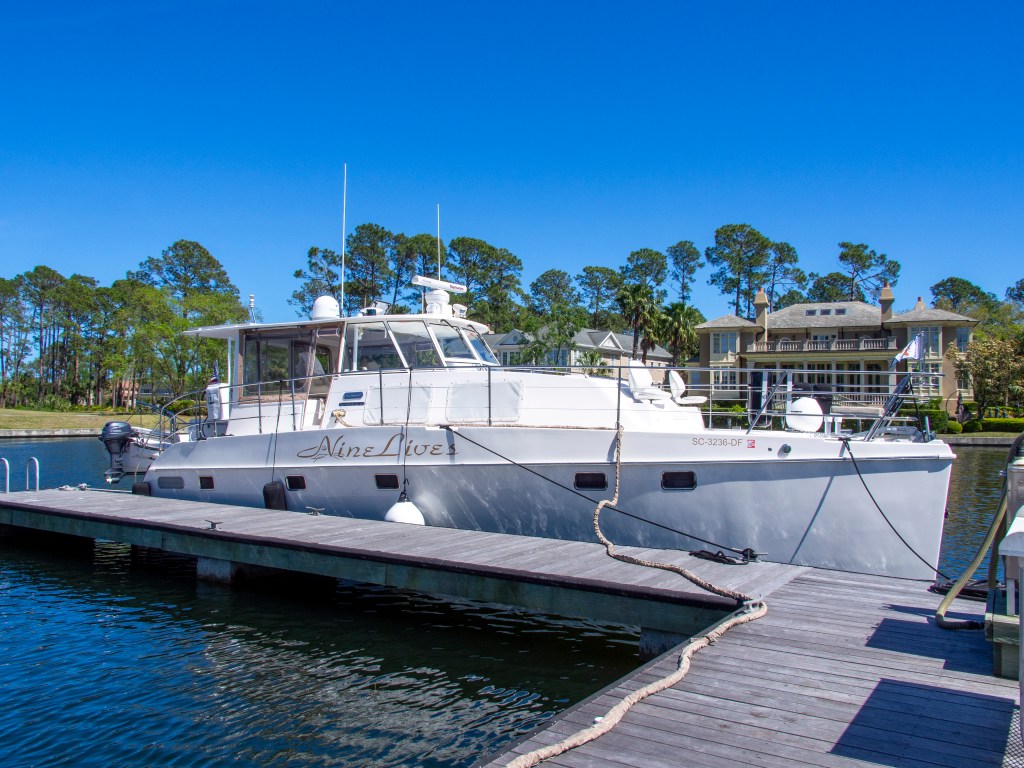
Nine Lives in Palmetto Bay Marina
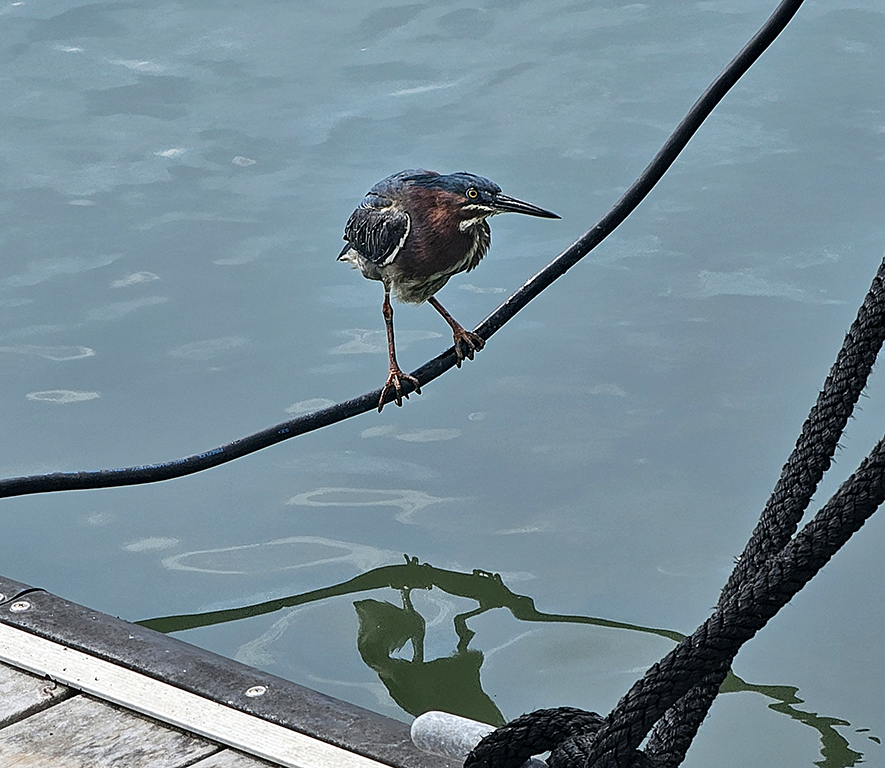
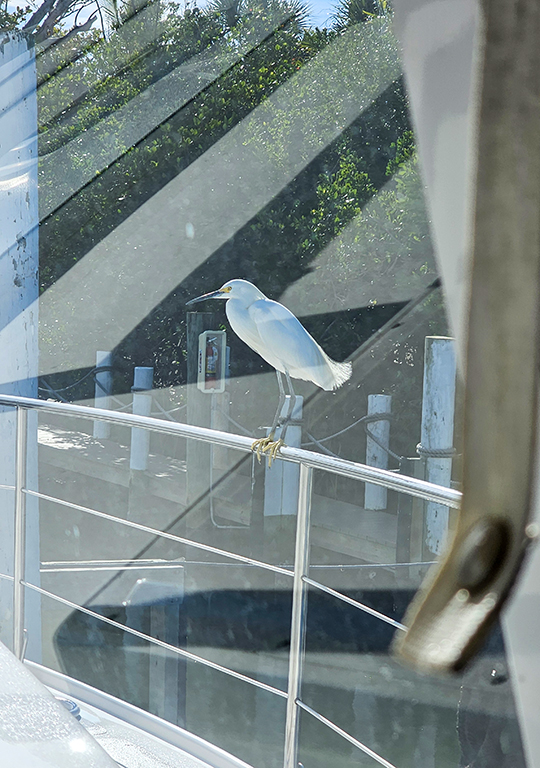
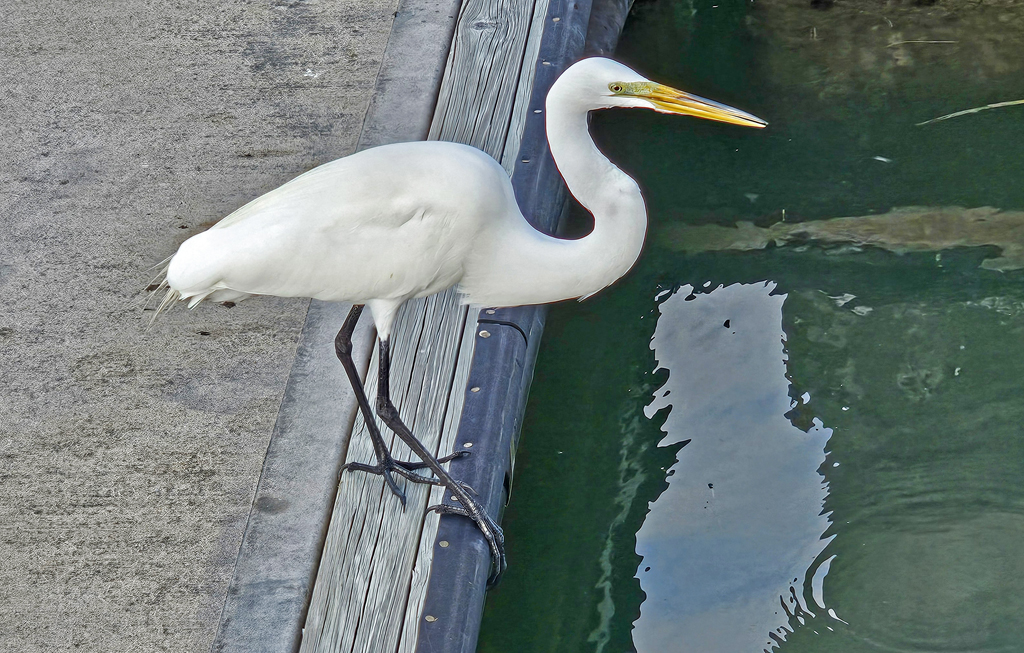
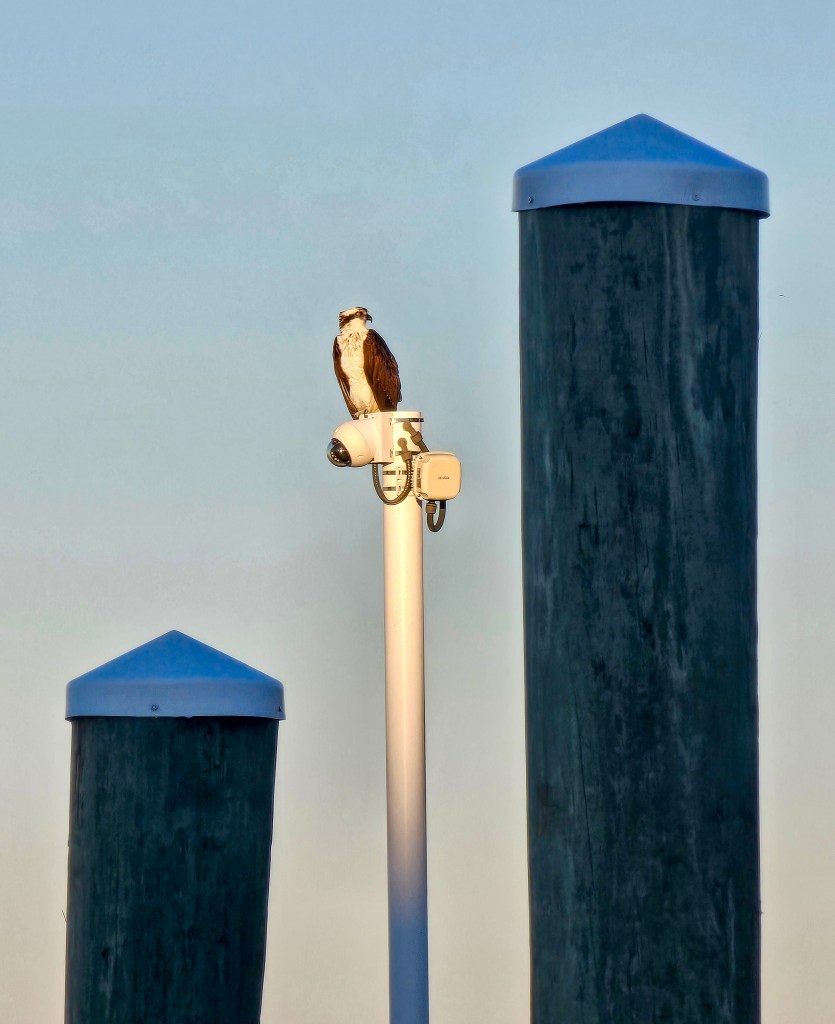
A Green Heron welcomed Nine Lives to Palmetto Bay Marina

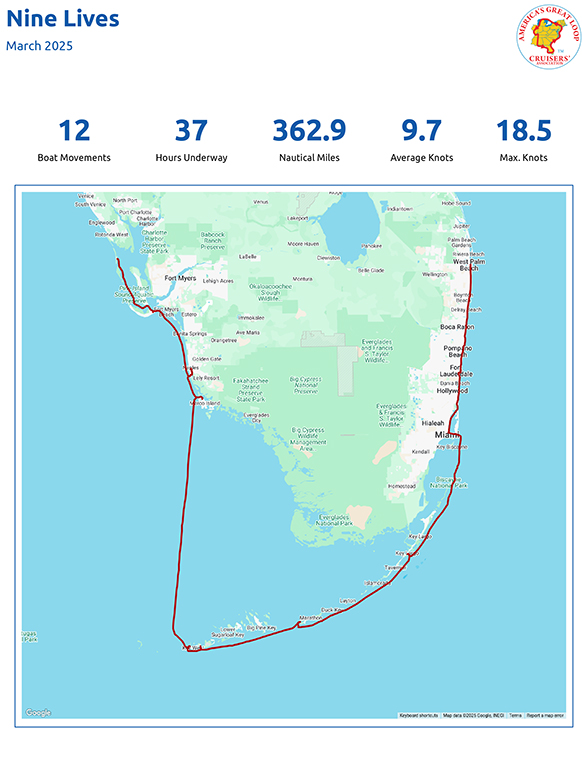
As the helpful dockmaster assisted with our arrival and tying up, he commented, on seeing the gold burgee, that we were finishing the Great Loop, and he made the assumption that we had taken the usual one year and travelled the traditional 6,000 miles.  We explained that in fact it had been 8 years and 20,000 miles, and his exclamation was “Did you get lost?”  So yes, we got lost by seeing all but one of the Great Lakes, by going up the Mississippi, by venturing up the Ohio, the Monongahela, and the Cumberland Rivers, and this winter by following the Gulf Coast all the way around the Florida Keys.  And let’s not forget, we also went through Lake Champlain and the Chambly Canal, followed by the Rideau.  We visited places that most Loopers don’t see, including Lake Huron and Detroit, Cleveland, Sault Ste Marie, Minneapolis St Paul, Cincinnati and Pittsburgh, and Nashville.  And all the wonderful small towns in between.

This is the close of the Nine Lives Voyages story.  We anticipate that soon Nine Lives will sail off into the sunset with new crew, who are sure to love her as much as we do.  There will be new adventures, and perhaps she will revisit many of the places that she has been with us.  Thank you to all of you who have been with us on this journey.  I am continually surprised and so grateful to hear that people are reading this story.
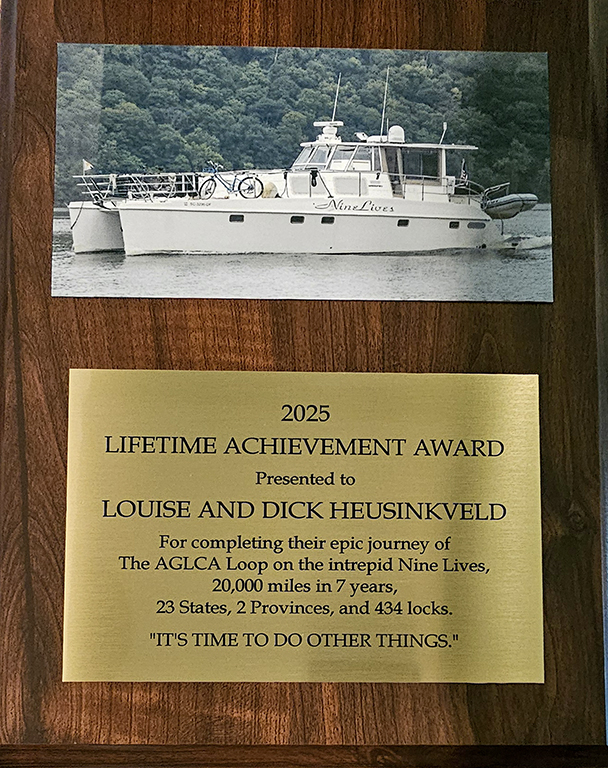
Our friends Sherry and Shel gave us this lovely plaque to celebrate our Great Loop

We are going to do other things, travel more and farther, visit friends far and wide, play some golf, and take some time to enjoy all that Hilton Head has to offer. One of the party guests left us some advice, that is entirely apropos:

Advice from a Sea Turtle

Swim with the current

Be a good navigator

Stay calm under pressure

Be well travelled

Think long term

Age gracefully

Spend time at the beach!

April 2nd to 16th, 2025: Stuart to Jacksonville

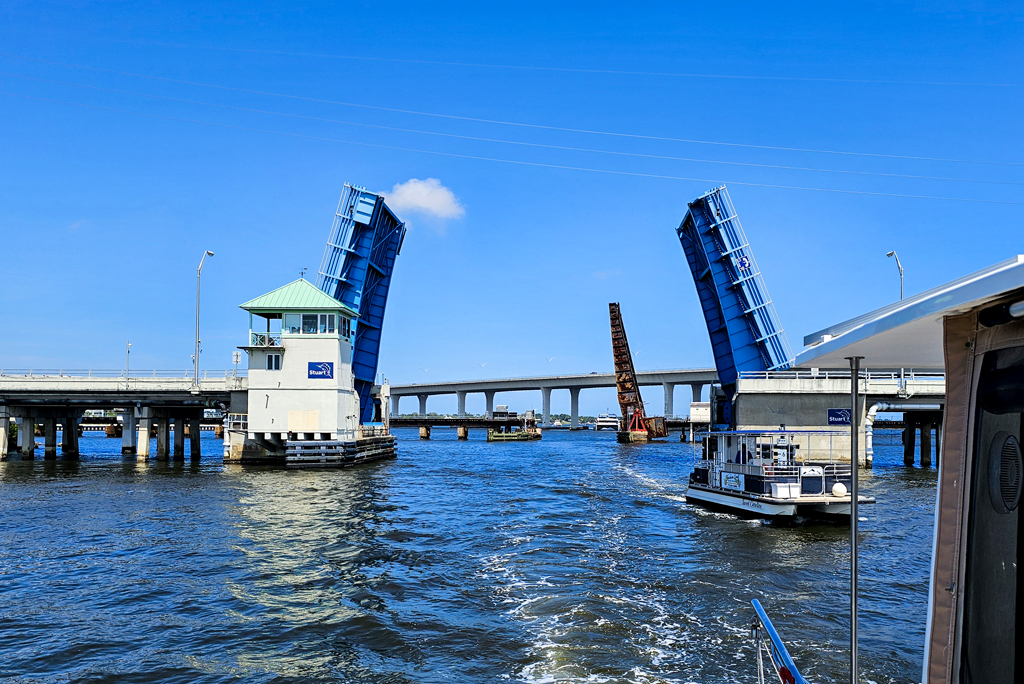
We made an early start to catch an opening of the railway bridge.  There is a handy app that supposedly lets you know exactly when the trains are expected.  We had a bit of a wait.  The passage was made a lot more exciting by a problem with the road bridge, which had only one span working.  There was room for Nine Lives, but it was disturbing to see the lowered span so close as I stood on the foredeck!  As soon as we were through, the railway bridge closed again, so it would seem that there were more trains than expected.

A narrow space to squeeze through in Stuart

We arrived in Fort Pierce shortly after noon.  It was a windy day with whitecaps, but the waves were coming from behind us, which Nine Lives handles beautifully.  In spite of a strong current and winds, the docking went well with a good dockhand and plenty of cleats on the dock.

Ft Pierce Marina. Notice the racing trimaran!

We walked to one of the on-site restaurants, the highest rated eatery within walking distance.  There was live music.  The musician seemed to be pretty talented, but the sound system was so muddy that all of it was noise.  We were surprised to find that the whole restaurant is a glorified tiki hut, so no inside seating per se.  If you like warm wine and dirty glasses, cold fries and barely warm entrees, this is your place!  To be fair, the food was quite tasty, and Dick was delighted to be given a bill that was under $100 for a change.  The waiter replaced the cold fries immediately, and he brought a glass full of ice for the wine without being asked.  We expected similar experiences at the next few stops, so planned to eat on board more than usual. As I added ice to my wine, not my usual practice for various reasons, I thought about the long history of watering wine.  The Greeks and Romans certainly watered their wine, which they drank at any time of the day, because water alone was generally unsafe to drink.  Watering your wine was seen as a civilized and sophisticated practice.  Drinking wine neat, was barbaric.  Not sure whether those folks added ice to their wine as well as the water!

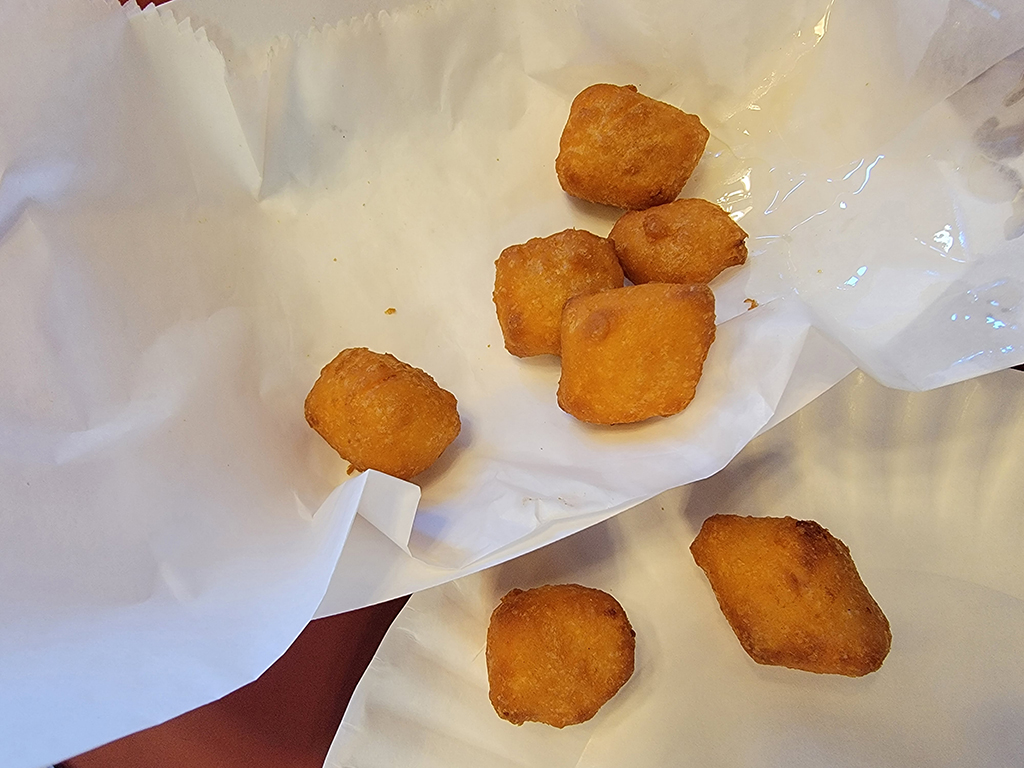
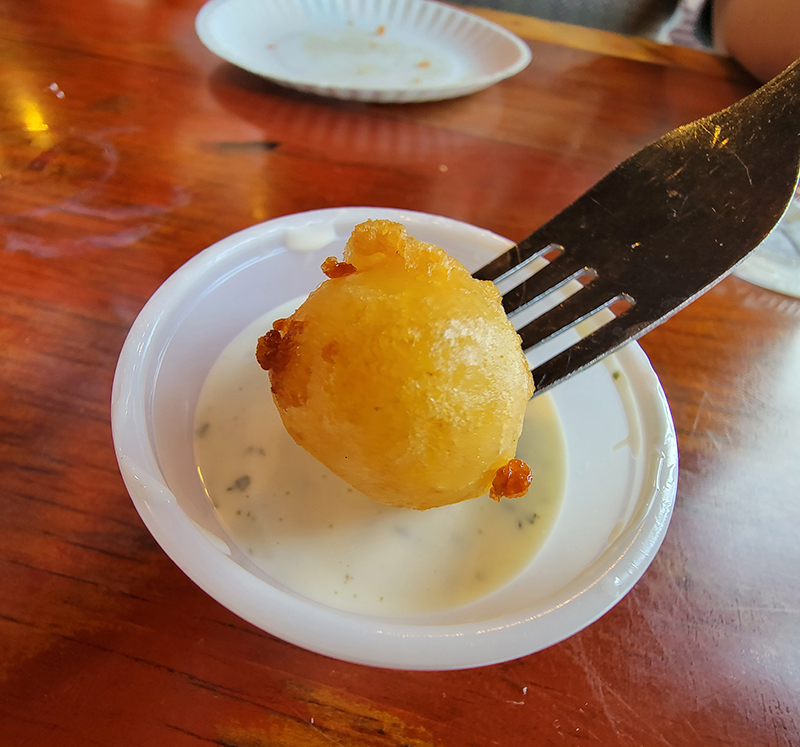
Cobbs Landing, cheese curds to start
Beef stew and grilled shrimp at Cobbs Landing, delicious, but served barely warm.
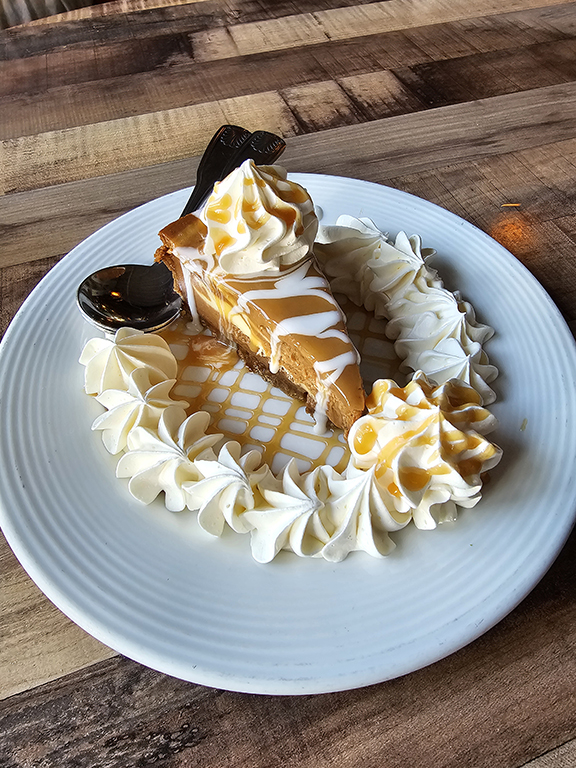
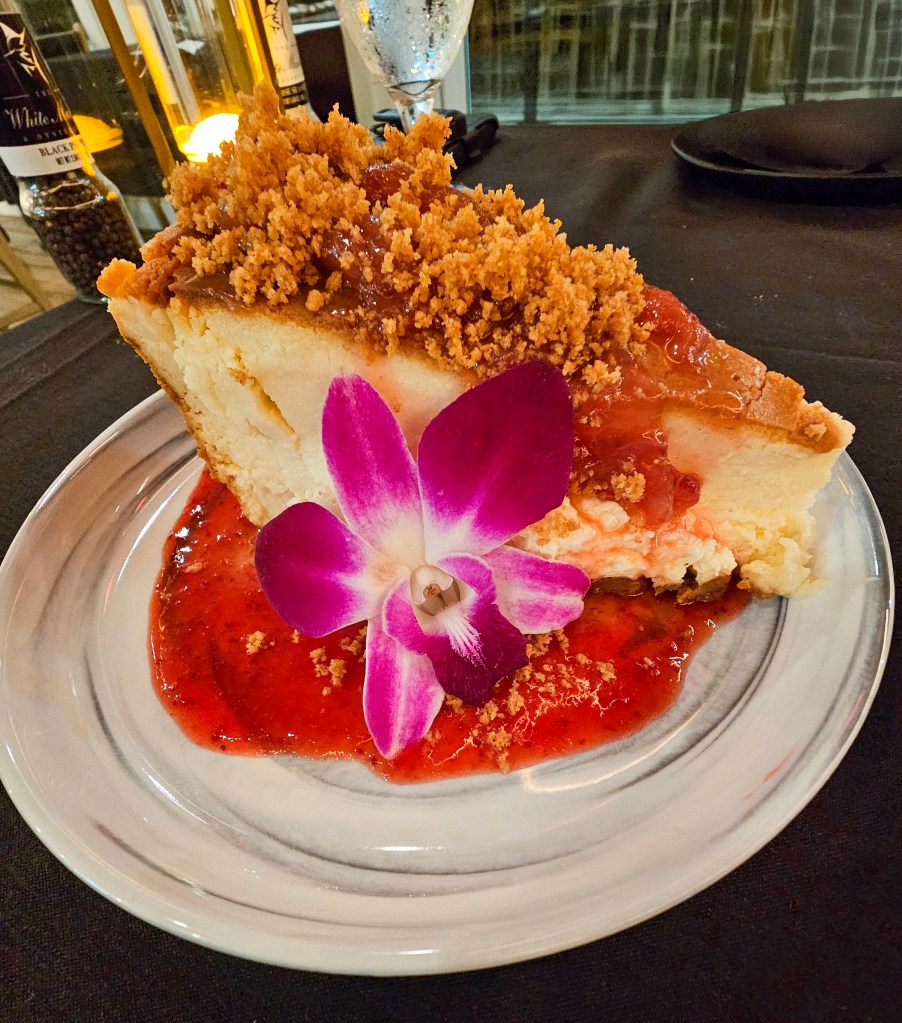
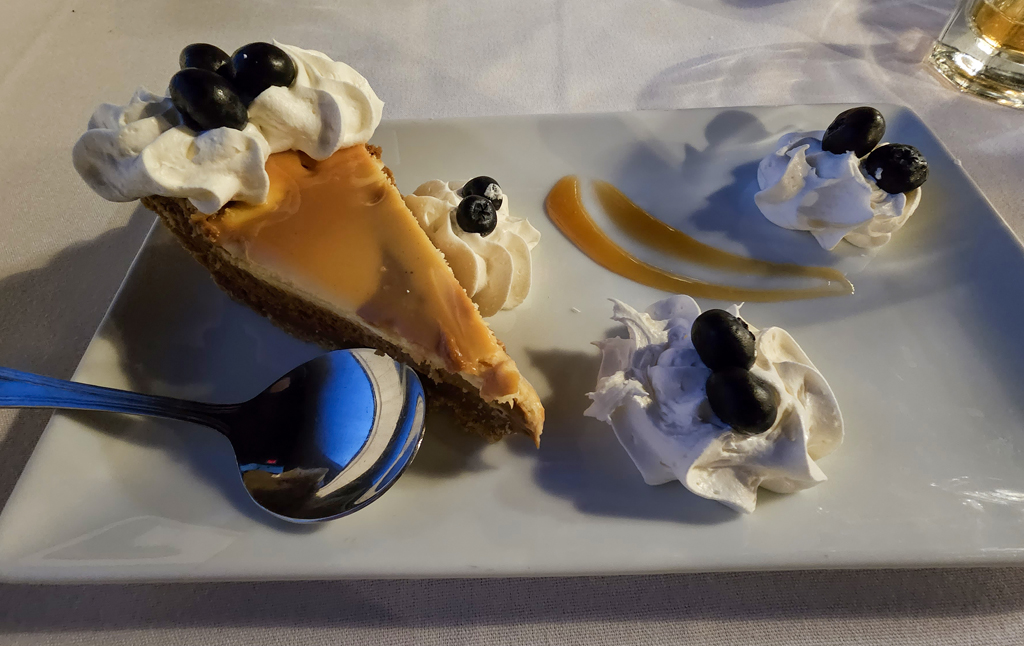
Salted caramel cheesecake at Cobbs Landing

Although there are Loopers in most of the marinas we have stopped at, we are somewhat behind the main Looper pack.  Anyone planning to attend the Spring Rendezvous in Norfolk is already on their way north.  Boaters who went to the Bahamas had mostly returned, but those who were still there were going to have to stay put, with high winds and ugly seas expected for the following week at least.  We are also among the flight of Snowbirds, the folks who spend winters in Florida and summers in northern climes.  There are several species within the family.  Mid-westerners head to Arizona and Nevada. Easterners like Florida.  There is a sub-species who are boaters, and travel up and down “The Ditch”, that is, the Atlantic Intracoastal Waterway, in spring and fall.  We are seeing many of them in boats of all sizes, as we journey north.  What does surprise me is the number of boaters heading south, including quite a few gold Loopers.

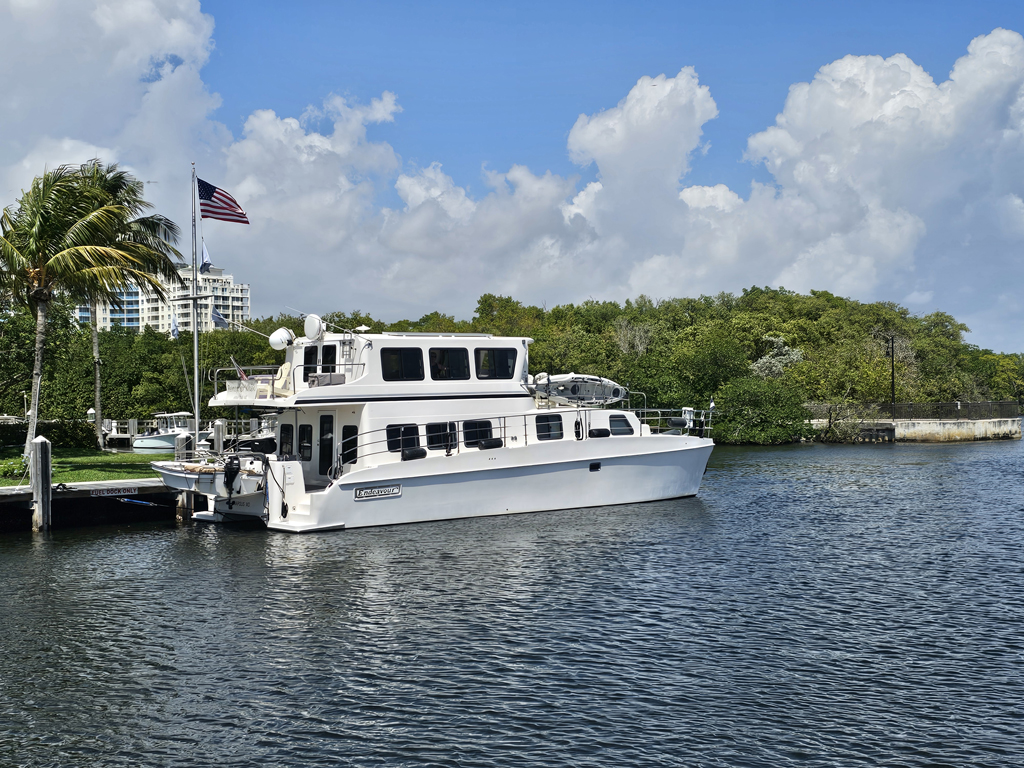
An Endeavourcat heading south
Another Endeavourcat. This one is heading north!
We spent a quiet day.  I made bran muffins while Dick fixed one of the window screens.  It was damaged on our shakedown cruise in 2017.  One of those “should that be there?” “It will be fine.” moments, and then it wasn’t.  Dick had the bright idea of replacing the broken screen, which was in my bathroom, with one from the unused third bedroom.  This was a smack upside the head moment – why didn’t we think of this 8 years ago?  Dick has been able to source several screen replacements from some obsolete stock, so the broken one will be fixed before Nine Lives goes to her new owner.

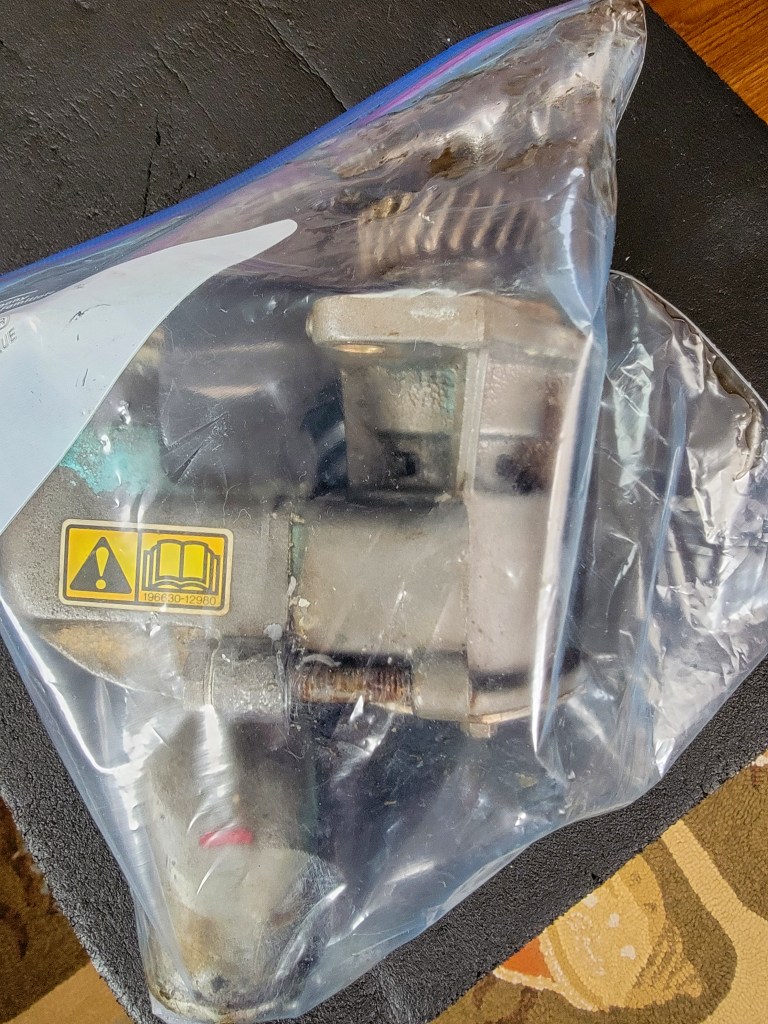
Project 2 was to see what is wrong with the horn.  It was sounding increasingly anemic, deteriorated to a feeble squawk, and then failed entirely.  Dick took the horn off the cockpit roof and cleaned away rust.  He even checked the fuse, all with no effect.  We still comply with regulations because we also have a canned air horn on board, plus the intermittent fog horn that is also required is broadcast through the loudhailer rather than the horn.  Next plan was to take apart the whole assembly to see if the problem can be fixed.  This is actually one of Dick’s favourite things.  His first foray into the how things work aspect of engineering was when he was 5 years old.  He took apart his father’s alarm clock.  Unfortunately, he did not put it back together, so the cows were late milking the next morning.  We enjoyed a quiet evening on board with pasta and sausage for dinner.

Diagnosing the problem with the horn

Ft Pierce has a Farmer’s Market just outside the marina gates every Saturday.  Dick set off early to check out the offerings.  After wandering for ages around a large area with crafts, he was about to leave when he discovered another section that was all food.  He returned from the outing with baked goods, including some excellent croissants.  He also failed to resist a beautiful steak from a farmer who produces his meat from start to finish.  The croissants made a great beginning to the day before we headed for our next stop at Melbourne.

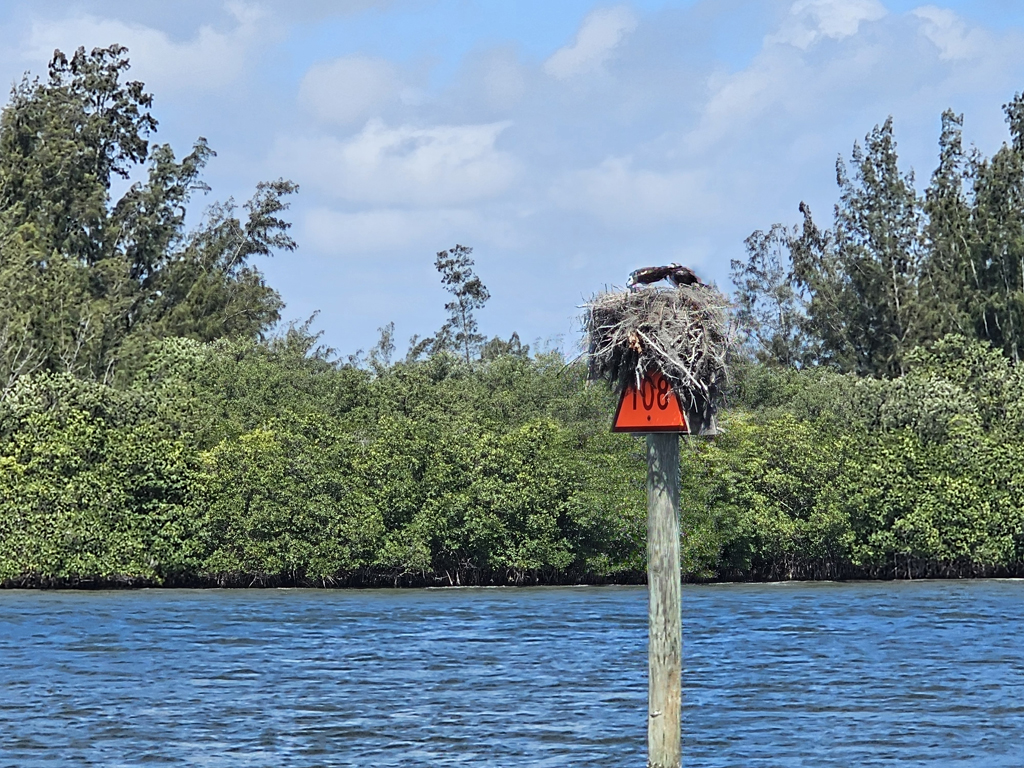
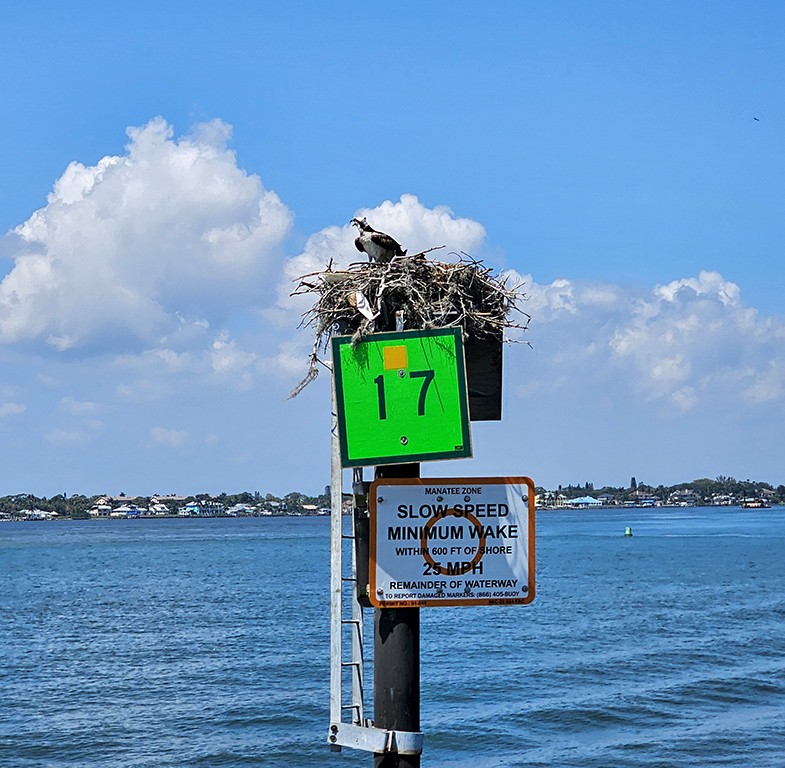
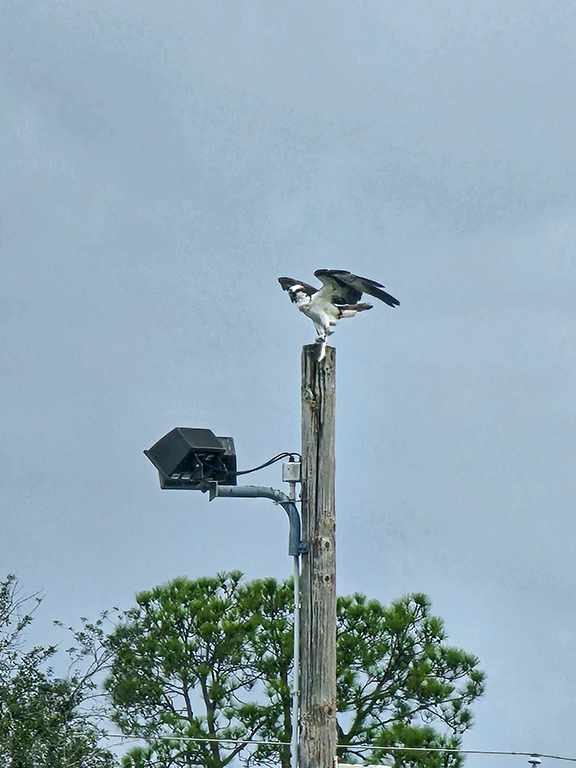
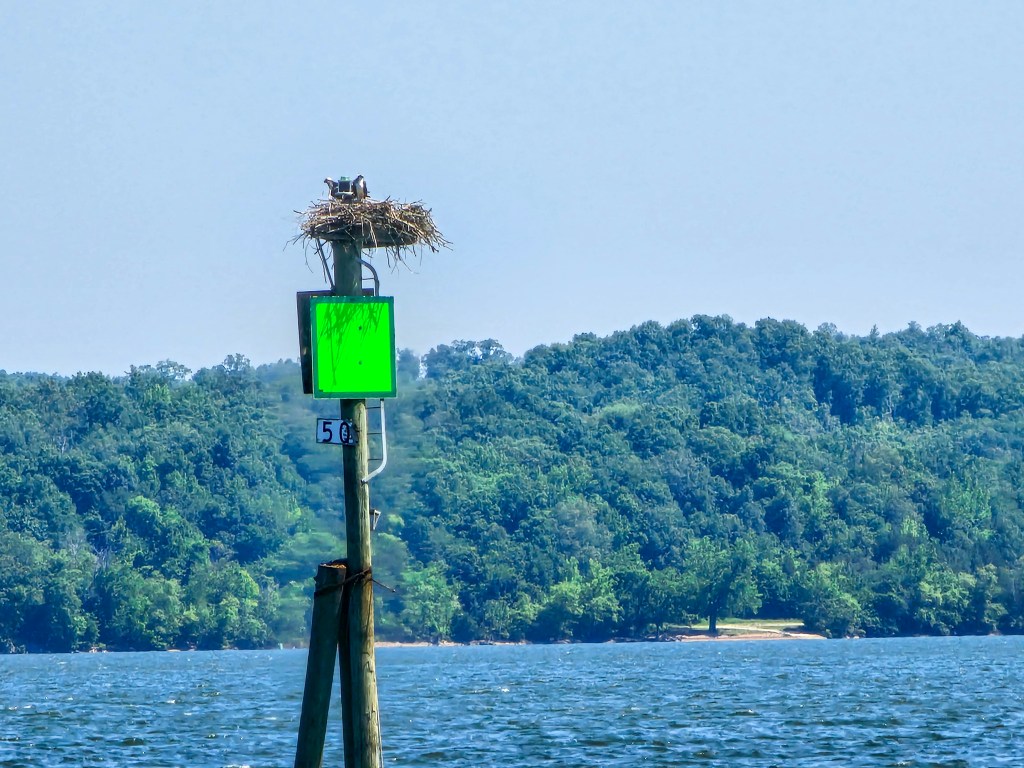
A pair of ospreys tend their chicks on a nest built on an ATON.

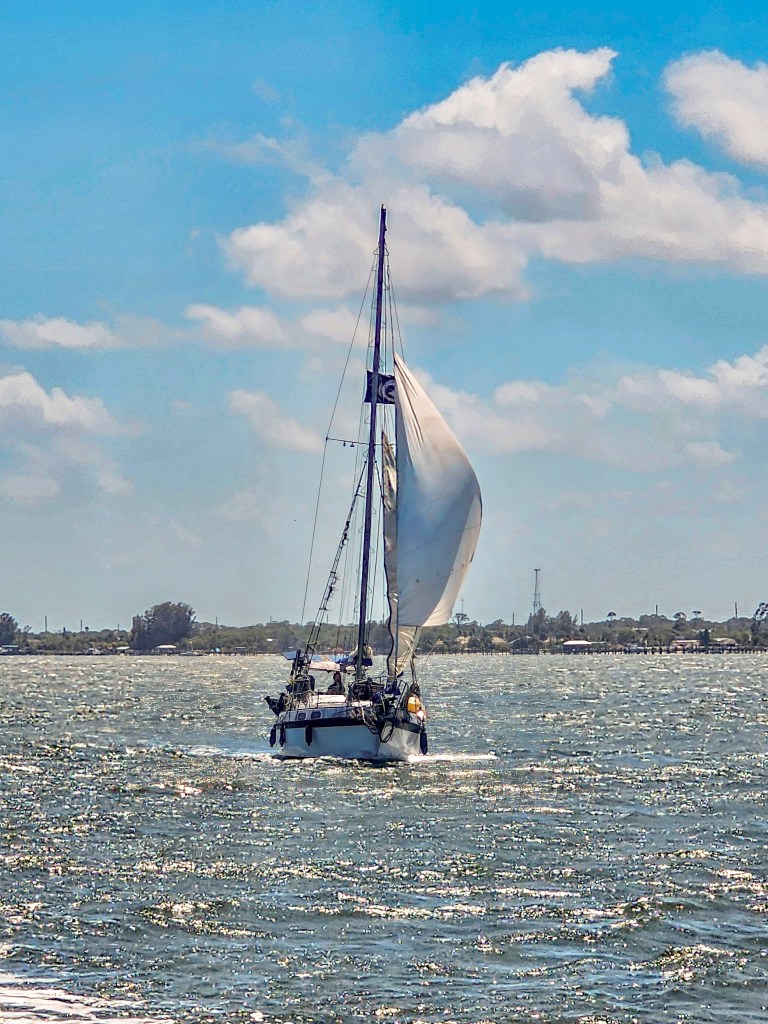
We passed a sailboat under sail, heading north on the ICW.  It looked like a liveaboard.  I have never seen Spanish moss hanging from the stays on a boat that was not derelict!
We passed this sailboat, it had Spanish moss dangling from the spreaders.

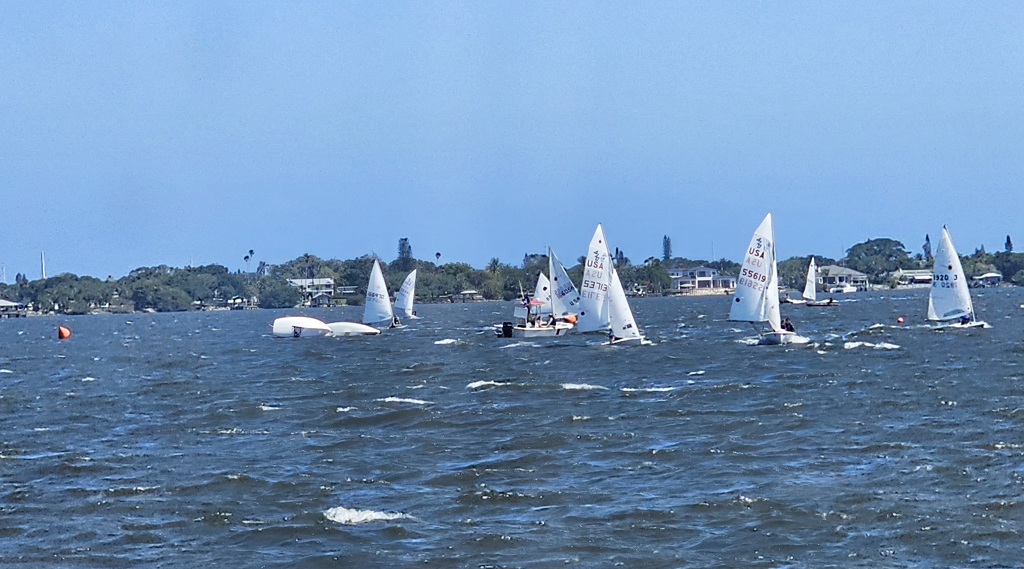
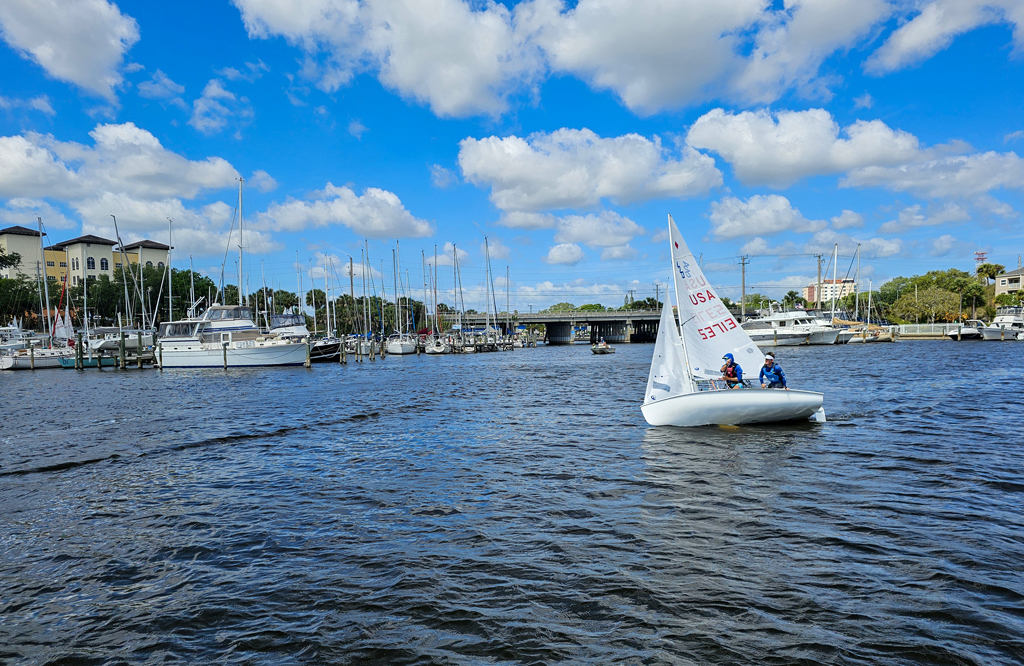
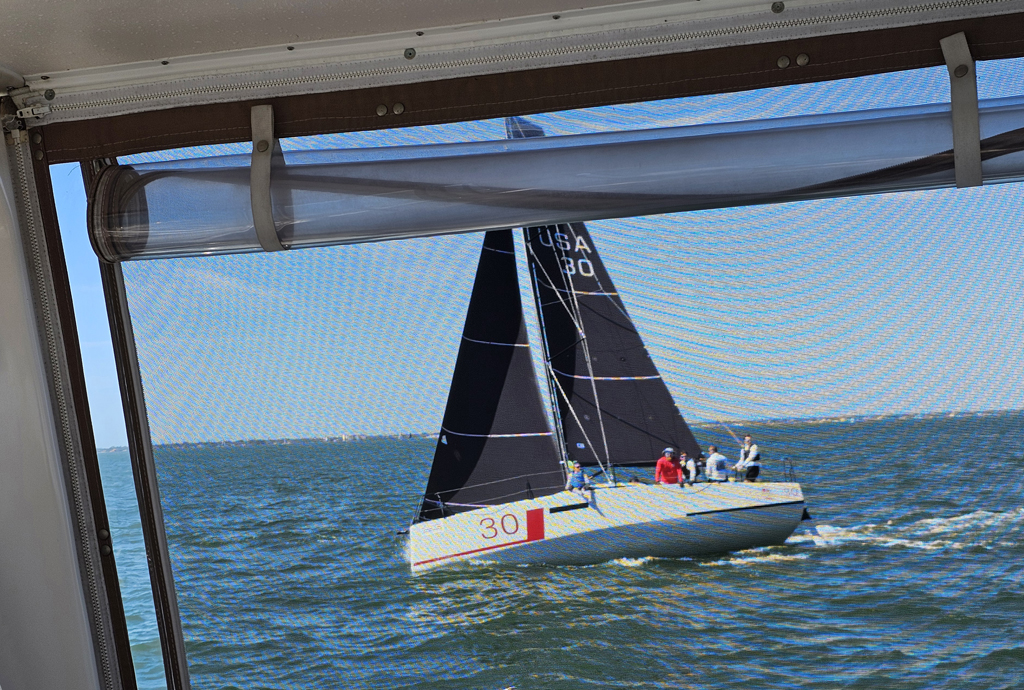
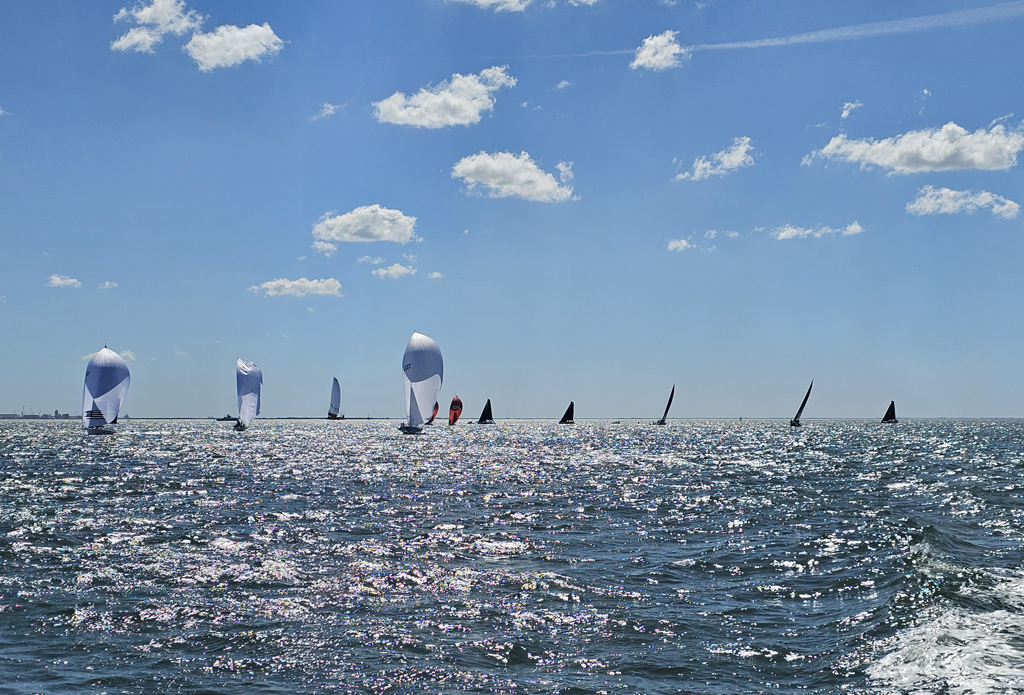
As we approached Melbourne, we could see dinghy races.  It was certainly a test of sailing skills.  Some of the boats were one person with a single sail, others were two-man with a main sail and a jib.  When they came to the part of the race where the wind was suitable, the two-man boats unfurled their spinnakers.  Did they move!!  With the winds gusting to 25mph, a number of the little boats went over.  Most of them managed to right themselves, another test of sailing skills.  There were plenty of motorboats with instructors on board to keep an eye out and help anyone who was in trouble.

Dinghy racing, Melbourne. Two boats have tipped over but the instructors will help if needed.

When I see dinghy races, I have fond memories of the dinghy sailboat that we had at our cottage on a lake when I was growing up.  My dad bought a Mirror Dinghy, a small sailboat named after the Daily Mirror (a British newspaper) as a boat that anyone could afford.  They could be ordered as a kit and built at home, but I seem to recall that Dad bought ours second hand.  It had a single mast and red sails.  For the sailors among us, the early Mirror Dinghies were a very simple design with a daggerboard instead of a centreboard, and a Gunter rig with a gaff that doubled the height of the mast.  All the spars could easily be stored in the boat for transport, and it was also simple to row as well as paddle.  We sailed our dinghy all over the lake, and we certainly learned how to right her when she went over as we sailed too close to the wind!

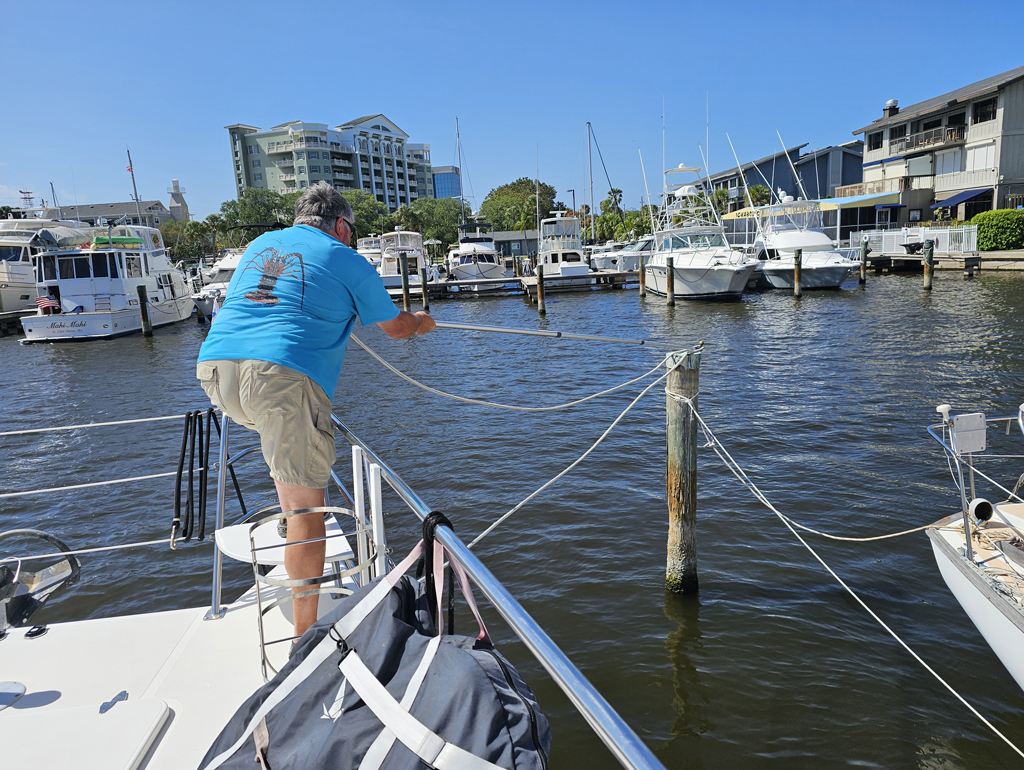
Coming into the marina in Melbourne was a test of our skills.  The waves were broadside, with the current trying to push us out of the channel.  The depth below us was a little as 2 feet, probably the shallowest we have seen.  Our t-head was slightly shorter than Nine Lives, and had only 2 cleats.  Fortunately, although it was a fixed dock, there was just 4 inches of tide, so we were able to close-tie and we thought we could manage without a bow line.  The dockhand was a willing helper, but as often happens, he could not understand why he needed to cleat us as tight as possible, so a bit of extra maneuvering was needed.  Once tied and settled, we both had concerns, so Dick got out the long boat hook and succeeded in getting a bow line around the somewhat distant post.  It is a long line, but it was barely long enough to cleat the end!

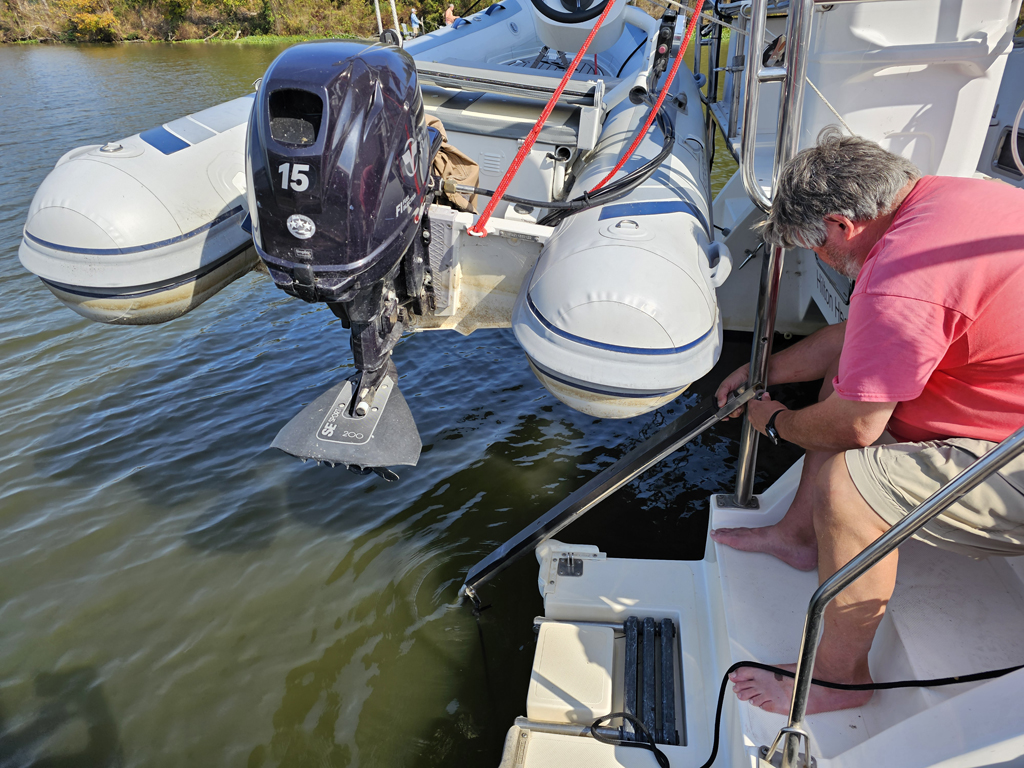
A long reach to get a bow line around the post.

Later, an 85-foot Fleming arrived in the harbour, at the same time as one of the sailing dinghies came in with their spinnaker still flying.  The Fleming, with a much deeper draft than us, was certainly churning up lots of mud from the bottom.

An 85-foot Fleming is passed by a dinghy with the spinnaker flying in the narrow channel.

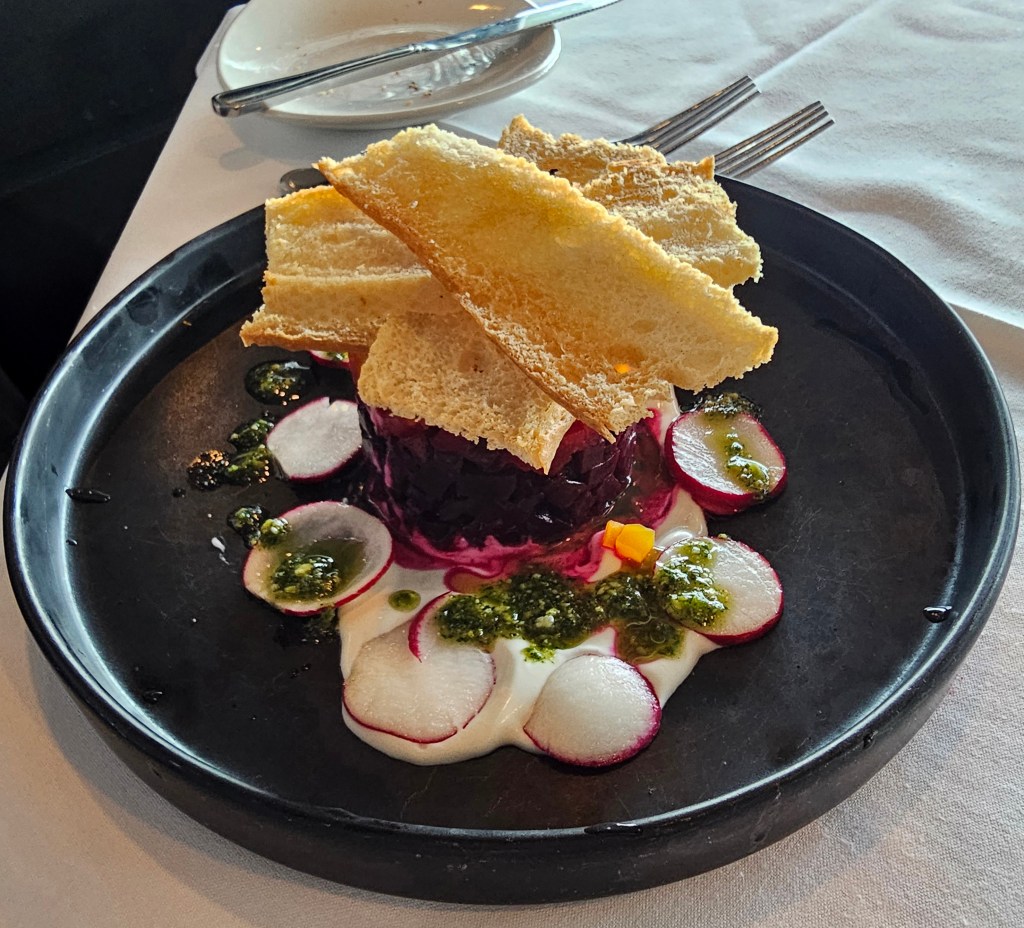
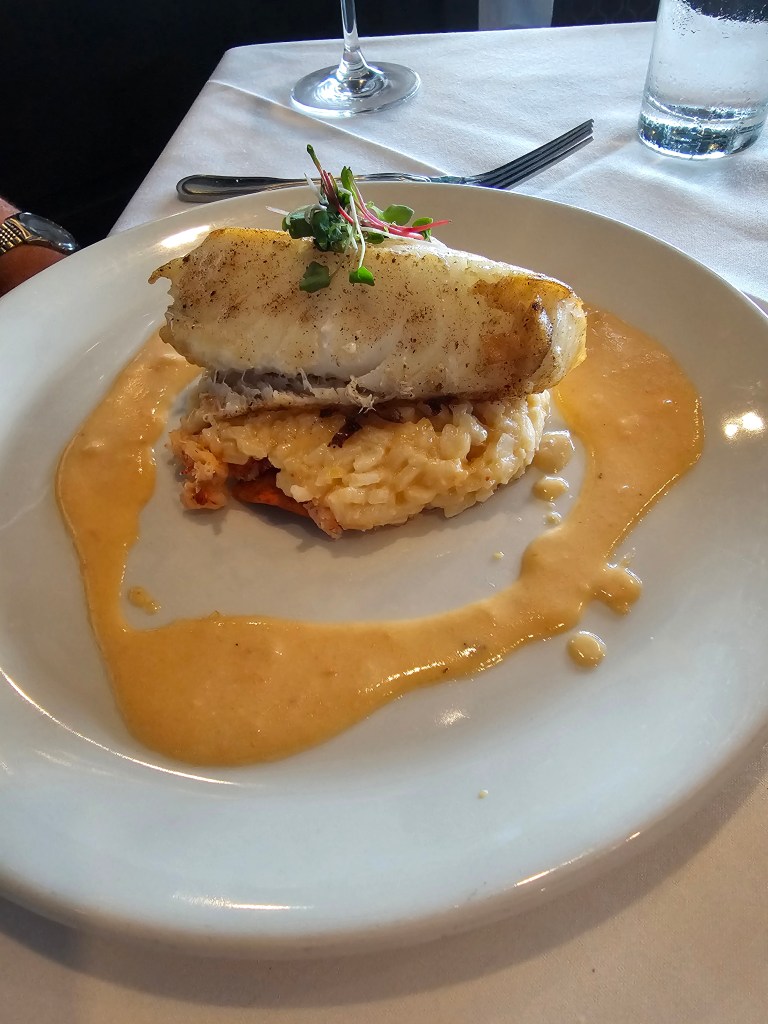
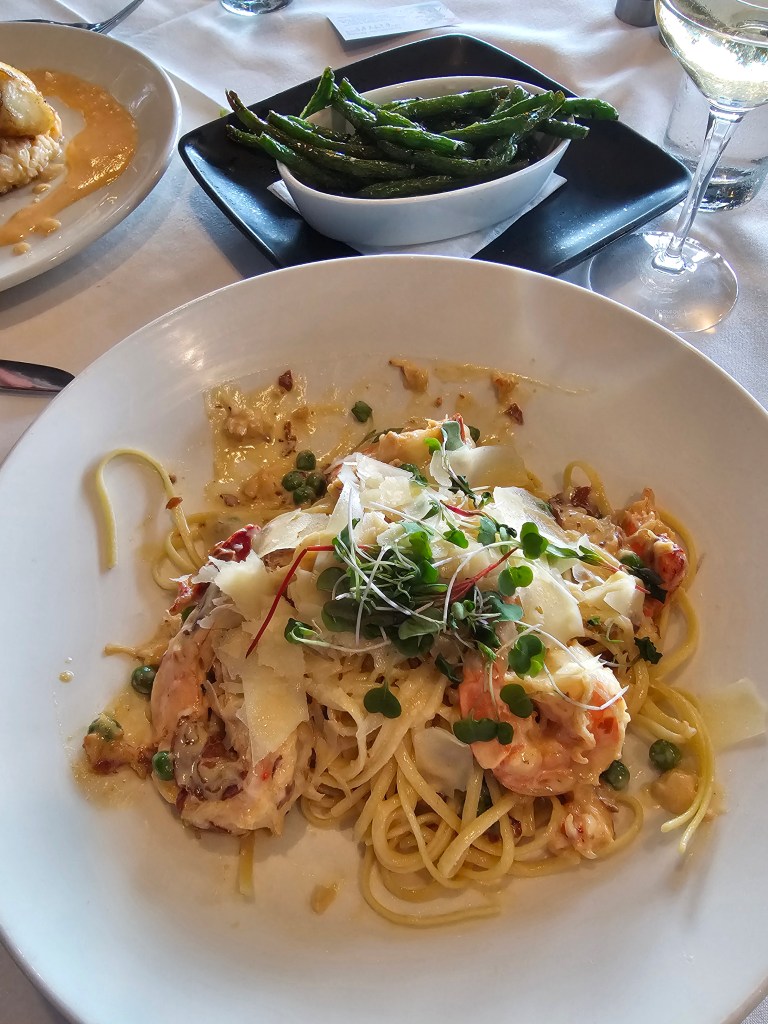
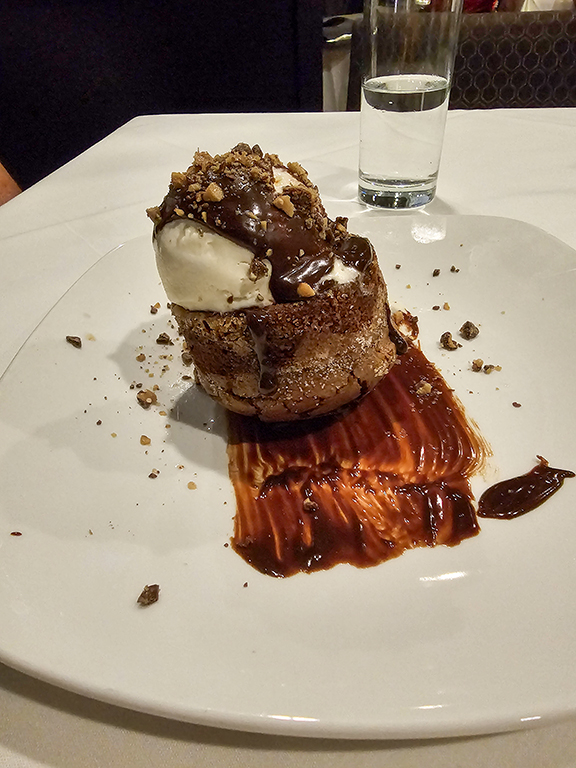
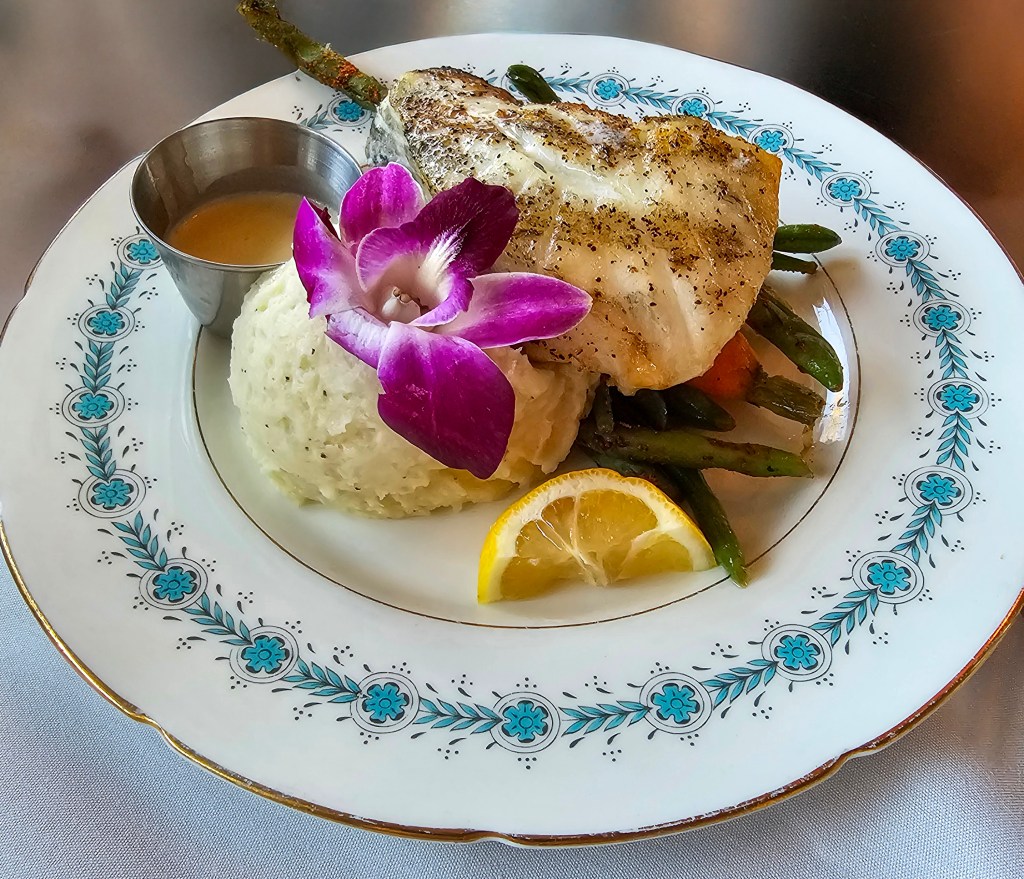
In the evening, we walked to the nearby Chart House.  This is part of the Landry’s chain of restaurants and entertainment complexes.  It is prom season, and among the diners there were several couples dressed to the nines and wearing corsages.  For a change, most of the people in the restaurant had made an effort and dressed up.  We enjoyed our dinner, beginning with very attractive and creative starters.  Dick had a beet salad, and mine was shrimp, mango, and avocado.  Dick’s seabass on lobster risotto was delicious, as was my shrimp and lobster carbonara.  The meal was sadly let down by the dessert, the restaurant’s specialty chocolate lava cake, served hot with ice cream.  It should have been good, but the lava cake sat around and was no longer hot (in fact it arrived with a distinct list to port). The other dessert specialty was a drink that was prepared individually at the table.  The four people at the table across from us all ordered it.  Each drink took a full 5 minutes to prepare, thus taking our waitress out of service for over 20 minutes.  I am sure our dessert was not the only casualty.  There are better ways to do a tableside dish (or drink, as in this case).

Chart House beet salad
Chart House shrimp, mango, and avocado salad
Chart House seabass on lobster risotto
Chart House shrimp carbonara
A rather sad lava cake at Chart House

Shortly after 11pm we were able to see a rocket take off from Cape Canaveral, about 20 miles north of us.  It was very interesting to see the fiery cylinder cross the sky until separation, when the fire winked out and the payload continued into orbit with a smaller engine.  We had hoped that there would be a launch when we were in Cape Canaveral, but unfortunately the next one was scheduled for our day of departure.

We enjoyed our day in Melbourne.  It is a lively boating community, with the yacht club running dinghy sailing lessons on weekend mornings, as well as races on weekends.  There is also a rowing club based in the harbour.  It was again a very windy day, with sustained winds of 20mph by the afternoon.  Given that the winds are generally calmer first thing, I suggested that we make a point of leaving by 8am the next day.

Dinghy sailing lessons in Melbourne harbour

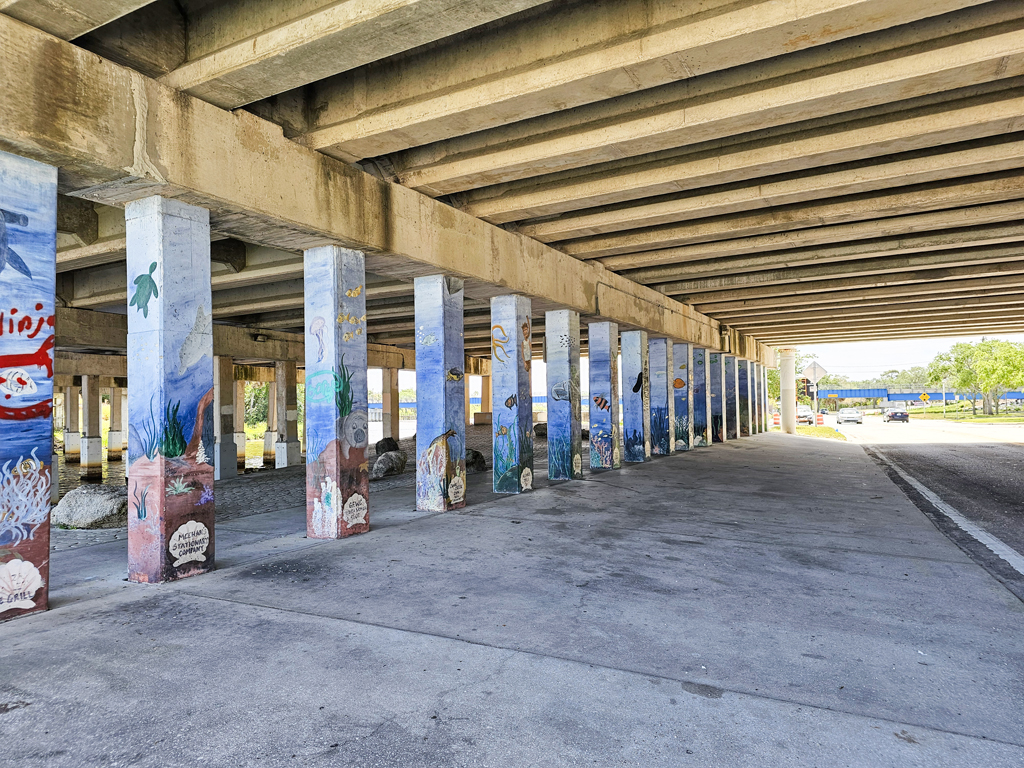
In the afternoon we took a walk around the area.  Dick also explored the downtown.  He said there were mostly bars and restaurants, few shops.  There are interesting murals around the town, including one that is creatively painted on the pillars underneath the highway bridge.

An interesting mural under the highway bridge in Melbourne
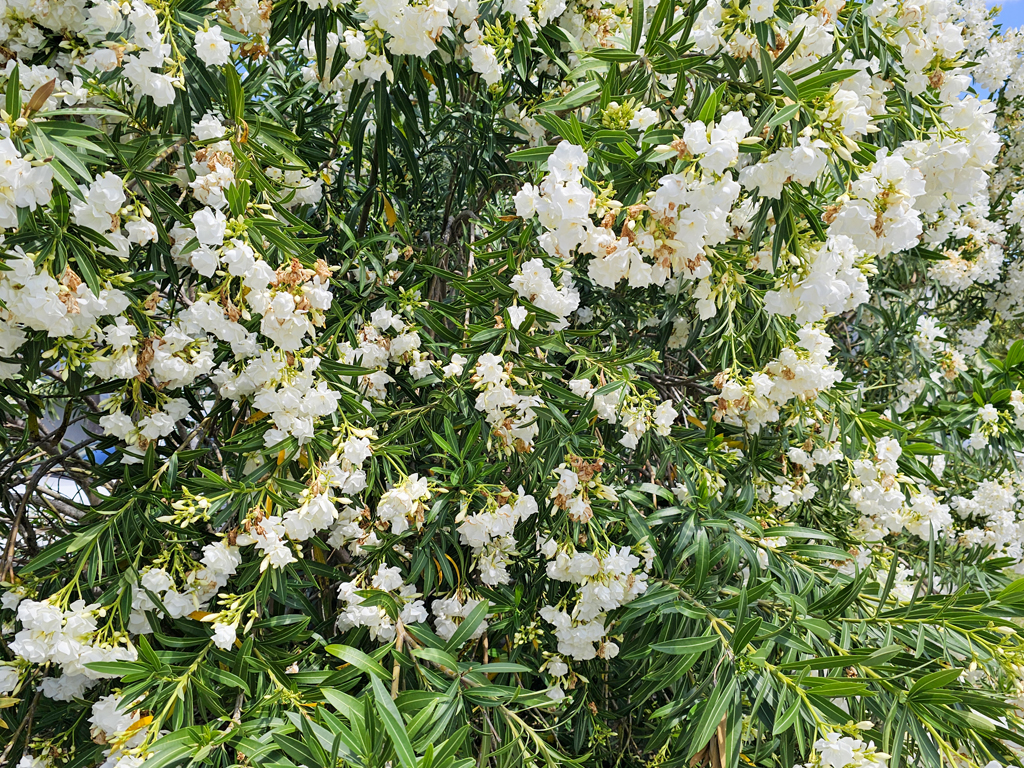
A flowering shrub in Melbourne
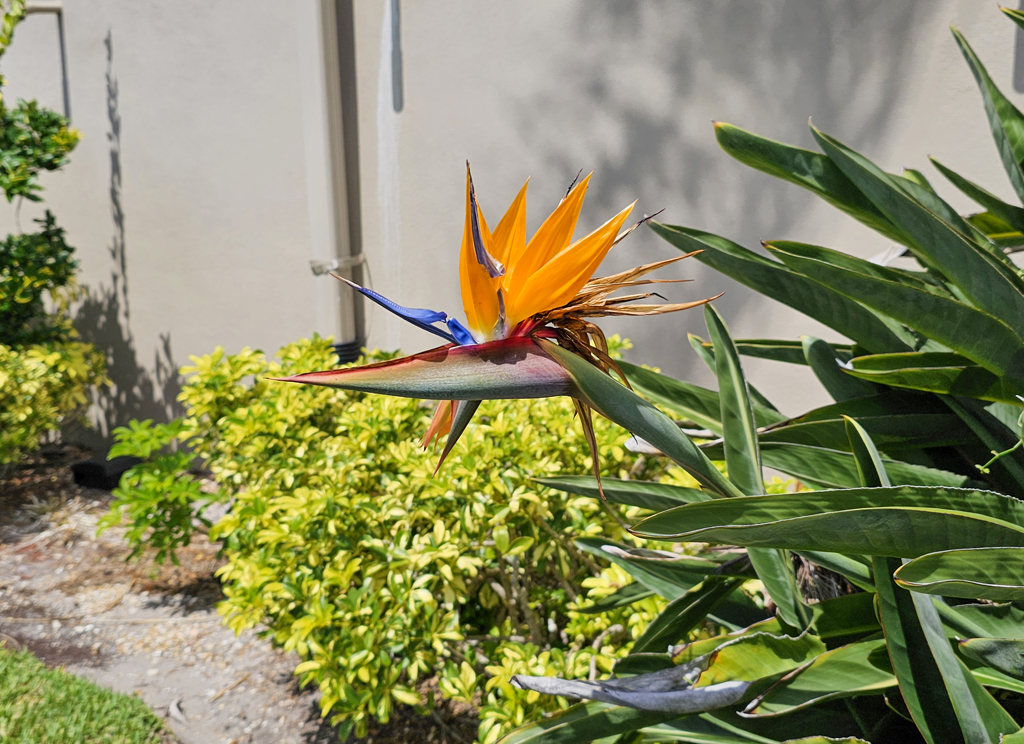
A beautiful Bird of Paradise in flower

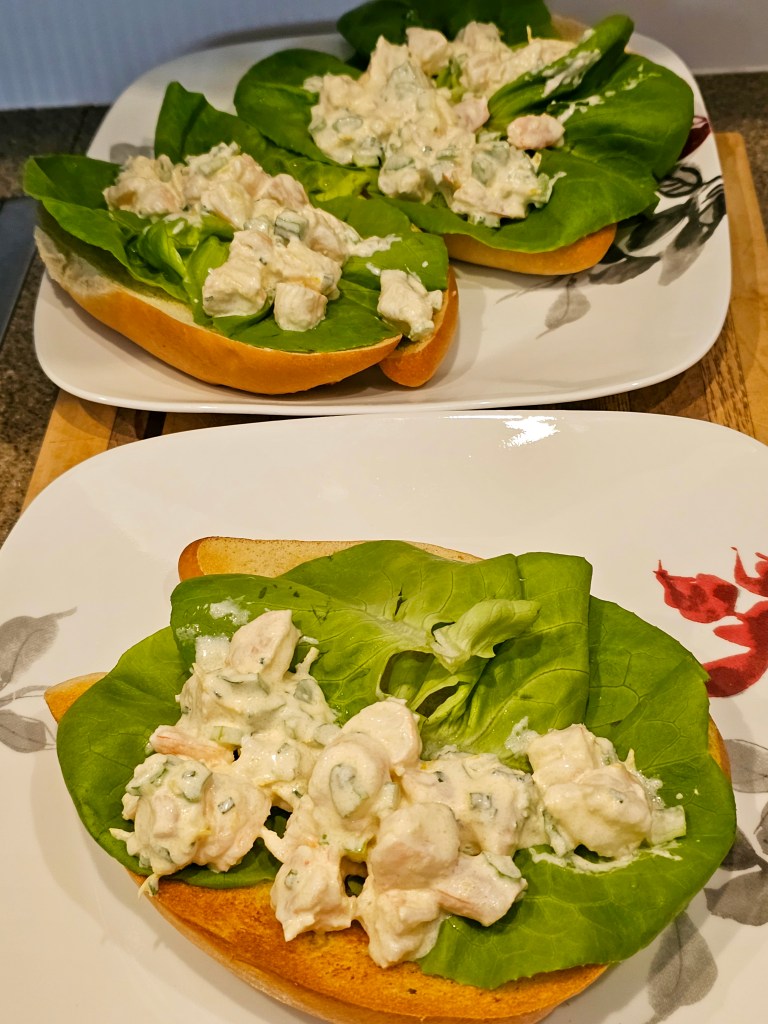
Dinner on board was our favourite shrimp sandwiches.  It can be difficult (and potentially disastrous) to try to improve on perfection, but having found an interesting recipe, I decided to risk it.  The new recipe included bacon and sliced tomatoes, and the mixture was mayo-based with Old Bay seasoning and dill (which I substituted for basil.  Cook gets to decide if there is an ingredient they don’t care for). The sandwiches were outstanding, and in future it will be difficult to decide which recipe to prepare.

Shrimp sandwich

We had few minutes of concern first thing in the morning, about 30 minutes before our planned departure.  Dick received an email to say that our reservation for that night was cancelled, as there was a boat with engine trouble, unable to leave the slip that was booked for us.  Fortunately, even at that early hour, Dick was able to immediately confirm a slip at the marina that is literally next door to the one we had planned to stop at.

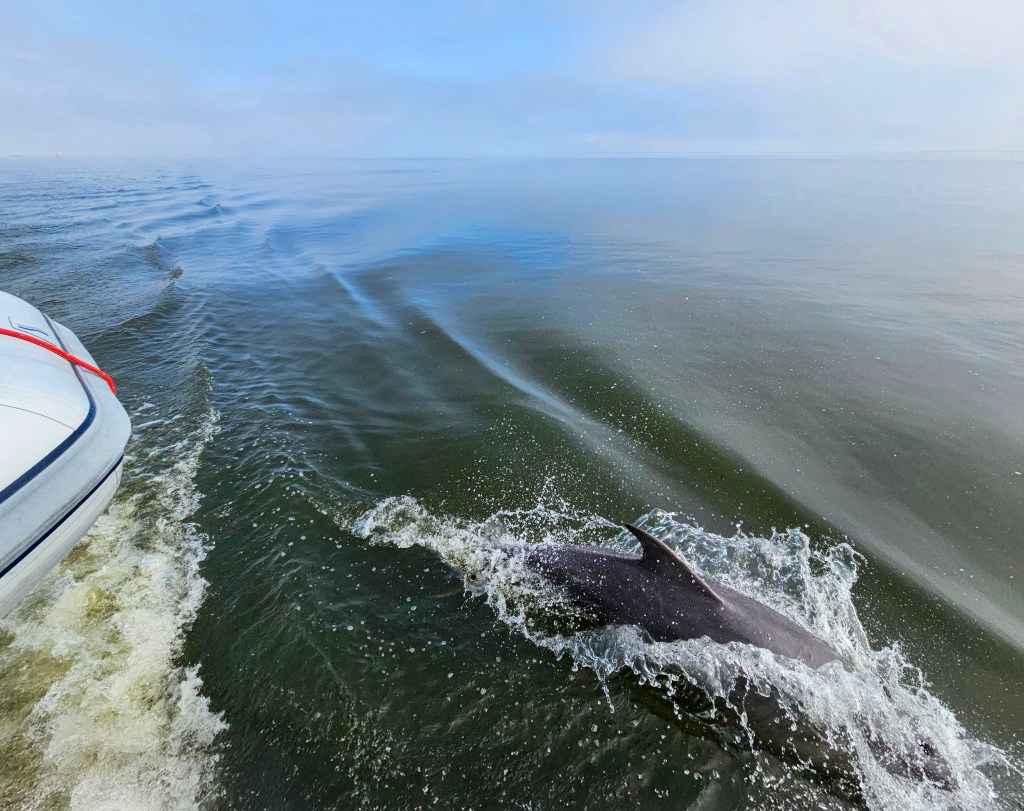
We were away by 8:05, just 5 minutes later than planned.  A dolphin followed us out of the harbour.

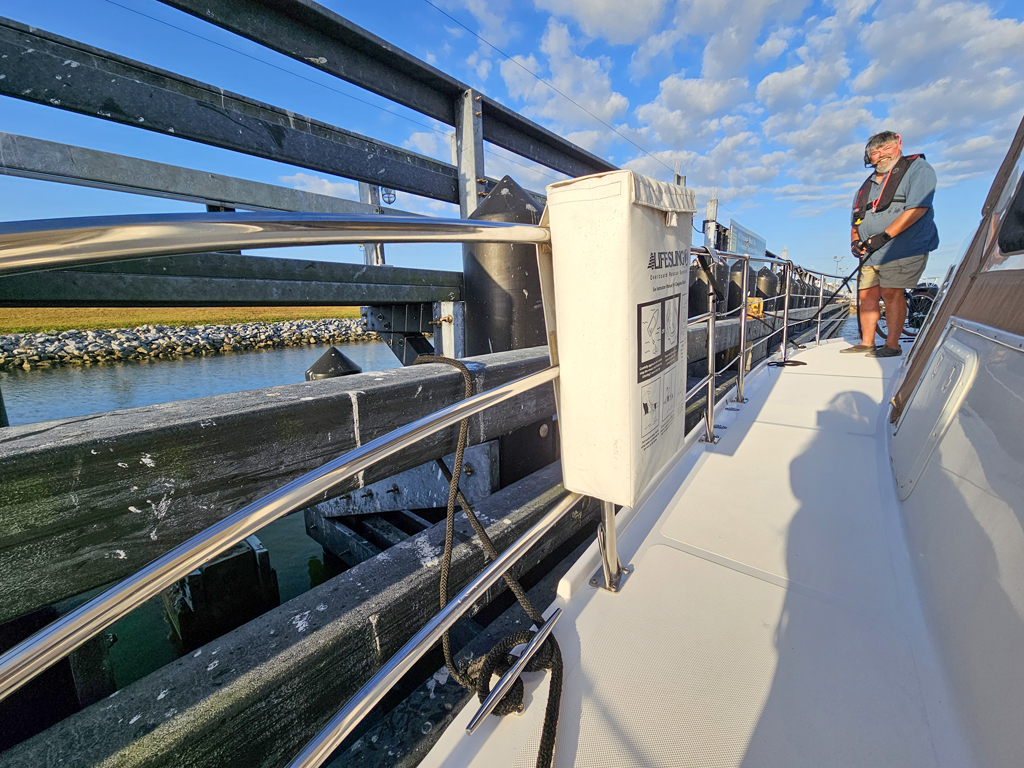
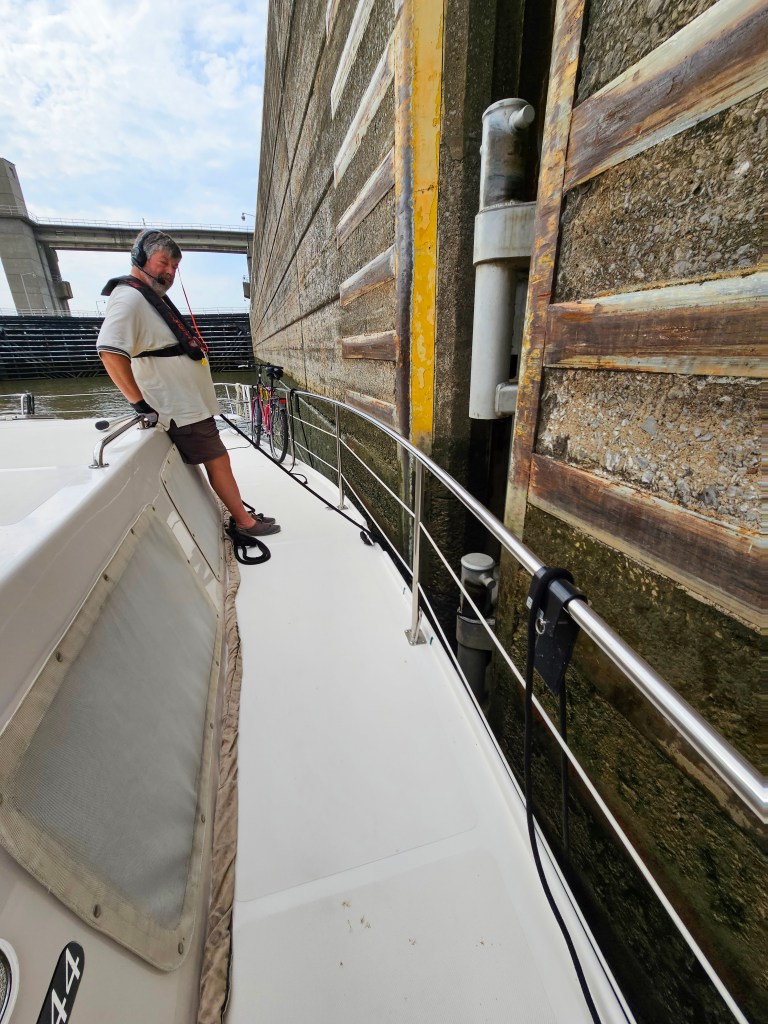
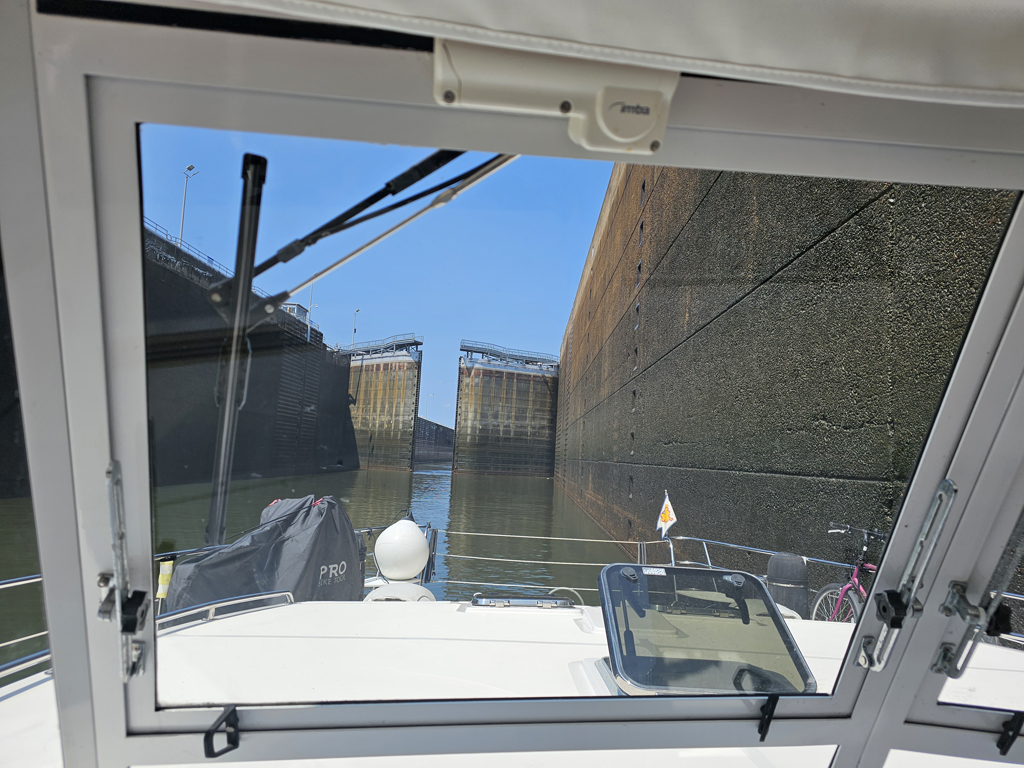
Port Canaveral is at the end of a long, narrow barge channel.  Just before the port is a lock, so Dick and I had to review our locking procedures! Lines and fenders ready, life jackets and headsets donned, and we were ready.  This one is quite different from most locks.  Instead of walls, it has aluminum beams with a black coating and small cleats on the top of the beams.  The lock fills and drains by opening the door.  You have to take care that the fenders don’t get caught between the beams.  We managed it without incident, accompanied by a dolphin.

Canaveral Barge Canal lock

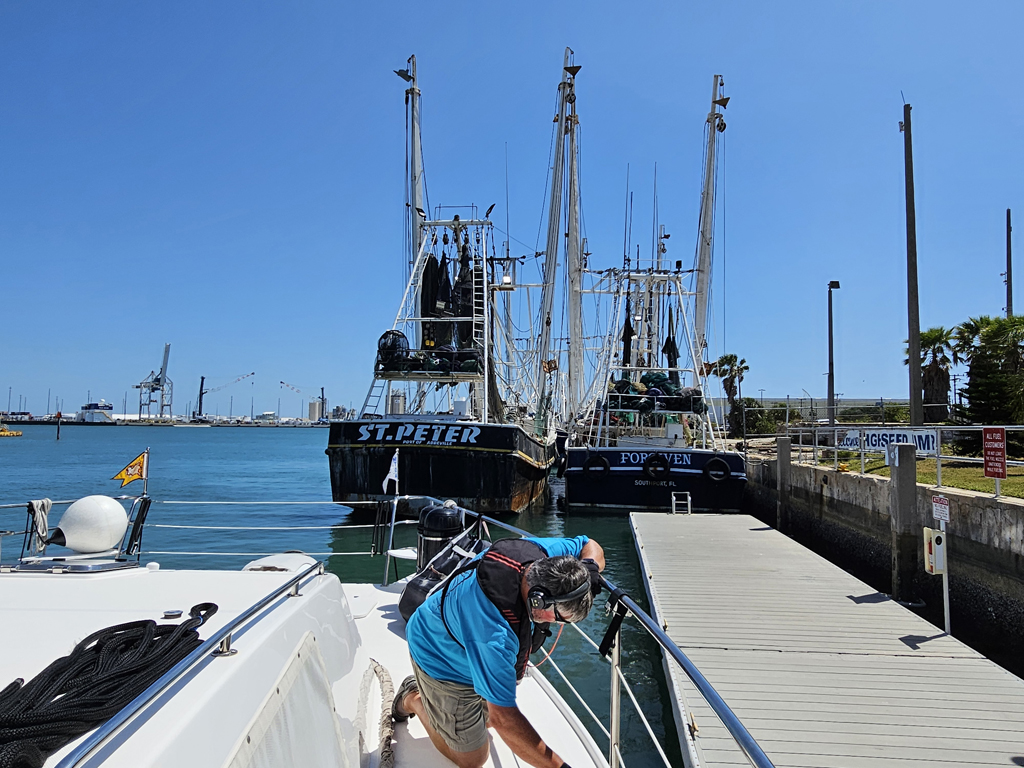
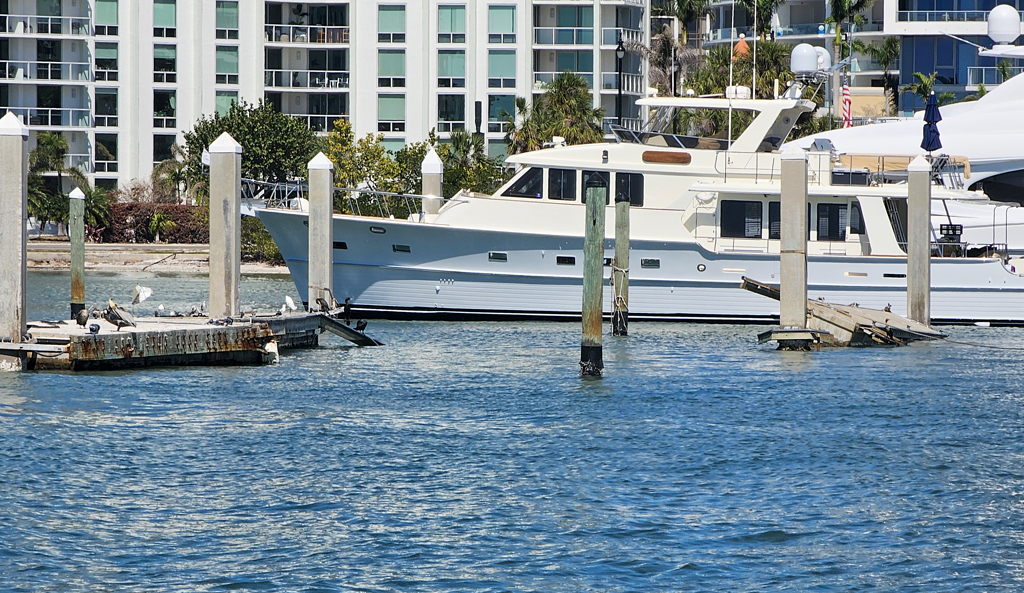
Safely through the lock, and under a bridge, we arrived at our marina.  We went first to the fuel dock to get a pump out.  It is located next to dockage for commercial fishing boats (shrimpers).  I was amused to see that St Peter was docked next to Forgiven.  Our slip was one half of a t-head, but we had good help and managed it without difficulty, in spite of high winds.

St Peter is docked next to Forgiven in Port Canaveral

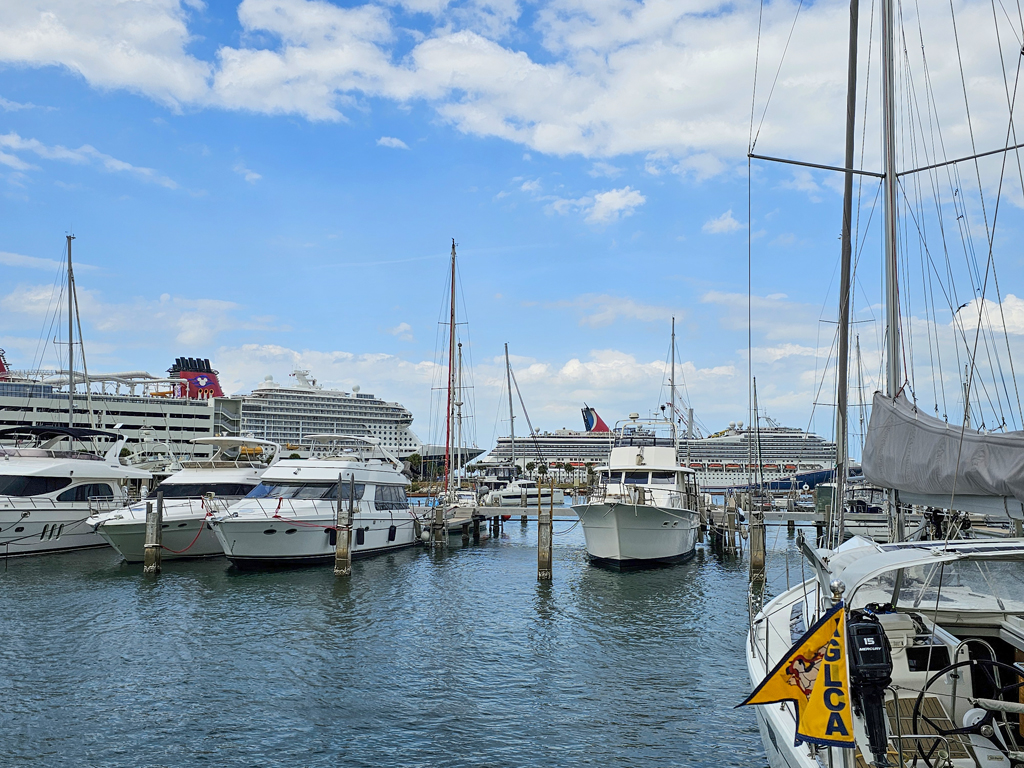
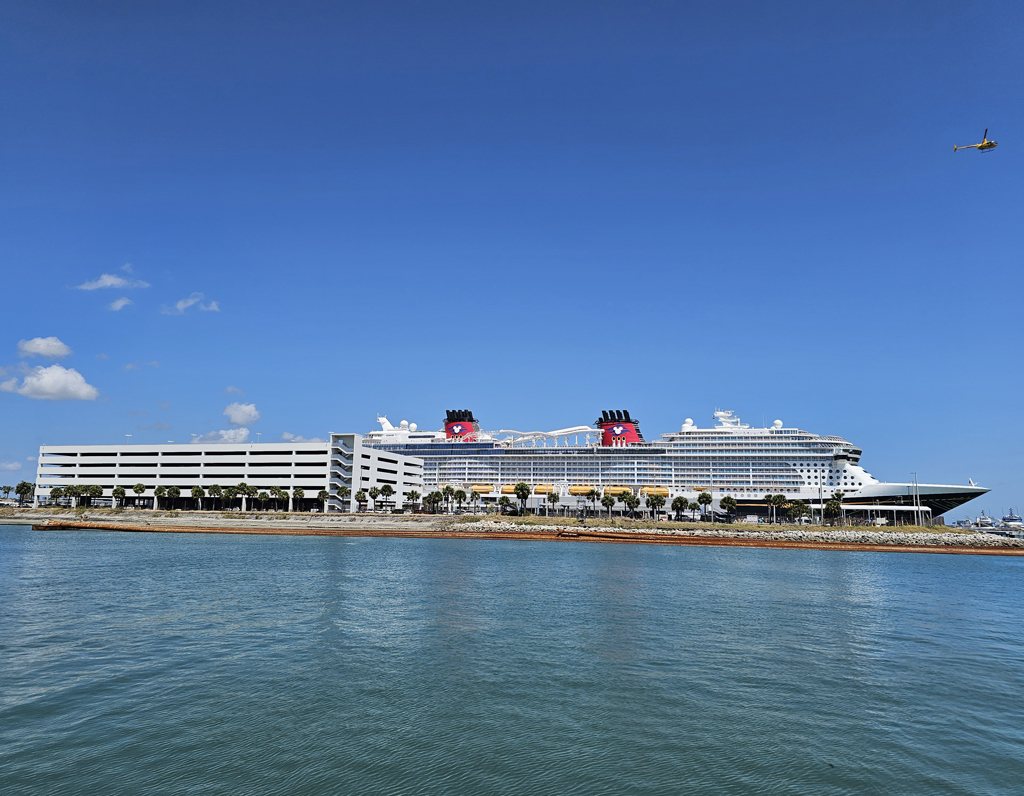
It was a very entertaining afternoon.  I watched Disney’s Wish cruise ship prepare and leave the dock, the 4th cruise ship to head out that day.  There was a large sailing cat that made 4 tries to dock before giving up and stopping at the fuel dock overnight.  Then another sailing cat arrived to dock in the slip behind us.  No less than 5 people came out on the dock to help, and the dockmaster tried to coach him in.  It is admittedly a tight fit, and there was a strong wind, but we have never seen anyone make 4 attempts and do everything wrong every time.  Eventually the dockmaster jumped aboard and managed to get it in, but even he made several mistakes and eventually the boat was just manhandled into place by the crowd of helpers.  I have always thought that sailors have superior boating skills.  How any sailor can fail to understand how the wind is going to affect the boat is mysterious.

Cruise ships in Port Canaveral
The Disney cruise ship is taller than the 5-storey parking garage

We didn’t see the rocket from the other night return, but we watched the Space X barge being towed out of the harbour to get into position to retrieve the rocket from the upcoming scheduled launch.

We had a very pleasant day in Port Canaveral.  It was rainy in the morning, but cleared up and stayed cool and dry.  The local Harbor Host dropped by and we had a most enjoyable chat, sharing stories of our exploits on the Illinois River, getting beaten up on the Neuse River and other adventures at various points on the Loop.

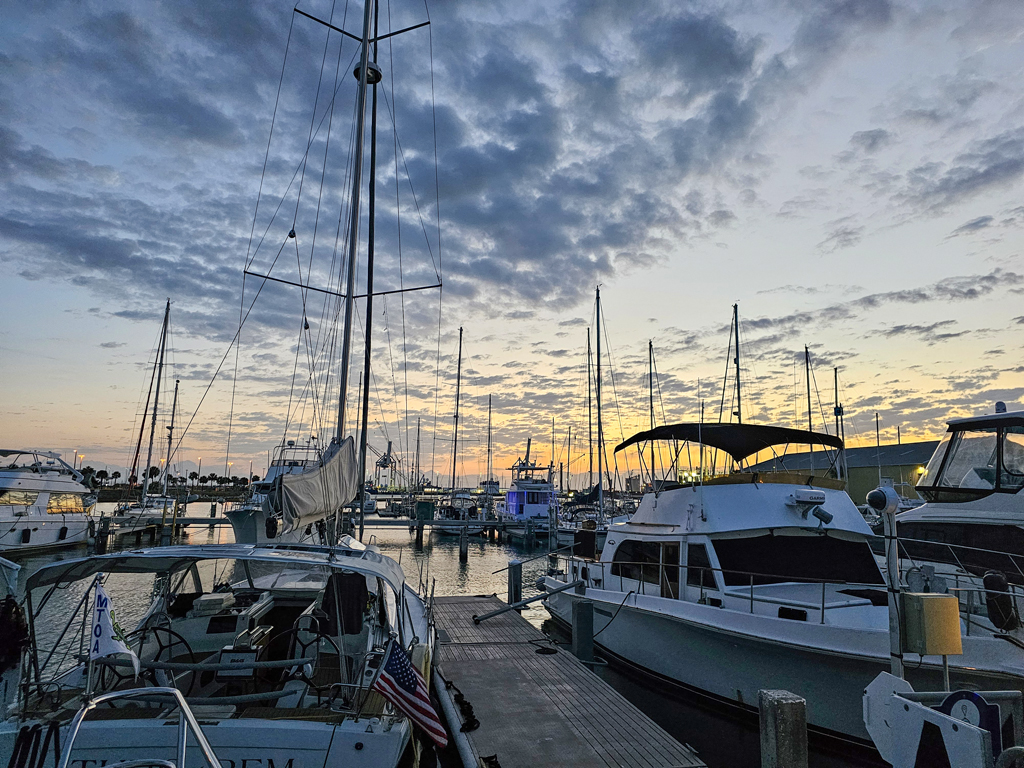
Sunrise in Port Canaveral

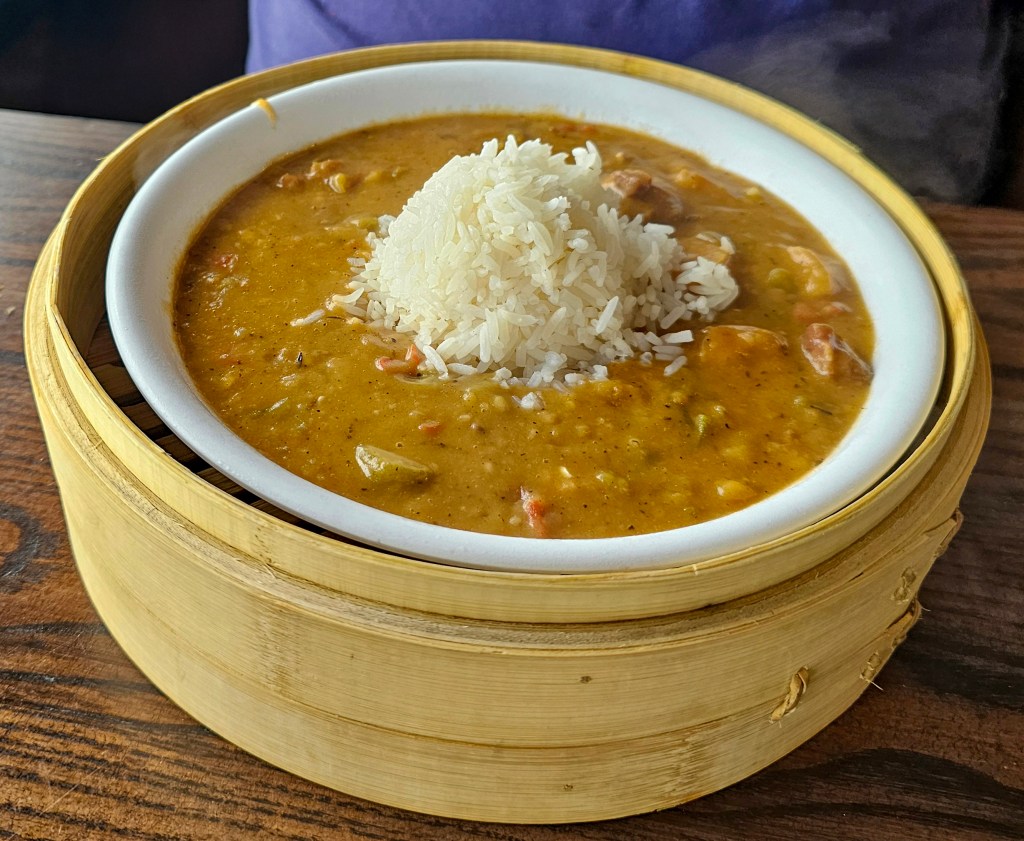
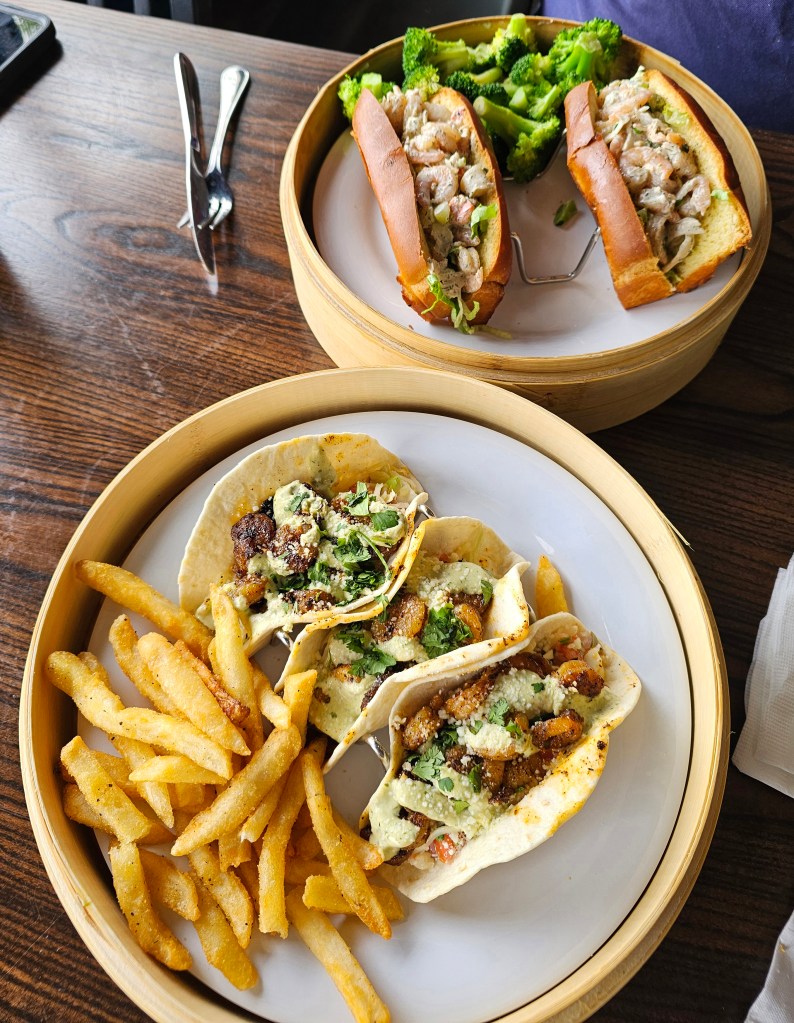
We had planned to eat on board, but the menu at Fishlips was intriguing, so we decided on a mid-afternoon foray to try it out.  Essentially casual, Southern cooking, the food was delicious. Slightly odd presentation, as everything was served in a large bamboo basket. I had thought about salted caramel cheesecake but there was no room by the time we had each had an appetizer and a main course.  On the way back we stopped at a seafood market and bought a couple of pounds of fresh local shrimp.  It is always a good sign when the shrimp boats are docked right outside the market.

Corn and black bean dip at Fishlips
Gumbo at Fishlips
Entrees at Fishlips
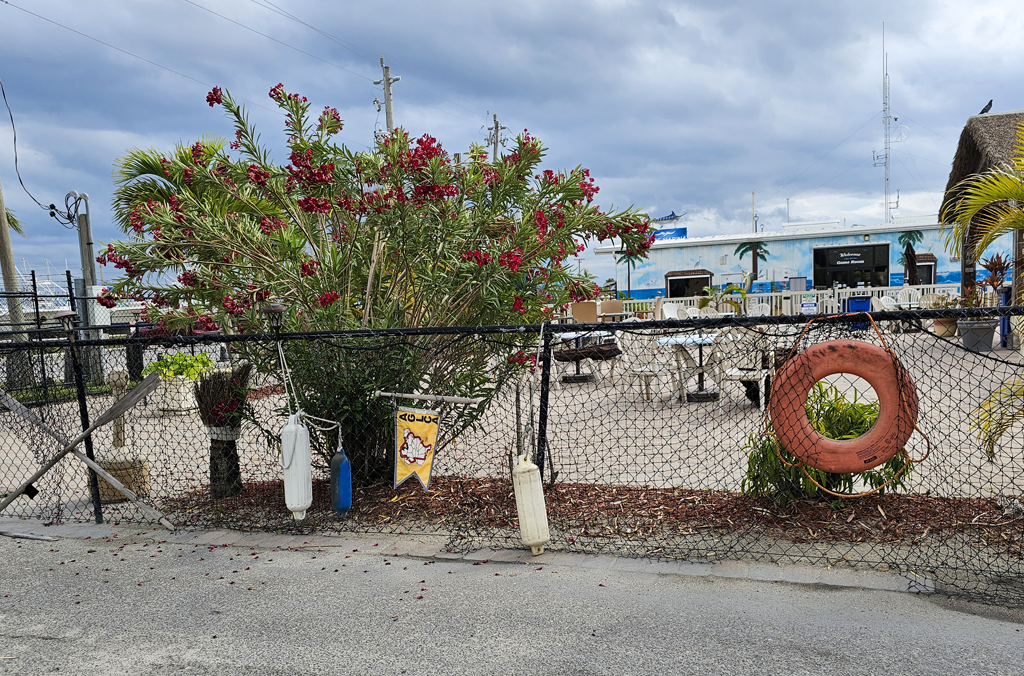
The marina fence is decorated with found objects. We spied a gold looper burgee, still attached to its flagpole!

We made an early start in the morning, with an ugly forecast for wind and waves for our passage to New Smyrna Beach.  Two dolphins accompanied us through the lock this time.  Once out of the east-west Barge Canal and back on the ICW, we kicked it up and ran fast, both to shorten the duration of the trip and smooth the passage.  We passed gold Looper Inshallah, who we met at docktails in Canada in 2019!  Going under the NASA Skyway Bridge was interesting.  There was a workboat taking up half of the available space, and they did not answer the radio, so we had to just assume they would not move, and we could go through.

Another look at the Canaveral Barge Canal lock, taken inside the lock!
We met a group of kayakers in the Barge Canal
NASA Skyway Bridge under repair. Not much room to pass the work barge.

It was a very rough day with high winds (20mph) creating a lot of chop in the wide-open areas we travelled for most of the day.  The wind had shifted and was on the bow, but Nine Lives handled it very well, both at 17 knots and when we had to slow to trawler speed or less.  About half of the unfortunately named Mosquito Lagoon was minimum wake, but we managed the journey in 5.5 hours because we were able to run fast for part of the way.  The worst was docking.  Our slip was in an awkward spot, and initially, Dick expected it to be farther into the harbour.  At the last minute I saw the slip number, and he turned, but the wind was pushing us right off the dock and there was no way to catch a cleat.  We circled around, and I took the helm for the next attempt, with zero success.  Third time lucky.  Two men came down the dock to help, and once I had thrown a line to them, they were able to pull us in and get us tied up.  Final arrangements (spring lines, stern line across) took a little longer than usual, but eventually we were settled.

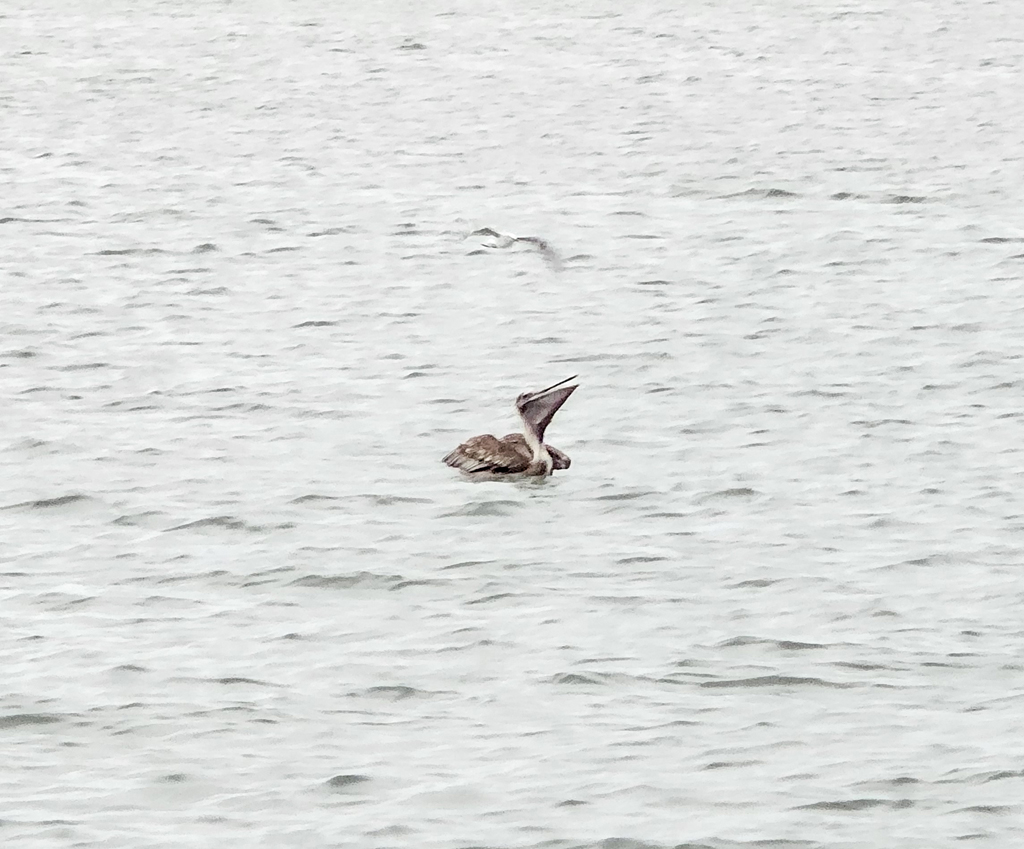
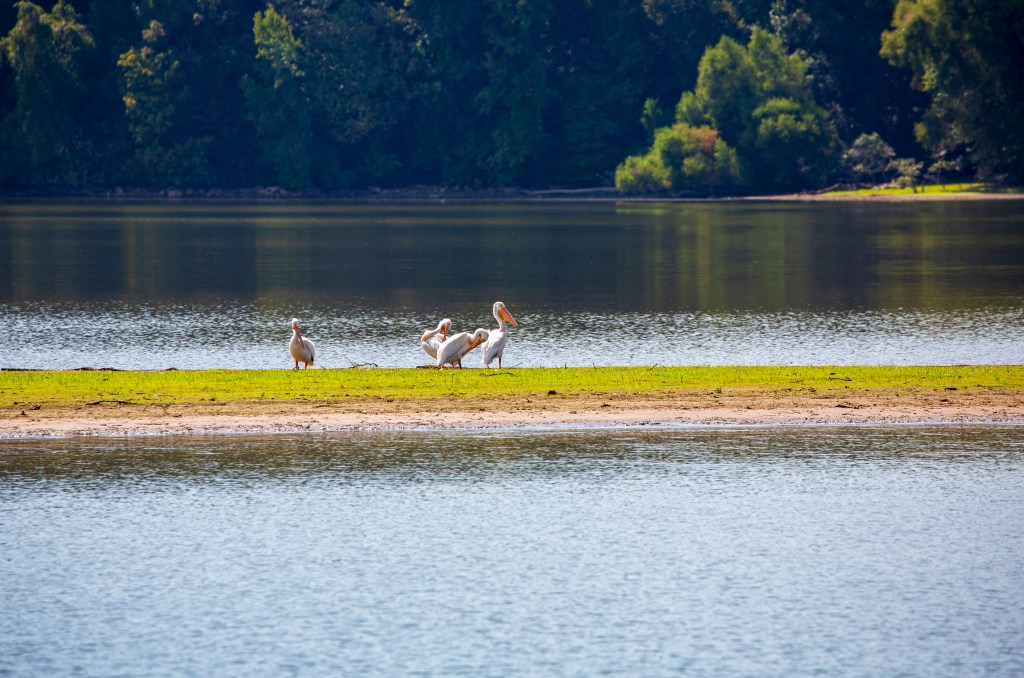
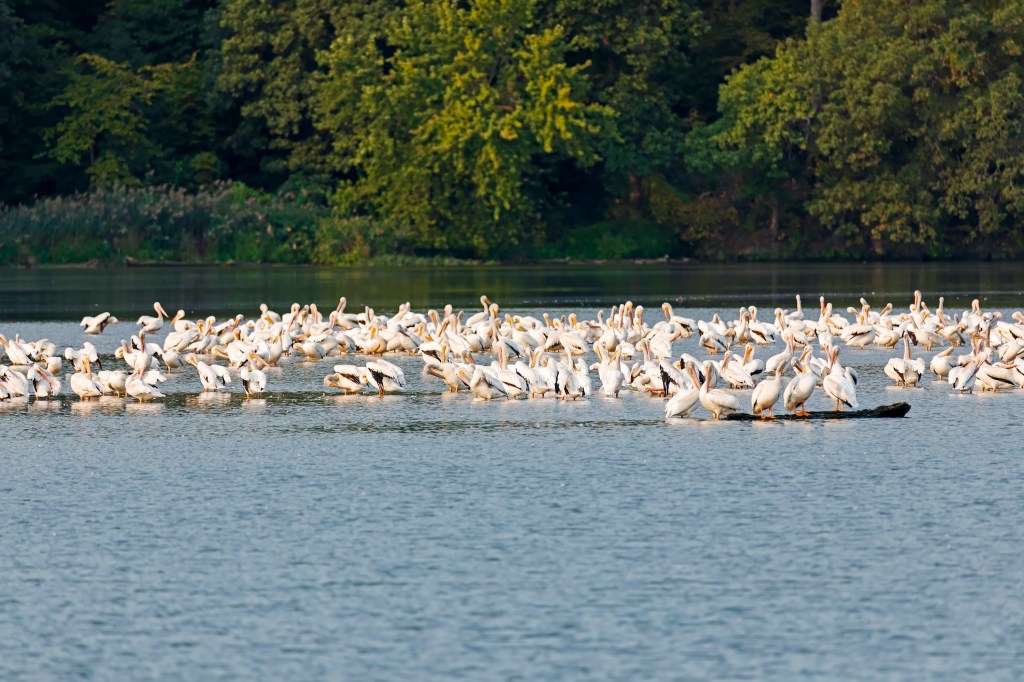
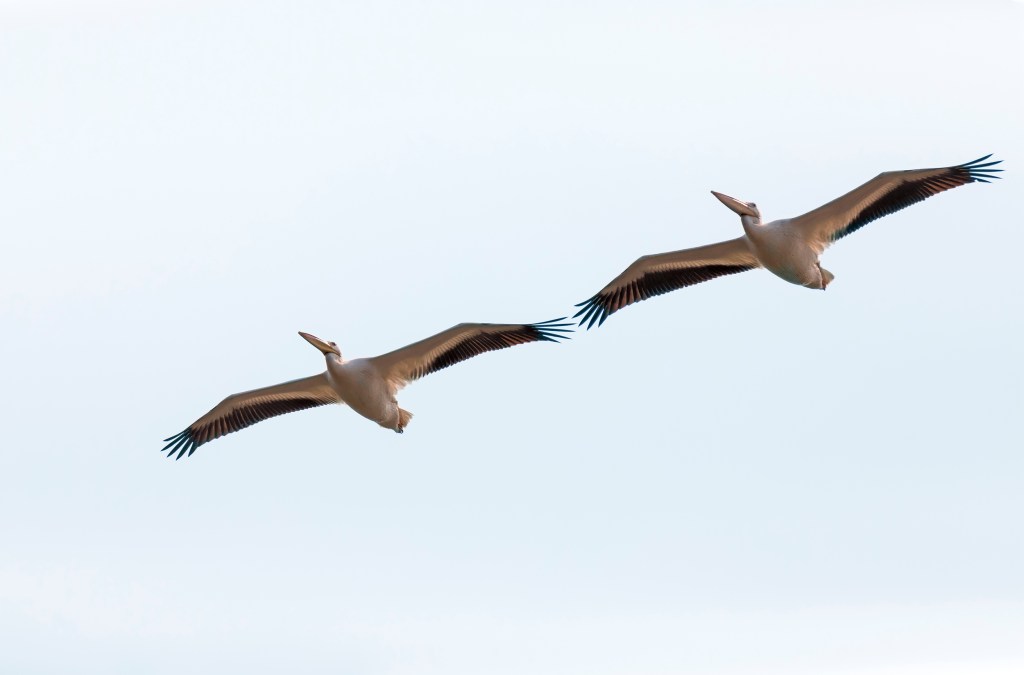
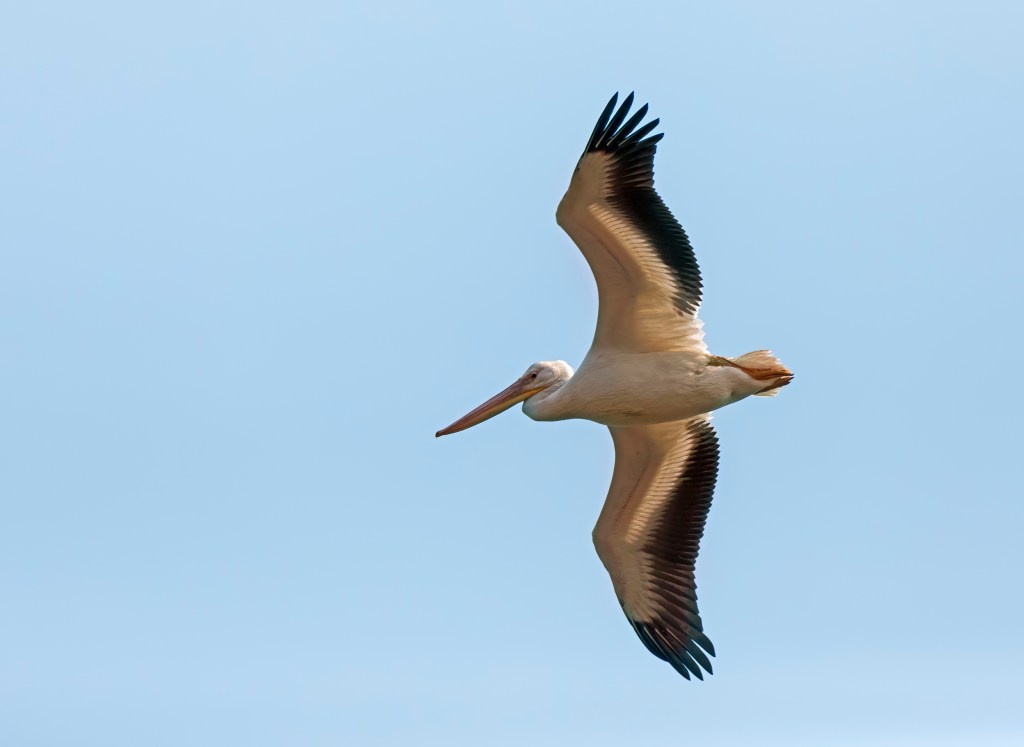
A pelican watching the harbour at New Smyrna Beach
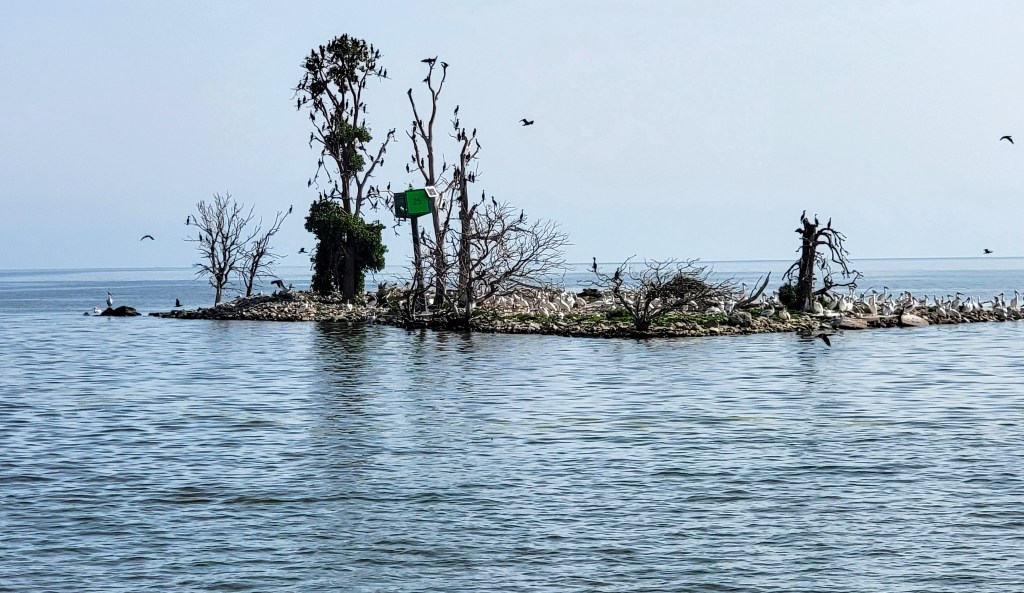
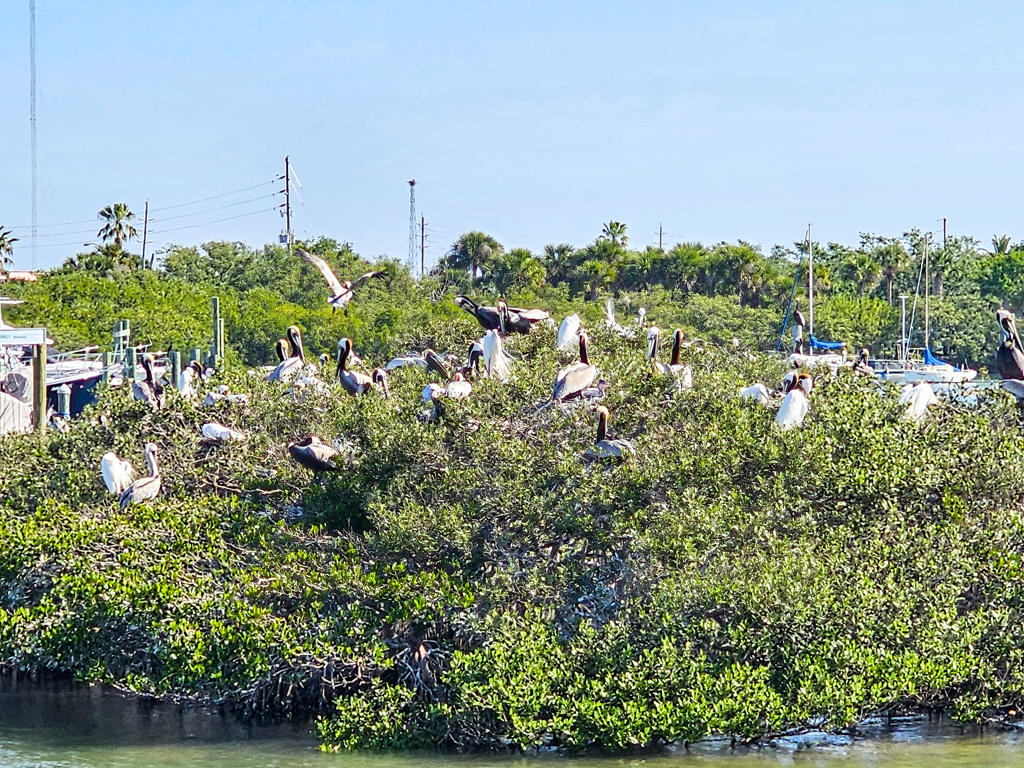
Pelicans and Egrets nesting in the harbour at New Smyrna Beach

We walked into town and poked around the interesting little shops.  A wonderful large wooden bowl set with polished stones caught Dick’s eye, but just as well, the $1500 price tag was off-putting and we did not buy it!  In another shop, we were intrigued by the colourful ladies’ tops in the window.  Better luck there, I tried a knee-length floaty kimono top that reminds me very much of Mackenzie Childs designs.  Dick likes the garment, but I am pretty sure that buying a matching teakettle would be pushing it!

Downtown New Smyrna Beach
Antique store with a pretty garden in New Smyrna Beach

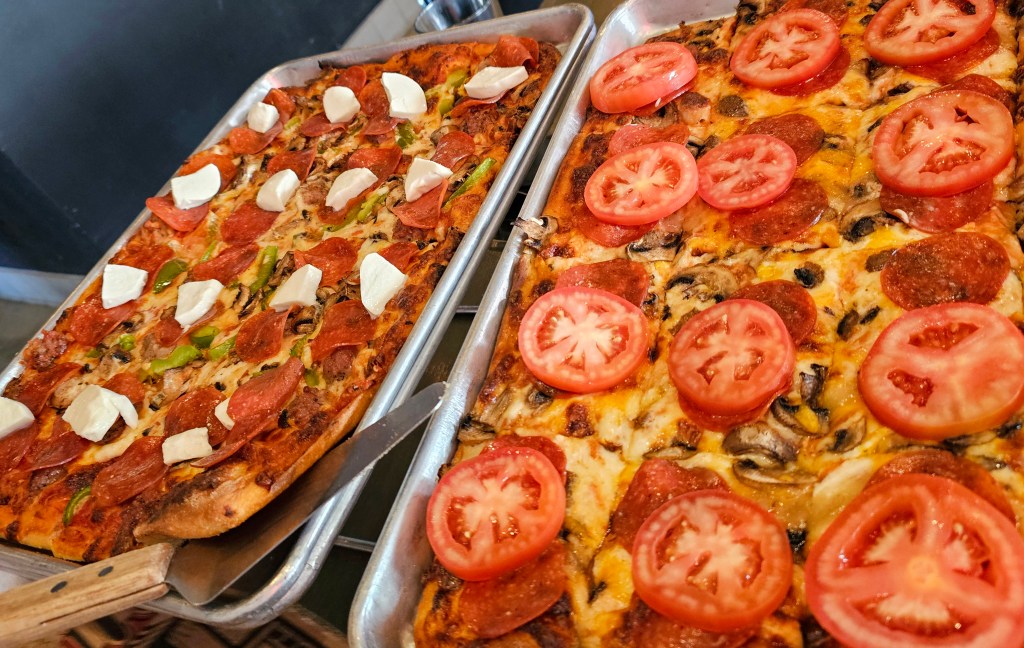
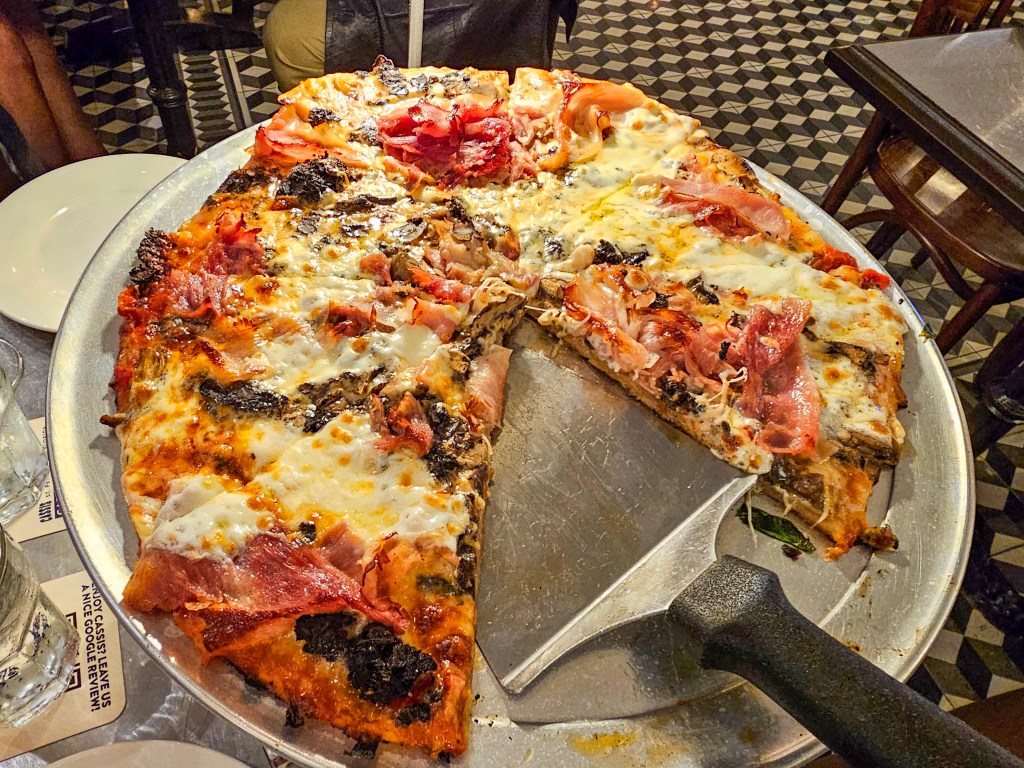
The pizza destination was a sad disappointment.  Touted as “the best pizza I have ever tasted”, by a fellow Looper, our only thought is that the person needs to get out more.  We started with Mike’s Forbidden Breadsticks, which sounded intriguing, but they turned out to be simply a sheet pan pizza sliced and served with two dipping sauces.  We each ordered a large pizza, as we like to take at least half of it home.  They were also sheet pan style instead of round, and had the unusual feature that the fresh tomato on mine, and the so-called fresh mozzarella (it was just ordinary block mozzarella) on Dick’s, were uncooked and plunked on the top after the pizza was baked.  No question, the pizzas were okay, but certainly not as good as those I make at home.  For reasons that escape us, they had only 10” boxes, and their bags would fit only one box.  We ended up using the bags from our other purchases, or Dick would have had to carry a teetering stack of boxes home.  We enjoyed visiting the town, but see no need to return for the pizza! In fact, the pizzas reheated well and tasted better than they had in the restaurant.

Not quite “the best pizza ever”

It was a short trip to Daytona Beach, so we could have a leisurely start.  The marina is huge.  The dockmaster gets around with a dinghy.  Once you call on the radio and get a slip assignment, if you need help with docking, the dockmaster will motor over and help.  We docked without help, and later, during a break in arriving traffic, the dockmaster stopped off with a package with marina and town information and security cards.  Although the marina is huge, for a change the docks are well-marked.  When you book, they send a welcome email with a printable marina map with all the slip numbers clearly shown.  There are well-spaced bathhouses with good facilities.  The dockmaster even offered restaurant suggestions, including a warning to avoid the one that is on-site!  We had already seen appalling reviews for that one, and he also confirmed that the place we had chosen is excellent.

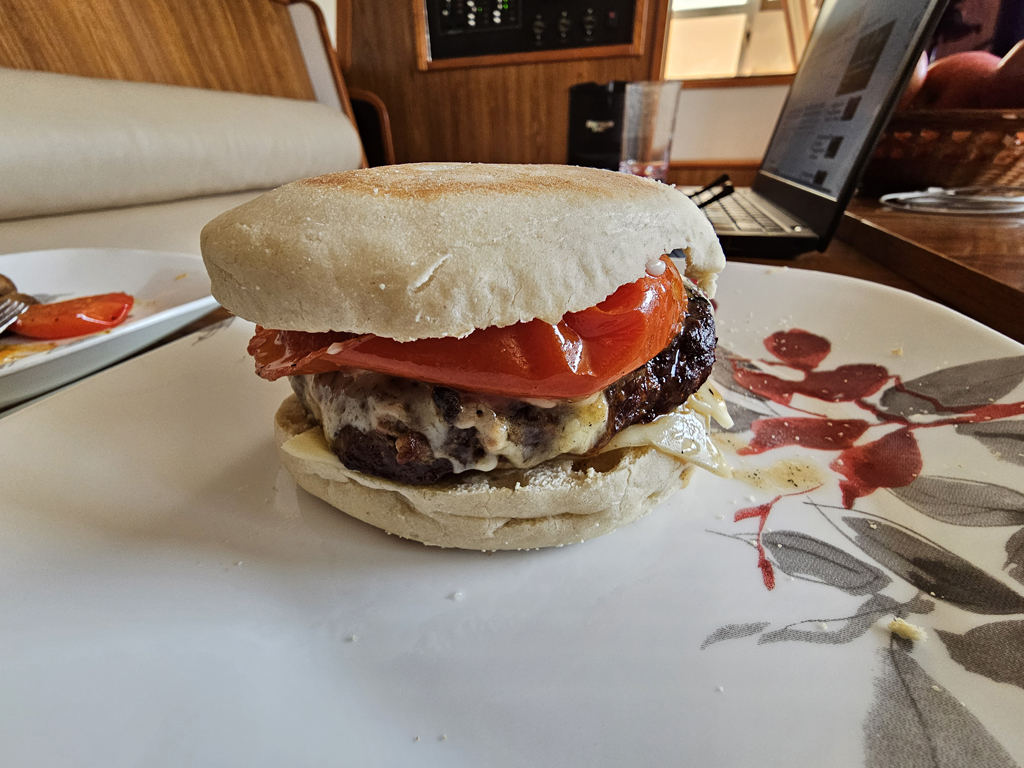
Dick cooked on board that evening, the last of the frozen burgers with some delicious trumpet mushrooms.  He also added some bacon slices and very nice sliced tomatoes.

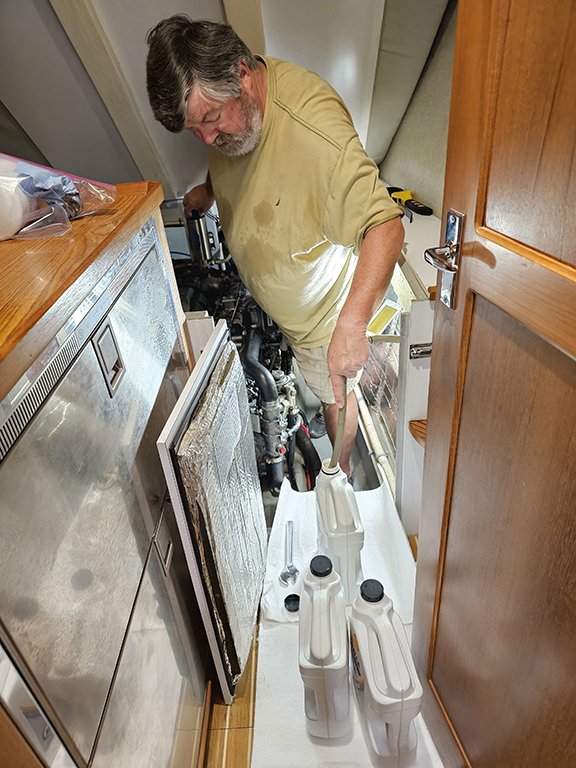
Saturday was designated cleaning day for Nine Lives. After vacuuming, Dick decided that it was a good day to change the oil and filters (of far more interest than cleaning).  It wasn’t really time, the next one should have been just as we arrived back in Hilton Head.  Dick thought it would be perfect timing, but our broker advised against that.  Apparently, if you change the oil just before a survey, it can be taken as a sign that there is something to hide, so doing the job a few weeks early is a better plan.  I took care of the rest of the cleaning and washing bed linens and towels while Dick was occupied with the engines.

Taking away the used oil and filters

As I watched the boats arriving and the dockmaster buzzing about, a 95-foot San Lorenzo yacht arrived.  This is not everyman’s boat brand.  For example, the first yacht for sale on their website comes in at $73 million.  We think that the 95-footer might be for sale, as her name has been removed from the transom.  The captain referred to “the event” during the docking process.  The next day I watched preparations that took the entire day.  They included changing the colour of the outdoor pavilion roof and covering up the restaurant sign.  As we walked to dinner in the evening, we could see banners with the Ferrari logo, in orange that matched the pavilion roof covering.  One wonders why Daytona Beach would be selected for such a high-end sales event, but we suppose the racetrack has something to do with it.  We did not receive an invitation, but never mind, our next vehicle will not be Italian, and we are not in the market for a superyacht either.

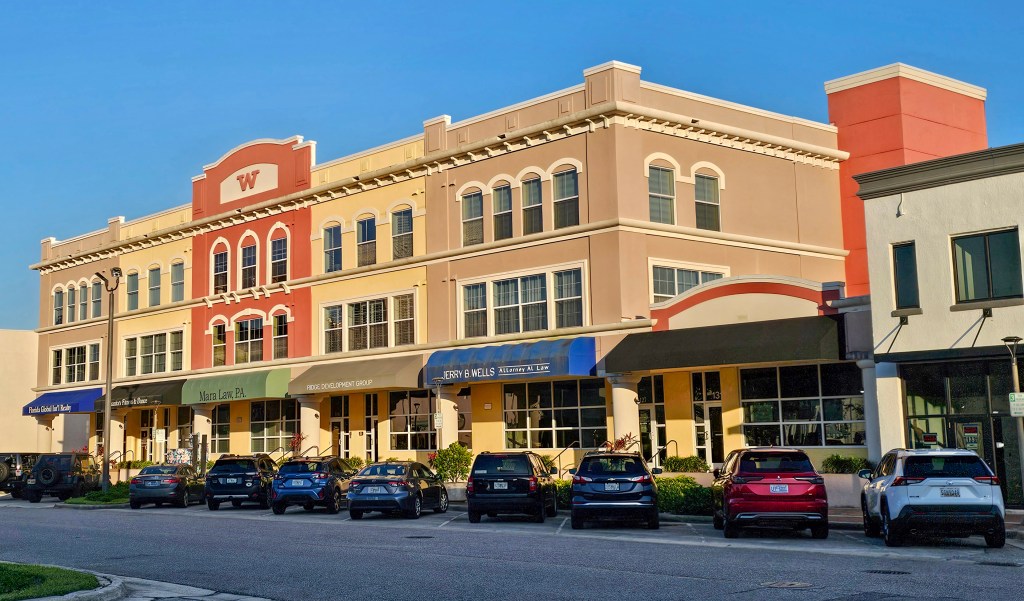
Interesting architecture in downtown Daytona Beach
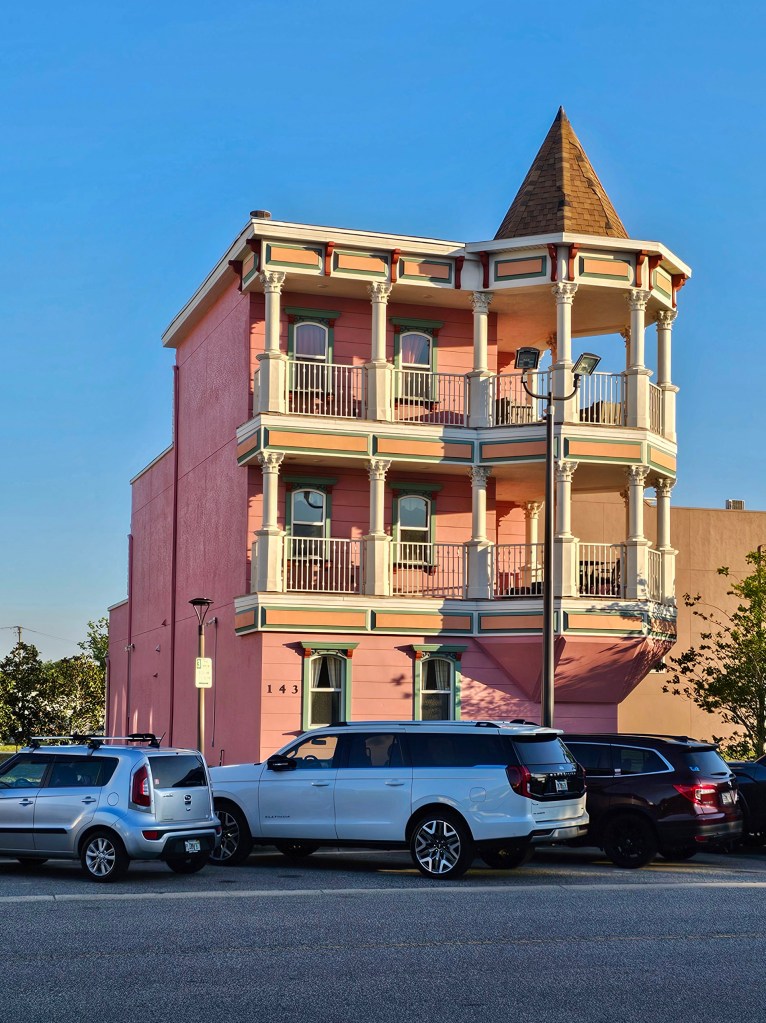
A pretty pink house in Daytona Beach

Dinner was an interesting experience.  The Italian fine dining restaurant is located in the historic home of President Warren G Harding.  Aptly named “The Cellar”, the lower level of the restaurant is wonderfully characterful, with a tin ceiling, interesting stained glass “windows” and wine racks and boxes scattered everywhere.  The evening did not get off to a good start.  The front door is guarded by a well-dressed gentleman whose sole purpose appears to be keeping away any riff raff who have failed to make a reservation.  After we were seated by the guard dog, our waiter introduced himself.  Water was brought, specials recited, and he then disappeared.  After a wait that was too long, he finally returned to take our order for drinks (a half bottle of Prosecco).  When he also tried to take a food order at the same time, Dick told him quite clearly that “we never give a food order until we have our first drinks”.  After that, the service improved.

There were wine glasses already on the table.  The waiter brought the Prosecco, and started to open it, and Dick asked where the glasses were.  The waiter told us that the large red wine glasses on the table would be fine.  Dick’s comment that we have never been served Prosecco in such a glass sent the waiter over to the bar to enquire, and he came back to say that “She said that those glasses would be fine.” I told him that we said they were NOT fine.  Off he trotted and returned with flutes.  After that, the meal was excellent, perfectly paced, and very enjoyable.  One could order half portions of the pasta dishes, including the risotto, which was perfect for me.  Dick was very pleased to see rabbit on the menu, which he loves and is rarely offered.  My comments about “poor, poor Bunny” were ignored, as was my remark that it is nearly Easter too!  The waiter heard me say that and was highly amused.  The older woman (the owner, we presume) dressed all in black, who stopped at each table to welcome the diners and ask if they were enjoying the food, did not bother with us.  Clearly, we offended her when we insisted on different glasses for our bubbly.

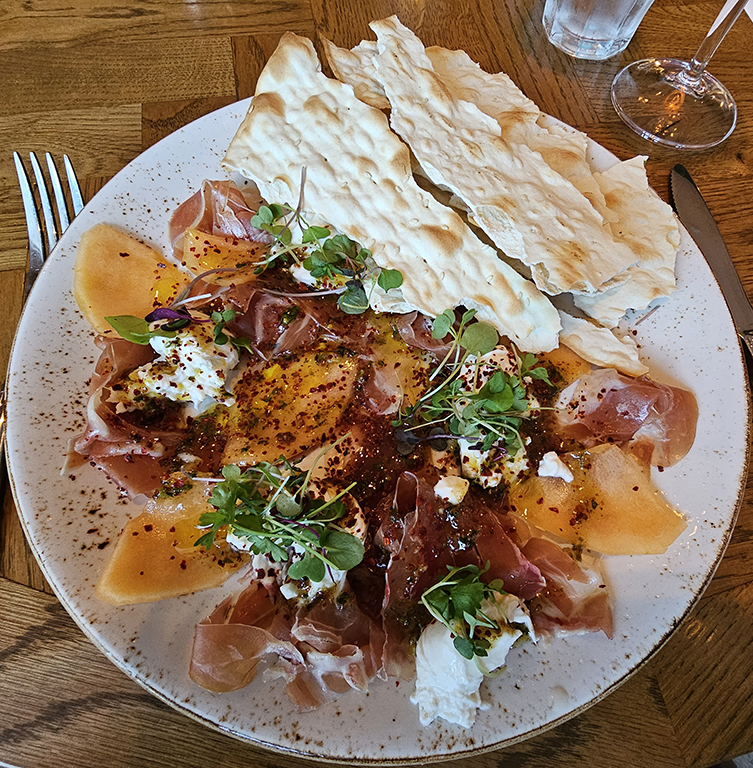
The Cellar prosciutto with melon and pear
The Cellar shrimp and crab salads on avocado
Oh poor, poor bunny!
Shrimp and crab risotto at The Cellar
Desserts at The Cellar
A lovely old house, now a B&B in Daytona Beach
There was an art fair in Daytona Beach. The fair closed before dark, but one piece of “art” was left on display.

We made a slightly early start in order to get a pump out on exit.  It was a long, but interesting day.  Many nice-looking houses, interspersed with parks and natural areas.  We were part of a parade of boats, both power and sail, all heading north at different speeds.  Lots of polite requests on the radio to pass.  Of course, all those good boating manners count for little when small craft go screaming by at speed.

The river, and the ICW channel in the river, meandered back and forth like a drunken sailor.  It was necessary to pay lots of attention to the charts and also the position of the channel markers, especially the floating ones.  One positive aspect of following other boats is that you can watch where they go in the tricky, shallow areas.  If they come to an abrupt halt, you know there must be unexpected shoaling!

Our arrival at the municipal marina in St Augustine was uneventful.  We had been told that the “Blessing of the Fleet” was scheduled until 3pm, and that no arrivals would be processed until after the ceremony was finished.  We planned to get there at 3:30.  The harbour is notorious for tricky currents, and the wind had come up, but Dick brought Nine Lives in, stern to, with complete aplomb!  This despite two wave runners that were illegally parked at the dock and were somewhat in the way.  Later, I saw the dockhand attach a ticket to them, and so had the amusement of watching the “What the heck?” moment when the owners returned to their craft.  I was pleased to see that they did take the tickets down the dock and paid the fines.

Nine Lives on the dock in St Autustine

The marina is large, and has two large mooring fields on each side of the Bridge of Lions as well.  There is an extensive, free, dinghy dock, alternatively, boats on mooring balls can call for a shuttle pickup.  The dockmaster was brusque but very efficient.  Interestingly, he will not reveal your slip assignment until after you confirm that you have lines and fenders ready and on the correct side per his instructions.  Given how many boaters we have seen fiddling with tangled lines and putting out fenders as they arrive at the dock, this seems to be a very sensible policy.

The busy dinghy dock in St Augustine

Our dinner was at a local winery, about a mile walk.  We left early, but stopped for a long chat with the folks on a large sailing cat down the dock, so a leisurely stroll was no longer on the cards.  The meal was very good, and we were surprised at how few diners there were in the highly rated restaurant.

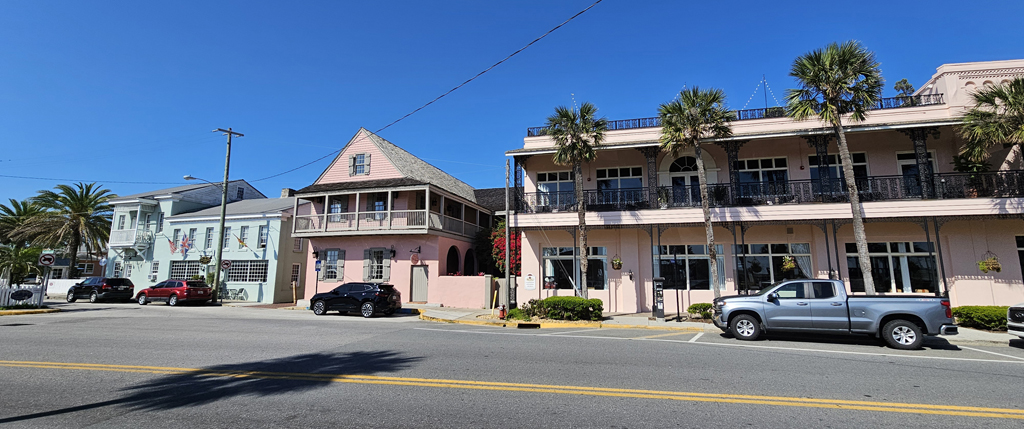
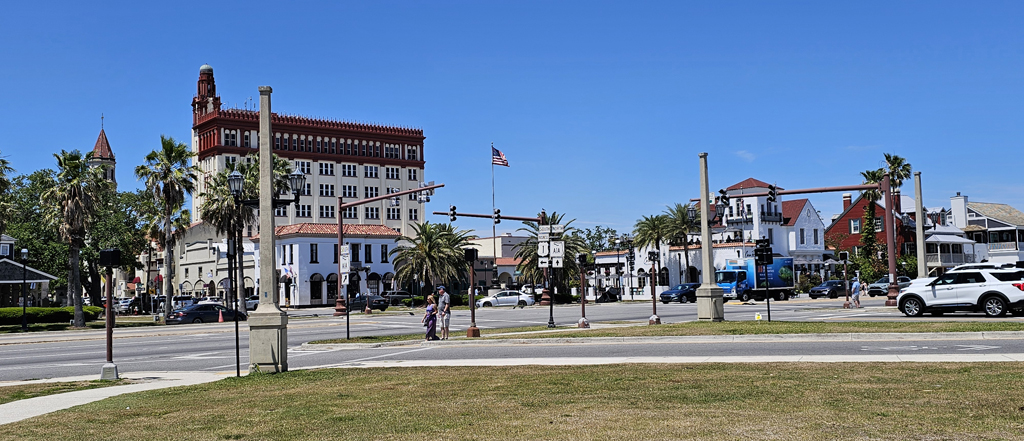
We have been looking forward to our return to St Augustine ever since we were here with Nine Lives on her maiden voyage in January of 2017.  Our visit lived up to our expectations!  We took the hop-on-hop-off Old Town Trolley around its full circuit on the first morning.  The commentary was excellent.  St Augustine downtown is a wonderful mix of very old houses and larger buildings.  Some date from the early 1700’s.  Modern hotels incorporate older buildings or are designed in a complementary style.

Avenida Menendez
Avenida Menendez intersection
The lions guarding the Lion Bridge in St Augustine
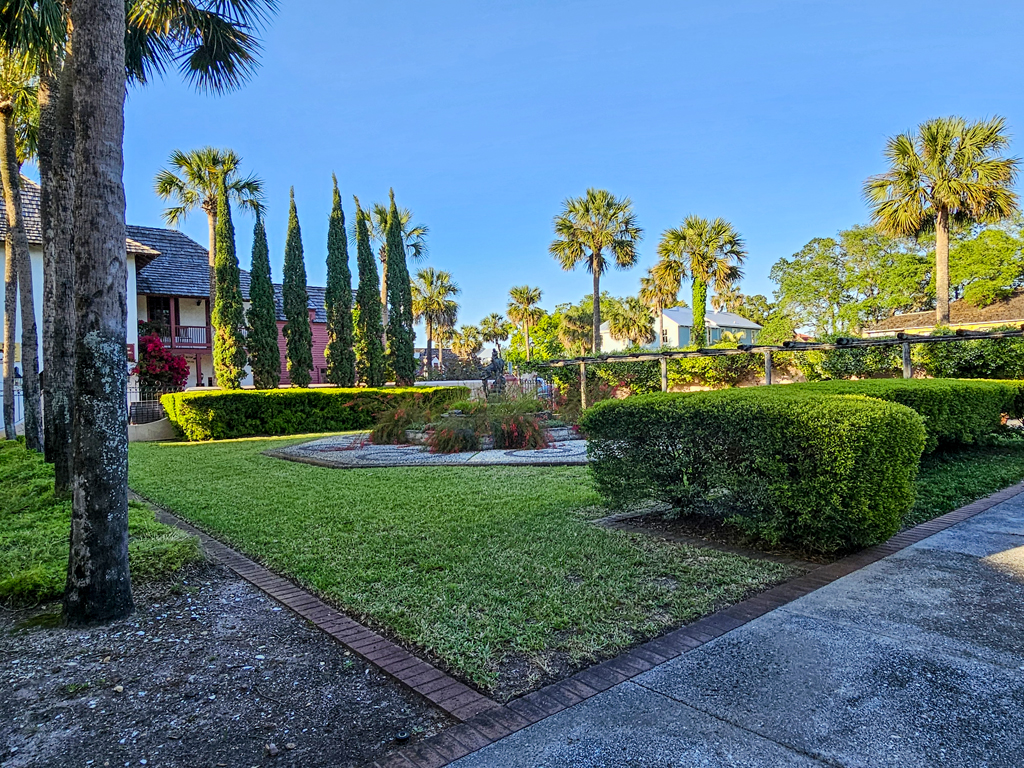
The Governors House
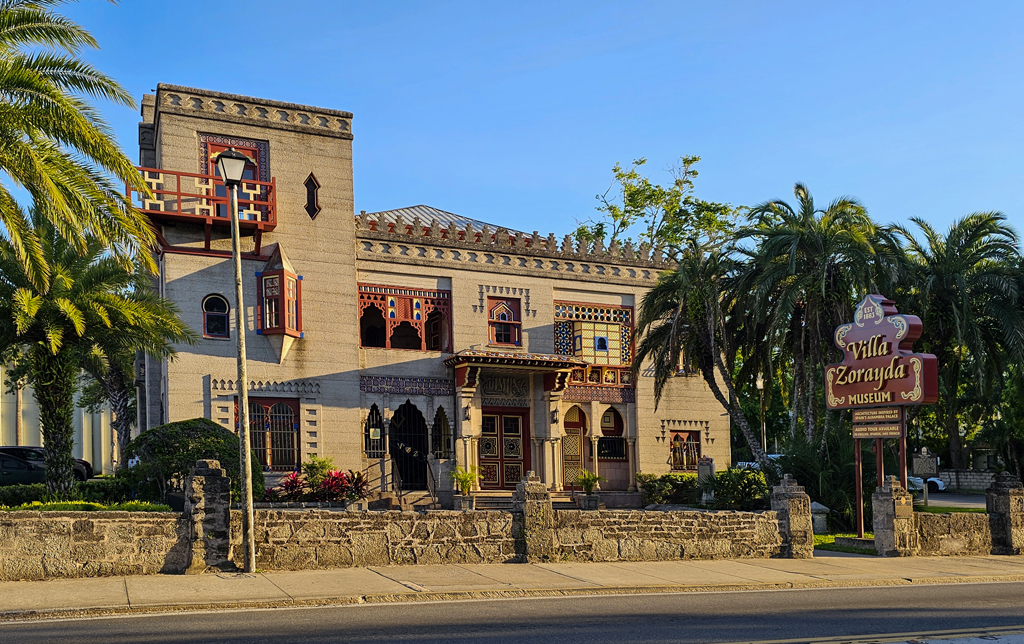
Villa Zorayda
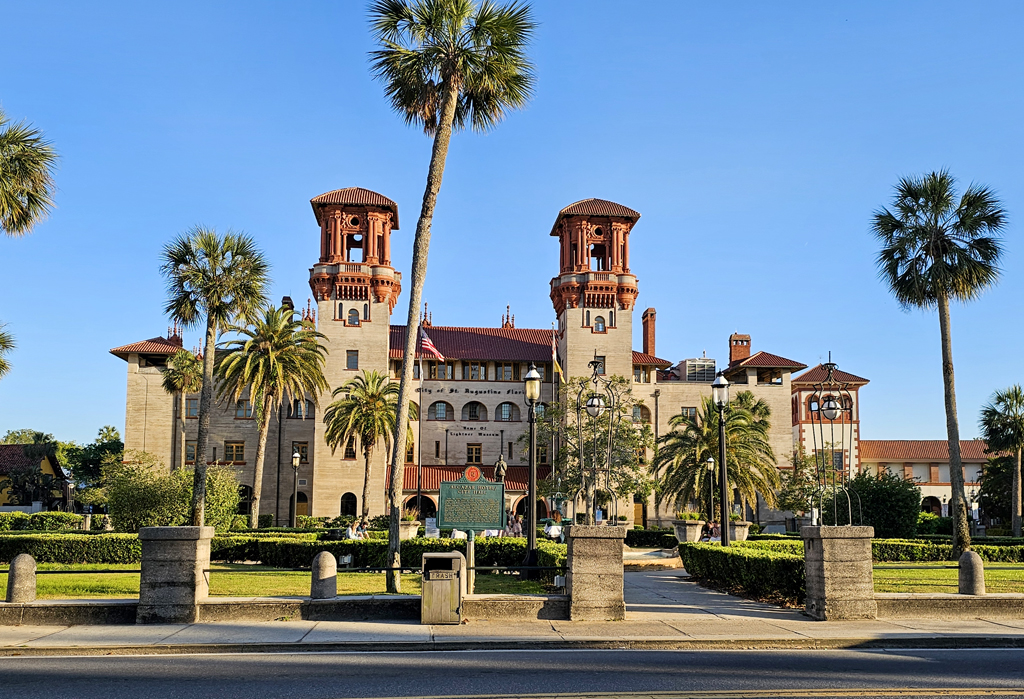
A former hotel, then the city hall, and now a museum
A walled garden in the old town
Aviles Street

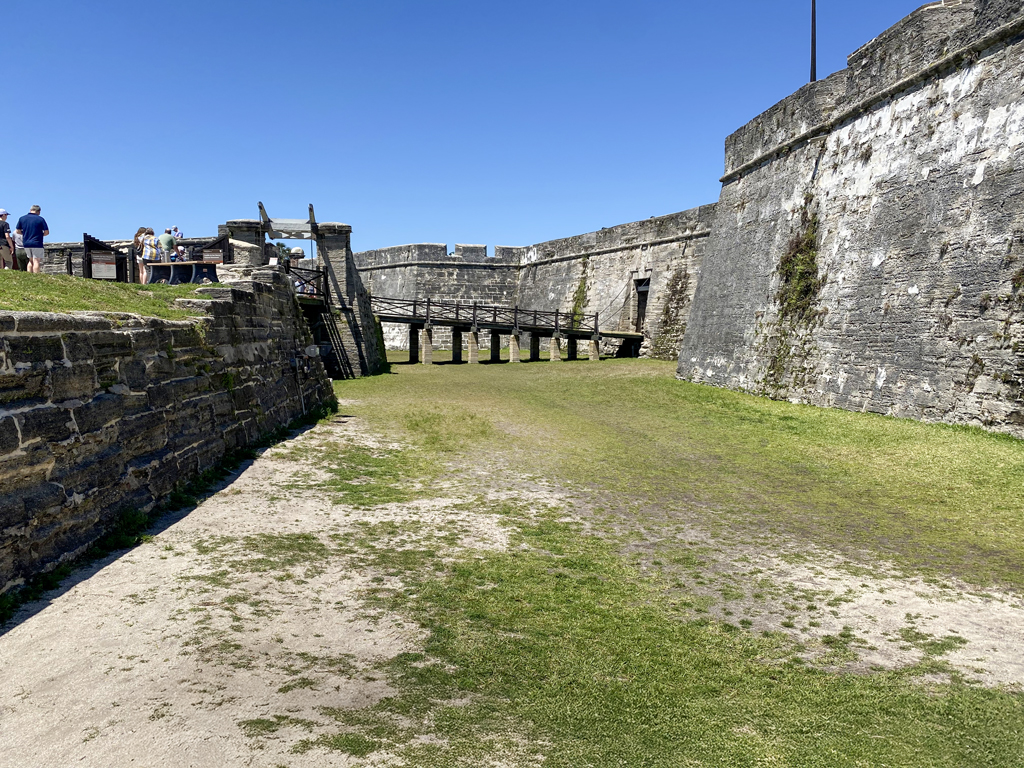
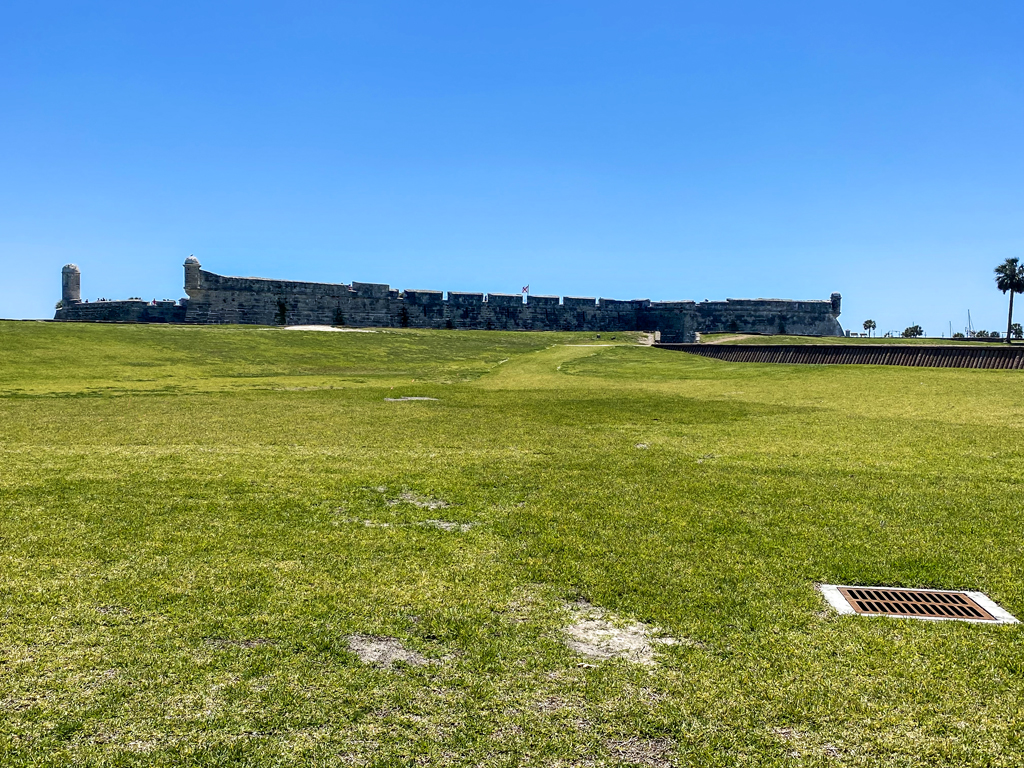
The fort was built by the Spanish in 1672.  It has never fallen in battle.  It is a masonry, star shaped fort, built of coquina, a material that is carved from the sea floor and then dried to become an extremely hard type of building material.  The star shape was designed to be resistant to cannon fire, and the rising ground and dry moat ensured that attacking soldiers had to cross a killing field to get to the walls.  The story goes that when the fort was under attack, after the day’s bombardment was concluded, soldiers would descend to the moat and collect the cannon balls, which were then loaded into the defender’s cannons and fired back at the enemy. 

Castillo de San Marcos dry moat
Attacking soldiers had to come up this rising ground before the moat when attacking the fort
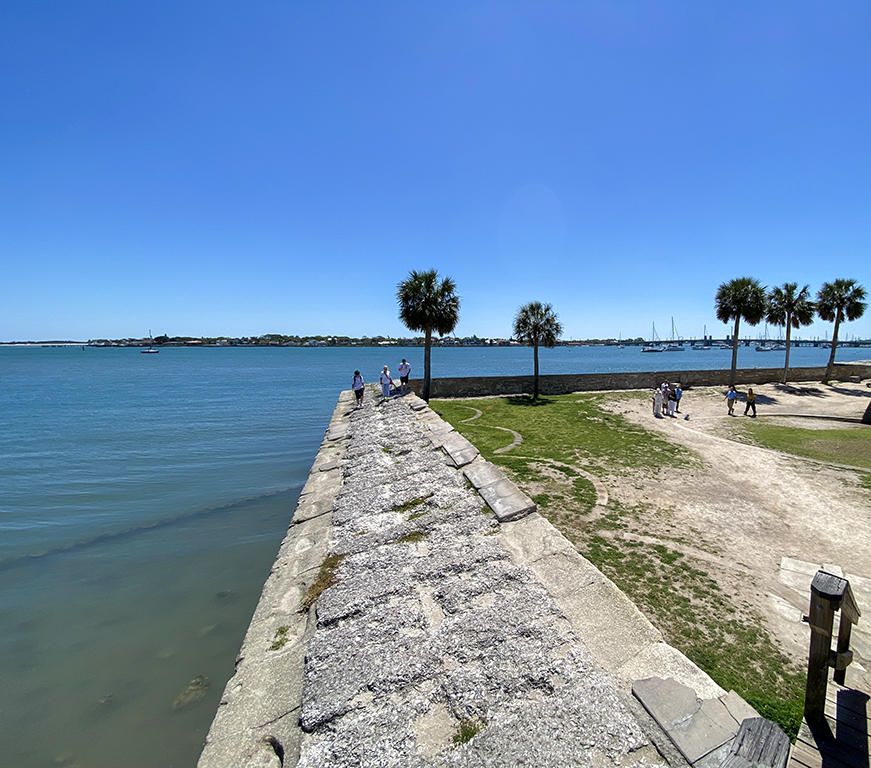
The fort was well defended from the inlet as well as the land
Cannon used to defend Castillo de San Marcos

Years before the fort was built, the Spanish king discovered that the French had built Fort Caroline on land belonging to Spain near present day Jacksonville.  Adding insult to injury, the colonists were Huguenots, Protestants, instead of Catholic.  In 1565, Jan Ribault sailed from France with 600 soldiers to resupply Fort Caroline.  General Pedro Menéndez de Aviles was charged by Philip II of Spain with capturing Fort Caroline and removing the French.  In September of 1565, the Spanish came ashore and named a new settlement St Augustine.  St Augustine claims to be the oldest city in North America, although Fernandina Beach disputes this and makes a similar claim.

The French sailed south to attack the settlement, but were blown off course by a hurricane and shipwrecked south of present-day Daytona Beach.  Meanwhile, the Spanish sailed north and found no soldiers in Fort Caroline, so it was easily captured.  Some of the remaining men escaped and were able to return to France, and the women and children were spared and sent to Havana.  The shipwrecked French soldiers were trying to return north to Fort Caroline, but were blocked by an inlet.  Menéndez discovered that they were stranded there and marched with 70 soldiers to intercept them.  The French surrendered, and most of them were killed and thrown into the bay.  Only the few Catholics and an artisan needed at St Augustine were spared.  Later, another group of the shipwrecked French arrived at the inlet, surrendered, and most were killed.  Since then, the inlet and its associated bay, formerly called The Bay of the Dancing Dolphins, has been called Matanzas, which means Slaughters, in Spanish. Ick.

Another fascinating story was about the Solla-Carcaba Cigar factory. Research confirms that the factory produced up to 5 million cigars per year during its heyday.  I always enjoy the anecdotes told by city tour guides.  This one said that one million cigars per year were hand-rolled in this factory, exclusively by women.  No men were hired for this tedious but exacting job, because women have smaller hands and roll the cigars more tightly.  However, the factory did employ men.  They were tasked with keeping the women from getting bored.  They sang, danced, and read from current novels and newspapers.  Certainly a unique way to keep your workers happy!

After the trolley tour, we walked around the shops and galleries.  In one, we found work by Harlan, the artist who created the print that we bought for Nine Lives’ salon before we even owned her.  The gallery where we made that purchase is still there in Ft Lauderdale and still carries his work, but it was interesting to find another venue in St Augustine.  In another gallery, we found that the artist who created our salon lamp is still showing his glass works, along with work from all three of his sons and one grandson.  What a talented family!

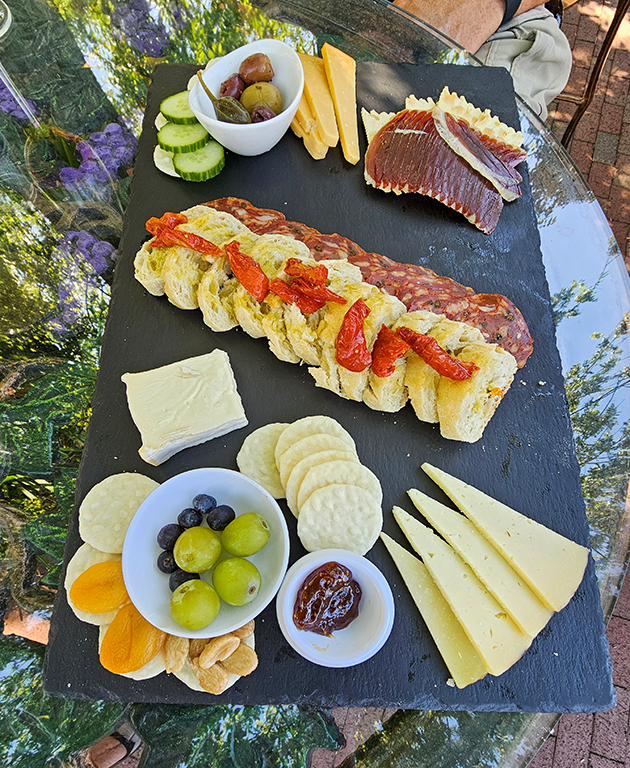
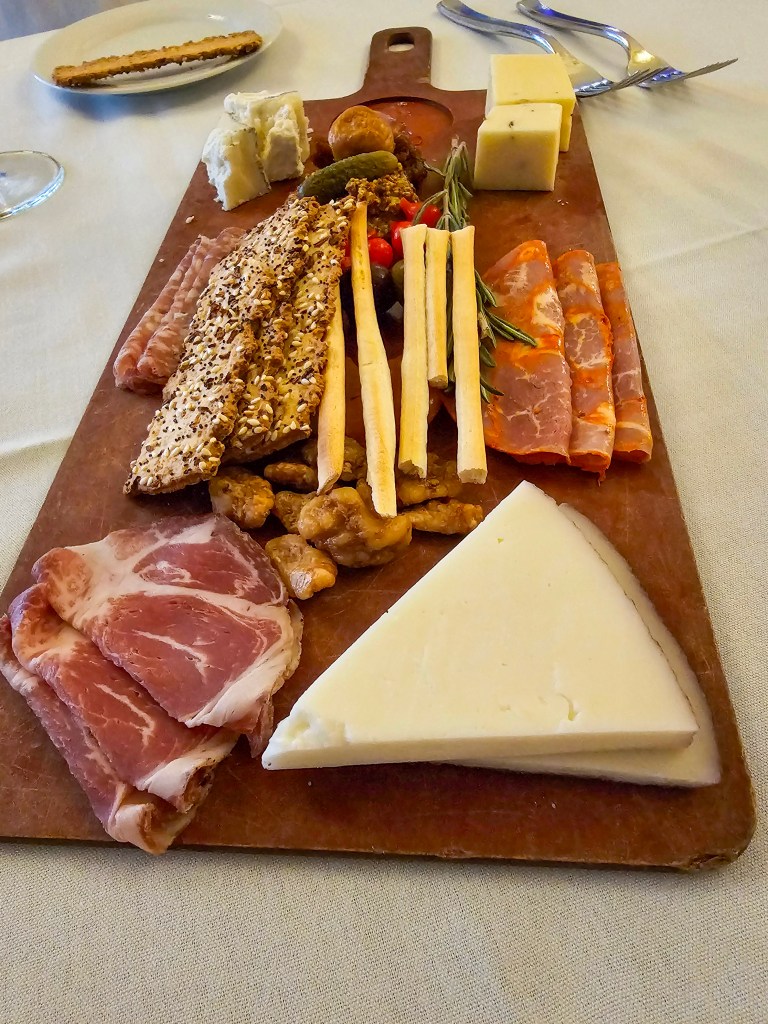
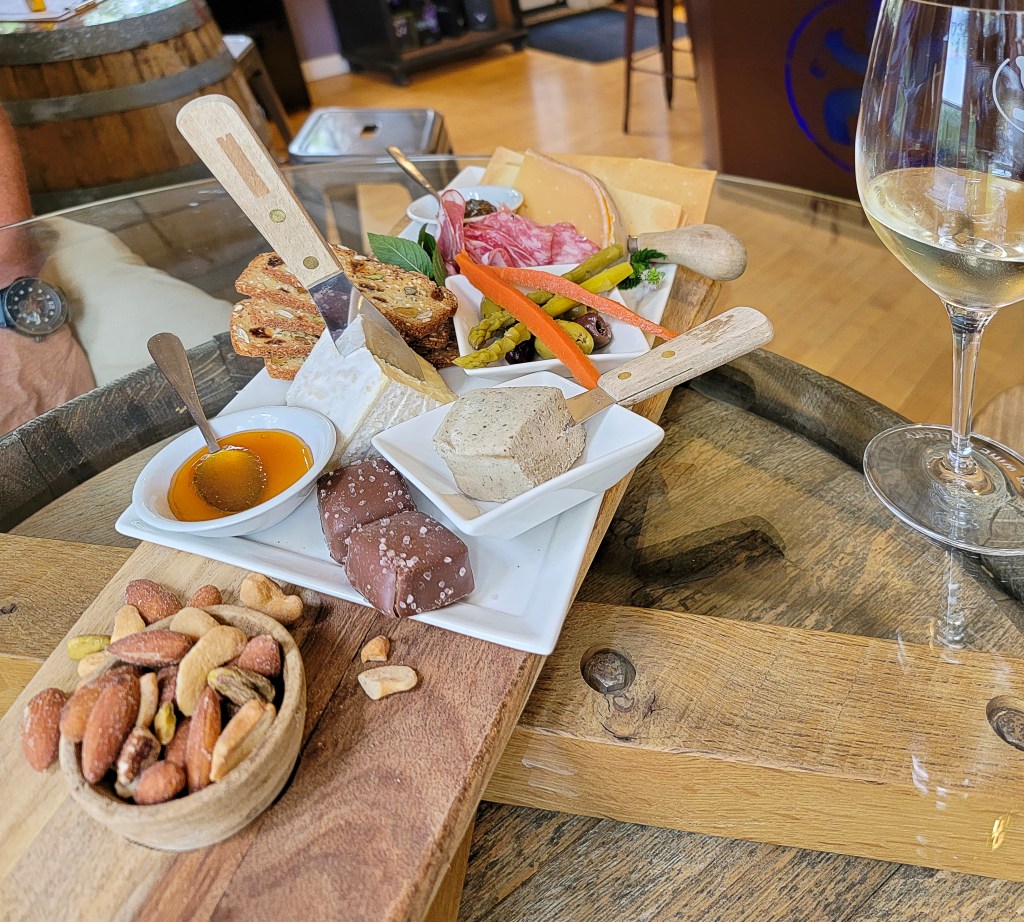
After hours of sightseeing and shopping, we felt both hungry and weary, so we stopped for a long break at a wine and charcuterie garden.  The venue was lovely, with beautifully tended plantings and charming furniture in leafy shade.  Our cheese and charcuterie platter was the best we have had since Saugatuck in 2021 (excepting of course the spread we put out for docktails on Nine Lives).  After the wonderful feast, a nap was required, so we staggered back to the boat and enjoyed some quiet time until it was time to head out again for dinner.

Casa de Vino 57 in St Augustine
Cheese and charcuterie at Casa de Vino 57

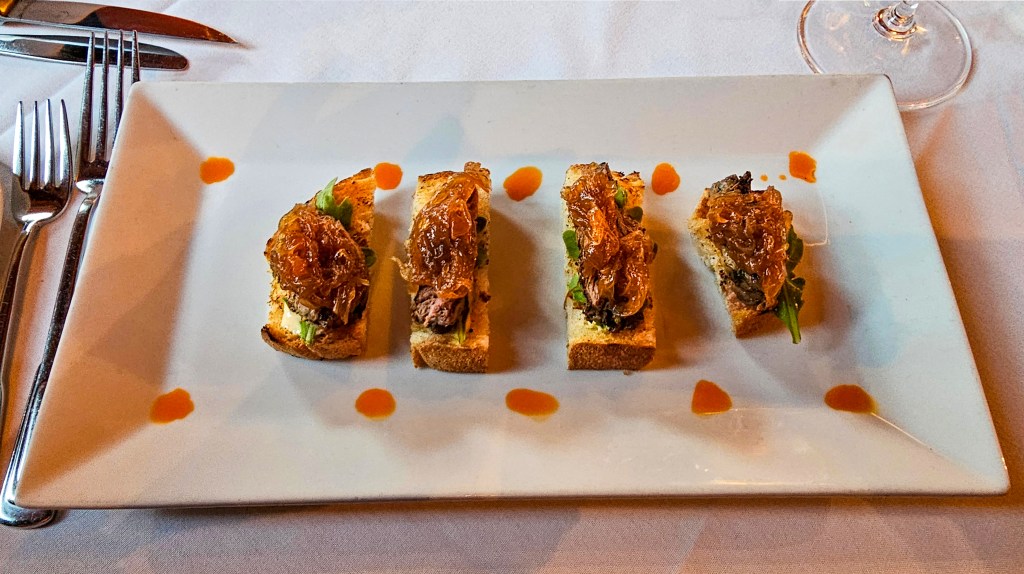
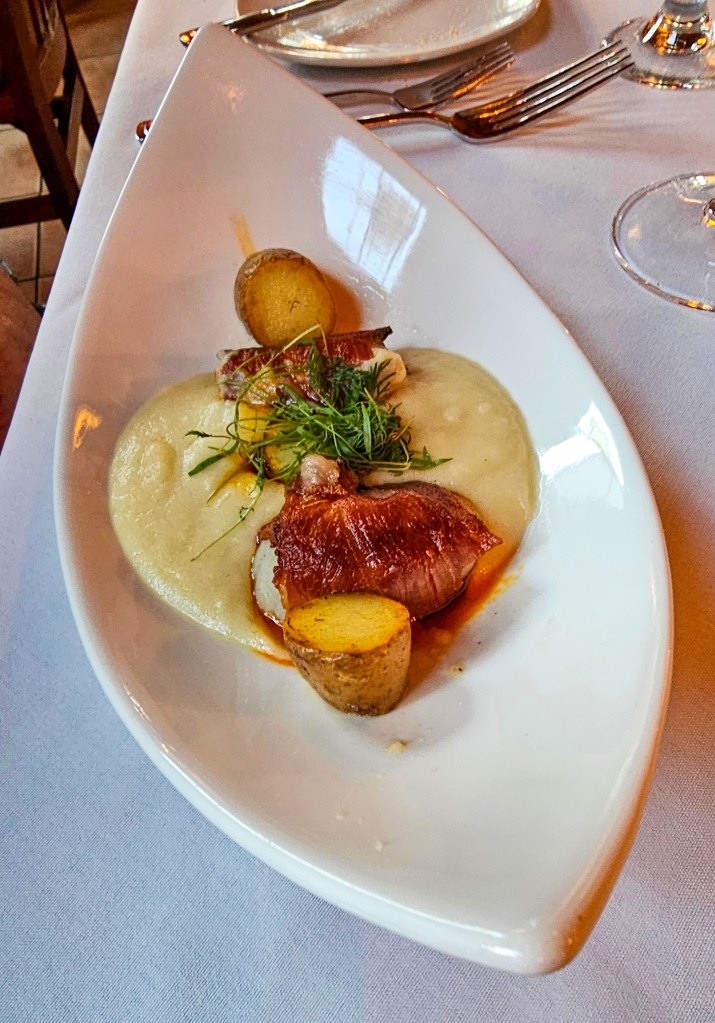
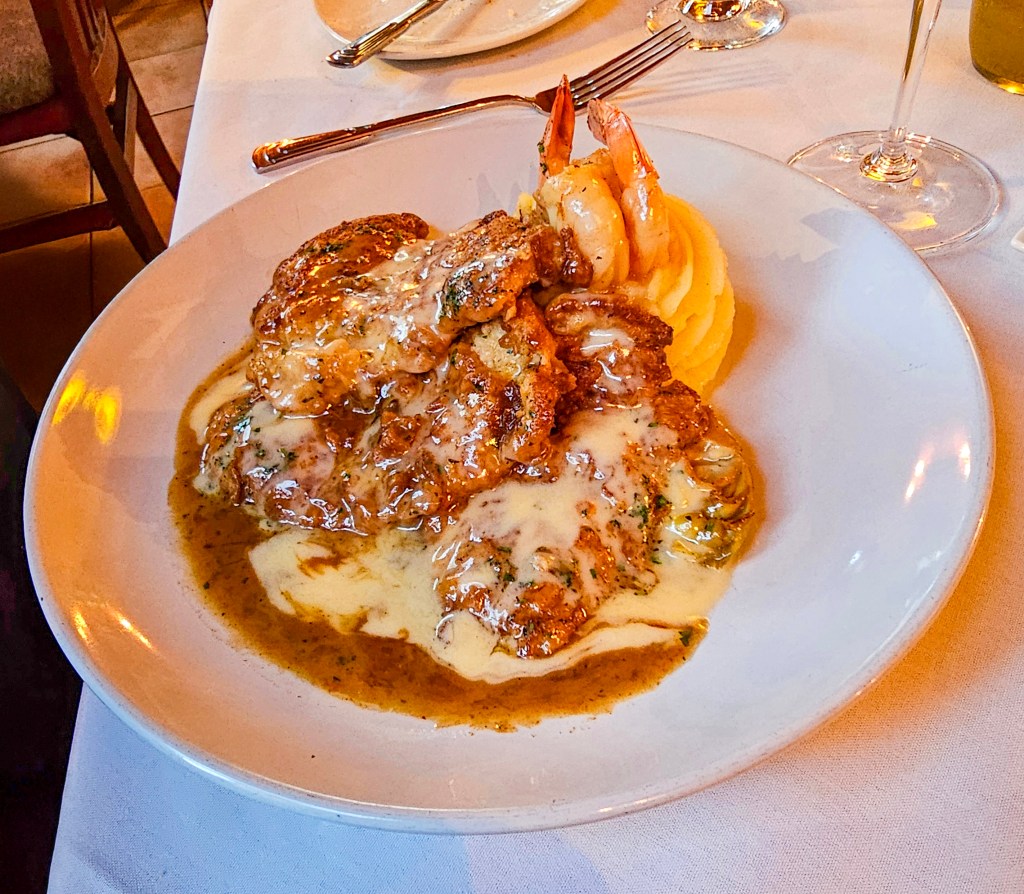
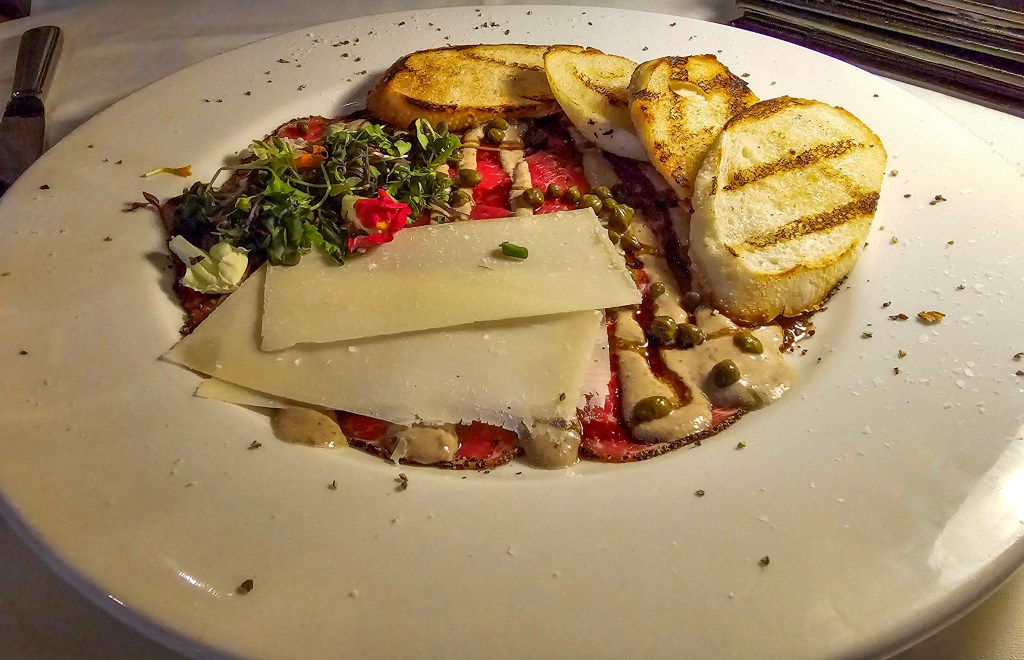
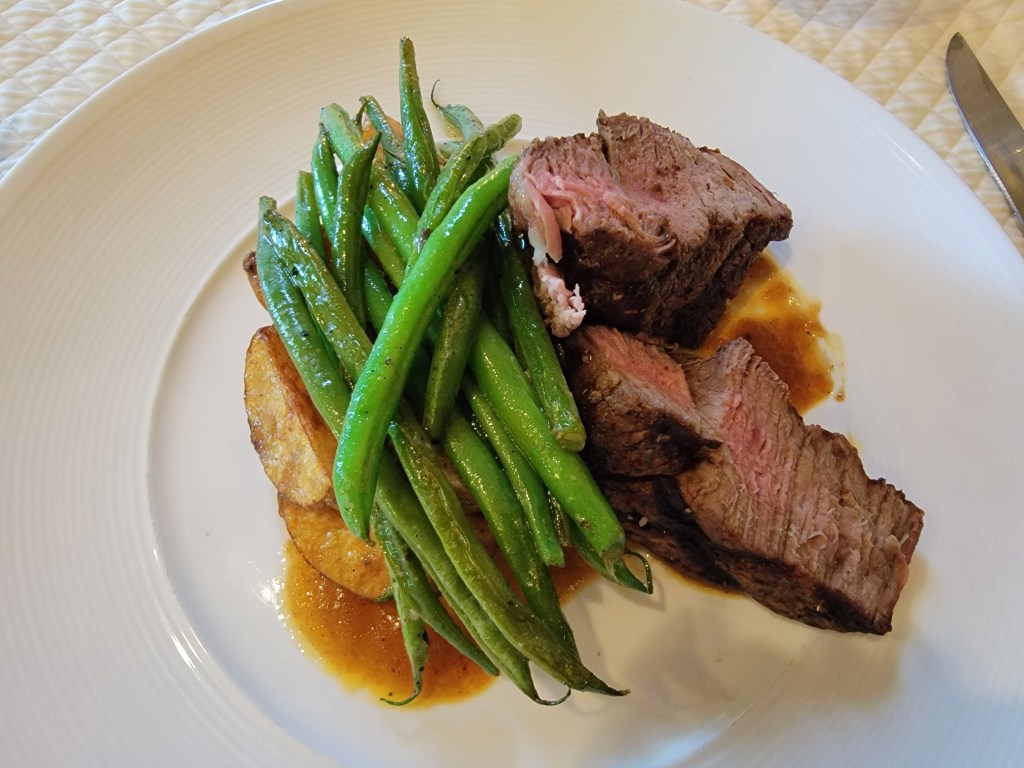
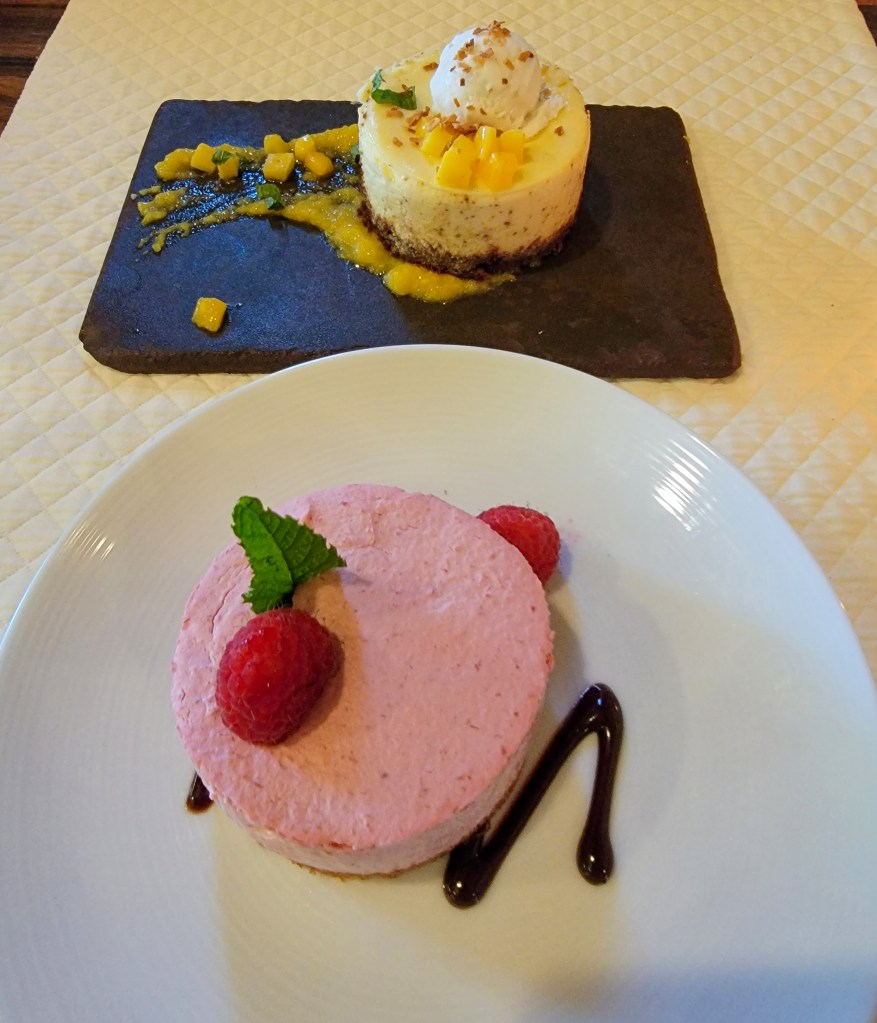
Our reservation for dinner was at a small restaurant called Collage.  The chef presents food from a variety of international cuisines.  After our late lunch, I decided that two starters made more sense, so I began with delicious grilled beef tenderloin on pieces of toast.  Instead of an entrée, I enjoyed a spicy dish of shrimp in a tomato-based broth.  Dick’s starter was a creative concoction of large scallops wrapped in prosciutto and served on a cauliflower puree.  His main course was veal scallopine with mashed potatoes, an interesting sauce, and two grilled shrimp.  A very civilized palate cleanser of sorbet was served between courses.  We shared an excellent raspberry cheesecake to complete the meal.

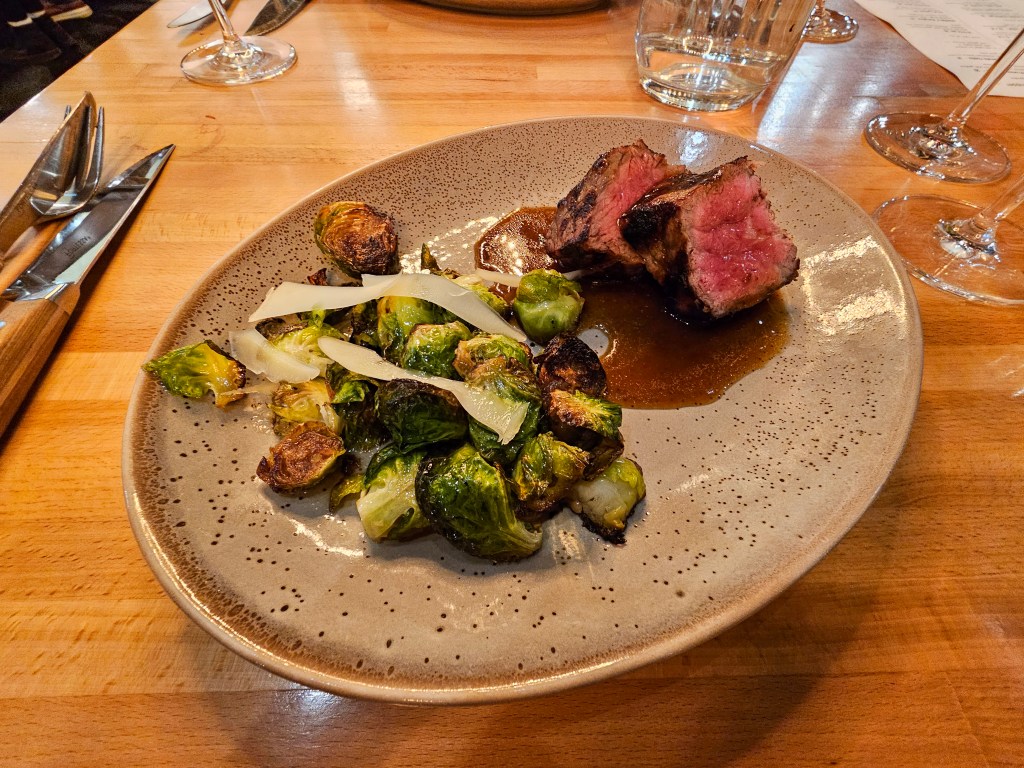
Grilled beef at Collage
Scallops wrapped in prosciutto at Collage
Shrimp in spicy tomato broth at Collage
Veal scallopini at Collage
Raspberry cheesecake at Collage

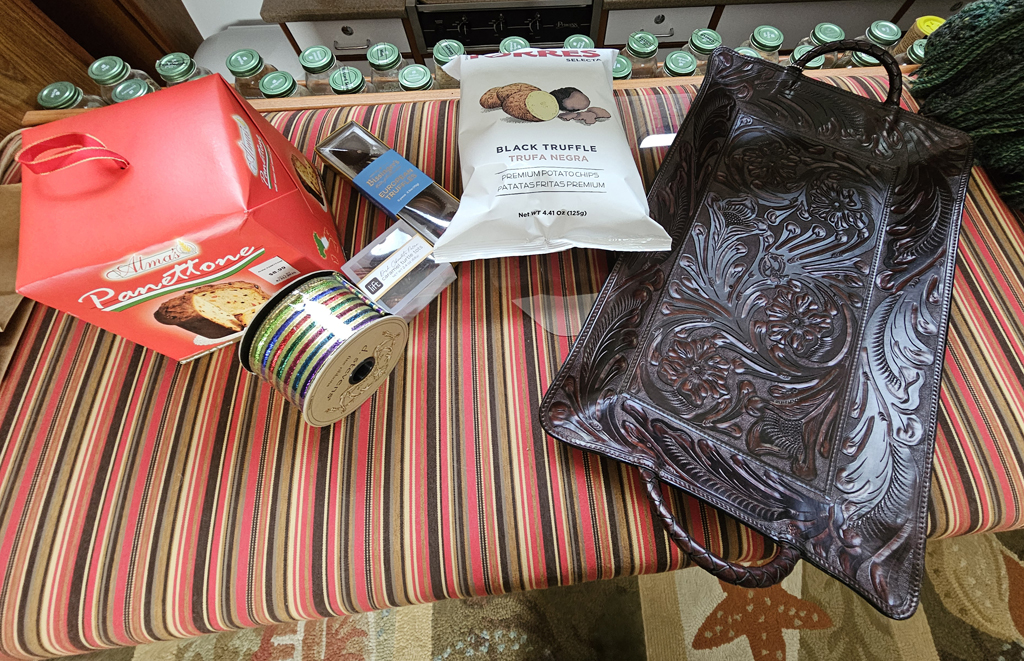
Our second day in St Augustine was quieter.  I worked on the blog while Dick went to the Post Office.  Each time the oil is changed, samples are sent away for analysis.  This looks for things like fuel, seawater, antifreeze, and wear metals.  Different wear metals will show where to start looking for a problem.  For example, if there is evidence of water and copper, it is likely that you have a tube leak in one of the heat exchangers on the engine.  The important thing is not so much the absolute numbers as the trend, you are looking for things changing.  Dick has always had this analysis done after every oil change.  After dropping the packages off at the Post Office, and scouting the best walking route to the restaurant, Dick did some sightseeing.  He retraced some of the routes covered by the trolley tour and took lots of pictures.  After he returned, it was my turn to head out and explore a few galleries and shops that we had missed earlier.  I also picked up the interesting gourmet treats in the foodie shop that I had made note of the day before.

Dinner was at a very authentic French restaurant in another lovely old house.  We had an excellent meal, accompanied by a bottle of our favourite Pouilly Fumé.

La Cocina desserts

We made an early start the next morning, as it would be a fairly long journey to Jacksonville.  This is our last side trip, and the last time in unfamiliar waters.

A last look at Castillo de San Marcos as we leave St Augustine

On a bend in the river, part of a parade of 6 boats, we came up on a group of men with hoverboards.  They were not very good, kept falling in, and were right in the channel, all but impossible to see once they fell off.  I went out and shouted to one of them that we can’t see them and they should stay out of the channel.  His response was “okay okay”, and immediately one of his buddies went straight across our wake, whoopin’ and hollerin’, and fell off, again in the middle of the channel.  So dangerous.

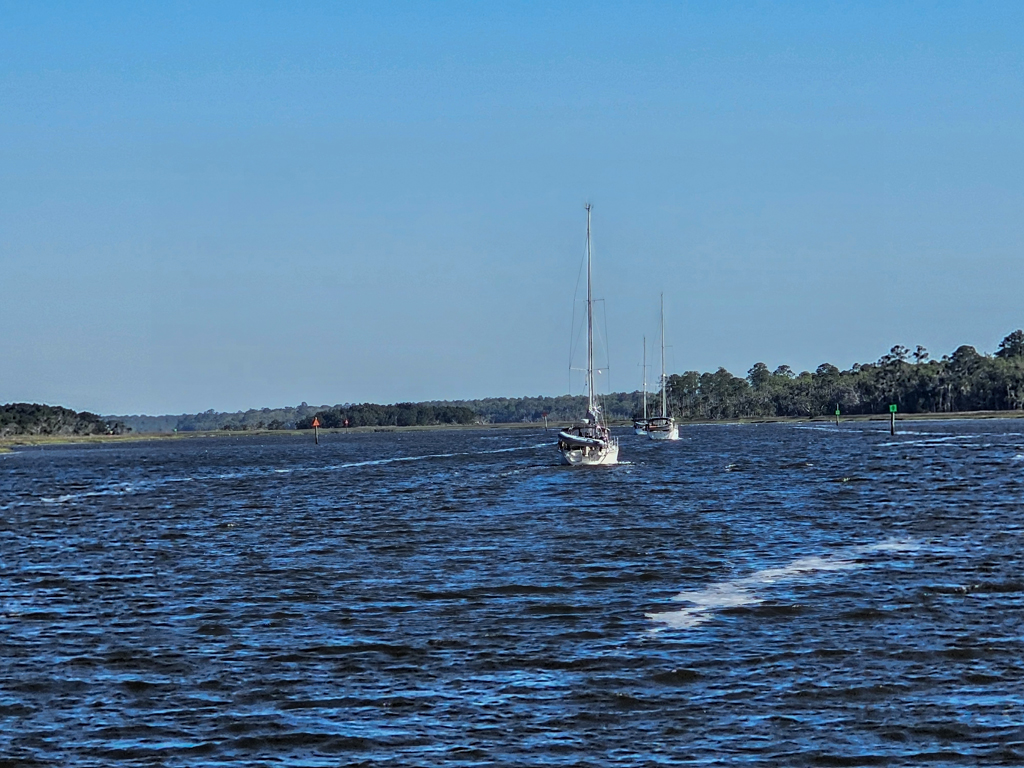
We are back in the Low Country! A line of sailboats heading north.

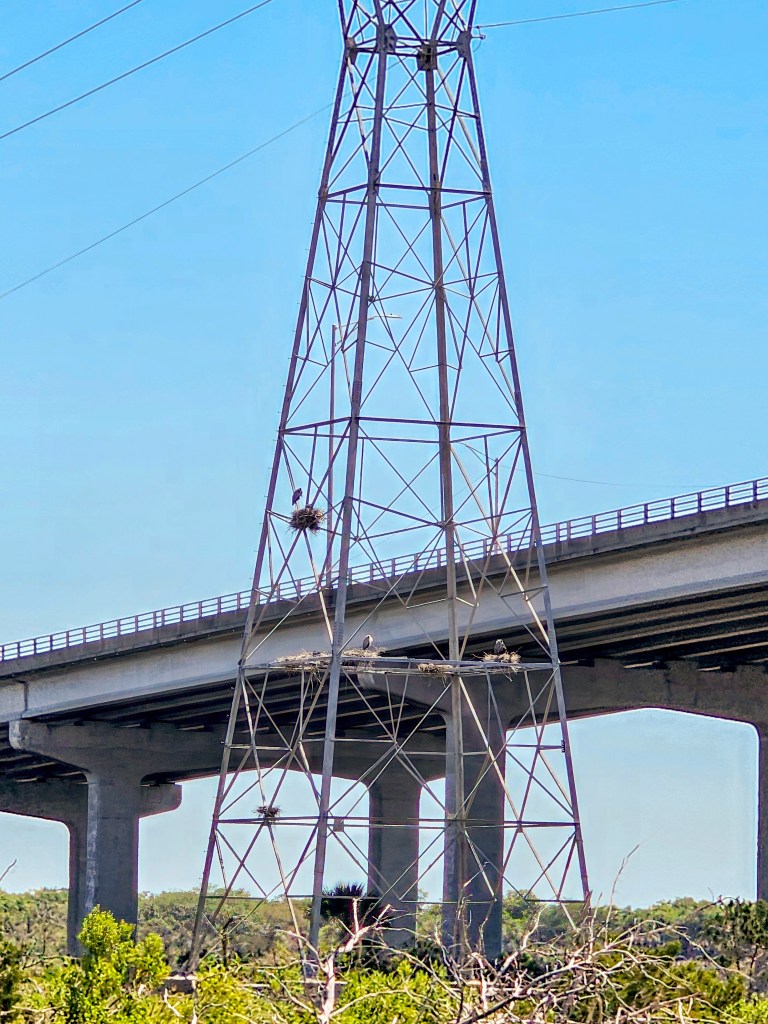
As we passed under a bridge near Jacksonville, we saw power line pylons with Great Blue Herons nesting.  I have never seen them in such high up and exposed nests.

Herons nesting on a pylon

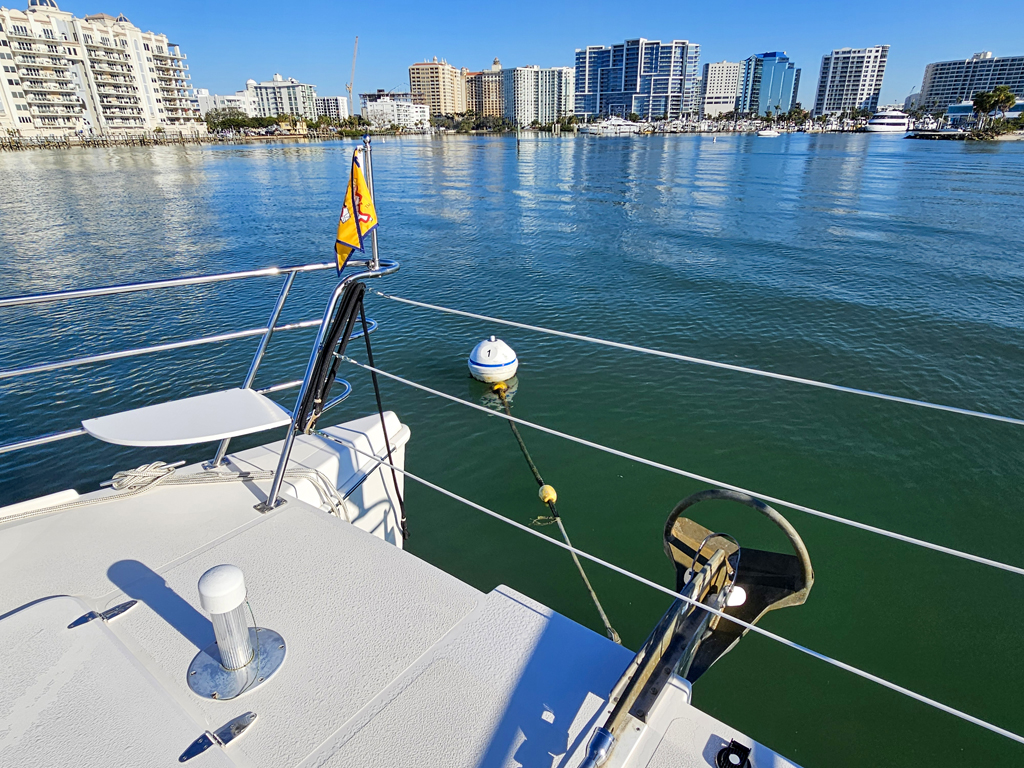
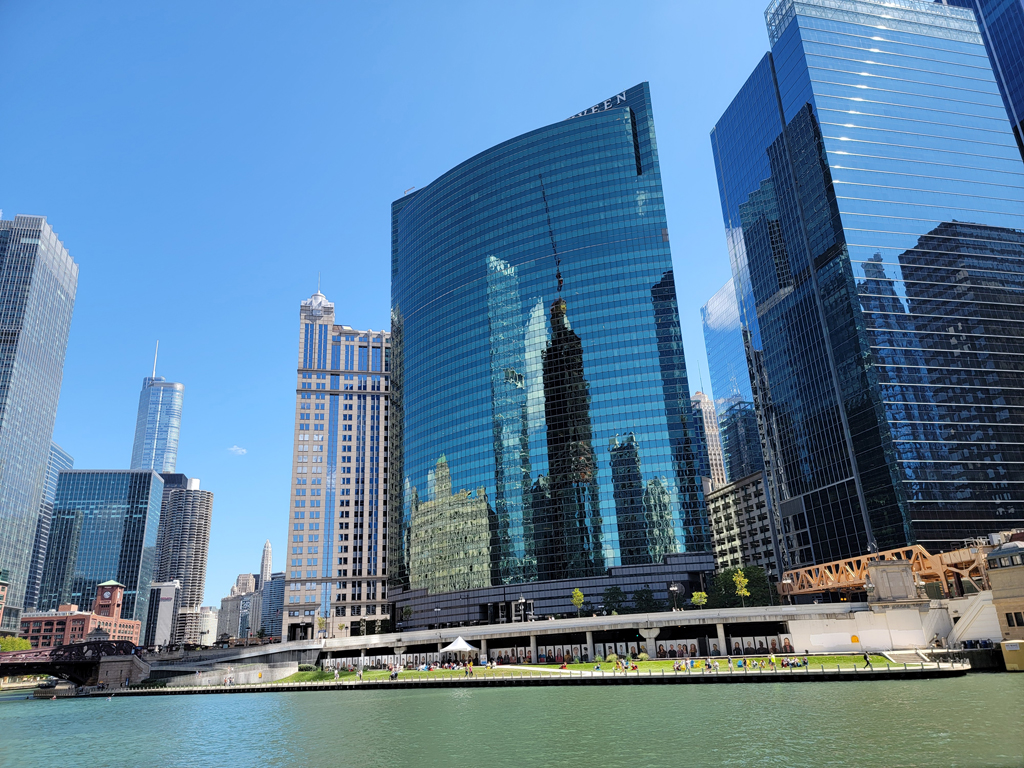
After an interesting trip up the ICW and then west on the Saint Johns River, we passed through Jacksonville, first the port, and then through the downtown area.  The Ortega River bridge opened immediately for us, and we were tied up in our slip at Port 32 Marina by 2:45, somewhat earlier than we had expected.

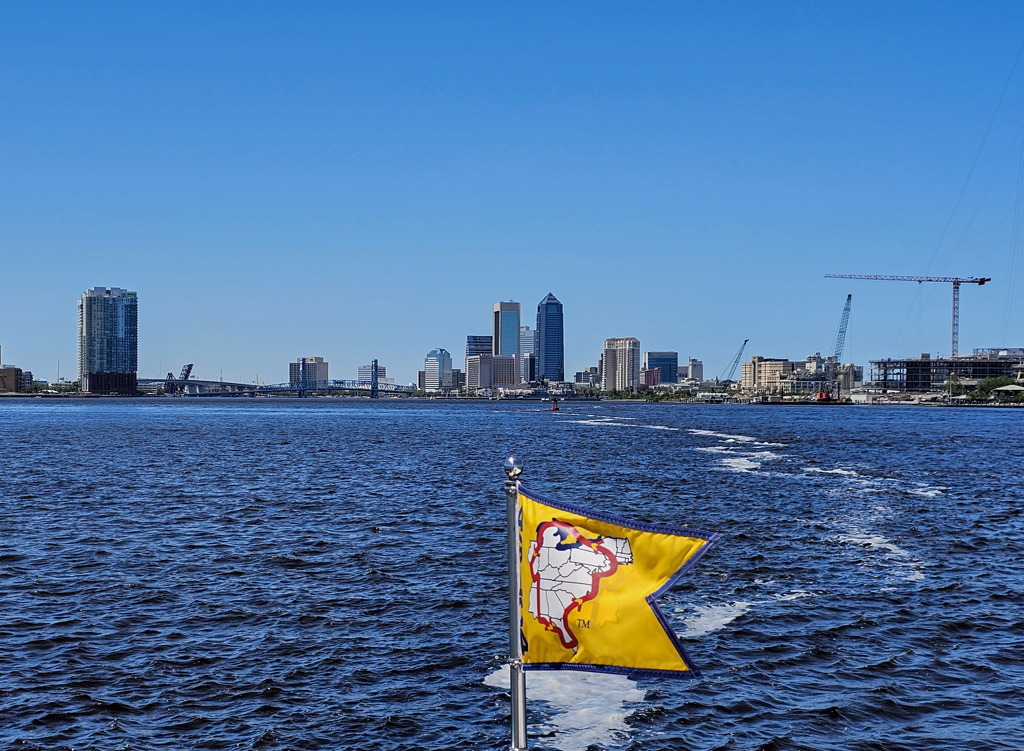
Jacksonville skyline
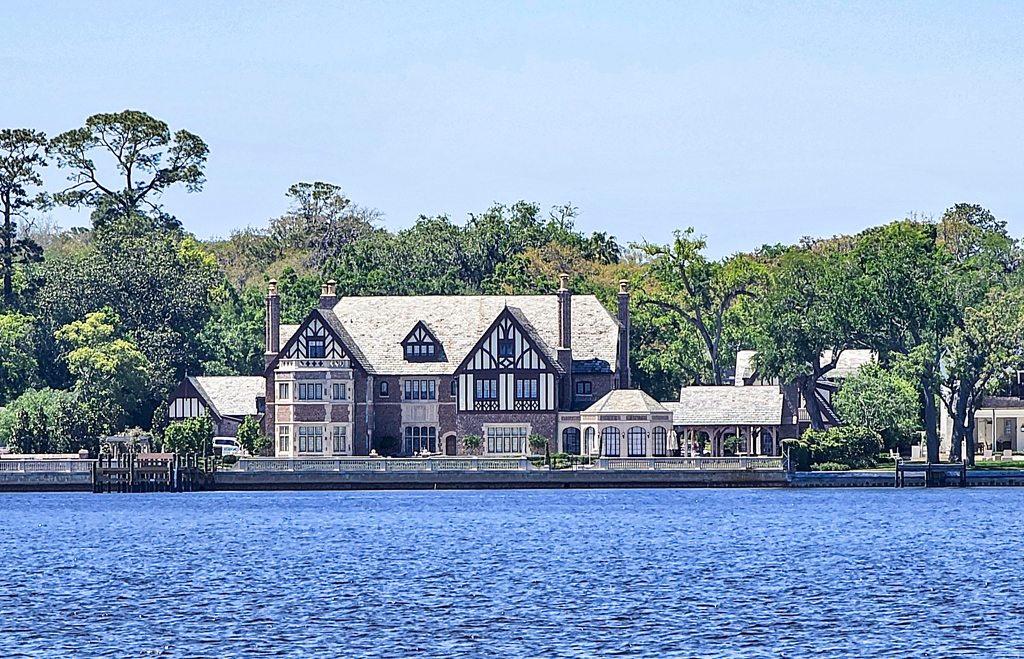
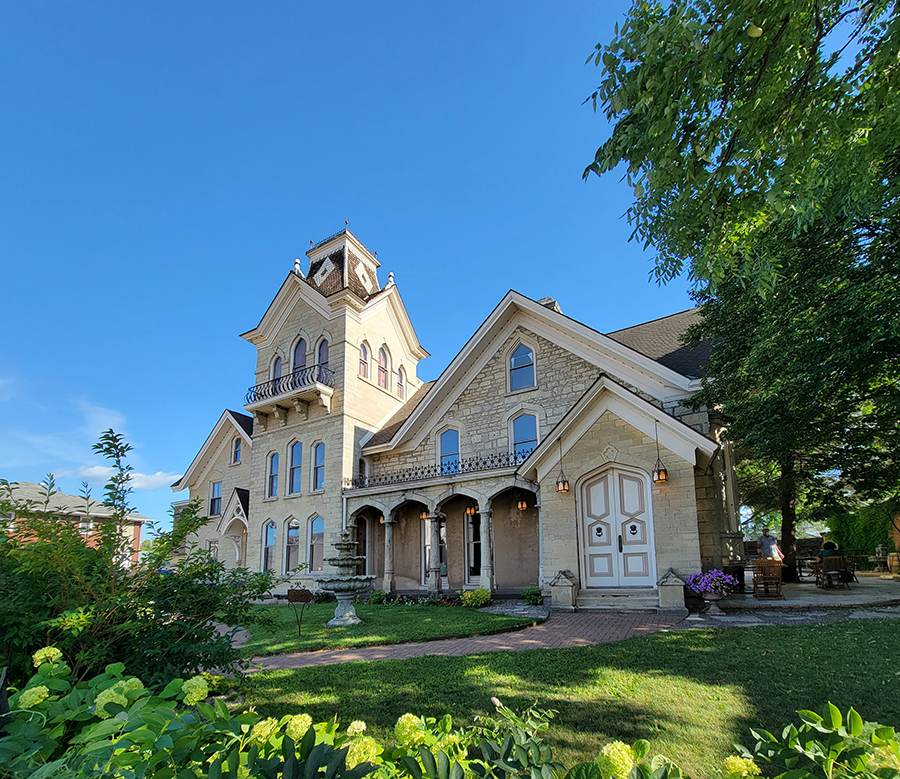
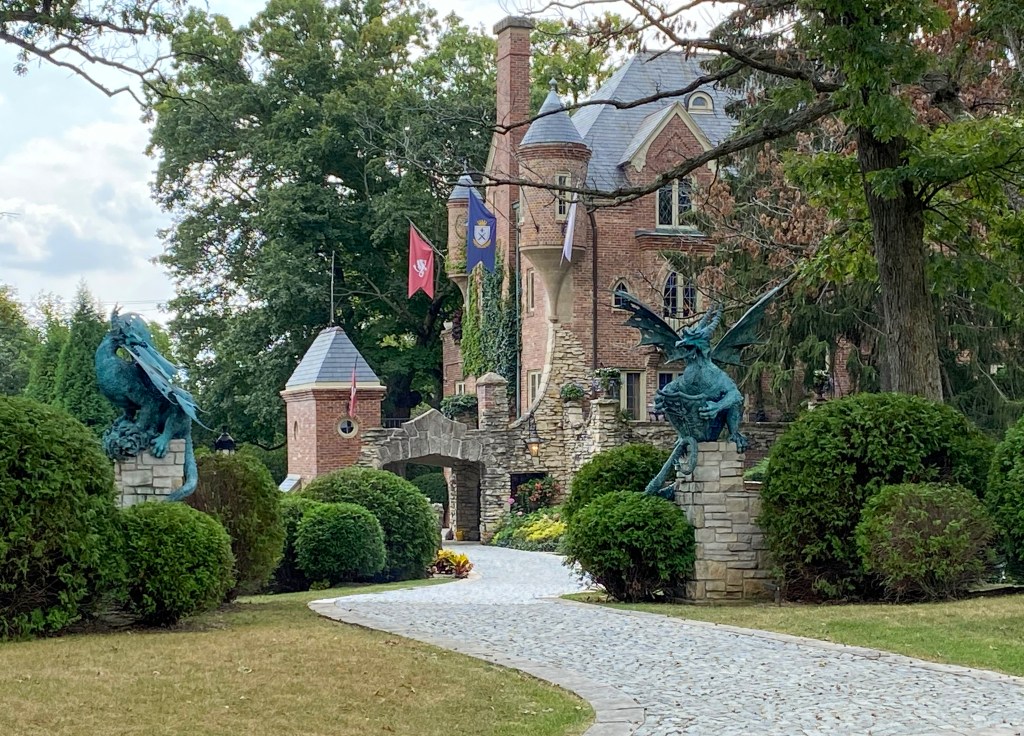
We were surprised to see what looks just like an English manor house, complete with formal garden, on the outskirts of Jacksonville.

We will stay in Jacksonville for a few days, and then return to the ICW and head north. We expect to arrive in Hilton Head on the 30th. We will return to Wexford Harbour for a couple of days, to truly complete the circle where we left from in 2018.

March 19th to April 1st, 2025: Florida Keys to Stuart

Our first full day in Stock Island was busy with laundry, getting the blog out, and as usual, Dick did some exploration.  He returned from his walk with a box of huge croissants – American size, but authentic, from a bakery run by a French expat.  Dick also scouted the route to the pizza restaurant we planned to walk to for dinner.

It was finally cooler and less humid (although that did not last long), but still more than I would have preferred to walk just over a mile in the sun.  Stock Island is the industrial centre for Key West, with a large military presence.  The housing is functional and uninteresting, and the rest is mostly industrial parks.

A Navy jet flies over the marina on Stock Island

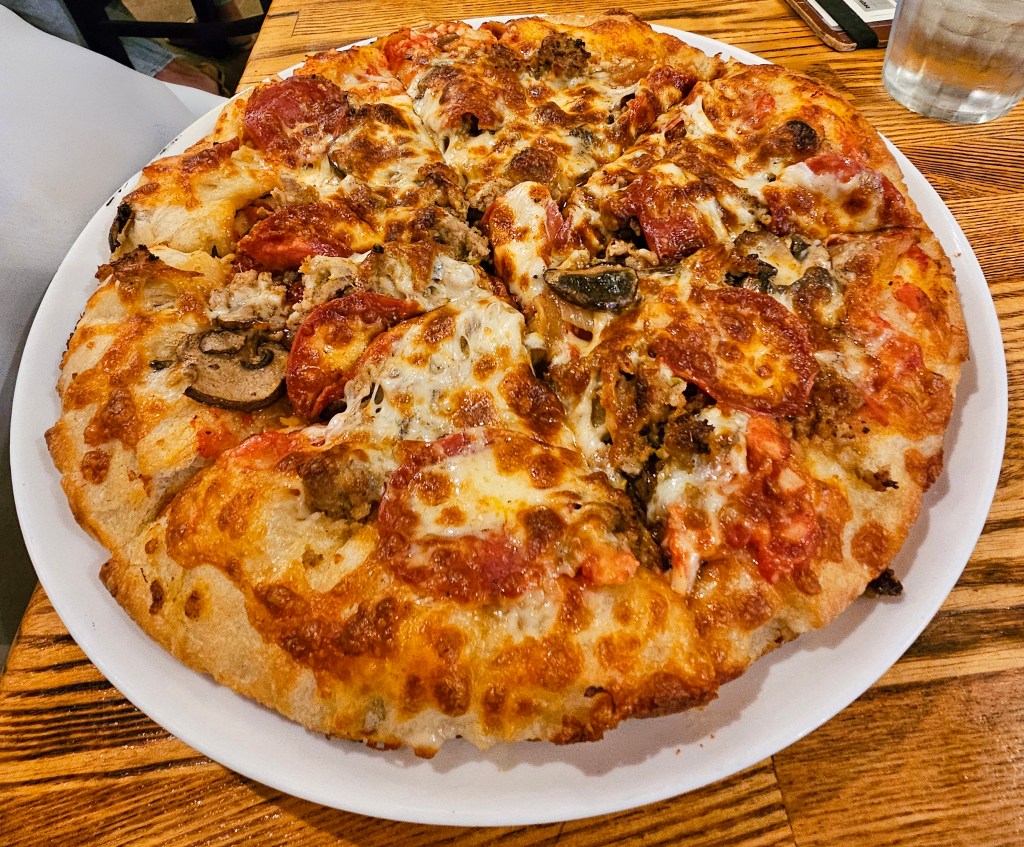
The restaurant was very busy.  We started with very nice breaded and fried mozzarella pieces with marinara sauce.  Dick’s pizza was excellent, very hot and clearly just out of the oven.  Mine had been sitting for a while and it was just warm.  I expected that it would be tasty when reheated (sadly, it wasn’t).  T-shirts worn by most of the staff proclaimed “Legalize Marinara”.  Amusing, but misread by more than one person reviewing the restaurant.  At the bar the next day, the T-shirts read, “Write drunk, edit sober”, a quote attributed to Hemingway, but in fact he never said that, quite the opposite.

Deep dish pizza

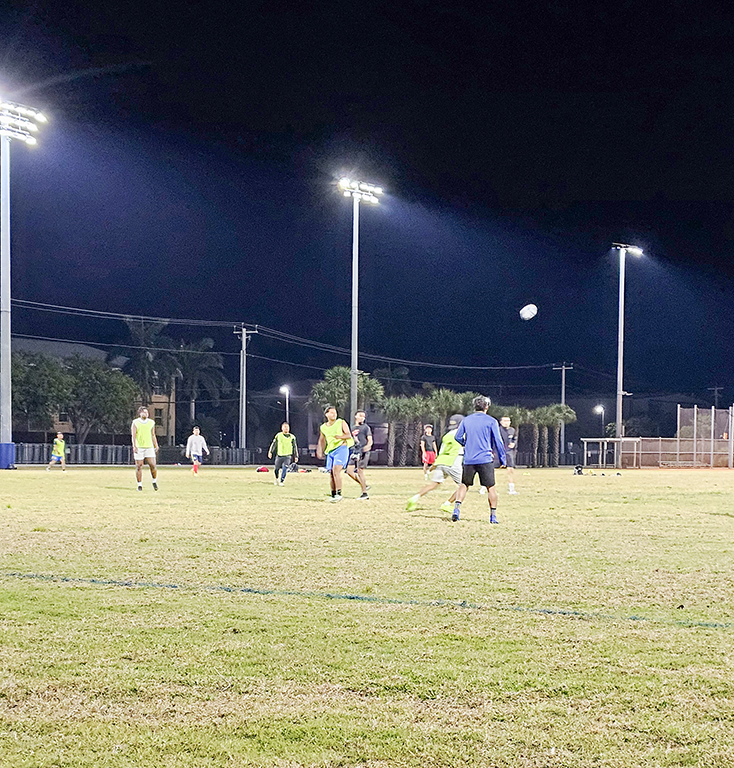
The walk back to the marina was more pleasant after sunset, and we paused to watch a pickup game of soccer.  The players were all very serious and competitive, but there were no angry words or behaviour, and no need for a referee, everyone was there to have fun. 

Soccer game on Stock Island

Once at the marina, we paused to admire an unusual powercat, a Maine Cat.  As we were pointing out the interesting features, the owners arrived and we had a lovely chat.  They have only had it for 3 months and are still doing a lot of needed repairs and upgrades.   Only about 8 of these were ever made.

Boat chores the next day, finishing the laundry for me, and Dick replaced the latch on the back door.  He did a “temporary” repair a few years ago, replacing the spring.  It was obviously a good job, because it lasted for years.  The spring was still good, but the rest of the latch had simply worn out.  The other project was replacing one of the small fans that are used to keep air circulating inside when AC is not needed.  These fail regularly, so we keep replacements.  They are a pain to install, requiring a certain amount of colourful language and at least 3 hands before the job is completed.

Replacing the door latch

In the afternoon, we went over to the hotel bar, looking forward to the live music and a light supper.  The music was truly awful.  The woman took songs from our era, and mashed the melody and timing until they were completely unrecognizable unless you knew the words.  Every song sounded exactly the same.  It was so awful that we changed our plan and went to the restaurant inside the hotel.  Different menu, but the food was fine.

A cocktail to expunge the memory of the awful music on Stock Island

We were signed up for AGLCA “Virtual Docktails” at 7pm.  Dick joined the chat about catamarans, while I participated in the “Ladies on the Loop” group.  It was a mixed group of future Loopers, a few in progress, and only two of us completed.  I was very pleased that several of the ladies commented on our podcast on Segment Looping, saying how much they enjoyed it and how useful it was.

The next “outside” voyage was to Marathon.  We ran fast, 15 knots, again, so it took just over 3 hours, but it was quite unpleasant.  The swells were on the starboard quarter, and we had the rolling corkscrew effect, even though we were running fast.

On arrival at the marina, we went first to the fuel dock for a pump out and some diesel.  Not the worst dockhand ever, but for sure in the top 5 (or would that be the bottom 5?)  Dick was filling with fuel, so he was busy and the dockhand did the pump out. He seemed to think it was a big deal and implied that there should be an extra tip.  He wouldn’t take the cloth Dick used to prevent diesel spill, instead he sent me around to the hazmat bin at the back of the building.  His advice on the length of the finger pier at our slip was incorrect, so we backed in and tying up was a challenge, with no help and the cleats in the wrong places.  About an hour after we were finally set, Dick got a phone call from the marina to ask when we expected to arrive!

Sunset on our first night in Marathon

Dick went to the airport to collect the rental car.  On his return, his comment was, “What a crap place!”  After a drive the next day to explore the area and about 20 miles south, I had to agree.  We finished the excursion with a stop at West Marine for another cabin fan, and Publix for a few groceries. 

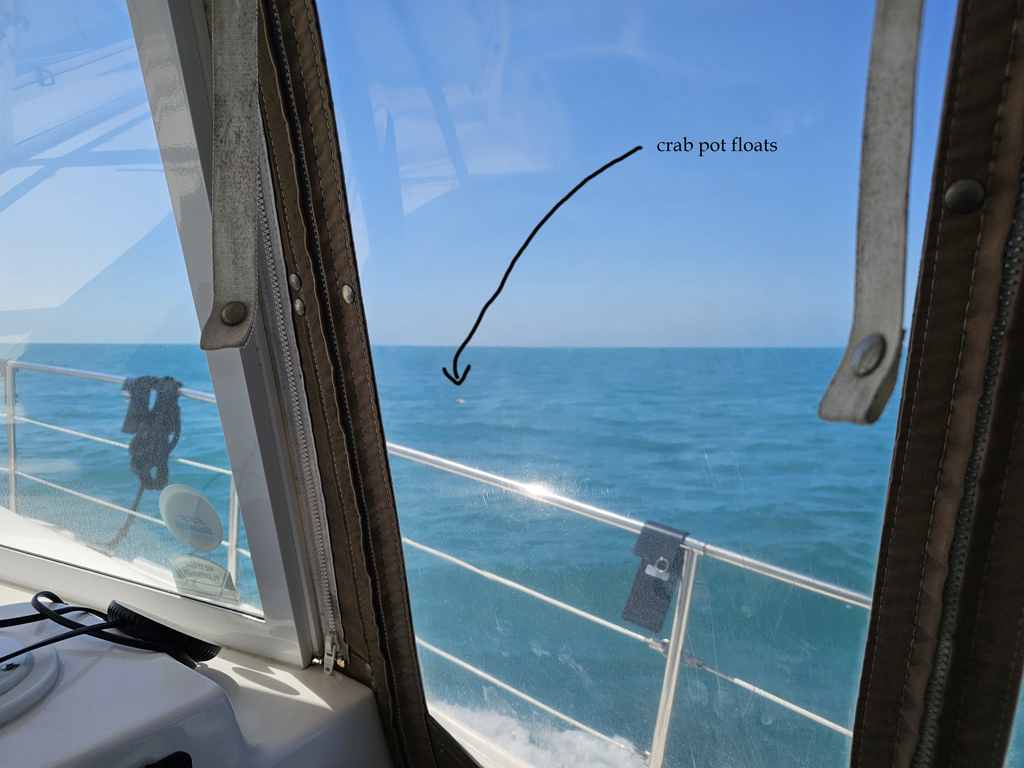
A huge stack of crab pots with floats

On our arrival back at the boat, we had a near tragedy.  As Dick was handing me the groceries from the cart, the cardboard handle on the box of beer broke, and the whole carton went splash! into the water.  Dick quickly jumped aboard and grabbed the boathook, then (prudently) handed me his phone before stepping down to the bottom of the swim platform.  Disaster was averted as the boathook brought the carton near enough to get hold of.  Plus, Dick did not, on this occasion, take an unplanned swim.  The whole episode was watched with great interest by the elderly couple on the sailing cat next to us.  In fact, the lady reached for and was ready with their boathook just as Dick completed the retrieval. I was not sure whether she was expecting to use her boathook to rescue the beer, or Dick.

Marathon appears to be a mixture of apparently nice hotel complexes, government offices, medical facilities, cheap eateries, and industrial units.  None are vacant or broken down, but the whole impression is one of ugly practicality with no thought to civic pride or beautification.  Only the government and hospital buildings have any lawns or plantings apart from the hotel complexes.  Boaters rush through Florida’s Panhandle and west coast with its charming towns and stunning beaches in order to get here and spend two months in a marina at double the dockage fees.  Go figure.

Dinner was at one of the highly rated local restaurants.  The starters were interesting and very tasty, if far too large for one person.  I have noticed lately that the price of appetizers is increasing to the point that it is pushing the entrees.  Probably because so many people share these days, and complain if the portion is not big enough for 2 or even 4 people.  I found the main course disappointing, although Dick’s duck was very good.  Mine was very much “home cooking” with mashed potatoes and gravy.  If I wanted home cooking, we would have it at home.  For a change, bread service and a side salad were included in the meals.

Crab Puffs at Barracuda Grill
Escargot and portabella mushrooms at Barracuda Grill
Dick enjoyed the duck at Barracuda Grill
Steak at Barracuda Grill

We did the “Keys” thing the next day, and just relaxed on the boat.  In the evening, we headed over to the Hilton resort for dinner.  The décor was, quite frankly, weird.  The gardens had huge bright blue balls as pots for palms and large shrubs.  The small, battery-operated table lights fall into the category of “what were they thinking?”.  The food, while better than the previous evening, had some odd ingredients and combinations, as if the chef was trying too hard to be avant garde.  Given the clientele eating at the other tables, mostly vacationing families, it was all very strange.

Table lights, best described as “unfortunate”
Faro Blanco Marina. The pelican does not care about the No Fishing sign!

In the morning, I noticed a rather oddly dressed young man on the sailing cat next to us.  He had not been there when the boat arrived.  He was wearing a Robin Hood hat, complete with feather.  Shortly, he reappeared with another man and the captain of the boat.  Apparently, one of the jib sails was stuck and could not unfurl.  The young Robin Hood climbed up to the top of the mast, and was able to fix a shackle that had become twisted.  He did not remove his hat.  He did the whole operation with great confidence, but the impression was rather spoiled when I heard him ask his colleague to take a picture of him at the top of the mast so he could show it to his Mum.

Robin Hood at the top of the mast

We went for a Sunday drive, north this time.  Miles and miles of nothing much except bridges linking keys that progressed to the 1960’s and stopped.  Eventually, we got as far as Islamorada, a slightly more salubrious island, but still very much a land that time forgot.  We had lunch at the highly rated and long-established Green Turtle Inn.  It was very busy, and the food was pretty good.  The bartender, a middle-aged lady, was dressed in a black t-shirt.  When she came around the bar, we could see that the rest of her ensemble was a brilliant blue net ballerina’s tutu, and light blue knee socks.

The Green Turtle at Islamorada

There were four Looper boats on the other dock that night, for a total of at least 6 in the marina, but no attempt was made to get together for docktails.  In fact, while we have received notice of several MTOA (Marina Trawler Owners Association) gatherings arranged in the last few weeks in Marathon, there has been nothing from Loopers, in spite of large numbers in town.  Just another example of how different things are since we began in 2017.

As we sat enjoying the sunset, we chatted with our slip neighbours, 3 friends on a break on a sailing cat, from Pensacola.  Later, the couple who owned the beautiful 75-foot Fleming that had arrived late in the marina, came by and we chatted.  They had just joined AGLCA and are planning to do the Loop (in a smaller boat) in 3 years when their children finish high school.  They are interested in power cats, so we enjoyed showing them Nine Lives and exchanging boating stories.  I can’t imagine that downsizing from a 75-foot yacht to a 44-foot catamaran is going to work for them, so I hope they find another option.

Another pretty sunset in Marathon

After a quiet day we joined Beth and Calvin and another Looper couple at the onsite restaurant for dinner.

We planned an early start, but it was nearly 8:30 before we were underway.  As we sorted out power cords, water hose, boarding ladder, and lines, we were eaten alive by no-see-ums.  One more reason never to return to the Keys!  In fact, that fairly brief experience has convinced both of us that we will forego the delights of the planned St Johns River side trip.  Although it is reportedly a wildlife paradise, even its most ardent fans warn that the mosquitoes and no-see-ums are terrible.  Thermocell and insect repellants can only do so much, and neither of us are willing to put up with small biting insects at the best of times.

We ran fast part of the way to Key Largo, then normal speed for the last hour.  We were at the fuel dock by 12:30, unfortunately, just missing the dockhand who had left for lunch.  We sat watching the boats coming and going from the fish market.  The channel leading to the marina and the fish market is both narrow and winding, and most boats make a securite call before entering the channel, as there is not enough room for larger boats to pass each other.  It is also quite shallow, although Nine Lives had no problem.  When we finally got to our slip, we were greeted by a manatee!  They really do look like a clay sculpture that is just being started.  We knew they like fresh water, so Dick got his water bottle and poured.  It seemed to be appreciated!

The narrow, and shallow, channel into the marina at Key Largo
A drink of water for our manatee visitor

We were next to a houseboat liveaboard.  They had at least 4 cats, each of whom felt it necessary to sit in a window and pretend not to look at us.  We spent a quiet evening with Dick’s great burgers for dinner.

One of the cats in the houseboat on the next slip, pretending not to watch us

We made an early start the next morning for a fairly long step to Fort Lauderdale. We began fast, getting to the Miami Ship Channel before noon. The weather was forecasted to kick up considerably in the afternoon, and, to be honest, travelling “outside” is very boring.  The only interest is watching for crab pots and adjusting for wakes as fast cruisers go by.  The forecast was correct, and we could hear a small craft warning broadcast by the Coast Guard.

Miami was fascinating, and since it was not a weekend, there were very few yahoo boaters about.  We only needed 1 bridge opening, and were lucky to get there just in time, as it opens on a half hourly schedule.  The rest of the bridges were high enough for Nine Lives to pass through the centre, although Dick had to lower the antennas for one of them.  We enjoyed overhearing a highly amusing dispute between a bridge tender and a powercat.  The lady wanted an opening, and the bridge tender said she was low enough to go through without an opening.  There is a posted $1000. fine for demanding an opening if you have not lowered antennas.  The discussion became heated, with the lady demanding “Just open the bridge!” and the attendant responding “We will see”.  Eventually, the bridge opened for a sailboat.  You can be sure that the other bridge tenders will have heard the discussion, noted the name of the boat, and will delay them as long as possible for every opening!

Miami, as we approach the ship channel
We passed the beautiful sailing cruise ship Sea Cloud Spirit. She will make her last cruise this year before having a refit to become a charter yacht.
One of the bridges with the sign promising a $1000 fine for asking for an unnecessary opening.

We arrived at the marina associated with the Hilton at Port Everglades by mid-afternoon.  By this time, it had become clear that Dick’s hope to tie up for 2 nights on the Riverwalk downtown was not going to work out, so he increased our stay at the Hilton from 1 to 3 nights.

Fort Lauderdale’s Port Everglades is a cruise ship terminal with nearly 4 million cruise ship passengers travelling through per year.  The city of Fort Lauderdale is known as the “Venice of America”, with 165 miles of inland waterways across the city.  It also considers itself the yachting capital of the world, with over 50,000 registered yachts and 100 marinas.  My thought is that if the many yachts of all sizes that are registered elsewhere (Caymans, Bermuda, Panama, etc) were included, the numbers would be a lot higher.

Port Everglades Cruise Ship Terminal

In the 1830’s there was a settlement of just 70 people, living along the New River.  An attack on one of the farms by a band of Seminoles resulted in all the farmers fleeing as far south as Key West, and the settlement was abandoned.  The area was essentially unpopulated until the 1890’s.  Completion of the Florida East Coast Railroad was a significant improvement, and the city began to be developed.  It was incorporated in 1911.  I am continually reminded of just how young this country really is, compared to Europe and Asia.  Our house in Yorkshire was built in the early 1800’s, years before much of this country was settled by the white man.

We walked to a nearby waterfront eatery, Boatyard Restaurant.  It was a huge venue, and noisy as so many Florida eateries seem to be.  Once again, we were seated beside a table with a loudmouth.  The food was good, and by the end of the meal we had heard all about the salesman’s exceptional security software, although I gather it still has a number of bugs that need to be worked out but they are releasing it anyway.

Grilled octopus at Boatyard Restaurant
Smoked fish dip at Boatyard Restaurant
Surf and turf, parmesan fries, and paella at Boatyard Restaurant
Key lime baked Alaska at Boatyard Restaurant

The weather continued to be unseasonably hot and humid.

Our favourite boat tracking app stopped working, for us and most other Loopers, following an update.  In typical tech-guy fashion, users were blamed for the problems they were having.  Instructions were given (and followed) with no resolution for 2 days.  Eventually the tech department admitted there was a problem and released another update.

We spent an interesting and enjoyable afternoon in Fort Lauderdale.  There is a hop-on-hop-off water taxi that takes you all over the city, and conveniently stops right outside the Hilton.  We started with the stop at the Las Olas shopping area and Riverwalk.  It was fun to look around the various art galleries, including the one where we bought our beautiful metal print that hangs in the salon on Nine Lives.  We also found some lovely and unusual salad servers made from shells and horn.  I’m going to have to start serving salads again!

A vending machine dispensing champagne instead of soft drinks in a Las Olas coffee shop

Next, we took the free, tiny water taxi that goes further up the river.  It was interesting to see that there were a number of vacant spaces where we could presumably have tied up.  However, since there is a reservation system (the one we could not access), there would be no way of knowing whether you would get kicked out of the space at some point.  Also, the dockage is on the far side of the river, so not particularly convenient for the shops and restaurants.  I would have had major concerns about security, although Dick would not have worried.  He never does.

We arrived very early for our dinner at an Italian restaurant.  The food was excellent.  It was interesting that after so many packed restaurants, this one was nearly empty, even at 6pm.  It was a nice change to be able to converse without shouting, although the selection of background music (I can only describe it as make-out music) was so intrusive that Dick asked if it could be turned down.

Branzino and lobster ravioli at It! Restaurant

We had a window table that offered great people watching.  The number of women walking their designer dogs by carrying them was fascinating.  Clearly, the concept of “exercise” is understood, but not for the dogs.  The next day we watched a man walking a much larger dog, some sort of doodle, by holding the leash up so that only the dog’s back legs were actually on the ground.  Of course, everyone has earbuds and is listening to music or talking on their phones.

After dinner, we got back onto the water taxi and took it all the way to the farthest stop and back.  Looking at the multi-million-dollar houses was interesting.  It would seem that $35 million will get you a nice waterfront property.  There are some really beautiful older mansions from the early 20th century, but a surprising number are bought purely for the lot, and are pulled down and a modern glass and concrete structure is put up.  One of these apparently cost $35 million to build, and then the owners parked their $35 million yacht in front, completely obscuring their view of the water.

A beautiful classic home in Fort Lauderdale
From left to right, an older single storey home, a modern mansion, and a now vacant lot about to begin construction, a common sight on the Fort Lauderdale waterways.

There are so many of these 100-foot plus yachts in the city.  I wonder how many of them even go out, or are they all dock queens?  Apparently, you can charter one, with crew and staff, for $345,000 per week.  One also wonders how many of these actually get chartered.

Coral Ridge Yacht Club, only owners with yachts over 60 feet in length need apply for membership.

As the sun set, we could see how many of the waterfront properties were occupied.  Fewer than half, although we thought that a higher percentage of the smaller homes that are a little farther out had lights on inside.

After a quiet day (Dick rode his bike to Fresh Market), we set off at 5:30 to have dinner at a nearby Indian restaurant.  First, we stopped at an International Wine and Food market that I had found on google.  We expected that they might have maybe 1 aisle of imported canned goods, and we hoped to find the tiny pickled sweet peppers that make a great addition to any cheese and charcuterie board.  What a treasure trove there was!  They had our pepper drops, but also an amazing variety of fascinating goods.  We have limited storage on the boat, but we still find space for a variety of interesting and unusual items.  I have never seen so many choices of pastry cups, as well as chocolate dessert cups in so many sizes.  They had balsamic pearls, which are a lovely addition to a composed salad, and also pearls of other flavours, including simple olive oil, garlic oil, and truffle oil. There was even raspberry, and we failed to resist buying that one as well as the balsamic.  There were also fridges and freezers full of unusual foods, but we had to limit ourselves to a couple of packages of charcuterie meats.

Special groceries

The evening continued to go well as we arrived at the Indian restaurant.  We don’t normally order starters in this type of restaurant, but we tried some crisp battered and fried prawns, and some spicy fried cauliflower, both of which were delicious.  Our main course dishes (lamb chops masala and shrimp rogan josh) were also excellent.  Only the dal (lentil stew) was a mistake.  It was tasty, but far too liquid for our preference.  After an amazing feast we waddled back to the boat and enjoyed a quiet evening.

Dal, lamb chops, and prawns with naan bread and steamed rice at Indian Harbor Restaurant

The next day we were only going a couple of miles, so we planned a late start for 11am.  As we were getting ready, 2 Sea Tow boats arrived to remove the sailboat in the slip beside us.  It would have been interesting to watch, but our departure certainly made everything easier for them.  Apparently, the sailboat was supposed to have left a week earlier (and presumably the owner had stopped paying for the slip).  It is interesting how quickly a marina is permitted to have a boat towed away, compared to how long it takes for a derelict boat at anchor to be allowed to be removed.

Our arrival at Bahia Mar Marina was not our best docking effort.  We were assigned a slip beside another boat, and between a strong wind (small craft warning for the area), and a tidal current, plus backing in, it was a bit of a shambles.  It was made a lot worse by a dockhand who was worse than clueless.  As they often do, he refused to cleat the midships line tight, so we drifted into the boat beside us.  Fortunately, the owners were not on board to notice when we nudged them, and no harm was done.

In the afternoon, a plane went past with a banner, XIARA. WILL YOU MARRY ME? (not sure why someone thought a period was required after the name).  Another plane advertised a place with a “full liquor bar” Saturdays and Sundays.  Interesting juxtaposition.  Next, we saw a panel truck with full LED screens on all sides advertising a nightlife establishment.  It was followed a few minutes later by another truck advertising medical screening.  The third one offered fruit juice, and the fourth suggested you try a local strip joint.

I noticed on the plan that our next stop was only one night, and with plans to eat on board.  When asked why, Dick answered that he just wants to get out of this “stupid rich” area.  Given what we have seen on the water and walking around, the adjective fits, however you interpret it.

We planned a mid-afternoon meal at Coconuts, a Fort Lauderdale institution, according to our water taxi guide the previous day.  Unfortunately, the time that the heavy rain and thunderstorms were supposed to stop kept moving later and later.  Eventually, we would have been fighting the crowds and standing in line, and with no certainty that we would not get wet on the walk back, so we gave up on the idea and stayed on board.

Loopers who had been in two previous marinas at the same time, but we had not met them, arrived in the middle of the heaviest storms.  They had planned to take a mooring ball, but all the floats on the pennants were missing. They were able to get a slip in the marina.  Later, they dropped by for a chat and to hear about Hilton Head Island.  We hope to coincide with them again as we head north.

We managed a fairly early start and enjoyed a delightful day travelling up the ICW (Intracoastal Waterway).  We loved looking at all the interesting houses.  We had to ask for openings for 6 of the bridges, but the timing worked very well, and we were never held up for more than a few minutes.

A bridge opens for us in Fort Lauderdale
An attractive bridge in Boynton Beach
Remember When, an Endeavour Skylounge in Boynton Beach. We met them in 2017 on the Alligator River in North Carolina, and again at the marina in Stock Island.

At Palm Beach, we passed a certain well-known mansion and exclusive golf club.  Fortunately, the owner was not in residence, as when he is, one of the bridges across the ICW has limited or no openings, so that “visiting dignitaries” are not impeded as they access Palm Beach.

We arrived at Palm Harbor Marina and had a somewhat tricky docking, due to maximum tidal current and a windy day.  Two dockhands showed up to help, but it was a bit chaotic.

Shortly after our arrival, a 62-foot Princess yacht arrived and backed into the slip beside us.  As he was arriving, an army of cleaners (four) came bustling down the dock with an amazing assortment of cleaning equipment.  Two hours later, they gathered up their paraphernalia and headed off, leaving a show-ready boat behind.

Dick had decided at the last minute that we would have dinner out after all.  There is a well-known Italian restaurant next to the marina (although the sheer size of the marina meant a ¼ mile walk!)  It was a great evening.  We loved the retro style of the huge venue, and, for a change, even though the place was full and with a line of hopeful diners waiting to be seated, it was not so noisy that you had to shout, you could actually have a normal conversation with your dinner companion.  I started with a delicious skewer of grilled shrimp, and Dick’s grilled calamari was also excellent.  The mushroom and pepperoni pizza I ordered was one of the 5 best I have ever eaten.  I usually eat half and take home half, but it was so amazing that only one slice remained for taking away.  Dick had a most interesting pasta dish with a ragu sauce, meatballs, and an surprising variety of different shapes of short pasta, all in the same dish.  Dessert was out of the question for me, but I enjoyed a chocolate laced cappuccino, while Dick rounded out his meal with a scoop of excellent gelato.

Elizabetta’s Ristorante decor
Pizza and pasta at Elizabetta’s Ristorante

We were lucky to fit the excursion in between thunderstorms.  The rain began again just minutes after our return.  On a hot and humid evening, the last thing you want to do is wear waterproof jackets!  Dick has just seen a news item that temperatures in Florida are approaching record highs in advance of a cold front expected next week.  Bring on the cold I say!

One would think that a marina designed for 60-foot yachts up to mega-yachts would be easy for a little (!!) 44-footer to get into and out of.  Not so.  Basically, the cleats are all in the wrong places, making it all but impossible to close-tie for the initial arrival and for departure.

I noticed that this marina has far more security than we have ever seen before.  There is a guard at the parking lot gate.  There are the expected key card gates for each dock, but also 24-hour roving security guards.  As we arrived, I could see a police boat patrolling up and down the area.  Clearly, the rich are different.  The slips in the marina are smallest at the north end, and each dock has larger slips as you move south.  The most distant yachts in the picture will be the largest.  I looked it up, and the suggestion is that a superyacht is over 100 feet in length, and a mega-yacht will exceed 200 feet.  We have seen a great many superyachts in the last couple of weeks, and quite a few mega-yachts.  They are often flying a foreign flag and show a hailing port of Georgetown (Cayman Islands) or elsewhere.  There will need to be special permits, and probably they will have to leave the USA after a certain amount of time, and can then return, but when you are wealthy enough to own and crew a mega-yacht, you can easily send it to another destination, without having to go yourself, as it will have full-time crew.

Palm Harbor Marina in West Palm Beach. The yacht beside Nine Lives in the second row is 62 feet long. Superyachts and mega-yachts in the back rows.

In the morning, the bridge opened for one of the biggest sailing cats I have ever seen.  She had a pilot boat in front, with a red flashing light, much as a wide load has an escort on the highway.

We congratulated ourselves on getting an early start, but then we had to hold up and wait while a cargo ship arrived from the Lake Worth Inlet.  It was fascinating to watch.  He turned completely around in the channel and backed into the wharf.  Nearby is a beautiful old property that Florida Power and Light has turned into a manatee eco-discovery centre.  A great use of a lovely building that, being next to a gas-fired power plant, would otherwise be uninhabitable.

A freighter turned fully around to back into the slip (left side of the image) in the ICW channel at Lake Worth Inlet.
Manatee Discovery Center

We enjoyed passing Jupiter Island, with its large lots, and beautifully landscaped and secluded houses.  Interesting, while many of the houses are large, they do not seem to be the sprawling mansions that we saw further south.  This is probably an area that we would like to live in (except for having to live in Florida).  There is also the minor detail that some of the wealthiest individuals in the United States make Jupiter Island their home, so it is unlikely we could come close to affording it!  Tiger Woods’ estate is there, but not visible from the ICW.  Other notable residents include several other well-known golfers, Serena Williams, Celene Dion, Alan Jackson, and various members of the Bush family.  On second thought, while we love the look of the properties, we would most certainly not fit in with that community!  North of Jupiter, the properties are more modest, with fewer large yachts, although there is evidence that even there, smaller homes have been torn down to make room for big mansions.

Beautiful homes on Jupiter Island
More beautiful homes on Jupiter Island
This is not the first time we have noticed that the boat is as big as the house. No view from the expensive waterfront property.
The golf course on Jupiter Island
Historic lighthouse at Jupiter Inlet
Osprey on the nest in the St Lucie River. Note that the speed limit in the narrow, shallow, channel is 25 mph. There are many shoals, and a big wake could easily knock you out of the channel.

Travelling up the wide and very shallow St Lucie River was interesting, can’t imagine what it would be like on a weekend as fast boats go whipping by at speed.  The voyage finished with an exciting set of bridges.  Heading west, you first pass under the highway bridge, with a fairly narrow space between the pylons.  Then there is a relatively small basin, that was already full of smaller boats and one sportfish, waiting for the railway bridge to go up.  This track used to serve only freight, and the bridge was up most of the time.  With the introduction of the Brightline, an east coast Florida passenger service, with about 18 trains per day, this bridge is now down more often than not.  Behind the rail bridge is a road bridge, with a bridge tender, that has to be raised for all but the smallest boats.  Fortunately, the bridge tender was very clued in, and the passage through the two bridges was smooth for us.  Behind us was a huge 80-foot power cat, and the bridge tender did a great job, holding up the oncoming boat traffic to give him room to get through the narrow openings.

Looking back at the 3 bridges at Stuart. Note how little space there is for the big cat to get through the highway bridge pylons, even less at the railway bridge!

We are again with the big boys in a huge marina, but not quite as enormous as our slip neighbours of the previous few stops.  We chatted briefly with the owner of a big Hatteras, after I noticed that he was flying a burgee that depicted a lighthouse that looks remarkably like the one in Harbour Town, Hilton Head.  He confirmed that it is, and told us that the boat is generally in Shelter Cove most summers.  We agreed how much we like Hilton Head, particularly the miles of safe bike paths! 

Dinner was a mixed bag.  We started with the best spinach, crab, and artichoke dip we have ever tasted.  I wanted to order some to take away and keep in the freezer, but Dick vetoed the idea.  The main courses were disappointing, basically, they lacked flavour and particularly salt.  We realized too late that we should have taken our slip neighbour’s advice and ordered sushi.

After dinner we strolled around the charming town.  There are lots of little boutiques and restaurants.  However, most of the boutiques are beachwear type ladies’ shops, and the couple of art galleries were just not interesting enough to walk over there in the heat and humidity when they would be open.  Instead, we will stick with Plan A, and Dick will ride his bike for groceries and other errands while I do a minimal laundry and finish this issue of Nine Lives Voyages.  The weather is going to continue to be unseasonably hot and humid, getting warmer over the next week.  The humidity is at 90%.

Stuart calls itself the Sailfish Capital of the World
Downtown Stuart
Nine Lives Voyages during the month of March

March 6th to 18th, 2025: Sanibel Island to Stock Island

Wednesday the 6th was a busy, social day.  Early in the morning, I met our slip neighbour just as the harbourmaster delivered fresh, hot, blueberry muffins to our boat.  Our neighbour had just taken possession of a 15-year-old Back Cove, and was preparing to take it across Florida and then north to his home in Cape Cod, after some much needed work in a couple of boatyards along the way.  Dick took MOKE for a final run to stock up on heavy grocery items, while I worked on getting the next issue of the blog completed and published.

Sanibel, the canal at sunset

Local Harbor Hosts Mike and Deb came over from Fort Meyers and we had a pleasant lunch at the onsite restaurant.  Later in the afternoon, we enjoyed a great reunion with Jim and Marilyn, who we met in 2021 on Lake Michigan.  We all tucked into cheese and sausage and exchanged stories of our various boating experiences, as well as interesting international business travel stories.

A Snowy Egret visits Nine Lives

Very high winds and waves were forecast for the next day, so we stayed put.  It was a good day for boat chores.  In the afternoon, we took a walk to have a look at the beach – we were very glad we weren’t out in that weather!

The seas were rough, so we stayed put!
A few of the fun mailboxes in front of Sanibel homes

Our voyage to Naples was straightforward, with relatively smooth seas, although unfortunately in a direction that gave us a certain amount of corkscrew motion.  Not enough to require medication or wrist bands, but I certainly was not going down into the cabin in those conditions.

Naples is reached by turning into a very narrow and shallow channel with a lot of shoaling.  We could see breakers on one side of us, and an optimistic surfer waiting his chance.  I can’t imagine a more dangerous place to surf, one miscalculation could put you right into the path of an oncoming boat.  Once you are through the cut, the waterway opens up and winds north for several miles.  The shores are lined with beautiful homes.  Here again, the speed limit in the channel is 30mph, and outside is a no wake zone.  This is to protect the manatees, but it makes things difficult for slower boaters, as they are subject to wakes they can’t avoid or turn into.

Beautiful waterfront homes in Naples

On arrival at the city marina, we went straight to the fuel dock for a pump out.  Staff were efficient, answering the radio when we called, and helping to tie up.  I would not call them friendly, as some reviewers have experienced, and as often happens, the man who took the midships line refused to cleat it tight, making it difficult for Dick to bring the stern in. Our overnight dockage was just along the dock, but it required slotting between two large sportfish boats, so Dick had to go out, turn around, and then maneuver back in.  This time the dock hand was more understanding of how Nine Lives ties up, having seen what is needed.

Our spot on the outside dock meant some motion from passing boats, but it was worth it to be able to watch the traffic.  There is no security in the marina, and it seems to be a “thing” to walk around the docks and look at the boats.  One man was explaining, quite loudly, to his family that we obviously bring Nine Lives from Hilton Head and stay for the winter.  When he saw me looking, he asked how long it had taken us to get to Naples.  I was amused at the look on his face when I told him, 8 years!  Explanations were then offered, but it’s always fun to be able to correct mansplaining.  There must have been at least 50 people wandering around and commenting on the various craft.  I have never seen so many tourist boats, all doing a roaring trade.  There were lots of tiny floating tiki bars with just 4 or 5 people sitting on bar stools while the vessel puttered around the harbour.  There were the usual dolphin watch pontoon boats, also at least 2 very large sailing cats as well as monohull sailing boats heading out for cruises in the Gulf.  There were also the expected sport fishing boats, and a large dinner cruising yacht.

Naples City Dock on a misty morning before the traffic starts

Dick took time to explore the town, finding a couple of very interesting shopping precincts that we would plan to return to later with a rental car.  In the evening, we walked to the nearby Bleu Provence, another outstanding French restaurant.  Service was excellent, and the food was delicious.  Once again, the noise was incredible, it seems to be the main downside of dining in Florida.  Dick commented that it has been our luck lately to be seated at a table next to one with a particularly loud man who holds forth at length on topics that are of zero interest to nearby diners.

Bleu Provence pork shank
Bleu Provence seabass
Bleu Provence desserts, profiteroles and a crepe

We didn’t have far to go to Marco Island, so we left at 11am.  It should have been an enjoyable trip through the Naples channel, looking at all the beautiful houses.  Sadly, because of the 30mph speed limit and the huge number of Saturday boaters, it was just an unpleasant half hour of being thrown around by wakes.  Not the fault of the boaters, they are doing the speed limit that they are allowed, and looking forward to getting out onto the Gulf.  Once we got out there, it was unpleasant in a whole different way.  Long, rolling waves on the bow meant that wristbands were required, and I was very unhappy.  The official trip planner, when questioned, indicated that the sea state was not at all as predicted.  Fortunately, it wasn’t a long trip, and once we were into the channel for Marco Island everything calmed down.  All the waterways around the Island are strictly minimum wake or no wake, so travel is much more enjoyable.

Naples, busy channel

We arrived at our marina, and our slip neighbour offered to catch our lines.  For a change, when asked to cleat the midship line tight, he did!  Docking was very quick and easy with such great help.  Dick checked in with the dockmaster, and then walked over to the other marina on the bay, hoping that one of the two would have had a cancellation and we would be able to avoid some or all of the expected nights at anchor.  No luck.

In the evening, we walked to a nearby steakhouse.  They have very good reviews, but sadly, our experience did not live up to expectations.  My steak was charred on the outside, and the asparagus was yellow and bitter, should never have left the kitchen.  The dessert we shared looked gorgeous, but it did not taste very good and neither of us wanted to finish it.  It was a very pricey meal for what it was.

Steakhouse dessert, attractive, but only the strawberry tasted good!

Next morning, Dick checked again to see if we could remain in the marina.  He was offered an 18-foot-wide slip, and thought we might just squeeze into it (one thinks about a large lady and a corset). At the waterline, we are less than our 18’8” width at the widest point, our rub rail.  We untied and made the attempt, but sadly, we couldn’t fit as the dock was just that bit higher than we had hoped.  Instead, we anchored just outside the marina, between 2 sailboats as planned.  We spent an interesting afternoon watching boats to-ing and fro-ing.  There was a small cruise ship in port (100 passengers).  Some of the passengers were taken on a dolphin cruise, and their boat got into trouble and had to be rescued and towed back by Sea Tow.  An interesting experience for the passengers, if not quite what they were expecting.

Sea Tow rescues the dolphin watching tour boat
American Glory leaves port in the evening

After a quiet night, we re-recorded the podcast we had done earlier for AGLCA.  The topic is “Segment Looping”, that is, doing the great Loop in segments rather than all at once as is more usual.  We were asked about how we chose our boat, how we decided on the length of the segments, where we put the boat when we were not aboard, and of course, the advantages and disadvantages of segment looping. 

We dropped the dinghy, and Dick set off to collect the rental car he had arranged.  The weather in the afternoon went from interesting to exciting.  We started with heavy rain and some rumbling thunder.  After the rain stopped, the wind really came up and we began to swing from side to side.  There was a small craft warning for the entire west coast of Florida.  The wind howled, and we swung faster through 180 degrees.  Earlier, Dick had chatted with the couple on the sailboat anchored next to us.  They were having a bad week.  They had gone out in rough weather, and were lifted by a big wave and slammed down on something, debris, sand bar, possibly the broken marker off the Marco Island Channel?  The impact was enough to bend their floorboards, so they had concerns that there was serious damage to their hull.  A haul-out was scheduled for later in the week, and meanwhile, they were anchoring while they waited for their appointment.  Next piece of bad luck, their dinghy motor died.  Dick gave Bill his card, and offered a ride if needed to shore the next day, to save them having to row.

A couple of hours later, the phone rang, it was Bill to say that their dinghy had broken free and was floating away.  Fortunately, it was floating into one of the canals rather than out into the bay.  Dick quickly donned life vest and shoes, and headed out.  He managed to capture the runaway, not without some challenge, as it had slid under the only open dock on the canal.  He returned it to the sailboat, and in due course it was pulled up onto its davits, instead of just being tied.  Everyone then settled back to what they were doing, and listened to the wind howl.

Dick rescues the neighbour’s dinghy
Dick’s dinghy delivery service!

The afternoon excitement was not over by any means.  I looked over at our sailboat friends, and realized they were dragging their anchor.  As I tried to work out the best way to get their attention, they noticed the situation, and started their engines.  They began the process of resetting their anchor.  Dick decided to check ours, and saw that one of the lines of the bridle had come off.  Life vest, headsets, start engines, and we began a little resetting of our own.  It didn’t take long, and once we were set again, we poured well-deserved adult beverages and sat watching.

A small trawler that had come into the bay, and anchored behind us, decided to relocate for the second time that day.  Meanwhile, our sailboat friends seemed to be set, and put on their snubber (this is a line that functions as our bridle does, taking the weight of the anchor chain off the anchor roller).  Within a few minutes they were in motion again, and trying to get the anchor to set.  We suspect a couple of issues.  The type of anchor they have does not appear to swivel like ours, so as the boat swings back and forth it is less likely to remain set.  We also suspect that they are backing down too hard and too soon, and then not putting out enough rode (that’s the chain, rope, or combination of the two that goes between the anchor and the boat).  Dick and I always put out at least 7:1, that is, 7 times the depth from the bridle attachment points.  We have seen advice for 5:1, or even 3:1, but 7:1 was what we were taught for an overnight stop.  Ultimately, they were unable to get their anchor to hold, but meanwhile, Dick left a message to tell them about the vacant slip we couldn’t fit into, or the alternative of tying up at the fuel dock, since it was now after hours.  They chose to head for the fuel dock.

Just to finish their rather sad story, Bill let us know later that after the haulout and inspection by the insurance adjuster, it is certain that their beautiful Oceanis 45 will be written off, as it cannot be repaired.  They are selling everything portable and fortunately had an “agreed value” insurance policy, so they will get back what they paid for the boat.  An object lesson, reminding all of us not to go out in conditions that are worse than we should be in.

Eventually, the chop subsided, but the wind was still high, so Dick had to cook the burgers on the frying pan in the galley.  The wind would have blown out the flame under the grill!  As it happens, the burgers were delicious, and perfectly cooked, and in my opinion, we should always do them in the frying pan in future.

Tuesday turned out to be a busy and interesting day.  After a leisurely start, we got into the dinghy and motored over to the fuel dock, which doubles as a dinghy dock.  There is a $10 plus tax charge, which is pretty unusual, although it does allow in/out privileges.  The biggest issue is that after 6pm, you are supposed to have left, because the dock is behind the security gates and they do not provide the code to dinghy owners.  Fortunately for our plans, we already knew the code, although we kept that quiet and told the cashier that we had friends in the marina who would let us in.

Our first stop was a high-end shopping center at another marina.  Dick’s sources for marina selection had suggested that it was not suitable for boats of our size, and that the access was too shallow, so he had not tried to get a reservation there.  Having seen 2 Looper boats in there this week, we could have fit.

The shops were disappointing, with the exception of a jewellery shop that offered unique pieces of shells and marine glass, set in silver.  We would have bought something there, but the saleslady was unable to help us while a couple dithered over their purchase.  After a very long wait, we gave up.

Next, we drove to the end of the island, marvelling at the sheer number of high-rise condo buildings.  Assuming that each unit has one vehicle, the traffic jams must be horrendous, and we now know why the restaurants at that end of the island are fully booked.

We parked in another shopping centre that happened to have a branch of my favourite ladies’ shop, as well as being the location of our (early) dinner reservation.  Having bought two nice things at Chico’s, I was delighted to discover that there were more shops with very unusual, and flattering, clothes that just had to be added to my wardrobe.  Dick can occasionally be a good shopping buddy, and this was one of those rare times.  He selected several garments that subsequently found their way into shopping bags.  Exhausted by our efforts, we fortified ourselves with ice cream before heading out for some grocery shopping.  It was late enough by the time we finished that we decided not to return to the boat, instead we went directly to the restaurant.

Da Vinci’s is a huge venue, that was completely filled by shortly after 5pm.  Many of the diners appeared to be family groups, grandma and grandpa, parents, and grandchildren on vacation.  Dinner was excellent, and service was also very good.  It just shows that having enough staff makes a big difference to success, especially in restaurants that cater to families and vacationers.

Da Vinci’s ravioli trio
Da Vinci’s osso bucco
Da Vinci’s desserts, Napoleon and a Spanish coffee

Returning to Nine Lives was accomplished without drama, and we had a very peaceful night.  We suspect the anchor had dragged a small amount with tide changes, but it always dug in again and we remained within the circle I set for the anchor alarms.

Nine Lives at anchor in Factory Bay

The next morning we were fascinated watching TowBoatUS retrieve the derelict sailboat that had been anchored beside us.  Derelict boats left at anchor are a huge problem in southern US, especially in Florida.  Wealthy homeowners don’t want to have to look at deteriorating vessels outside their expensive properties.  We find this completely understandable.  The problem comes when communities and counties try a shotgun approach and put forward legislative bills to forbid anchoring entirely.  There are already laws and procedures in place to deal with the situation, but instead of following them, a draconian approach is proposed again and again in the form of new and ever more restrictive laws.  Concerned boating organizations do their best to counter the proposals but are not always successful.  We were happy to see the derelict retrieval, as it shows that measures can be taken to handle the problem.  It took less than an hour from the time the towing company came out to dropping the derelict at the dock and heading out on another job.

TowBoatUS retrieves a derelict sailboat

We were able to get into our slip across the bay a little early.  The anchor took a while to come loose from the mud – three days of wind and fetch with almost continual swinging back and forth meant it was well dug in.

Two Endeavourcats at Factory Bay Marina. Nine Lives is the further of the two.

As soon as Dick had retrieved the rented vehicle, we set off for Naples.  Another successful shopping day!  I said to Dick, we have made up in just 2 days for 3 years of scarce shopping on the inland rivers.  This extravaganza was a little more even, 2 shirts for Dick, a necklace and an outfit for me, and a very nice silk flower arrangement for the condo.

Naples
Naples

Next stop was Bha! Bha!, a Persian restaurant.  The food was beautifully presented and absolutely delicious.  I started with gravlax, while Dick had lamb meatballs.  His main course was the Persian chef’s interpretation of paella, which he loved.  I had a wonderful dish of beef tenderloin pieces with tomatoes, eggplant, and red peppers in a spicy sauce.  The desserts were also beautifully presented, but sadly they were too sweet for our taste.

Bha! Bha! Persian Restaurant gravlax and lamb meatballs to start
Bha! Bha! paella
Bha! Bha! beef tenderloin
Bha! Bha! beautiful, but very sweet desserts

On our travels to and from Naples, there was a road sign warning about panthers crossing.  I would have loved to have seen a panther.  Instead, I saw two wild pigs foraging along the verges. I suppose they would make a good lunch for a panther…

Naples

The next day was another full day.  We returned to Naples, to the second upscale shopping precinct that Dick had scouted earlier in the week.  We found a couple of very interesting, eclectic boutiques with things for the home.  The clothing shops were less interesting, probably just as well!  Lunch was at Alberto’s, an Italian restaurant.  We chose the cauliflower soup to start, which was delicious.  We both ordered salads, Dick’s with mixed seafood, and mine with lobster and shrimp.  They were excellent.  Desserts were interesting.  Dick enjoyed a parfait made with limoncello, and I ordered Grand Marnier crème brulee.  It was a bit startling, as it arrived with 5” of flames creating the sugar crust.  I can’t remember a dish being delivered on fire before.

Pizzas on display in a window
Seafood salads at Alberto’s
Limoncello dessert at Alberto’s

We returned to Marco Island, and after Dick returned the rental car, we spent a quiet evening.  We hoped to have an evening drink with our slip neighbours, fellow Loopers, but it didn’t work out, so we made plans to get together in Key West.

It was an early start for our second Gulf crossing.  This one would be daylight only, with plans to shorten the duration by running fast.  We ran the whole way at about 85% of WOT (wide open throttle, that is, the fastest the engines can go), giving us between 13 and 15 knots.  This was partly for comfort, but also to make sure that a prolonged journey at this speed was fine for the engines.  One unexpected challenge was the crab pots.  We did not expect them so far off shore and in water depths of 50 feet.  The pots are marked by floats, each about 6” to 8” in diameter.  Here they were mostly in groups of 3, but they were still very difficult to see.  They bob up and down in the waves, and between the sun glinting on the water and the small whitecaps, they were practically invisible.  Dick’s chair is further forward than mine, and of course he is taller, and with the bow slightly elevated at the speed we were travelling, I had no hope of seeing them except through the side window.  By then they are pretty close for Dick to find the next in the line and maneuver around it.  These crab pot floats are not something you want to just run over.  If you cut the line or damage the float, you are hurting the fisherman’s livelihood.  Also, you risk damage to your hull and running gear.  Get the line wrapped around the prop and you are instantly dead in the water.

Nine Lives leaves Factory Bay at dawn
Nine Lives speeds up and makes a rooster tail!
Crab pots are hard to see!

We arrived at the marina in Key West by 3pm.  The basin is huge, but there are 4 separate marinas, and it is both crowded and higgledy piggledy.  Nine Lives was salt encrusted after her fast run, so Dick’s first order of business was a washdown of all the decks, railings, and windows.

In the evening, we joined fellow Loopers Beth and Calvin for dinner at a local steakhouse.  The food was very good, as was the service, and they were great company.  Their boat was behind us in Marco Island, and they made the same crossing a couple of hours after us.

We set out to explore Key West the next morning.  Dick booked 2 days for the hop-on-hop-off trolley tour, so we began by taking the full 90-minute round-trip tour of the island.

Key West Mallory Square
Key West Old City Hall
Shotgun House in Key West. The front and back doors are in line, for ventilation.

The Saturday before St Patrick’s Day is a big celebration in Key West, so students on spring break, cruise ship passengers, and hundreds of other tourists wandered the streets, in and out of the many bars, and generally enjoyed a raucous good time.  Crowds and drunks are never my thing, so I was reminded of being told by friends that you either love it or hate it when speaking of Key West.  I was well on the way to the latter until after dinner, as we walked back to the boat along quiet, leafy streets of gracious old houses with lovely tropical gardens. 

Key West celebrates St Patrick’s Day with enthusiasm
A St Patrick’s Day display of rubber duckies
Taking a break from celebrating

There were some interesting stories on the trolley tour.  One must always assume part fantasy, I have heard the most outrageous lies told by tour guides!

One story goes that in the mid 20th century, the island was populated by the navy and the shrimp fishermen.  These groups hated each other, but there was only one bar on the island at the time, so they found themselves drinking together after hard days at sea.  The bar, The Red Doors Saloon, was also known as “The Bucket of Blood”.  Fights broke out regularly, and brawling was a way of life.  Apparently, when you arrived at the bar, you were searched for weapons before being allowed to enter the premises.  If you didn’t have one, they gave you one – just to ensure that everyone had an equal chance. One can look up the true story.  Research shows that the building dates from 1868, and was at various times, a cigar factory, a ship’s chandlery, a grocery and hardware store, and a bar.  It was always a shrimper’s bar, and its reputation as a place of beatings, stabbings, assaults, and even quiet murders was well earned.  By 1972, the regulars had moved on and the bar was no longer viable and closed its doors.  Today it is an upscale lady’s boutique. There is another story about this building’s colourful history.  At one time, the upstairs was used as a bordello.  When the building was renovated, inside one of the upstairs walls were found a great many mens’ wallets.  Apparently, the ladies of the evening would rob their patrons and toss the empty wallets into a cavity in the wall.  The tour guide commented that given the clothing sold today in this shop, men are still leaving without the contents of their wallets.

Red Doors Saloon, or The Bucket of Blood, today a more genteel ladies shop.

In the 19th century, many Cubans came to the island to avoid troubles in their own country.  They brought with them their culture and cuisine, and also their chickens.  These ran loose, and inevitably multiplied.  Early in the morning, while I sat in the cockpit enjoying coffee, I could hear roosters crowing all over town.  I imagine that would not help much with the inevitable morning-after hangovers suffered by the St Patrick’s Day revelers. The chickens are feral, and are considered a nuisance by residents, but they are an important part of the island’s history and are now protected.

Chicken family

The southernmost part of USA is supposedly on the south side of the island.  There is a marker to designate the spot, and it is considered obligatory for visitors to have their picture taken in front of the large painted concrete buoy.  The queue was a block long.  We decided to pass on that particular experience.  In fact, the marker is not at the southernmost point of the US, it’s not even the southernmost point of Key West.  It is also not the remains of the Key West lighthouse that was wrecked in a hurricane.  It was set up as a tourist attraction in 1983 by the city.

Southernmost marker (picture snapped between tourists, the queue was a block long).
Southernmost House. It has only one bedroom. The owners loved to entertain, and much of the house is a ballroom, but guests slept in one of three other houses nearby, because the owners did not want their company overnight.

When the navy first arrived, with the mission to clear out the pirates in the Caribbean, Key West was a one mile square island.  The navy needed more space, so they started dredging, using the coral they dug to fill in the wetlands and increase the size of the island.  By the time it had grown to 4 miles square, it became clear that they were dredging faster than the coral could renew, and doing irreparable damage to the only coral reef in United States waters.  The expansion stopped, and that end of the island is called “New Town”, as distinguished from “Old Town”, the site of the original settlement.

Sloppy Joe’s Bar officially opened in 1933, the day that Prohibition was repealed.  In fact, the island was full of speakeasies, the Island being a bastion of free-thinkers who considered that Prohibition was an amusing exercise dreamed up by the government.  It was Ernest Hemmingway’s favourite bar, and while it originally had several other names, Sloppy Joe’s was the one that stuck.

Sloppy Joe’s, Hemmingway’s favourite bar. Note the guy on a bicycle wearing a green beard for St Patrick’s Day.

Dinner was at Café Marquesa, a beautiful, elegant restaurant that is part of a very upscale hotel, spread over several historic homes.  The owner (manager?) met every guest as they entered, and checked back with them during the meal to make sure everything was as expected.  The restaurant offers what is described as “gourmet coastal cuisine.”  The meal was excellent, starting with an interesting amuse bouche, a small beignet, filled with cotija cheese, resting on a lightly spicy chili sauce.  The courses and portions were designed to put together a 4-course meal, so Dick enjoyed what was very similar to a tasting menu.  I decided to try the salad to begin, and Dick had she crab soup.  After a small pasta dish with crawfish tails, Dick’s main course was duck breast, while I had filet mignon Oscar, topped with a small crab cake and served on a perfectly executed roesti potato cake.  We shared a dessert trio.

Cafe Marquesa amuse bouche
Cafe Marquesa she crab soup
Cafe Marquesa duck breast
Cafe Marquesa filet mignon Oscar
Dessert trio at Cafe Marquesa

As we walked back along the beautiful streets of the residential part of the old town, we saw a hen shepherding her chicks across the road, watched by an interested golden retriever, fortunately well secured on his leash.

Why did the chicken cross the road?

We sat in the cockpit and enjoyed a nightcap.  Clearly, the Key West spirit is contagious, because we decided a second glass was called for, and we stayed up long past Looper midnight!

We set off the next day to repeat the trolley tour – different guide, different stories, and sitting on the opposite side to get different pictures.

Green Iguana
Tarpon
The tarpon and the pelicans are waiting for the guy in the red shirt to toss them the scraps as he cleans the fish caught that day.

From my perspective, we probably couldn’t have chosen a worse week to be there.  It was hot – between temperatures over 80F and high humidity, it felt like 90F, and the sun beat down on the concrete sidewalks.  The St Patrick’s celebration and spring break combined to create my most disliked scenario, crowds and drunks.  The next week might have been a perfect time, cooler, quieter, but we are not there then.

The tour driver had a great sense of humour, but he was clearly hungover and did not have as many interesting stories as the previous day.  Afterwards, we did the Key West thing, and repaired to a bar for tropical beverages.

Better Than Sex, a dessert only restaurant
Mile Zero on US Highway 1
Pause for a tropical beverage
A foolish tourist tries to feed a pelican

Our dinner plans were for a late meal at Hot Tin Roof, having reserved one of the coveted outside tables.  It was still hot and muggy, and on arrival we realized that the outside tables are on a balcony overlooking a popular bar with live music, all very loud!  We were able to get a table inside instead.  The meal started with delicious and unusual garlic toasts with Manchego butter.  Dick’s choices for the meal were good, but I found that my food was overwhelmed by the sauces.  The key lime pie for dessert made up for everything.  It was delicious and nothing like what we have had before.

Key Lime Pie at Hot Tin Roof

We were not able to stay longer in the marina in Key West because they had a previous booking, and we don’t fit into the slips that were vacant.  Dick booked 3 nights at Perry Hotel Marina on Stock Island, which is across the bridge from Key West.  It would take just an hour, especially if we ran fast, to get there from Key West.  We knew that conditions would be bad.  The wind was howling.  Calvin helped us untie, if he hadn’t been there, we would have had trouble.  Dick had spoken with a couple of fishing boat captains, who confirmed his expectation that the worst would be just outside the harbour, with the wind coming from the north and the waves directly on the beam.  Once in the lee of Fleming Key, it would be better, and then as soon as we rounded the point and were on the south side of Key West we would have greater protection from the wind.

The “adventure” unfolded pretty much as predicted.  Dick was pleased with the way Nine Lives handled the conditions, although he commented that we have never had the waves splash the roof of the cockpit before.  Later, after we were safely tied up, the Coast Guard issued a small craft warning for the Florida Keys (by definition, Nine Lives is a small craft).  The winds were predicted to get worse through the day, hence our 8:30am departure in 25 knot winds.  On arrival, I felt that a large whiskey was required, but given that it was not even 10am, I settled for coffee.

We travelled through part of Hawk Channel, the passage that connects the Atlantic Ocean with the Gulf.  The Florida Reef Tract, the only living coral barrier reef in the continental USA, lies along the channel and helps to protect the Keys (and us) from heavy surf.  Pink shrimp are caught by shrimpers anchoring between the reef and the shore.  These shrimp are nocturnal, that is, they move around at night, and bury themselves in the sand and mud on the bottom during the day.  The story goes that they were discovered by accident, when a shrimp boat captain left his nets down in the water overnight, and when they were lifted in the morning, they were full of a new species of shrimp.  A nice story.  As we made our way along the south shore of Key West, we could see the fishing boats anchored, with their nets out but not down in the water.  One presumes that they had already lifted the nets and were processing the catch.

Shrimp boats on the horizon as we make our way to Stock Island
Shrimp boat, anchored. Note the nets are out of the water.

In the harbour we saw a saildrone, a very interesting unmanned vessel that Dick had read is being used by the Navy and by NOAA.  The Saildrone website is very interesting, these vessels can be used for infrastructure on oceans (think undersea cables), offshore energy surveys and development, ocean monitoring and climate science, and of course national security and defence.

A Saildrone

We arrived at the Perry Hotel and Marina, quite relieved that we were there as planned and without extra drama.  It is a nice facility, with many features including swimming pool, fitness center, onsite restaurant and a bar with live music nightly, laundry, bath house, captains lounge, etc etc.  They even have an hourly shuttle to Key West Old Town, that runs until 10pm, so all of the restaurants of Key West are easily accessible.  We saw as we came in that there was an Endeavour Trawlercat Skylounge called Remember When.  The name was familiar, Dick thought we had met them on the Alligator River in North Carolina in 2017.  When we looked at our filed boat cards, there was their card, and Dick was quite right.  He chatted with them later, and they remembered us too.

Hosing off the salt after a rough passage

We are planning a quiet few days here before leaving for Marathon.  A good time for laundry and boat chores, and a rest from the hustle and bustle of Key West.

February 18th to March 5th, 2025: St Petersburg to Sanibel

Our trip across Tampa Bay to St Petersburg was uneventful and far more pleasant that the previous crossing.  We encountered a huge tow that took up the entire shipping channel, but there was plenty of water depth in the Bay, so we simply moved out of the way (the law of gross tonnage trumps all questions of right of way!)  As we neared St Petersburg, we saw several groups of dinghy sailboats, some racing, some obviously practicing their turns, but they were well off the channel.

Dinghy racing on Tampa Bay
Approaching St Petersburg

The marina is in the centre of downtown St Petersburg, a huge facility that occupies 3 large basins.  High rises line the waterfront, and there is a great choice of restaurants of all styles and price points within easy walking distance.

The marina is very well run.  The dockmaster called in the morning to confirm our arrival time, our slip assignment, and to make sure we had all the information we needed.  This is very unusual, Dick normally has to phone to confirm and ask the pertinent questions.  When we arrived at the pump out dock, they were ready to help tie up, and while we pumped out, the dockmaster went to our slip across the basin so he was waiting to catch our lines.

The facility is still recovering from the hurricanes, and their main building was destroyed, but they have adapted well and the dockmaster had all the paperwork and key cards ready to hand us, rather than making Dick walk the ¾ mile each way to the temporary office.  The docks are wide, sturdy concrete with good pilings, but as they are fixed rather than floating, it is necessary to take the tide into account when tying up.  The dockmaster warned us that there “is a pretty good tide here”, telling us that the change is about 2 feet.  We chuckled and told him that we deal with 9-foot tides in our home waters.  In fact, we always tie up with spring lines and lines across that can account for change in water levels, even on rivers.  Many Loopers whose boating experience does not include tidal waters have to learn some new skills and procedures when they arrive in the Gulf.

Our friend Kim was unable to meet us for dinner as planned, so we cancelled our reservation at a rather trendy eatery at the end of the pier, and opted for Doc Ford’s.  The story of the restaurant is interesting. It is owned by the writer of a popular series of books that feature the character Marion “Doc” Ford, a marine biologist and environmental consultant.  Dick always enjoys calamari, and my Tomlinson’s Taquitos were a delicious concoction of spicy shredded chicken in corn tortillas.  One was plenty, so the second made a great lunch for Dick, the leftover king.  For main courses, Dick’s paella was very good, and I loved my wrap with spicy grilled shrimp accompanied by some of the best fries we have eaten.  Even though the restaurant was incredibly crowded and so noisy you had to shout to be heard, all the food was piping hot and timely, and the waiter made a point of not neglecting his smaller tables while looking after the very large groups in his area.  We would certainly return.

Doc Ford’s Tomlinson’s Taquitos
Doc Ford’s Paella
Doc Ford’s Spicy Shrimp Wrap with Fries

Beside the restaurant is an interesting sculpture to commemorate the world’s first commercial airline flight in 1914 on a Benoist Airboat.  The stainless steel sculpture is a full scale replica of the airboat.  St Petersburg considers itself the birthplace of commercial aviation, and the sculpture is on the site of the hangar used for the airline.  That first flight was to Tampa, taken by the then mayor of St Petersburg, at a cost of $400, equal to about $12,624 today.

Benoist Airboat, sculpture to commemorate the first commercial airline flight
St Petersburg Municipal Marina and Skyline
Stormy sunrise in St Petersburg

The next day Dick shopped for party food and ingredients, and also some disposable champagne flutes.  I did part of the preparation, including making up a delicious dip, appropriately called “boat dip”.

In the evening, we donned our bright yellow, waterproof jackets and got ready to walk over to a very nice Italian restaurant to meet Kim.  Dick paused to make repairs when we discovered that one of the lines to the fender board had snapped, so I was first at the restaurant.  Shortly after I was seated, Dick arrived, and just said to the hostess, “I’m the other canary”.  She knew immediately who he was with!  Kim arrived after finding scarce parking, and we had a great evening catching up on each other’s news.

The next day I continued with party preparation, while Dick took the dinghy across to the fuel dock to fill the tank.  The plan was to anchor one night, and then we would be 4 nights on a mooring ball in Sarasota, so the dinghy was about to play an important role.  The battery was flat, but Dick has a charger on board, so that problem was soon solved.

Dick checks out the dinghy

Kim arrived mid-afternoon, and helped me set out the special nibbles on various platters.  The boat dip was spooned into tortilla scoops.  This was a new recipe, and is definitely a keeper.  Sour cream, a can of chopped tomatoes with peppers and onion (Rotel), an envelope each of ranch dressing mix and taco seasoning, and a bag of shredded cheddar jack cheese combine to make a spicy and very moreish dip.  I also mixed smoked salmon with onion chive cream cheese to fill tiny pastry cups.  We had brought frozen bite sized quiches and raspberry brie parcels, and I had made spiced palmiers.  Dick bought cooked shrimp, that were served in a large bowl with cocktail sauce for dipping.  I scattered Marconi almonds and tiny pepper drops around the platters, plus some chopped snacking buffalo sausage.  Having prepared and set out enough food to feed the entire marina, I was happy that the guests munched and enjoyed the food, along with beer, wine, fizzy drinks, and of course the champagne for toasting Nine Lives and our shiny new gold burgee.

Party food for the wake crossing celebration

The guests were some of our oldest friends.  Three were at our renaming party in 2017 when we began the Loop.  The group included some of Dick’s former colleagues from Toronto and Calgary, a friend he played ice hockey with, and a slightly more recent colleague from the times after the joint venture.  Julian helped us out in a big way by receiving a bunch of Amazon orders, as well as the critically important gold burgee, and bringing it all to us for the party.  Marina offices will receive mail and parcels, but it can be somewhat hit and miss, so we were so glad to have a friend to accept important deliveries.

Our shiny new gold burgee
Friends came to celebrate

After a quiet day, (Dick rode his bike to Fresh Market to pick up a few groceries), we walked over to Cassis for a very nice dinner.  The only downside was that they were having their outside doors repainted, so the large double entrance doors needed to stay open.  It was quite chilly outside, so there was a tremendous cold draft that took all the heat off the food very quickly.

Anhinga drying his wings on a dock in the marina
A boater heading out to go fishing. Note that he has two avian passengers!
Bouillabaisse at Cassis
Pizza at Cassis

We left St Petersburg at 11am.  It was lumpy again in Tampa Bay, but once we passed under the Sunshine Skyway Bridge it smoothed out.  From there until we anchored, we only had to deal with wakes from weekend pleasure boats.  The anchorage Dick had chosen had poor and out of date reviews.  I looked at every possibility south of that one, and we chose Whale Kay, off Longboat Key and across from Sarasota.  We crept into the anchorage very slowly, seeing less than 5 feet under the keel before it got a little deeper (8 feet) in the middle of the bay.  It felt as though we were out in the middle of Sarasota Bay, but in fact it was a very protected area.  Just one derelict boat, clearly dragged onto a sand bar from the hurricanes, and a few crab pots were present in the wide anchorage.  There was a glorious sunset to begin a very peaceful night.

We passed under the Sunshine Skyway Bridge in 2017 on our first voyage. It was too lumpy to take the picture from the deck this time.
Sunset at the Whale Key anchorage

We were only 5 miles north of Sarasota, our next stop, so there was time for Dick’s signature full English breakfast.  On arrival at Sarasota, we were reminded of the reason why it is best to stay put on weekends, as a guy in a large cruiser whipped past us very close and at high speed to beat us to the fuel dock, his wake throwing us from side to side.  After a long wait it was our turn on the dock, so we topped up with fresh water, then collected our key to the restroom and security gates, and our mooring ball assignment.  We were delighted to learn that we were number 1 (not that we ever doubted).  This meant that we were the closest ball to the marina, with the smallest wakes and an easy distance to watch the comings and goings of the busy harbour.

Damage to the marina in Sarasota. The only transient space until it is repaired is on mooring balls.

Although it is some years since we have used a mooring ball (not since our sailing days with my parents), we were very pleased to accomplish the maneuver without drama.  Dick caught the pendant with the boathook on the first pass, and he was ready with two lines to pull through the eye and back to Nine Lives.  Another day I watched people on a sailing cat fail to catch the pendant, requiring a big reposition and two tries to catch it.  One generally expects greater expertise from sailors.  Of course, stuff happens, and until we are done with mooring balls, I should touch wood and stop gloating!

Sarasota, the mooring ball, our gold burgee, and the waterfront

We had an early dinner reservation at a restaurant called Rosemary and Thyme.  It was a mile walk on a hot afternoon, but it was definitely worth it.  The restaurant is in a beautiful, sympathetically renovated old building, with a huge outdoor patio area.  By 5pm it was nearly full, testament to the excellent food and impeccable service.  I was charmed by the mismatched old china they use instead of new and matching (or, horrors, slates and bits of wood as were trendy a year or so ago).  Dick started with a fish chowder, and I enjoyed a delicious shrimp tostada.  Dick chose the halibut special for main course, while I opted for a second starter, sliced beef filet, breaded and fried, served with pico de gallo on a crisp tortilla.  Desserts were also excellent, and a reasonable individual portion-size for a change. The walk back to the marina was interesting, taking a different route through downtown.  I was surprised at the numbers of people in the many restaurants, on a Sunday night, almost every table in their outdoor areas was full.

Shrimp Tostada at Rosemary and Thyme
Halibut at Rosemary and Thyme
Beef tortilla at Rosemary and Thyme

We spent the next, rainy, day on board.  I baked a batch of bran muffins, and Dick worked on reservations for the next couple of weeks for marinas and restaurants.  We also prepared responses to questions for a podcast on segment looping for AGLCA.  In the evening, as we sipped our pre-dinner cocktail, we found we were surrounded by pelicans fishing by diving.  It is amazing to watch.  They soar over the water, about 30 feet up, and suddenly, they dive straight down into the water, 80% of the time coming up with a fish.  They pause with their bill in the water.  I am guessing this is to orient the captured prey in the right direction, and then they lift their heads up and swallow the fish whole.  We watched this behaviour for the first time more than 20 years ago on a sailing trip in a remote bay in the Caribbean, but we have not seen it since.  After less than an hour, the fishing session was over, and the pelicans disappeared at dusk.

Splash! The pelican dives for his dinner.
Got one!

As the evening progressed, the rain became heavier.  Later, the wind came up, and Nine Lives transformed into a flamenco dancer, sliding back and forth through 180 degrees, and bouncing on the pendant of the mooring ball with loud noises, accompanied by rhythmic slapping of the waves and rocking from side to side.  Soon, the rotating became so fast that it was making me dizzy, so I retired early to bed and spent the night listening as the storm came up and retreated several times.  The rain was biblical, and with the strong wind, water leaked through some of the tiny gaps in the cockpit enclosure and there were small puddles here and there in the morning.  We were very glad we were on a secure mooring ball instead of at anchor.  Even our trusty Rocna  might have had difficulty holding as the wind blew us back and forth.

The next day was quieter and mostly sunny, but still a bit rough, making it exciting for getting into and out of the dinghy.  We met Betty and Cathie for lunch at the marina restaurant.  It was great to see them and be able to wish Betty a Happy Birthday in person, just a few days early.  After dropping me back on Nine Lives, Dick walked to Whole Foods with his Burleigh cart, so he could stock up on heavy items like sparkling water and potatoes.

The hunter gatherer heads out
An interesting sculpture in Sarasota

The next morning, we launched the dinghy again and toured around the mooring field and the marina.  Some boats have clearly been there for some months, even since the hurricane, given the amount of marine growth on the hulls and the torn sails.  There are one or two boats stranded on the shore, but no wrecks in the harbour, so either they have been lifted, or none sank.  Dick walked to Publix while I watched the boat traffic.  I was fascinated by a couple who anchored beside us and then proceeded to race all around the harbour on e-foils.  These are like a small surfboard, with a long keel with wings at the bottom and a motor.  One stands on the board and the motor pushes the board (fast).  The board lifts right out of the water like a hydrofoil, using the wings on the bottom.  The rider holds a remote that controls the motor beneath.  When the pair returned to their boat after more than an hour of whizzing about, I was surprised at how large and obviously heavy these things are.  Clearly a lot of skill and good balance are required.

E-foils

Around 4pm we launched the dinghy and headed out to dinner.  I will be quite happy if we don’t need to do this again on the voyage. It is hard enough balancing in calm waters, but with the dinghy dancing around it is a recipe for an unplanned swim.  The first time we did this from the mooring ball, Dick stood in the dinghy to help me get in.  A wave lifted it, and he adjusted his balance suddenly, nearly throwing me overboard!  After that, the procedure was for him to sit down, and I kept one hand on a fixed part of Nine Lives until I was safely in the dinghy. (for those of you that wonder, we do both wear life jackets when using the dinghy)

Nine Lives on a mooring ball

Dinner was incredible, unquestionably our best meal so far.  Antoines is a tiny French restaurant located in an unprepossessing strip mall, owned by a Belgian gentleman (a real character, with a Hercule Poirot mustache!) and his chef wife.  The food is amazing.  Before our appetizers arrived, we were brought tiny amuse bouche bowls of delicious pureed vegetable soup.  These were accompanied by fresh rolls and butter that was carved into an exquisite flower shape.  My garlic mushrooms were perfect, as were Dick’s authentically garlicky escargot.  I ordered the evening special lobster ravioli in lobster sauce, and Dick chose a delicious black grouper.  Desserts lived up to the rest of the meal, my chocolate mousse was excellent, as was Dick’s favourite profiteroles.  We accompanied the meal with a very good bottle of Sancerre.

Amuse bouche at Antoines
Bread, and an exquisite butter sculpture at Antoines
Escargot at Antoines
Garlic mushrooms at Antoines
Grouper at Antoines
Lobster ravioli at Antoines
Desserts at Antoines

Our return to Nine Lives by dinghy was accomplished at dusk without incident, in spite of all that wine and good food!

Sarasota’s John Ringling Causeway at sunset
Murals on the canal in Venice

Crowsnest Restaurant in Venice operates a marina.  Only a few slips have been repaired from hurricane damage so far, and it is quite tricky to get in because the slips sit perpendicular to the strong current from the outlet to the Gulf.  Two dockhands help with tying up, in fact they came on board and handled the lines for us.  I was a bit insulted at first, thinking they were assuming that I was incapable, but as we watched other boats arrive it was clear that they do this for everyone.  In fact, getting into a slip is so tricky that one boat made several approaches and ultimately chose to tie up on the fuel dock overnight instead, in spite of the requirement that they would have to leave before 7:30am.

Soon after we arrived and were set, our friends from Pittsburgh and the Monongahela River arrived for docktails.  Valerie and Chip are staying in a condo nearby for the winter.  Valerie brought several interesting cheeses, a dip, and some strawberries, plus some flowers, so it was a reversal of our usual roles as hosts!  Nine Lives loved the flowers, artfully displayed in a special flat vase that expands when water is poured in, and fitting perfectly in one of the cockpit cup holders.  It was great to catch up with our friends, and dinner at the restaurant was most enjoyable.

Flowers for Nine Lives
Dinner with Valerie and Chip at Crowsnest in Venice

Mangroves provide storm protection.  How many homes that were destroyed by flooding would have been saved if the mangroves had been left along the shorelines?  Our observation as we travelled south was that there were a lot more repairs required on the Gulf side of the GICW, but most of the mangroves are present on the land side, and there appears to be less hurricane damage.  Some wrecked docks and boat lifts, but the houses, even the single-story bungalows, look okay.

Mangroves help protect from storm surge along the shore.

For reasons that make sense to somebody, the posted no-wake zones are outside the fairly narrow dredged Intracoastal channel, meaning that all the shallow draft center consoles can wake us all the time.

Busy day on the Gulf Intracoastal Waterway

Dolphins followed us a for a couple of miles, switching from one side of Nine Lives to the other.  We also heard them clicking and whistling, first time ever.  Dolphins are quite fast, they can travel at 18mph.  We were going at our usual cruising speed of 8mph, but apparently they like to ride in the slipstream of boats.  The reasons for this behaviour could include ease of travel, playfulness, or something else, nobody knows.  Dolphins use echolocation to orient themselves and to determine the size of objects they encounter.  I was surprised that they chose to dive beneath the boat as they moved from side to side, clearly, they were not concerned about being caught by our propellers.

Dolphins swimming beside Nine Lives

Our next destination was Boca Grande, on Gasparilla Island.  The area was originally inhabited by the Calusa people, arriving about 800 or 900 BC.  They predated the Seminoles, and had died out by the 18th century due to European diseases, slavery, and warfare.  Spanish and Cuban fishermen settled in the 19th century, operating fish ranches, catching mullet and other fish for salting and shipment to Havana and other markets.  Although the commercial fishery is gone, some of the current full-time inhabitants are descendants of these early settlers. In the 20th century, phosphate mining turned the south end of the island into a major deep-water port.  Phosphate was brought south from the mines near Punta Gorda by rail and was loaded onto schooners at the port and shipped worldwide.  In 1969, Port Boca Grande ranked as the 4th largest port in Florida.  By the 1970’s the phosphate industry started using alternative routes for shipping, and the railway and port were largely abandoned.  During this period, the island was discovered by wealthy American and British sportsmen, for hunting, and fishing, particularly tarpon. The Gasparilla Inn opened in 1911, serving the wealthy elite from Tampa, Fort Myers, and New England.

Check-in time at Boca Grande Marina is 2pm, we arrived a little early.  We were asked to stand off in protected deeper water in the harbour while the dockmaster wrangled boats.  Several had docked for lunch at the onsite restaurant, and 2 larger yachts were also expected.  It was organized chaos as the dockmaster and his two dockhands directed, tied, and untied boats in a well-practiced dance.  Normally, I would not choose to be on the fuel dock, but in this case, the location gave us a prime view of the golf course across the channel as well as the wildlife on the spit of land that protects the harbour.

Boca Grande harbour entrance and golf course

There were a couple of very large yachts berthed in the marina.  One (120 feet) had its own center console tender tied up like a baby elephant beside its mother.  The one next to it, in a private slip, is Hilarium, a stunning blue-hulled yacht with classic lines, built in the Netherlands in 1986. It is 134 feet long, and accommodates 8 crew and up to 10 guests.

Boca Grande marina at dusk

Golf carts are available for rent, so we collected one and headed out for a brief reconnoiter around the town.  There are just 1001 full-time residents, with a median age of 68.7, but of course, the population is swelled by huge numbers of visitors.  The town prides itself on its old-fashioned, laid-back lifestyle, with no traffic lights, fast food outlets, or nightlife to be found apart from church functions (seriously).  That said, my impression is that it is a lot like Marie Antoinette playing shepherdess, given that a building lot in the area is priced at $2.5 million.

The beach at Boca Grande
Homes on Boca Grande

We had dinner at the onsite restaurant.  It was a mixed bag.  My truffle parmesan shoestring fries were so good that Dick suspended his objection to fried food and helped me eat them.  His oysters Rockefeller were not very good at all.  I ordered shrimp and grits, that came with just 4, tasty, but slightly overcooked shrimp and a few small chunks of andouille sausage on a mass of red peppers and grits.  On the other hand, Dick’s seafood medley was excellent, as was the chocolate mousse cake that we shared for dessert.

Seafood medley at Eagle Grill
Shrimp and grits at Eagle Grill
Chocolate mousse cake at Eagle Grill

The golf course looks stunning, but the only way for non-members to play is to stay at the Gasparilla Inn.  Dick proposes a birthday weekend there for me so that he can play the course…hmmmm…

We enjoyed an interesting day exploring Boca Grande.  We went to the Strawberry Festival, but it was quite disappointing, essentially a church social that took up part of the town.  There were offerings on silent auction, some used toys and children’s clothes, a tent selling brats in buns, strawberries and strawberry shortcake, and a quite respectable garage band made up of locals of retirement age.  There was apparently more to see inside the church, but we didn’t bother.  In every shop in town, the ladies asked excitedly, “Did you get your strawberry shortcake?”  So, a big deal in the town, but of little interest for us as visitors.  We looked around most of the shops, but didn’t buy until we found one with interesting specialty foods, homewares, and upscale takeaway.  Dick decided that we would have a large container of lobster salad for our supper the next day.  He choked when the bill was rung up.  Let’s just say that we could eat lunch out with wine for the same money (including ordering lobster rolls).  That said, the salad was delicious served on French bread with crisp butter lettuce.

Boca Grande Strawberry Festival
The lobster salad (we ate it the next day)

After dropping our purchases off at the boat, we took the golf cart to the southern end of the island.  Like highway 98 on the Panhandle, it is miles and miles of new-build housing.  It does seem to be built to “hurricane proof” standards, that is, constructed of concrete and elevated so that a storm surge can flow through below.  It was possible to climb the lighthouse, but Dick decided this time that it would be very hard on the knees coming down, so he passed on the opportunity.

Boca Grande Lighthouse
A shiny red TR6. Dick has always wanted one of these.

In the early evening, we dressed up and went over to the Gasparilla Inn, a wonderful old Florida hotel, for drinks in their bar.  This was touted as a see-and-be-seen opportunity to hobnob with the great and the good of the town.  It was a lovely lounge with superb snacks and perfectly prepared Manhattans, but there was nobody hobnobbing at that time, just a fierce game of backgammon going on, played between some guests.  We enjoyed the experience anyway.

The lounge at Gasparilla Inn
The bar at Gasparilla Inn
They make excellent Manhattans at Gasparilla Inn

After our drinks, we went to dinner at Scarpa’s Coastal, a blend of modern Italian and local cuisine.  It was a good meal, but the food was not as hot as it should have been.

Stuffed mushroom and burrata salad at Scarpa’s Coastal
Rack of lamb and grilled shrimp at Scarpa’s Coastal
Desserts at Scarpa’s Coastal

We made a leisurely start with an easy passage to Sanibel Island.  Here we finally left the route we travelled in 2017 when we collected Nine Lives, and everything is new again.  The marina at Sanibel is unusual in that it is not on the bay, instead, a narrow channel gives access to the marina as well as a network of canals with homes.  There was some damage from the hurricane, but it is mostly repaired, and we are on a newer, floating dock.  There is a restaurant on site that we will try later in the week.

We ate on board the first evening.  Next morning, Dick arranged to rent a golf cart for a few days.  He decided to upgrade to a Moke.  It is sort of what one might expect the offspring of a golf cart and a jeep to be like.  Ours is bright red, easier for cars to see us on the roads.  Mokes are electric, so quieter than a gas driven golf cart, and fully fitted for roads, with seatbelts, lights, proper signals, speedometer, etc.  The seats are also a lot more comfortable than a golf cart would have been.  You can even snap on a canvas cover if it rains or for sun protection.

It’s a Moke!

We went for a drive around the island.  We were able to find the old, converted motel that we stayed at on a timeshare exchange more than 25 years ago.  It is undergoing major renovation, but it is not being torn down.  We also visited a couple of interesting galleries, finding a nice piece of art pottery to take home as a reminder of our visit.

Colony Inn, under renovation

Sanibel has clearly had a large influx of new residents since our last visit.  There are a great many condos, and a few areas with some very large houses, but mostly it seems to be more down to earth than Boca Grande, with real people instead of the very wealthy playing at being ordinary.  We also noticed that while there is almost no evidence remaining of the hurricane on Boca Grande (we could see a lot of obviously new landscaping there) here on Sanibel there is still a lot of dead vegetation and trees, and many homes are still waiting for repair.  Less money to effect repairs, and probably further down the priorities list for government help, not to mention further down the priorities list for contractors doing the work.

Our dinner was at Bleu Rendezvous, a very authentic French bistro.  It was so authentic that our table for 2 was exactly 2 feet by 2 feet.  Very typical in Paris, not usual (or comfortable!) here in America.  The din was incredible, everyone had to shout to be heard.  Excellent food, with the exception of the crepe I ordered for dessert.  Hard to say whether we would return.  The restaurant is very popular, there were a large number of people sitting waiting outside for their tables to be free when we left.

Bleu Rendezvous mushrooms. Note how close together and small the tables are, look at the upper left corner of the picture!
Bleu Rendezvous salmon rillettes
Bleu Rendezvous veal marengo and trout almondine
Bleu Rendezvous desserts

We are certainly here in the high season.  Not only are restaurants full, even on Monday or Tuesday evenings, Dick is finding it quite difficult to get dockage as we move south.  We are behind the Looper pack, so are not having to compete with them, but there are few or no slips available for us.  We had hoped to stop in Naples for a few days, and then Marco Island, but we can only book one night in Naples, and we are going to have to move from place to place, and anchor part of the time, for the week we plan to be on Marco Island.  Plans are also weather dependent, as we have to travel outside in the Gulf between the next two stops, and then a crossing (daylight, but expected to take 10 hours unless we go fast for part of it) to Key West.

A piece of advice for everyone who is charmed by the youthful excitement of a Moke.  If you are female, don’t wear a dress or a skirt!  Leaving aside the large amount of leg that goes on show as you climb over the sill to get into or out of the vehicle, once you are on the road, it is exceedingly cold and drafty!  Trying to hold onto a hat and keep your skirt from blowing up and revealing the lace on your undies, is a feat requiring at least 3 arms.  It is a lot of fun to try the Moke out, but there is no temptation to regress to carefree youth and put one into our garage.

Louise getting into Moke. I thought the front of the vehicle looked like a happy smile, but now I think it is more like a smirk as we fold ourselves up getting in and out.

I have been looking forward to visiting the J.N. “Ding” Darling National Wildlife Refuge.  Years ago, we rode bicycles through the refuge, and my memory is of an amazing place, teeming with wildlife.  Well, history did not repeat, and I am sorry to say that this visit was a great disappointment.  Whether it was the time of day, or residual effects from the hurricanes, there were few birds and certainly no alligators to be seen.  A couple of iguanas zipped into the brush as we passed.  Resting in the shallows we saw pelicans, both brown and white, gulls, and a cormorant, all of which we have seen many times in other locations.  Further along we did see a Reddish Egret displaying their typical fishing dance.  They jump around, scratching in the sand to stir up the fish, and occasionally spreading their wings, creating a shadow on the water that lets them see the fish below. A godwit stood nearby, perhaps waiting for leftovers.

J.N. Darling was a pioneer of conservation in the United States.  His editorial cartoons drew attention to the plight of wildlife, and helped to educate the public that natural resources are not unlimited, and that unhindered use of these resources is not a God-given right.  He was the founder of the National Wildlife Federation, and the chief of the U.S. Biological Survey, now called the U.S. Fish and Wildlife Service.  He helped conceive the Federal Duck Stamp Program, drawing the first stamp, and since 1934, hunters have been required to purchase a Federal Duck Stamp in order to be allowed to hunt waterfowl.  These purchases have supported the acquisition of millions of acres of wetlands for feeding, breeding, and migration of waterfowl.

There was an interesting plaque about the salt marsh mosquito.  When the natural flow of water is impeded, the mangroves die, and mosquitoes breed in the still water.  Ding Darling brings in engineers to dig culverts to restore the flow of water and reduce the need for pesticides.  While mosquitoes have an ecological niche, being incidental pollinators, and also providing food for numerous predators, the sign also mentioned that too many mosquitoes can be a major stressor to both humans and wildlife, through biting and the spread of disease.  This is not news to me… small biting insects are my least favourite aspect of any warm climate!

Shorebirds at the Wildlife Refuge
White Pelicans. They are migratory, so we saw them on the Tennessee River, and now here they are enjoying the winter sun in Florida, just like Loopers!
Reddish Egret performing his fishing dance

After our visit to the Wildlife Refuge, we stopped at one of the small shopping malls and looked at a few shops before joining the incredible queues on the main road to return to the marina.  We think traffic is bad in Hilton Head!  The tailbacks on any of the main roads that lead to the causeway on Sanibel are unbelievable.  Traffic wardens are in place all day, and it really doesn’t seem to matter whether it is morning or evening.  I looked up data for vehicles crossing the causeway. The latest I could find was November of 2021, when 3.2 million vehicles crossed during that single month.  The current traffic issues will continue until 2027, as the causeway is repaired after being damaged in the hurricanes.  Eventually we were able to turn off and go around the other side of the island to avoid the queues.

Dinner was at the number 2 rated restaurant on the island.  The food was not particularly good, the service slapdash, and overall the restaurant has little to recommend it.  We would not return.

We are looking forward to continuing our exploration of Florida’s Gulf Coast, followed by a visit to Key West and Marathon before eventually heading north on the Intracoastal Waterway up the east coast of Florida.

Nine Lives voyages for February 2025

February 3rd to 17th, 2025: Port St Joe to Tampa

We rented an unexpectedly large Penske truck to bring our stuff and the bikes back to Port St Joe.  It was an uneventful drive, although somewhat longer than anticipated.  We arrived and turned on the fridges and freezers and put away the perishables.  Checked into the hotel and then went to Joe Mamas for outstanding pizzas.  The hotel is brand new and was very nice for a quick overnight stay.

Everything that we carried home in our own vehicle plus the bikes fitted into a very small part of the large truck
Dick posing beside the rented truck

After a MacDonald’s breakfast, we started the unpacking, but Dick spent the day working on the bathroom plumbing problem.  He had ordered various parts (these are obsolete, so hard to source), from an RV supplier, but some did not arrive, or were substituted.  Multiple trips by bike to the local plumbing supply house, and all-day efforts ended with a leak problem that was much worse than before, so the whole bathroom; sink, toilet, shower, and laundry, were unusable, and a bucket was required to catch the drips.  I got on the phone and began phoning plumbers.  The one that Dick had consulted in January was unavailable for 2 weeks despite assurances at that time that he could fix it in a day.  It took several conversations before I struck lucky and had a highly recommended (by other plumbers) very helpful gentleman committed to come out the next day.

Before the repair. The grey fittings are obsolete and were leaking (hence the bowl to catch the drips).
Dick works on the plumbing. He spent at least two full days, possibly three, trying to fix it. And that does not include all the time he spent earlier, before we left the boat in December!

This is why we have a “plan”, not a schedule.  We made the decision to wait and leave for Apalachicola on Thursday, thus allowing plenty of time for the plumber.  Dinner that evening was at Keepers Bistro, probably best to just draw a line under that one.  The food was acceptable, but too many substitutions and not enough staff suggest that they may not last too long as a business.

Dick left at 8am the next day to return the truck to Panama City, and was back by 10, much better timing than originally expected, because he was able to get an Uber right away.  The plumber was somewhat later than planned due to heavy fog, but he did a great job.  He completely replaced the faulty manifold with current standard fittings, and everything now works perfectly and no leaks!  He also fixed the wobbly kitchen tap.  That was an easy fix, but it required a special tool that Dick (surprisingly) does not have in his arsenal.

The plumbing after the final repair.

The extra night in Port St Joe meant that we could have dinner at the White Marlin.  This was an outstanding meal, one of the best this voyage.  The lobster tacos were fantastic.  More of a crepe than a taco, with delicious lobster claw meat and a maque choux accompaniment.  Dick enjoyed a perfectly prepared steak, and I had sliced beef filet on fettucine noodles with cognac sauce.  Desserts were a perfect finish to a wonderful meal.

White Marlin lobster taco
White Marlin steak
White Marlin sliced filet with pasta and cognac sauce
White Marlin cheesecake
White Marlin bread pudding

We made a very late start on Thursday, as it was a short trip, and we allowed time for the morning fog to lift.  On arrival in Apalachicola, there were a few moments of confusion, when one of the charts put our intended dock at a narrow part of the channel and nowhere near the area Dick was expecting.  All became clear when I found a new, post-hurricane, marker on the chart in exactly the right place and with good reviews attached.  The consensus was that the location is unequaled, but that $2 per foot is outrageous for dockage with no water or power.  It was also a tricky dock with large pilings and a very big gap to jump across to get off the boat.  No problem for Dick, but I was not happy.  As the dock is in a waterfront park, we had something of an audience for the docking maneuver, and I imagine some of the onlookers were amused at me trying to reach around the hefty piling to get the line around and back to the boat.  Eventually I had to sort of toss it and hope it actually went around far enough that I could grab it.

Apalachicola

The location really was fantastic, right in the middle of the charming town.  We walked all around in a couple of hours, popping into interesting little galleries.  Dinner was at a restaurant just a block from the boat.  After the previous evening’s exceptional meal, this rather suffered in comparison, but Dick enjoyed his alligator bites to start.  He offered some to me to try, “tastes just like chicken”, but my position is that I don’t eat reptiles (or apex predators for that matter).  The restaurant was in a lovely old building, with original ceilings, brickwork, and floors.  Apparently, this building had been many things during its time, including a house of ill repute.

Alligator bites

Today, a small, sleepy, tourist town, there was a time when Apalachicola was a thriving business centre.  In 1860, the town sent a memorial to Congress, advising that they had in that year done $14,000,000 worth of business, more than all other areas of the state put together.  An extravagant claim indeed!  In the early years of the town, it was a centre for receiving and shipping cotton.  The cotton came down the rivers from inland farms by steamboat, and was then weighed and compressed into shipping bales.  After enough was stockpiled in warehouses, it was sold and shipped overseas.  By 1836, Apalachicola was the third largest cotton port on the Gulf of Mexico.  In time, as happened elsewhere, the challenges of river shipping meant that the cotton business was taken over by the railroads, and the cotton era ended for the town.  Lumber came next, but it took a few years, and then the sponge industry became important.  By 1879, there were 16 small schooners in the sponge fleet.  The schooners went out for a month at a time.  Each one carried a few small dinghies, that were worked by two men, who used sponge glasses to view the sea floor.  These were wooden boxes, often worn around the neck, with a glass bottom, that when put on the surface of the water, allowed a view of the sea bottom.  The sponges were then brought up with a long handled, three-pronged iron hook, and taken on board the schooner to be sold later on the wharf to a sponge dealer from New York.  In 1900 there was a worldwide demand for Florida sponges, but within 3 years, the market had collapsed.  Today, the industry has started again, and is being operated in various ports on the Gulf, including Tarpon Springs.

We waited until after 11am for the morning fog to lift, and even then it closed in again as soon as we got into the bay and radar was required to see other boats and a dredge.  The late start allowed time to prepare the chicken for the slow cooker for dinner.  We saw more dolphins in the calm bay than we have seen for years.  Some of them seem to enjoy swimming alongside the boat for a spell.

Nine Lives crossing Apalachicola Sound

After passing Upper North, another Looper who Dick had chatted with on the dock before leaving, we arrived in Carrabelle.  Their fuel price was the lowest we have seen this boating season, so we decided to top up the tanks.  Upper North arrived, and we invited them to join us later for docktails.  We enjoyed the evening very much, and hope to meet again along the route.

After a quiet night, I took my coffee up to my usual spot in the cockpit, and began to catch up with news and emails.  I felt a small nip on my ankle, followed by itching.  Soon after, another, and I became aware of a small insect flying around.  Noseeums had arrived!  Time to get out the Thermacell gadget that we had bought on recommendation of several Loopers at the Rendezvous.  It took a bit of figuring out (starting with how the heck are you supposed to get into the box?) but eventually I got it started and within the promised 15 minutes there were tiny carcasses all over the once clean cockpit.  Definitely a great product to deal with small biting insects.

Our subscribed personal forecast for the Gulf crossing arrived, and everything was go for our 4pm planned start.  Fog was expected at various times during the 20+ hour crossing, but winds and waves were predicted to be the best we could ever hope for.  I took the precaution of emailing 3 friends to ask them to set the Coast Guard in motion if we failed to appear in Tarpon Springs on time.  “You have my full attention” said one, “We’ve got you covered” said the second, and the third downloaded the NEBO app and worked out how to see our position.

Dick researched how to set the horn for the periodic blasts required for boating in fog.  While he figured it out, he asked me to step out and go to the bow of Nine Lives to listen.  On the step outside the door, I found a generous pile of scat and a couple of incriminating footprints.  Research showed that we had been visited by a raccoon!  Since the masked bandits have history of getting into Looping boats while the occupants are sleeping, we were very glad that possible rain in the forecast had ensured that we had closed all of the hatches overnight.  The marina owner confirmed my raccoon identification and also mentioned that they routinely see bears swimming up and down the river.  While I would love to see a bear, a close, personal visit on our swim step would not be welcome.

Incriminating footprints!

Dick’s next research project was how to set the autopilot for a direct line to our destination.  We do not normally use the autopilot with what are called waypoints, instead we use it to steer and we follow the route we want on the chartplotter.  Using autopilot on open water ensures that you stay on the correct heading, regardless of wind or waves pushing the boat off course.  With no channel markers or land masses for reference, this is a required feature for our crossing.  Armchair sailors may scoff, and point out that Christopher Columbus did not use autopilot (or even a chartplotter) but I will remind them that he was looking for a passage to India, with a distinct lack of success.  We will take advantage of any and all technological advancements available to us.

The voyage started out somewhat less salubrious than I had been led to expect.  Waves were on the starboard quarter, so not on the beam, but not on the bow either.  This meant we had an unpleasant corkscrew roll for about the first quarter of the trip.  Finally, it smoothed out.  The nearly full moon was very bright.  When it set, it became very large at the horizon and turned the colour of a new penny.  Once it set, we truly understood the expression “darkest before the dawn”.  Sunrise brought the fog.  Dick set the horn sounding every 2 minutes, and we could only see a very short distance in front of the boat.  Although we did not have a “buddy boat” to talk to, it was comforting to hear the Coastguard broadcasts on the radio, albeit completely static and unintelligible until we were about 30 minutes from shore.  I went below and slept for an hour, but Dick mostly stayed awake, allowing himself to doze off briefly, a couple of times while we were both on watch.

Last sight of land as we head out across the Gulf
Sunset over the Gulf
With daylight came the fog

We saw our first crab pot float at about 8 miles out.  Fortunately, the fog lifted enough that we could see and maneuver around them.  It was important to pay attention and avoid them, but it was not nearly as difficult as we had been led to believe.  We wonder whether those Loopers who have trouble are the same ones who use autopilot with waypoints and so are not steering with the same attention. Dick had set the destination, and that gave us a line to steer to, but we retained full control of the steering during the entire crossing.  We enjoyed seeing pods of dolphins, and there were also large areas where big fish were roiling the waters.  They were never close enough to identify, but research suggests that they were probably mullet.

A dolphin swims alongside

Eventually we reached the cut into Saint Joseph Sound, and made our way through the very narrow channels to Anclote River and Tarpon Springs.  It was interesting to have to reverse in and tie up “Med style” in the marina, because the finger pier was so short that we could not use the ladder to get off the boat.  The floating docks were in a good position to use the swim steps.  It was also a challenge to get a line around a tall piling near the bow, but I managed the first one, and later Dick used the boat hook and I tossed a bow line to get a second line around the piling.

Nap time.  We had a much-needed four-hour sleep, and after showers we were awake enough to enjoy the evening at a local Greek restaurant with Julian and Candace.  We hadn’t seen Julian since 2018, so it was a wonderful reunion and chance to catch up.

Dick ordered grilled octopus at Hellas Restaurant in Tarpon Springs

Late afternoon Monday we hosted docktails with our slip neighbours.  Two couples from Looper boats plus one from a sailboat gathered for cheese, sausage, and conversation.  Our sailing neighbour brought over some of his home-made mead to try.  It was quite amazing, not sweet, very clear and delicious.  Joseph told us all about how he makes it, a very precise and time consuming process.  Altogether, it was a delightful couple of hours with a very interesting and diverse group of people.

We walked to Tarpon Springs second “downtown” area for dinner.  The food was good, some dishes quite unusual, including the fried burrata in a tomato sauce.  Dick enjoyed his red snapper, and I had an interesting pasta dish.

Currents Restaurant red snapper

The next morning, Dick checked the weather as usual, and realized that to avoid some strong winds and heavy seas we should leave Tarpon Springs a day earlier than planned.

We took an hour to walk along the main street and check out a few spice and food shops.  As you walk, touts push brochures for local restaurants at you and offer dolphin watching boat trips and excursions to the beaches for shelling.  It reminded me very much of some of the Greek and Turkish towns we visited when we went sailing with Mum and Dad.  Tarpon Springs is a working fishing port.  At a seafood shop on the commercial docks, we bought some frozen local shrimp and some interesting smoked cheese.

Gulf shrimp at the Seafood Market
Snapper at the Seafood Market
Everything you could possibly need to cook seafood
Dick buys shrimp at the Seafood Market

Tarpon Springs was settled by farmers and fishermen around 1876.  In the 1880’s the area was developed as a resort for wealthy northerners to spend the winters.  The town also became a centre for the sponge business. In the 1890’s, Greek immigrants began to arrive to work in sponge operations, and by the early 1900’s the industry became one of the most important maritime businesses in Florida, generating millions of dollars a year.  In 1947, the sponge fields were wiped out by a red tide, and the fishermen turned to shrimping for their livelihood.  The sponges recovered, and in the 1980’s, a disease killed Mediterranean sponges, and the local industry experienced a revival.  The Greek heritage of the town is celebrated, and over 10% of the town’s residents are of Greek ancestry.

Tarpon Springs is a working fishing port
A traffic circle in Tarpon Springs
A charming group of sculptures occupies the centre of the traffic circle

The marina manager was kind enough not to charge us for the night we were not staying, and Clearwater confirmed availability for the extra night.  We were out by 11:30, with a relatively short passage to Clearwater, made much slower by no-wake zones and narrow, winding channels.  We surely know that we are now in Florida, the land of exceptionally rude boaters.  Both pleasure boaters and commercial tour boats threw huge wakes as they crisscrossed the channel, so we rocked and rolled our way out to Saint Joseph Sound.

We arrived at Clearwater and were tied up by 2:30.  I have never seen as much bird life in a downtown marina.  Snowy Egrets, Great Egrets, pelicans, grackles, and even a blackbird perched and sang on our railing.

Boat-tailed grackle
Brewer’s Blackbird
Snowy Egret and a pelican
Great Egret
Snowy Egret

The marina is right downtown, with a large park and an outdoor music venue on the waterfront.  We would just miss a concert by Willie Nelson. Coachman Park is huge, and it is clear that much effort has been spent on recovery from the hurricanes.  It is popular for walking and cycling, and there is a splash park and playground that makes one wish they were a child again! 

Coachman Park
Clearwater at night

There was a large catamaran docked next to us.  In the afternoon a group of people boarded and they went out for a short cruise.  I noted that the captain had trouble getting off the dock, coming far too close to Nine Lives and having to back up and start over to avoid running into us.  When he returned, we both went out onto the dock to help catch lines, as courteous boaters do.  The owner had tremendous difficulty getting close enough for his passengers to throw lines.  Eventually some marina workers arrived and managed to coach him in.  Dick continued to help with tying up.  There was no acknowledgement at the time, but a couple of days later the owner was back, and he introduced himself and thanked Dick for his help.  He told us that this is the first big boat he has owned, so it is taking some time to get used to handling it, especially in the admittedly tricky swirling water under the bridge where he is docked.  He is sporting a Looper burgee, and told me that he would be heading out on Monday on the Great Loop.  He has been delayed in his plans because their house was trashed in the hurricane, as were so many in this area.

Clearwater Memorial Causeway

In the evening, we took an Uber across the causeway and had dinner at SeaGuini.  We were fascinated by the beautiful menus, that featured a modern acrylic semi-abstract fish on the front.  The style, colours, and texture were reminiscent of some of my Mum’s acrylic ink paintings.  We shared a cheese and charcuterie board, that looked attractive, but had some issues.  Mainly, it was the crackers, just 4 very hard flatbreads and some breadsticks, an entirely inadequate quantity, and unsuitable for the cheese and meat.  What they thought we should do with large piles of whole grain mustard and fig jam with so few crackers I do not know.  We ordered some focaccia, which was delicious but was surprisingly expensive.  The rest of the meal was very good.  Dick’s choice was pasta Bolognese and I had penne alla vodka with shrimp.  Dessert was a tiny individual cheesecake, rather small for a sharing dish!

SeaGuini menu
SeaGuini cheese and charcuterie platter
SeaGuini bolognese
SeaGuini penne alla vodka with grilled shrimp

The next morning, as I sat with my coffee, I heard the sound of thrusters, and saw that the large motor yacht that had docked on the other side of the marina, under the bridge, was coming across to dock behind us.  Dick got out onto the dock to catch the lines.  It was very difficult, with both wind and current causing problems in controlling the boat.  Eventually, the captain pointed straight at the dock, and his crew tossed a line to Dick, which he quickly cleated tight.  That allowed the captain to use it as a spring to turn the boat alongside.  It was a tricky maneuver and well executed.  The guy thanked Dick for his help, then, and again the next day.

Dick helps with a tricky docking maneuver

Apparently, Tom Cruise lives in the apartment block that we could see from our dock.  He is very involved with the Church of Scientology, which has a large, multi-building campus right there.  We were surprised to learn from Zillow that a condo in the building, of similar size to ours in Hilton Head, sells for quite a bit less than ours.  Perhaps having a big movie star as a neighbour is not particularly desirable, or possibly the large Church presence in the area is off-putting.

Downtown Clearwater. Tom Cruise lives in the penthouse of the shorter condo block in the centre of the picture.

Two days were spent cleaning and “decluttering” Nine Lives for the photography for her listing.  Although we intend to continue the voyage until we return to Hilton Head Island in April/May, it may be that someone will want to make an offer subject to a survey in May.  Decluttering is an awful word.  It implies both untidiness (which we are not) and having a lot of unnecessary possessions.  Nine Lives is kept tidy, but anyone who has spent more than a few days in a small space like a boat, knows that not everything can be put away out of sight.  Anyway, this exercise meant taking 2 carts full of our things off the boat, plus the bikes, and hiding them around the corner of the dock so they didn’t show up in the video.  I polished surfaces that I had never seen before (quite a few useful books and other items were left on board for us by agreement with the seller).  Nine Lives sparkled after our cleaning efforts at the Rendezvous in the fall, but today she is positively blinding!

Michael, our broker, seemed pleased, and we are now sporting For Sale signs when the marinas we stop at allow them to be displayed.  After all the work, we were happy for a night spent on board with leftovers for supper.

Nine Lives in Clearwater
She looks great!

Our trip to Tampa started out fine, passing interesting houses of all sizes and styles.

Indian Shores

Once we got out into Tampa Bay, it got lumpy.  I had planned to take a picture of the marker as we crossed our wake, but there was far too much motion to step outside the cockpit.  It was quite a momentous few minutes anyway.  Crossing your wake means returning to the place where you started the Great Loop.  For us, this was just past the Sunshine Skyway Bridge that crosses Tampa Bay.  Here is the notice of our wake crossing:

Nine Lives Has Crossed Her Wake

Dick and Louise crossed their wake on their Endeavour TrawlerCat 44 Nine Lives in Tampa Bay on February 15th, just over 8 years after heading out from St Petersburg in January 2017.

In that time, we travelled 17,168 statute miles, bought 9,397 gallons of fuel, transited 423 locks, and were underway for 2,183 hours, averaging 4 months of cruising per year.  We made lots of side trips and followed several alternatives to the conventional Loop route.

We saw all of the Erie Canal, Lake Champlain, the Thousand Islands, the Rideau Canal and the Trent Severn (twice).  We spent time on each of the Great Lakes except Superior, enjoying both sides of Lake Michigan and Green Bay, the Canadian side of Lake Huron, Lake St Clair, and the US side of Lake Erie.  Nine Lives travelled north on the Mississippi to Minneapolis and then back to Pickwick Lake one summer, followed the next summer by a trip up the Ohio to Pittsburgh and beyond to Morgantown. The Cumberland River to Nashville and beyond was one of many highlights that year, as was the Tennessee River to Knoxville this past autumn.

On the journey we met many charming Harbor Hosts, and enjoyed docktails with Loopers from every fleet from 2017 through 2025.  We are looking forward to a few more months on Nine Lives, heading south to the Keys and then north to finish our voyages at our home port of Hilton Head Island.

Continuing across Tampa Bay, we could see several sailing races in the distance.  As we got into the middle of the Bay, we found ourselves caught in the middle of one of the races.  Sailing vessels have the right of way unless they are using their engines, plus we would never want to interfere with a race, so Dick made a couple of turns to get out of the way.  It turned out that we were right at the buoy where they were making their turn.  We realized that they were now heading directly towards us, and were putting up spinnakers (making them a lot faster), so Dick sensibly decided to put the throttles down and “get out of Dodge”!

A bit too close!
They made their turns and were heading quickly towards us!
Harbour Island as we approach downtown Tampa

By the middle of the Bay, the waves were nearly broadside, so we speeded up again.  This always smooths out the ride, so we ran fast until we were well within the channel leading to downtown Tampa.  The marina at the Convention Center is relatively small, and has no services apart from electricity and water, but the floating docks are sturdy with adequate cleats.  A kind young man interrupted his lunch to catch our lines as we came in.  I was particularly grateful, because the docks are very low to the waterline, and I would have found it tricky to catch a cleat.  Being in front of the Convention Center, right on the Riverwalk, means great people watching and lots of choices of restaurants close by.

Seddon Channel and Harbour Island. Note the cruise ship heading into Tampa Bay in the distance.

Dinner at Harpoon Harry’s Crab House was about as expected.  Dick enjoyed conch fritters, and helped me finish a very nice spinach and artichoke dip.  I chose fried shrimp for a main course, and Dick had an excellent seafood risotto.  The venue was incredibly noisy, and the waitress was very busy.  The hard wooden benches in the booth we sat in were so high that my feet did not touch the floor, so it was very uncomfortable, although something of a change from all the times that the seats are low and the tables high!

Harpoon Harry’s conch fritters
Harpoon Harry’s spinach and artichoke dip

Nine Lives is sitting on a dock with 4 large motor yachts.  There is no security (a sign slung across the gangway that says Private is hardly a deterrent), but the area is well lit, and I console myself that anyone with theft on their minds would target the larger, and clearly unoccupied, yachts first.

Nine Lives on the North Dock

Our first full day was occupied with laundry, and cooking an interesting version of shepherd’s pie in the slow cooker.  Dick took a walk and explored the local area.

Tampa sunset

The next day we discovered too late that there are golf cart tours of the old town, so we contented ourselves with a walk along the waterfront and later a bike ride for Dick.  There is a girl’s volleyball tournament in the Convention Center, and when we stopped in, it smelled strongly of sweaty teenagers!

Tampa Convention Center
Cotanchobee and Fort Brooke Park

The bird life is again interesting.  Soon, I will get out the big camera and take some proper pictures, but for now the phone works.  Each morning at sunrise the empty dock beside us is completely full of seagulls.  Through the day it is mostly gulls, with a few cormorants standing sentinel.  Early evening is the time for herons and egrets.  Little Blue Herons and Tricolor Herons are joined by Snowy Egrets.  I have never seen so many members of the same heron species so close together except in a rookery.

Herons and Egrets on the dock in the evening

In the evening, we walked along the Riverwalk to Malio’s, a steak house.  There was some confusion as to where we would get off the Riverwalk, resulting in adding about a quarter of a mile to our walk.  At first, we were shown to a table at the top of the stairs, that would have had us in the path of every guest and all the wait staff.  We asked for a different table.  Throughout the evening, we noticed that several other guests also refused that table.  Dinner was very good, with excellent wines.  I started with something called Lobster Escargot, essentially pieces of lobster tail in a garlicky butter, served with toast.  Dick enjoyed the best carpaccio he has ever been served.  The prime rib (for Dick) was perfect, and I enjoyed my petit filet.  As with most high-end steak houses these days, all the accompaniments were an extra charge, and offered in sharing portions.  We opted for asparagus and mushrooms, and since we could not agree on a starch, we contented ourselves with the delicious bread that was complimentary for a change.  Desserts were just right, berries with ice cream for Dick, and salted caramel gelato for me.

Malio’s lobster escargot style
Malio’s carpaccio
Malio’s, steak for me, and prime rib for Dick
Malio’s desserts

By the next morning, all but one of the other boats had left our section of the marina, so it was a good time to leave.  For some reason, the other part of the marina has a security gate, but the town has not bothered to replace the one that should be at the section we were in.  Add to this, no showers, and a considerable walk to rest rooms, and the review will not be overly enthusiastic.  Location is fantastic however, so we would probably return.

Tampa waterfront
Our voyage this segment, note the lovely straight line across the Gulf!

November 17th to December 2nd, 2024: Pensacola to Port St Joe

Repositioning the car for the last time on this trip was uneventful, and the return journey was quite interesting.  We took the rental car and our vehicle from Pensacola via I-95.  That Interstate drive along the Panhandle has to be one of the most boring drives in America.  We are both depressingly familiar with it from travelling back and forth between Houston and Hilton Head a few years ago.  Eventually we turned south and arrived at Port St Joe. After a quick visit to the marina office to make sure they were aware that our vehicle would be in their parking lot for a couple of weeks, we got back into the rental car and set off for Pensacola.  This time we took the coast road all the way.  It was quite a change from our last trip 24 years ago.  It is that long since we were last in the Florida Panhandle.  Dick’s Mum and Dad used to winter in Panama City Beach, and Dick and I stayed at a timeshare in Sandestin one Christmas.  Today, with the exception of the environs of two Air Force bases, the entire coast is either fully built up or in the process.  Even the devastating hurricane of 5 years ago has not discouraged people from rebuilding the lost homes, and developers are building whole new tracts of housing.  Apart from the towns, and of course the glorious beaches, there is nothing except miles and miles of houses.  Most new buildings are designed to resist hurricane damage, but neither of us would be tempted to live in the area.

Pensacola Palafox Pier Yacht Harbor entrance with commercial shipping behind
Palafox Pier Yacht Harbor

Our restaurant back in Pensacola that evening had a lot of promise, but was a great disappointment.  Dick had been looking forward to the octopus starter, and that was about the only success.  My specialty fries, loaded with sausage and mushrooms, was so cold that I sent it back.  Both main courses were merely warm.  The fries were not charged, and they comped one dessert, but no manager came to apologise and one would have thought that after the fries were returned they would at least have made sure that the main courses were served hot.

George Bistro octopus starter
George Bistro loaded fries were stone cold
George Bistro shrimp and pasta, barely warm

Dick spent the next day running errands and seeing if he could fix the water issues under my bathroom sink.  Eventually, he had to give up, so for the rest of this trip I have had to dump water out of a strategically placed bowl every few hours, rather than letting it seep into the bilge.  The problem is that the assembly under the sink is made of polybutylene, a material now banned from plumbing applications because it fails.

In the evening we walked over to Jackson’s, a really good steakhouse.  All our choices were excellent, and piping hot!

Jackson’s, an excellent scallop starter
Jackson’s key lime phyllo purse for dessert

The next day brought hours of rain. About 5 inches fell in 24 hours, most of it between dawn and 3pm.  I enjoyed preparing a spread for our planned docktails that evening.  We expected 10 guests, but 6 showed up, so there were a lot of leftovers!  It was an enjoyable evening anyway, and we will persevere with invitations.

Docktails spread in Pensacola

Every year’s Looper pack has a slightly different character.  This year we are seeing far more 2 to 5 boat groups than previously, who travel together and tend not to socialize outside their group.  Since we prefer to make our own decisions and don’t “buddy boat”, we are finding it harder to meet people this year. This is also not the first time that this year’s Loopers have accepted our invitation and then not arrived.

We took a walk to Pensacola’s historic main shopping street.  To be honest, there are far too many restaurants and not enough shops.  We had fun looking around a home shop that was all ready for Christmas.  Well, I enjoyed it, Scrooge waited outside after a quick whip through.  There was an interesting chocolate shop, where we tried chocolate coated pretzels (yummy) and ate some ice cream.  The highlight was being directed upstairs when we stopped at an oil and vinegar shop, to discover a wonderful array of kitchenware, gadgets, and cheeses.  A gentleman from Italy offered wine tasting.  Dick loved chatting with him, and trying every one of his offerings, while I filled my basket with treasures that I never knew I needed.  I tasted the Chardonnay, while the nice man tried to teach me how to cook like a true Italian “in 3 minutes”.  We only had space for 3 bottles of the wines he was selling, but altogether it made for a very enjoyable hour!

Brown Pelican swimming in the harbor

The history of Pensacola began in 1559, with a Spanish settlement of 1500 colonists that failed following a significant hurricane and was abandoned after just 2 years.  Spain decided that northwest Florida was too dangerous to settle, and they abandoned attempts for 137 years.  When the French began exploring the lands to the north and west, Spain decided that their territory was threatened, and they established another settlement near present-day Pensacola.  In these early years, the Spanish encouraged escaped slaves to join the colony, and there was intermarriage between the mostly male Spanish members of the fortified trading posts, native American women, and the escaped slaves who were given freedom in exchange for conversion to Catholicism.  The multiracial heritage of the city lives on in the local creole and Cajun cuisine, and in the ornate wrought iron balconies of the downtown buildings.

In 1763, Florida was ceded to Britain and Pensacola became the capital of the new colony of West Florida.  The colony remained loyal during the War of Independence, but it was never a priority for the British, and was handed back to Spain as part of the Treaty of Paris in 1783.  The War of 1812 brought Florida into the possession of the United States, and it became a state in 1845.

Downtown Pensacola
A few shops and mostly restaurants in downtown Pensacola
A pretty garden beside one of the historic buildings
Interesting murals in downtown Pensacola
A beautiful historic high-rise building in Pensacola

The history of Pensacola includes stories of the struggle for civil rights for black people.  During the 1950s and early 60s, African Americans in Pensacola began sit-ins to protest against “whites only” lunch counters in stores.  They were verbally and physically harassed, and some were arrested on trumped up charges.  The African American community raised bail money, and the peaceful protests lasted 702 days.  These protests included the sit-ins, also marches, picketing, and a selective boycott of stores.  During this time, downtown stores lost 80% of their business.  The lunch counters were integrated in 1962. 

Pensacola is also associated with the presence of the Naval Air Station, the first one commissioned in the United States in 1914.  The Flight Demonstration Squadron, The Blue Angels, is stationed in Pensacola, but their winter training takes place in California.  They return to Pensacola in March, and can be seen practicing through the show season.  We heard a few jets while we were in the area, but did not see the Blue Angels.

At the downtown park in Pensacola, you can teach yourself how to dance the Cha Cha

Aging plastic seems to be our theme for November.  After the various plumbing issues, all caused by failing plastic, Dick was disappointed when his venerable bike helmet fell apart.  Investigation at a bike shop revealed that parts are available (who knew?) but they didn’t have any in stock, so Dick bought a new helmet.  This one is larger, heavier, and all white, and the comment at the bike shop was that he looks like a Storm Trooper (Star Wars).  He does.  Just a couple of days later, after an excursion in Pensacola, the part that clips the bike lock to the crossbar fell apart.  Also plastic.  Fortunately, Dick also has some cable locks, so he can continue his rides and order the broken piece from Amazon.  Clearly, this is a part that fails often, according to Amazon, there were 50 sold on the day I put ours into the shopping basket!

Dick enjoyed a great bike ride through a waterfront park in Pensacola.  He also found a completely deserted public marina.  Sadly, it is restricted to boats under 27 feet, and no overnight dockage.  Possibly there would be pushback from the owners of the local private marinas if the City decided to allow overnight stops or set themselves up in competition.  Bruce Beach Park was very interesting.  Reclaimed land was the site of lumber mills from the 1890’s until a hurricane swept them away.  In 1917, the Bruce Drydock Company was granted two blocks along Pensacola Bay.  A dredging project reclaimed 15 acres, as enough sediment was removed to allow vessels of up to 6000 tons to dock for repairs.  The business closed in 1939, and the area became a popular, if somewhat unsafe, swimming hole.  Later it was a segregated beach for black people, with a purpose-built swimming pool because the bay waters were polluted and treacherous. In the 1990’s, environmental restoration began to reverse the devastation of the 19th and 20th centuries, and the present public park and restored wetlands area opened in 2018.

A great looking marina, but only smaller boats and no overnight dockage
Pensacola, Bruce Beach Park
Pensacola Bruce Beach Park

After being behind for a couple of weeks, our friends on Proost caught up with us in Pensacola, and the next day Spring Fling arrived.  We all went to dinner at Global Grill, had a great time and good food.  We don’t know whether we will see either couple before we leave the boat in Port St Joe (doubtful), but you never know.

We left Pensacola at a leisurely 10am, for an easy run to an anchorage in Santa Rosa Bay, arriving by 1pm.  It is a good spot for protection from north winds, but there was quite a lot of chop until the late afternoon, as well as wakes from passing boaters.  There was a brilliant sunset, and I am told the sunrise was also lovely, but I was dealing with a situation at our home in Yorkshire, UK.  While we woke up to a sunny, but slightly chilly morning in Florida, England was blanketed with snow, and our cleaner could not get in to turn around the house for incoming guests.  Once it was all sorted out, I was able to resume my regular post in the cockpit and enjoy the peaceful morning and a very necessary cup of coffee!

Santa Rosa Bay sunset

The anchor came up easily, and we had a straightforward morning run to Baytowne Marina in  Sandestin.  This is certainly a location of contrasts.  The marina charges over $5 per foot, a huge price compared to others, and out of budget for most Loopers, and yet they are AGLCA sponsors.  The marina is part of a resort, with hotels, shopping, golf, and a beach.  I had hopes for the shopping, but sadly, the nearby “upscale boutiques” are definitely not.  Instead there is an abundance of t-shirt and souvenir shops and arcades, with noisy bars and take-out restaurants.

Baytowne Marina in Sandestin

Our first night’s dinner was in the restaurant in one of Marriott’s Autograph Collection hotels.  A few months ago, the menu had lots of familiar choices, but now it is trendy “farm-to-table”, with a preponderance of bitter greens, beans, sweet potatoes and squashes.  There was little, in fact nothing, on the menu to tempt me.  Dick was convinced that I should order the sweet potato, andouille, and kale soup.  As two of the 3 ingredients are in the category of “most disliked foods”, I passed and settled for a salad.  Dick had octopus again, followed by a pork shank, both were excellent.  I chose Australian Prawns, which came with heads and shells intact.  They were tasty, but somewhat tough, and undercooked beans were the accompaniment.  One wonders why it was necessary to go to Australia for prawns when the bounty of the Gulf is right outside the door.  So much for the whole farm-to-table and seasonal produce mantra!

Ovide Pork shank served over beans
Ovide Australian Prawns, more beans, undercooked

The next day was a highlight. You can rent a golf cart for a day (at the same price as a rental car!), so we explored the local residential areas, very similar in concept to Hilton Head.  There is a broad mixture of townhouses and single-family homes, many in separately gated communities, plus a few condos and hotels. All are built around golf courses and lagoons. We then visited the big shopping mall, which has a number of the higher end chain stores, some restaurants, and a supermarket.  We always enjoy browsing in cookery shops, and seldom come out empty handed!  We agreed that this was one of the best Williams Sonoma shops we have visited.

A Brown Pelican at Baytowne Marina

In the evening, we returned to the mall for an excellent dinner at a steakhouse that is part of a very small chain.  My burrata and tomato salad with prosciutto was probably the best interpretation of a caprese salad I have ever had.  The steaks were perfectly cooked, and everything was nice and hot.  The apple galette was a perfect finish.

Fleming’s Caprese Salad
Fleming’s steaks and accompaniments
Fleming’s Apple Galette

We were supposed to stay another day, and Dick was looking forward to exploring more by bicycle, but a deteriorating weather forecast suggested that it would be a good idea to move on to Panama City before the winds and waves were set for an uncomfortable journey.  The Gulf Intracoastal Waterway is different from that of the east coast, in that it is mainly large sounds and bays with relatively short connecting stretches of canal.  The large, open bodies of water are quite shallow, which means that the waves can really kick up and it gets very bouncy and unpleasant.  Our friend Pete calls it “sporty”, and I tend to be pretty miserable in those conditions. It was disappointing to walk away from what we had paid for one more night, but we already knew there was a policy of no refunds.

We travelled through the cut called the Grand Canyon, one of the man-made sections of the Waterway.  It is about 20 miles long.  The book said to watch for bald eagles, but as Dick said, it would seem that the eagles didn’t get the memo.  We did see a collection of large plush animals looking out at the channel.  A note on Google Earth says that it is called The Welcoming Committee, and the collection has grown considerably in the year since that marker was posted.  I cannot find any information, and there are no houses, schools, or other structures anywhere in the vicinity, so we have no idea who the committee is welcoming and why.

The cut known as The Grand Canyon
An enterprising person has turned a derelict sailboat into a home. Note the tin roof and the solar panels
This is the Welcoming Committee

As we crossed West Bay, we heard a loud splash beside the boat.  First one, and then three dolphins swam beside us, about 3 feet off our starboard pontoon, for quite a while before they dropped back and went about their important dolphin business.

It was a bit lumpy crossing St Andrews Bay because of the inlet to the Gulf, but for the most part the waves were not on the beam and it was fine.  We arrived at Emerald Bay Marina by 4pm.  This marina is quite a contrast to Baytowne, isolated in a somewhat industrial and down-market neighbourhood.  Apart from the oyster restaurant, any outings require Uber, and there are no interesting shops.  The marina is mostly occupied by sailboats, we have not seen this many for some time.

Emerald Harbor in Panama City
Sunset over Watson Bayou

The next evening, we walked to Gene’s Oyster Bar.  It is a local institution, having been in business since the 1930’s.  The interior is two long counters, with wooden bar stools that must be contemporary with the building.  They offer various fresh oysters every day, but since neither of us like them, we chose other options.  Dick’s gumbo was good, and he followed it with a grouper po’ boy.  The fish was delicious, with a light and tasty batter, and the bread was just right.  I opted for a shrimp basket, lovely hush puppies, crisp, hot fries with 3 cheeses melted over them, and some of the most delicious fried shrimp I have ever had.  The only jarring note (or call it all part of the atmosphere) was seeing that our friendly, jolly waiter, wore a holstered gun to complete his ensemble of Gene’s T-shirt, slightly grubby jeans, and a truly filthy baseball cap.

Gene’s Oyster Bar in Panama City
Gene’s Grouper Po’ Boy
Gene’s Shrimp Basket

Dick went for a long bike ride to downtown Panama City, just to see what we were missing.  (Emerald Harbor is a few miles from downtown).  There is major redevelopment underway, including the historic downtown area, with many beautiful buildings, and a brand-new marina with surrounding condos.  Unfortunately, the town has decided not to complete the marina, only the fuel dock and the breakwater are in place.  One might speculate that they are hoping that private enterprise will take over and complete the docks.

Panama City unfinished marina
Only the fuel dock is operational at Panama City’s marina

The history of Panama City did not begin until the early 1900’s, when a number of unincorporated settlements in the area were amalgamated.  Dick noticed that unlike Pensacola, the historic downtown buildings of Panama City date from the early 20th century and lack the Spanish and French influences of older Florida cities.  The name was intentionally chosen to associate the city with the Panama Canal, which was under construction at the time.  Supposedly the name was chosen by a local real estate developer who hoped to spur interest in the area.  The port is the closest port in the US mainland to the eastern Caribbean entrance to the Canal.  Two military bases in the area mean that the US government is the largest employer.  Commercial interests include shipbuilding and tourism.  The city was devastated by Hurricane Michael in 2018, and is still rebuilding.  Hurricanes are frequent visitors to the area.

Redevelopment in Panama City downtown
A beautiful Art Deco Theatre in Panama City
Panama City Arts Center
The historic clock in Panama City has survived devastating hurricanes
Many buildings in Panama City have these interesting old doors

In the evening, we called Uber and went to the Grand Marlin, a seafood restaurant in Panama City Beach.  The food was good, and the service excellent, but it probably wasn’t worth the ½ hour drive.

Our Uber drivers were interesting to chat with.  Outbound, our driver came from Montenegro.  It was interesting to hear his perspective on living in America.  The return trip was with a local lady who could talk the hind leg off a donkey.  She told us all about her childhood and how different it was from that of her grandchildren.  It wasn’t really a conversation, more of a stream of consciousness monologue, and we felt quite exhausted by the time we arrived back at the marina.

An osprey has a favourite perch overlooking Emerald Harbor. He brought his breakfast fish to consume while he watched the Bayou.

Thanksgiving Day was a bit lonely.  We had read in previous years about Loopers sharing the day, but being in a location with only one or two occupied boats, it was unlikely.  Dick cooked a traditional dinner of turkey breast, mashed potatoes with gravy, and green beans.  We ate in the cockpit after a beautiful sunset, and enjoyed a nice bottle of wine.

Thanksgiving turkey dinner
Sunset Thanksgiving Day
I didn’t have to wash up every pan and dish we own after Thanksgiving dinner, but it was close!

Late the next afternoon, the dockmaster came over to ask if we would be willing to move along the dock and make room for another boat.  Blue Moon had been booked into the sister marina, but had found on arrival that she just didn’t fit.  That was the marina that Dick had hoped to be in, but the owner had explained when he called to make a reservation that we wouldn’t fit.  The docks at Emerald Harbor are still under renovation, and the end pier that we were on, while easily long enough to fit both us and Blue Moon, had only pilings and a single plank instead of proper walkways.  Only the centre section is a normal dock.  This meant a lot of balancing on 12” planks, and inching around the pilings.  Very unsafe for all concerned!

Dick was able to help the dockmaster with getting Blue Moon onto the pier.  We were happy to see fellow Loopers.  They went to the famous Oyster Bar for their supper, while we ate on board, but afterwards they came over and we enjoyed a very convivial couple of hours with a bottle of wine.  They are just at the start of their Loop, having begun in Indiana.  Interestingly, because they were already familiar with most of the rivers, they chose to come down the Lower Mississippi to Baton Rouge and New Orleans.  They had interesting stories about scarce anchorages and mega-tows.  We certainly hope our paths will cross again.

We left by 9am to head to our final stop for this year at Port St Joe.  While we motored through East Bay we passed a small boat with oystermen, pulling up oysters with large rakes and piling them into the open boat.  Oysters have been eaten by humans for more than ten thousand years.  They have been cultivated in Japan for at least 4000 years.  Romans farmed oysters in the Thames Estuary east of London, and the town of Whitstable still uses those historic oyster beds.  In Victorian England, oysters were popular snacks in pubs to accompany a pint of beer.  In the 19th century, oysters were cheap, and they were mainly eaten by the working class.  At that time, oyster beds in New York Harbor were the largest source of oysters worldwide.  Sadly, by the 20th century disease, pollution, and sedimentation, as well as overfishing, had destroyed most of the New York oyster beds.  Today, wild oyster stocks are depleted due to overfishing and other causes, and now they are considered a treat for the wealthy.  There is a movement to use oysters to filter polluted water.  This can be very successful, but as always, man cannot be trusted.  Oysters from reefs that are used for pollution cleanup are not safe for consumption, but there is a high risk of unscrupulous poachers harvesting them and selling them as edible.  For the most part, Dick and I do not enjoy oysters, and are happy to leave them for the aficionados.

East Bay oystermen

We passed through a long cut, and then a 5-mile canal to arrive at Saint Joseph Bay.  It was quite an interesting journey, with some wildlife to be seen, including osprey, a bald eagle, and Dick saw a muskrat.  Shrimp boats dock at the mouth of the canal.  We saw a number of derelict boats thrown up on the shore, testament to the frequent hurricanes that come through the area in summer.

The 5-mile canal leading to Port St Joe
A derelict shrimp boat
Shrimp Boats at the commercial dock in Port St Joe

We arrived at Port St Joe by 3pm, and were tied up in the space where Nine Lives will be for 2 to 3 months.  Point South Marina is a newly rebuilt marina with excellent docks and good facilities.  We took some time tying up and placing fenders to be sure that everything would be safe and secure while we are away from the boat.

While we enjoyed our traditional wind-down after getting settled (beer for Dick while he fills in the logbook, and fizzy water for me), we saw a new center console catamaran arrive.  This monster was about 40 feet long, and sported no less than 4, 400 horsepower outboard motors on the back.  Dick found out that they had travelled across the Gulf that day from St Petersburg.  They had 6 foot waves, and had to slow down from 40mph to 25mph.  The boat had 4 guys on it (Dick speculated that one is likely to be the new owner, and one a delivery captain).  It is being delivered to Galveston.

A new 40-ft center console on delivery from St Petersburg to Galveston

In the evening we went to a local restaurant.  Port St Joe is a nice little town with what appears to be lots of interesting shops and a surprising number of restaurants.  We are looking forward to exploring more of the town when we return in February.

Port St Joe sunset

We spent part of Sunday getting a few things packed up and into the car, but most of what is needed can only be done at the last minute.  There is a Florida rule that if your boat is staying for more than 90 days, you need to pay for a special permit.  Dick had filled in the form, but weirdly, not every local government office knows what it is or how to accept payment and issue the sticker!  Dick tried to get it done in Pensacola, without success, so we had to stay in Port St Joe an extra day so Dick could get this done before leaving.  Fortunately, the local office here does know how to process the permit.  The extra day also gives Dick enough time to discuss the work that needs to be done while we are away with the next-door boatyard.

Nine Lives will snooze at the dock in this very nice marina until February.  By late January we will be watching for a “weather window” that will allow us to cross the Gulf overnight and have calm waters.  Unfortunately, there are not many days that this will be possible, Loopers may wait as much as two weeks before the right opportunity comes.  Hilton Head is just a 6-hour drive, and we will make sure we are ready to leave at a moment’s notice to catch the right weather window.

Nine Lives at the dock in Port St Joe
An osprey, and CCTV, will watch over Nine Lives for the next few weeks

We hope that the next issue of Nine Lives Voyages will be published in mid-February.

Nine Lives November voyage

November 3rd to 17th, 2024: Columbus to Pensacola

The night before we were due to leave Columbus, the clocks went back an hour, so everyone was awake early.  A couple of boats left before 7am, but 7 of us arranged to leave together, shortly after 8am.  We had to wait a bit while a tow locked down ahead of us.

Loopers waiting for John C Stennis Lock
Boats in the lock

We passed the Drax Aliceville Pellet Plant.  They turn wood into pellets and ship it all over the world to be used as biomass fuel.  Plants fueled by biomass make a claim of green energy because of the assumption that forests will regrow.  The claim is controversial, but several countries give subsidies to energy companies that use biomass instead of fossil fuels.  One such plant in UK has been found to use wood harvested from old growth forests in Western Canada, according to reports by investigative reporters.  I presume (but do not know this for certain) that there are no old growth forests left in this part of USA.  On the rivers we passed many tracts of pines that were being grown as a crop. In a pelletisation plant, wood that is unsuitable for other products is chipped, heated to reduce its moisture content, and then reduced to a fine powder.  This is then pressed at high pressure to form a small, dense pellet.  Biomass pellets produce 80% less CO2 emissions than coal, and there are lower levels of other pollutants.  Coal fired generating plants can be converted to burn biomass pellets.  Using wood pellets is considered to be carbon neutral when the wood is taken from sustainably managed forests.

Drax Aliceville Pellet Plant

We were anchored by 4pm in a quiet oxbow off the waterway.  I was much happier than I was at the last anchorage!  Firstly, although we were still in 20 feet of water, the area was wide enough to have full confidence that there was more than enough space to swing 360 degrees.  Secondly, we both felt a distinct pull when the anchor set, so no concerns on that score either.  The wind came up during the night and we swung back and forth about 60 degrees, always being stopped by the well-set anchor.  My anchor alarm shows a track, so we can see where Nine Lives meanders while we sleep.  At 7:15 we lifted the anchor in quite a stiff breeze, but all was well, and we set off down the river.

Peaceful anchorage south of Columbus

We passed a stretch that was an interesting lesson in geology and canal construction.  Later, we came to the White Cliffs of Epes, also known as White Bluff, or Ecor Blanc. These spectacular cliffs are formed of chalk that was laid down at the same time as the White Cliffs of Dover, about 145 million years ago.  The cliffs are 80 feet high, but they are in a difficult spot for most travellers to admire them, as they are best seen from the river.  Chalk was formed by layers of marine organisms, and these 80-foot cliffs would have taken about 1.4 million years to be laid down.  This chalk underlies the fertile Black Belt that cuts in a crescent through Alabama. Apparently, an underlying chalk base is impermeable and leads to very rich soil above, making the Black Belt area a perfect place for growing cotton.

Geology and construction of the waterway
White Cliffs of Epes

Now that most of the cotton is gone, the chalk underlying the land means that it is particularly suitable for landfills.  15,000 tons of trash per day, originating from 33 states, arrives at just one of these landfills.  The same landfill was used to bury more than 4 million tons of coal ash slurry from the TVA Kingston Spill in Tennessee that I wrote about earlier this trip.  Further down the river there were more white cliffs, not quite as extensive and bright, and so not as famous.

Nine Lives

That day was one of the prettiest and most interesting days on the Inland Rivers.  The copper colours of the bald cypress and their twisted roots above the water, the geology, egrets and herons, and the sun shining through the trees in their fall colours all combined to make an exceptional day on the water.  Seeing a large cat swimming across the river was a highlight, although I could not get a very clear picture.  We believe it had to be a bobcat, as there are no cougars in this part of Alabama.  Male bobcats can be up to 40 pounds, so we are pretty sure that is what we saw

A bobcat swims across the river

We crossed 3000 hours on Nine Lives’ engines.  We also moved into the Black Warrior River, the lower part of the Tenn Tom Waterway.  The river is named after Tuscaloosa, a Maubilian chief.  The river rises in the Appalachians, and flows for 169 miles into the Tombigbee River, draining 6228 square miles of the watershed.  Its dams and reservoirs allow use for hydroelectric power, drinking water, and transportation.  The basin that it flows through is still important for mining coal and methane, although we saw fewer coal-carrying barges here than we did last year on the Ohio River.  Mobile is still the largest coal port in the southern United States.  There are 50 active coal mines on the river.  The Black Warrior has also been an important waterway for shipping iron and steel.

Fall colour above Demopolis

Reading about the Black Warrior River and its early history, we find yet another ugly chapter in the region’s history.  The Muskogee Indians, including the Creek tribes, lived in this area, with the Maubilians occupying the farthest south areas with the Tensaw tribes.  An estimated 2,500 to 5,000 Maubilians, under the leadership of Tuscaloosa, the legendary Black Warrior, were slaughtered by Hernando de Soto in 1540.  The Spaniards effectively wiped out the Maubilian culture, but their name lives on in the city of Mobile.  Mobile comes from a French variant of Maubilian.

We arrived at Demopolis and were tied up by 2:15. They put us on the fuel dock because there was a 97-foot Marlow coming in that would take up the whole of the long T-dock where we would normally have been assigned.

Kingfisher Bay Marina at Demopolis

In the evening, we were happy to welcome Sandy and Frank from Proost on board for dinner.  It was Nasi Goreng.  Frank is originally from the Netherlands, and the dish is a favourite for all of us.  We enjoyed a very congenial evening, swapping stories and comparing how Nasi Goreng should be prepared, and which condiments should accompany the dish.

The group of boats that planned to leave in the morning included the big Marlow, but their appointment at the lock was 6am, which would have meant leaving before sunrise.  Dick decided we were not going to do that.   Unfortunately, the lock had later scheduled maintenance (we suspect that the early group knew this and failed to share that information).  We were able to go to the lock shortly after 10am, but then we had to wait an extra 15 minutes while a towing boat with a disabled sailboat maneuvered out of the lock.  We were finally on our way downriver by 11am.

The spillway below Demopolis Lock
A chemical plant
Dredging the Black Warrior River
A steel rolling mill on the Black Warrior River

I was surprised and disappointed that after a day of lots of wildlife and very pretty scenery, our first look at the Black Warrior River was not nearly as nice.  In fact, it was long hours of boredom, with mostly scrub growing along the banks, no houses, and only the occasional wood products plant to look at.  There are very few anchorages along this stretch, and even those are simply in a shallow area in a wider part of the river.  I was not happy, looking at any of the choices.  We had departed Demopolis with 4th Dimension, another Endeavourcat, that we have been leapfrogging on this journey.  Kip and his wife have been around the Great Loop 4 times, and we knew that they planned to stop at the same anchorage as Dick had chosen.

There were two places to anchor on the bend, and Dick eased into the upstream area, trying to leave space for 4th Dimension.  He soon discovered that the river shelved rapidly, and with just 4 feet of water under the boat there would be no room to swing.  We absolutely don’t want to be putting out a second anchor to hold us in place, although many boaters do choose that solution.  At this point, it was clear that Kip was heading towards the downstream section of the bend, so we followed.  Dick got on the radio and asked if we could set our own anchor alongside, and then raft up.  That way we would swing together.  Kip was dubious.  His concern was that if we swung 180 degrees, our anchor chains would twist together and be a heck of a mess to untangle.  The forecast was for the wind to stay in the same direction, but drop overnight, so it was decided there was little risk.  It was a great advantage for us, because Kip has broadcast-AIS.

Automatic Identification System, AIS, is a feature that all commercial vessels must have by law, and that is available for pleasure craft.  Pleasure craft can have broadcast-and-receive-AIS as part of their radio setup, or receive-AIS only.  Way back in 2016, when we had to replace our secondary radio due to a lightning strike, we would have preferred to have the full AIS transponder, that is, both broadcast and receive.  At the time we were told that a new radio with broadcast-AIS would be several months before it could be delivered, but receive-only was available immediately.  Dick felt that it was more important for us to be able to see the commercial traffic, than for them to be able to see us.  Interestingly, so it has proved.  What’s more, in 8 years of voyages we have never once heard a tow call a pleasure craft because of the pleasure craft’s transponder, and the one time we were called by a tow it was because he saw us on radar.  So, Nine Lives cannot broadcast AIS.  Our position in that anchorage put us out in the river, disturbingly (for me) close to the sailing line.  With Kip broadcasting AIS, we felt that we were far more visible to tow traffic than our anchor light alone would have allowed.

The tow that passed us shortly after dark threw us around with its prop wash as it powered through the bend, but our anchors held us in place.

We were able to reciprocate a little, because our location had poor cell service and Kip was unable to watch the election night results come in using his phone as a hotspot.  Our mi-fi was doing a sterling job as always, even with just 1-2 bars of reception, it gave enough bandwidth for up to 5 devices, and we were able to share it with 4th Dimension.  We all passed a peaceful night, especially as there was no more tow traffic.

Autumn colour below Demopolis

We needed an early start, hoping to get well below the next lock that day, a 100-mile step.  We were untied and up anchor and on our way by 6:10am.  The water was incredibly still, with mirror reflections.  Even though it was the same relatively ugly scrub, in the morning sunshine and clear water it was very pretty.  Except for the stretch below a water treatment plant. We could see the outflow bubbling up and about 2 miles of foam sitting on the water.

Still water and reflections
A pretty stretch of the river
Foam on the river from a water treatment plant outflow

Although not too obvious, there was some wildlife other than birds.  In addition to the cat we saw swimming a few days before, and the deer on the beach, Dick saw a bear in some bushes, and we saw our first gator swimming near the shore.  As I read about the area, I discovered that alligators once were found as far north as Missouri, and that a few still live in Wheeler Lake in Tennessee.  They were on the list of Endangered Species in 1973, but have come back and are now in the category of Least Concern.  Today they are gradually expanding their range back towards northern states where they were previously extinct.  Alligator farming is now a big business, producing both meat and hides.  Dick will order alligator in a restaurant, but I do not.

Deer on the shore

We passed the famous, or rather infamous, Bobby’s Fish Camp.  It is a character place, the only possible stop for Loopers who must have fuel and/or water on this stretch of the Loop.  Only the first 3 boats to arrive fit on the dock, the rest must raft up, and do not get power.  Regardless, all pay the same $2.75 per foot (compared to $1.25 at Columbus and Midway, both of which are proper marinas).  Bobby used to be a real character, but he died, and the subsequent owners apparently lack his charm.  I say no more.  We did not plan to stop there, as we did not need fuel or water, and feel it is better to leave spaces for those who really need them.

Bobby’s Fish Camp with a single long dock that has space for just 3 boats

We were able to catch up to a group of 4 Loopers who had already contacted the Coffeeville lock, so we were through with no delay.  Just as well, with a further 3 hours to our planned anchorage.  That was our last lock until we travel all the way around Florida and arrive back at Wexford!  We have done 421 lock transits in total on the Loop.

Leaving Coffeeville Lock, our last lock on the Great Loop!

We anchored in a bend in the river with about 7 feet under the boat.  There was no wind, and a bit of current, but plenty of room to swing, since we only had about 80 feet of chain out.  Later, after dark, a tow passed us.  It was interesting to see their searchlight sweeping back and forth, and it was very comforting to see how far to the other side of the river they passed by.  We also felt no wake or propwash, since they were so far away and had to go very slowly around the series of bends in the river.  Overnight there were other tows passing, but Nine Lives did not even rock as they passed by.  The river is tidal at this point, and overnight we did swing 180 degrees, but we were still in deep enough water and well off the sailing line.

As we raised the anchor, there was a disturbing moment when the clutch (part of the electric windlass that pulls the anchor chain) began to slip.  “Shit!” said Dick.  However, he did not immediately expand on his remark.  When prompted (remember that we are wearing headsets for communication), he said that the clutch was slipping.  Further muttering, followed by the comment that the anchor must be snagged.  I moved the boat forward to see if we could move past the snag, and Dick then took hold of the anchor chain and was able to lift the anchor off the bottom with no difficulty.  That is, no difficulty apart from manually lifting a 55-pound anchor and accompanying 3/8-inch chain.  Once the anchor was well off the bottom, I eased Nine Lives away from the anchorage and into the river while Dick figured out what had happened.  It turned out that the clutch slipping had been doing its job of protecting the windlass, because the chain had piled up and jammed in the locker.  Once freed, everything worked smoothly, and we were underway by 6:35.

A passing tow with an unusual load

This was again quite a long and mostly boring stretch of river.  We did see 4 brown pelicans fly past us, quite a while since we have seen those.  They are a strictly coastal breed, and feed by diving from above and scoping up the fish.  The larger white pelicans that we have seen for the past few years are migratory on the Inland Rivers, and feed by scooping up fish from a floating position.

Brown pelicans on a bridge abutment

There is quite a change in vegetation in a fairly short stretch of river.  Palmettos, Spanish moss, cypress and loblolly pines begin to dominate.  In addition to the herons and egrets, we also saw kingfishers and osprey as well as seagulls.  We were now definitely in the bayou.

Celebrate our last lock of the Loop and our arrival in salt water

We anchored in a creek off the Tensaw River that feeds into the Mobile River.  It is 12 miles north of Mobile, and 25 miles from our next day’s destination at Fairhope, on the east side of Mobile Bay.  Notwithstanding previous reviews of the anchorage, the current in the creek was not enough to hold us in place against the change of the tide so we woke up to find ourselves facing the opposite direction from when we went to bed.  After more than 6 years since we anchored in tidal waters, I had forgotten to set the alarm to allow for the swing.  We were up in the night checking to see that the anchor was holding and that we were where we should be.  There was debris that had to be cleared from the bridle and the pontoons before lifting the anchor, and it came up with quite a lot of black mud.

The track showing where Nine Lives meandered overnight
Muddy anchor
Interstate 65, we passed under it, and then later we drove across it.

We arrived in Mobile Port.  We haven’t seen that many barges since Cairo (at the junction of the Ohio and the Mississippi Rivers).  There was an oil tanker docked, we haven’t seen those big boys since the Great Lakes.  We felt very small as we made our way through the port traffic towards Mobile Bay.

Arriving in Mobile Harbor

Mobile is the second-largest city in Alabama.  Its position on a protected saltwater bay has been the key to the success of the city from its founding by the French in 1702, when it was the first capital of Louisiana.

We passed the Convention Center, where you can dock, for a fee, with no power or water.  Some Loopers stop there, but it is reported as not particularly safe to leave your boat there, so it seems somewhat pointless.  We were very lucky with the big ship traffic.  The only ship that was underway had already slowed down for the harbor entrance, so we did not have to deal with the kind of wake the big fellas create.  A passing boater in a 44 ft trawler told us that cargo ship had passed him in the bay and had thrown him around “like a rubber duckie”.

Mobile Convention Center
Following a tug through Mobile Harbor
Drydocks for shipbuilding in Mobile
A container ship loading in Mobile Port
Container ships and Mobile downtown in the distance
A cargo ship arriving in Mobile Port

Although the wind was stronger than expected, thanks to a hurricane passing across the Gulf, it was still not too bad, and it was an easier crossing once we were out of the ship channel and no longer heading due south with the wind on the beam.

We arrived in Fairhope Marina by 11am.  Our side tie was at the end of the last dock, nearest the bay.  At the entrance to the channel, we lost the 5G T-Mobile signal, so our mi-fi router did not work, and neither did my phone, although Dick’s was working.  It turned out that his phone receives only 4G.  After a long conversation with T-Mobile and a change of setting on my phone, my access was restored, and we had instructions for changing the mi-fi.

Pelicans at the Fairhope Marina entrance

Dick took Uber to collect the rental car.  Enterprise advertises that they pick you up, and about half the time they do, but not in Fairhope.  Although the town claims to be “bike friendly”, that applies only when you are in the downtown.  To get there you have to ride for several miles on a narrow road with no shoulder.

Sunset on our first evening in Fairhope

We drove to an interesting French/Southern cuisine restaurant, R Bistro.  It was very crowded, with several large groups, including a birthday group of 8 women who were right next to us.  The noise in the restaurant was unbelievable.  The food was delicious though, and we would certainly return if we lived in the area.  Dick started with gumbo, and I tried their crawfish beignets.  My shrimp and grits were served on a grits cake, an unusual presentation, and Dick had blackened grouper.  None of the desserts appealed to me, but Dick loved his carrot cake (I had a tiny taste and thought it was awful!)

R Bistro
Shrimp and Grits at R Bistro
Blackened Grouper at R Bistro
Carrot Cake at R Bistro

The next day we went first to a local Publix, quite simply the best supermarket we have been to in years.  After returning to the boat and putting away the food, we set out to explore the town.

People enjoy fishing on the docks at Fairhope, here is a catch of mullet

The city of Fairhope was founded in 1894 by a group of colonists who supported the economic theories of Henry George, who believed that there should be no taxes other than a single tax on land.  The idea was popular, and colonists and financial backers flocked to the area.  From its beginning as an optimistic utopia (and before you get all excited and think about relocating, today they do pay all the usual taxes), Fairhope grew as a resort area, with people coming across Mobile Bay to enjoy the quiet and the scenery.  It became a popular place for artists and intellectuals to spend the winter.  Today it is a resort area and a bedroom community for wealthier commuters from Mobile.

Fairhope Welcome Center
Downtown Fairhope
Downtown Fairhope

In Fairhope we found some of the best main street shops we have enjoyed looking around for a long time.  We bought a hand made leather tray in an antique shop, and at the other end of the spectrum, some exotic potato chips and a few chocolates in a specialty food shop.  Afterwards, I had been hoping for a cappuccino at one of the many coffee shops, but Dick had a different idea.

Our souvenirs of Fairhope

We drove a few miles out of town to the Grand Hotel, a historic hotel that is now part of the Marriott Autograph Collection.  There has been a hotel on the site since 1820, and by 1847 a large establishment had been built.  During the Civil War, the hotel was used as a Confederate hospital, and over 300 soldiers are buried in the Confederate Cemetery on the grounds.  The present hotel was built in 1941, and during World War Two it was used as a training base for US Army Air Force amphibious landings.  In the lobby was an amazing gingerbread and candy display depicting the hotel and the grounds, with a train running around it.  Children and adults alike loved it.  We enjoyed an excellent cappuccino and a cherry Danish in the lobby and made note that we will hope to come and stay there one of these days.

The Grand Hotel in gingerbread
The atrium at the Grand Hotel
The grounds of the Grand Hotel

Sadly, the dinner in the evening did not live up to the delights of the day.  Hope Farm is all about the trendy farm-to-table concept, and they boast about their own produce, but since they appear to grow mainly brassicas and mushrooms, it makes for some odd combinations in the dishes on offer.  Dick enjoyed his highly recommended mushrooms on toast for starter, but my fries with parmesan and truffle garlic aioli missed excellence because they were not hot.  I had the shrimp risotto, properly prepared rice, but if there were 5 tiny shrimp in there I would be surprised.  Dick’s tomahawk pork chop was delicious.  Dick was then persuaded to try some home-made ice cream that involved bacon.  He said it was good ice cream, but the flavour was just too strange.  I was tempted by the “duck fat caramels with sea salt”.  It was explained that the cream was replaced with duck fat, and our waiter considered them an amazing treat.  Amazing might be the operative word, but not in a good way.  It is a long time since I have consumed anything as awful that was not intended as a cure for illness.  They were too gooey to bite in half, so I ended up with this large, sweet, incredibly greasy lump of goo that had to be consumed (and no hint of the promised sea salt).  As I worked through getting the disgusting mass so I could swallow, Dick unhelpfully kept offering his weird tasting ice cream “to wash it down”.  Uggh.  I can still taste that greasy mess when I think about it.  I told the waiter they should give it all back to the ducks.  He was delighted to receive the remaining 5 of these so-called treats, and he also took them off the bill, which was a kind gesture.

Hope Farm starters
Hope Farm shrimp risotto. I couldn’t find more than a couple of tiny shrimp.
Hope Farm pork chop

The next day was entirely taken up with repositioning the car.  This involved driving the rental car 6.5 hours north to Aqua Yacht, and then turning around and driving back to Fairhope in convoy.  The northbound journey was not so bad, on roads that had little traffic and no trucks (it was Sunday).  Unfortunately, we did not want to return by the same route because half of the journey would be in the dark, and there would be a high risk of hitting a deer.  Instead, we took the Interstates, which are always busy.  The journey was made longer because of intermittent rain, sometimes heavy.  Dick was good, and drove more slowly than he normally would, partly because of the conditions, but also to make it easier for me to follow.  We left Nine Lives at 6:30am, and were back on board at 8:30pm.  Dick, of course, drove the full 14 hours, my part was just 7.5 hours and I was in our own, more comfortable vehicle.  Even so, this was not a journey I want to ever repeat.  We did another reposition a few days later, but that one was all done in daylight.

Another beautiful sunset in Fairhope

Monday was a day for regrouping and taking care of a few domestic chores.  Dick also traced persistent water leaks that we have noticed these past few weeks.  All three turn out to have slightly different causes, but all essentially are caused by aging plastic connections.  These are made of a particular type of plastic that has been banned in plumbing for some years.  Water is seeping, not a flood, but it does have to be taken care of.  Dick hopes to arrange for all the connections to be replaced when we are way from the boat in December/January.

Frosted up freezer waiting for Dick’s attention

In the evening, we had an early dinner at Gambino’s, a venerable Italian restaurant that gets top billing on TripAdvisor.  We enjoyed the meal.  Dick and I both started with the gumbo.  I had a delicious shrimp dish, while Dick tried the fish special.  The fish was tri-tail, a game fish that is also by-catch from commercial tuna fishing in tropical and semi-tropical waters.  We have never heard of it, but Dick said it tasted delicious. 

Gambino’s tri-tail
Shrimp at Gambino’s

Looking around the restaurant, we noticed a strange thing. A large group of adults arrived and were seated near us.  There were about 20 people, all couples.  As each couple arrived, they greeted the earlier arrivals, and then the men separated, and sat at one end of the table while all the women sat at the other.  We were amazed.  Later, I read a possible explanation from some notes on the culture of pre-Civil War Alabama.  According to the research, life in the Deep South was by no means all Gone with the Wind and Tara.  Before the Civil War, the vast majority of the population were independent landowners, working farms with typically less than 100 acres.  Assisted by a few slaves, they grew a variety of staple crops, and usually 10 to 15 acres of a money crop, such as rice, indigo, or tobacco and later, cotton, for export.    There were few slaves on these farms, it was too expensive.  Instead, most of the labour was supplied by family members.  In the evening, farmers returned to their houses, made up of two identical halves with a long corridor (known as a dog trot) down the middle.  When visitors came, they were segregated by gender, men and women sat on opposite sides.  Only the visiting dogs mingled in the middle.  We can’t help but think that the segregation of genders that we saw in the restaurant is a cultural norm that traces back to those early years.

Just to round out the story, above the yeoman farmers, were a small group of Southerners, the planters.  Legally defined as landowners with more than 20 slaves, most were yeoman farmers who had worked their way to the top through sheer force of will and practical farming techniques.   The average plantation had more than a thousand acres, and a slave population of 50 to 100.  The land owned was not necessarily all together, tracts could be widely separated. The work was supervised by overseers, who may have lacked the knowledge or the will to maximize and sustain a crop yield, while the planter applied himself to finding markets and transportation for the crops and balancing debts.  Most of the larger plantations operated heavily in debt.    According to this source, by the Civil War, the economy of the South was already crumbling, due to poor farming practice and soil depletion.  Fields and houses were abandoned and left to the weeds as the planters moved west.  As we travelled down the rivers, we saw trees grown as a crop for wood products, and we rarely saw fields of cotton.  In many ways the land has returned to the early years of the pioneers, with cattle and grassland alongside the tree plantations.

We left at 8:30am for the trip south through Mobile Bay and into the Gulf Intracoastal Waterway for our Orange Beach destination.  The morning began poorly.  The promised rain failed to hold off, and what began as a light mist, immediately became a downpour as we set about the untying process.  I had my jacket on, but Dick decided too late that wearing his would have been a good idea.  I had to kneel on the deck to undo the strap holding the power cord, so I was wet from the knees down.  Naturally, the rain stopped almost immediately after we were underway.  We saw our first dolphins in 6 years!  A pod of 3 swam alongside for a few hundred feet.  After that, it was just an ugly 3 hours until we were able to turn into the waves on the Gulf Intracoastal Waterway (GICW) channel.  Mobile Bay is very shallow, and with a wind off our beam for most of the way, causing an ugly chop reminiscent of the Great Lakes, it was an unpleasant ride.  Dick adjusted our heading several times to try to improve the comfort level, but there was only so much he could do.  We saw shrimp boats out in the bay fishing.   We could see a number of other Looper boats on Nebo, making their way south.  Interestingly, several chose a route very close to the eastern shore, that Dick had rejected as too shallow.

Shrimp boat fishing on Mobile Bay

The marina we had chosen is unfortunately a long way off the main route and has quite a complicated entry.  On arrival we were told to tie up on the end of L-dock.  It took a lot of maneuvering, especially with the wind blowing us off the dock.  There were no dock hands to help until we were just about set and ready to connect the power cords.  Then the dockmaster arrived to tell us that we were in the wrong place.  We had to untie everything, go back along the narrow channel, turn around, and finally tie to the side of L-dock.  This time we had 3 dockhands to help.  After all the messing about, Dick did not, on this occasion, dispense the usual $5 bills for the help.

The marina is too far from town to walk, and we would not ride bikes after dark, so Uber it was for our dinner plans.  After a slight issue with the driver being sent to the wrong side of the channel to pick us up, we were soon at Louisiana Lagniappe for one of the best meals we have had on this trip.  It is a classic restaurant, with fresh white tablecloths for every dining party, professional wait staff and old-fashioned extras including a plate of hush puppies delivered as soon as you sit down.  Each entrée includes a salad and a twice-baked potato.  We started with lobster wontons, which were as tasty as they were pretty.  Grouper is the specialty, with many different options for preparation.  Dick enjoyed the one he chose, and I had the New Orleans style barbecue shrimp.  We shared a delicious multi-layer chocolate cheesecake for dessert.  There was one interesting moment. As usual, we ordered a glass of something bubbly when we arrived.  I had not finished mine before the waitress brought the glass of wine I had ordered to go with the main course.  She began to take away my unfinished glass of bubbly, and when I stopped her, she told me that Alabama law does not allow anyone to have more than one alcoholic drink in front of them at a time.  Clearly, this particular law is not always enforced, because I nearly always have a few sips left when the next glass of wine arrives!

Louisiana Lagniappe lobster wontons
Tuxedo cake at Louisiana Lagniappe

Our Uber driver on our return was again directed to the wrong location, and he thought we were just making conversation when we said we had passed the turning, as he drove us farther away from our destination.  He finally turned around with profuse apologies after I told him, quite loudly, “We really are going the wrong way!”

The next day was time to review our plans in light of two days of high winds in the area.  We decided to stay an extra day, and head for Pensacola a day later than planned.  Dick had to rejig the rest of the schedule, and we will not be back in Hilton Head as early as we had thought.  On the other hand, this will give us a chance to take a bit more time on the Panhandle, an interesting and enjoyable part of the Loop that we had been looking forward to.

After making adjustments to the plan for the next week or so, Dick set off on his bike for a 17-mile ride through Gulf State Park.  He reported that it was a wonderful park, and regretted that there was not going to be an opportunity to get my bike out and show me the excellent scenery and wildlife.

Map of Gulf State Park
Paved trails through Gulf State Park
Dick enjoyed his bike ride through Gulf State Park
Views of Orange Beach from Gulf State Park

In the evening we took an Uber to Zeke’s, a seafood restaurant, marina, and fishing port.  It was far more casual in style than the other night, but we enjoyed a good meal.  The incredibly decadent skillet brownie with salted caramel ice cream was a fantastic finish.

Zeke’s Restaurant
A display of fish and seafood at Zeke’s
A tasty salmon spread at Zeke’s
Delicious and decadent chocolate brownie at Zeke’s

We made a later than usual 10am start the next morning, to allow the waves in Pensacola Bay to settle down.  It was still pretty bouncy, but the waves were in the right direction, so it was not uncomfortable.  We arrived at the marina just after the attendant had left for lunch, so we had no help tying up at the fuel dock for fuel and a pump out.  Timing was good though, as soon as Dick had everything ready, the attendant returned and started fueling.  Dick then negotiated to stay a full week, rather than the four days that had been reserved.  The attendant was quite reluctant, but eventually agreed.  There is another hurricane brewing in the Gulf, and while it is expected to dissipate without making landfall, the wind and waves will be roiled up for several days, and we do not want to cross Pensacola Bay in adverse conditions.

Pensacola Lighthouse

In the evening we walked through the historic downtown to our first restaurant, an Italian eatery with a Southern twist.  We started with a cheese and charcuterie platter, which was authentic and delicious.  I chose the New Orleans Barbecue shrimp, and Dick loved his lasagna.  Both arrived piping hot!  We are sincerely hoping that now that we are out of the mid-west, hot food will be the norm rather than the exception.

The next morning, Dick collected another rental car, and we drove back to Fairhope, where we picked up our vehicle that was waiting for us at the marina.  On the way I was delighted when Dick agreed to stop briefly in downtown Fairhope, so I could have a look around a very interesting ladies’ shop that I had missed the previous week.  Very interesting clothing, bright colours, and a lot of embroidery.  It took some time to choose, but I was happy to leave with a new white blouse with very colourful embroidery.  Our car was safe and sound, and it was a fairly easy drive back to Pensacola.  The next day would be the final reposition, and a much longer journey, as we take both cars to Port St Joe and then return to Pensacola in the rental car.

Palafox Pier Marina

That evening we took advantage of having a car to drive to a restaurant several miles away.  It was an odd place, called O’Brien’s, but it is not Irish, instead I would call it French/Southern.  The décor was dated and very tired, and the menus were a bit grubby, but both the food and the service were excellent.  Their version of NOLA barbecue shrimp was served in a delicious cream sauce, and Dick’s seafood gratin bake was perfect.  Dick had rack of lamb for main course, mine was a Southwest Chicken Salad.  Dick was astonished, as I almost never order salad, or chicken!  The cheesecake for dessert was a perfect finish.  The owner came around to all the tables, to ask if everything was to their liking, always a great touch.

The next day required a fairly early start for the final repositioning of our car so that it is waiting for us at Port St Joe when we arrive there in about 10 days.

A map of the Tenn Tom Waterway. Nine Lives has travelled all of the waterway except for the last little bit of the Tennessee to Knoxville. Last year we went up the Cumberland to Nashville, and this year we have done the Tennessee River and the Tenn Tom Waterway.

October 16th to November 2nd, 2024: Scottsboro to Columbus

Our destination on October 16th was Goose Pond Colony Marina, near Scottsboro, Alabama. This marina is part of a large golf resort.  The entrance channel is narrow, but well-marked, and with lots of shallow areas there were interesting birds to be seen as we approached.  The grass is so prolific that the marina has a special machine to keep clearing the channel, and it goes out every day.  Our entrance was a matter of trust, because the grass fools the depth sounder and it suggests that we are about to run aground.  There were several other Loopers there, including some that we had already met.  Later that afternoon, Legacy, a smart Back Cove arrived on the other side of our slip.  We found out when they introduced themselves that they were just 8 hours into the Loop.  Unusually, the lady will be aboard one week in four, and for the rest of the time Don will travel solo.

Wildlife in the shallows at the entrance to Goose Pond Marina
The grass cutter goes out every day to keep the channels clear at Goose Pond

We were invited to join two couples who we had met earlier in Chattanooga for dinner at the onsite restaurant.  It was nice to sit and chat and get to know them.  It did remind us though, that while it can be rewarding, the idea of “buddy boating”, that is, travelling with another boat all the time, does make for a less inclusive experience than enjoying meeting all the diverse boaters if you follow your own agenda.  By making your own plans, you find that you are leapfrogging some of the Loopers you have already met, and continue meeting new friends as you go along.  The food at the restaurant was acceptable, but no need to return.

We spent a quiet day at Goose Pond.  It was a good time to do some laundry and for me to finish and publish the second issue of the blog.

Morning mist at Goose Pond

I tried a new recipe for Chicken Tikka Masala.  It was tasty, but we think that in future the recipe might lend itself to using lamb and doing it in the slow cooker.  We enjoy Indian food, and if I can collect western cooking-style recipes we can put together an Indian meal without using the foil packets of sauces.  One is never entirely sure (and we probably don’t want to know) just how many interesting chemical concoctions are in those packages that keep them “fresh” for literally years.  Better to make the dishes from scratch.

Chicken Tikka Masala

After our relaxing pause at Goose Pond, we headed downriver to Ditto Landing, arriving by early afternoon and happy to be greeted by our friends Cherie and Pete on Spring Fling.  They are segment Loopers like us.  Although Ditto Landing has no practical access on foot or by bike to nearby Huntsville, Cherie and Pete had a rental car and invited us to join them for dinner at a Japanese restaurant.  The food was excellent, and Dick even ordered, and enjoyed, some sushi.  My hibachi shrimp and chicken were also delicious.

Painted Bluff
Sunset at Ditto Landing

First thing next morning we began the big cleaning job, so Nine Lives would be spic and span for the boat crawl at Rendezvous.  As I scrubbed my bathroom, it was obvious that no cleaning had been done before we got on board at Aqua Yacht.  We haven’t been charged, so I suppose we were not cheated.  Dick took advantage of being in a slip, thus having access to both sides of the hull, to get some of the outside cleaning done.  It was nearly noon before we left, but already Nine Lives was starting to look spiffy.

Cleaning the hull at Ditto Landing

Behind Lehman’s Bluff is Redstone Arsenal.  The facility was established during WWII as a base for chemical manufacturing, and was then used as a research base for rockets and ballistic missiles.  Today it is still the centre for the Army’s missile programs for testing and development, and there are now over 75 tenant agencies, including NASA’s Marshall Space Flight Center.  The government and contractor workforce averages 35,000 to 40,000 personnel daily.

Lehman’s Bluff

We passed under the I-65 Bridge.  This Interstate connects Chicago, Indianapolis, Louisville, Nashville, Birmingham, Montgomery, and Mobile.  It is quite something to think that we have visited or will soon stop at almost all of those cities as we go through this western half of our Great Loop.

I-65 Bridge over the Tennessee River

Construction of the bridge was halted for a few months so that nesting birds in that part of the Wheeler National Wildlife Reserve would not be disturbed.  The NWR was created in 1938, after TWA (Tennessee Valley Authority) flooded the Tennessee River and created Wheeler Lake.  Backwaters were pumped dry in spring, thus eliminating mosquitoes.  When the water was returned in the fall, migratory birds were attracted to the abundant grasses and seed-bearing plants that had grown up.  Thousands of Sand Hill Cranes now overwinter in the refuge, and a few of the highly endangered Whooping Cranes have been seen in the last ten years.  We were too far from the grasslands to see cranes, but we were happy to see a Bald Eagle high in a tree.

Bald Eagle in Wheeler National Wildlife Refuge
A tow with a portable ferry platform waiting at the bank for a large truck
Guntersville Lake

We were tied up in the marina at Decatur by 2:30. It is a strange marina, mainly boat storage.  Dick spoke to the owner in mid-October, and he made a reservation, but would not take a credit card number.  There is nobody in the office on weekends, and the on-site restaurant is currently closed for renovations, so there was no way to pay.  We had a free dock with power and water in a very calm location.

We got down to serious boat cleaning.  More than one adult beverage was required when we were finished for the day!  We both hate cleaning.  My frustration was that arrangements had been made for the major cleaning, inside and out, to have been done before we got on board.  If it had been done, our job would have been only a touch-up.  Instead, we were dealing with a year’s worth of accumulated grime from the storage period.

There was a pretty sunset over the industrial skyline of Decatur.  We watched a fellow on the dock catch a large fish for his dinner, underneath the “No Fishing from the Dock” sign.

Decatur sunset

More cleaning in the morning before we set off. Nine Lives sparkled!

We waited 10 minutes for the Decatur Railway Bridge, as a long train of Amazon containers passed over.

Decatur Railway Bridge with Amazon containers on a long freight train

We arrived at Joe Wheeler State Park by mid-afternoon.  After a pump out that we suspected (rightly) was inadequate, we went over to our assigned slip.  A fishing boat was diddling around exactly where we needed to be, so Dick sounded the horn.  Our horn is LOUD.  No effect.  Horn again, in fact twice more and me making “get out of the way” gestures before they finally figured it out.  As a result, we had a great deal of help with docking, having announced our imminent arrival so loudly.

After some final touches to the cleaning, I put together a spread for docktails.  We had invited up to 12, but between regrets, no-shows, and a couple we already knew were unlikely to be able to make it, we were glad that we also invited our dock neighbours, giving us 7 guests.  More would not have fitted into the cockpit, so just as well.

The first day of the Rendezvous was quite busy, mainly because in the afternoon, over the two-hour period of the boat crawl, we welcomed at least 50 people onto Nine Lives to look around.  Some visitors were still in the boat-shopping stage.  Some had their boat and were interested in storage, and what adaptations they might be able to make on their boats.  Many people were simply curious, having never been on a catamaran before, and they were amazed at how much usable space there is on board.

Nine Lives ready for visitors
Nine Lives at the dock at Joe Wheeler
Even the cockpit was sparkling clean

That evening, we enjoyed sitting with a table of planners and a couple who were just two weeks into their Loop for dinner.  After the meal, we, and a few others, were presented with nice engraved wooden cheeseboards as a thank you for stepping in at the last moment to make presentations during the Rendezvous.

Looper boats at sunset at Joe Wheeler

The next day began the briefings part of the gathering.  We attended the presentations, advice and suggestions for our upcoming route from folks who have done the next part of the Loop multiple times.  This included preparation and advice for the Gulf Crossing, a 172-mile overnight crossing, well offshore. We will be doing this in February.

We had 3 busy days of briefings, socializing, and then the 3-hour boat crawl each afternoon.  This is an opportunity for Loopers, especially planners, to get onto all sorts of different boats, and see how they really look when Looping (as opposed to being all gussied up and decluttered at a boat show).  It was tiring.  Dick stayed up top and talked engines and boat handling, while I was below making sure the visitors saw everything, and demonstrating how we handle storage.

The final event of the gathering for us was our presentation on locking.  Dick ran over the time slot somewhat, but it was well received.  We had not expected that there would be so many people in the audience.  At the beginning, Dick asked how many had never been through a lock.  A surprising 100 out of about 150 in the audience raised their hands!  Dick did most of the presentation, while I took care of the humour with occasional interjections and comments.

The group photo at AGLCA Fall Rendezvous

Following the wrap-up lunch, there were various round-table discussions, and demonstrations, but we were both feeling quite tired and talked out, so we went back to Nine Lives and spent a relaxing afternoon and evening.

Docked sailboats at Joe Wheeler
Autumn colors at Joe Wheeler State Park

Shortly after we came through a few weeks ago, The Wilson Lock had to shut down for at least the next 3 months while repairs are made to the doors.  There is a much older (built 1925) auxiliary lock, that is actually a 2-chamber stair.  A reminder for new readers and those who have forgotten, typical commercial traffic on the Inland Waterways is handled by tugboats, called tows, pushing barges that are lashed together.  The old lock only has space for a single barge, that must be pushed into the chamber, then pulled into the next chamber, and finally pulled out at the top (or bottom as the case may be) and eventually lashed back into the rest of the barge train. It now takes between 15 and 24 hours for a single tow with its typical 15 barges to pass through.  On the day we left Joe Wheeler, there were 21 tows with their barges in the queue.  This is because each barge requires an hour to transit the 2 chambers, plus additional time for maneuvering the barges, and uncoupling and re-coupling them after the transit.

The lock infrastructure here in USA is failing.  At least 80% of the locks are 50 years past their design life.  The locks are maintained by the Army Corps of Engineers, which is chronically underfunded.  To put the importance of the canal and waterway infrastructure into context, here are some facts and figures.  One 15-barge tow carries the equivalent of 214 rail cars + locomotives, or 1050 large semi-tractor-trailers (articulated lorries for our English friends).  With respect to the environment, barges have the smallest carbon footprint.  In terms of tons of CO2 per million ton-miles, a barge is 15.1, rail is 21.6, and trucks are a whopping 140.7.  Barges move cargo 675 ton-miles per gallon of fuel.  A rail car is 30% less efficient, and a truck is 78% less efficient.  Speaking just of the Wilson lock, it is the gateway to 531 miles of upstream navigable waterways.  12,000,000 tons of commodities valued at roughly $4 billion pass through annually.  Just in case you think that the areas of Tennessee and Alabama that are served by this waterway and specifically Wilson Lock are of little national importance, the barges serve 3 nuclear plants, United Launch Alliance, Marshall Space Flight Center, and Oakridge National Laboratory.  Commercial entities include a number of large quarries.  The stone that is produced in those quarries may be used for cement.  Cement is an important building material for houses, and just about everything else that humans apparently need to survive.  The Port cities served include Decatur, Huntsville, Guntersville, Chattanooga, and Knoxville, all of which are industrial centres.

Another way of looking at it, a single tow (with barges) costs about $500 per hour, and most of the tows have waited about 7 days since the breakdown, about 150 hours.  Then factor in the factories and industries that are not getting chemicals, materials or shipping their output, and you have a serious economic situation.  Some of these plants must shut down and their workers are not paid.  How many of our readers have any idea how much of the economy of the area (and the country) is affected by the temporary closure of even one lock?  I am guessing none (except for those who have just now waded through my facts and figures above!)

The boats that were part of the Rendezvous came up in flotillas of a maximum of 5 boats per day, helpfully staged and organized at Florence Harbor, just a few miles below Wilson Lock, by the harbormaster.  Of course, everyone wanted to leave immediately after the Rendezvous!  Some planned to go upstream to Knoxville, but many, including us, hoped to go downstream through Wilson.  As often happens, one of the Loopers stepped up and offered to organize flotillas, so that the appropriate sized group would all arrive at the right place, on time, and only one person would be the spokesperson for the group with the lockmaster.  We were able to sign up for the second group on the Friday, and the Wilson lockmaster promised to let 2 groups through each day, so we were hopeful.  Somebody must have spoken to the formerly cranky and unhelpful lockkeeper at Wheeler Lock (the one between Joe Wheeler State Park and Wilson Lock), because he agreed to let all 9 boats in the Friday flotillas through at once.

We were up at 5am, in order to be sure we could have coffee, more coffee, and breakfast, before leaving the dock at 6:20am. It was a lovely sight, the lights of the boats behind us against the rising sun.  It became clear that someone was going to have to raft up in Wheeler Lock.  We are always ready, and happy to be the anchor, but it was a bit surprising that it was the largest boat in the flotilla, the 62-foot Halcyon, that was our companion.  They commented that this was also a new experience for them, as they are usually the boat closest to the wall that others raft to.  Wheeler Lock gave us all a gentle drop and we headed out, line astern, towards the next part of the adventure.

The flotilla leaves Joe Wheeler at sunrise
Tows and barges waiting above Wilson Lock

We arrived at Wilson Lock by 8:30 am and were advised to our great relief that the lock would take a break from commercial traffic, and the two parts of the 9-boat flotilla would be locked through, one after the other, starting at 10:30.  They began taking the first group exactly as promised.  Our group was right behind.  There are very few floating bollards on either side of the two chambers (and one is under a continuous heavy shower of water).  Unfortunately, the usable pins (bollards) are on opposite sides between the two chambers.  Nine Lives entered first, and took the pin at the front on the starboard (right) side.  Once secure, we called the next boat (Legacy) forward, and he rafted up to our port (left) side.  Then the other two boats arranged themselves in a similar fashion behind.  It was a day of firsts for our rafting partner.  His first solo lock-through at Wheeler, first time rafting up at Wilson.  After the gentle drop (thanks lockmaster!) in the first chamber, the doors opened.  We untied from Legacy, and I took Nine Lives slowly and gently across to the other, port side, while Dick quickly moved our big fenders across.  As soon as we were again secure, Legacy came up and tied up to our starboard side.  That was a little trickier, because Don does not have a door on that side of his boat, so Dick and I had to catch and hold Legacy until we could get lines tied.

Another gentle drop, and we could all head downstream, line astern, passing all the waiting tows and their barges.  We were tied up in Florence Harbor by 1pm, just ½ hour longer travel time than Dick’s original estimate that had not taken a broken lock into account!  I was glad that we did not have to do part of the exercise in the dark, as we had fully expected.  We were also glad that, having given a presentation at Rendezvous on how to go through a lock, with the expectation that after over 400 locks we are now experts, it all went well and we did not mess up, especially with an audience!

Looking down through the cockpit window at the tows and barges waiting below Wilson Lock
Tows and their barges waiting below Wilson Lock

After a quiet afternoon we took an Uber to Odette’s, the restaurant we had cancelled on our last visit.  The menu is very modern and unusual, but within that context, the food was both delicious and beautifully presented.  Next to our table was another couple, and he asked about the cornbread that I had ordered.  I offered, and he asked to try a piece (it was delicious).  His Venezuelan wife of 16 years was both amazed and horrified that strangers would engage in this way.  They were a lovely couple.  We enjoyed chatting with them, and he gave us his number, hoping that we will call next time we visit Florence and go out to dinner with them.  These chance meetings and engaging chat are some of the best experiences on the Great Loop.

Odette’s starter sampler plate
Grouper at Odette
Cornbread and a mushroom stew at Odette
Odette’s interpretation of Pot de Creme

The next morning, shortly before sunrise (we were already up), we heard counting, and looked out to see what must have been 100 fishing boats heading down the River for a fishing tournament.  I was just not quick enough to get a picture.

The quarry at Pride Landing

As we travelled downstream towards Aqua Yacht, we passed the now demolished Riverton Lock.  Riverton was the first major landing upstream of Paducah in the 19th century.  Shoals immediately upriver from Riverton prevented river traffic from getting to Florence for six months of the year when the water was low.  In 1891, George Washington Goethals developed a design for a single high lift lock.  He was able to convince the Army Corps of Engineers that his design was feasible and that the lock should be built to make travel possible and reliable all year round between Riverton and Florence.  The lock began operation in 1911, and at the time, was the highest lift lock in the world, with a lift of 26 feet.  In comparison, today, the lift in the main chamber of Wilson Lock to the south, is 100 feet, the highest single lift in any lock east of the Rockies, while Pickwick Lock to the north, has a lift of 63 feet.  Goethals’ success resulted in his transfer to Panama, where he was responsible for the design and construction of the Panama Canal.

All that remains of Riverton Lock, once the highest lift lock in the world.

We arrived at Aqua Yacht at the same time as 5 other boats.  We had hoped to be sociable, and to be either on the transient dock, or in a slip on D dock with many other Loopers.  Sadly, we were assigned E56.  After spending some time counting back to work out which slip we were supposed to be in, Dick turned Nine Lives into the correct slip, and it was very quickly obvious that someone’s measurement of 20 feet was faulty.  This was confirmed by a friendly boater on the dock, who could see that we were not going to fit, and that it was E56 as we had been directed to.  Dick called on the radio, and was given the new assignment of E47, just a few slips along, but definitely wider and longer.  After 3 years of practice getting into an identical slip on F-Dock, Dick had no problem easing Nine Lives in.  We already knew the best configuration for tying up to the posts.

Aqua Yacht slip E-47

Once settled, Dick retrieved his car keys and hot-footed out to find a replacement for our leaking drinking water filter hose.  Once again, he had to go farther than expected, because, for reasons known only to them, the local hardware store is closed on Saturdays, the day that most working people are off and can work on home/boat/car projects.  New (stainless steel instead of unsuitable vinyl) hose duly acquired, Dick spent the next ½ hour lying on the floor in the galley doing the installation under the sink.

I was struck by how very lucky we were the previous day in our transit of Wilson Lock, as I watched the next groups.  We use an app called Nebo, that shows where everyone is.  It is very useful to keep track of other Loopers, and can also be used by friends and family to see where you are.  On this day there was one group heading in each direction.  The downbound group left Joe Wheeler at dawn, as we did, and arrived at Wilson shortly after 8:30am.  However, a tow plus barges was in progress, so they had to wait until about 2:30 before it was their turn.  That meant they arrived at Florence Harbor at about 4pm, and one of the boats in the group had chosen to travel all the way to Aqua Yacht, arriving well after dark.  The upbound group was even less fortunate.  Their transit began after 3:30pm, and by the time they were through and close to the next (Wheeler) lock, it was getting dark.  Three chose to anchor, but two carried on through Wheeler and arrived at Joe Wheeler State Park long after all staff had left.  One hopes that the few remaining Loopers on the docks were there to help them get situated.

At last it was time to head to dinner.  Our final visit to our favorite restaurant.  Vicari’s was every bit as good as it was on our first visit 3 years ago.  Service was impeccable, and the food was outstanding.  We enjoyed our usual starters, then Dick had the prime rib and I treated myself to the fried lobster tail.

Our final dinner at Vicari’s, prime rib for Dick and fried lobster tail for me

Sunday was laundry day, blog writing, and Dick changed the oil and filters in both engines.  He also took apart the grill to see whether he could figure out what had been making the strange noise when he grilled the breakfast sausages and bacon that morning.

Dick changes the oil and filters. Two engines, the job has to be done twice!

In the evening we set off for Hagy’s Catfish Hotel, a venerable, family run (for 80 years) restaurant about 20 miles away.  Dick loves catfish, and it is seldom offered on menus outside these Southern states.  We passed the Shiloh Battlefield.  I would have liked to have stopped for some pictures, but the catfish were calling.  The restaurant was full of character, and bustling.  Servers and young women dashed about, taking and delivering orders and bussing tables.  Meanwhile, an elegant woman made the rounds, stopping at each table to greet regulars or welcome strangers, while her equally elegant (presumed) daughter showed arriving guests to their tables.  The food was very good, and for the most part, piping hot.  Dick loved his two grilled catfish filets, one with lemon pepper seasoning, and the other with Cajun spice.  I opted for shrimp two ways, grilled with Cajun spice, and popcorn (breaded and fried) style.  Both were delicious.  The accompanying hush puppies were hot and crisp.  The only criticism we had was how rushed everything was.  The waitress kept asking to take our main course order, even though we explained that we were not in a hurry and did not want the starters, salad, and main courses piling up together.  As soon as we put our forks down, the bill was delivered – no dessert was offered.  With all the people tearing about it seemed very hectic.

Hagy’s Catfish Hotel
Grilled catfish at Hagy’s
Shrimp two ways at Hagy’s
Don’t forget the hush puppies!

When we got outside, there were armadillos rooting in the flowerbeds.  Usually they are too shy and quick for photos, but there must have been something very interesting under the mulch because I was just able to get a snap.  Nine banded armadillos are native to South America, but they are gradually moving north, although they do not appear to be considered an invasive species as such.  I began to tell this to Dick as we drove back, but before I could get into my stride, he said, “I hear they are good eatin’”.  That certainly put an end to that conversation.  I did a little research, and here are some interesting things about the nine-banded armadillo that perhaps you did not know.  They can jump 3-4 feet in the air when frightened, which contributes to why so many are killed on the roads. They can inflate their intestines, and float across rivers, or alternately, they can sink to the bottom and walk across, being able to hold their breath for as much as 6 minutes.  They are nocturnal, and like to burrow, so they are not popular with gardeners.  In Texas, there is a small but well-established sport of armadillo racing, in which the animals scurry down a 40 foot track.  Most of the usual carnivorous predators like them, but their biggest predator is humans, who hunt them and harvest them for meat and shells.

An armadillo roots in the flowerbed at Hagy’s Catfish Hotel

Our last day at Aqua Yacht started with a scheduled haul out.  When metal is continually in the water, it starts to corrode.  On a boat, there are a number of places that have metal fittings that are always in the water.  To prevent corrosion, pieces of metal called sacrificial anodes are attached.  These will corrode first, due to a metallurgical process that I have no need to understand!  Nine Lives left salt water back in 2018, and since then, her anodes have been made of magnesium.  Now that she is soon to return to salt water, we had her hauled out and new anodes made of zinc were installed.  The whole process took about 2 hours, including the haul out and pressure washing the bottom.  Everything worked fine, and we were ready to start south the next day.

Aqua Yacht haul out
Back in the water at Aqua Yacht

We took advantage of having our own vehicle to check out a new grocery store in Iuka, and also stock up our critically low stores of Jack Daniels and other adult beverages.

In the evening, I made shrimp fried rice from a new recipe.  It turned out very well, and I will certainly make it again.  In fact it would also have been relatively quick to prepare if I hadn’t needed to peel and devein the shrimp first.

Next morning we said goodbye to Aqua Yacht (except for a brief visit in a few weeks to pick up the car).  It has been a good base for the past 3 years.  The yard does good work, the only frustrations being the lack of communication and getting the work done on time, and very little cleaning done despite many promises.

Goodbye Aqua Yacht

We set off south on the Tenn Tom Waterway.  This connects the Tennessee River at Pickwick Lake with the Tombigbee River at Demopolis, Alabama, and then joins the Black Warrior River to bring river traffic to Mobile and the Gulf of Mexico.  The first proposal for this waterway was made by a French explorer in about 1760.  In 1810, citizens of Knoxville, Tennessee, lobbied Congress to build the waterway, but the first engineering investigation took place many years later in 1875-76.  In 1913, another investigation took place.  Congress decided again that this would be too expensive and shelved the project.  More studies through the early 20th century, and eventually the project was approved in 1946.  There was strong opposition from key members of Congress from other regions, and again the project was shelved.  Money was budgeted in 1968 and in 1971 to build the waterway, and construction began in 1972.  There were more delays, due to lawsuits, but gradually the waterway was built, at a cost of nearly 2 billion dollars and it was dedicated in 1985.  Today, the waterway ships as much as 1.2 billion ton-miles of commerce each year.  We have been struck by the differences between these relatively new locks and those of the other waterways we have been travelling on for the past three years.

Map of the Tenn-Tom Waterway
The Tennessee Tombigbee Waterway
Meeting a tow on the narrow Tenn Tom

We anchored just above the first lock in a cove where there is a visitor centre.  There was already a boat in there – another Endeavourcat!  We set the anchor, and Nine Lives’ lady captain said, “I don’t think this is right, we are too close to the other boat, and we will not swing at the same rate and radius.”  The gentleman captain said, “It’s fine.”  Dick then spent a few hours replacing 3 cigarette lighter outlets (remember those?) with new USB ports.  I think there were some grownup words muttered during the tricky process.  After one and a half adult beverages on completion of the afternoon’s project, at dusk, the gentleman captain expressed the view that our location was not ideal, and now that the wind had dropped, we were at risk of bumping into the other boat.  Headsets on and engine started, and the whole pulling up and re-anchoring process to be gone through, as it got dark.  The lady captain was much happier in the new location, just wished it had not taken the gentleman captain quite so long to figure it out!

Another Endeavourcat anchored off Bay Springs Lake.

After a peaceful night we had arranged to coordinate with the other 2 boats in the area to go through the next locks together, and with one spokesman.  It all went well, and with no tows on this stretch of the waterway, we got through 3 locks and were tied up in the marina in 3.5 hours.

At the last lock of the day, there was a moment when we thought that all the extraordinary measures that we know about and have never had to use, might come into play.  The floating bollard that we were looped to didn’t float!  I was just about to hail the lockmaster when Dick gave the bollard a heavy push and it dropped down, protesting with metallic shrieks, and bouncing up and down a few times before it settled.  Definitely a good reason to have the strong man tending the pin, and what someone recently described as “the little lady” at the helm.  I would not have had either the strength or the reach to get that bollard moving.

Midway Marina is a strange place.  The marina itself is a mixture of very old docks with quite a bit of new wood going in to refurbish.  There are a number of near derelict boats in the slips.  However, there are some new and very attractive guest cabins, a huge, manicured park, and one of the best restaurants of its kind we have visited on the Loop.

Midway Marina at dusk

We were delighted to find our favourite cheese curds on the menu, and while we were waiting for those delectable treats, we were brought a loaf of delicious bread.  We both ordered Po’ boys, Dick’s was with grilled catfish, while I had fried shrimp.  It was an exceptional meal.

Po’ boys at Midway Marina

Next day was another 3-lock day.  Again, 3 boats were given the go-ahead to be at the lock by 9am.  We were very lucky with the tows (4 of them) as we met them either just before or just after the locks and were able to go through each lock right away.

We soon experienced our second “expect the unexpected” moment in 2 days.  I brought Nine Lives slowly into position at the pin we had chosen, and it suddenly became clear that the bollard had sunk and there was nothing there.  They are recessed in the lock wall, so you can’t tell until you are right beside it if there is a problem.  I had to back Nine Lives up to get to the pin 150 feet behind.  Since I don’t have eyes in the back of my head, it was a tricky maneuver, while Dick pushed off the lock wall and stopped the fenders from hanging up.

Domtar Chipping Mill at Amory

Our chosen anchorage for that night is popular, but reviews warn of a rocky bottom that means the anchor does not always set.  Usually I can feel it when the anchor grabs, but not this time.  I was not happy about the amount of swinging room either.  Reviews told us to expect 180 degree changes in direction.  I use two anchor alarms, and the one with the shorter radius went off several times.  Between a very slight current, and an opposing light breeze, Nine Lives swung all over the channel throughout the night.  We still don’t know whether the anchor ever dug in, or if just the weight of chain on the bottom held us in place.  Not an anchorage I would return to or recommend.

In East Lake, we passed large and small clumps of water hyacinth. This is a highly invasive species that is choking waterways all over the world.  In the United States it is a particular problem in the southern, Gulf states.  The plants reproduce by stolons, or runners, that create new plants.  The flowers produce thousands of seeds that are viable for up to 28 years.  Mats of water hyacinth can double in size in just one to two weeks.  Once established, the fish and native plants die, and the waterways become choked.  Harvesting the plants mechanically to try to get rid of them is a problem because they are extremely heavy, and then there is the problem of what to do with them once harvested.  Many different methods of eradication and control have been tried, including steam, hot water, acids, spraying with petroleum and setting fire to it, various chemicals, introduction of species of weevils that eat them, and harvesting.  In 1910 it was proposed to introduce hippopotamuses into Louisiana waters as a method of control.  The plan was for the hippos to eat the water hyacinth, and the animals could also be hunted for meat, which was in shortage at the time.  The proposal was lost by just a single vote, or we would have had a different problem in the southern states.  The pet hippos of drug lord Pablo Escobar escaped and are multiplying in the wild in Columbia, dangerous to both humans and the environment.  They are proving to be difficult to cull.  They can be extremely aggressive and will charge and attack small boats.  They also raid farm crops.  The solution to one problem can easily create another, as history tells us again and again.

Water Hyacinth

We arrived at Columbus Marina and were tied up by 1:10. It is a popular stop on this part of the Loop, so they have a 2-night maximum stay during this time.  We had hoped for several Amazon packages to be waiting for us, but USPS apparently found it too difficult to deliver on the due date, and did not schedule a second attempt for 3 days.  The next morning, we got the full explanation.  Apparently, USPS in Columbus has decided that any packages that do not fit through the mail slot will be held at the Post Office for pickup.  This information is not conveyed to Amazon (and thus the package recipient).  Then, when someone arrives to pick up their parcel, all the waiting parcels for the marina are handed to them at once.  Another boater had arranged for a Post Office run, and collected our two packages, so the issue was satisfactorily resolved for us.

On our first evening, we arranged for the marina courtesy car to take us to a steak house, and made a reservation at the restaurant.  At the last minute, fellow boaters Sandy and Frank from Proost decided to join us.  The courtesy car is quite something.  It has over 270,000 miles on it.  As you drive, there are interesting squeaks and rattles, and after a while the engine begins to make a sort of groaning noise, as if it is about to quit from sheer exhaustion.  However it got us to the restaurant and back to the marina.  Our dinner was very enjoyable, but mainly for the company.  We have decided that food served cold in restaurants in this part of the country is SOP, and we should stop accepting excuses.  The appetizer of deep-fried balls with broccoli, bacon, and cheese were properly hot and tasted very good.  Dick’s prime rib was fine, but Frank’s was cold.  My steak was reasonably hot, but the accompanying shrimp skewer was room temperature at best.  The bowls of grits that Frank and I chose as sides were less than room temperature.  Frank’s beef and the grits were sent back.  By the time they returned, the rest of the food had been eaten.  Oh, and the grits were still just as cold as before.  Meanwhile, Sandy’s wine flight never arrived and had to be removed from the bill.  We really enjoyed talking with Sandy and Frank, and hope that we will have a chance to spend time with them again.  We first met in Florence, some weeks ago, and have been leapfrogging ever since.

Our day in the marina was a chance for me to finish this issue of the blog.  Dick pottered about doing various chores, including a pump out.  Unusually, this marina has in-slip pump out outlets, so you just have to go and find the hose and get the machine started, no need to move the boat to the fuel dock as is usual.  We want to have everything ready before we leave tomorrow, as we will be anchoring for three nights in a row, unusual for us.  Water will have to be used carefully, navy showers for the next three days!

Dick also re-installed the lower supports for the dinghy.  When we replaced the original fiberglass dinghy a few years ago, Dick assumed that lower supports were not required, the dinghy could just hang from the upper supports because it is so much lighter than the original.  Also, he had seen that most other boats with such a configuration have the dinghy hanging from the upper supports.  We have noticed that when it is rough, or we cross a large wake, the dinghy swings wildly from side to side, to the extent that it nearly came off when we went through the turbulence at Ft Louden Lock. After reading on the Endeavourcat forum that the lower supports actually serve two purposes, Dick decided to put them back.  In addition to helping with sway, the lower supports allow the dinghy to slide past the swim platforms when it is being launched, requiring a lot less manual intervention (that is, heaving it about). I do remember that those supports used to behave in odd ways, engendering a fair amount of cursing, but perhaps they will not be quite so annoying with the new dinghy.

Restoring the dinghy supports
Nine Lives Voyage for October

October 2nd  to 16th, 2024: Chattanooga to Tellico Lake and back to Scottsboro

The last installment ended with something of a cliffhanger… would Dick’s bike disappear from the place he had locked it to the railings?  Well, no, the bike was still there the next day when Dick went to get it to go for a ride, however, important components were missing, namely wheels.  It had occurred to him at some point that perhaps he should lock said wheels, which have a quick release mechanism, to the rest of the bike, but he didn’t.  Fortunately, there is a Trek dealership within walking distance of the dock.  Yes, he could get the wheels, but they would have to be ordered.  We had already planned to stay much longer in Chattanooga, so arrangements were made to rent a car.  Of course, it is somewhat ironic that while the bike is about 30 years old, the wheels had been replaced just a few months earlier after an unfortunate encounter with a tourist’s vehicle in Hilton Head.

Oh dear!

After one of Dick’s special breakfasts, we set out to collect the rental car.  The depot was very close to the end of the electric bus line.  We went to the supermarket and stocked up on the heavy stuff that is less easy to transport by bike.  Parking in Chattanooga is inexpensive, just $11 per day.  There are lots of multi-storey car parks, including the one with the beautiful lighted façade that is nearest to our dock.

I am impressed by how clean the city is.  Unusual for an American city, especially one with such a large homeless population.  The electric buses are clean inside, no trash on the floors, and while I see people leaving rubbish on the ground under benches, it is always gone by the next day.  An army of cleaning fairies must be deployed around the city every evening.  Even the area under the bridge is kept relatively tidy.

A new improvement for Nine Lives. When we are staying in a marina for a few days we can now hook up to mains water and not have to keep filling the tanks.

We ate at a restaurant called Public House.  The smoked trout dip was tasty, but it came with incredibly hard toasts and rather too many crudites for my preference.  It made a good lunch for Dick later!  The pot roast was excellent, and I had the best shrimp and grits I have ever tasted.  Desserts were very rich, but altogether it was a good meal.

Desserts at Public House, Chattanooga

The next day we took a morning trip to the Incline Railway on Lookout Mountain.  It was cloudy, and too hazy for the really spectacular views, but it was an experience.  The railway is about a mile up the side of the mountain, with a maximum grade of 72.7%.  It is one of the steepest railways in the world.  I do not like heights. About 2/3 of the way up, I said to Dick, “The things I do for you!”  The lady in the seat ahead of us immediately said, “Oh I know what you mean!”  After we returned from the adventure, we stopped at Ben & Jerrys for ice cream.

Incline Railway on our way up
Incline Railway looking down the track from the top (Dick had to take this one!)
The machinery of the Incline Railway
The view from the top of the Incline Railway
Incline Railway return

Another Looper arrived in the late afternoon, so at last we were not the only boat on the dock.  They joined us for our planned visit to a rooftop bar called “Whisky Thief” in a nearby hotel.  The public areas of the hotel have beautiful, fascinating artworks on display, and Debbie and I would have liked to have had more time to study them.  The bar was quiet when we arrived, but grew increasingly noisy and crowded as the evening progressed.  The menu is limited to QR codes or, find the bar’s website online.  While they serve flights of various whiskeys, you have to keep going back to your phone to figure out what you are drinking.  Instead of a flight, I had a bourbon that we had enjoyed last year when we tried a (properly labelled) flight in a restaurant in Louisville.  We enjoyed the congenial company and will look forward to seeing them again at Rendezvous.

One of the beautiful artworks in the Edwin Hotel
The Tennessee River at night, Chattanooga

The next day, after working on the Rendezvous presentation all day, we were glad to go out and walk to the second of the top steakhouses in Chattanooga.  There was a bluegrass festival in the waterfront park, but it was very hot and crowded, and the music was not really our taste, although we do enjoy some bluegrass.

Dinner was quite good, with excellent service, but the ambiance was more like a large cafeteria than an expensive steakhouse.  It was very noisy and crowded, and most of the patrons were dressed for the outdoor festival.  Although the water had receded and uncovered the downstream walkway to our dock earlier, when we returned it was up again, resulting in wet shoes and socks.

Hennen’s Steakhouse starters
Hennen’s Steakhouse steaks for both of us

After another of Dick’s special breakfasts, we set off for some sightseeing.  I had found what was described in glowing terms as an art enclave with shops, galleries, an artisan bakery, and restaurants.  It was certainly an attractive area, but one of the galleries had limited days, and the other was not yet open on a Sunday.  No shops, and the artisan bakery was just pastries sold out of a coffee shop with a queue of at least 30 people.  Apart from the coffee shop, there was just one restaurant that we had been told was not very good.  So, we walked back to the Museum of American Art.  You could have knocked me over with a feather when Dick told me that was actually our destination for the morning.

Chattanooga Bluff View Art District

Of the temporary exhibitions, one that featured art glass had just finished, we would have loved that.  Instead, there was an exhibition of graffiti.  Yes, the stuff that vandalizes public and private buildings and street furniture.  Dick walked around it, I didn’t.  Afterwards, Dick’s comment was that while he recognizes people’s right to express themselves, and even the talent of the artists, he totally objects to the defacing of public and private buildings, spoiling someone else’s architectural, engineering, or design efforts.

The permanent exhibitions were more interesting, spanning American art from the 1700’s to contemporary.

The Museum of American Art, Chattanooga
Chattanooga’s Walnut Street pedestrian bridge over the Tennessee River
The Zig Zag Walkway is an alternative to climbing one of the steep staircases up from the river

We went to Easy Bistro for an early dinner.  The venue was a surprisingly authentic French style.  I enjoyed the meal, quite unexpected, since there was so little on the menu for me to choose from that I ended up with a side dish as a starter.  Dick was in heaven, and had difficulty choosing from so many unusual options.  He settled on the rabbit rillettes, followed by pork hock, and profiteroles to finish.  My mushroom tagliatelle was very good, and worth taking home.  (and we remembered to take it, unlike the previous evening when we left the beautiful steak leftovers on the table by mistake).  The first glass of wine let me down.  I usually enjoy a Loire Valley white wine, but this one was awful.  It also happened to be the cheapest on the menu.  Dick’s comment, “The French hated it so much they sold it cheap to get it out of their country…”

Rabbit Rillettes with Garlic Toast at Easy Bistro
Pork Hock at Easy Bistro
Mushroom Tagliatelli at Easy Bistro
Profiteroles at Easy Bistro

We left early the next morning so we could go back to the fuel dock and take advantage of the excellent (and free) pump out machine.  We were properly underway before 9am, but there was a delay at the lock for a pleasure boat to lock down.  There are very few tows on this part of the river system, particularly given the delays at Wilson lock.

American Museum of Art from the river

We passed the Sequoyah Nuclear Plant.  This plant, and its sister plant at Watts Bar, has a special system that uses borated ice to help condense the steam in the case of a loss of coolant accident.  The system allows for a smaller containment building.  The reactor cooling water at the Sequoyah plant is mostly pumped into the Tennessee River at a rate of a million gallons per minute.  A maximum rise of five degrees F is allowed in the river as a result of releasing the cooling water.  Once the maximum is reached, the big cooling towers are used to provide the required extra cooling.  On both occasions that we passed there was no steam coming from the towers.  We noticed that the area is popular with fishermen, so the fish must like the warmer water too.

Sequoyah Nuclear Plant, Lake Chickamauga

Sequoyah was a Cherokee polymath.  His most well-known achievement was the creation of a Cherokee syllabary, enabling the Cherokee language to be written as well as spoken.  Within 25 years of adoption of the syllabary, the Cherokee Nation had almost 100% literacy.  Many things have been named after Sequoyah, including the giant trees in California, a mountain in the Great Smoky Mountains, and a yacht that was formerly used by American Presidents.

That night we stayed at a fellow AGLCA member’s dock on Lake Chickamauga.  They have built a beautiful house above the lake with stunning views.  Their boat is elsewhere for repairs, so Nine Lives was made welcome.  We enjoyed refreshments and nibbles and the wonderful views from their balcony.  Later we returned the hospitality with docktails on Nine Lives.

We saw our first Bald Eagle this trip on Chickamauga Lake
Autumn colours and pelicans

On October 8th we got an early start, expecting an 8-hour day, but the lock was ready for us when we got there, so we didn’t lose much time.  We were in the marina by 3:30pm in spite of a strong current against us.  The staff asked us to arrive before 5pm, so they could help us tie up, but after detailed instructions by phone for finding our slip, there was no help in sight.  Usually, this is just as well.  Not only does it save tipping a dockhand, but we do better ourselves.  This time it was a little more tricky than most because of very small cleats that are hard to keep a line around.  The onsite restaurant was closed for the season, so we had planned for shrimp sandwiches on board.  This year, instead of relying on frozen shrimp from the supermarket, some of which has been so awful it had to be thrown away, we bought several 1- and 2-lb packages of wild caught shrimp from Hudson’s in Hilton Head.  What a difference in flavour and texture!  Of course, it does mean that for shrimp sandwiches I have to cook them first, but the result was well worth the extra effort.

Shrimp sandwiches

We now have wonderfully cool nights and chilly mornings.  Long sleeves are good to start, and I am starting to think about the gloves that I have packed away somewhere that have full fingers.  We are beginning to see pretty fall colours and mist on the water in the mornings.

We passed under Interstate 75.  This highway starts at the Canadian border in Sault Ste Marie, and links Detroit, Cincinnati, Lexington, Knoxville, Chattanooga, Atlanta, Tampa, and Miami.

Passing under Interstate 75

In Loudon, about a mile of the riverbank was taken up by the Primient factory.  This plant used to be the familiar Tate & Lyle, but it was rebranded following ownership change.  Most of the factory is screened by trees from the river.  The smell is strong, and not particularly pleasant.  We thought we would not like to live in any of the houses across the river that must have the smell with them all the time.  Corn is delivered and turned into a variety of products including high fructose corn syrup, and fuel ethanol.  Something about those products being produced in the same facility….

Primient Plant, formerly Tate & Lyle, at Loudon
Fall colours on Watts Bar Lake
A farmhouse on Watts Bar Lake with the Smoky Mountains in the distance

A day that was a mix of interesting shoreline and long boring stretches became far more exciting than either of us liked.  Ft Louden lock was our last upbound lock on the Great Loop, and it was a doozie.  When we were about 30 minutes away, Dick made his usual polite phone call to ask about the queue, and request a lock up.  The lockmaster explained that he was about to lock down a tow that would take 8 hours, but that if we could get there within 20 minutes, he would take us up first.  Dick put the hammers down, Nine Lives leapt forward, and we arrived at the lock in less than 15 minutes.  Then the excitement began.

Nine Lives speeds up to catch the lock

In addition to some huge logs and pieces of debris, the water coming off the dam had created an area of rolling waves with whitecaps, that were broadside to the boat.  Dick fought his way through the mess, as we were flung this way and that.  We were very glad that we observe “cupboard discipline” and latch all cupboards and drawers at all times.  If we didn’t, the contents would have been on the floor.

Looking back at the rough water below Ft Loudoun Lock

As we waited for the lock doors to open, we could see 2 huge tree trunks, each about 20 feet long, blocking the lock entrance from each side.  The only way was to push through them slowly.  Finally set, with Dick tending the line on the floating bollard as usual, he looked up to see a whole bunch of people looking down at us!  Once again, we were the show, or at least the opening act.  The lock was conducting tours of 30 to 35 local people, and our adventure coincided with one of the tours.  The excitement was not quite over.  The waiting tow had moved into position, in front of the lock gates.  Fortunately, after his front barges were tied off, he backed up a little, so there was enough space for us to get past.  Once again, we had to push through a debris field.  Certainly there was lots going on for the watching tour group. Dick posted on the Looper forum that evening, advising Loopers not to plan to come through that lock until the high water had subsided.  Nine Lives managed the turbulence, but some boats would have real trouble.

Exiting Ft Loudoun Lock past the waiting tow and through the debris field

We arrived at the marina, which is immediately above the lock, and had no answer when Dick tried to phone.  This meant tying up at the fuel dock in order to get a dock assignment and the gate key.  Always a pain.  Our slip was very short, although thankfully wide enough, with very small cleats that were impossible to get a line onto from above.  Once in the slip, I put the stern line around a post, and took station at the helm while Dick half climbed and half jumped off in the middle of the boat and secured all the lines.  I was not required to jump down 5 feet to go to dinner, as the ladder fit!  We planned to eat at the onsite restaurant.

We walked over and had about ½ an hour to wait.  However, there was room in the bar, and while Dick enjoyed a beer, I felt the need for something a little more robust after our earlier excitement, and ordered Woodford Reserve.  It was a double, but (sadly) not what one would describe as a generous pour!

The restaurant won a National Rib Cookoff, and regularly wins “best of” in Knoxville.  This is a barbecue restaurant, which means that I now have to explain to our non-Southern readers just exactly what is meant by the term barbecue.  In Canada, UK, Australia, and much of northern USA barbecue is a method of cooking over direct heat such as charcoal or gas, generally quite quickly.  Southern barbecue however, is done with indirect heat, such as smoking or roasting and over a long time.  Most Southern barbecue will feature a tomato and pepper-based sauce with brown sugar and often quite hot spices.  There are literally hundreds of bottled barbecue sauces available to buy in supermarkets, and restaurants often have their own recipe.  Dick and I have learned to use the term “grill” to describe either the equipment or cooking method, in order not to confuse any guests who might be expecting something quite different from what we are preparing!

Dick ordered a trio of 3 dishes, BBQ ribs, fried chicken, and pulled pork.  I had a hamburger.  All were excellent, but I found that the seasoned fries had a sweet taste that I didn’t like at all.

The replica ships, Nina and Pinta, were visiting the Tennessee River when we were there

Next morning we set off up the Little Tennessee River.  We passed the earth dyke of the Tellico Dam, a highly controversial dam that created Tellico Lake.  TVA insisted that this dam was required to prevent flooding downstream, and also to improve the local economy.  Environmentalists, local landowners, fishermen, and Native Americans all objected for a variety of reasons, including the presence of the endangered snail darter (a fish).  Construction was halted just before completion.  Eventually it went forward by an Act of Congress.

Tellico Dam, essentially a long earthworks.

There are an enormous number of houses built around the Lake, all very large, over 5000 sq ft.  Certainly, the local economy was very much improved by the sheer amount of wealth that has migrated to the location.  What the snail darter thinks, we do not know, although the freshwater fish was relocated by TVA and is no longer considered endangered.  Later we saw the tops of drowned silos, a reminder that these lands had been farmed for generations and the landowners were forced out.

Some of the miles and miles of wealthy homes on Tellico Lake
Drowned silos are a reminder of what was lost and destroyed when the dam was built

We had thought to stop at Tellico Marina for the night, but repeated calls and emails had no response.  We went into the marina, and headed for the fuel dock, but it became increasingly shallow, so Dick turned around and we decided to anchor elsewhere overnight.  Shortly after leaving, the marina called to say they had space, but we told them sorry, too late, we already made other plans.

We explored about 26 miles up the river.  There were fine views of the distant Smoky Mountains, but surprisingly little fall colour in the trees.

View of the Smoky Mountains from Tellico Lake

Fort Loudoun was built by the British in 1756 to help keep the French out of the Appalachian region during the French and Indian War.  Just a few years after the war ended, there was a tragedy.  A breakdown in relations between the British and the Cherokee Nation resulted in 16 Cherokee chiefs who were being held hostage, being executed in South Carolina in 1759.  Fort Loudoun’s supply line was cut in the spring of 1760.  Once the food was nearly gone, the commander asked the Cherokee for terms of surrender.  Early in the morning on August 9th, the garrison of 180 men and 60 women and children left the fort by agreement and travelled as far as they could before making camp.  At sunrise the next morning, the camp was attacked, and 30 people were killed.  The rest were taken as slaves, although many of them were eventually ransomed.

Fort Loudoun reconstruction

Across the river from the Fort, the Tellico Blockhouse was built in 1794, with the primary purpose of keeping the peace between white settlers who were moving into the valley and the Cherokee who lived there.  The blockhouse became a thriving trading post and was an important centre for negotiation of treaties for some years.  Gradually the local Cherokee moved away from the area, trying to get away from the encroaching settlers, and the blockhouse lost its strategic importance.

Tellico Blockhouse reconstruction

Among the huge tracts of expensive houses lining the lake we saw a number of boat building factories.  Yamaha, Sea Ray, and others were represented.  Clearly, this is a popular area for boat building.

The anchorage we thought would work was too small and unprotected, so we went back up the river a little way and found a good spot in a deep cove across from an RV park.  It was well protected.  The strong winds died down as soon as we got into the cove.  We had a very quiet night, and temperatures are now quite low, so the generator was not needed.  In the morning, the anchor came up easily, but covered in sticky red mud, so cleaning was required the next time we had dock water supply.

The return transit through Ft Loudoun lock was not something we were looking forward to.  There were some huge tree trunks we had to push through to get into the lock.  The ride down was smooth and easy compared to going up!  The debris field inside the lock raised our hopes briefly, as it appeared to obligingly move away to the side, but then the hopes were dashed as it spread itself back across our bows.  Dick did a masterful job of using bursts of the engines to move us forwards and then neutral to glide through.  Unfortunately, there was an even worse mess below the doors.  Eventually, I had to stand at the bow and direct, while Dick maneuvered forwards, backwards, and sideways, to shake the trees, and even planks of wood off the bows and avoid getting them caught in the props.  We only heard the distinct crack crackle of chewing lumber once.

Cormorants at Ft Loudoun Lock

Debris navigated, there was the roiling water of the dam outflow to negotiate.  Although it was still more exciting than we would have liked, it was definitely easier with the current behind us even though the waves were still broadside.  Nice and friendly though the staff were, we are well glad to see the last of Ft Loudoun lock!  Later that day the lockmaster posted a video on their website of Nine Lives gliding up to the floating bollard with me at the helm and Dick waiting to lasso the pin.  We were quite chuffed, it all looked very professional!

Debris in the Ft Loudoun Lock

As we headed downriver, we had a helping current, and made 9 and even up to 11 knots at our normal engine revs, compared to 5 on the way up.

We could see the stacks of TVA Kingston Steam Plant, also known as Kingston Fossil Plant.  It was built between 1951 and 1955, and at the time, was the largest coal-fired power plant in the world.  In 2008 a dyke ruptured at a coal ash pond and 2.7 million cubic yards of fly ash spilled, burying 400 acres 6 feet deep and filling the Emory/Clinch Rivers, that flow into Watts Bar Lake, in sludge.  The dangers of using wet storage ponds for fly ash was known at the time, and TVA had found leaks in the levees and seepage into the soil at the sites of many of its storage ponds.  Instead of switching to dry storage ponds, small repairs were made to reduce costs. This was the largest industrial spill in US history.  The cleanup was declared complete in 2015, but many residents of the area still do not drink the water or swim in the river.

Distant stacks of TVA Kingston Steam Plant
Historic image of the wall of ash after the spill at Kingston Steam Plant (courtesy Wikipedia)

We went into a deep bay for our marina for the night. Caney Creek Marina does not appear to be well known to transient boaters, but we had a good stay.  Our neighbours on the dock had seen the Ft Loudoun lock facebook video that featured us entering the lock, and they came out to help us tie up as soon as they saw us arrive.  We were then invited to drop over for some beer and chat.  A most enjoyable encounter.

Fishing in the early morning mist
Tennessee National Golf Course
Whitestone Inn, an upscale B&B
An unusual rock formation and fall colour

We were out by 9:30 the next morning, a little later than planned, but Dick took the time to wash the mud off the anchor from the previous day.  After transit through the lock, we passed the Watts Bar Nuclear Plant.  It is unusual to find a nuclear power plant and a hydroelectric generating station in the same location.

Approaching Watts Bar Dam
Cormorants at Watts Bar Dam
Watts Bar Nuclear Plant. That is just steam, not pollution, from the cooling towers.

As on the way up, we had a day and a half of mostly boring travel.  Chickamauga is a large lake, so you don’t generally see much of the shore.  There was a brief excitement when an ultralight swept low over the river, and further south there were some lovely autumn colours in a row of bald cypress trees.

An ultralight flying low over Chickamauga Lake
Bald Cypress on Chickamauga Lake
Wisps of clouds made a nice sunrise at the marina near Dayton

Our transit through Chickamauga lock was interesting.  We were locked through with a small runabout.  Given that it was a Sunday, and close to Chattanooga, the lockmaster was asking all pleasure boats if they had been through a lock before.  This fellow said he had, and then proceeded to tie up to one of the fixed pins – that would have been completely useless and very dangerous once the water started going down in the lock.  An explanation was provided, and they moved forward to the floating pin.  The guy chatted with Dick, he was a very pleasant fellow, laughed at himself, and said how obvious it was once he was shown.  We told them to go out of the lock first, as they would be faster than us, and they were very considerate, no burst of speed, and no wake.  We could certainly wish there were more boaters like that.

Later, after tying up at the familiar Bluff Dock in Chattanooga, we helped with a large cruiser coming in.  They spent the entire approach tying fenders all along the vessel, and only when at the dock, went to get out coils of line (and untangle them) to tie up.  If they had seen as many fenders roll up on docks and catch in the cleats as I have, they would change their preparation priorities.

We walked up to Mellow Mushroom for a pizza fix.  Amusingly, it is rated the #1 restaurant in Chattanooga on TripAdvisor.  We assume this is due to the large numbers of people visiting the Aquarium and the Chattanooga waterfront.

Pizzas at Mellow Mushroom

Our full day in Chattanooga was reserved for Dick to retrieve his bicycle, now sporting shiny new wheels, and he took advantage of being mobile again to use his trolley and pick up enough groceries to get us back to Aqua Yacht after Rendezvous.  I did several weeks’ worth of laundry.  Fortunately the clothes dried quickly on hangers in the very breezy cockpit.

Bicycles and groceries taken care of, Dick was able to get on with some forward planning for the next stage of the voyage.  He secured a 3-month booking at a newly rebuilt marina at the eastern end of Florida’s Panhandle.  With the whole of the Looper pack in panic mode after the devastation of 2 hurricanes, we feel it is prudent to nail down some of our options.

To our great disappointment, Dick had a phone call late in the afternoon to say that the restaurant we had been looking forward to for weeks had to close that evening due to maintenance issues.  It was purportedly the best fine dining restaurant in Chattanooga, but they had just moved to new premises and were clearly having teething problems.  We decided to give the steakhouse in the Read Hotel another chance.  The décor and ambiance was beautiful, and the meal was much more successful than our previous visit.

Sauteed shrimp at Bridgeman’s Chophouse
Rare steak for Dick at Bridgeman’s Chophouse
The hamburger at Bridgeman’s Chophouse was delicious in spite of the squishy bun
Creme Brulee at Bridgeman’s Chophouse

Tuesday was the day to travel through The Gorge, billed as Tennessee’s Grand Canyon.  We were hoping for more fall colour.  There were some pretty stretches, but an overcast sky meant very little photogenic scenery.  Naturally the clouds broke up and the sun came out after we were docked.

A barge is being loaded with scrap metal south of Chattanooga
Baylor School south of Chattanooga
Lookout Mountain from the river. The Incline Railway goes up this mountain.
The Gorge

We tied up at Hales Bar Marina, with a view of the very unattractive but historically significant former hydroelectric facility.  There was only one useful cleat at our end of the assigned dock.  The whole place looks very run down, how anyone would consider coming and staying in one of the tiny floating cabins I do not know.  The distillery that occupies the former power house is only open weekends, so we did not get to tour or try their offerings.  There were some very colourful geese floating around the marina, but I can’t identify them.  I suspect domestic geese have encountered their wild relatives, with interesting results.  There are also goats wandering around.  Altogether a strange place.  We have no plans to return.

Floating cabins and the Power House at Hales Bar Marina
The distillery is located in the haunted Hales Bar Power House
Unusual geese at Hales Bar Marina

We had crossed into the Central time zone, so woke up an hour early the next morning and were underway shortly after 8am.  Dick had been told by the folks that tied up behind us that we could go out of the marina by another, shorter, but unmarked way.  We duly headed out, passing and waving to the occupant of one of the cabins on the way, but at a certain point the grass/weeds in the water fooled the depth sounder, so Dick could not tell where the channel was.  He backed around and we returned the long way, waving again to the bemused watcher.  Crossing over the submerged sandbar along the approved route was worrying, as the depth got shallower, but eventually we were through.

We had an easy transit through Nickajack lock, with no wait, but there were large mats of floating grass and weed to try to avoid.  Some boaters think it’s clever to proclaim “We were here!” by sticking stickers with their boat name on lock floating bollards. It is annoying to see, because those have to be cleaned off by lock maintenance staff in a time of tight budgets.  Defacing public utilities with stickers is just another form of graffiti.

Stickers deface the floating pins in many locks
Advice for new boaters, wear gloves for line handling! Imagine what Dick’s fingers would be like without them.

Our plans for the pre- and post-Christmas boating season have been revised in the wake of two devastating hurricanes affecting the Gulf Coast of Florida.  We originally expected to arrive in St Petersburg around mid-December, and then take about 4 weeks off to go home to Hilton Head for the Christmas/New Year season.  We are now booked to stop at a small place called Port St Joe, at the eastern end of the Florida Panhandle, on about November 22nd.  We have a reservation in the marina for 3 months.  After Christmas we will know how far along the various marinas and towns are with recovery and will be able to plan accordingly.  A big part of Florida’s economy is tourism based, so as soon as possible the towns will reopen and welcome tourists again.  It is likely that we will be anchoring more than originally planned, and we will spend less time in each place.  Our return to Hilton Head will probably be late April or early May.  It means that we will be boating in much warmer temperatures than Louise is happy with, but considering that so much of the Loop has already been too hot for my comfort, it is what it is.

The track of our first 3 weeks of voyaging

September 20th to October 2nd, 2024 Pickwick Lake to Chattanooga

Nine Lives and her crew are cruising again!  From September until March, we will be visiting Tennessee, Alabama, Florida, and eventually Georgia and return to South Carolina.  During this final portion of the Great Loop, we will “cross our wake”, that is, cross over our original starting point in St Petersburg, Florida, and in spring we will finish in our home of Hilton Head.  We hope you enjoy the recounting of our voyages.

The first challenge, as always, is to get the crew back to Nine Lives.  From Hilton Head it is about 9.5 hours’ drive to Aqua Yacht on Pickwick Lake.  Unfortunately, the air conditioning on Dick’s vehicle broke down just a few days before our departure, and there was not enough time to get the replacement compressor shipped and installed before we left.  It was hot!  The maximum temperatures were 97F near Birmingham, AL, but it was not below 90F for most of the trip.  We arrived at 4:30pm local time.  We took the bikes and the new salon cushions to the boat, and set things up to shock the fresh water tanks so they could sit overnight with the bleach solution.  We also turned on the fridge and the freezers, so they would be ready for the next day.

Once again, we stayed in a cabin at Pickwick State Park for a couple of nights while we got the boat ready.  The cabins have a full-size fridge and freezer for all our food.  In spite of the long, hot journey, all the frozen food was still fully frozen.  We checked in and immediately had dinner at the lodge restaurant before going to the cabin.  We were so tired and hot that we knew we would not want to go out again once we got into the cabin!

The food was much better than Dick’s memory.  He was able to ask for his favorite catfish to be grilled, a great improvement over the usual deep fry.  I had fried shrimp, which were superb.  We shared cheese curds to start.  There won’t be many opportunities for that delectable treat after the next few weeks.  We have never seen them offered in Hilton Head or in UK.

The next morning at breakfast, while I waited for the pancakes I had ordered, I idly looked at the ingredients list on the packet of syrup in the basket on the table.  One of the first ingredients was ethylene glycol.  If you never knew, or had forgotten, that’s anti-freeze.  A cruise around our friend google suggests that we never, ever want to ingest this stuff.  Not even on pancakes.

After breakfast we were at the boat by 8:30, and began the process of trekking all the stuff 1/3 mile along the dock to the boat.  Well, Dick did the trekking, I sorted and put away as it arrived on board.  Division of labour…

Everything has to be put away

Dick finished the water process, changed the drinking water filter, put the chlorine tabs into the AC system, and stowed spare parts, and 2 dozen bottles of wine and other drinks.  He also put up the burgees on the bow.

Changing the drinking water filter requires some contortions

The boat was supposed to have been cleaned for our arrival, inside and out.  It is always a bad sign when cleaning equipment has been left on the dock, in this case a bucket of soapy water and a long-handled brush.  While the hull was sparkling, the deck had minimal attention, and the cockpit had not been touched since we left.  The smears from Dick’s enthusiastic destruction of marauding bugs last fall were still on the windshield. Inside was better (a different cleaner), but not as immaculate as the lady who did the job last year.

I prepared the clove bags that keep insects out of the galley drawers and cupboards, while Dick stowed 4 dozen beers and the fizzy water.

The big shopping excursion to the supermarket in Corinth took longer than Dick had expected, making us late for our much anticipated favourite restaurant, Vicari’s.  Dinner was every bit as good as always, a nice change.  So many of our favourite restaurants over the years seem to lose their mojo and the food ends up being pedestrian and bland.

We checked out of the cabin after breakfast, then Dick had to schlep all the food up the path to the vehicle, and then of course the whole lot had to be dragged to the boat, along with all the food and dry goods from the grocery shop.

One thing about having done this for so many years, we know where everything goes!  Mostly.

I sorted out the groceries, including chopping celery and bagging it into portions for the freezer.  I also recharged the “dry tops” from the storage jars in the microwave.  These are a Chinese product that was only available briefly, but they work fantastically well at keeping things like pasta, biscuits, nuts, and even brown sugar in perfect condition.

These are the tops of the plastic canisters. They are dehydrated in the microwave and are amazingly effective at keeping contents fresh.

After a brief rest and recovery from all the to-ing and fro-ing with stuff, Dick started on his chores.  He changed the fuel filters from the main engines and the generator.  Vacuumed the cockpit and laid down the carpet. Put the new registration sticker on the dinghy.  Installed the sunscreens on the windows.  Checked the hydraulic steering reservoir for fluid level.  Prepare to launch the dinghy to check that everything was working correctly… and came to a grinding halt.

Launch the dinghy to make sure all is well.

The service department had put the dinghy up very high on the davits after they did the 50 hour service on the engine, and one of the two motors would not work to lower, only to raise that end of the dinghy.  After battling spider webs (my spray the day before had barely discouraged them), Dick had to get out the broom and have a really good sweep before even starting to try to diagnose the problem.  Naturally, more sophisticated troubleshooting was attempted before the simpler solution of wiggling the contacts for the plug.  Dinghy was duly launched (with the suitable precaution of keeping the rear hanger attached.  Dick evicted a staggering number and variety of 8-legged squatters, along with their webs, then followed the proper startup procedures, turned the key, and nothing happened.  The battery was absolutely flat.  The service men had not bothered to remove the drain plug when they returned the dinghy to the supports, and since there is an automatic bilge pump, every time it rained, the battery was drained a little more.  Dick set off to find a hardware store that would be open on Sunday and have a battery charger for sale.  He had to go all the way to Iuka, but he found one!

Battery set to charge, we walked out to the onsite restaurant for dinner.  Dick had checked that they were open on Sunday.  Sadly, not this Sunday.  A notice on the door said that they were closed indefinitely due to “unresolved plumbing issues”.  So we continued our Sunday stroll back to Nine Lives, and dug out the makings of sandwiches for dinner.

Next morning we were up early, and after taking time for coffee, Dick was pleased to find that the battery had charged and he could make sure the dinghy motor started and ran without issue.

We were finally away from our slip before 10am.  We had an uneventful day of cruising; a civilized 5.5 hours dock to dock.

The marina at Florence AL is supposedly open 7 days, but no radio response, and no phone was answered.  To be fair, Dick discovered later than he had the wrong number for the phone, so it was not surprising it wasn’t answered!  The 2 boats already in had spread themselves along the dock with gaps too small for us to easily fit into.  We docked at the back, but pulled up enough to leave room for the 50-footer that we knew was coming in behind us.  We spoke to them over the radio and were there to help with their lines.

They were a very nice couple, fellow Loopers, and we ended up going to dinner with them and then having drinks on Nine Lives after.

There was a hurricane brewing in the Gulf.  The forecasts were uncertain of its path, and there was a lot of concern for us and fellow boaters as to how much it might affect our plans.  We decided to look again in the morning and make some decisions.

Tuesday was a day that exemplifies the need not to have specific plans when boating.  We had volunteered, and our offer was accepted, to fill in for a veteran Looper for a presentation on locking at the upcoming Rendezvous of Loopers.  The various deadlines for submitting outline, bio, and introduction were already past, but we spent the morning starting work on the project.  We also untied and moved over to the fuel dock for fuel and a pump out.  Fortunately, one boat had left earlier, or getting back into our spot would have been quite tricky.

While Dick prepared bullet points for the presentation, I went through 7 years of photos to find those that are of locks and locking.  At this point, we discovered that our reliable workhorse, ten-year-old printer on board, while still operational, no longer speaks to our laptops, and could not be upgraded.

We kept a lookout for the marina courtesy car, and just managed to be first when it was returned.  Office Depot had a printer that would fit into the 12” space in the cupboard, and we also made a run to the supermarket for a few things that were missed earlier.  The rest of the afternoon was spent setting up the new printer.

We both felt that getting dressed up, then arranging for the courtesy car or uber to get to our planned restaurant, was just too much trouble, so we cancelled our reservation and walked along the dock to the onsite restaurant.  Basket food, but tasty.

A very tasty burger at Florence Harbor
My choice was the shrimp prepared 3 ways

Later, Dick chatted on the phone with the lockmaster at Wilson lock, 5 miles up the river, and arranged to call again at 5:15am to find out the status of the lock.  It is always better to speak to the person who is starting his 12-hour shift, rather than the one who is finishing, who may be wet as well as tired!

There was a split tow in progress in the morning, so we had time for showers and breakfast before our expected 7:30 departure.

So early, you say?  This particular lock had an approach wall collapse into the river a couple of years ago.  This means that the tows have to wait their turn from a long way up or down river, thus slowing down all operations.  Pleasure craft will be locked through only early in the morning, midday, or late, plus or minus, depending on existing tow traffic.  Not wishing to take a chance on the midday slot, we hoped for the early transit.  We were through Wilson lock at a very reasonable 9am.  Considering that this is the lock with issues, and a reputation for multi-hour holdups, we did well.  What was unexpected was the experience at the next lock.

A line goes around the bollard in the lock wall and is held, then the bollard floats up (or down) as the lock fills or empties. Being held secure means we won’t be thrown around by turbulent water.

The tow ahead of us (the same one that was going through Wilson at 5am), refused to allow the pleasure boats to go through ahead of him (there were two of us), even though he would, in fact, have lost no time by letting us through, as he had more than an hour required to approach the lock from where he was waiting.  So our two boats waited a full 8 hours instead of 4 (there was a downbound split tow that had to come through first).  Our fellow Looper boat anchored, but we held back with a combination of floating with the engine off and occasionally repositioning.  I did the early prep for our planned dinner on board later.

Our fellow Loopers on this part of the journey turned out to be a Dutch fellow, who emigrated to Canada in the 1990’s.  We will look forward to meeting again and spending some time in person!

We were in Joe Wheeler State Park by 5:15pm.  There were still concerns about the developing hurricane, although it was expected to be purely a rain event, with no significant wind at this location.  Some “conversation” between Nine Live’s two captains resulted in a compromise that would have us stop just 3 more nights before Chattanooga, but all in marinas rather than at anchorages or free town walls.  No locks the next day.  Even though there had been only two that day, a break was needed!

The first proper meal to be cooked onboard was a definite success.  The new recipe for scalloped potatoes complemented the pork and mushroom fricassee.

Preparing pork fricassee
A new recipe for scalloped potatoes
Our first dinner on board this cruising season

Thursday the 26th was the day for the hurricane (Helene) to make landfall, so we would know a lot more that evening, and even more the next day, as it was a fast-moving storm.  We planned to stay two nights at Ditto Landing to wait out the worst of the expected rain.  As I write this from my notes a week later, I know just how huge and devastating this storm was.  It was one of the largest ever to hit the United States, and loss of life and devastation to property extended from Florida to Georgia, Tennessee, and the Carolinas.  Our home in Hilton Head was fine, but our friends just a few miles away in Bluffton had trees down on their property and power outages.  Friends in Florida fared worse, and are still evaluating the damage, as are friends in Asheville, in the mountains of North Carolina.  We were lucky, more about our experiences later.

We left at 8:45 with an ETA of 3:30.  I spent an hour prepping a beef and mushroom stew for the slow cooker.  We passed TVA Browns Ferry Nuclear Plant.  This is the 3rd most powerful nuclear power plant in the USA.  It produces about 20% of TVA’s entire generating capacity.  There was no steam visible, so Dick wondered whether it is currently operating, although I can find no suggestion that it has been shut down. The stack is 660 feet high.  We were amazed at the number of additional low cooling towers on the site.  We delayed about ½ hour waiting for the Decatur Drawbridge, a railway bridge that is too low for Nine Lives to pass under.  The bridge tender was very pleasant, and kept us informed of the train movements.

Tennessee Valley Authority Browns Ferry Nuclear Plant
Some of the many cooling towers of TVA Browns Ferry Nuclear Plant
Pelicans and cormorants on a sand bar at Decatur
Decatur Drawbridge after opening for us.

It was a pretty boring stretch of river after Decatur.  We are too far from the banks to see any birds.  We passed Redstone Arsenal, a very interesting site, but the interesting bits are completely screened by trees.

We arrived at the marina, but our assigned slip proved difficult to get into with a slight breeze, and at only 20 feet wide there would not have been room for a fender between Nine Lives and the black rubber on the dock.  We were able to tie up next to our originally assigned slip below a launch ramp, which the dockmaster blocked off so trailers could not use it while we were there.  There were two more launch ramps available for day boaters to use.

Dinner was ready in the multi-cooker, and only the rice and vegetables needed to be prepared before we could sit down to enjoy our beef stew.

Preparing the side dishes for the beef stew
Beef stew with mushrooms

We were west and south of Hurricane Helene as it roared through Florida and Georgia and into Tennessee.  We didn’t even find out until later that it also had devastating effects in the Carolinas.  In northern Alabama we had heavy rains all night, but in fact, the noise of the fish eating the algae off the hull was louder than the rain.  It is an extraordinarily loud sound, as if someone is tapping hard on the hull!  Dick could not believe it was fish, and got up in the middle of the night just to check all around the boat.

The next day was quiet, as southern USA started cleanup and assessment of the damage.  Sadly, Tennessee and the Carolinas were just at the beginning of their problems, as water poured through areas that never expect hurricane impacts.  Our own plans would have ongoing impacts that only reveal themselves a few days at a time.

September 28th, we were out by 8:30am.  It was dull and cool in the aftermath of Helene, and the lines were soaking wet, but at least it wasn’t raining.

Nine Lives is happier now that she is flying 2 burgees again.  It was not appropriate to fly the Wexford green after we moved away, so last year we always felt a bit lopsided!  We now have an Endeavour burgee for the second flagpole.

It was a very long and boring day, and the weather was too dull to appreciate the emerging fall colours.  We passed Guntersville and through Guntersville Lake, seeing many large and expensive homes along the shoreline and up in the hills.  I cannot find any information as to why this area appears to be so much more prosperous than the rest of the Tennessee Valley.

Developing fall colours north of Guntersville

Painted Bluff is a famous landmark overlooking the river.  It features over 130 prehistoric Native American pictographs and petroglyphs.  The striations in the rock are certainly beautiful, especially with the developing autumn colours, but we were mystified that unsightly power lines were permitted to cross right over one of America’s beauty spots.

Painted Bluff

The Bellefonte Nuclear Plant began construction in 1975.  In the next 40 years over 4 billion was spent, and yet so far the plant is not operational and may never be.  It stopped construction in 1988, and moveable parts were sold off, then the site was auctioned in 2016.  Regulatory permissions were not obtained, by the new owners, and the whole thing is now tied up in the courts with lots of finger-pointing and accusations of malfeasance, including bribery and corruption.

A glimpse of the cooling towers of Bellefonte Nuclear Plant

We had planned to tie up for the night on an old, decommissioned lock wall.  After a very long day of cruising, we arrived at 6pm to find that it was just not suitable for Nine Lives.  The distance between bollards along the flat part of the wall was too great to tie up, and the two places we could have reached had metal protrusions and a cut out section of the wall.  We had to back out and carry on to an anchorage further up the river.  The location is in a wide chute behind an island.  We could see a Yamaha Plant on the shore, and it has what appeared to be a very respectable marina, complete with lit power pedestals, and not a single boat.  If the anchor had not set, we would have gone with the principle of “easier to ask forgiveness than permission” and availed ourselves of the facility.  In fact, I can’t even imagine how one would ask for permission!  We were anchored by 6:45, a very long day, finishing just as it was getting dark.  Most days are good on a boat.  This was not one of them.  Dick’s steak dinner prepared on the grill was a welcome treat after a hard day.

Setting the anchor at dusk
A well-earned steak dinner prepared on the grill

After a very peaceful night with just a few feet of movement from where I set the anchor alarms, we were ready to pull the anchor and get back onto the river for another long day.  I woke up very early (5am), because my phone was absolutely convinced that Bridgeport AL was in Tennessee and thus in the Eastern Time Zone.  We decided to head out early.

As the procedure began for pulling the anchor, Dick discovered that the bridle lines had caught an incredible amount of floating weed.  It was the highly invasive hydrilla, that infests waterways from Florida to California after escaping from aquariums in Florida in 1950’s and 60’s.  It costs millions every year to try to control it.  Dick had to shake it off with a boathook, then lift the lines a little bit and shake off the next clump.  The picture shows only one of the smallest clumps, there was enough of the stuff for several bales!  There was more weed on the anchor chain itself, but once that was cleared, the anchor came up smoothly and clean and we were away by 7:30am.

Hydrilla on the anchor chain

We passed the somewhat unprepossessing structure that is the historic Hales Bar hydroelectric plant.  Construction of the dam began in 1904, and took 8 years to build, with many accidents and several deaths.  On completion in 1913, it was the world’s second largest hydroelectric plant.  Only Niagara was larger.  The book tells me that there was a huge celebration, with bands playing, dances, banquets, speeches and fireworks.  From the beginning the dam leaked.  The area was cursed by a Cherokee warrior in 1775, and it has apparently been unlucky ever since.  The dam is considered to be one of the most haunted in the USA.  The dam was half a mile across and 60 feet high, and contained what was at the time the highest single lock lift in the world.  TVA acquired the dam in 1939, and continued the ongoing efforts to seal the leaks, but they were in vain.  By 1960, the dam was leaking at a rate of 2000 feet per second, and it became clear that the leaks were joining together inside the dam, with an increasing risk of complete (and sudden) failure.  A new dam and lock was build down the river, and as soon as the Nickajack Lock and Dam opened in 1967, the Hales Bar Dam was decommissioned.  Today the historic building is used as a private event space, and is also the home of Dam Whisky and Moonshine Distillery.  Although we plan to stop at the marina there on our return down the river, the distillery is only open on weekends, so we may not be able to tour and partake.

Hales Bar Hydroelectric Plant

The outflow for the Raccoon Mountain pumped storage facility can be seen from the river.  During times of low power demand, water is pumped from the river to a reservoir on the top of the mountain.  When demand is high, the water is released through a tunnel and drives generators in the underground power plant.  It takes 28 hours to fill the reservoir.

Raccoon Mountain Pumped Storage Facility
Autumn colours in the Gorge

Williams Island is passed just a few miles before Chattanooga.  In 1862, James J. Andrews, a Union spy, led 21 men through Confederate lines and managed to steal a railroad engine in Marietta, Georgia.  They headed north to Chattanooga, destroying telegraph communications as they went.  A Confederate force in another engine followed them, and caught up with them and imprisoned the spy in Chattanooga.  Andrews managed to escape, and got as far as Williams Island before he was caught.  This time he was taken to Atlanta and hanged.

Misty weather obscures most of the views in the Gorge

We arrived in Chattanooga by 4:30, and had help from a neighbour on the dock, who had stayed for 10 days waiting out the hurricane and the high water.

Nine Lives arrives in Chattanooga

We had dinner at one of the top steakhouses in Chattanooga.  We walked up many steps to get to the depot for the free downtown electric bus service.  It is very popular with the homeless.  The restaurant is in a gorgeous historic hotel.  The service was excellent, and the food was tasty, but unevenly heated.  Parts of the meal were piping hot, other parts (especially the potatoes) were barely warm.  After dinner we walked back to the boat because the bus does not run after 8pm on Sundays.  We were glad that it had stopped raining.

A beautiful building facade with lighting that changes colour. The building is a multi-storey car park!

In the morning, Dick went for a long walk to explore the downtown.  Unfortunately, while there are many interesting restaurants and the beautiful old buildings are being renovated to provide downtown living and shopping, it is still very much a work in progress.  In the afternoon, we enjoyed our first docktails on Nine Lives this season with Maggie and Bruce, the local Harbor Hosts.

Waterfront park on the north side of the river

We took the bus again to our dinner destination.  Alleia was an excellent choice for an Italian meal.  We shared a cheese and charcuterie platter.  Dick had the halibut, which was delicious with an excellent pomodoro sauce.  He was less enthused about the accompanying vegetables: summer squash, zucchini, and okra!  Dick loves most other vegetables, so this was quite a miss from his point of view.  I chose a mushroom and preserved truffle pizza, one of the best I have had in a long time.  Nothing on the dessert menu caught my eye, but Dick enjoyed his favourite panna cotta.  We returned by bus, as it runs late on weekdays.  Unfortunately, the usual ramp to the dock was under 5 feet of water, so we had to come down the steps at the other end.  They are in an unlit area much favoured by the large homeless population of this city, so not a comfortable way to have to go back and forth to the dock. 

Halibut at Alleia
Mushroom pizza at Alleia
Panna cotta at Alleia

The effects of Helene are still manifesting, and we were advised by the Knoxville Harbor Host not to venture that far up the river.  Apparently, TVA regulates the water being released by the dams on the system to limit flooding in Chattanooga, which explains why the walkway is periodically under water but the town is not flooded.  We extended our stay by 6 more days, and will reassess next weekend.  We hope to be able to travel up the river, but we will not go as far as Knoxville. As I write this, 4 of the locks on the Tennessee River are closed because of the very high volume of water flowing over the dams.

There is also great concern over the status of Wilson Lock, which the majority of Loopers must pass through to get to the site of the Rendezvous.  This gathering has been fully booked for months.  Since our passage, the main chamber of the lock has had to be closed for several months for repairs.  The auxiliary chamber is in fact 2 smaller steps, requiring a tow to lock through just one barge at a time.  With a typical tow on this river being made up of 15 barges, the transit takes 15 to 24 hours per tow.  Pleasure boats are not a priority, but it is hoped that it will be possible to arrange flotillas to fit between the commercial requirements.

We had concerns about the effectiveness of the pump out we had at Florence Marina.  The rather feeble pump had not seemed to have done the job properly, and a quiet afternoon seemed like a good time to untie and head over to the fuel dock.  Both the fuel pumps and the pump out machine are self-service, so there are no helpful dockhands to assist with operations or tying up.  In spite of the fierce current, Dick maneuvered Nine Lives into the quiet water in front of the dock, and I was justly proud of my skillful capture and double wrapping of the midships line around the dock cleat.  The pump out took just a few minutes with the robust pump, and we were back retying on our dock in less than half an hour.

Nine Lives on the dock

As we walked to the bus station we looked down at the waterfront.  You can see in the picture that the fixed docks are completely submerged.  Those light lines in the lower right are the handrails along the walkways, more than 5 feet under water.  At the base of the concrete lights in the top left are small white boxes.  These are the power outlets for the dock.  Theoretically the power has been cut off, but I did see the lights on the other night! The dock we are on is floating, so at least it moves up and down as the water rises and recedes.

The waterfront at Chattanooga is under more than 5 feet of water.

Chattanooga’s history began in 1815, when Cherokee descendant Chief John Ross established a ferry service across the river.  He also built a boat landing and a warehouse, and began trading with the local Cherokee Indians.  The settlement grew, and was incorporated in 1839.  It was in a strategic location, and metal industries ensured its continued growth.  It was fought over during the Civil War, and is still today an important manufacturing, wholesale, and retail centre.  It is also a popular tourist destination.  Ross’s Landing was located where the steps at the end of our dock are, our only access to the town when the ramp at the other end is flooded.

In 1854, the East Tennessee Iron Manufacturing Company built a blast furnace on a site overlooking Ross’s Landing.  A few years later the blast furnace was converted from charcoal to use coke, and was the first in the South to use coke in the primary reduction of iron ore.  Just a few years later, in 1863, Federal troops occupying Chattanooga demolished all the buildings, leaving only the stack, which was used as a lime kiln.

The Chattanooga Choo Choo building (yes, it’s a real place), was a Beaux Arts Classicism building built by the Southern Railway and completed in 1909.  It had the largest brick arch in the world. An 85-foot freestanding dome spanned the waiting room.  The last train arrived in 1970, and the beautiful building was boarded up and threatened with demolition.  It was rescued and refurbished and is now a hotel and restaurant complex.

Chattanooga Choo Choo
The station entrance
The dome and former waiting area

The song, yes, the song.  If it isn’t running around your head yet I am surprised.  See if I can remind you of this particular earworm!  The song tells the story of train journey from New York to Chattanooga, where the singer’s sweetheart will be waiting for him, and he will settle down and never leave. The passenger asks a shoeshine boy, “Pardon me, boy, Is that the Chattanooga Choo Choo?  Yes, yes, Track 29. Boy, you can give me a shine.”  The song was written in 1941, and first performed as a big band/swing number by Glenn Miller and His Orchestra.  It was a huge hit in a time of war, speaking to soldiers who wanted to look forward to the day that they could go home and be met by loved ones and parties.  It also referenced the heart of America, and the prosperity and industry that depended on the railways.

We went to dinner at Elsie’s Daughter, a somewhat unusual restaurant that is part of Hotel Chalet, that in turn is part of the Choo Choo complex.  The hotel features modern “chalets”, but the alternative, if you are willing to pay an additional $100 per night, are beautifully converted passenger cars, formerly part of the rolling stock of Southern Railway.

Converted railway cars of the Chalet Hotel

Dinner started well.  There is a very limited menu, and all plates are meant to be shared.  We began with a tomato and cucumber salad in a delicious dressing, and a plate of smoked trout spread accompanied by crisp pieces of toast.  Dick chose the crispy half chicken, which was also delicious.  I know this because my mushroom tartine was so tasteless that I gave up on it after a few bites (copious additions of salt and pepper did not help), and instead had some of the chicken.  The service that had been so bright and solicitous fell apart in the middle of the meal, as the single waitress tried to cope with a full restaurant.  We decided that the only dessert choice on offer was not of interest, so we paid and left.  We would consider returning, but not after 6pm.

Sharing plates at Elsie’s Daughter Restaurant

Earlier in the day, Dick had carried his bicycle up multiple flights of steps to go grocery shopping, because the walkway at the other end of the dock was under 5 feet of water.  He didn’t want to have to repeat that effort, so on his return, he locked the bike to the railings at the top of the steps. As we passed the bike, I commented that I thought there was about a 50% chance that it would be there when we returned from dinner.  The bike was there.  We passed a fellow standing on the pathway, with a suspiciously familiar water bottle at his feet.  I pointed it out to Dick, and he asked the guy, “did you take that water bottle from my bike over there?”  To my vast surprise, the guy laughed, apologized, and handed it back!  One hopes the bike will continue to be safe, but from now on the water bottle returns to the boat after each excursion.

A Chattanooga Choo Choo

September 29th to October 7th, 2023: Clarksville to Pickwick Lake

Our Clarksville docktails evening with Gina and Roger from Two Hull-Areas and Cathy and Mark from Dock Holiday was most enjoyable.  As always, we hope to meet them again some day on the water or in Hilton Head.

The next morning was very foggy, and all the spider webs were covered with dewdrops, making them easy to see and brush away!  We had a chance for a chat with both Gina and Roger before we left.  Roger helped us with a recalcitrant pump out machine, and with casting off.

Dewdrops on the spider webs in the early morning

The river was extremely muddy after the heavy rain of the previous day.  Also, there was a huge amount of debris, including whole trees.  We concluded that the Cheatham Dam had done another clearing of debris, there was far too much to be the result of one rainstorm, especially at winter pool.

As you move carefully through a debris field, and hear a loud CRACK, you think you have hit a tree.  Instead, in these waters, it is most likely to be a jumping silver carp.  They are extremely large, and are apparently easily frightened by the noise from boat engines, so they leap out of the water, often hitting the hull.  This added to the excitement of transiting through the debris, as we have not seen or heard many carp for the last couple of years.  Perhaps the muddy water makes them more nervous than usual.

Bluffs on the Cumberland River north of Clarksville

Just north of Dover, we saw beef cattle down by the water.  Dick tells me that some of them looked like a Hereford Angus cross.  He said they were definitely not purebreds, but for all that, he is sure they taste good!

Beef cattle by the water
Bald Cypress on the Cumberland River in Kentucky

We passed Baccalieu II making their way up the Cumberland to Nashville.  We were seeing a lot more Loopers in the general area, gradually gathering and waiting to join the main pack that was still stuck in Lake Michigan, waiting for 3 locks on the Illinois River to finish repairs.  This will be a tough autumn for most 2023 Loopers.  The lock closures meant that they could not get off the Great Lakes as early as many would prefer.  There are going to be about 300 Looper boats heading down the Illinois starting from October 6th.  The AGLCA has arranged flotillas, and negotiated with the Army Corps of Engineers who manage the locks, to pass through the Loopers in groups.  There will be many tows waiting, and if everybody tried to just show up, it would be chaotic, not to mention hours of waiting.  Once they are off the Illinois River, the next challenge will come from the very low water in the Mississippi and Ohio Rivers.  We experienced this last year, and this year is just as bad, in fact worse in some areas.  Dredging operations are requiring a 12-hour one way system on the Ohio River. Some of the popular anchorages are silted up and unavailable, and even in Paducah there will be a shutdown of electricity to the dock, while repairs are being made at a nearby substation.  Paducah is an important fuel stop for many Loopers, as it is a long distance for some boats to travel from the fuel stop on the Mississippi just south of St Louis, so the timing of the repairs is unfortunate.  It’s all part of the adventure, but I am happy that we don’t have to participate in this one!

Pelicans on the Cumberland

We arrived at Lake Barkley Marina just before 5pm.  We had to approach very slowly, first because the route from the Cumberland River is long and complicated, and it is extremely shallow outside the marked channel.  Then, there was so much debris in the marina itself, including large logs, that we had no choice but to run into them and push them aside.  Local boaters came over to help us get into the slip.  I had done most of the preparation during the day, so it was fairly quick to prepare our favourite shrimp sandwiches for supper.  The facilities were at least ¼ mile from our assigned slip, making them impractical to use.  Between that and the debris, we did not find the marina very enjoyable, and we would not return.

The next day, as we made our way towards Green Turtle Bay, we met another Looper heading south.  It was not the nicest experience.  The boat was a go-fast motor yacht with a planing hull, but the driver obviously has no concept of how to drive, both for the best fuel efficiency, and for the consideration of other boaters.  He had the prow up high, and, as Dick put it, his ass way down in the water, creating a huge wake that continued to bounce us up and down for over a mile due to the resonance set up in the calm water.  We could see that the people on board studied us through binoculars, but they neither slowed down nor hailed fellow Loopers.  We were too disgusted at the inconsiderate driving to hail them.  We later realized that we had in fact met them earlier, they made a point of introducing themselves and giving us their boat card.  Strange behaviour.

Pelicans and a golf course on the Cumberland River in Autumn

We were tied up in Green Turtle Bay by 12:30.  This was our 5th and last visit to a favourite marina.

In late afternoon we wandered down the dock to chat with other Loopers, and found ourselves sitting on one boat with a group of 6 others, sharing stories and snacks.  Later, Dick and I went up to the Yacht Club dining room, shortly joined by Cheri and Pete from Spring Fling, who we had met in Clarksville.  Service was chaotic, with long waits for bar service, and then all the food, starters, salads, and main courses, arrived together.  The food was good and the company convivial, so we did not mind.

It was an easy day’s run to Paris Landing State Park the next day.  We passed a Coast Guard vessel with red and green ATONs in the morning.  ATON stands for Aid TO Navigation, and are either green, with a flat top (called cans), or red, with a cone shaped top (called nuns).  While there are ATONs on most waterways, those on lakes created by flooded rivers are critically important for both commercial and pleasure traffic.  The original river bed will wind back and forth, and only that area is kept dredged to allow passage for tows and larger pleasure craft.  Tows occasionally run the ATONs over, and storms or large debris may also pull them off-station, so the Coast Guard must continually check and adjust positions or add new ones.

Coast Guard vessel with ATONS near Kentucky Dam

The lake is pretty enough, and the channel winds back and forth, but you are usually a long way away from shore, so it is quite a boring day.  We were passing the Land Between the Lakes National Recreation Area, a large reserve between the Tennessee and the Cumberland Rivers.  The Tennessee River was made into a lake by the Tennessee Valley Authority, to create hydroelectric power in the 1930’s.  Barkley Lake was created on the Cumberland River by the construction of a dam in the 1960’s.  It was quite interesting to see that the trees were turning colour on the Tennessee River side, but had been mostly still green on the Cumberland River side.  Although the Tennessee River is now a lake in its northern reaches, it is still called a river, and the channel follows the original winding river bed.  We were tied up by 2pm.  Later, two other Loopers, including Cheri and Pete also arrived.  We were greeted by the local Harbor Host, who happens to keep his Endeavourcat 36 in that marina.

Land Between the Lakes National Recreation Area
Fishing, Land Between the Lakes National Recreation Area

Dick grilled his special home-made burgers for supper.  I tried an experiment and used a large English muffin instead of a more conventional bun.  I will pronounce it a success, as most other buns get too soggy for my taste when they have been frozen.  The burgers were trimmed with sauteed mushrooms and sauteed tomatoes, along with Vermont cheddar slices.  It was a very quiet night, and we were out by 8:35 the next morning.

Dick’s delicious home made burger

We had another peaceful trip up the Tennessee River to Cuba Landing Marina.  Eventually the lake narrows and there is more to see, including pods of pelicans and changing colours of the trees, especially the bald cypress.  The Tennessee River is now at “winter pool”, which means that the water depth has been lowered by 5 feet.  This allows for winter rains and spring runoff, and helps prevent flooding.  Bald cypress are a deciduous conifer, meaning that they have needles, but the needles turn yellow and red in autumn and then drop, unlike most conifers. Once they mature, they are extremely hardy and long lived, and there are some specimens over 100 feet tall, and up to 40 feet or more across.  The oldest are thought to be over 2000 years old.  The bald cypress that we see on the Tennessee River seem to like to have their feet in the water, and once the depth is lowered, the fascinating root system is revealed.  Last year’s colours were a rich gold, while this year many of them are more reddish.

Bald cypress on the Tennessee River. The water has been lowered to winter pool, exposing the roots of the water loving trees.
Derelict railway viaduct near New Johnsonville. The Nashville Chattanooga and St Louis Railroad constructed the bridge in 1867. It was abandoned in 1945.

We arrived at Cuba Landing before 3pm, and had time to prepare a platter for docktails with Amy and Wes, who live on their boat in the marina.  Wes is a delivery captain, and has lots of stories to tell.  We enjoyed a very nice evening with a chilled bottle of local rose (and then some more wine), and all of us were surprised to discover it was well past Looper Midnight!

Ready for docktails at Cuba Landing

In the morning, the dreaded “tank full” red light came on, telling us two things.  First, it was obvious that our pump out in Clarksville had been incomplete, because the red light is a tank full warning for the blackwater tank, and it had only been 4 days.  Our normal capacity allows us 10 days.  The 2nd thing, happily, the red warning light is still working!  It failed several years ago, with unpleasant results, so it had been fixed.  Until it comes on, you can never be sure it hasn’t failed again, especially if you time your pump outs, as we do, to avoid being full!  After breakfast, Dick walked over to the marina office to pay, and was able to arrange for the pump out boat to come to our dock right away.  We were out of the marina by 10:10, only about ½ hour later than originally planned.

Sunrise at Cuba Landing, with mist on the water
Bluffs on the Tennessee River

As we made our way up the Tennessee River, we were continually reminded of the extremes of weather in this area.  All the houses along the riverbank are built high up on stilts, so they are protected from flooding.  The river would have to rise at least 20 feet before it even touched the base of the pillars, the anticipated volume of water must be incredible.  We also saw places where houses had been destroyed by tornadoes.  In one place only half of the house was damaged, in another the house was trashed, and yet the neighbours on either side appeared to be unaffected.  I am very glad that we did not see any violent weather events when we were underway in June and July.

Tornado damage on the Tennessee River
Some people build right on the edge of the cliffs in spite of all evidence that says this is unwise

We anchored behind Swallow Bluff Island by 4:30.  It seemed like a very long day, even though it was our normal travel hours.  It was a dull day, so although the fall colours were beautiful, the light was completely flat and there were fewer photography opportunities than I had hoped.

We had a very quiet night, once local boaters stopped racing through the channel past us, and there was a glorious sunrise for our last morning on the water this year.

Sunrise at Swallow Bluff Island
A beautiful historic house at Savannah, Tennessee

We passed Cherry Mansion, where General Ulysses S. Grant’s breakfast was interrupted by couriers with the news that the Battle of Shiloh had begun.  Later we passed Shiloh National Cemetery, seen through the trees above Pittsburgh Landing.  The Battle of Shiloh was fought from April 6th to 7th in 1862.  It was one of the bloodiest battles of the Civil War, with nearly 24,000 casualties.  Although they won the battle, the Union army had higher casualties.  Afterwards, there was much criticism of the generals on both sides.  The Confederate General, Albert Sidney Johnston, lost his life during the battle.  He chose to lead from the front, and sent his personal physician away to tend other casualties.  He was shot in the leg and bled to death, almost certainly a preventable death.  The loss of Johnston was considered by Jefferson Davis, the Confederate President, to be the main reason for the loss of the entire Western Theatre to Union forces.  The site of the battle was between Pittsburgh Landing, on the Tennessee River, and a small church named Shiloh, about 3 miles inland towards Corinth.  Perhaps it is ironic that Shiloh is a Hebrew word meaning “place of peace”.  Union troops were gathering in the area of Pittsburgh Landing with the eventual objective of taking the town of Corinth, where the Confederate army was waiting to defend the important intersection of two railroads.  The Union army outnumbered the Confederates, with more divisions on the way, so the Confederates decided to make a surprise attack, hoping to drive the Union troops off before they could consolidate their forces.  It never ceased to amaze me, when I read about battles, how often they are lost through bad judgement, incompetence, and even plain cowardice on the part of the leaders. 

Cherry Mansion
Pittsburgh Landing
You can just see the graves at Shiloh Cemetery through the trees above Pittsburgh Landing

Shortly after we passed the town of Satillo, Dick received an email with a picture of Nine Lives.  The gentleman told us he had seen us at anchor the previous evening when he was fishing, and had watched for us from his home in Satillo.  The friendliness of local people, especially in Tennessee, Kentucky, and West Virginia, was a highlight of this year’s trip.

Nine Lives passes Satillo

Earlier in the day we had been bounced around by a large yacht with Florida registration, called Rock O.  It had been docked behind us at Cuba Landing, and they were obviously in a big hurry to get to the lock at Pickwick.  Half an hour from the lock, Dick phoned the lockmaster, and was advised that they had another pleasure craft waiting, and if we could get there within half an hour, they would lock us through at the same time.  Dick speeded up.  We waited about 30 minutes for the earlier tow to finish and the lock to empty.  Rock O, after waking us in their hurry to arrive at the lock, will have waited about 3 hours.  We both found that very satisfying!  As we left the lock, the lockmaster told us to check their facebook page, as he had taken pictures.  Sure enough, there were several very nice images of Nine Lives.

Nine Lives enters Pickwick lock
Nine Lives on the wall as the lock fills
Dick tends the line in Pickwick lock

We were into our slip at Aqua Yacht on Pickwick Lake by 3:30.  There was just time to hastily prepare a platter for docktails, and we hosted a most enjoyable evening with platinum Loopers Robin and Charlie, harbor hosts at Aqua Yacht.  I had not met them in person, although Dick has corresponded with Charlie, and was previously introduced on the docks.  They have completed 2 loops, and are thinking about a 3rd.  It was great sharing stories with Robin, who has the same role when docking as I do.  She is quite familiar with teenage boys and older men who will not take directions for line handling from a woman!  We certainly hope to get together again in the future.

Dick had booked a haul out for first thing Friday morning.  On our arrival Thursday, he made a point of walking over to the workshop to confirm, and was promised they would come to our dock between 8 and 8:30am.  They did, but only to explain that the boat hauled the previous day had only a minor problem to fix, so they would do that and then after it was back in the water, it would be our turn.  This rather threw out all our careful plans, so we had to begin packing, laundry, and cabin preparation ahead of when we expected.

The tech arrived shortly after 11am.  We took the boat around, and I again had the dubious pleasure of being on board when it was lifted.  Then came the challenge of getting off.  This time I just couldn’t climb over the rail at the bow with any confidence that I was not going to fall into the (filthy) water.  Fortunately, the techs were very understanding, and lowered Nine Lives again and brought a workboat around so I could get off.

Nine Lives in the travel lift
Nine Lives ready to have the sponsons and the props checked

We were delighted to see that the sponsons were completely dry again this year.  All that care taken to protect them with fenders pays off!  The props need some work, as they are a bit dinged.  They were damaged when we were aground in Huntington.  On that morning, as we maneuvered to get off the wall, there were horrible grinding noises, now we know what they were.  Fortunately, one of the best workshops for propellers is right in the Pickwick area, and it has been some time since ours were tuned anyway.

The first day of preparation to leave the boat we packed all the clothes and the food, and set up the beds.  I put all the duvets on the big bed, along with all the pillows and throw cushions, and cover it all with the biggest duvet in a cover I don’t care about.  This prevents any accidental damage to the bedlinens when workmen are aboard.  On the second day the fridges and freezers are defrosted and cleaned, new clove bags prepared and distributed in the cupboards, wine and liquor packed, and the kitchen and small appliances are thoroughly cleaned, as well as the blades of all the fans.  Batteries are taken out of TV remotes and small electronics, the burgee and flag are taken down and stored.  We headed to the fuel dock for a last pump out to make sure the tank is completely empty against any possibility of freezing.  Once that is done, it is time to drain the fresh water tanks.  Dick takes off the shower heads so they don’t crack as they have in the past.  He sets up a dehumidifier, two engine room heaters, and a cockpit heater, so we are not relying on the boat heating system.  If there was a power failure, the boat system would drain and ruin the batteries, so it is better to have individual heaters and a dehumidifier running off mains power. One last go-round with the vacuum cleaner, roll up the carpets, and put the cockpit cushions into the salon, a final spray to discourage spiders, and we were ready to say goodbye for a year.

We were out by 4:30, both very tired, and needing a rest before the 45-minute drive to Corinth and our favourite local restaurant.  Vicari’s did not disappoint, and this time we both ordered things we had not tried before.  Dick had stuffed mushrooms to start, and I had red shrimp in butter and parmesan.  Dick ordered the mixed grill special, filet, red shrimp, and quail.  I tried the grilled pork tenderloin with 2 kinds of ravioli.  All was delicious.  For dessert, Dick had a limoncello cake, and I had bread pudding.  An excellent finish to a successful boating season.

Appetizers at Vicari’s
Vicari’s mixed grill with asparagus and hash browns
Vicari’s pork tenderloin with two kinds of ravioli
Vicari’s desserts

Here are some of our statistics for this season.

States: 8

Miles: 3141 (our longest trip ever)

Days: 106

Hours underway: 360

Engine Hours: 398.4 (also our most ever)

Average speed: 7.5 knots

Maximum speed: 19 knots

Locks: 66

Anchored: 13 nights

Also spent many nights at town walls without power, so ran the generator much more than prior seasons – over 400 hours

Quarts of whiskey consumed: 12 (ish)

This will be the last blog posting for a year.  Yes, a year.  We will come back to Nine Lives in October of 2024.  After attending the AGLCA Annual Fall Rendezvous, we will take time to visit Chattanooga and Knoxville before heading south to Mobile on the Gulf of Mexico.  We will “cross our wake” (that is complete our Loop), with a suitable party, in St Petersburg in December.  After a break for Christmas, we will resume our winter voyage, heading south to the Florida Keys, and then north up the east coast of Florida and Georgia to finish in Hilton Head.  Another party will be required, as we have always considered that we really began our Great Loop from our dock in Hilton Head!

The map of our voyage of 2023

September 15th to 28th, 2023: Paducah to Nashville and the Cumberland River

On our last afternoon in Paducah, Dick did what we expect will be our last major grocery shop for this trip.  In bygone days, the hunter gatherer would have joined a bison hunt, but today, he leaps onto his trusty steed and rides (40 blocks in each direction, uphill both ways of course), to a supermarket where he loads up provisions for the autumn.  No bison, so he bought eggs, bread, milk, and other essentials like beer and coffee.

The hunter gatherer returns from foraging

Our tasting menu on our last evening in Paducah at Freight House was everything we could hope for.  The 8-course menu was incredibly creative, and the blend of flavours in each dish was exceptional.  It is certainly what we would expect from a named chef.  They do seem to have upped their game since we visited last spring, adding comfortable chairs, and I think a little more neutral decorating, while still retaining the old freight house ambiance.  What amused us, being quite familiar with 6 and 7-course tasting menus in UK, was the size of each portion.  They were easily double, and even triple the size they would be in UK.  What was particularly interesting was that there were very few dishes on their menu that either of us would have ordered.  The great thing about a tasting menu is that you try things that you would not normally choose.  Neither of us likes cold soup or pumpkin, and yet what we had was delicious and we would order it again.  Same with the ribs.  Although Dick does order ribs, I won’t touch them, and yet I thoroughly enjoyed the dry rib style with a crunchy topping and almost no fat.  The excellence and innovation continued through all 8 courses.  We even had the wine pairings, and they were perfectly chosen to complement the dishes.  One thing we laughed about was the pours of the wines.  In every case, the waitress poured Dick’s glass first, and then put more into my glass that his! If we ever return to Paducah, we will certainly eat there again.

Beef tenderloin and grilled brussels sprouts, one of the 8 courses on the excellent tasting menu at Freight House

The next morning, we were very glad to see the dock attendant had received the message Dick left the evening before, and he arrived 15 minutes before the department even opened to give us fuel and a pump out.  Dick had checked prices, and on this occasion, diesel was cheaper at Paducah than at Green Turtle Bay, even with the discounts they offer.  He also did not charge us for the pump out.  We had a very interesting conversation with the dock attendant about food and fine dining restaurants.  Just shows that one should never make assumptions.

Filled up and pumped out, we were on our way by 9:05.  Sadly, after a mile, we had to return to the dock to collect the credit card we had forgotten to get back from the attendant, so our actual start time was more like 9:30.

American Melody visits Paducah

We had hoped to go up the Tennessee River and through Kentucky Lock for a change, and the queue reports for Kentucky Lock and Dam had been very positive earlier in the week.  Unfortunately for that plan, normal traffic on the Ohio River had resumed, so the usual 4 and 5 tow delays were back.  We went up the Cumberland River instead (our 5th transit), which is farther, but quicker, to our destination at Green Turtle Bay.

Now that we are off the Ohio, we are seeing wildlife again.  There were some birds on the lower reaches of the Cumberland, but Barclay Lock was a treat.  Perched in the lock doors were a green heron, a night heron, and a great egret.  On the lock wall, a great blue heron kept watch.  On the lamp posts, there were seagulls, cormorants, and a bald eagle.

We were tied up in Green Turtle Bay by 3:20. It was an interesting arrival.  The dockhand, an older man,  came to help, so I passed him the midships line and went to the bow to let Dick know how far to come into the 20 foot wide slip. I could not understand why he kept steering to the right, and Dick couldn’t understand why he wasn’t making any forward progress.  I looked back, and the dockhand had cleated the midships line and was dragging us sideways and backwards for all he was worth!  Once I asked him to let go and uncleat, all was well.

For the first time in 4 visits to Green Turtle Bay, the Yacht Club dining room was open.  It is a considerable step up from most yacht clubs we have visited, more like a fine dining restaurant.  Shrimp cocktail for me, and an unusual wedge salad made with romaine lettuce was Dick’s choice to start.  Dick had grilled catfish, and I enjoyed a perfectly cooked filet steak.  Dessert was salted caramel cheesecake for me, and ice cream for Dick.  It was an excellent meal, and we will look forward to visiting again on our return from Nashville.

Shrimp Cocktail at the Yacht Club at Green Turtle Bay
An unusual wedge salad at Green Turtle Bay
Salted caramel cheesecake at Green Turtle Bay

We were in no rush in the morning, had time to chat with several Loopers on the docks before heading out by 9:20, with new territory ahead!

We passed a tow that had one barge on his hip (that is, tied to the side of the tow, rather than being pushed with the rest).  I don’t recall seeing that before.

A tow on the Cumberland River with one barge on the hip

Further along the Cumberland River, we passed the Kentucky State Penitentiary, known as “The Castle on the Cumberland”.  It is Kentucky’s only maximum security and supermax prison.  The main building was completed in 1888, built of stone from local quarries by Italian stonemasons.  A later, fairly sympathetic addition on the right-hand side was built in the 1930’s as a New Deal project.  Inmates are not sent there directly from sentencing, but rather they are transferred there because of violent or disruptive behaviour in other prisons. It is also the site of Kentucky’s death row and execution facility. In 1988, 8 convicts, including 3 on death row, escaped by cutting through cell bars, walking through cell-house doors, and climbing 30 feet to a window using an electrical extension cord.  More than 160 prisoners have been executed there.  The penitentiary is said to be haunted, hardly surprising.

Kentucky State Penitentiary

After 3 months on the Ohio River with very little to photograph in terms of scenery and wildlife, the Cumberland is heaven for me.  I brought my big camera up from below for the first time this trip, and had a wonderful day.  Herons are so much bigger than on the Ohio (pollution stunts growth perhaps?)  We saw pelicans in rafts, literally hundreds of great egrets, and the usual cormorants, turkey vultures, and ducks.

Pelicans on the Cumberland River near Dover, Tennessee
A heron sits on a mooring cell
Scenery on the Cumberland River
More scenery on the Cumberland River

We arrived at Bumpus Marina, a somewhat rustic store/fuel dock with covered slips for seasonal renters.  The very friendly dockhand helped us squeeze into our spot, and admired Nine Lives.  He reminisced about his own catamaran that he used to keep in Florida.  Nine Lives looked rather like an aging diva squeezed into a dress that no longer fits!

A tight fit at Bumpus Mills Marina

I made pizza on board, starting the dough while we were underway.  It rose beautifully in the warm cabin over the running engine with the door shut.  Afterwards, we sat in the cockpit and watched fishermen returning to the launch ramp at dusk.

Sunset at Bumpus Mills

In 1862, Union troops moved a fleet of 4 ironclad ships, 2 timber-clad ships, tugs, transports, and hospital boats up the Cumberland River to attack Fort Donelson.  The Confederates defending the fort badly damaged the fleet, but Union forces eventually encircled the fort and forced 13,000 Confederate troops to surrender.   Although a sortie was led to clear the way for the Confederates to evacuate to Nashville, a combination of cowardice, self-interest, incompetence, and a misguided assumption that Ulysses S. Grant would offer generous terms to a former friend, led to the two senior generals escaping with a few soldiers, leaving the remaining troops to surrender.  Grant refused to offer terms, gaining the nickname “Unconditional Surrender Grant”, and elevating him from an obscure and unproven leader to the rank of major general.  The battle and subsequent surrender resulted in most of Kentucky and much of Tennessee, including Nashville, falling under Union control.

Fort Donelson battery

We passed the Cumberland Steam Plant.  It was one of the world’s largest when it started operations in 1973.  The striped stacks are 1000 feet high, thought at the time to be high enough to disperse furnace gases safely.  They are no longer used, as newer 600-foot stacks with scrubbers remove impurities before the gases are released.  The tall stacks will not be removed. The suggestion is that they remain as a landmark and historical artifact, but being somewhat cynical, I suspect that bringing them down would be pretty much impossible without damaging the rest of the plant.

The Cumberland Steam Plant
Unloading coal for the Cumberland Steam Plant

Millions of years ago, a giant meteorite struck the earth here.  Horizontal layers of stone from up to 2000 feet below the surface were thrown up into vertical layers.  The steam plant is thought to sit at the centre of the impact.

Geology near the Cumberland Steam Plant

Just below Clarksville, we came across another Endeavourcat.  Two Hull-Areas is a 36, so a little smaller than Nine Lives.  It is always interesting to see the similarities and differences between models and manufacturing years.

We passed American Melody again, after seeing her in Paducah, docked that day in Clarksville.

Clarksville Waterfront

We tied up at the marina by 3:20.

There is a large grill-type restaurant at the marina, so we decided to try it.  The beer cheese with pretzels and taco chips was very tasty, but the cheese was also very thin, so it dripped everywhere no matter how careful you were, and clothes had to be consigned to the laundry basket on our return to the boat.  The rest of the meal (burger, wings, chicken wrap), was fine but nothing special.  Service was very slow.  We are back in Tennessee, so we were carded for drinks orders, which irritates me far beyond the minor inconvenience!

Turkey Vultures sit on the ramp leading to the restaurant from the marina

Later, we enjoyed a nightcap with Gina and Roger from Two Hull-Areas, who are based in the same marina.  They are a few years away from starting the Loop.  It was a most enjoyable evening.

The next day, Dick went for a long bike ride, while I had a relaxing day and made nasi goreng (Indonesian fried rice with pork) for supper.  We met the Loopers from the boat behind us on the dock, Spring Fling.  Cheri and Pete are also segment Loopers.  When they had returned to their boat the previous evening, it had been dark, so they couldn’t see our Great Loop burgee.  They said to each other, bikes and ball fenders, it has to be a Looper!  They were waiting for a tech to fix an electrical issue, but later on, after dinner, they joined us for a nightcap and an evening of chat and exchanging stories.

Trinity Episcopal Church

We took advantage of the convenient pump out at the slip before leaving.  We were out by 9:10.

We passed Kings and Queens Bluff, with climbers preparing to make an ascent.

Kings and Queens Bluff

As we got closer to the lock, Dick noticed an increase in the current.  When he spoke to the lockmaster, he was warned that the power company at the hydroelectric dam had released one spillway to clear a lot of debris.  Sure enough, a few minutes later we came to a large debris field, with some quite substantial logs.  Dick had to zig zag through it, with me standing at the bow to direct him past logs he couldn’t see, and even then, there were thumps and bumps as smaller pieces impacted the hull.  There was a split tow in the lock when we arrived, so we had to wait about 90 minutes before going through.

Debris field below Cheatham Lock
Big logs below the dam at Cheatham Lock

We tied up at Riverview Restaurant and Marina, across from Ashland, Tennessee, before 2:30.  The dock has power pedestals and water outlets, but they were disabled and turned off.  There was a Plan A and a Plan B for the night’s stop.  Plan A was the restaurant that is known for its excellent catfish.  Plan B was to anchor and eat on board.  Dick phoned the restaurant a few days before, and was told that there is no dock any more.  Boaters we met were astonished to hear that, telling us that they had docked there a few days/weeks earlier.  We decided to go as far as the restaurant, and turn back to anchor if necessary.  In the event, the 240-foot dock was there, with 20 feet of water depth and good cleats.

Dick checked out the restaurant, and after seeing that all the wines were from California, he asked about corkage.  For $7, we brought our own bottle of wine for the meal. (I had a recent reminder in the form of a massive headache, that I am allergic to California wines, after we included the wine pairings at Freight House in Paducah, and one of them was a California white).  It was a very good meal.  We were not carded for the wine.  Cheese curds with marinara sauce, not a usual offering this far from Wisconsin, and an interesting basket of baked pepperoni slices with ranch sauce for dipping were our shared starters.  Dick did not care for the pepperoni, but I enjoyed the crispy, spicy, thin slices with the cool sauce. For the main course, I chose shrimp in New Orleans style barbecue sauce with grilled bread that was delicious.  Dick opted to try a combo with 3 choices, the famous broiled catfish, a crab cake, and broiled shrimp.  Paired with our own bottle of rose, the meal was well worth the stop.  The dessert, banana pudding, was definitely homemade, and many would like it, but after one bite, I put down my spoon and left the rest for Dick.

Ashland, Riverview Restaurant cheese curds and pepperoni chips to start
Riverview Restaurant Shrimp New Orleans Style
Riverview Restaurant combo dinner with catfish, crab cake, and grilled shrimp
A mansion on the Cumberland west of Nashville. This is the home of Alan Jackson.

As we approached the west side of Nashville the next day, we passed the Nashville Chew Crew, a herd of sheep (with a few goats) with a herding dog that hire out to clear overgrown land.  The area is temporarily fenced, and the sheep graze it down, under the watchful eye of the herd dog.  Just to remind us that we see something new all the time on the Loop!  Later, Dick was able to ride his bike to their location, and get a closer view of the Chew Crew at work.  His comment was that they represent a somewhat unexpected level of environmental sensitivity in what is still essentially a red-neck town!

The Chew Crew from the river
The Chew Crew herding dog goes down to the water for a drink
The Chew Crew hard at work
The Chew Crew takes a well-earned break under a tree

We were tied up at the City Dock by 1pm, across from downtown and American Melody that had arrived a day earlier.  There was power on the docks, but strangely, no water, so we had to be careful of our usage.  Just after we were set, a tow went past so fast that the dockmaster hailed him and told him off.  We made a few adjustments to our lines to make sure other big wakes were not going to be snapping the lines.

Nashville skyline, American Melody, and Nine Lives on the Municipal Dock

After days of pleasantly cool weather, it was 85F.  We knew we would have long walks to dinner across the pedestrian bridge on all three nights of our stay.

We walked across the bridge to downtown, and eventually made our way to Jeff Ruby’s steak house.  Downtown was noisy, full of bars with live music playing loudly, and ugly characters standing outside as bouncers at the doors.  I was reminded of Bourbon Street in New Orleans, with country rock instead of jazz (not that Bourbon Street has much jazz these days).

Dinner was excellent, in over-the-top surroundings, with piano music playing softly in the background.  We were not carded when we ordered wine, fitting my expectation that fine dining restaurants would not do it.  The law says if a person looks over 50, they do not need to show ID.  Dick started with Oysters Rockefeller, and I had a shrimp cocktail, which was presented in a dish of ice lit from below by a blue light.  The steaks were delicious and perfectly done.  I tried mine with crab and asparagus on top.  Dessert was a fat cigar-like roll, filled with chocolate ice cream, resting on an “ashtray” filled with pot de crème.  Dick liked the cigar, and I preferred the pot de crème, so we were both happy.

Jeff Ruby Steak House
Oysters and shrimp cocktail at Jeff Ruby
Steak with crab and asparagus, note the size of the baked potato on the separate plate!
Dessert at Jeff Ruby

Shortly after getting to sleep, Dick was woken by tapping on the hull.  He got up and walked all around the boat, to see whether a stray log had become wedged and was banging against the hull (it was that loud).  There was nothing to see.  Eventually, he concluded that there were fish eating stuff off the hull.  He had read about this, but we have never experienced it before.  The noise was remarkably loud, and it moved from bow to stern and back and forth between the two hulls.  It eventually stopped, but it was loud enough to keep us awake while the fish were enjoying their dinner. Catfish exacting revenge for their buddies that have ended up on Dick’s dinner plate?

The next day Dick explored the extensive riverfront bike paths, riding about 20 miles.  He found the Nashville Chew Crew, hard at work, and was able to take more photos.  I watched the pontoon tour boats arrive and depart for river tours from our dock.  Later, three men asked me if we would mind moving along the dock.  They were planning a combination car show (Porsche) and boat show (Chris-Craft) on the dock and the pathway above, and wanted to put their boats in our spot.  Given that we had booked and paid for 3 days, and the dockmaster said nothing about moving, I told them that we would not be willing.  When Dick got back from his bike ride he agreed with me, if we were to be moved it should come from the dockmaster, and we did not want to move anyway, for several reasons.

Nashville, the stadium, and Nine Lives on the dock, taken from the pedestrian bridge
Each pillar represents a county in Tennessee. At the top of each pillar is a bell, making the whole edifice a carillon. In the distance at the other end of the park is the State Capitol Building

Jacques-Timothée Boucher, Sieur de Montbrun was a French Canadian, who, after the defeat of France at The Plains of Abraham in 1759, migrated to the British colonies in the south, and became a fur trader.  He dropped his noble title, and anglicized his name to Timothy Demonbreun.  At first, he lived in a cave, but soon built a log cabin near Nashville to be his base for hunting and trapping.  He served as lieutenant governor of the Northwest Territory from 1783 to 1786 before settling permanently in Nashville.  He is considered to be Nashville’s “First Citizen”. He built a fur trading and mercantile business in downtown Nashville, selling such useful things as window glass, paper, cured deer hides, and buffalo tongues.  A man of his times, he maintained 2 families, one with 5 children by his wife in Illinois, and the other with 3 children by his mistress in Nashville.  He died a very wealthy man, leaving his fortune to be divided among all of his children except one.  His son, Felix, became a Baptist minister, and Demonbreun was a French Catholic, so Felix was cut out of the will. Neither his wife nor his mistress were provided for in the will either.

Timothy Demonbreun, Nashville’s First Citizen
The cave that Demonbreun lived in is just above this old water intake tower in Nashville

In 1929, The Seeing Eye, the world-famous dog training school was founded in Nashville.  Morris Frank, a 20-year-old blind man, and his seeing eye dog Buddy co-founded the school with Dorothy Harrison Eustis after he read an article she had written about dogs being trained as guides for blinded WWI veterans.

Nine Lives and the Nashville skyline at night

We walked across the bridge to Ella’s for dinner.  This was a more casual venue than the previous evening, but the food was both creative and tasty.  I started with a variation on prosciutto and melon, and Dick enjoyed his favourite beet salad.  Dick made a better choice for the main course than I did, choosing the duck Bolognese, while I tried the black truffle gnocchi.  I was glad that the waitress suggested topping my dish with grilled shrimp, as the gnocchi were not to my taste, although the sauce was delicious.

Ella’s Proscuitto and Melon
The General Jackson Showboat passes Nashville

The next morning, we had booked a tour of the city on a hop-on-hop-off bus.  When Dick downloaded the tickets, he discovered that he had made a slight error in the booking, and the non-refundable tickets were for the previous day.  Fortunately, the very nice lady at the ticket office was willing to re-book the tour for the following week when we returned, so we did not lose out.

Dinner was at a modern Italian restaurant, Il Mulino, located in the Hilton downtown. Dick ordered octopus to start, a beautiful and delicious presentation, but I have chosen not to include a photo to spare the sensibilities of some of my readers!  I ordered the Caprese salad, very pretty, and quite acceptable but the balsamic was overly sweet for my taste.  The chef would seem to be anti-salt, as my shrimp dish was bland, and I had to ask the waiter to bring a salt shaker.  The first one was empty, suggesting that I am not the only customer who felt the need to use it.  Dick loved his lasagna, a huge serving, so he chose to take half of it home.  We shared a delicious, elegant, and perfectly sized flourless chocolate concoction for dessert.

Il Mulino Caprese Salad
Il Mulino chocolate dessert

At the next table was a couple, he with baseball cap firmly in place, and she apparently having been over-served at the bar.  They ordered pizza, and asked for a box before even half was eaten.  At this point, she put her head on the table and went to sleep, while he sat quietly, contemplatively eating slices of pizza from the take-out box, while occasionally patting her arm.  To us they were sadly the epitome of Nashville visitors.

The Shelby Street Bridge, now called the John Seigenthaler Pedestrian Bridge, spans the Cumberland River above where we were docked. It was built in 1909, and was one the first in North America to have concrete arched trusses.  After just 25 years, there were problems with the concrete, and the bridge was repaired over a two-year period.  Thirty years later, it was in need of further repairs.  It finally closed in 1998 because it was unsafe after years of heavy traffic.  Instead of tearing it down, the city decided to convert it into a pedestrian (and cycling) bridge.  Four years and $15 million later, it opened in 2003.  It is 3150 feet long, one of the world’s longest pedestrian bridges.  There is lots of seating, and several viewing areas, and each night we were there we saw a different busker.

John Seigenthaler Pedestrian Bridge
Zoomed in, you can just see Dick waving from the viewing platform on the bridge

As we crossed the bridge to return to the boat, we realized that not only was the busker that evening excellent, he was singing Turn the Page by Bob Seeger.  It happens to be one of our favourite songs.  It has also been covered by Waylon Jennings, and others.  The busker was singing it very well, all the poignant emotion of a musician, tired of being on the road, was conveyed, and all that was missing was the wailing sax of the Seeger version.  A perfect end for our first stay in Nashville.

Busker on the bridge

The General Jackson Showboat is one of the largest showboats ever built.  It was launched on the Ohio River in 1985.  It plies the waters of the Cumberland River from Opryland to south of Nashville, with both lunch and dinner cruises.  Each cruise includes a show in the two-story theatre.  I had wondered whether the boat is a true stern-wheeler, or whether the paddlewheel is just decoration.  Fortunately, I married an engineer (and have brought him with me on this voyage), who can interpret the information given on the website.  The engines are 2 Caterpillar 3512’s, 1050hp per engine, and 880 kw generators. The engines will drive the generators, and the generators will drive the 2 600hp GE motors to turn the paddlewheel.  Dick believes that there will be no propellers with that configuration, so the boat is a true sternwheeler.

The General Jackson at dock
Even a derelict dock adds to the beautiful scenery on the Cumberland above Nashville

The Cumberland River gets quite narrow below Old Hickory Lock, with a rock bottom that had to be blasted to build the waterway.  It was very important to “colour between the lines”, that is, stay between the markers, on this stretch of the river.  We hoped we didn’t have to meet or pass a tow.

Cumberland River narrows, note the positions of the red and green markers, the bottom is rock, best avoided by boats!

We had a 3.5 hour wait at the lock.  It was unfortunate that we arrived when they were putting through 2 downbound tows, one of which had to triple split, as the lock is very small.

A Night Heron perches on a green can below Old Hickory Lock

We had planned to anchor that night, but given that it was a weekend on a busy lake, Dick called one of the marinas he had not tried earlier, to see whether they had room for us.  They did, in a 20×50 slip.  We made our way up Drakes Creek, past incredibly large houses, to Creekwood Marina.  There we spent half an hour tooling up and down the various piers (none of which had numbers or letters), trying to find slip D20.  The map the nice lady had sent didn’t seem to have any relationship to the empty slips we could see.  We even called out to some people on their boats, but they could only direct us to D-Dock, and we still couldn’t find our slip.  The lady tried to help us on the phone.  After half an hour of appearing increasingly suspicious to boaters in their slips, Dick discovered that we were in entirely the wrong marina.  The one we had booked was ten miles up-river, once we had made our way back to the main Old Hickory Lake.  Altogether we lost at least another hour in a day that had started just after 8am.

I did at least get to take a picture of Rock Castle, and we saw some amazing houses.  Apparently, many successful people in the Nashville music business, both artists and executives, choose to live in Henderson, which is on Old Hickory Lake across from Greater Nashville.

One of many big houses on Old Hickory Lake. Note the slide from the second floor to the swimming pool!

Daniel Smith, a Virginian Surveyor, began construction of Rock Castle in 1784.  The house sat on part of the 3,140 acres that Smith received in land grants for his service in the Revolutionary War and his surveying work.  The family lived in the house for over 200 years, and it is considered to be the oldest house in Middle Tennessee.  It has always been very well kept, and is still in similar condition to its original state.  Smith was an Indian negotiator, negotiating most of the treaties with the Cherokee Indians in Tennessee.  He drafted the State Constitution for Tennessee, and was also one of the earliest Senators, serving two terms when Tennessee became a state. The mansion was built from rocks quarried on site.  The stone construction led to the myth that the building was fireproof and it began to be called a castle.

Rock Castle on Drakes Creek

Once we had left Drakes Creek and were back to the lake, Dick decided to kick up the speed, so we arrived at Cedar Creek Marina just after 6pm.  The marina map now made sense, and we found our slip.  Fortunately, there were 2 resident boaters on the docks, who came to help us get in.  I say fortunately, because we got partway into the slip and came to an abrupt and sadly familiar halt.  Not a 20-foot-wide slip!  In fact, it was 17.5 feet.  The mistake was that the marina measures the distances between slips, without accounting for the finger pier between.  It was after hours, so we could have been without a place to go except for anchoring.  That was no longer a good option, because, expecting to be in a marina, we had not filled up with water after the lock, and our water tanks were nearly empty.  The resident boaters knew about an empty houseboat slip, and they directed us there (and helped tie up).  This one was 25×80, so no problem with the fit!  The frustrations of the day were not over.  Once we were set and tied up, Dick attached the power cord to the 50amp outlet at the end of the slip.  No power.  We had to untie and move the boat further into the slip, and then use the outlet across the dock with a single 30amp socket.  This meant using power management on board, being careful, for instance, not to use the toaster oven and any AC at the same time.  It was after 7pm before Dick had retrieved the keyfob to access the showers that had been left for him and we sat down with a very large Manhattan to finish an 11-hour day.  The distance to the showers meant that there was no possibility that Dick would use them, and yet he had to walk over there the next morning to return the keyfob.

We had a very peaceful night, and enjoyed chatting with our friendly slip neighbours.  We were out after a leisurely morning by 10:30, ready for a day of sightseeing around Old Hickory Lake.

We had made a change to the original plan.  We had expected to be in Drakes Creek the first night, and then anchor at Bledsoe Creek, at the farthest point we planned to explore, the second night.  It would then be about a four-hour journey back to the lock.  After our experience waiting, and studying the movements of the 2 tows that travel back and forth every day between Nashville and the Gallatin Steam Plant, we realized that we would be better being as close as possible to the lock for the second night, anchored in a location that we could stay as long as necessary (we now know that 6-hour waits for that lock are common), and be ready to pull anchor and get to the lock quickly when the opportunity came.

A sailboat on Old Hickory Lake

We liked Old Hickory Lake.  Other boaters had made faces and told us to go further upriver, to Cordell Hull, above the next dam.  One boater’s comment was, “It’s all houses.”  However, we enjoyed the mix of houses, some very large, and some quite modest cottages.  There were plenty of quiet and scenic areas, especially as you get farther from Nashville and Henderson.  The fall colours were just starting.

We passed Seven Mile Bluff, with trees turning to gold for autumn.

Seven Mile Bluff
Seven Mile Bluff
Interesting rock formations near Seven Mile Bluff
Cormorants

We went as far as Cairo, and saw what we think is the only house remaining from what was an important city until the railroads and better transportation links made it a ghost town by 1855.  The city was originally called Ca Ira, usually translated as “It will be fine”.  Ca Ira was the song of the French Revolution, and given the French roots of the earliest settlers and the voyageurs and fur traders in this area, the name makes sense.  The city began growing in the late 1700s and early 1800s, and was one of the largest shipping ports on the Cumberland, rivalling Nashville in importance.  When another city was chosen as the county seat, coinciding with a decline in river traffic and an economic recession, the city disappeared.

All that remains of the city of Cairo

We passed the house where Johnny Cash and June Carter Cash lived from the 1960s until 2003 when they died.  Many of Johnny Cash’s songs were written in this house.  It was bought by Barry Gibb (Bee Gees) and burned to the ground in 2007 while under renovation.  The property has recently been purchased by a hedge fund manager for $3.5 million.

Stonework that is all that remains of the former home of Johnny Cash

We anchored for the night across from Walton Ferry Arboretum, set by 4pm.  We were very near the lock, and planned to set an alarm and check the lock queue status.  At some time in the middle of the night, one of the 2 tows that monopolize the lock, arrived above the lock and was in place to go down by 6am when it opened.  Dick called the lockmaster, who predicted (with no promises) 9am for our transit.  Meanwhile it was a very peaceful anchorage, with a glorious sunrise and good cell service, so what more could we ask for while we waited!

Sunrise at the Walton Ferry Arboretum

We were into the lock just after 9am, but it was a bit of a debacle.  I could not get Nine Lives over to the port side of the lock while Dick was waiting to put the line over the floating bollard.  After 2 unsuccessful tries, we switched roles, and although Dick did get the boat into the side, I couldn’t get the line on the bollard properly, so we had to scramble and return to our usual places.  Fortunately, Dick snagged the line and was able to get it secured.  He agreed that there was a strong current pushing us away from the wall, even though there was no wind, so I felt vindicated!

A night heron sat on the lock door and watched us descend 60 feet.  We were out of the lock well before 10am, and on our way to Nashville.  We passed the Municipal Dock, and waved to Dock Holiday, a Looper boat tied there.  They later sent us a nice picture of Nine Lives passing through.  We arrived at Rock Harbor Marina, and after getting a pump out, we were in our slip by 2:30.  We looked longingly at the empty slip next to us, thinking that it would be less in the hot sun than ours.  It was 86F.  However, we later realized that most of the slips are in bright sun, so moving would not gain much.

Nine Lives passes downtown on her return to Nashville

We went to the onsite (highly rated) restaurant for dinner.  It was something of a mixed experience.  It is fully outdoors, never my favourite option, and the food is mainly burgers and baskets, although well-presented.  The cheese curds we started with were delicious, a generous sharing portion, and served with two sauces.  Dick ordered the Mahi mahi with a side of broccoli, but the waitress misunderstood and he received the sandwich option instead, which was a bit odd with the broccoli!  Apparently, the sandwich was good anyway, as was the broccoli!  I ordered nachos with BBQ chicken.  It was not at all what I expected.  The chicken (which was very good) was grilled white meat, cut into pieces, and real cheese had been used, but the whole plate was slathered in sweet BBQ sauce from a jar. 

When we got back to the boat, I discovered that the swim platform was considerably further from the dock than I am comfortable stepping across.  Dick always dismisses my concerns, telling me to just let myself fall forward onto the step.  Yeah, right.  As I hesitated and tried to gather the courage to make the jump, some other boaters stopped and offered to help.  We explained that it was just a matter of getting enough courage to jump, but one guy was really concerned, and insisted on waiting until he knew I was safe.  I told him he could help fish me out if I fell into the drink!  It was a very touching example of the care and camaraderie that exists among boaters!

The next day, Dick picked up the rental car and did a supplemental grocery shop.  Dinner was at Chateau West, a very nice French restaurant.  The food was delicious.  Shrimp in saffron sauce for me, while Dick ordered escargot, carrying on his search for an authentic version of the French delicacy.  This time, there was still not enough garlic, and a lightly vinegary sauce, but acceptable.  I ordered filet in perigourdine sauce with mushrooms and scalloped potatoes.  Dick’s choice was duck in Chambord sauce.  As Dick’s second glass of Beaujolais was delivered, he tried to help the waitress by tossing back the last mouthful of wine in his first glass.  Too late, I noticed that there was a lot of sediment in the glass.  “Ghaak!” was the gist of Dick’s remarks, followed by downing a lot of water.

Dessert for me was Isle Flottante, a seldom seen concoction of soft meringue islands, floating in crème anglaise (which, of course, being English, I call custard).  It was delicious, even with the somewhat untraditional addition of caramel sauce and slivered almonds, but it was enough for 3 people!  Dick had Poire Belle Helene, also very nice.  As he commented, in this country, the chef will seldom have access to properly ripe pears, so the dish was not quite as it should have been, although very close.

An interesting observation – our waitress had a familiar accent, so Dick asked where she was from.  The answer was Russia, specifically Siberia.  They were able to chat about places that Dick had visited during his career.  The hostess, who also helped out with water, wine, and bread, and delivering food, also had a familiar accent.  When asked, she told us she is from Ukraine.  This cannot be uncommon, and must in many ways be difficult for these young women, but on the other hand, it shows that ordinary people just get on with their lives, regardless of the politics of the moment.

We were not carded in this restaurant, as with everywhere in Nashville, but Dick noticed that a younger couple at a nearby table were asked for ID.  This is how it is supposed to be, according to the new Tennessee law.  It appears that the cheaper, high volume, and especially chain restaurants just make it a blanket rule for their staff, and assume nobody will care enough to give negative reviews.

Escargot and Saffron Shrimp at Chateau West
Filet steak and scalloped potatoes at Chateau West
Duck in Chambord sauce at Chateau West
Ile Flottante at Chateau West, big enough for 3 people!
Poire Belle Helene at Chateau West

On our return, Dick was in dog-heaven, as we met the English Mastiff with her small doggie companion and her person.  Dick was able to pet the Mastiff, and reminisce about our Hannibal, long departed.  The couple hope to do the Loop after retirement in a few years’ time, so perhaps we will meet them again.

September 27th.  A busy day for our last in Nashville.  In late morning, we went downtown and got on the hop-on-hop-off bus tour.  We had 2 different drivers.  The first was a real Tennessee Southerner, quite a character.  He told us all about local food and where to eat it, spiced with anecdotes from his life.  The second driver was a young guy with a somewhat dry, but much more informative presentation with respect to the monuments, architecture, and Music Row.  We enjoyed the trip, and it was the best way to see the city.

Historic Marathon Motor Works

Next, we visited the Country Music Hall of Fame.  It was very interesting, and we enjoyed it, but we felt that there were quite a few gaps in the overall story.  In the inevitable comparison with the Rock and Roll Hall of Fame in Cleveland, which we also visited on the Loop, this fell short.  One whole wall of one floor was dedicated to the story of an artist neither of us have ever heard of.  We couldn’t figure out why he deserved so much attention.

Country Music Hall of Fame
The gift shop at the Country Music Hall of Fame

After a pick-me-up pause in the bar, and a cruise around the gift shop (we didn’t buy a guitar), we headed to our final venue for the day, The Listening Room.  Here we enjoyed a dinner show that featured 4 singer-songwriters who took turns to perform their own compositions.  All were good, but we would have preferred to have heard at least some familiar music.  Also, all were men, and we generally prefer the women of country music.  The food was quite good, of the burgers and baskets style, but we noticed that we were one of the very few tables to order a meal.  Most people just shared appetizers and ordered drinks.

Four singer-songwriters at The Listening Room

Both of us were up at 5am the next day, as a thunderstorm crashed overhead.  We were in a covered slip, but the rain did come in, and by the time we had zipped up the windows and closed the upper hatch, we were both wide awake.  There was not going to be any more sleeping through the thunder and lightning anyway.

It was an unexpectedly wet day.  Dick had to step outside and get damp to put in the eisenglass side doors.  It rained on and off as we approached the lock.

My marine traffic app showed only one tow anywhere near the lock, and he had been stationary for hours.  As we got close to the lock, Dick made his usual phone call, and was given the bad news that the tow we could see was next, and there were 2 upbound tows waiting.  This could easily have meant a 9-hour wait until it would be our turn, as all 3 waiting tows were going to have to split to go through the lock (a split tow will usually take 3 hours, and that is often an optimistic estimate).  The lockmaster told Dick that the electric company had wanted to generate some electricity, so they had held back the dam, and as a result, it became too shallow below the lock for tows to go through.  This resulted in a queue.  Dick agreed to be available for contact, and we continued past the waiting tow, planning to wait just above the lock in case the lockmaster could sneak us through.  The tow we passed, that was next in line to go down, did not untie, and he was a good half hour before he could get up to and into the lock, so the lockmaster just opened the doors for us as we approached.  Dick commented that, as always, he would rather be lucky than good!  However, some of that luck did not continue.  After choosing not to put on his rain jacket, while Dick was tending the line as we locked down, the heavens opened, and he got very wet.

Below the lock we came upon a tow that was diagonal across the narrow river.  He hailed us, and told Dick that he was “kinda stuck here”, and suggested that we should pass on the 1 whistle (port to port) where we would have deeper water.  In his diagonal position, there was no way the tow behind us could pass him.  A coastguard announcement was made that there was a tow aground in that spot.  Half an hour later, another announcement said he was no longer aground, so he must have been able to free himself and get over to the cells to tie up and wait for the other tow to go past.

A waterfall on a day of heavy rain just south of Clarksville. There was no sign of this waterfall when we passed here a week ago

We arrived in Clarksville and were tied up by 2:10. There was one other Looper boat on the dock, plus the Harbor Hosts, Two Hull-Areas in their usual slip.  Dick chatted with Dock Holiday, learning that they were the folks who sent us the great picture of Nine Lives passing downtown Nashville when we passed them on the Municipal Dock.  They had been just about half an hour ahead of us at the lock, and heard all the conversation with the lockmaster.  We are looking forward to docktails with them and Gina and Roger from Two Hull-Areas this evening.

The transient dock and Clarksville Marina

Here’s some music trivia for you.

One cannot visit Clarksville (if you are part of our generation), without thinking about the song, “Take the Last Train to Clarksville”.  In fact, it’s something of an earworm.  The song was written in 1966 for the Monkees by Tommy Boyce and Bobby Hart, but the only member of the band who participated in the recording was Micky Dolenz, who sang the lyrics.  The song is a plea from a man to his girlfriend, to meet him in the city so they can enjoy a last night together before he leaves.  Although it is not specifically mentioned, the presumption is that he is going off to war “and I don’t know if I’m ever coming home”.  It is usually interpreted as an anti-war protest song.  Clarksville is near Fort Campbell, Kentucky, the home of the 101st Airborne Division that was then serving in Vietnam.  Unfortunately for generations of English teachers who study the song and get their students to analyse the lyrics, the song was not written about Clarksville, instead, a town in Arizona called Clarkdale was chosen, and then the writers decided that Clarksville sounded better.  Looking into the song further, you may remember that the Monkees were not originally a band of musicians.  Instead, the TV producers wanted to cash in on the popularity of the Beatles and their successful films.  They advertised for singers to act in a comedy TV series.  Many of the original recordings did not feature any of the band members, instead they used studio musicians and singers.  The Last Train to Clarksville was inspired by the Beatles’ “Paperback Writer” (there’s another earworm for you), with a similar style, tempo, and a distinctive guitar riff.  When Bobby Hart first heard Paperback Writer, he misheard the ending, thinking that Paul McCartney was singing “take the last train”.  Yes, that is the story, and if you are familiar with both songs, you must be wondering, as I do, what substances he had ingested before listening!  Once he found out the those were not the lyrics, he was free to use them, and Hart set them as the base for Last Train to Clarksville.

June 19 to July 6, 2023, Pickwick Lake to Fort Knox, Kentucky

Nine Lives is on the move again.  She is looking particularly shiny and beautiful, with a new ceramic coating, and fresh lettering.  This year’s voyages will take her north on the Ohio River to Pittsburgh and beyond, and then south on the Cumberland River to Nashville.

Nine Lives at dock in Clifton

The crew left Hilton Head, with the vehicle packed tightly with all the items we take back for the winter, lots of frozen and fresh food, and bicycles on the rack at the back.  It had been our experience that grocery shopping in the Iuka area offered poor selection and quality, so as usual, we planned a number of meals ahead and shopped for them in Hilton Head.  It was an uneventful 9-hour drive to our destination, a cabin at Pickwick Lake State Park.  Again, past experience showed that it makes everything so much easier if we stay in a nearby cabin while making our preparations for the summer’s voyaging, rather than trying to work around piles of boxes and engine parts to sleep on board.  We stopped briefly on the way to check on Nine Lives and meet the cleaner, who was just finishing up.  We also confirmed that the existing lettering had been removed and Nine Lives was ready for her new script.

We ate at the lodge that evening, and after a good night’s sleep we were ready to begin.  In addition to the usual chores, the first priority was to install the new lettering, as the final ceramic coating is put on after the letters are installed. I was able to find a company that would use my design again for the name, and this time we chose to have the main script somewhat darker, while the cat’s eye and whiskers are gold.

After starting the process to shock (sanitize) the water tanks, we gathered the various tools and started with the letters for the hailing port that go at the back of the boat.  This process was made somewhat tricky by the need to stand in the dinghy to do it.  We learned a few things in the process, so it was a good plan to start with the smallest and least visible.  Next, the big job, 10 feet of the Nine Lives name (to be done twice, one for each side).  We decided to do it in 3 pieces, plus the separate eye and whiskers.  Doing it in smaller sections was definitely more successful.  The next day when we added the registration numbers we felt like old pros after all the practice.

The place where we put the hailing port, Hilton Head Island, is tricky to access
First steps in replacing the lettering
Carefully pull off the paper
It’s a tricky job!
She has her name again!

Flushed with our success, we set off to have dinner at The Outpost.  Dick had enjoyed a good burger there earlier in the year, so we were expecting a nice meal.  Sadly, this was one of the worst we have ever had.  Our cheese curd starter was well overdone, and the loaded waffle fries with pulled chicken was stone cold.  We sent it back and got a slightly warmer replacement that was still pretty much inedible.  Dick’s “Hungry Man” dinner was huge.  He ate the ribs and some of the pulled pork, and took the rest of it and the half chicken away in a box.  My dish was so awful that not even Dick was willing to eat it as leftovers.

The next day Dick drained and refilled the water tanks.  The tech was already there preparing Nine Lives for the final ceramic coat over the lettering.  After buffing she looks quite gorgeous!  I prepared the usual bags of cloves that discourage ants and other critters from visiting the kitchen cupboards and drawers.  Dick made multiple trips from the vehicle to unload and bring all the boxes and bags on board for putting away.  His next project was collecting the bags of steel shot that had been delivered to the marina office.  He ordered 10 bags, to be used as ballast at the front of the boat.  Interestingly, they were shipped in “flat rate” boxes by US Post Office.  Each bag weighs 50 pounds.  Only 9 actually arrived, and one was already out of the shipping box.  Dick had to make 3 trips, as 150 pounds is the absolute maximum that can be safely transported in the loading cart down the ramp to the docks.

50 lb bags of steel shot shipped in flat rate boxes

That evening we made a quick stop for last-minute groceries at the Kroger in Corinth.  It was a much better shop than any other we had found, so we may be able to consider provisioning there in future, instead of transporting everything from Hilton Head.  The highlight was, as usual, dinner at our favourite restaurant in the area, Vicari’s.  I could not resist my usual smoked trout pate to start, while Dick enjoyed his calamari.  Dick’s choice for main course was sea bass on a bed of spinach, and I had fried lobster tail with a quite delicious creamy blue cheese hash brown potato dish.  Desserts (always a must at Vicari’s) were crepes with strawberries Romanoff for Dick, and crème brulee cheesecake for me.

Calamari at Vicari’s
Vicari’s fried lobster tail with blue cheese potatoes
Vicari’s sea bass
Strawberries Romanoff crepes at Vicari’s
Creme brulee cheesecake at Vicari’s

We decided on an early night after all the hard work and a big meal, but Dick had just settled down when he had to get dressed again to meet the boat cleaner at the lodge and hand over cash to pay for the job.  She had been unable to find a bank that would cash the personal check.  This is the unfortunate situation here in USA.  The mechanism used by small businesses in UK, where one simply does a bank transfer to pay for goods and services, is not done here.  There are a few options, besides cheques or cash, but they are seldom used.  Making everything more difficult, personal checks are accepted in very few places, and rarely for cashing, just a deposit and funds held until the money clears.  Very difficult for a small individual business like our boat cleaner.  In future we will know to be prepared with cash.  We will certainly hire her again, as she did a great job.

Next morning, we packed up the food from the cabin and transported it to Nine Lives, where the fridges and freezers had been cooled ready.  While Dick played with bags of steel shot, I cut up the celery into single stick packets and put them into the freezer.  We use so little of the celery bundles that one buys in the supermarket, that this is a good alternative to buying fresh every time.

Chopped celery for the freezer

It is amazing what things you find that you haven’t seen for ages when you have to completely empty lockers.  There was a rotary laundry hanger, and even a toolbox with spare parts.  Getting the bags of shot into the forward pontoon on the port side was tricky.  There is a water line across the pontoon that the bags had to be lifted over, and there was no way that Dick could get in there past the watermaker to lift them over.  He had to settle for sort of tossing them from a prone position halfway into the pontoon.  I decided that a photo of Dick’s backside sticking out of the cupboard was not required for this account of our travels, but I did manage a picture of the small pile of heavy bags after he vacated the space.

Bags of ballast tossed past the water line in the forward port pontoon

The starboard side was much easier.  Just as well, as more bags were to be put in there to balance the boat.  All the extra refrigeration, the generator, and the propane tank are on the port side, and Dick is certain we added the better part of 1000 lbs of provisions, thus giving Nine Lives a distinct list to port!  I am not sure it’s really 1000 lbs, but the man who loaded and unloaded the car, then wheeled it all the better part of ¼ mile down the docks to the boat in multiple trips says that’s how much it was.  There is access to the starboard pontoon from above, through the locker where we keep chairs and extra canvas and fenders.  Dick cleverly used one of the fender boards (after first tying it off to avoid disaster) and slid the bags down into the pontoon.  He could then use the boat hook to reposition them.  The final two bags are just sitting in the locker, so can be removed if we are now front heavy.  I can say that the ballast certainly does make a difference.  We can see that the bottom paint at the waterline is now very close to equal at both bow and stern, and less water pools in the corners of the showers.

Sliding the ballast into the forward starboard pontoon

June 23rd.  Underway at last!  We added a small amount of diesel, but we already knew that fuel is cheaper further north by about $1/gallon, and we want absolutely full tanks before heading up the Ohio.  Diesel is reportedly scarce on that river.  We had a short wait at Pickwick lock.  The lockmaster initially said 2 hours, and we could tie up on the lock wall while a split tow finished, but he decided to put us through the auxiliary chamber early, so our wait was less than an hour.

Waiting for passage through Pickwick lock

Here is a good spot to review how we handle these big Army Corps of Engineers locks on the rivers.  I prepare the boat (fenders and a mid-ships line ready), and then we change places and I drive the boat into the lock and maneuver Nine Lives close to the wall where there are floating bollards.  Dick uses the boat hook to get the line around the bollard, which floats down (or up) as the lock empties (or fills).  I remain at the helm and may occasionally need to use the engines to realign us to the wall if turbulence starts us spinning out of position.  Keeping the engines running is somewhat controversial, but we only need to do this in the very big locks, and we have never been asked by a lockmaster to turn them off.  Locking complete and doors open, Dick retrieves the line and I drive off, and then we switch places again so I can put away the line and stow the fenders until the next lock.  We use headsets to communicate throughout the process.  These make a huge difference, no need for shouting or trying to make hand signals while wrestling with lines.

Dick tends the line beside the floating bollard
Pickwick lock, doors opening

As we made our way north on the Tennessee River, we passed several houses that had all but collapsed.  It appeared to be tornado damage, one house looked as though a huge fist had smacked down in the middle of the roof.  The houses are a write-off, and yet other buildings nearby were untouched.  One was completely reduced to rubble that had slid down the river bank.  It is confusing that we are travelling north, but going downstream.  The Tennessee climbs up from the Ohio River into the foothills of the Appalachians, navigable as far as Knoxville.

Tornado damage on the Tennessee River

We arrived at Clifton by 3:30.  Dick walked into town, but as the marina owner had told him, there was really nothing to see!  We had dinner at the marina restaurant (a major contrast to Vicari!)  Pretzels with beer cheese to start.  Dick was conservative and ordered bangers and mash, but I was adventurous and tried the bacon popper grilled cheese.  Bacon poppers are jalapeno peppers, filled with cream cheese and wrapped in bacon.  They were put inside a traditional grilled cheese sandwich.  It was very tasty!  That evening the entertainment was a highlight, we always enjoy live music.  This was LOUD, but very talented (older) guys.  They played rock and country rock, including Rolling Stones’ “Satisfaction”, Brooks and Dunn “Lost and Found in a Border Town”, and a fantastic blues version of Happy Birthday for a member of the audience.  Another audience member joined the group and sang “Green River”, one of Credence Clearwater Revival’s big hits.  At the break the group came over to our table and introduced themselves.  The lead singer had lived and worked in Bluffton, so he knew Hilton Head well.  He is now based in Nashville, and his day job is installing air conditioning units for hospitals and clean rooms.  For a change Dick was happy to stay nearly to the end of the evening without my having to nail him to the chair!

Beautiful ironwork on balconies on a historic former hotel in Clifton
Bacon popper grilled cheese sandwich
Live music in Clifton, great rock and roll
A rendition of Green River

We made an early start the next day and anchored in Birdsong Creek before 3pm.  There were a lot of little boats out on the water, but nobody else anchored in the place we enjoyed last autumn.  We had thought about visiting the pearl farm, but it was very hot, so we just stayed on board.  We enjoyed our traditional first night at anchor bottle of bubbly with a few snacks, followed by grilled steaks, baked potatoes, mushrooms, and corn.

First night at anchor in Birdsong Creek

It was a quiet night, although several times we were gently rocked by wakes.  Chef Dick cooked his signature full breakfast, eggs, bacon, sausage, potatoes, mushrooms and toast.  The anchor came up easily, the new motor and gear unit on the windlass working well.  The weather app said it was 94F, “feels like 104”.  It did.

It was a relatively short trip to Paris Island, and we were tied up by 1pm.  Dick scouted the area, and arranged for a ride to the conference center where we had dinner.  To our surprise, the waitress refused to serve alcohol to me because I did not have ID with me.  Research suggests this is a new problem in Tennessee, seniors being carded and refused drinks without proof of age.  The waitress was wrong, there is an exception for anyone who looks older than 50 (!), but there was nothing to be done, she was adamant.  It was also irritating that Dick had been served a beer in the bar earlier without any ID requested.  The food was indifferent.

We had an uneventful, if windy ride north on a somewhat lumpy Kentucky Lake to Green Turtle Bay.  We were fine, but some of the small boats that were out and about were bouncing a lot, and sailors were in their element!  We were tied up in Green Turtle Bay by 1:45.  Nine Lives enjoyed the compliments from the dockmaster, “beautiful boat”, and we also enjoyed hearing “you’ve done that before” as Dick maneuvered into the 22 foot wide slip without touching the sides, and I passed the lines to the waiting audience.

The next entertainment (for us) was watching TowBoatUS bring in a 45-foot Silverton aft cabin to the slip near us.  On a windy day it took several tries.  There were only women on board, a lot of boat for 3 of them.  Apparently, they made a mistake when topping up with fuel that morning, adding gasoline to the diesel tanks.  Very bad for the engines!

We were delighted to learn that GTB now rents golf carts that can be taken into town.  We had dinner at Patti’s, an easy bike ride, but having had problems with hip and back, I was happy to postpone the bike riding until another day.  It was a good dinner, but we were carded again for alcohol.  Here it was apparently a new town ordinance.  I believe it is an attempt to reduce teenage drinking (in US the drinking age is 21), but carding seniors would seem to be pointless.  This time I was prepared and had put my licence into my pocket.

Patti’s at Grand Rivers

Just as we left for dinner, we realized that there was no water, the tanks were empty but the gauge showed ¾ full.  We hoped it was just the gauge and not the pump.  On our return from dinner Dick added water to the tanks and we were happy to find that everything worked as it should.  It would seem that the gauge is now defective, so we will have to take extra care not to run out of water.

One of the tachometers was not working, and had not corrected itself after several days of cruising.  This has been an ongoing issue for some years, but only after the boat has been left for a while.  Two electrical techs came on board to see if they could diagnose the problem.  They wiggled some wires and then said that it wasn’t what Dick had thought, and could not easily be fixed in the time available.  To Dick’s great surprise, the tach started working the next time the engine was started, so whatever they wiggled must have fixed the issue.

We had an enjoyable day.  We went into town and were surprised and pleased by the selection of food at the small grocery store.  We could have bought frozen alligator tail meat, crawfish, oysters, or catfish, but we contented ourselves with some shrimp.  We visited the various boutiques that are part of Patti’s complex, surrounded by beautifully kept, shady gardens.  We found a throw pillow that will work in place of the short cockpit seat cushion that was inadvertently left at home.  In the afternoon we played bridge online with our English bridge club.  We enjoyed the game and finished in the top half, but it was embarrassing that after two years of rock-solid performance, the mi-fi (internet router) cut out 3 times.  We are noticing reduced performance, especially by afternoons, and have our suspicions.  It is just a couple of months since the 24-month purchase contract was complete and the gadget was paid for, and one thinks, hmmm, planned obsolescence.  If we have a lot of issues, we will give up on T-Mobile for internet service on board, and go with the newly available Starlink system, which is satellite based.  Later in the afternoon we went over to another boat and enjoyed docktails with new Loopers.

Frozen food choices in Grand Rivers
Bird houses in the gardens at Patti’s in Grand Rivers
An old truck on display at Patti’s… note the sign on the door, Please Don’t Climb On Me, I am old and tired.
Pink Tractor, a boutique in Grand Rivers

The next day we needed an early start, with 2 locks and 54 miles to go, plus getting fuel and a pump-out on the way out.  There was no wait at the first lock, other than for the lockmaster to turn it around.  We have seen lots of osprey nesting on the daymarks.  Other wildlife has included at least one bald eagle, golden eagles, turkey vultures, cormorants, and one pelican.  On the Cumberland River we saw what was probably a coyote, but might also have been a large fox.  Asian carp seem to be under better control.  An electronic barrier has been installed below Barclay Lock, and we saw few above it.  There were many dead carp below the dam and the barrier.  The Cumberland River was enjoyable as always, industry can be as interesting as scenery.  We were glad that we didn’t meet any tows on the narrow, winding river.

Turkey Vultures on the Cumberland River
Ospreys nesting on a daymark in Kentucky Lake

At Smithland lock our luck ran out and we lost 4 hours.  There were 2 upbound tows waiting.  The lockmaster said he would have sneaked us through, but one of the tows was carrying chemicals.  He said he would not put any tows down until after our passage, but eventually he came on the radio to say that the downbound tow had empty barges and he would be putting it through.  Once we were finally in the lock, we found out what had happened.  The lockmaster came and told us that a crewmember on the downbound tow had been threatening to kill the other crew (!) so the police came to the lock to arrest him and take him off.  I am glad we knew nothing about that until it was over!

Downbound tow leaves the lock after the arrest

Leaving the lock, we ran fast to make up some time and burn off the carbon that would have accumulated while we were idling.  We were anchored by 6:40, a long day.

So far the Ohio looks like the Mississippi, not very interesting.  We are hoping it improves, especially as we get nearer to the mountains.

We passed a quiet night, although I was most unhappy about our position in the anchorage, very close to the shore.  We were out by 9am, after one of Dick’s signature breakfasts.

Dredging on the Ohio River

We passed Cave-in-Rock, an unprepossessing place, with crumbling buildings and a huge LaFarge quarry just north of the town.  Now a state park, the cave in the rock is easily seen from the river, and was a notorious base for pirates and outlaws from 1790 thorough the 1870’s.  In the mid-1800’s, the cave was being used as a church, despite its history as a tavern, gambling den, brothel, and base for a range of criminal activities including piracy, murder, extortion, and counterfeiting. Several unfortunates were murdered by pushing them off the cliff above the cave, including one fellow who had been the only survivor of a pirate raid, but was subsequently tied to his horse and forced off the cliff.  While some of the victims survived the drop, neither the man, nor the horse were among the fortunate.  The church services clearly did not do much to engender human kindness and upright living, as the succession of outlaws and criminal behaviour continued until the last leader of the local gangs was assassinated in the 1880’s.

Cave-in-Rock
Rock formations on the Ohio south of the Saline River

We were anchored by 3pm, lots of swinging room and plenty shallow, but certainly not what you would call a pretty spot.  Dinner was a tasty new recipe, a one pot meal of ground pork, peppers and onions, marinara sauce, pasta, and thickened with mozarella cheese.  It was delicious, definitely a keeper!

Pasta on board
Threatening sky at the anchorage south of John T Meyers lock

The next morning, Dick consulted the lockmaster, and was advised that there were 4 big tows coming up.  We pulled anchor at 6:30am, to make sure we were ahead of them, and were through the lock by 8am.  This allowed us an early arrival at Evansville, tied up by 2pm.  Dick had seen how spread out the city is, so he arranged a rental car for our 3-day stay.  Enterprise will pick you up if they are not too busy, so our timing was good.

We had dinner at a German restaurant in a historic hardware building.  The beautiful interior has been sadly neglected.  Dick picked it because it was the top restaurant in the area as chosen by local residents.  This might have been an error in judgement.  I am not fond of German food generally, but they offered Wiener schnitzel (Austrian), so I thought it would be good.  Beer was served in a frosted fish bowl, a good start, but it went downhill from there.  We started with ham rolls, sort of croquettes, that were overdone and lacked any trace of ham.  Dick was in hog heaven with a dish of pig’s knuckles. Ugggh.  My Wiener schnitzel was the worst I have ever tasted.  Even the fries were awful.

Beer served in a fishbowl, a good start!
Ham rolls, sadly overcooked and no ham
Wiener schnitzel with soggy fries and Dick’s Pig’s knuckles

Although we rented a car, there is sadly little that we would want to do in the area.  A zoo with most of the animals missing, an arts and science museum firmly directed at children, and various wetland parks.  Walks in the heat and humidity with the opportunity to get eaten alive by mosquitoes do not appeal.

We found 3 interesting shops to visit.  Dick tried to visit the Tourist Information Bureau, but it is inexplicably closed on weekends.  The shops were a long way apart.  Evansville is a strange city, crisscrossed by highways and the interstate.  There is an odd mix of homes, manufacturing, and big box stores all mixed together.  One area of downtown is being revitalized with converted buildings turned into loft apartments, and lots of coffee shops and gathering places, but no shops.  The lovely old Post Office building has been beautifully renovated and turned into an events venue and office space.  I also liked the distinctive Greyhound Bus station building, now a burger bar in trendy downtown.  We took time to look at the other marina in the area, that Dick had planned to stay at, but they said they could not fit us in.  A fortunate escape, as it was every bit as dreadful as the online reviews suggested, so we were glad to be at the alternate location.  The cookery shop was a highlight, and we came away with several items that we could not possibly live without, even though we had previously been unaware of their existence.

The Old Post Office building in Evansville
Repurposed Greyhound Bus Terminal in Evansville, now a burger bar

An evening gathering with a cookout, live music, and fireworks was planned, and it carried on in spite of quite a lot of rain and thunderstorms drenching the proceedings.  The fireworks didn’t happen.  We didn’t join the gathering (although we were invited), as it seemed to be very local, with a lot of people in bathing suits, well lubricated before arriving!  Three sheets to the wind, if we want to use a nautical metaphor!

Sunday, we stayed on board, taking care of laundry, catching up with emails, and I began writing this first installment of the blog.  Thunderstorms came through with heavy rain, so it was a good day to stay in.  The rain cleared just in time to go out for dinner at an Italian restaurant, Biaggi’s, a small chain.  The food was excellent, nothing like the usual chain fare.  Dick had a beet and walnut salad to start, and I tried two different bruschettas.  One was mushroom, the other was shrimp and crab.  My white pizza with mushrooms was a taste sensation, and Dick said his rigatoni was also excellent.  For dessert we tried a tiramisu special, with fruit juice and berries instead of the usual coffee flavours.  This was less successful, as it was far too sweet for our taste.  We tried to figure out how we could eat there again on our return trip, Uber being the only possibility, as it is a long distance from the marina.  Evansville is very spread out.  There is a nice waterfront with a park, and boat launching facilities, but no dockage at all.  Also on the waterfront is the LST-325, a WWII landing ship tank that can be toured.

An unusual fruit tiramisu (and lots of delicious leftovers) at Biaggi’s
Evansville waterfront
LST-325 on the Evansville waterfront

Next morning, July 3rd,  we got an early start so Dick could return the rental car.  We filled the water tanks, and got a pump-out in anticipation of 3 nights anchoring after our next stop.  We were put through the lock with no wait, so we were tied up in Owensboro by 2:30pm.  Dick had told me this was a rusty, nearly derelict dock, so I was pleasantly surprised to find sturdy, wide wooden docks, albeit with no rubber.  There are no facilities, and it is quite a distance from town, but so far the town has not acted on an approved proposal and existing funding for a transient marina downtown.

Owensboro waterfront park
Sunrise, July 4th south of Owensboro

July 4th was a quiet day.  I watched the antics at the very busy boat launch, while Dick got some exercise.  He took a 20-mile bike ride to explore Owensboro, visit the Post Office, and get a few groceries.  Later, we were made an offer we simply could not refuse without giving great offense, prime rib and hanging out with some good old boys in the pavilion on the shore.  One of the fellows was beyond drunk, and engaged each of us in long conversations.  He was past the stage of slurring his words, having trouble even finding them!  Our host, the fellow who invited us to join them, was considerably less inebriated, and was very interesting to talk to.  He is a former tow captain, who used to take barges up and down the Lower Mississippi and the Ohio.  Now he is working on the marina, installing and repairing the docks, etc.  Later Dick enjoyed talking with a fellow from Michigan who now lives in Owensboro. The prime rib was very good, according to Dick, but I didn’t try any, far too rare for me!  As a guy the next morning put it when we chatted, “knock the horns off and serve”.  The fireworks looked very good, but we were not able to see more than glimpses, because of the tree covering.  After our evening of local culture, we turned in early, with a long day ahead of us.

Next morning, we passed Owensboro.  We could see pilings for a large dock just south of downtown, but no dock installed.  There is an extensive riverfront park and $9 million allocated for a marina, but the project was put on hold in 2021.  It is always hard for us to understand the lack of willingness to welcome transient boaters to a town.  Unlike local pontoon boaters and fishermen, bigger boats and crews bring a lot of money to the shops and restaurants of a town if they are able to visit.  Even a safe dinghy dock works, but we don’t even find those in this part of the country.

Owensboro waterfront from the River

We passed a number of interesting and historic towns, all with boat ramps, none with docks.  Visitors NOT welcome!  We had an early start in anticipation of a long day, but we ran fast for a few miles as we needed to pass several large tows going in both directions.  We arrived at our anchorage earlier than expected.  The planned spot was a river inlet, but it was quite narrow, and there was a lot of debris and no current to hold us in line and stop Nine Lives from swinging into the shore.  We backtracked down the Ohio for ½ mile and anchored in a wide area of the river, well off the sailing line.  We anchored in 30 feet of water, a lot deeper than usual, so Dick was glad he had increased the length of chain when he replaced the anchor rode.

The anchor rode is the stuff that goes between the anchor, and the boat, the line, if you like.  It can be rope or chain, usually a combination of the two.  I find it interesting to learn that the amount of chain vs rope is in fact cultural.  Here in North America, the most common is a few meters of chain and a lot of rope, and those who care about such things will defend their choice fiercely, in technical terms that include tension, elasticity, catenary, and other important aspects.  The story in Europe is the opposite, there, an all-chain rode is the most common.  Dick has always preferred the European model, but after reading all the discussions on the AGLCA forum, when he replaced our 180 foot all-chain rode with new, he opted for 200 feet of chain with a further 20 feet of rope.  This allowed us the safer option of 7:1 scope in 30 feet of water.  (Scope is how much anchor rode you play out.  7:1 is considered safest for overnight anchoring, 5:1 is acceptable, and as little as 3:1 is doable in a shallow area for a short stop, not overnight).  We were anchored, alarms set, and ready for adult beverages by 3:45.

Overnight, we moved less than 10 meters, in spite of a number of tows passing through the night.  We had left the radio on, so we knew what was happening, and in case a tow needed to hail us, although we were well off the channel and our anchor light was on.  Debris had collected around the anchor rode and bridle, but it slid away as Dick began the process to raise anchor.  We have noticed a lot of debris in the river, especially in the mornings.  There have been heavy thunderstorms in the area, that will always tend to wash down dead trees and branches, but the sheer amount of debris is unexpected.  I would not want to recommend a go-fast boat make this trip, unless they were prepared to wallow at trawler speed.

Debris on the Ohio River

Underway, we passed the replica of the Pinta.  She was built in Brazil, using the same methods and hand tools as the original used by Christopher Columbus 500 years ago.  She had been visiting Cincinnati and other stops on the Ohio.  We remembered seeing her sister ship, the Nina, in 2017 on the Hudson River.

The Pinta, a slightly oversized replica of Columbus’s ship

The scenery has improved, with more varied topography.  It is certainly pretty, but it is miles and miles of the same thing.  After a while it becomes very boring with no changes to look at, and unlike the Mississippi trip, we are seeing almost no wildlife.  We decided that one very long day of boredom was better than two shorter ones, so we cut one anchoring spot from our plans and arranged to arrive a day early in Louisville.  We also went for miles with no internet signal. Unprecedented these days.  It is definitely the land that time forgot.  There weren’t even any pleasure boaters or fishermen.

At one point we passed a huge quarry, Mulzer Crushed Stone, at Charleston, Indiana.  Crushed limestone, sand, and gravel is used in construction projects, including aggregate for highways and commercial and residential construction.  We were fascinated, watching enormous dump trucks filling waiting barges.  In one area the trucks backed up and tipped the load directly into the barge.  At another location, the stone was tipped into a hopper, and from then carried on a conveyor and poured into the barge.  As soon as each truck was empty and drove off, another full one took its place.  Looked at on google earth, the quarry is an enormous scar on the landscape, and there are an amazing number of quarries alongside most of the big rivers in this industrial heartland.  In addition to road construction, aggregate is also used for making cement, lime, and for agriculture.  Wikipedia tells us that concrete is the most widely used material in existence, and second only to water as the planet’s most consumed resource.  If the cement industry was a country, it would be the third largest carbon dioxide emitter on earth, behind China and USA.  Concrete and cement require huge amounts of power to manufacture.  In many cases on our travels, we see an entire power plant next door to a cement plant.  Perhaps those who wish to put a stop to the use of fossil fuels need to learn a few lessons about what other aspects of human endeavour require power, not just home heating and running our personal vehicles.

Mulzer Crushed Stone, Charleston Indiana
Loading a barge at Mulzer Crushed Stone
Dumping directly from the truck into a barge at Mulzer Crushed Stone

Social commentary over, and back to the voyage, we passed the town of New Amsterdam, which claims the distinction of being the smallest town in the United States, with a recorded population of 1 in the 2000 census.  It is possible that only one person responded to the survey, this being a part of the country that is not in favour of government oversight and interference.  Smallest town makes a good story, but the reality is that there are, in fact, a surprising number of towns in the USA that are smaller than New Amsterdam with its more accurate current recorded population count of 13.

New Amsterdam, Indiana

We planned to anchor in the Salt River at West Point, Kentucky, but again there was debris and no current in the river to keep us aligned.  It is possible to set out a second anchor, but that would be quite a bit of trouble, and it was much easier to backtrack a mile and again anchor in the river, on the Indiana side this time.  We were across from the Fort Knox Military Reserve, and yes, the Reserve is adjacent to the United States Bullion Depository, which houses a large portion of the United States’ gold reserves.  We were finally set by 6pm, but after starting at 7:30am, it had been a very long day.

Apple Cinnamon Beer bread to enjoy with a cup of tea
Shrimp rolls for dinner on board

September 22 to October 4, 2022: Quincy to Pickwick Lake

Our second day in Quincy was a good day for chores.  I took care of laundry, Dick defrosted the fridge, and then made a run for grocery shopping.  Sid on Tranquility arrived mid-afternoon, and joined us for dinner at Boodalu in the evening.  Good steaks and enjoyable company.

Nine Lives and Tranquility on the dock at Quincy
Quincy highway bridge at night
Quincy sunrise

The next morning, as we prepared to leave, the strap that I use to keep the power cords from sliding into the water jumped out of my hand as I undid it and landed in the water.  “Catch it!” I said to Dick, who instantly flopped full length onto the dock and retrieved it, just as it began to sink.  He learned the flopping technique in high school football.  You never know when lessons learned as a teenager will pay off in later life!  Sadly, Dick’s favourite white t-shirt is now relegated to painting and oil changes, as the Quincy dock had just that week been resealed and was still a bit tacky.  So a $30 shirt was sacrificed to save a $.99 strap…

Our trip to Two Rivers was very cold.  I needed to get out warm socks, insulated vest (gilet), winter gloves, and rain jackets.  It was certainly a big change from our trip up-river, when the temperatures were well over 90.  Fortunately, the rain let up at both locks, and we had no waits.  It also slacked off for our arrival and tying up.

Dredging the Mississippi south of Quincy

We had a bit of an adventure as we entered the channel to the marina.  I was standing on the deck waiting with the lines, and I felt the port-side pontoon climb a hill!  We had run aground at the channel entrance, with just one pontoon.  It was a very strange sensation.  We were fast aground, and the dockmaster was preparing to contact a helper to pull us off.  Dick powered backwards, hard, for several minutes, and we sort of slewed sideways without actually coming free.  At last, with a surge of very black smoke from the engine, we floated back out into the channel.  The engine stopped smoking almost immediately, but a muddy brown stream shot out from the exhaust for quite a while before it ran clear.

Dick changed the approach to come from downstream and we got through the channel without further ado.  Later, when Dick checked, the starboard strainer was empty, but the one on the port engine was ¾ full of mud.  The rest of the uncaptured mud would have gone through the engine heat exchanger and into the water-cooled exhaust before washing out of the side of the boat as a muddy stream.  Not recommended for the health of the engine.

Strainer full of mud

That evening we had homemade pizza on board.  This last couple of weeks there are fewer opportunities for eating out, and more for eating up what we have on board.

Misty morning at Two Rivers Marina

The next day was a very pretty trip to Alton, with no locks to contend with.  We passed many tows with a full load of 15 barges, all empty.  These barges were being repositioned to be ready for harvest time further north.  Also, the Missouri River was very low, and tows were being advised by the Coast Guard to get off that river entirely.

Tow with empty barges on the Mississippi River. Many barges are repositioned in preparation for the harvest in the Mid-west.
Fishing on the Mississippi south of Rockport

We arrived in Alton with enough time to get fuel and a pump-out.  We discovered that we had been put at the end of the furthest pontoon in the marina, and as far from all the other Loopers as it would be possible to get.  We had hoped to resume friendly chats and possible docktails, but this was unlikely at such a distance. We did make an effort to visit one of the other docks, and Dick collected a few boat cards, but there really wasn’t the same easy interaction as happens when you share a dock.

Gentelin’s, on our third visit, started out wonderfully with delicious appetizers.  We shared potstickers, and toasted ravioli.  Dick ordered the duck for his main course, and it was good, although it was two legs instead of the half duck that was on the menu.  My tempura lobster was nothing like previous visits.  The wrong batter had been used, and the lobster was the mushy texture that you get when you overcook it from frozen.  Dessert did not salvage the evening, as it was too sweet.

Potstickers and toasted ravioli at Gentelin’s
Gentelin’s main courses
A pretty dessert, but far too sweet for our taste

A meeting was called for any Loopers who were planning to leave the next morning.  It is always more successful if only one boater contacts the lock, so coordinating the leaving times and appointing a spokesman is a good idea.  Unlike a similar meeting last year, nobody brought food or drink, and there was almost no socializing apart from polite introductions.  A very different group from our previous experiences.

We were up at 5am, and our group was in position in front of Mel Price lock at 6:45, 4th in line after 3 tows.  It took until 9:30 for our group of 9 boats to be locked through together.  The next lock south is Chain of Rocks, at St Louis.  Their second chamber was operating, and they were ready for the group to go straight in.  We had a lot of trouble holding Nine Lives in the lock, as we had misjudged the length of line needed to wrap around the floating bollard.  Dick didn’t want to use our normal long lines, but with the very short line and a strong wind, we were corkscrewing.  It took some jumping about to get a longer line in place plus a second stern line, and even then, I had both engines in gear to prevent corkscrewing for almost the whole lockdown.  Two boats had to raft up, as there were not enough floating bollards for everyone.  Normally we would enjoy that, but as soon as we realized we were having trouble we had let the group know we could not be available.  We were all through that lock by 11:30am, a pretty good time for the morning.

Looper group waiting at dawn for Mel Price lock
Loopers leaving Mel Price lock 3 hours later
St Louis
Parked tows on the Mississippi at St Louis

Once past St Louis we speeded up, and with help from the current we got up to 20.4 knots, our fastest speed to date.  We had two long days in the plan, and needed to run hard to be able to make the distances.

Normally we would tie up to the lock wall at Kaskaskia, but we happened to be there in the week that they were dredging the area, so boats had to anchor.  The lock keepers were very cooperative, allowing anchoring, even though they could have just closed all access.  Given the distances involved, that would have been very difficult for many Loopers.  We were the first of our group to arrive, but 5 other Looper boats were there first, and had taken up most of the available anchoring space.  We tried to go well forward of the others, but the lockmaster sent us back as being too close to the dam.  It was clear from our interaction and that with later boats, that the lockmaster really didn’t understand anchoring and how far back a boat needs to go from where the anchor is dropped.  We made 3 tries, complicated by a large stump in the area, wind that pushed us too close to the shore, and unhelpful advice from another boater that we were too close to his anchor.  All this was done with an audience, and at the end I didn’t know whether we should take a bow or hide our heads.

Once we were finally set, a boat that had locked through with us earlier arrived, and when asked by the lockmaster if he was the last, he said yes.  This was not true, as he could not help but know, as he had passed the other boat on the river.  The final boat had a very difficult spot to try to fit into.  On the following night, the lockmaster arranged for all the boats to lock up and anchor above the lock.  This made more sense, and ensured less interference with the dredge as well.  The dredge had to move their boom out of the way for every boat that came through, so it would have been much more considerate if everyone had left together in the morning. They didn’t.

Loopers anchored at Kaskaskia

Next morning the anchor came up much easier than it went down.  We avoided the stump and provided no entertainment for our watching neighbours.

On our second day of fast running and long distance to go we passed a loading terminal for coal with many full barges.  I was reminded of a country song on an album from Kathy Mattea, written in 2011, but still very much on point:

>>> 

You might think I’m outta date
But if I’m out of style and old
Why do men still dig me
All around the globe?

Hello, my name is coal
And around here I’m the queen
Some say I’m cheap and easy
Oh but they still bow to me
….
They curse me now for what I am
But not that long ago
They sang my praises everywhere
Hello, my name is coal

(excerpt from Coal, written by Jenee Fleenor and Larry Cordle, 2011)

Loaded coal barges

We passed through the Shawnee National Forest.  This whole area of the Mississippi is part of the Trail of Tears, when 60,000 members of the “Five Civilized Tribes” of Native Americans were displaced and sent west between 1830 and 1850.  American settlers, mainly from the South, had pressured the government to remove Indians from the southeast, in order to free up the land for settlement.  Population growth, the expansion of slavery, and the rapid development of cotton cultivation after the invention of the cotton gin created tensions and the subsequent land grabs. Although there was some opposition, the Indian Removal Act was passed in 1830 and allowed the government to extinguish any Indian land claims in the southeast.  Over the next 20 years this law was used to remove entire tribes from their ancestral lands and send them to newly acquired territories west of the Mississippi.  Up to 12,000 deaths during the journeys were caused by disease, malnutrition, and exposure during harsh winters.

Something was burning near the river, but we never found out what it was

We had decided not to stop at the usual anchorage at Boston Bar.  We found the two previous experiences quite unpleasant, with a very strong current, and high risk from riprap and bridge abutments if the anchor let go.  As we passed, we could see that the whole area where we had previously anchored was completely above water.  The next option also did not appeal to us, although many Loopers do choose to anchor there.  As we passed that anchorage, Angelo Towhead, we could hear chatter from tow operators that they were bumping the bottom in the area of the bridge, and to stay close to the red markers.  This put the tows with their large barge trains very close to the area where boats would anchor, so we certainly were not going to risk it.  We turned the corner into the Ohio River and headed towards a highly recommended anchorage at mile marker 974.

Boston Bar. When we anchored here in June there was over 8 feet of water under the boat, now it is high and dry

We heard from the Coast Guard that there had been a grounding at mile 974, and, sure enough, when we got there, we saw a tow with two barges full of coal, stuck fast beside the red markers.  We turned toward the shore, and fortunately Dick proceeded very slowly, as we suddenly had only 3 feet under the boat.  At that point we decide to back off and attempt to get to safer locations above the next lock.  The next day, Looper friends tried to anchor at mile 974, and they ran aground suddenly and did some damage to their props, so our decision was the right one.  By this time, it was getting quite late, and we knew that going through the lock plus 5 miles further upriver would take at least an hour.

Approaching Olmstead lock. Last year the wickets, the part of the dam on the right side of the picture, were well underwater and we were told to just drive over them instead of locking through.

The anchorage was straightforward to get to, and has plenty of depth.  It was not easy to tell whether the anchor had grabbed, so I set both alarms with a small radius.  It was peaceful, with little current.  Dick decided we would put on our underwater lights as well as the required white anchor light, just to be more visible.  So the blue lights went on, and we looked like party animals!  Later, Dick had second thoughts and turned the blue lights off to save battery power overnight.

The sun set as we anchored on the Ohio above Olmstead lock

After running hard so much, and forgetting to turn the icemaker off, a major defrosting project was required.  Nine Lives tends to sit a little low at the stern anyway, but when running hard, she digs in even more, and the bow is even higher, although she does tries hard to level out on plane!  If we forget to turn it off, as the icemaker adds water it slops over and runs down behind the ice bucket, creating a frozen block at the back of the machine.  Not the project Dick had hoped for at the end of a very long, stressful, and tiring day!

We had a short run to Paducah the next day, so a leisurely start with time for a bacon and egg breakfast.  We were there and tied up by mid-afternoon.

We had a good meal at Cynthia’s.  So far this seems to be the most consistent of the nice restaurants we have revisited.  We started with house smoked salmon for me, and oysters for Dick.  For main courses, I enjoyed bacon wrapped pork with cherry sauce, while Dick’s veal scallopine with mushroom sauce was delicious.  Dessert is never to be missed at Cynthias, and I could not resist returning to the chocolate slice as previous visits, while Dick loved his peach cobbler. 

Smoked salmon at Cynthia’s
Oysters at Cynthia’s
Pork with cherry sauce at Cynthia’s
Veal scallopini at Cynthia’s
Chocolate slice at Cynthia’s
Peach cobbler at Cynthia’s

In the middle of the night, we, and several other boats were boarded.  The masked intruder was almost certainly casing the joint, planning to steal.  He even peered down one open hatch at the Loopers sleeping below!  Oh, and did I mention that he had a stripey tail? Apparently, this raccoon likes to visit the boats, and was checking them out on several nights.

I went to the National Quilt Museum.  I had missed it on our previous two visits, and I found it quite surprising.  I particularly enjoyed the more traditional quilts, but it was interesting to see some of the other exhibits, including one room with fabric totems, and another Black Lives Matter project with quilted swing coats.  While I enjoyed the Quilt Museum, Dick visited the Railroad Museum.

National Quilt Museum, Paducah

Our Looper friends limped in with damaged props (after attempting to anchor at mile 974), but they were still ready to join us for docktails, followed by dinner at Grill 211.  They had booked a haul out and were hoping for a quick repair at Green Turtle Bay. (note, we think the repairs were completed quickly, as they are now on their way again)

Paducah has changed their procedures with their docks.  Previously, there was one Parks Department employee, plus a helper, who had dedicated cell phones so that boaters would get straight through to them.  They would come to the dock, and help tie up, and also arrange where each boat would be best, knowing what other boats were expected.  For some reason, the Parks Department has decided that they are now completely hands off, and boaters are expected to “sort it out”, with no assigned dockage.  This can result in small boats taking up the outside spaces, leaving the inside (with shallower water) for bigger boats.  It also means (as we saw) that nobody with authority is there to arrange for boaters to close up and leave enough space for the rest.  The day we arrived there were two rafted up on the inside, and the next day one boater refused to close up and left a very tight space for the next boat to try to get into between the dock and the rocks.  I will mention that while we have met some lovely people as always, overall we are not impressed with either the friendliness or consideration for others of many of the Loopers we have encountered this year.  Dick has received a request for his opinion on his Paducah experience, so he is hoping to suggest a return to the previous system, at least for the 6 weeks when they are fully booked each night by the Looper pack.

The next day, as we headed up the Cumberland River, we heard the Coast Guard reporting historic low water on the Ohio River between Cairo and Olmstead Lock, and also shoaling around mile markers 972 to 974.  It is quite a pretty trip up the Cumberland, in spite of some large quarry operations.  There must be good fishing in the river, as we saw many herons, and also eagles and egrets.

Cattle drinking on the Cumberland River
Fishing on the Cumberland River
Nine Lives on the Cumberland River

Dick phoned Green Turtle Bay to ask for our dock assignment and check that they were not putting us into a narrow slip.  He was very disappointed to be told we were to be on a t-head on the far side of the marina, once again, as far from other Loopers as possible.  When he told the lady that we were planning to walk to town for dinner, she told him that from that t-head, instead of a mile, the walk would be two and a half miles.  He must have sounded very sad, because the nice lady had a rethink, and changed us to Slip Number 1, right beside the bathhouse and the marina office.  She said it would be a bit tricky to get into, and she was right!  There is a rescue boat permanently docked at the end of that slip, and Nine Lives had to wiggle quite a bit to get in there.  I was glad to see our neighbour take his bikes off the finger pier, as I had visions of sweeping them into the water as we made the corner.  With lots of help ready from fellow Loopers and dockhands (and thus a large audience), Dick made it look easy and sashayed into the spot without any difficulty.

Green Turtle Bay Slip 1, a tight fit and a tricky maneuver for Nine Lives

We met fellow Endeavourcat 44 owners, and enjoyed looking through each other’s boats and comparing the similarities and differences.  They did the Loop in 2018, and sold their boat and planned other retirement activities.  Instead, they found that they did not enjoy RVing, so they looked for a new boat, specifically an Endeavourcat, that they could live on full time and repeat the Loop, taking a lot more time.

Deer at Grand Rivers

In the evening we walked over to Patti’s 1880 Settlement Restaurant.  It was a bit more than a mile, and undulating, with no sidewalks, but quite a nice walk and we saw deer in the gardens.  We had a great evening.  The restaurant was extravagantly decorated with lighted greenery with an autumnal theme.  The waitresses are dressed in flower print long dresses, and the waiters wear bib overalls.  There is a large shop with loads of junk that they hope you will buy while you wait for your table to be ready.  We started with an appetizer sampler platter.  It had fried pickles, something we have been seeing on menus everywhere this year.  I don’t eat pickles, Dick tried a few, but won’t be ordering them in future.  The loaded home-made potato chips were very good, as were the mozzarella sticks and the chicken tenders with accompanying sauces.  Dick ordered one of the signature pork chops for his main course, while I decided to be adventurous and try a Kentucky Hot Brown.  This was slices of ham, smoked turkey, and tomato, on toast, topped with cheese sauce and bacon, and completely buried under homemade potato chips.  It was delicious!  For dessert Dick went for their famous mile-high coconut cream pie, and I decided on a chocolate martini that was both pretty and tasty.  Given the distance and lack of sidewalks (or street lights), we asked for a ride back to the marina, and they took us straight away.  The restaurant will pick you up and return you to the marina if you call them, so we had been reasonably confident that we would get the ride back.  We will certainly return to Patti’s on our next visit to Green Turtle Bay.  It is a complete departure from our usual fine dining options, but very good food, and lots of character.

Autumn decorations at Patti’s
Appetizer sampler platter at Patti’s. We have no need to try fried pickles again.
The signature pork chop at Patti’s
Patti’s version of the Kentucky Hot Brown
Mile high coconut meringue pie at Patti’s
Patti’s chocolate martini

We were planning several more long days, so we set out shortly after 8am the next morning.  We had lots of help and good wishes from fellow Loopers.  Our exit was not quite as perfect as the entry, but still impressive.  One of the Loopers commented to Dick that he had been watching our progress on Nebo and could not believe how fast we were going.  We did set another new record at 22 knots.

Green Turtle Bay Marina in early morning

We were now into Kentucky Lake, a huge, long reservoir created from the Tennessee River by the Tennessee Valley Authority in 1944.  The TVA was created by Congress in 1933 as part of Roosevelt’s New Deal.  Over time it evolved primarily into an electric utility.   We passed a derelict building that we have wondered about previously, and this time I was able to identify it as the Old Danville Grain Elevator/Terminal.  It is an enormous concrete structure.  It was built on the banks of the Tennessee River in 1914 for the purpose of transferring barge loads of grain and other products to railcars above on the L&N Railroad.  It was 6 stories high, and used two huge elevators to move goods from the barges to waiting trains above.  Cargos included peanuts, grain, limestone, iron, and cotton.  When the TVA began clearing land for the creation of Kentucky Lake the terminal ceased operations.  Nobody knows for sure, but the suggestion is that because the structure was so big, and made entirely of concrete, it would have been prohibitively expensive to remove it.

Old Danville Grain Elevator/Terminal on Kentucky Lake. Only the top 3 of 6 storeys are above the water level.
Autumn colour on Kentucky Lake

That evening we anchored for the first time in Birdsong Creek.  Some of the reviews suggested a very complicated entrance and high risk of grounding, but Dick had good sonar detail on his chart, and seeing another Looper boat already in added to our confidence.  We stayed close to the green markers and always had plenty of water below us.  We anchored in 10 feet, beside the other Looper boat and well away from shore.  It was a very pretty, peaceful spot, in the middle of the Tennessee National Wildlife Refuge.  Further up the estuary is a freshwater pearl farm, that we might visit on a future occasion.

After a quiet night I enjoyed watching the sun come up and egrets fishing in the shallows.  As we pulled anchor, a hunter showed up with his dog to refurbish the duck blind across the creek.

Sunrise at Birdsong Creek
Egret in early morning at Birdsong Creek
Duck blind in Birdsong Creek, Tennessee National Wildlife Refuge. A hunter gathers brush to refurbish a duck blind.
Fishing at the mouth of Birdsong Creek

A check on our fuel situation suggested that we had used more than expected on the fast runs from Alton.  We decided it would be prudent to add some, rather than risk running dry before we got back to Pickwick Lake.  Dick made some phone calls, and found that the next marina south no longer sells diesel, and the further one was not answering their phone and has a reputation for being very expensive.  We decided to turn back north and get fuel at Pebble Isle.  It was an hour back, so the whole operation added nearly 3 hours to our day.  The dockmaster at Pebble Isle was very friendly and chatty, with a real Tennessee country accent.  We managed to figure out most of what he said, and guessed the rest!

Three men fish from a small boat on Kentucky Lake

The detour meant that we were very late into our planned anchorage at Swallow Bluff Island.  We set anchor just as the sun went down.  Fortunately, we had stopped there on the way north in June, so we were confident about the location.  It was a very quiet night, little wind, and no wakes, and the light current kept us perfectly in place.

Anchored as the sun sets at Swallow Bluff Island
Sunrise and mist on the river at Swallow Bluff Island

The shoreline was sandy, and it was easy to see the evidence of the recent lowering of the water to winter pool.  The pool refers to the depth the water is kept at on rivers and lakes when they are controlled by locks.  Kentucky Lake has a winter and a summer pool, with a difference of about 5 feet.  Winter pool allows room for winter and spring flooding from runoff and precipitation, while summer pool keeps the depth for greater numbers of tow traffic and allows for drought conditions.  The pool is measured as the number of feet above sea level.  On the Mississippi, the locks and dams are there to maintain navigable depth of the water for commercial traffic, they are not for flood control.  Kentucky Lake and the Tennessee River are controlled by dams that generate electricity for the TVA.

It is easy to see the difference between summer and winter pool a few days after the water has been lowered for the winter. The dark brown sand on the shore was covered at summer pool.
Bluffs on the Tennessee River
Turkey vultures gather on the shore on the Tennessee River

Our last lock for this season was Pickwick lock, a 50-foot lift.  It was a very ugly experience.  Nine Lives twisted and I couldn’t get her straightened with the engine.  I had to take over handling the line on the floating bollard while Dick pushed off at the bow with all his strength to keep the bow from scraping on the wall.  We won’t forget that experience in a hurry, and will put out another fender as close to the bow as possible for future locking.  We will also request a spot further back in the lock, where there may possibly be less turbulence.

Pickwick lock and dam

Once in Pickwick Lake it was an easy run to our winter marina at Aqua Yacht.  We decided not to stay on board for the last 3 nights, which makes everything easier for packing up, cleaning, and preparing for winter maintenance.  We booked into a cabin at Pickwick Lake State Park, where we stayed at the beginning of the season.  They have a decent restaurant on site, so no trying to cook either. 

On our second evening we treated ourselves to a return to Corinth and Vicari Restaurant, that we enjoyed in June.  In this instance our return meal exceeded our previous great experience!  I ordered the trout pate again, while Dick tried the stuffed mushrooms.  We went onto the chef’s menu (last fine dining experience of this season!) and shared the chateaubriand.  It was absolutely delicious.  To finish we had crepes with fresh strawberries.  Although it is a half hour drive, we will plan to return when we are back to the boat next year.

Appetizers at Vicari
We shared the chateaubriand at Vicari
Strawberry crepes at Vicari
In case anyone thought we actually eat all that food at the restaurants, here is the stack of take home leftovers!

Dick has spoken with the service manager at Aqua Yacht, and handed over his list of maintenance projects for this winter.  He is feeling a lot more positive that the work will in fact be completed as requested, as the staff seemed to be more engaged with the projects this time.  The 2000-hour engine service is already on the schedule for next week, and the refurbishing of the gelcoat will be done shortly afterwards.  Poor Nine Lives is looking like a stray cat these days, especially after a season on the muddy Mississippi.  The gelcoat was already dull when we started out in June, with far too many black rubber marks and other dings and scratches.  The previous name was showing through as well, most unfortunate.  After refurbishment, the plan is to refinish Nine Lives with a new ceramic coating.  There will also be fresh lettering.  The owner of the boat cleaning company has also assured Dick that she will be properly cleaned once a month.

This is the final blog issue for 2022.  We will resume in late June next year, with plans to go north on the Ohio River to Pittsburgh and then beyond on the Allegany and Monongahela Rivers to the end of navigation.  We will return again to Pickwick Lake for the following winter.

Nine Lives 2022 Statistics

States: 8, Mississippi, Kentucky, Tennessee, Missouri, Illinois, Wisconsin, Iowa, Minnesota

Locks:  58 (that’s 29 in each direction)

Miles:  2359

Bottles of Jack Daniels: 5 half gallon bottles

I will mention that unusually this summer, several of our guests shared our enjoyment of Manhattans as an adult beverage, so I am sure that contributed to the high number of bottles emptied.  That’s my story and I’m sticking to it.

Fastest speed at wide open throttle, 22 knots, fastest speed at normal throttle, 12.4 knots.

Rivers:  5, Tennessee, Cumberland, Ohio, Mississippi, St Croix

The map of our September travels. You can see the sections where we ran fast south of St Louis
I will leave you with a nice photo of Nine Lives passing the Arch at St Louis taken by a fellow Looper

July 25 to August 6, 2022: Sabula to Red Wing

Leaving Sabula, we continued passing through the Upper Mississippi National Wildlife and Fish Reserve.  This reserve stretches from Rock Island, Illinois to Wabasha, Minnesota, a 260-mile stretch of the Mississippi River.  It is an important element of the Mississippi Flyway, a migration route for roughly 40% of all migrating North American shore birds and waterfowl.  I read that Asian Carp are also migratory, but I suspect that the reserve was not actually intended to benefit them!  National Wildlife Refuges provide management of over 560 tracts of land and wetlands in the USA for conservation, management and even restoration.  I was surprised to see that hunting and fishing are permitted in these areas, with appropriate permits.  One hopes that the various ducks, game, and the fish have read the fine print before they decide to take up residence.

A calm morning on the Mississippi

As we made our way north, I noticed a warning note on my chart alerting us to the danger of unexploded ordinance.  The note suggested that it might not be a good idea to anchor there…

The signs warn boaters of unexploded ordinance

We passed a prominent wing dam.  These are barriers that extend out into the river, usually created using spoil from dredging, but tons of rock may also have been brought in to create the barrier.  A few are visible above the surface, but most are underwater.  Their purpose when built was to increase the flow, and therefore the depth, in the main channel, while calming the areas between the wing dams and the shore.  Since the construction of the lock system, they are not being maintained, but almost all of them are all still in place.  They are a huge hazard to boaters.  Some may be just one or two feet below the surface, and since they are made of rock, not mud or sand, hitting one is going to be a big headache for the unwary boater.  Wing dams show up on charts as a thin black line stretching into the river.  Interestingly, they do not all show on all charts.  Dick and I use two charts.  He has Navionics on Nine Lives’ chartplotter, while I have AquaMaps on an iPad.  This gives us two perspectives for navigation.  Often wing dams only show on one or the other chart, not both.  The lesson of course is, stay in the channel!  Not only as marked on the chart, but also using your eyes to see where the red and green channel markers are placed.  Just to make things a bit more exciting, occasionally markers are missing, or worse, they have been moved off station by the force of the water, so one needs both the chart and the markers for careful navigation.  Running aground will always ruin your day, even if the bottom is sand or mud.

A wing dam

The wing dams were built as part of the first efforts to control the flow of water and create a reliable channel for commercial traffic in the Mississippi River.  In spite of several construction projects that increased the initial channel depth of 4 feet to 6 feet, by 1918, barge and passenger companies could not compete with the railways, and river traffic essentially died.  After a campaign by commercial interests and farmers, the 9-Foot Channel Project was included in the 1930 Rivers and Harbors Act.  This project increased the river depth to a reliable 9 feet, by construction of 29 locks and dams between 1931 and 1954.  As did other major infrastructure programs, the first part of the project provided jobs during the Great Depression.  Skilled workers were paid $1.20 per hour, while common labourers got $.50 an hour.  Jobs were given first to workers who were married and had families to support.  The system stretches between Minneapolis and Granite City, Illinois (just north of St Louis).  Unfortunately, one of the negative impacts of the lock and dam system is that some of the migratory fish can no longer move freely up the river to spawn.  As a result, stocks of sturgeon, paddlefish, and skipjack herring, among others, have decreased considerably.

Dredging a narrow channel. Note the position of the red marker behind us, we would normally pass that on the other side, but there was no space!
Lock 7 and the scenery of the Driftless Region

One of the interesting features of locks in this part of the River, is the specially constructed public viewing platforms at each lock, with easily accessible parking.  Further south in Missouri and Illinois, we noticed that access to locks was mostly restricted or made difficult for the public.  On one of his outings, Dick enjoyed watching the full sequence of locking through a tow with 15 barges, requiring the lock-through to be split into two parts.  We are usually stooging below the locks when split tows go through, and it always seems to take forever (it does take a minimum of 1 ½ hours, and often longer).  Having seen it up close, it is easier to understand just how complicated the operation really is.

What is stooging, you ask? Well, this is a highly technical nautical term. It essentially means going nowhere while keeping the engines engaged. Having had a very unfortunate experience last year, when we anchored instead of stooging, we prefer the latter, tiring though it may be. The captain has to keep making minor adjustments as the wind and currents push the boat away from the chosen waiting position.

The first section of barges has been pushed out of the lock, while the second section is being pushed in
The tow pushes the barges into the lock
At last the barges have been lashed together again and the tow pushes the whole lot out into the channel

We arrived in Dubuque Marina at 3:15pm.  The marina is protected by a levee and huge gates, that are normally open, but can be closed if the Mississippi floods.  This is a “full service” marina, with a severe shortage of actual service.  Apparently, it is now only staffed between 11am and 3pm (and we had already discovered that the phones are not answered when it gets close to quitting time).  We had hoped for a pump-out on arrival, but instead we had to wait and get it done the next day.  Untying and retying Nine Lives is not a trivial exercise, so it is irritating to have to go through it unnecessarily.  We knew our dock assignment, because the marina has the best booking system we have seen, but we had to call a different number from the main marina phone to get the code to let us back through the security gates after visiting the town.  The showers require a key card, so no joy there until the single staff member arrived the next day.

A cruise boat arriving in Dubuque marina, passing through the huge gates
Dubuque Marina with the museum, and Nine Lives at dock
Dubuque sunset

In spite of lack of marina staff, Dick and I were very impressed with Dubuque.  This is just as well, as I am going to have to stay there by myself for about a week on our return trip.  The historic downtown and the revitalized waterfront are spotless and undergoing major improvements, much already complete.  Old warehouses are being repurposed to both dining and living options.  The marina is surrounded by a major museum. A large casino, a resort hotel, and an extensive business park have been built south of the main downtown area.  It was an easy and safe bike ride for Dick to an excellent grocery and a good hardware store.

Dubuque Courthouse

Our back door latch has been giving trouble, with the door suddenly flying open while underway.  Just before Dubuque it gave up entirely, remaining firmly shut regardless of how much twisting and tugging was applied to the handle.  Fortunately, we have two side doors with zippered entries, so we weren’t trapped!  Eventually Dick did manage to get the door open, and for a brief while we had to use a piece of string to hold it in place (the low-tech option for sure).  Thanks to the useful Dubuque hardware store, and after some considerable fiddling once the latch mechanism had been taken apart, Dick managed to find the correct one of 50-odd ways the pieces could go back together, and the door is working again.  We are treating it like the precious, delicate, and valuable almost-antique it is, knowing that the repair was temporary at best, and until Dick can get a replacement latch mechanism.

Our first evening we walked across the bridge over the railway tracks to a downtown hotel and had a mediocre meal in their dining room.  The Jalapeno maple glazed shrimp were unusual and tasty, but the rest of the menu was uninteresting.  The next evening, a longer walk brought us to Brazen, where we had an excellent evening.  We brought back a lot of boxes, because the waiter explained that theirs is a “sharing” menu.  I didn’t take pictures of the desserts, pot de crème for Dick and Basque cheesecake for me, but they were some of the best we have had.  Both were very “grown up”, in other words, not sweet but very flavourful.  Interestingly, the desserts were also true single portions.  We are definitely going back when we return to the city!

Jalapeno maple glazed shrimp
Dick loved the duck confit at Brazen
I tried the delicious smoked trout pate, with the best house-made chips I have ever eaten.
Fried chicken at Brazen for Dick
I added a few shrimp to the signature pasta dish at Brazen

The next morning, with a relatively short trip and only one lock, we were able to make a more civilized start at around 9am, instead of this trip’s more usual 7:30.  There was zero rain in the forecast, but just as we pulled into the lock the heavens opened, making it a very wet transit for Dick.  My responsibilities in the lock are indoors at the helm, and I was delighted to see the lock doors open and the sun coming out just when it was time for me to step outside and pull in the fenders!

We spent one night in Guttenburg Marina, an excellent example of a well-run but essentially unstaffed marina.  It shows this is possible.  After booking online we received an email with dock assignment, wi-fi code, and shower code.  A follow up phone call was made, a few hours before we arrived, to make sure that we had received all the information.  The marina is quite small, maneuvering is tight, and it would have been tricky if the second space on the transient dock had been occupied.  The shower facility was spotless. Dick explored the town, returning to report that although it is clean and has nice parks, there is little to see or do.  One of those nice places to live but not so much for a visit!

Guttenburg marina

It was a very short run to McGregor.  We arrived before noon, and then had to hold in the channel while a workboat pulled several logs out of our assigned slip.  That marina is just about the most rickety we have ever experienced.  It has wobbly wooden docks, most with no rubber, and the whole marina is a magnet for debris.  New owners are trying to make improvements, but a lot more money and time is needed to bring it up to any reasonable standard.  The staff were friendly and helpful, but that was it.  Various pieces of rope and an old rag were trip hazards on our dock, not to mention a large weed rake left right in the middle, tines facing up.  The railway line is just 30 yards away, and trains blow the whistle because the town has a level crossing.  Why is it called a whistle when it is in fact a very loud horn?  I don’t know.

McGregor Marina

We explored the town.  McGregor was once a thriving community, began when Alexander McGregor started a local ferry service.  By 1870, it was the busiest port west of Chicago.  As we are seeing everywhere, it is clean and old buildings are being renovated, but this one has farther to go than most.  One interesting item, McGregor is where Augustus Ringling’s sons, the Ringling Brothers, got their start by giving penny shows to the townspeople.  The house they lived in is still there.

McGregor downtown
A pretty, if somewhat neglected, garden in McGregor

There are more boats out on the River than we have seen until now.  We went through Lock 8 with 2 fishing boats, a speedboat with drunks on board, and a jet ski.  Above the lock were probably 100 fishing boats, all speeding (and throwing large wakes) toward a small marina and motel off the main river.  Apparently it was a large annual college fishing tournament.

Spiders love boats. If I forget to spray the lines when we tie up, they invade.

6 years ago, when we drove across the country, we stopped for one night in La Crosse, Wisconsin.  We liked it very much, and have been looking forward to returning.  The La Crosse Boat Club is across the river from the town.  The marina is well protected from waves and currents, and is very active, with boaters coming and going all the time.  They also have a very popular onsite restaurant.  The Boat Club is a short dinghy ride across the Mississippi to the town courtesy dock.  I say courtesy dock, they charge $10 to tie up!  Usually these docks are free, encouraging visitors to stop and enjoy the shops and restaurants.

Dick pays $10 for the La Crosse town dock
Downtown La Crosse
La Crosse waterfront park

We returned to the Charmant Hotel, where we stayed before, and enjoyed an excellent meal in their restaurant.  It was so nice to find that standards hadn’t slipped, in fact they are even higher.  Dick’s starter was the creatively named “Ants on a Log”.  It was escargot (without the shells) arranged on large split pork bones with marrow.  I enjoyed my more traditional chicken pate.  The rest of the meal was equally good.  The hotel is in a repurposed and sympathetically renovated former candy factory. 

The beautifully restored candy factory that is now the Charmant Hotel
“Ants on a Log” I am told it was delicious
I enjoyed a more conventional chicken pate
Duck for Dick and trout tartine for me at Charmant

Our visit to my favourite Duluth Trading store was disappointing.  This season apparently has nothing on offer that is my taste, and most of the old standbys that serve me so well are apparently no longer being made.  We hoped that the Red Wing shop has better offerings.

The next evening, we walked a little farther to Le Chateau, a beautifully restored 19th century mansion.  We started with drinks in the basement bar, accessed by a scary, although gorgeous, spiral staircase.  All wines and drinks for the dining room are dispensed from the basement, and staff use the spiral staircase even when carrying trays of glasses and drinks!  Dinner was delicious.

Le Chateau
Le Chateau cheese plate to start
Le Chateau filet steak
Le Chateau elk chop
Le Chateau desserts

We spent a quiet Sunday.  Dick did some small jobs, including replacing some lights in the salon and the bedroom that had been flickering.  I took care of some laundry, and after Dick went round with the vacuum cleaner I managed to get rid of some of the dirt in the cockpit.  It has been just too hot to tackle that cleaning until now.  The eisenglass is still filthy, but that is a major scrubbing job still to do.  We had dinner at the Boat Club.  It was basic fare, but good, and they did have cheese curds.  These delectable morsels do not seem to have migrated far from Wisconsin and parts of Minnesota. A great tragedy.  Cheese curds are usually encased in batter and deep fried, served with a sauce, perhaps marinara, or ranch.  Even Dick suspends his health-conscious objections to most fried food and is happy to share an order when they are on offer. We order them whenever we find them on the menu, but they have proved to be very difficult to photograph.  They disappear before I am able to get the phone out to take the picture!

Disappearing cheese curds

Monday we set off with no sure destination.  There are 2 marinas in Trempealeau, and the one that Dick had chosen did not answer any phone calls or emails, or return messages over several weeks.  Their website says they have space for transients, but apparently it needs a revision.  The second marina only answers calls on weekdays during regular business hours.  We were able to make a booking there while we were on the way.  We were the second transient booked that evening, and sadly for us, the other boat got the better dock.  Theirs had full rubber, and was slightly further from the railway track, while ours had one end tilted and nearly under water.  We were about 60 yards away from the tracks this time, and with another level crossing, the horns were blowing all night.  While listening to the blaring of the horns and the clack-clack of the cars rushing past, I couldn’t help but think about photos one has seen of train derailments.  I wondered whether two jackknifed cars would reach Nine Lives….

One of many trains passing the marina at Trempealeau

There are very few places on this trip that we have not been very close to trains, on both sides of the river.  We have seen no passenger trains, only freight.  Dick read that the freight companies in this country own all the tracks, and give priority to freight.  This does not allow a passenger service to keep a schedule.  Friends took a cross-country train trip a while ago, and the delays were so bad that all the scenic parts of the trip were travelled during the night, and the train even ran out of food!  On the waterways, passenger vessels have top priority, followed by freight, and pleasure craft (that would be us) are lower in the pecking order.  On the Illinois River we observed that the lockkeepers would keep pleasure craft waiting for hours (some Loopers have experienced 10 and 12 hour waits), unless they were travelling in a group.  Here on the Mississippi, we have been very glad to find that we are treated fairly, and never made to wait for a tow if we are first to arrive.  Lockkeepers seem to be more used to locking through fishermen and pleasure boats, and they are almost always friendly and helpful when Dick calls.

We passed huge dunes of sand, many of them not natural.  These piles are created from spoil from dredging the river, and the sand is used in winter for gritting the roads.  An information sign at one of these giant sand piles tells readers that anyone can take the sand and use it for free.  They even suggest additional uses, such as general fill, aggregate for concrete, sandboxes, road building, and habitat rehabilitation projects.

Sand dune created from dredge spoil

As we travelled north on the River, and thanks to one of the interesting information boards that Dick enjoys reading, we could see how geology has shaped this part of the Upper Mississippi Region.  This area is called the Driftless Region.  During the last ice age, a small part of the region was left untouched by glacial erosion and deposits.  While the surrounding lands were leveled to plains and rolling hills, no glaciers entered this small area, leaving it as the last remnant of the formerly rugged terrain that once spanned the whole of the Upper Midwest.  Tall, tree covered bluffs in this upper stretch of the Mississippi remind me very much of the Rhine (without the castles).

Mississippi Driftless Region

After a 3-lock day we arrived in Alma, a good town-run marina.  It was elderly, but well maintained, and Dick was delighted to find immaculate new showers.  Being well off the River in a calm backwater, there is a lot of weed in the marina.  The dockmaster was very helpful, agreed to adjust our location when we pointed out that our assigned dock was very weedy, and also could be quite difficult to maneuver in.  A bike ride into town showed that although clean, this is another town with little to offer tourists.  We ate on board as planned.

Alma marina
Somebody enjoyed building this treehouse in Alma
Shrimp Destin, a favourite dish, cooked on board

We are seeing incredible numbers of bald eagles, often in pairs.  Mature females are 25% larger than males, and the pairs we see are usually different sizes.  Juveniles take 4-5 years to develop adult plumage (white head and tail).  As we passed Wabasha, we noticed the attractive modern National Eagle Center on the waterfront.  We expect to stop in Wabasha on our return trip, so will look forward to visiting the museum.

Bald eagles
National Eagle Center at Wabasha

Just south of Lake City, the River opens out into Lake Pepin.  It is a wide lake with good depth right up to the shores, a sailors’ paradise.  We were put in the sailboat part of the large Lake City Marina, because of better depths.  This is the most sailboats we have seen in ages, hundreds of them.  I enjoyed watching them come and go for afternoon and evening sailing on the lake.  There were also a lot of rental pontoon boats from a local Boat Club.  These were some of the best rental craft I have seen, all in nearly new condition.  A great way for visitors and second home owners to enjoy the lake without the expense of maintaining their own boats.  There are more than 85 species of fish in the lake, so it is also a magnet for commercial and recreational fishermen.

Lake City Marina

In 1922, 18-year-old Ralph W. Samuelson built a pair of water skis by steaming 8-foot-long pine boards in boiling water and curling the tips.  He had first tried barrel staves, and then snow skis, being convinced that if you could ski on snow, you must be able to ski on water.  Over the next 15 years, he put on one man water skiing exhibitions, donating the money he earned to Lake City for purchasing harbor and park land.  Lake City is officially recognized as the birthplace of water skiing.

Early morning at Lake City

Beautiful houses line the shores and can be seen on the bluffs above the lake.  We had thought this would mean some nice boutiques and fine dining opportunities in Lake City, but once again, as with Pickwick Lake, we were mistaken.  The highest rated restaurant in town is a Mexican Restaurant.  The food was good, and the establishment was very clean.  On our walk back to the marina we stopped for ice cream.  The amusing board outside noted that they sell “proper” ice cream, made from real ingredients, not low fat, low calorie, or low anything.  They conclude by suggesting that if you want nutrition, eat carrots.  The ice cream was delicious, although I must say I was sad that they had only rather strange flavours, and not my personal favourite, salted caramel.  Dick is a plain vanilla man, and they did have that, so he was happy. The next night we went to a so-called Italian restaurant.  Sadly, it was actually a pizza joint with a few tables.  Trying to eat pizza from paper plates with plastic cutlery is one of my least favourite things.  Most of the shops and some of the few eateries in Lake City are only open on weekends, although there is a very good supermarket.  We can only conclude that it is not really a tourist destination, rather a place of second homes, and the residents bring their own food from the big city instead of supporting local shops and restaurants.

Excellent ice cream

We enjoyed a very short, lock-free day to Red Wing.  As he has begun to do in advance of each destination, Dick phoned the marina to request our slip assignment before we arrived.  Here on the Mississippi none of the marinas answer radios (and many are erratic with phone calls as well).  When given our slip assignment, Dick asked about the width, and was told happily that it was 15 feet.  When Dick pointed out that Nine Lives is 19 feet wide, and that this information is always given as part of the reservation, they put him on hold.  One can imagine discussions while they decided what to do, but eventually they came back and said we would be on the fuel dock.  While this is never our favourite choice, it does offer opportunities for people-watching, and in this case, there was power and water available.

Not too long after we arrived and got settled, a large (60ft?) Hatteras arrived in the marina, and I could clearly hear an indignant “He’s in my spot!” from the captain.  There followed much negotiation with dock hands and various others, while the boat moved majestically into the slip between the two gas docks.  The engines were left running for over half an hour while people scurried about and, I presume, the owner tried to arrange (without success) for us to be moved elsewhere.  Eventually the engines were turned off, and the boat stayed there for the rest of the weekend.  Marinas double booking the few docks that are usable for large boats has not been uncommon on this trip, another good reason to arrive early when we can.

Red Wing sunset

Like many American cities, Red Wing began as a native village.  Over many years, the village chiefs were always named Red Wing, and carried a staff topped by a swan’s wing dyed scarlet.  The first white settler arrived in 1849, and the village was named Red Wing in honour of the Dakota chiefs.  By 1870, Red Wing had become one of the primary wheat markets of the world, shipping over one million bushels annually.  The waterfront is still dominated by huge grain terminals.  The early years of Red Wing featured a variety of industries.  In addition to the expected flour mills, breweries, maltings, and lumber, there were also vinegar works, and button, cigar, shoe, and hat factories.  The Boots on the Bridge exhibition features a series of decorated fiberglass boots, created in 2005 to celebrate the 100th anniversary of the Red Wing Shoe Company.  Started in 1905, The Red Wing Shoe Company made boots for workers.  Over the years they branched out, including making military footwear for the US Army.  Their first womens’ footwear was a pair of incredibly elegant hiking boots that featured an ankle-breaking heel.  Red Wing Shoes still concentrate on work boots, hiking footwear, and short, soft boots they call mocs.

We took the dinghy to downtown.  This one was the nicest we have seen since St Charles, with shops and restaurants in restored buildings, and an attractive waterfront park.  It was River Days weekend, so the parks were full of tents, food trucks, and an incredible number of bouncy blowups for kids.  There was also a sound stage with live music.  Fortunately, the music was not so loud that it was annoying, but on the other hand, it was not quite loud enough to enjoy from the boat.  We felt sorry for the organizers of the annual event, because it rained all weekend, but we could see that the car park was nearly full, so they did get a fairly good turnout.

Downtown Red Wing
Former Iron Works, now an attractive apartment complex
An interesting Red Wing church

Duluth Trading was again a disappointment, obviously this is not my year for clothes shopping!  Dinner at a downtown restaurant was merely okay.  They put us at a small table in the front window, and the waitress couldn’t see us.  She kept forgetting about us, and I had to wave at the hostess for attention.  We could clearly hear the “Oh!  I forgot them!” from the waitress after we had waited a long time to order, but she continued to forget us for the rest of the meal as well.

Instead of covered boat slips, some marinas in this area allow boaters to build houses for their boats

The next day was very wet indeed, so plans to explore downtown more fully were cancelled.  Dick dodged raindrops and walked into town to the bakery to find some nice fresh bread.  He managed to do a little exploring, in particular, he noticed that Red Wing seems to have arranged for all the churches to occupy the same 6-block area in the city.  Some interesting architecture.  In the evening we crossed the bridge over the railway tracks, admiring the Boots on the Bridge Exhibition on the way.  The pub had cheese curds, and other tasty pub food, and the forecast rain held off so we didn’t get wet.

Boots on the Bridge
The Boots were originally created to celebrate the 100th birthday or Red Wing Shoe Company
At last, a photo of cheese curds before they disappear!
The last cheese curd
The July summary of Nine Lives Voyage. The green bits are where we travelled at “normal” speed, red and yellow are where we speeded up!

August 24 to September 14, 2021: Milwaukee to Peoria

The swallows visited our rail on our last morning in Milwaukee, twittering to each other, and generally enjoying the perch out of the wind.  Yes, the wind.  Our voyage to Kenosha was the worst yet this summer.  Even though we went at fast speed, we pounded through waves that were twice what was forecast.  I needed to lie down for hours after arrival.  The bedside lamp fell over for the first time since our miserable experience on the Neuse River in North Carolina in 2017.  To add insult to injury, my bathroom was filthy, as the pounding made water come up through the sink and threw the dirty, semi-diluted contents of the S-trap as high as the top of the mirror and even onto the ceiling.  If you can imagine taking the contents of the trap under your sink and flinging it all over your bathroom you have an idea of what it was like.  Dick thought I should take a picture and share it, but the photos in this blog are meant to be enjoyable, not an emetic!

Milwaukee, swallows on the rail

Kenosha was very hot and humid, and except for walking to dinner one evening at the best of the limited restaurant choices, I stayed on board.  Dick is made of sterner stuff, and set out on his bicycle to explore the extensive waterfront parks.  Kenosha is mainly a bedroom community, for both Milwaukee and Chicago, with a lot of attractive townhouses and a very nice waterfront centered on the marina.  There is even a water park fountain for kids.

Kenosha marina and the remains of an industrial chimney
Kenosha waterfront garden and sculpture
Another sculpture in Kenosha’s waterfront park

Kenosha was once an industrial city, but today, nearly 50% of the city’s residents commute to other locations.  There are several educational institutions, and it is the headquarters of Snap-on Inc, and Jockey International.  Initially called Southport, Kenosha was an important Great Lakes shipping port.  For much of the 20th century cars and trucks were built here, including such well-known brands as Rambler, Nash, AMC, and later Renault.

Dick learned an interesting lesson during this stop.  If you walk into a barber shop, and all of the barbers have very short, military style haircuts, as do the other customers, run, do not walk, to another location!  Although he explained carefully what he wanted, he should also have been suspicious when his barber set the chair so that Dick could not see what he was doing.  He realized his mistake when he heard and felt the electric razor take a swath of hair from his neck to above the ear.  At that point there was nothing for it but to let him finish the job.  It will of course grow out, but for now I can’t decide whether the cut looks more like a good-old-boy or a 9-year-old.

Some days just don’t improve.  Wasps descended on Nine Lives, entering the screens through small gaps.  This was also the first we have seen of biting flies.

The historic lighthouse at Kenosha
Kenosha municipal bathhouse from the early 20th century
Wine Knot Restaurant in a historic building
Kenosha Marina sunset

From Kenosha we had a quick run to Waukegan and the much-anticipated Great Dinghy Swap.  Once again, on arrival we learned that in spite of having booked weeks before, the marina had no slip assignment for us.  They first tried to put us into a 17-foot-wide slip, but I am now an old hand at judging widths and calling out to dockhands to confirm.  Eventually we were given a t-head on the, shall we say, less salubrious side of the marina.  Parts of the docks on that side are completely derelict, and even the part we were in had seagulls (and seagull droppings) in abundance.  At least it was an easy distance to the shower facility and also to the path leading to the boat launching ramps.

We tied up and connected the power, and turned on the air conditioners.  Within seconds, everything turned off, and Dick discovered that the power cord had fused.  After it was finally pried off and the remaining 30-amp cord connected again, the AC pump was not working (it’s a new pump), and there were also some other electrical anomalies.  Dick left to check in, and planned to head to the nearby boatyard to see if he could get power cord and fitting replacements.  He returned very shortly, having realized that the configuration of the marina meant it was such a long distance to the marina office that he needed to ride his bike!  Off he went, and meanwhile, back at the boat, more wasps started appearing.  Fortunately, the electrical anomalies sorted themselves out, and by very careful power management we were able to manage with the single 30-amp input.

Waukegan Marina sunset

The next morning was New Dinghy Day!  I was quite concerned about the waves.  From the boat ramp where he took delivery, Dick had to go right out into the Lake and then cross a short stretch of open water before entering the marina.  He was absolutely delighted with how the new Highfield dinghy handled.  On arrival he lifted the dinghy in the davits, and was pleased that his carefully considered engineering plans, including scale drawings, all executed without having either Nine Lives or the new dinghy present, worked perfectly. The new dinghy hangs perfectly in the davits and looks splendid.  We tied Minnie up beside us to await the handover to her buyer the next morning.  I chuckled when I heard a small boy in a passing boat shout to his Dad, “Look Dad, they have two dinghies!”

Here he comes!
The new dinghy is so stable compared to Minnie
Dick’s wonderful new dinghy
Perfect fit!

Another project involved glue.  The new, quite expensive pair of boat shoes that Dick bought earlier in the summer had the insoles continuously slipping out.  Gorilla glue was suggested and duly purchased.  The instructions were read, insoles affixed inside the shoes, and then there may have been a slight miscalculation.  In spite of the distaff side of the family’s concerns, the instruction to clamp together the newly glued pieces, was taken to mean that putting the shoes on and wearing them for a while would be an ideal way to ensure adhesion.  It worked.  An hour later, adhesion presumably achieved, Dick decided to go for a bike ride, necessitating a change of shoes.  I bet you have already guessed what is coming.  Yes indeed, the shoes were firmly glued to Dick’s feet, and required both of us to pry them off.  The operation was made more difficult by my inability to concentrate, I was laughing so hard!

Sunday morning brought a small craft warning.  The plan was to take Minnie around to the boat ramp at 9am, but as the waves kicked up, Dick moved the time up to 7am.  I couldn’t decide which would be worse, watching as he negotiated the wind and waves in the very tippy boat, or not watching.  I decided to watch, in case I needed to call the Coast Guard for a rescue.  (Dick did all the sensible things, wearing his life jacket, carrying the hand-held radio, and putting all the paperwork, phone, etc into a drybag).  The trip actually required him to tack back and forth to avoid being swamped, but he made it safely to the channel. Fishermen on the shore shouted at him that he should slow down as it was a no-wake zone starting at the entrance.  He shouted back that not getting swamped by following waves trumped the no-wake rule!  In due course he arrived safely at the boat ramp.

Waukegan sunrise

The new buyer arrived with two helpers and his wife, and a panel truck to load Minnie into.  The motor proved harder to remove than expected, requiring two trips back to Nine Lives for tools.  The whole operation went as hoped, although there was a great deal of grunting (and possibly muttered curses), as the extremely heavy Minnie was lifted into the waiting truck.

Minnie’s motor was quite heavy
The men get ready to get Minnie out of the water. Note that they have given the heavy motor to the girl to hold!
Ready for loading
Goodness she is heavy!

Dinner that evening was very enjoyable, with 4 Looper guests joining us for a ham and potato casserole.  We remembered that there are leaves for the table in the salon, making it much more comfortable for seating 6.

We had an uneventful return to Chicago, with a slip assignment in the same marina and even on the same t-head.  The difference was that whereas on our last visit we were given the whole t-head, this time they gave us only half of it, and swore that another boat was scheduled for the other half (nobody arrived).  This meant we had to tie closer to the end of the dock, and thus closer to the bad driving habits of the many weekenders stopping for fuel and pump-outs at the next dock.  We had one near miss as we sat and watched, Dick had to shout to get the driver to stop backing up before he hit us.

Our stay in Chicago was the time for the Great Car Shuffle.  We rented a car, and drove north to St Ignace.  This is the alternative jumping off point for Mackinac Island, and we found it quite charming.  We made a note that if we ever return by boat, we will be sure to stop there.  We had a good dinner at a busy family restaurant.  Looking around, I noticed that more than half of the men in the restaurant were wearing hats (usually baseball caps).  When I was a child, women were still considered to be somewhat undressed unless they were wearing a hat, especially in church or going to the theatre, and they kept them on indoors.  Men also wore hats, but absolutely took them off indoors.  So I can’t help but find it disrespectful when I see these caps at the dinner table.  On the other hand, looking at these men, I am probably just as happy for them to keep those hats on, if the alternative is setting them down on the table!

After dinner we crossed the road to a charming converted red London double decker bus for the best salted caramel ice cream I have ever had.

The ice cream shop in St Ignace
You can see how they converted the London bus

The next morning, we had about an hour and a half drive to Drummond Island, where we had left our car.  Dick fended off the marina owner’s request to buy it, and we set off in convoy to return to Chicago.  The next day Dick drove our car to Mississippi, to the boatyard where we will complete this year’s voyaging.  He flew back the following morning from Memphis, arriving in Chicago shortly after 3pm.  Unfortunately, it was a rainy afternoon, and there were few taxis to be had, so it took until 6:30pm to get back to the boat.

The next evening we walked to a local steakhouse and enjoyed a really excellent lobster bisque and salad, okay steaks, and an outstanding dessert.  We chose a different route to walk back, that proved to be an error of judgement on my part!  We got caught up in the audience heading for a rock concert at Soldier Field.  The police diverted pedestrians from several streets, making the walk considerably longer than it should have been.

Chicago bike path
Dick heads out for a grocery run with his bike trolley
The shared wedge salad was delicious
Filet steak and assorted sides at Rare Steakhouse
Key lime dessert at Rare Steakhouse
Pedicabs and people, heading to the rock concert

The following morning, we rode our bikes along the extensive waterfront paths to join one of the Architecture Boat Tours of the Chicago River.  The tour was very interesting and enjoyable, and gave us a very good idea of what we would be seeing when we made the same trip on Nine Lives.  The bike ride to and from the tour was rather more exciting that I was happy about.  On a holiday weekend the paths were full of bikes, walkers, and even roller skaters, and it was complete chaos.

Chicago River Tour
Chicago River Tour
Chicago River Tour
Chicago River Tour

We had a really enjoyable evening at the Chicago Yacht Club with our friends Thor and Jim.  We had hoped to dock there on a reciprocal basis, but as with almost every other yacht club we have tried over the years, we were told there was no room for us.  Their nearly empty docks and the presence of many Loopers on the mooring balls told a different story.  Our return to Burnham Harbor took forever, getting caught up in a huge traffic jam for the second night of the rock concert at Soldier Field.  We could not believe how much traffic there was at 8:30pm, especially as the concert started at 8:00!

High winds kept us an extra day in Chicago.  We dropped the new dinghy and went for a harbour tour.  It is so much easier and simpler to raise and lower, and so much more stable on the water.  That evening we enjoyed docktails and chat at the bar with other Loopers.

Chicago Burnham Harbor sunset

We made an early start the next day and passed through the easy first lock into the Chicago River without issue.  It was nice to get through the city before all the tour boats and pleasure craft were out, but we then had to wait an hour for the Amtrak Railway bridge, that remains down for rush hour.  We passed our first barges, 6 and 8 being towed.  The operators were all very friendly and helpful.

Nine Lives heads down the Chicago River

This is a good time to explain about barges, tugs, and tows.  Barges are huge, low, flat containers, used for shipping such things as sand and gravel, chemicals, coal, grain, even mulch.  They will be lashed together.  We have seen as many as four deep and three across.  The sort of vessel we all think of as a tugboat, drives these enormous sets of barges.  The vessel is correctly referred to as a “tow”, even though much of the time it is in fact pushing.  Often the whole assembly is too big for a lock, so it has to be separated and then reassembled after passing through in parts.  This is the reason for the incredibly long delays at locks for pleasure boats.  Commercial shipping gets priority, but fortunately there is a rule that after 3 commercial lock-throughs, pleasure boats must be able to pass.  So far (touch wood), we have found the lock operators very cooperative and helpful. 

Waiting for the Amtrak bridge
Passing barges in the canal
Barges along the canal, Chicago to Joliet
Spillway at the confluence of the Chicago River and the Calumet River
The confluence of the Chicago River and the Calumet River

Our wait for the first lock gave the other Looper boats who had started out that morning time to catch up.  We had arrived at 1:30, and went through just before 4pm.  Once through, all the boats (now 7 of us) arrived safely at the town wall in Joliet.

Joliet is the third-largest city in Illinois.  In 1673, Louis Jolliet paddled up the Des Plaines River and camped on a huge earthwork mound, a few miles south of present-day Joliet.  This mound shows on historic maps as Mont Joliet, but it has since been flattened due to mining.  Once an industrial city, Joliet is today transitioning from a steel and manufacturing area to a commuter suburb.  Like many cities, the downtown has suffered from relocation of residents and businesses to the suburbs, although more recently there is a movement to return to the centre.  New downtown businesses include casinos, a minor-league baseball field, and theatres.  Amazon is the city’s largest employer.  The free town wall is the most convenient stopping point for Loopers making their way down the river.  Although there has been trouble for boaters in the past, there have been no incidents reported recently, but the presence of a large police station directly across the river is comforting.  Patrol cars visit the park on the side of the river where we docked on a regular basis, and I heard them several times during the night.  We did not consider leaving the boat for dinner or exploration.

After consultation with the rest of the group, nobody else volunteered, so Dick offered to be the spokesman and phone the next lock at 6am.  The lock-keeper said, “I can get you through if you all come now.”  That turned out to be quite a fraught morning, as our drip coffee maker failed.  Disaster!! Fortunately, we also have a french press on board for contingencies, as well as an excellent thermal jug, so Dick is able to make coffee using the kettle.  We walked along the dock and woke up a few of the other Loopers to let them know that they should leave as soon as possible.  The rest heard the sounds of engines, and all arrived in time for the lock-through.  This was the first of 3 locks that day.

Barges on the river between Joliet and Ottawa

It was great to meet Islena, a 40 ft Endeavourcat, and also meet Royal Coachman again, a beautifully restored Endeavour sailboat.  Three Endeavours together is quite unusual, we are a rare breed!  The owners of Islena had toured Nine Lives in Norfolk in 2018.  Mimi loved our boat, and was quite determined to have a catamaran.  It took Mike a while to come around, but they are delighted with their choice.

At the second lock, Dick and I had a bit of a last-minute scramble.  We were rigged for a starboard tie, but on arrival in the lock we discovered that the only floating bollards were port-side, so I had to make a fast change of lines and fenders.  By the time it was done, we were at the bollard, and I had to secure the boat while Dick manoeuvred, the opposite to our usual locking procedure.  Three other boats rafted to us, not a time to get it wrong!

I should describe these big river locks, as they are quite different from what we have been used to on the canals.  To begin with they are huge, hundreds of feet long, and with a lift of 20 to 40 feet.  Spaced along the lock sides are special posts (bollards) that are set into the lock wall and actually float up and down as the lock fills and empties.  So you manoeuvre the boat alongside, and put a line from your mid-ship cleat around the bollard and then bring it back to your boat.  It is important to stay close, watch carefully and tend the line as the lock fills or empties, in case the bollard hangs up or your line is jammed.  You have a very sharp knife ready to cut the line if something happens.  Because there are only 3 or 4 bollards on each side of the lock, it is often necessary for small boats like us to “raft up”.  Yes, in these locks the typical 36 ft to 48 ft Looper boat is “small.” The first boat in gets their line on the bollard, and then the next boat ties up to them, and then the next, and so on.  So the responsibility to get it right rests first with the boat held on the lock wall!  Not forgetting the person holding the line, because you should not tie it off. Nine Lives is bigger than many Looper boats, and we prefer to be the ones first on the wall. We have many years of experience with locks, and on any given day, a locking companion may be just starting the Great Loop and have little or no experience. Some boaters do tie their lines, and other couples prefer to have the man at the helm. From our point of view, Dick has the strength to hold the line safely and securely, without taking the risk of tying it off.

Our group of 10 were through that second lock before 11am, very good luck compared to some stories we read about on the forum.  Getting everyone in, and rafted up was like herding cats, as each boater has a slightly different interpretation of the instructions being given, not to mention a different level of patience while waiting!

Loopers in a line, Islena in front, Royal Coachman next to last
Loopers in the lock, Islena rafted up first beside us
Loopers rafted up behind us in the lock

We are enjoying the Illinois River very much.  There is a tremendous amount of wildlife, completely unexpected for me.  It is very pretty, and even in the industrial areas it is interesting.  We have seen several different kinds of egrets and herons, both golden and bald eagles, pelicans in great rafts, cormorants, and of course the usual ducks and geese.  Travel on the river is so much more interesting than on the Great Lakes.  As another Looper put it, on the Great Lakes you go for ten hours and then stop and see something interesting, because you are so far away from shore during the travel.  In comparison, on the river you see something interesting for the entire journey!

We have now learned that PC does not always stand for “politically correct.”  Of course, I am sure all of us Loopers are PC anyway, but on the river, PC stands for Pleasure Craft, and we communicate with tows and locks by announcing ourselves as Pleasure Craft Nine Lives.

Scenery on the Illinois River
Nine Lives on the Illinois River

Our third lock that day was Marseilles (pronounced Marcellis, to our amusement).  This one took a lot longer to transit.  First, we all had to hang back at a wide area of the river to allow a huge tow to exit the narrow two-mile channel.  On arrival at the lock, we had to wait while the next tow exited the lock.  In spite of the long waits, we were all docked in Heritage Marina at Ottawa before 4:30pm.  Many Loopers transit this day’s 3 locks and arrive after dark, so we were well pleased.

The marina looks after Loopers very well, and is a model of organization that other marinas would do well to emulate.  The harbor staff monitor Nebo, the tracking system that many of us use, so they know when we are all approaching and when we get through the Marseilles lock.  After everybody exits the lock, we are all called to listen to channel 68, and we are told our slip assignments, and who should proceed to their dock and who should hold back inside the entrance.  This way there are enough dock hands to help each boat tie up, and the whole operation goes like clockwork.  During the Looper season they may have as many as 20 boats, all arriving at the same time, but their procedure makes it easy for everyone.  After all are tied up, there is an excellent 2-hour briefing offered, that covers the river system as far south as Paducah, KY.  We had dinner after at the onsite restaurant.  The food was fine, although nothing special.

It was nice to have a quiet day.  Although we had no difficulties, it is surprising how tiring the three-lock day had been.  We cleaned the boat, and I cooked on board.  It was a recipe for fish and shrimp in tomato sauce.  Dick liked it, but I didn’t, and to quote his Dad, “what the cook don’t like, we don’t eat,” so I have expunged that recipe from my repertoire.  Part-way through dinner preparation, the propane tank ran out.  This was a further disruption to the coffee making in the morning, as we were now reduced to boiling water in a pan on our single induction burner!

Consulting with other Loopers, we determined that we would be 8 boats the next morning, so again it was agreed that Dick would make contact with the lock.  He got up at 5:30 (coffee making takes longer when done with the French press).  After discussing things with the lock-keeper, messages were sent to the 8 boats suggesting a 7:30 departure.  Ultimately, we were 12 in the lock!  We were definitely getting better at the whole operation, including rafting up.  That lock is beside a State Park called Starved Rock.  It is a haven for wildlife, and there were huge rafts of pelicans in the shallows.  As we all made our way into the lock, many of them took off and flew overhead, swooping and wheeling around, an incredible sight.

Waiting for the lock
American White Pelicans at Starved Rock on the Illinois River
Pelicans swooping overhead
Pelicans flying overhead
Pelican in flight
Starved Rock
Loopers in Starved Rock lock
passing a barge at a wider point in the river
High water has undercut the trees on the river bank

That evening we anchored behind an island off the river near the town of Henry with 5 other Looper boats.  There was a bit of drama when one of the group decided they had dropped their hook too close to the shore, and they decided to move.  When they tried to lift their anchor, they discovered they had snagged a huge waterlogged stump.  It took helpers from 3 of the other boats to get it free, but it was a marvellous demonstration of how wonderful Loopers are at helping each other.

They got it free!

This was also our first experience with Asian Carp.  They are a group of invasive species that is causing havoc on the inland waterways.  They include bighead carp, black carp, grass carp, and silver carp. Asian carp are fast-growing and prolific feeders that out-compete native fish and leave a trail of environmental destruction in their wake.  They were initially imported for use in aquaculture ponds, but they were accidentally released into the Mississippi River system.  Silver carp are easily frightened by passing boats, and leap 8 to 10 feet into the air, sometimes causing injury to boaters they collide with. They can grow to more than 80 pounds and 4 feet long, and they live for 15 to 20 years. As we made our way into the anchorage, we kept hearing big splashes.  Suddenly I could see these huge fish leaping high out of the water and landing with a loud slap.  Some Loopers have had the unfortunate experience of them landing on (and even in) their boat.  We are keeping fingers crossed that I do not have to write about that particular experience in our next blog!

That evening I made one of our favourite meals, the very English “toad in the hole”, using the countertop oven and the induction burner.  This is a large Yorkshire pudding, with brat sausages cooked in the pudding, served with lashings of gravy and of course peas.  We were delighted with the results, and happy to know that we can make what is one of our favourite family supper dishes more often.

Duck blind ready for autumn
American White Pelicans, on the Illinois River
Pelican taking off

The next day turned out to be 8 hours of travelling, just to end up exactly where we started.  We knew that the marina at Peoria did not have space for us until Tuesday, but the information Dick had read, said that we would be able to tie up at the City dock for one night.  If the City dock was full, there is an anchorage directly across the river, so we would be able to dinghy across to get to the restaurant for dinner.  After 4 hours of travel, we arrived in the city to see that there were two sailboats taking up the two outer wells at the City dock, sticking out so far into the fairway that access to the wall was prevented, even for boats much smaller than we are.  As it happened, we had been warned by the nearby IVY Club harbormaster that tying up at the City dock is not safe, especially if you want to leave the boat, so we were not that sorry.  It is a pity, because there are quite extensive docks there, all at various state of dilapidation, and so much more could be made of them.  Clearly Peoria, unlike other waterfront cities we have visited, has no interest in improving or updating their waterfront for visitors.

We proceeded across the river to the designated anchorage, but it was completely unsuitable.  The depth under the boat was as little as 2.5 feet and as much as 6 feet.  The calculation for safe anchoring is 7 to 1, so if you calculate 14 feet (from where the anchor is on the boat to the river bottom), multiply by 7, you need to put out about 100 feet of chain.  This allows the boat to “swing” around where the anchor is embedded in the bottom.  So, there must be enough room for that swing, and if the bottom is too shallow in that swing circle you risk running aground.  This would tend to ruin your sleep!  Anyway, we felt that this so-called anchorage was too close to the busy river, with barge traffic running 24 hours a day and limited depths and swinging room.  We made the disappointing decision to head back up river towards the last night’s anchorage.  We did make a couple of attempts to find a closer alternative, but at each place we left the channel the depths shelved alarmingly.  Four hours later we were back where we started.  Henry Island is a very nice anchorage, but we wished we had better information and had just remained there for the day.

On our journey we saw pelicans, great and snowy egrets, little blue herons, tricolor herons, golden eagles, turkey vultures and wild turkeys.  In the evening we watched three deer swim across the channel between the islands.

Sunrise at the anchorage

We returned to Peoria the next day, again enjoying the wildlife along the river.  Our slip at IVY Club was waiting, and a fellow Looper walked over to catch our lines.

Peoria is thought to be the oldest European settlement in Illinois.  It is a shipping centre for a large agricultural area that includes production of corn, soybeans, and livestock.  Peoria used to be the headquarters of Caterpillar, Inc, until its relocation in 2018.  There is still wealth in the city, as shown by the beautiful homes on the famous Grandview Drive, that runs along the top of the bluff overlooking the river.  Healthcare and associated businesses account for roughly 25% of Peoria’s economy today, and there are still manufacturing and related industries.

That evening, after it became clear that there was no safe bike route to our chosen restaurant, we took a taxi.  This was a highly rated local steakhouse.  The 80’s style salad bar and the plastic tablecloths told the story.  It was busy, with lots of families, and the food was not bad, but the whole experience was not what we had hoped.

Steakhouse potato skins
Salad bar at the steakhouse

The next morning, Dick got out his bike and special trolley, and dragged it up the incredibly steep hill with the 15lb (empty) propane tank and then rode 6 miles to get it filled.  He returned with 35lbs at the back.  We have some concern about the condition of his brakes after the ride down that hill, but he is off again today for a grocery run.

Peoria Grandview Drive character house
Peoria Grandview Drive viewpoint

Yesterday evening we took another taxi to a very nice restaurant.  This one was at the top of the big hill, and the food was very good.  We really enjoyed the cheese and charcuterie board to start, and my shrimp and Dick’s cioppino were excellent.  I had been looking forward to Dick’s description of the restaurant’s famous whisky bar.  We had talked about sipping from their extensive offerings while waiting for the return taxi.  However, it was not to be.  Dick’s inner Dutchman/adopted Yorkshireman kicked in, and he proposed that we should walk back to the boat.  It was “just over a mile and all downhill, and a lovely evening.”  Beautiful houses to see were also promised.  They were beautiful, what you could see from the silhouettes in the soft garden lighting at twilight.  It was soon dark, the hill was steep, it was hot and humid, and I had not dressed for a long walk in sandals.  Dick thoroughly enjoyed the post-prandial exercise.  I did not.  Tonight we will eat here at the marina, and we hope that upcoming locations offer better bike or walking options for restaurants!

Cheese and charcuterie
Cioppino
Cajun barbecue shrimp
Pecan pie and ice cream
Let’s walk home honey! It’s a beautiful night with lovely views!

August 10 to 24, 2021: Green Bay to Milwaukee

In the best literary and television tradition, I left the last entry with a cliff-hanger.  Yes, the engine pump was fixed, sort of…

The marine tech eventually arrived to replace the raw water pump with the rebuilt replacement from our Looper friends.  He got the replacement in, only to discover that it had not been rebuilt as our friends had been told, and in fact it leaked worse than ours.  The tech made several trips to the shop, and the leaking was reduced to a small drip with the admonition to keep a sharp eye on it.  The tech was great, not only did he stay after quitting time to make sure the job was done, he also drove us to the restaurant, and absolutely refused to accept a gratuity.

Dinner at Republic Chophouse, a steakhouse, was very good, although it was second only to the Grand Hotel in cost!  It is strange that Green Bay seems to be very much a foodie place, with outstanding and innovative restaurants, but no shops to buy gourmet treats.

This would be good place to respond to a family comment.  Family, unlike friends who are usually more diplomatic, say exactly what they think, complimentary or not!  Anyway, apparently the general consensus from the Dutch heritage side of the family is that “they seem to be always eating”.  Well, this is somewhat true, if eating is defined as trying out interesting restaurants.  We have always said that we are “eating our way around the Loop”, and trying all sorts of new eateries as well as local shops is a huge part of the enjoyment of the journey for us.  Add in the fun of meeting new friends and sharing docktails, this is what Looping is all about. In fact, the expectation of closed shops and restaurants, or having to eat outside with plastic cutlery and paper plates, was the reason we stayed at home in incredibly hot Hilton Head last summer.  Many of our readers have asked me for more food pictures, so I try to oblige.

Having had two pumps replaced this year, one for the fresh water system and one for the starboard engine, got me thinking about pumps in general, how important they are in our lives, and we don’t even think about them.  There are pumps in your car, in your dishwasher and your washing machine.  Your heating/cooling system may be a big pump.  On a boat like ours, they play a vital role, bilge pumps, fresh water pump, shower drain pumps, washing machine, toilets, and 2 of our 3 AC units.  We have a bicycle pump to keep air in our tires and top up the fenders when they get too squashy.  Each engine has a raw water pump that cools the engine coolant and exhaust, and another inside the engine that circulates the coolant internally.  Without these pumps, the engine would get hot enough to burn up the boat.

A noticeable feature of the entrance to Green Bay is the large colony of white pelicans roosting on the islands and outer breakwaters.  American White Pelicans are one of the largest North American birds, with a wingspan of 9 feet and weighing up to 30 pounds.  They nest in the interior, as far north as northern Canada, and as far south as northern California.  They are migratory, spending winters in southern USA and Central America.  During much of the 20th century they were absent from Wisconsin, due to habitat destruction by the draining of wetlands, and the use of DDT.  They have now returned and their numbers are increasing every year. We have been seeing them all along the western coast of Lake Michigan and in Green Bay.

American White pelicans and cormorants at a rookery in Green Bay
Roosts destroy all vegetation over time, and the rookeries smell awful!

We departed Green Bay on the 10th as planned, and had a smooth journey to Menominee.  The wind kicked up at the end, but we had a very wide slip in the marina and good docking help. 

Passing a Lake Freighter heading for the port of Green Bay

The city of Menominee is at the southern tip of the Upper Peninsula of Michigan.  The area was originally occupied by the Menominee Indian Tribe, but they were displaced and their descendants now live on a reservation in north central Wisconsin.  In the 19th century it was a lumber town, producing more lumber than any other city in the United States.  In the early 20th century, as the lumber business waned, other industries arrived.  One of these businesses was Lloyd Manufacturing, which made wicker baby buggies. In 1917, Marshall Burns Lloyd invented an automated process for weaving wicker and manufactured it as the Lloyd Loom. This machine process is still being used today in the production of high quality wicker furniture.  The downtown and waterfront have some beautiful old buildings, many of them restored, but the town has little to offer visitors.  We enjoyed a decent meal at the best rated restaurant in an interesting historic building.

Downtown Menominee
One of the historic buildings in Menominee
An interesting and unusual door on a building in Menominee
Bergs Landing restaurant in Menominee

We left early and ran fast for a very choppy passage across Green Bay to the town of Sister Bay in Door County.  This is a busy tourist town, with a large boating presence.  We were early and had to wait out in the bay for our slip to become available while jet skis and pontoon boats whizzed around us and sailboats took full advantage of their right of way over all power boats.

We had an excellent meal in what I call a basket pub, that is, all the food is served in baskets regardless of whether you eat inside or out.  I had the best lobster roll ever, and Dick really liked his fish special (it was walleye).  The town is very spread out, with the grocery store and some of the shops at the top of a big hill, but it was worth the climb.  On our return we stopped for cappuccinos in a place that advertised, “Come try the worst ice cream some lady on TripAdvisor ever had in her life.”  The sense of humour was also apparent in one of the offered ice cream flavours, called “Exhausted Parent”, made with blueberries and a shot of bourbon.

Sister Bay main street
Beautiful hydrangeas in a garden in Sister Bay
One of the pretty shops in Sister Bay
Another attractive boutique in Sister Bay

I can’t find much information about Sister Bay, other than to note that it was once a farming community, now reinvented as a tourist destination.  There is a common Swedish theme, and possibly the most famous attraction in the village is the Swedish restaurant complex that has a grass roof, typically grazed by goats.

The Swedish restaurant in Sister Bay
Goats on the roof. Yes, those are live goats.
Sunset cruising in Sister Bay

In the marina we marvelled at the display of incompetence as a very new and expensive boat pulled out of their slip using thrusters.  A bad miscalculation resulted in the dock being knocked right off its supports, damaging the boat in the next slip and a small runabout on the other side.  When shouted at, the owner called out not to worry, he would take care of it, and he proceeded to leave the marina for his sunset cruise with friends and family on board.  Well, he never returned.  When we got back from dinner that evening there were 3 local sheriff’s cars in the parking lot, and a lot of discussion going on.  Highly unlikely the man got away with it, his details will have been on file with the marina, and there were a lot of witnesses.

Dock damage in the marina

We made a quick run a few miles south to Fish Creek ahead of the weather kicking up.  The harbour was tight and higgledy-piggledy, with a lot of very large boats.  Through the evening the wind and waves really came up, and we felt sorry for all the moored sailboats as they bounced up and down.  Some small boats had obviously come in to the harbour for dinner, and were tied to the wall, heaving up and down and scraping on the concrete, and with quite a dangerous crossing when they left.

The marina in Fish Creek

Fish Creek is another tourist town with lots of interesting shops and restaurants, but in this car culture it is very spread out.  We had a long walk to a highly rated pizza place.  We chose different pizzas so there would be leftovers to take back to the boat.  Dick liked his, mine was merely okay. On the walk, we passed a shop advertising, along with handcrafted gold and silver jewellery, long range rifles and suppressors.  Only in America.  We decided to give that particular shop a miss. 

Pizzas in Fish Creek
Only in America

Temperatures were very pleasant, with slippers and a shawl needed for early mornings, but sunny with light breezes during the day.  A wonderful change from the earlier heat and humidity.

Fish Creek is another tourist destination in Door County, with a more upmarket feel compared to Sister Bay a few miles up the road.  Behind the village looms Gibraltar Bluff, a huge limestone outcropping that forms part of the western side of the Niagara Escarpment.  The founder of the town, Asa Thorp, was an entrepreneur who bought much of the land in the area and constructed the first dock in 1855.  Summer tourists began visiting by 1900, and the area became an upscale resort community.

The White Gull Inn, Fish Creek
Cherrmosa at White Gull Inn
Cherry french toast at White Gull Inn

We went for breakfast in the historic White Gull Inn.  They offered a “cherrmosa”, champagne with sour cherry juice, an excellent beginning.  I followed that with cherry French toast, also delicious.  Dick was less adventurous and had an omelette.  After breakfast, we wandered around the varied and interesting boutiques in the village.  A music shop was a highlight.  Not only did they sell instruments and sheet music, they had every imaginable toy, souvenir, Christmas decoration, model, or game you could think of, all with the theme of music.  I was tempted by cook books that came in a box with CDs of suitable music to accompany the dinners, although I ultimately did not buy them.  Dick was happy to find two pairs of comfortable shoes in a moccasin store, and I found a gorgeous ruana in the alpaca boutique.  Outside the alpaca shop were, you guessed it, alpacas.  The baby was just six weeks old, and as adorable as they come.  It was a beautiful store with many choices, but we limited ourselves to the ruana and several pairs of socks.  I also resisted temptation later in a wonderful ladies shop on the main street.

Historic Church of the Atonement in Fish Creek
A log cabin in Fish Creek
Gibraltar Bluff towers over Fish Creek
A street corner in Fish Creek
Alpacas, the baby is 6 weeks old
Gorgeous!
Lobster bisque at Barringers on our last evening in Fish Creek
Sole Meuniere at Barringers

It was an easy run to Sturgeon Bay.  There was a certain amount of confusion in the marina, as they discovered as we were about to dock that there was not room for us in the assigned slip.  We were waved off and sent to another one (which happened to be the same one as our previous visit).  We were surprised to find that our cleats already had lines tied on them, that we had to remove and set aside in order to tie our own.  Shortly after our arrival, a large and beautiful sailboat was assigned to dock beside us, but it was too wide, and sadly made a large scrape along their beautifully painted hull before managing to reverse out.  An hour later, the owners of the slip we were in returned from their cruise and were very surprised to find us occupying their space.  They were nice about it, and were willing to dock in the space next to us after they had retrieved their lines, but this has been the story of the summer, marinas not having a clue how to manage their seasonal slips and transient reservations.

The St Lawrence Seaway and Great Lake shipping routes close for winter each year, as ice grips the waters and locks close for annual maintenance.  Bulk carrier vessels, usually called Lake Freighters, carry heavy cargo such as limestone, iron ore, grain, coal, and salt to the 63 commercial ports around the lakes.  Typically, although the St Lawrence River offers an outlet to the Atlantic, different ships carry freight on the Great Lakes from those that ply the world’s oceans.  There are thousands of smaller vessels, but only 13 that exceed 1000 feet in length.  The question is, where do they all go when shipping stops for the season?  Some of them spend their winter layup period in Sturgeon Bay, which is called the shipbuilding capital of the Great Lakes.  As we made our way through the inlet to the marina, we passed the huge yards, with several freighters in for maintenance, and I could see one under construction with the keel laid down and the superstructure being fabricated.  There are huge drydock facilities, including two massive buildings where ships could be brought indoors.

Lake Freighters in Sturgeon Bay shipyards
Sturgeon Bay shipyard and covered drydock

We met another Looper boat and enjoyed docktails with them.  The next morning the new engine pump we had ordered was installed, and Dick has carefully put away the leaky one to send out for rebuilding after the summer cruising is finished.  I was able to join my friends for a game of online bridge in the afternoon.

The failed engine raw water pump for rebuilding

We had booked a Segway tour for 5pm, and walked the mile in hot sun to the meeting point, only to receive a text that the guide would be late, which would have meant sitting around for an hour.  We cancelled and re-booked for Sheboygan.  I had prepared a meal in the slow cooker to be ready for our return.  It was a white chicken chili, very tasty and definitely a keeper!

The next day was an easy trip to Kewaunee, and we had great help tying up on the town wall from our fellow Loopers who had arrived ahead of us.  There were 3 other Looper boats in town that night, but they were all in a marina over the far side of the inlet, a long way for anyone to walk to shops or restaurants, and clearly intended to be merely an overnight stop.  We returned to the cheese shop for more gouda and some Dutch cheese biscuits, and then went on to the fish shop to stock up on smoked salmon.

Kewaunee waterfront
Kewaunee Lafond Fish Market

Dick and I toured the Ludington, a historic tug moored along the wall from us.  This tug served in WWII, including participation in the D-Day Invasion in Normandy, towing ammunition barges across the English Channel.  It is a sister ship to one that we saw (but did not go on board) in Oswego, New York.  It was interesting to see that all the senior crew had cabins with single beds, a desk, and a sink, but all cabins, even the captain and first mate, had to share toilets.  We didn’t see where the “ordinary” crew slept, likely in bunk beds, in an area accessed by ladder and below the waterline.  As on today’s cruise ships, the higher the status the higher up in the boat the cabins were!  Dick was fascinated by the engine room (of course), and was amazed to see that there was a turbo-charger on the 8-cylinder engine, something he had never imagined was available in the 1940’s.

Historic tug Ludington, Kewaunee

Lives lost in the sinking of two schooner-barges off the shores of Kewaunee in 1886 resulted in the building of the Life Saving Station, active from 1893 to 1947.  It is now a private home.  Another beautiful historic building is the former Railroad Depot, built in the 1890’s.  The depot closed when passenger service ended in 1957, and after being occupied by several businesses it became home to a very keen gardener. I could have spent ages just looking at the wonderful variety of stunning perennials and flowering shrubs.

Kewaunee former Life Saving Station
The former Railroad Depot garden

Dick and Jim decided to check out a new local restaurant, to see whether we should eat there instead of on board.  Naturally this check required tasting the beer and enjoying the ambiance.  A menu was brought back for the girls to decide, and we all enjoyed a very good pub-style meal.

The run to Sheboygan was our smoothest trip this year, with water like glass and no waves at all. On our first evening we were invited to join Loopers for docktails with 3 other boats.  We enjoyed great stories, everyone has amazingly different life experiences, and yet we are all sharing this journey.  Now that September approaches, more of the Looper “pack” is beginning to make their way south on both sides of Lake Michigan, in anticipation of passing through Chicago and into the rivers after Labor Day.

Water like glass on the run to Sheboygan

We walked up the hill to the Black Pig, a gastropub with an interesting and innovative menu.  The food was excellent, but unfortunately the appetizer and the soup all arrived at the same time as the main course dishes.  Our young waitress was mystified when we refused the starters.  The manager came and apologised, and the waitress also said all the right things, but it was abundantly clear that as far as she was concerned, putting all the food on the table at the same time was correct and we were just weird tourists asking for it to arrive in a different order!  More and more we are experiencing this, to the point where we are having to order appetizers and drinks only, and then order our main course once we see the first dishes.

Morning mist in Sheboygan

The next morning, we went for a Segway tour.  The guide was on time and better prepared with interesting information about the town.  All participants are asked to arrive 15 minutes early, to allow time for training on the Segways.  On this occasion there was a family of 4 on our tour.  Although they parked at the meeting place well in advance, they then left and did not return until nearly 10 minutes after the starting time of the tour.  By the time they all had their training (it was their first experience on Segways), we lost at least 20 minutes out of the 2-hour tour.  Vastly inconsiderate, but sadly common these days.

Segway tour in Sheboygan
Segway tour pause on the lake shore
The lake shore

The city of Sheboygan was settled mainly by white settlers from New York and the New England States in the 1830’s followed by waves of German, Dutch and Irish immigrants.  In the late 20th century, Hmong refugees from Laos and Southeast Asia settled in the city.  Dick noticed that the majority of booths at the farmer’s market were manned by people of clearly Asian descent.  The economy is diversified, with a number of industries.  Johnsonville, maker of bratwurst sausages, and Kohler, manufacturer of generators and plumbing fixtures, are two of the best-known companies in the area.  My first job, when I was 14, was working with my mother, who was the accountant at a Kohler generator distributorship in Toronto.  I remember that in those first couple of summers I was paid cash, under a book-keeping line item “bathroom supplies”.  I did get a very good grounding in double entry book-keeping, that served me well later when I was looking for work after graduation.  Kohler built a model town around its factories in 1900, and to this day the village design and aesthetic are under the control of the company.  It is a few miles inland from Sheboygan, so we will not be visiting on this occasion, although one day we would like to see it.  Kohler also owns and operates the American Club in the town of Kohler.  It includes a top-rated historic hotel, and two famous golf courses.

A former shoe factory, now apartments. Note the sculpture of a chimney sweep on the tall chimney

In the park near the marina are the remains of the Lottie Cooper, a 130 foot long Great Lakes Schooner that capsized off Sheboygan in 1894.  She was carrying a cargo of elm wood.  The construction is fascinating.  The schooner was built in 1896 of white oak, held together with thousands of long iron nails.

Lottie Cooper, a Great Lakes Schooner
Lottie Cooper

The weather returned to being humid, and it was very hot in the sun, but we visited the few interesting shops in the downtown on our way back to the boat.  In the evening we rode our bikes to the best rated restaurant.  We had planned to get there in the dinghy, but Sheboygan, unlike so many towns and cities on Lake Michigan, has taken very little interest in developing its riverfront for visiting boaters.  The former town docks along the riverfront have been destroyed by the high water of recent years, and it is clear there are no plans to restore them.  There is a very wide path and boardwalk along both sides of the river, but strangely, bicycles are not allowed on the north side.

Our meal at Lino’s was outstanding.  We were able to order and enjoy the meal in true Italian tradition, with shared antipasto, then a shared pasta dish, followed by individual main courses.  Dessert and a cappuccino rounded out the meal beautifully.  Everything about the restaurant was impressive, with Lino himself showing guests to their tables, and a finely orchestrated staff who worked together and gave prompt service without being intrusive.

Rack of lamb at Lino’s
Salmon at Lino’s

High winds extended our stay in Sheboygan by two days, cutting into our planned four-day stop in Milwaukee.  On our third morning, Dick decided it would be a good day for one of his signature breakfasts.  Unfortunately, we were out of eggs, but Saturday is the farmer’s market in Sheboygan, so shortly after 8am Dick set off on his bike to shop.  He returned with blueberries, carrots, fingerling potatoes, and corn on the cob, and as he unloaded it all onto the boat, he realized that the main reason for the excursion had been forgotten.  No eggs.  So away he went again, to find a convenience store, and then he had to wait for it to open.  The eventual breakfast was delicious as always, but no mid-day meal was required!

Waves crash on the breakwater at Sheboygan

In the evening we invited Loopers on board Nine Lives for docktails.  It was rainy, so we all sat downstairs in the salon.  10 of us plus an 8-month-old baby and a little dog all fit quite comfortably and shared food and stories!

Moonlight

Following the final repair of the engine pump, Dick decided to give the bilges a good wipe out and clean.  A highly respected AGLCA forum member had written that the ideal tool for getting the last of the water from the bilge could be found in the galley.  (So far, I have restrained myself from contacting this fellow and taking him to task over his recommendation.)  My turkey baster was duly used, and then kindly left back in the sink for washing up.  Having washed it, I then presented it to Dick to keep for his very own for future bilge and other boat related usage.  They do say we girls tend to marry a man who is just like “dear old dad”.  I well remember my father using mum’s pristine pancake flipper to repair the fiberglass on his vintage Studebaker.  The main difference was, dad replaced the flipper in the kitchen drawer, still with traces of fiberglass goo on it!

Our run from Sheboygan was lumpy to start, and then smoothed out, but we ran at 17 knots the whole way, as the wind was due to kick up and there was potential for thunderstorms in the afternoon.  We stayed at Lakeshore State Park, a lovely area surrounding a lagoon beside the Discovery Museum in downtown Milwaukee.  The docks are very nice, and it is extremely quiet at night.  The park is part of miles of new waterfront development, and is full of walkers, joggers, and cyclists from dawn to dark.  Most Loopers chose to stay in a marina further along the waterfront, because this one has power only, no water on the docks, and no security, but we feel quite safe here and it is very convenient for downtown.

Milwaukee skyline

Milwaukee is the largest city in Wisconsin.  It is ethnically and culturally diverse.  There was a lot of immigration from Germany in the 19th century, and the city became known for its brewing industry.  The city had an unusual beginning, as it began as 3 separate towns, Juneautown, Kilbourntown, and Walker’s Point.  There was intense rivalry between the three, particularly the first two, culminating in the Milwaukee Bridge War of 1845.  It began when the Wisconsin legislature ordered a bridge to be built across the Milwaukee River, as the existing ferry service was considered inadequate.  Five bridges were built by the rival towns, and in 1845, a schooner rammed into one of them, the Spring Street Bridge.  Rumours spread that the ship’s captain had been paid to damage the bridge, and the “war” was on.  The Chestnut Street Bridge was partly dismantled by angry townsfolk (the west warders), and collapsed.  East warders then brought up an old cannon, although they didn’t fire it, but they did complete the destruction of the Spring Street Bridge and also dismantled a bridge over the Menominee River.  Attacks continued for some weeks, and all bridge work had to be done under guard, but by December the enthusiasm had petered out (one wonders how much the winter climate contributed!)  Three new bridges were ordered, and the three towns were amalgamated to form the City of Milwaukee.  Even today, bridges across the rivers run at an angle that reflects the misalignment of the streets of the original towns on each side of the rivers.

The German immigration of the 19th century was followed by large numbers from Poland, and many Europeans from other areas, with each ethnic group congregating in the same area.  Through the 20th century a large African American community developed, and also a Hispanic community.  Sadly, the racial distribution and lack of opportunity has resulted in a high crime rate and exacerbation of tensions in the city.  Fortunately, the downtown redevelopment areas are well lit and very safe for walking during the day and well into the evenings.  Downtown is also very bike friendly, with many dedicated bike lanes along the major arteries.

We walked about a mile to an Italian restaurant in the historic Third Ward.  This is an interesting revitalized area of mainly condos, a mix of new-builds and sympathetically restored historic warehouses.  It comprises the area between the Lake Michigan waterfront and the Milwaukee River, and in addition to many restaurants it is also home to trendy boutiques, art galleries, and theatres.  Our meal at Onesto was very good.

Milwaukee historic Third Ward
Milwaukee sunset

The next morning Dick set off on his bicycle to explore, finding several interesting markets, especially one of the best Italian markets we have encountered.  He brought home not only the balsamic pearls I had been searching for, but also the tiny pickled sweet peppers that have proved so popular at docktails.  I spent the day preparing this installment of the blog, and enjoyed the chance to play bridge online with my friends in the afternoon.

In the middle of the game, I became aware that the boat was rocking far more than would be accounted for by a passing wake.  I stepped up top to see that a dramatic thunderstorm was passing through Milwaukee, with high winds and the most amazing sky I have ever seen.  The gusts were so strong that I was nearly knocked over as I stood on the foredeck to take the pictures.  The winds were followed by lashing rain, worrying, because Dick was still out on his bike.  In due course he sent me a text to say he was sheltering in a store while waiting for the rain to pass.

Storm in Milwaukee

In the evening we walked over to the Rare Steakhouse.  It is a very traditional steakhouse, with exceptional steaks and exceptional prices to match.  We shared the accompaniments, and still had far too much food, so there will be some interesting leftovers for Dick’s lunch tomorrow.  As we walked back to the boat I was intrigued by the “limit 2.5 tons” sign on the pedestrian bridge.  I reached into my pocket to get out my phone to take a picture (with the Milwaukee skyline in the background), and discovered that I had failed to pick it up from the seat beside me when I gathered up leftovers, raincoat, and glasses as we left the restaurant.  A phone called confirmed that my phone was waiting at the hostess stand, so Dick set off to retrieve it.  He thought he might apply for husbandly sainthood for this sacrifice of part of his evening, but at this point I am only prepared to go as far as to forgive the regrettable re-purposing of my turkey baster…

Rare Steakhouse, filet mignon with accompaniments to share

July 7 to 23, 2021: Muskegon to Winthrop Harbor

Our pizza evening on our last night in Muskegon was a mixed success.  We walked over to the highly recommended pizza place just outside the marina, to discover that it was take-out only.  There were a couple of rickety metal tables outside on the sloping pavement.  After quite a long wait, as they were very busy, we opened the box on the tiny table and enjoyed some of the best pizza ever.  This reminded us just why we stayed home last summer, sitting outside on wobbly furniture, on a busy street in a chilly breeze, trying to eat pizza with plastic cutlery (impossible).

Our voyage from Muskegon to Grand Haven was most unpleasant.  The waves were 3 ft instead of the 1 ft that was forecast, and they were on the quarter instead of the stern, making Nine Lives yaw (corkscrew motion), I will stop before making my readers feel as queasy as I did…

Grand Haven Riverside Waterfront

Grand Isle Marina was another Safe Harbor Marina.  A huge marina with great facilities, aimed squarely at seasonal slip holders, with no dockhands to help, nor is the radio monitored.  It is quite difficult to hold a phone conversation when on a boat underway, the engine noise means it has to be me calling, and I have to stand at the front of the boat.  Since Dick makes the reservations, I never quite know what has been said or agreed to, and the offices are seldom manned by anyone who has a clue about slip arrangements for transient boaters.

Grand Haven is a relatively small city on the outskirts of the Grand Rapids Metropolitan Area.  A fur trade settlement by French colonial settlers began European occupation. The area began to grow after the War of 1812, with a large tannery, several churches, and banks.  The usual mix of lumber, shipping, and ship building contributed to growth during the 19th century. A piano factory was an important employer in the town for much of the 20th century. Today, Grand Haven is a tourist destination for boating and fishing, as well as stunning local beaches, and there is also a Great Lakes Port importing limestone, slag, cement and coal, and exporting sand.

Sand pile at the Cement Plant
Swallows nest in the precarious sand piles

On our first evening we walked to a nearby highly rated restaurant.  On the outskirts of Grand Haven, we could have been anywhere from Seattle to Alabama.  It was all chain restaurants and auto parts stores along a noisy highway.  Very useful for cities to put this away from downtown, with easy access from the main highways, but there is an awful sameness about it all.  I can well understand why our friends who are making long road trips don’t bother to take the slower routes or stop at anything other than chain hotels off the interstate.  When they do venture off the highway, they see nothing to suggest that a place is worth exploring and a longer stay.  The meal we had was acceptable, but by no means memorable.

The next morning, we rode our bikes to a breakfast place (very noisy, and the weirdest tasting pancakes I have ever eaten) and explored the town.  This was certainly much nicer than the outskirts, but very spread out with several different neighbourhoods of small shops and restaurants.  Downtown proper was bustling, with lots of people sitting outside on sidewalks.  The river waterfront area has a musical fountain that plays after dark.  Sadly, 10pm just seemed too late to ride the bikes for a long distance on an unlit path.  Instead, we sat watching the boats and dinghies in the marina until sunset.

Creative use of broken crockery at the breakfast restaurant
Downtown Grand Haven architecture

We made an early start for the trip to Holland, as we planned to anchor and wanted to have enough time to get the dinghy off and go into town for the afternoon.  It was a calm and very easy journey, and we anchored with no problem in Pine Creek Bay, off Lake Macatawa.  Our dinghy trip to Holland was rather more exciting than one might wish, with a lot of wakes from big boats and wakeboarders.  We are looking forward to the new RIB dinghy later this summer, which should be more stable in chop.

Holland was founded in the mid-19th century by Dutch Calvinist separatists, who emigrated from bad economic conditions in the Netherlands.  The story is that the newly arrived Dutch did not get on with the natives, apparently stealing sugar and venison from them, and eventually forcing them to leave the area.  Dr. Albertus Van Raalte, the founder of the city, was a spiritual leader, as well as overseeing political, educational and financial matters.  I was interested to read that once again, as a group seeking religious freedom, the settlers were not at all tolerant of other points of view.  The Reformed Church of America was founded by Van Raalte, and the city became a centre for several reformed church congregations as well as Hope College and Western Theological Seminary.  Holland is called “The City of Churches”, with 170 in the general area, many of them associated with the Reformed Church.

Nearly 30% of the residents of Holland associate themselves with Dutch descent, and Dick noticed many businesses and even street names that were clearly of Dutch origin.  Today it is a considerably kinder and more welcoming city, with tourism being an important part of the economy.  The attractive downtown is listed in The National Register of Historic Places.  A Tulip Festival brings visitors from all over, with 6 million tulips planted throughout the city.  Heinz opened the largest pickle factory in the world in 1897, and it processes over 1 million pounds of pickles a day during the season.

Former furniture manufacturer in Holland, note the stylized tulip sculptures on the lawn

After tying the dinghy up at a conveniently provided dock at Boatwerks, a waterfront restaurant, we walked into town.  The farmer’s market was just finishing, so there was very little on offer, but Dick bought a pint of blueberries.  Holland is very attractive, with a real European feel and lots of interesting shops and restaurants.  After exploring the town, we returned to Boatwerks for an excellent meal.  Sadly, all the tables for 2 outside were set at the edge of the canopy (no tables available inside), so we were sitting in the hot sun.  Even Dick found it just too hot to linger.

Attractive downtown Holland
Shrimp with two sauces at Boatwerks

We returned to Nine Lives, and I set an anchor alarm on my phone.  This is a useful app that I have used for all our previous voyages, because the alarm setting on our chart plotter doesn’t work in any practical way.  In the middle of a short nap (it had been an eventful day with an early start), I was woken by a very loud siren from my phone.  Google is always my friend, and I discovered that recent versions of Android have a new “feature” intended to conserve battery power.  This feature automatically stops GPS tracking on all apps that are not active on the screen.  In other words, unless you put the app up on the screen, disable the screen lock, and of course plug in the phone, any app that uses GPS will not work.  Or, as in the case of my anchor alarm, will alert you with a loud siren to warn you that the GPS is off.  This feature is not optional and cannot be stopped or adjusted for any or all apps.  So far, I am told that Apple has not included this so-called feature in its operating systems, so I used a different anchor alarm on the iPad instead. 

Nine Lives at anchor

We enjoyed a very quiet Sunday at anchor.  Dick made breakfast (bacon and eggs, hash browns, mushrooms, toast, and coffee) on board, and in the evening he grilled some of the wonderful steaks that are waiting in the freezer for anchor evenings.  There was a small craft warning, and threatening skies, so the pontoon boats with party groups and swimmers, and most of the wake boarders, must have decided to stay home, even though the bay we were in was very calm.  We watched a few fishermen, as well as swans and of course rafts of ducks and geese, and generally enjoyed a peaceful day.

Pulling up the anchor the next morning went smoothly. Altogether, our first anchoring since September 2019 went very well!

Breakwater and lighthouses outside Grand Haven
On our way!
A dredge immediately outside the channel made the exit a little challenging

We had calm seas for the trip to Saugatuck.  There was a little mizzle at first, but it cleared up.  On arrival at the marina there was much confusion.  No response to radio (as is unfortunately common these days), and a lady at the end of the phone who kept asking me what was our slip assignment.  Since I was calling to ask what was our slip assignment, this made for a frustrating conversation on both sides.  Eventually the person who Dick has been dealing with was tracked down, and we were told our slip, and set off down the fairway, only to see that our space was already occupied.  More phone conversations, and we were finally sent to the far end of the marina on a temporary basis for one night.  This end of the marina was a strange but potentially charming little enclave.  There was a large B&B boat (apparently unoccupied), and several brand-new houseboats, incomplete and unfurnished.  Apparently, they are being staged in that location while wrangling over their final location on the river in Saugatuck goes on.  At the end of the dock is a real dive bar, that advertises the loudest live music in the area.  I gather it is very popular, but operated in an eccentric manner, open only when the management feels like it and with no predictable hours or days (except always closing at sunset). We were very thankful that this was one of the closed days!

We were expecting Saugatuck to be one of the highlights of this trip, and it did not disappoint.  Initially a centre for lumber and a port, Saugatuck became an art colony and cultural centre in the late 19th and early 20th centuries.  Lovely old homes line the streets, many sympathetically converted into art galleries and restaurants.  Beautiful beaches in the area add to the attraction.  There is an interesting hand cranked historic chain ferry that crosses the river to connect visitors to the town with the beaches and parks. The Kalamazoo River leads from Lake Michigan to Saugatuck and its sister city of Douglas.  The river opens out into a smallish lake that is lined with marinas and waterfront condos.  Douglas was initially called Dudleyville, settled in 1851 as a lumber mill town.  The town provided much of the lumber used to rebuild Chicago after the Great Fire in 1871.  Once most of the trees had been cleared, the area became a centre for growing and shipping fruit, particularly peaches.

Hand cranked historic chain ferry in Saugatuck

There were no available transient slips in Saugatuck, so our marina was across the lake in Douglas.  We had planned to ride our bikes to Saugatuck for dinner, so we got ready and wrestled the bikes off the boat.  At this point we discovered that my rear tire was completely flat.  Further investigation showed that there was a problem that could not be solved with a bicycle pump.  Since Google told us it was just 1.8 miles to the restaurant, and my weather app said clouds and a pleasant 72 temperature, we decided to walk.  Naturally, the sun came out, there was not a breath of breeze, and it was a lot closer to 80.  I was fine with the 1 mile, it was the .8 in the hot sun that was miserable!  The restaurant was another one with good food served in a very crowded and noisy setting.  Certainly not worth the long, hot walk.

Dinghy sailing lessons in the lake at Saugatuck

We were able to order a new inner tube for the bike, to be delivered to the marina in just two days.  We have had several urgent orders this year.  Our AGLCA burgee, critical for making new friends on the docks, had become so frayed that it was about to fall apart.  Our Eartec headsets (aka marriage savers) that are very important aids for docking, had the plastic on the ear pieces flaking off.  One of my only pair of sandals decided to shed its sole, and the ink cartridges in the printer ran out.  Fortunately, between our friends in Whitehall, and those in Chicago, we were able to place online orders for these important items.  Funny that we have been travelling for 3 years and never needed to order anything.  I guess everything wears out, and the year that we took off because of COVID allowed things to deteriorate.

The next day we took the dinghy into town.  There is an excellent dinghy dock at a park right in the centre, very convenient, and of course much cooler than trying to walk (or even ride the bikes).  As we walked around town, we enjoyed seeing the most amazing old cars.  They were part of a car club, really old, in stunning condition, and more than I have ever seen outside of a museum.  My father would have been in his element, chatting with the owners and reminiscing.  I couldn’t help but think about how much Dad would have enjoyed this trip we are taking!

Dick considers his next car, a Ford perhaps?
Another lovely old car making a turn. Note that the passenger is using a hand signal out of the window for the turn!
This one is a Packard

We enjoyed more of the shops in Saugatuck (some wonderful art galleries particularly), and went to a restaurant on the waterfront for dinner.  On this occasion we decided to sit outside, in hopes that it might be a little quieter.  While we were waiting for our order, a lady came out and stood at the railing.  It seemed as though she was taking pictures, very strange because it was a foggy, drizzly day and nothing much to see (or photograph).  In fact, she was trying to get a signal for an important phone call.  Eventually the lady turned around, and (in her words), was about to stop at our table and tell me that she knows someone who looks just like me.  Then she looked at Dick, and realized that I am who she was thinking of!  Leslie is a neighbour from Wexford, and we were all very surprised at the chance meeting.  No wonder there are so few people in our neighbourhood in summer, they all head north!

The next day was a quiet morning for errands (Dick) and laundry (me), and then a return to Saugatuck in the dinghy.  We explored the remaining shops and enjoyed a very nice meal at Coast236.  Finally, a quiet dining experience with good food, although a very limited menu.

Starters at Coast236
Dick had an elk chop at Coast236
I enjoyed the salmon with mushrooms at Coast236

On Thursday we walked to J.Petter Galleries, an art gallery and wine shop just off the bridge between Saugatuck and Douglas.  They offer wine tastings, and a very pleasant selection of accompaniments.  We shared a wonderful cheese and charcuterie plate with our tastings, and returned to the boat with 3 bottles of a delicious white wine from Navarre and some more yummies to enjoy on board. A new boat had joined us on our T-head, another catamaran, this time a sailing cat.  We paused for some dockside chat.

Charcuterie and wine tasting at J. Petter Galleries

Friday was a quiet day.  Dick walked over to what he thought was a museum, but wasn’t, and took the time to repair my bike.  This involved some critical bike repair tools that he found in the cutlery drawer, but the repair was successful and I am once again mobile.

Dick fixes my tire, note the spoon from the cutlery drawer I mean critical bike repair tool.

In the evening we again took the dinghy across, this time to a steak house called Bowdies.  After Dick overheard the bartender say he was moving to Hilton Head in the fall, he mentioned to our charming waiter that we live there.  The bartender came over and introduced himself.  He is in fact the restaurant owner, and is opening his 4th Bowdies very near to Wexford in October.  The steaks were absolutely delicious, and we are looking forward to the opening in the autumn.  As restaurants go, it is very pricey indeed, with everything ordered separately (in other words, you order your steak and it comes with no sauces, vegetables, or starch), so I expect it will be a special occasion destination!

Shrimp cocktail at Bowdies

On our return to the marina, we had, ahem, fun, putting up the dinghy.  It is always a tricky job, because of the weight and design of the dinghy and supports, and several glasses of wine do not make it easier!  The boaters on the other side of the dock had returned to their boat for the weekend, very friendly people, who are planning to do the Great Loop soon.  We sat with them and enjoyed further adult beverages while chatting with them and other boat neighbours until 11:30!  Whoa!  Very late hours for Loopers.

Saugatuck sunset

The next day was another horrible corkscrewing passage to St Joseph for me, even though both wind and waves were acceptable speed and heights.  I now realize that when a fellow Looper refers to Lake Michigan as Lake Washing Machine, he is not necessarily referring to stormy conditions.  Instead, it is the rolling corkscrew that is so much more common than the easy chop we were used to on the other Great Lakes.

Initially a trading post, St Joseph lies near the southern end of Lake Michigan, and is a convenient location for crossing to Chicago.  The convenience was recognized during the early years of the city, as a number of shipping companies and routes provided transportation, freight, and mail between the cities.  In 1911, three brothers, Emory, Lewis, and Frederick Upton, began a company manufacturing household washing machines.  By the 1950’s the company became Whirlpool, and is still the world’s largest manufacturer of household appliances, with its world headquarters in Benton Harbor, across the river from St Joseph.  Some of Whirlpool’s many brands include Maytag, Jenn-Air, KitchenAid, Amana, Hot Point, and Indesit.  Our route by bicycle to St Joseph shops and restaurants took us through the enormous (deserted over the weekend) parking lot of the Whirlpool Headquarters building.

Taking bikes across lift bridges is never fun or safe!
Downtown St Joseph. The brick streets look charming but are not bike friendly!

St Joseph is quite a large city, and once again the marina was across the river, requiring a long and quite unpleasant (and unsafe) bike ride to the town and restaurants.  The St Joseph waterfront has a beautiful park, and the town is at the top of a bluff, so taking the dinghy instead of the bikes would  still have involved a lot of walking.  Dinner in a highly rated hotel restaurant was good, but staff shortages meant that our poor waitress was trying to look after far too many tables.  We like a leisurely dinner, but more than two and a half hours is too long even for us.

Pink chocolate cheesecake for dessert in St Joseph
Waterfront park in St Joseph
Leaving St Joseph behind a dinghy sailing school

We enjoyed a very easy crossing to Chicago, running fast for about 2/3 of the distance.  We stayed in Burnham Harbor, a 1000 slip marina located beside Soldier Field, The Shedd Aquarium, and the Planetarium.  We had our slip assignment (a T-head), but as usual no docking assistance. We are now at the point where we prefer to handle the docking ourselves, and were reminded of that when we were “helped” at the fuel dock on our way out.  The helpful young man grabbed the bow line, and prepared to try to haul Nine Lives in with that.  Leaving aside the fact that 12 tons of boat is a lot for even a strong young man to haul about safely, pulling us in by a bow line results in the stern going out away from the dock to the point where even a good throw of the stern line won’t reach.  Of course, getting no docking help means no tip is required, a small saving, but it all adds up!  It is especially annoying to tip a dockhand who has made our arrival more difficult that it would have been without the well-meant but useless assistance.

Chicago cityscape from the water

This marina was the worst so far, with just 2 showers for the entire marina, and no other facilities.  Of course, being downtown in a major city, it was also the most expensive!

Our location on the t-head next to the fuel dock made for interesting watching.  It soon becomes obvious that having a lot of money does not necessarily mean that a boater has any actual boat handling skills, and the dock hands spend a lot of time grabbing tangled lines, jumping over errant fenders, and pushing and pulling just to get some of these big yachts set for fuelling.  I watched a Chicago Police boat decide on a stop and search.  They tied their big RIB to a yacht that was fuelling, and after taking the owner’s keys, they sent down a diver to look at something.  Of course, from the position of an observer, the story is all speculation, and one never really knows the whys or wherefores, or the eventual outcome!  I also watched the set up for some sort of filming across the harbour.  There was a big green screen set up, and all sorts of people bustling about, moving equipment in and out and stringing wires everywhere.  Actors (?) in white shirts and ties stood about looking at large dark cars.  I didn’t see the actual filming, but the setting up took hours, and then suddenly everyone was gone and there was no trace they had even been there.

Filming beside Burnham Harbor

We visited the Shedd Aquarium.  Normally we love aquariums, but this was not quite the experience we had hoped for.  With COVID, there are still only advance timed tickets, and I (wrongly) thought this would mean fewer people.  Instead, it was horribly crowded, and being summer, there were also large numbers of children jumping about, banging on the glass, and generally being a nuisance.  Worst, the rules are now that for indoor venues, if you don’t wear a mask you are certifying that you are fully vaccinated.  Given that the US has roughly 50% of the population vaccinated, that would suggest that in any given venue, about half the visitors should be wearing masks.  If it was 10% that day I would be surprised.  I found it quite disturbing, and wished I had tucked my own mask into my pocket, with all these potentially infected people crowding around me.  Yes, we are vaccinated, but there are still breakthrough infections, and I don’t want it, no matter how “mild” the symptoms might be!  We never found the underwater viewing places for the belugas, and we decided that any of the other shows would be even more crowded than the exhibits, so we didn’t stay as long as we might have done.

Snapping turtle at Shedd Aquarium
An interesting fish at the Aquarium

What can I tell you about Chicago?  It is the third largest city in the United States (by population), and one of the 40 largest urban areas in the world.  The location of the city, incorporated in 1837, was close to the portage that connected Lake Michigan (and thus, via the Great Lakes and the St Lawrence River with the Atlantic Ocean) with the Mississippi watershed and the Gulf of Mexico.  In 1848 the Illinois and Michigan Canal opened, connecting the two watersheds.  One of the destination cities of North America, Chicago is a centre for food, culture, architecture and history, and of course, shopping.  As we have been finding with many American cities, the waterfront has been beautifully redeveloped, with parks connected by bike paths and pedestrian trails.

Gardens outside the Shedd Aquarium

We enjoyed a wonderful evening with Thor and Jim, friends from Wexford, who have a stunning condo overlooking the waterfront and Lincoln Park.  We had dinner with them at a French Vietnamese restaurant that is one of their favourites.

Delicious starters at Le Colonial
Dick enjoyed his duck at Le Colonial
I had a wonderful shrimp stir fry

The next day was our turn to entertain.  Dick spent hours with the water hose and boat soap, and also window cleaners, so Nine Lives sparkled.  I prepared cottage pie with some ground bison meat we had found in one of the specialty shops on our travels, and made some chocolate mousse with plenty of grand marnier for dessert.  We loved having our friends on board.

While Dick was boat cleaning, I had an interesting phone conversation.  I answered Dick’s phone for him, it was a nice lady to say that he had left a message about a reservation, but she was calling to advise that they don’t take reservations, it is first come first served.  I explained to her that we understand some places do this, but we are a catamaran, and 19 feet wide, so usually we are able to talk to the dockmaster and he will hold a slip for us.  The nice lady heard me out, there was a pause, and then she explained that they are a restaurant.

Fireworks over the harbour on our last evening in Chicago

Our passage from Chicago to Winthrop Harbor was done fast.  The water was very smooth, and if it had been the ocean it would have been perfect, but there was a very long fetch from the top of the Lake, and a short period (to explain to the non-mariners among us, the fetch means that waves start at the north end, and have the whole length of the lake to build up.  The period means that unlike the ocean where the distance between the tops of the waves is longer, here it is short, and boats bob up and down much sooner).  This made for what would have been an awful trip for me.  Dick was good to his wife and we ran fast, thus shortening the passage by hours.

We had made reservations and been assigned a slip in Winthrop Harbor, but on our arrival, we discovered that our place was already occupied.  We tied up at the next slip over, and eventually managed to get an answer from the marina to say they were sorry, someone had bought that slip for the season, and if we were happy where we were, we could stay there.  So followed all the palaver of spring lines, careful and judicious tying of bow lines, and placement of fenders here and there, and the last job is to connect the power.  That was when we found that the elderly pedestal did not have an outlet that was suitable for our boat.  More calls to the marina, and explained the situation, so we were sent to a different dock that we were assured would have the right power, and would be wide enough for a catamaran.  After some exceptional manoeuvring on Dick’s part, he shoehorned Nine Lives into the assigned slip, and we began the tying up process.  It was clear that our 44 ft, plus another 5 feet of dinghy, was not appropriate for a 35-foot pier, as we were sticking out and obstructing about half of the fairway.  So, untie, more clever ducking and spinning of our fortunately very nimble cat, and we returned to the first spot with the plan to run the generator if necessary.  Fortunately, the slips directly across from us do have the right power outlets, so we have run our (trip hazard) cable across the dock and are all set.  Dick rode his bike to the handy local West Marine, and bought an adaptor for the next time (and there will be a next time for sure).  We figure that since this exceptionally large marina of 1500 slips probably has many boats arriving with the same issue, the relatively small West Marine outlet keeps a good stock of what must be a big seller for them!

Winthrop Harbor is the location for the National Weather Service’s marine warnings for Lake Michigan.  There doesn’t seem to be much else to tell, other than that the marina is the largest in the Great Lakes.

Winthrop Harbor has little to offer in terms of restaurants or shopping, so we are eating on board both nights of our stay.  Today is our 44th wedding anniversary, so I planned a nice supper, trying a new recipe for chicken pies, followed by some blueberry cake for dessert.  There just happened to be a bottle of champagne on board as well.  One of the local AGLCA Harbor Hosts arrived in time to join us for cocktails and dinner.  A convivial evening with exchanged stories of visits to Europe and future boating plans.  The new recipe for chicken pies is a keeper too!

June 4th to 19th, 2021, Hilton Head and Drummond Island to Harbor Springs, MI

Nine Lives is underway again!  After a 20-month sleep on Drummond Island, Michigan, she is at last on the Great Loop again.

Our summer voyage began with loading the car with all the things we took off the boat in 2019, including such essentials as carpets, clothing, and safety equipment, and heading out on June 4th.  We enjoyed a lovely evening in Asheville, North Carolina, with our good friends Jan and Kent, in their beautiful new home.  After a second overnight stop in Dayton, Ohio, we drove to Mackinaw City, parked the car, and boarded the ferry for Mackinac Island.

Historic Round Island Lighthouse

Mackinac Island is considered to be one of the highlights of the Great Loop.  The famous Grand Hotel requires jacket and tie for men in the dining room, and Loopers will carry said jacket around the entire 6000 miles of the Loop for that one dinner!  Dick decided to compromise.  Since boat docking was reportedly difficult and expensive, we chose to stop on our way to pick up the boat and stay on the island in a hotel for 3 nights.  This way Dick could leave the jacket in the vehicle for the rest of the summer, and not take up precious hanging space on board.

The main street on Mackinac Island

Mackinac Island was an important centre of the fur trade, and a strategic fort was built by the British during the Revolutionary War.  Two battles were fought on the island during the War of 1812.  In the 19th century the island was discovered by tourists, and has never looked back.  The island is listed as a National Historic Landmark, and 80% of the island is preserved as Mackinac Island State Park.  There is only one highway, M-185, that circumnavigates the island, and is the only State highway in the United States that is banned for motorized vehicles.

Carriages, bicycles, and the old fort on Mackinac Island

Development is strictly limited, and the town is a wonderful mix of Victorian homes and businesses.  Cars are banned on the whole island, except for emergency vehicles and service vehicles, although residents are permitted to use snowmobiles in winter.  Since 1898, all transportation has been by horse, bicycle, or on foot.  Taxis are shared horse drawn wagons.  Visitors arrive by ferry from spring through fall, but in winter the island can be completely cut off unless an ice bridge forms.

A taxi passes some of the beautiful old homes on Mackinac Island

The Grand Hotel is one of the “grand old ladies” of the world, situated on a bluff overlooking the harbour.  There are many other accommodation options, most at a considerably lower cost, and of course an abundance of dining choices for visitors.  No camping is allowed on the island.

The porch at the Grand Hotel
The gardens of the Grand Hotel
Sainte Anne’s Church
Mission Church
More of the beautiful homes and gardens
Mini-putt golf and the lawn at our resort

Dick and I stayed at a resort hotel just on the edge of town.  Rather than taking our own bicycles on the ferry, we rented for a day so that we could follow the 8-mile road around the perimeter of the island.  It was a nice ride, theoretically completely flat, but one stretch of the highway was closed for repairs.  At first this looked like a problem, as the choice was to turn around and go back, or walk the bikes up a steep hill on a dirt path.  We chose the hill (much to my dismay), but it turned out to be the most enjoyable part of the ride.  After the short uphill path, we came to a t-junction, and from there a very pleasant track took us through the woodland and parallel to the shoreline below.  The woods were full of wildflowers, and there were very few other people so the path was not busy.  Eventually we dropped down again to the shore at the end of the construction, and carried on around the island.

Glimpse of the water from the bike route
The trail through the woods
A horse and carriage on the highway

Although we enjoyed our visit, it was also somewhat disappointing.  The island is being loved to death by tourists, with day trippers in the thousands even before the busiest season starts.  The main street has been taken over by t-shirt and souvenir shops, interspersed by fudge shops, one after another.  Pedestrians and tourists wobbling on unfamiliar bicycles make it difficult to walk through the town.  The horses and carriages, actually wagons converted to carry many passengers, are romantic, but not exactly enjoyable as too many people are crammed onto too-small benches.

One of the beautiful old inns on the island

We tried 3 of the 4 “fine dining” options, expected to be a highlight of our stay.  Only one lived up to the billing, and that was not the Grand Hotel option.  After carefully reading reviews and studying menus, Dick decided that the Woods Restaurant, operated by the Grand Hotel in a woodland setting well above the main hotel, was a better option than the main hotel dining room.  Duly dressed in our finery, we boarded a (shared) taxi at our hotel.  Half an hour later (we could have walked there faster), we arrived at the hotel, planning to enjoy a pre-dinner cocktail before taking another taxi to the Woods Restaurant.  Fortunately, on arrival, we asked questions, and discovered that there were no taxis to be had.  We were able to catch a shuttle, so did not miss our dinner!  The meal was acceptable, but not the wonderful experience we had been expecting, and to Dick’s disgust, there was no dress code for the restaurant.  So, the jacket and tie were entirely superfluous.  On our last evening we did enjoy a meal at the Carriage House waterfront restaurant that measured up to expectations.

Shrimp cocktail our first evening
Woods Restaurant. Dick is wearing his jacket and tie, but note that another gentleman diner is wearing a golf shirt and a pair of shorts.
Elk chops at Woods Restaurant
Baked trout at Woods Restaurant
Smoked Whitefish at Carriage House
Escargots at Carriage House
Filet steak at Carriage House
Dessert choices, lemon pie or Scotch whisky

Saying goodbye to Mackinac Island, we returned to the car and crossed the Mackinac Bridge to the Upper Peninsula of Michigan, and on to our destination at Drummond Island.  Nearly 5 miles long, the suspension bridge was opened in 1957.  Restoration work seems to be ongoing, and looking at the supports one feels no surprise. 

Mackinac Bridge looms out of the fog

Another ferry took us from DeTour village across the St Mary’s River to Drummond Island.  The river is the main channel connecting Lake Huron to Lake Michigan, and thus sees a lot of commercial traffic as well as pleasure boats.  A relatively narrow passage between large bodies of water means it is often a rough passage, as we experienced on our several ferry rides to and fro.

Drummond Island is a large island at the north end of Lake Huron.  It has a full-time population that swells to many more during the summer months.  We had enjoyed our stay there in 2019, and again we were not disappointed.  We arrived in early afternoon on June 8th, and Nine Lives was waiting for us in the water, with two ladies just finishing cleaning and polishing.  Dick schlepped bags and boxes from the vehicle to the boat, while I attempted to sort everything out as it was delivered and made up the beds.

Nine Lives is glad to be back in the water after her long sleep!

The first order of business on arrival after any winter is to “shock” the water system and tanks.  This means adding a bleach solution to the nearly full water tank, run the various taps a bit to move the solution through the whole system, and then leave it to sit overnight.  The next day the tanks are emptied, and then refilled and emptied again before the final filling.  Dick also changed our Seagull filter, a special filter for the drinking water tap (and the ice maker) that filters bacteria as well as the more usual chemicals and sediments.  We were delighted to find that most of the winter projects we had requested had been completed.  The forward air conditioner had been replaced, and the new one works well.  The aft air conditioner, that was originally installed backwards in a very tight space, had been removed and replaced the right way around, allowing access to the coils, and, we hope, eliminating the icing problem we had been experiencing.  The failed side by side fridge freezer had been replaced.  The broken igniter for the gas cooktop had also been installed.  Dick had found the replacement button, but been unable to install it.  What a treat now to be able to push a button instead of using a gas lighter on the stove!

Another job to be done was to refresh the paint on our anchor chain.  We have 200 feet of all-chain rode, and when we anchor, it is important to know how much rode has been paid out.  The calculation is 7 to 1, that is for every foot of depth, you need 7 times that amount of rode.  This means that as the anchor chain goes out, we need a way to know how much is going.  Two-foot sections painted in alternating red, white, blue, green, every 20 feet, is how we can work out how much is out.  Then if we see the yellow section, we know that is all we have!

Unfortunately, the requested replacement water pump had been forgotten.  Our three-day stay allowed time for one to be ordered and installed.  One of the shower heads needed replacing, but Dick found one that fit at the local hardware store.  The dinghy motor was tested, and now runs well after an initial issue with water in the gasoline sight glass was sorted.  Dick spent a few hours changing the oil on both engines.  One of them is relatively easy to access, albeit in a small space, but the other engine, rather than being reversed as one might expect, is in the same orientation in its space, meaning that all the places Dick needs to get to are tight and out of sight.  There was much groaning that evening and the next morning as muscles unaccustomed to the contortions required to fit a large man in a small space complained about their treatment!  As on our previous visit, we enjoyed excellent meals in both of the local restaurants, and found the supermarket was well stocked for our initial provisioning.

It rained hard on Wednesday night, and Thursday we woke up to find the entire outside deck coated with dead and dying stuck mayflies.  These creatures live only a few hours, but they are so light that any rain brings them down onto any surface and they stick fast.  Impossible to walk without grinding them into the deck.  Once it warmed up and dried a bit, I took a broom and swept as much as possible, but Dick still had to go after it with water and a brush to make Nine Lives look as nice as she did when we first arrived!  On subsequent days the mayflies finished, but clouds of small flies hitched rides when we were out on the water.  The things that you don’t even think about when you plan the Great Loop!

On Saturday, June 12, Nine Lives finally left Drummond Island after her 20 month stay, and we headed through the DeTour passage and across the top of Lake Huron to Cheboygan. I had been concerned about the passage, as every ferry crossing had been quite rough, but that morning the water was perfectly smooth and it was a very comfortable ride.  Less so as we came into open water in Lake Huron, there were swells that had Nine Lives moving with a slight corkscrew, making me feel quite unhappy.  Fortunately, it was a fairly short journey to Cheboygan, Michigan.

Drummond Island Quarry Processing Plant. The plant ships out nearly a million and a half tons of dolomite each year. A lake freighter is at the docks being loaded.
DeTour Reef Lighthouse

Not to be confused with Sheboygan, Wisconsin, Cheboygan is a small, tidy town on the south shore of the Straits of Mackinac, across from Bois Blanc Island.  We arrived to discover 4 other Looper boats in the harbour.  All are travelling as we are, on a multi-year Loop.  Two of them are hoping that the Canadian border opens soon so they can enjoy Georgian Bay and the North Channel.  We had not expected to meet other Loopers until late summer, so we were pleasantly surprised.

Cheboygan was originally an Ojibwe settlement.  In 1846 a group of settlers from Fort Mackinac established the town of Duncan on the site of the native camp.  By 1889 the settlement was large enough to be incorporated as a city.  It was the port for ferries to Bois Blanc Island, and is still the home port of the Coast Guard Cutter Mackinaw.  The town is very tidy, with small but well-kept homes, and several attractive parks on the Cheboygan River.  We launched the dinghy and took a ride up the river past the industrial areas near the river mouth and through the town with homes and parks on the banks.

The marina is about a mile from town, so we rode our bikes to dinner.  The Nauti Inn describes itself as a “barstro”, a wonderfully descriptive noun, perfectly suited to a gourmet experience in very convivial, if somewhat noisy surroundings.  The food was delicious and innovative, with flavours that were interesting but not strange!

Dick had rack of lamb at Nauti Inn

Sunday morning, we headed out for the very short trip along the Straits to Mackinaw City.  We stayed one night in a beautiful new marina, and rode our bikes through the town.  This is the jumping off point for the ferries to Mackinac Island, so the town caters mainly to tourists.  Yet more t-shirt and souvenir shops, as if there hadn’t been enough on Mackinac Island!  Just outside the town and below the Bridge, lies the restored Colonial Michilimackinac and the Old Mackinac Point Light Station.  The beautiful lighthouse was in operation from 1890 to 1957. The light was visible for 16 miles, critical for safety in the frequently fog-bound Strait and at night for the ferries and Great Lakes shipping.  In addition to carrying people, and later cars, the ferries also carried railway cars to the Upper Peninsula from the 1890’s until 1984.  Construction of the Mackinac Bridge ended the usefulness of the light station, as the well-lit bridge is more useful for navigation.

Old Mackinac Point Light Station
Mackinac Bridge from Mackinaw City

Next morning, we passed under the bridge (not without a certain amount of calculation as to the best location to avoid the possibility of construction debris falling on us), heading for Beaver Island.  With a permanent population of about 800, the island is the largest in Lake Michigan.  It was settled in the mid-1800’s by a strange religious group, related to the Mormons, headed by the self-styled King Strang.  Although the island was already inhabited by Irish immigrants, the Strangites founded the town of St James, and became an important political power in the area. Initially a progressive fleeing religious persecution, Strang became increasingly autocratic and erratic, and his sect clashed often with other settlers.  In June of 1856, Strang was assassinated by two former adherents, who Strang had sentenced to flogging because he did not approve of the way their wives were dressed. The men escaped on a conveniently docked US Naval gunboat, and were never detained or charged. The Strangites, by then numbering about 2600, were subsequently driven from the island by angry mobs, and fled.  A branch of the church founded by Strang still exists today, with about 300 adherents living in Wisconsin. One hopes that flogging is no longer one of their customs.

A lighthouse on the route from Mackinaw City to Beaver Island

Irish fishermen from the area and a group of former tenant farmers evicted from their homes in Ireland were the next settlers to arrive on the island, and the Irish heritage proudly continues to this day.  In addition to a small airport, the island is served from spring through fall by ferries from Charlevoix.  Tourism is important, but the economy also depends on fishing, logging, farming, and government services.  We met several other boaters in the marina, and enjoyed chatting on the docks.  It may be my imagination, but it seems as if people are even more friendly than usual this year.  Perhaps a year of social distancing and fear of covid means everyone is just so happy to be able to get out and meet people again.

The waterfront at St James on Beaver Island

We ate dinner on board, and had ideas about staying up late to see the night sky.  However, Looper midnight is 9pm, and by 10 it was still not dark enough for stars, so we gave up and went to bed.  Looking out at the harbour, we were amazed at the number of ducks in the water all around the marina.  There must have been hundreds.  Surprisingly quiet, but other boaters had mentioned that they do like to peck at your hull, and sure enough, there was a certain amount of tap tap tapping as we drifted off to sleep!

A house with an interesting chimney on Beaver Island

After a bike ride to breakfast and a grocery shop, we left Beaver Island, destination Harbor Springs, on the Lake Michigan eastern shore.  This was our first really nice passage, with smooth water and no rolling as we crossed the lake.  On our arrival at the marina, suddenly Dick made a loud and incomprehensible exclamation.  You may remember that for docking and maneuvering we wear headsets (so we can give each other information and instructions I mean suggestions quietly without shouting).  I was concentrating on getting lines ready to throw to the waiting dockhands, and watching to see whether the slip really was 20 feet wide, so I had no idea what Dick was shouting about.  Once safely docked, I was able to look up and see the Wexford burgee flying proudly from the prow of a large yacht two slips over.  The last thing we expected this summer was to meet other Wexford boaters!  We chatted on the dock, and were invited later for docktails and to meet the rest of the group of friends from Charlevoix, where they spend summers.  A most enjoyable encounter!

The marina at Harbor Springs

Harbor Springs was described by one reviewer as having become “too uppity” for his taste.  We thought that sounded promising, and we were not disappointed!  The town and the shoreline are  occupied by beautiful turn of the century homes and businesses.  Along the lakeshore out of town are lovely mid-20th century large summer homes with well-kept gardens leading down to the water.  The town offers many interesting shops, and we enjoyed a very expensive exploration our first day there.  In addition to several special foody items, Dick bought two nice shirts, and after watching a glass artist in his studio it was necessary to buy an art glass vase to join our small glass collection in Hilton Head.  Dinners in two of the restaurants were less satisfactory, but breakfast at a small bistro was delicious and we had hopes for another restaurant on our last night.

A garden in Harbor Springs

Little Traverse Bay is one of the many inlets on the eastern side of Lake Michigan.  Harbor Springs is on the north side of the inlet, and Petoskey is on the south, while the area between is mainly occupied by the Little Traverse Bay Bands of Odawa Indians. Initially the site of a Jesuit mission, the area was subsequently occupied first by French traders, and then by settlers from the Eastern seaboard of America.  By the mid-19th century, the area became famous for summer resorts for wealthy American businessmen and their families.  Certainly, Harbor Springs still has a very wealthy presence, given the high-end shopping opportunities and the beautiful waterfront homes.

Some of the beautiful Harbor Springs waterfront homes

On Friday we rode our bikes the 9.5 miles around the bay to Petoskey.  Most of the ride was along the road and through forests, but once arriving in Petsokey there were special bike trails through the town and along the shoreline.  We enjoyed another shopping day.  In addition to more gourmet foody treasures, I found a sunhat, after quite a search so far on this trip.  While I paid for the hat, Dick’s eye was caught by an interesting necklace, featuring an anchor, some beads, and red enamel.  Very nautical, ideal for a Looper!  Unbeknownst to Dick, it came with matching earrings, and of course one must have those as well to complete the look.

The Bear River in Petoskey

In Chandlers, another “barstro” style restaurant we enjoyed a wonderful lunch, truly great food although noisy surroundings.  So far this trip it does seem as though the more romantic “fine dining” restaurants do not have the outstanding food that the modern bar-restaurants offer.  Somewhat similar in concept to some of the gastro-pubs we often enjoy in UK.

Smoked whitefish tartine at Chandlers
Dick enjoyed a spicy pork fried rice at Chandlers
I chose a caprese salad with grilled shrimp at Chandlers

Back on our bikes to return to Harbor Springs, I decided on a comfort stop on the way out of town.  For the second time, my bike decided to knock me over as I attempted to get my leg high enough to clear the bar between the wheels.  I am very grateful for 1st, my helmet (I felt it bang on the concrete), 2nd, my usual outdoor sun garb, that features long sleeves and limited the scrapes, 3rd, the extremely hard-wearing Duluth clothing that resisted tearing, and 4th the excellent Corning Gorilla Glass on my new smartphone (I felt the bike land on that as it collapsed on top of me).  Passers-by made exclamations and offers of assistance, but Dick is made of sterner stuff, and after helpfully lifting the bike off me, he allowed me time to catch my breath and decide I was not injured before offering a hand so I could get up.  A couple of paracetamol on our return to the boat and apart from a bruise here and there I am fine.

One hopes the sculpture is advertising the remodeling business, not the dentist!

Today is the first laundry day, so Nine Lives is festooned with hangers drying various t-shirts.  It is a very pleasant day to be on the water, and later we will give another fine dining restaurant a try.  Tomorrow we head for Traverse City.  It will be our longest passage so far, 8 hours.  We are very conscious of the notoriously unreliable weather patterns of Lake Michigan.  Dick has built longer stays in most locations into our plan, so we can easily adjust for conditions without changing the overall length of the trip.  Already we have shortened our stay at Beaver Island, and decided to skip Charlevoix entirely, as there were no good days for wind and waves that would work for us.  We expect to stay in Traverse City for 4 nights.

August 16 to September 9, 2019: Gore Bay to Drummond Island

We left Gore Bay on a calm morning.  The water was as smooth as glass, and, unusually, continued so all the way to Meldrum Bay.  We had read about the restaurant at Meldrum Bay Inn, and decided that, with so many Loopers raving about it, we had to try it.  Fortunately, we made a reservation.  It is a difficult dilemma for Loopers.  On the one hand, making, and trying to follow a schedule, is considered a no-no.  It will tend to lead to poor decisions with respect to weather conditions and sea state.  On the other hand, marinas fill up during high season, as do the nicer restaurants.  Dick and I try to take a middle road.  We have a plan, with rough dates, but the plan is adjusted as we travel, to allow for weather delays and to add some flexibility to destinations.  For holiday weekends, or if we know there is to be a festival in town, we make marina reservations several weeks in advance, since they can always be cancelled.  Most other marina bookings are made less than a week ahead, and we also make restaurant reservations as soon as we know there is a reasonable chance that we will get there on the day we expect.

This has stood us well this summer, both for the marinas and also for the restaurants.  We felt bad for several boaters who arrived in Meldrum Bay expecting a great dining experience, only to be told that the restaurant was fully booked.  There are no other eating out options, and not much reason to stop there without the restaurant.  Later we were surprised to discover that in fact those boaters could have been accommodated, had we known.  The owner takes bookings for tables, most of which seat 4 to 6 people, and once her tables are booked, she refuses reservations.  I overheard her saying “I let the boaters sort it out among themselves”, in other words, we could easily have asked the people on one of the other boats to join us, had we known, as almost all of the tables had only two people seated.  A strange way to do business.  As it happened, the meal was reasonable but not the exceptional experience we had been led to expect.  A night in one of the anchorages we had chosen to miss would have been more enjoyable.

Key Lime Pie at Meldrum Bay Inn
Berry Shortcake at Meldrum Bay Inn

Yes, because we had a schedule, we skipped some of the highly recommended experiences of Georgian Bay’s North Channel.  Dick’s mother’s 90th birthday party was coming up, so we needed to be in Sault Ste Marie by a specific date in order to pick up a rental car and return to Trenton for the festivities.

From Meldrum Bay we were expecting an easy crossing of the North Channel to Blind River.  Sadly, both the wind direction and the wave heights were quite different from what was forecast.  We had a very uncomfortable ride, with the waves broadside, causing a corkscrew motion that was most unpleasant.  We ran fast, and were in by 10:30am, after which I needed to just sit still for a couple of hours in order to feel more like myself!  Blind River has little to offer boaters, as the marina is about a mile from the town, but we were delighted to get a message to say that our friends Brenda and Bruce on B-Side were on their way.  Their upcoming plans required a weather window that was likely to close if they didn’t make some adjustments, giving us an unexpected reunion.

Like much of Georgian Bay’s North Channel, the area was first settled by fur traders, loggers, and miners.  A sawmill was built at the mouth of the river originally known as the Penewobecong.  Europeans named it the Blind River, because the mouth of the river was hard to see along the canoe route of the voyageurs.  The protected estuary with deep water offshore was a good location for a mill at a time when all trade was carried by water. The copper mine at nearby Bruce Mines was a good customer for the logging industry and sawmill, providing timber and planks for the mine.  For 40 years from 1929, the McFadden Lumber Company operated the largest white pine sawmill east of the Rockies.  The mill finally closed in 1969, but a few years earlier, uranium was discovered in the area.  While a local mine was short-lived, a refinery was built nearby in 1983 and still operates, producing uranium trioxide and providing employment for the area. The Trans-Canada Highway runs through the centre of the town.

The old burner unit from the sawmill at Blind River

That evening we all decided to ride bicycles into town to the best rated restaurant.  We got our bikes off the boat, and after walking them along the dock we were ready to ride them along the boardwalk towards the road.  As my companions headed out, I prepared to get on my bike when it decided to lean affectionally towards me, rather like a large and friendly dog.  There was a moment where I realized what was in my immediate future, and then I subsided gracefully to the boardwalk, with the bike landing on top.  At this point I was very glad I had decided to carry my bike helmet on my head!  I was also glad the landing surface was wood instead of gravel.  The only damage was to my dignity. And I did subside gracefully, that’s my story and I’m sticking to it!

We rode to the restaurant and enjoyed such a convivial last evening together that we rather lost track of the time and ended up riding back in the dark.  Fortunately, we were able to take back roads with little traffic, since the bike lights I had purchased had been deemed unnecessary by the man who would have had to take the time to clip them onto the bikes (that would be Dick).

Sunset at Blind River

Our planned very early start the next morning was somewhat delayed by fog.  After about an hour it cleared, so we set off, only to have it close in again.  For only the second time this season we needed to run with the radar on a split screen with the chart, luckily no other boats were around.  It is a strange and eerie feeling to be out on the water with nothing to be seen around you except your wake!  The fog lifted fairly quickly and we were in Thessalon by 11:15. In the afternoon the wind and waves really kicked up and we were glad to be off the North Channel.  There was one other Looper boat in, Idyll Time, and we enjoyed docktails later that evening aboard Nine Lives.

travelling in fog 3
Travelling in fog means using the radar on a split screen with the chartplotter.
travelling in fog
Looking back, fog all around us

Our passage to Richard’s Landing on August 20th was very pleasant, although the wind picked up later and again, we were glad of our early start.  Richard’s Landing is a tiny but well-kept town with a very popular Italian restaurant on the dock.  It was completely filled outside on the deck and a fair few tables occupied inside even though it was a Monday night.  We enjoyed a wander around the town and spent some time in a very nice shop that featured all kinds of local arts and crafts.  After buying a beautiful new wooden chopping board and a pair of moccasins for Dick, both destined for our home in UK, we felt the need to refresh ourselves with ice cream!  The next morning, we departed for Sault Ste Marie and a two-week break.

North Channel lighthouse 2
A historic lighthouse on Georgian Bay’s North Channel
The North Channel on our way to Richard’s Landing
Another historic lighthouse on the North Channel
Pretty scenery in the North Channel
Richards Landing
The village of Richard’s Landing built this picturesque lighthouse on their harbour
Richards Landing 2
A gardener in Richard’s Landing with a sense of humour

Mum’s birthday gathering went very well, with all members of the family present including Dick’s sister Judy’s family.  They made the long trek from northern Alberta, camping on the way.  It was wonderful for Mum to be surrounded by all of her children, grandchildren, and great grandchildren for this momentous birthday!

Dick and I enjoyed the trip very much, returning by road to some of the special locations we had visited earlier by boat.  We stocked up on chocolates in Lakefield, and finally managed to try Cassis Bistro there.  We also returned to Picton to collect our beautiful sculpture and enjoyed a very nice afternoon chatting with Paul Verrall and his wife Donna in their garden.  We picked up our vehicle from Dick’s brother, and returned in convoy by a different route, that took us through the heart of Ontario’s cottage country.  I may say that I enjoyed the Kawarthas, Muskoka, and Haliburton much more from the water than I did driving.  We stopped for a night at the Log Cabin Inn at Parry Sound, having had such a nice meal a few weeks earlier.  Sadly, I think we had the b-team in the kitchen on our second visit.  The meal was acceptable but nothing to write home about.

Nine Lives was waiting for us in Sault Ste Marie, having snoozed for a week.  Other boaters had kept an eye on her, and even adjusted her lines on a rough day without asking, just another example of how helpful and considerate the boating community can be.

The marina at Sault Ste Marie is brand new, but there were very few boaters by the last week of August.

The twin cities of Sault Ste Marie sit across from each other on the St Mary’s River.  The Ojibwe used the location at the bottom of the rapids as a meeting place during whitefish season. The treaty that ended the War of 1812 set the border between United States and what was to become Canada along the river, dividing what had been one city into two. The rapids drop the level of the water from Lake Superior to the lower lakes of Michigan and Huron by 20 feet, so a canal and lock was built in 1798 to solve the problem of having to portage around the rapids.  This first canal was destroyed during the War of 1812, and after the treaty, trade passed through Soo Locks, on the American side of the river.  In 1895 a Canadian canal was built after an unfortunate diplomatic incident between the two countries.  At the time it opened, the Canadian Sault Ste Marie Canal contained the largest lock in the world, and the first to be electrically operated.  This lock was shut down in 1987, and a new, much smaller lock was built within the old lock, completed in 1998.  Today the Canadian lock carries recreational and tour boat traffic, while the much larger commercial ships use the Soo Locks.  The Soo Locks are the world’s busiest canal in terms of tonnage, in spite of being closed each year from January through March.  We watched a number of freighters and tankers pass into the locks from our vantage point in the marina.

Dick spent a summer working at what was then Algoma Steel in Sault Ste Marie when he was a student.  At the time it was a huge and important steel mill, today it is owned by an Indian company, and is a much smaller operation.

The international bridge connecting the twin cities of Sault Ste Marie
Steak and shrimp at Gliss Restaurant in Sault Ste Marie
Nine Lives in Sault Ste Marie marina at sunset.

The commentary on the Agawa Canyon train told some of the story of the visionary businessman Francis Clergue, who arrived in Sault Ste Marie, backed by a consortium of Philadelphia businessmen, in the early 20th century.  A hydro-electric dam, a paper mill, the steel plant, part of the Algoma Central Railway, and two mines were all part of the interconnected empire he created.  Sadly, like many fast-growing businesses before and since, cash flow was insufficient to fund the growth, and while most of his enterprises continued, some to this day, Clergue was unable to maintain the empire and in 1903 he was forced out.  He left Sault Ste Marie and never lived there again.  The paper mill closed in 2011, and has now been repurposed into a mixed-use cultural and tourism hub.  The Algoma Conservatory of Music occupies one of the restored buildings, while another contains several restaurants and an events venue.  A farmer’s market is also on the site, and a new station for the Agawa Canyon Railway Tour is planned.  We ate in the steak house and also the pizza restaurant, and enjoyed both the food and the ambiance.  It is so nice to see beautiful historic industrial buildings being preserved instead of knocked down.

The beautiful converted paper mill in Sault Ste Marie now houses several restaurants and an events venue
We enjoyed breakfast one morning at The Breakfast Pig, I tried a breakfast pizza, it was delicious!

On August 30th we set off very early for the famous train journey to Agawa Canyon.  The Canyon was not formed by glaciation as one would usually expect in this part of the world.  Instead it is part of an ancient rift valley, created through faulting, 1.2 billion years ago. This trip is 8 hours of travel for a 90-minute stop.  It was nice enough, but not worth either the long journey or the very costly ticket price.  I believe that 15 or 20 years ago it was a very different experience.  We could see that the brush and small trees have been allowed to grow up all alongside the tracks, so that the scenery is almost entirely a green tunnel punctuated with very quick glimpses of the views that would be marvellous if you could actually see them.  The trip is likely nicer once the fall colours develop further, but even that will not change the complete lack of the views of the rivers, lakes, and Lake Superior that we had looked forward to.

View of the Trans Canada Highway from the Agawa Canyon Tour Train. This was pretty much the only decent bit of scenery we saw on the whole train ride in both directions.
One of the few interesting moments on the train, as we passed over a trestle and could see the power plant far below
Agawa Canyon park
Agawa Canyon River
A root cellar in Agawa Canyon. We have no idea who or what it was for.
One of the two waterfalls you can visit in Agawa Canyon
The train waits to begin the 4 hour return journey to Sault Ste Marie

A few days later we went for a drive along the route taken by the train.  We had hoped to see the railway trestles from the land, as well as the dam and possibly some of the fall colours, but we were frustrated in those goals.  However, it was an enjoyable drive and we did get to see some of Lake Superior and the very pretty Chippewa Falls.  The Falls demonstrate some of the fascinating layers of geology that we were told about on the train.  We could see ancient rocks smoothed by glaciers, and darker areas that were laid down by lava flows.

Chippewa Falls. Notice all the different kinds of rock.
Clear water and a hint of autumn at Chippewa Falls
Wildflowers by the roadside

SS Edmund Fitzgerald was an America Great Lakes freighter that sank in a storm in November 1975 with the loss of all aboard.  When launched in 1958, she was the largest ship on the Great Lakes, and is still the largest ever sunk there.  Although the story was later immortalized in Gordon Lightfoot’s song, “The Wreck of the Edmund Fitzgerald” the following year, I can definitely remember listening to the radio as the tragedy and the search for the missing freighter unfolded.  The sinking led to improvements in Great Lakes shipping regulations and various safety practices.  As we looked out into Alona Bay at the deep blue waters and endless horizon of Lake Superior it was not hard to imagine very different conditions in November.  We have experienced changing forecasts, and conditions that are not as expected often enough on our own voyages to be able to understand how it is possible to run into problems.  Whether it is the ocean, lakes, or even rivers, it is important to respect the dangers and remember that boating is nothing like driving on roads.

This was the view from the scenic outlook at Alona Bay. Why they build a pullout on the highway and don’t cut down the brush so one can actually see something, I do not know.
A better view of Lake Superior from further down the highway

The Trans-Canada Highway began construction in 1950, intended to provide an unbroken transcontinental route across Canada.  In several places along the route there is more than one designated route, and the numbering is not consistent from province to province.  However, the entire length and all the variations carry a white on green maple leaf route marker.  The highway officially opened in 1962, and was completed in 1971.  At Chippewa Falls we read about “The Gap”, a 56-mile portion of the highway that was considered one of the most difficult parts to construct due to topography and the hardness of the granite.  Construction was stopped until 4 men from Wawa walked the route through the bush to Sault Ste Marie and met with officials to demonstrate the desperate need for the highway for the residents of Wawa.  This area is considered the half way point of the transcontinental highway.  Dick and I found the story interesting, having driven nearly all of the highway, including most of the variations, over the years.  One day we will have to complete the piece in Newfoundland and the last part of Quebec that we have not visited.

We enjoyed great docktails aboard Nine Lives one evening with other boaters, not Loopers this time.  One couple are Sault Ste Marie locals.  He is a commercial diver and instructor, and owns a restored tug as well as a large trawler.  They seem to divide their time between his work and a farm, and live partly aboard the boat as well.  The other couple are from Ohio, he is a firefighter.

September 3rd was very rainy and windy.  Dick visited both the Bush Plane Museum and the historic lock while I made a set of prints of the birthday gathering for Mum.  We were also watching the progress of Hurricane Dorian as it threatened the east coast and Hilton Head. After a few days of increasing concern, I am glad to be able to say that our area was essentially unaffected, apart from the inconvenience of the mandatory evacuation.

Dick enjoyed red snapper with pumpkin ravioli at Arturo’s in Sault Ste Marie
Excellent shrimp pasta at Arturo’s

Eventually it was time to leave Sault Ste Marie and continue the last week of our summer voyaging.  Our first stop was the very picturesque town of Bruce Mines.  The mines here were known to the First Nations, and early explorers arrived in search of the copper.  The first copper mine was opened in 1846, and was worked by miners who emigrated from Cornwall. The mine managers would not allow any stores to open in the town, instead settlers were forced to buy everything from the company store.  The enterprising Marks brothers from Hilton Beach would load fresh produce and various goods onto a barge that they would anchor off the town because they were not allowed to dock.  The townsfolk would row and paddle out to the barge to shop.  The copper was worked for about 100 years before it played out. Today the mine is a quarry for an exceptionally hard rock that is used for road building.  The town is a few miles west of the quarry, and I was surprised at how pretty it is.  It is also right on the Trans Canada Highway, and boasts several restaurants of previously excellent reputation.  Dick was particularly looking forward to the Bavarian Restaurant.  Sadly, the restaurant has been sold.  The current reviews of both that and the other local eatery were so bad that we decided to eat on board.

The pretty village of Bruce Mines


leaving Bruce Mines
Calm seas as we leave Bruce Mines

Our last night out was at an anchorage in Milford Haven, a long narrow inlet, still in Canadian waters.  We anchored near a picturesque abandoned boathouse.  We were surprised to be completely alone in such a pretty spot, usually we would have expected a few sailboats and possibly some Loopers to join us.  It just shows how much the weather has changed since the middle of August.  We are seeing far fewer days of fine weather, and the nights are now considerably colder.  I imagine most boaters that are still underway prefer to stop in marinas with power, rather than anchoring out.

We anchored near a deserted boathouse in Milford Haven

We arrived in Drummond Island Yacht Haven just before noon, followed by several other Loopers.  We were invited for docktails on board Vitamin Sea, together with the crew of Misty.  It turns out that we had met both couples before, last year at Rendezvous in Norfolk and then Misty again on the Hudson.  They are all great storytellers with an excellent sense of humour.  Afterwards we went to a local Tex-Mex restaurant for an outstanding meal.  It is fortunate we have our vehicle here, because the town is several miles from the marina.

Drummond Island sits between the Georgian Bay’s North Channel and the open waters of Lake Huron.  It is the seventh largest lake island in the world.  The Canada United States border runs north and east of the island, so it was our port of entry for our return to USA.  It used to be necessary to meet in person with a US Customs and Immigration officer, but these days technology has improved things, at least for boaters.  Dick has an app on his phone that he uses to notify Border Protection of our entry.  An officer may ask to have a short video conversation, and will then approve our entry.  A few minutes later a number is emailed, that we enter into our online profile details and that’s that!  We did learn last year from other Loopers that answering all questions accurately is important.  For instance, when asked if you have any fruit and vegetables on board, the correct answer is yes.  If you lie and say no, they will know you are lying, because boaters of course have food on board!  When asked, you simply tell them you have “ship’s stores”.  As commented by a fellow boater the other day, Loopers, who tend to be retirement age, and travel at 7 knots on trawlers do not exactly fit the profile of drug dealers and smugglers.

Drummond Island stormy weather
Stormy weather approaches Drummond Island

Drummond Island is connected to the mainland by a ferry that runs all year round.  There are around 1000 permanent residents.  There is a small air strip, and a primary school, but most children are bused to school on the mainland via the ferry.  The island is a year-round tourist destination for those who enjoy outdoor pursuits, boasting miles of trails for off-roading, more than 13 unique ecosystems, water trail systems for paddling, access to both Lake Huron and Lake Michigan for boaters, and excellent birdwatching.  Dick and I caught sight of sand hill cranes as we drove to dinner one evening.  The underlying rock is dolomite, used in several industries including glass, paper making, agriculture, and even medicine, but the main use is for steel manufacture.  The Drummond Island Quarry, now owned by Carmeuse, ships out nearly a million and a half tons of dolomite each year.  The quarry is located inland, and we could just see the road specifically created to support 75-ton capacity haul trucks that bring the quarried rock to the processing plant on the shore.

Crispy potatoes with bacon, cheddar, and green onions was a specialty at the Drummond Island restaurant

The Yacht Haven where Nine Lives will stay for the winter, has a number of huge buildings, one of which is heated.  This means that we can leave food (pantry items), clothing, bedding, etc on board.  We also do not have to put chemicals into the fresh water and blackwater tanks as we would if we had to winterize the boat.  There is quite a bit of work to be done even so.  We take home flour, since it does not last well, also anything that needs refrigeration of course.  I like to take large laundry items like bath mats and some of the bedding home, so it can be washed (and ironed) in my big machines at home.  Dick took samples of the oil from the engines, which are sent away for analysis.  The report will tell him whether there are any problems with the engines, and also whether he needs to change the oil when we return in June for next year’s voyaging.  We like to take the carpets home for steam cleaning.  A final cleaning of bathrooms, the salon, and galley gets the boat ready for a winter rest, although of course another cleaning will be needed when we return.  Dick gets together the various spares and parts that he will ask the boatyard to install, and also spends a lot of time making lists of needed maintenance and replacements.  Boating is not an inexpensive lifestyle!  This winter we will need a new air conditioning unit to replace the useless forward unit, a replacement side by side fridge freezer, and a new water pump.

On Monday morning the head tech from the boatyard came on board to go over the to-do list with Dick and see where everything was located.  At last Nine Lives was ready for haul out.  We have not seen her hauled out since the survey when we bought her in 2016, so we made a point of staying to see it.  The boat is driven into a narrow channel, and is positioned above two large slings under the travel lift.  Slowly, the boat is lifted in the slings, and then the travel lift drives away from the slip and conveys the boat to its destination on land.  The heated shed was not quite ready for Nine Lives, because boats are located in the shed in reverse order to when they are expected to leave.  Instead she was positioned on blocks of wood so the travel lift could be unhooked and driven away.

Nine Lives is lifted out of the water
Nine Lives is taken down the road to the boat sheds

The first thing we wanted to check was the status of the sponsons, the extra flotation that is unique to Nine Lives, and that had the hole in it last year.  To our surprise and dismay, we could see that in spite of having taken considerable extra care this year, the starboard side sponson was cracked, and so was the one on the port side.  Dick had arranged for plugs to be installed last spring, and as soon as they were opened gallons of water gushed out from both sides!  So not only was the extra flotation not doing its job, we were hauling around all that extra weight of water!  This impairs fuel efficiency, and also creates an imbalance on the boat.  Water puddles in the showers and the kitchen sink, and the ice maker gets iced up as the automatic refill spills out of the back of the tray and onto the bottom of the unit. Dick will be getting in touch with the boat builder to find out exactly where the extra flotation part begins and ends, and of course the Drummond Island boat yard will need to make repairs.  We will have to look into some different fenders to try to protect this vulnerable part of the boat in future.  Apart from that, Nine Lives is in good condition, props and rudders looking good.

Placing blocks of wood for Nine Lives to rest on above the concrete.
Oops! Water poured out of the sponsons once the plug was removed.

We were able to stay overnight in cabins associated with the Yacht Haven.  They were rustic, but well equipped and absolutely spotless.  There was a lovely view over the bay and beautiful sunsets.  The only inconvenience was a dearth of power points, including in the bedrooms.  In fact, one of the bedrooms had a very nice bedside lamp, but the cord was left lying on the bed because there was absolutely no place to plug it in!

A last dinner cooked on board, shepherd’s pie with vegetables and garlic cheese bread to accompany.

The next morning, we finished packing up the car and said goodbye to Drummond Island until next summer.  It has been a wonderful voyage this year.  The weather could not have been better, not too hot, and very little rain.  The rain we did get was mostly at night.  We seldom needed the air conditioning, and when we did, the aft unit was sufficient.  This was fortunate, since the forward unit is not working and is scheduled for replacement this winter!  We had few weather delays, only one major (more than a day), and there were also few days when the forecast for wind and waves was not as expected.  We met many Loopers this year, because we were travelling at the same time as most of the “pack”.  Lots of enjoyable docktails and dockside chats.

This will be the final blog update for 2019.  Look for Nine Lives again some time in June, 2020.

August 1 to 15, 2019 – Henry’s Fish Camp to Gore Bay

Henry’s Fish Restaurant, on Frying Pan Island, is considered a must stop on the Great Loop.  We knew it would get crowded, so we set off in good time and arrived around 11am.  It was quite something watching all the arrivals, including seaplanes, a large charter group, and pleasure boats as large as 50 feet and as small as wave runners.  Arrivals were wrangled by the new owner’s father acting as dockmaster, and wrangled is the right word.  Only the larger pleasure boats call on the radio and ask for dock assignments, the smaller boats just zoom in and park wherever they please, regardless of whether they are blocking other boats.  The docks are long fingers, designed to hold several boats one behind the other, so it matters who ties up where! Henry’s is on an island, and typically serves about 350 meals on a weekday, and over 700 every day on weekends.  Lunch is busier than dinner.

The busy dock at Henry’s, just before the lunch rush begins

We met a few Loopers who stopped for a meal and then anchored elsewhere.  Carefully timing our dinner for a less busy period, we enjoyed our fish, although portions were huge and we certainly didn’t need the appetizers!  Something strange is going on with the reviews.  The owners took over the restaurant last year, and locals have been trashing the place on both Trip Advisor and Active Captain, and even spreading unfounded rumours at nearby marinas.  We enjoyed our visit very much, and felt bad for the owners, who are certainly putting great efforts into making it a great experience.

Dick enjoyed fish chowder to start
A large portion of smoked salmon with cream cheese was too much with what was to come!
Fish and Chips at Henry’s, battered pickerel, chips, coleslaw, and baked beans!
After dinner at Henry’s you can sit on the dock and watch the world go by

Leaving Henry’s, we had a pretty trip to Parry Sound.  Georgian Bay was unusually calm, so we chose to avoid the white-knuckle channels and go around outside.  In Parry Sound there were 8 Looper boats in the first evening, and a get-together for docktails on the shore.  Among the stories exchanged was an experience with Canada Customs.  The wife happened to have some CBD oil on board, which she declared when asked.  They were immediately told to stay on the boat and wait for an inspection.  Said CBD oil was confiscated.  What made everyone laugh, was the helpful Customs inspector told the lady she could buy a replacement at a shop less than half a block from where they were tied up!  The chuckles were not over. We next heard that upon arriving in the store, the husband noticed pre-rolled joints for sale.  Suddenly feeling nostalgic for his student days, he decided to buy one.  Returning to the boat, he smoked a little of it, concluded that the experience was not quite the same as his memories, and tried to put it out.  He had us all laughing as he described trying to get this thing to go out, without success.  A great storyteller!  He concluded “they don’t make ‘em like they used to!”

The sun sets behind one of Georgian Bay’s distinctive tall pines in Parry Sound.

While in Parry Sound we booked a meal at Log Cabin Fine Dining.  Dick discovered that Trip Advisor had the location wrong, instead of a .8-mile bike ride it was 4 miles away.  For only the second time in our Looping travels we had to call a taxi.  We were joined by our friends Brenda and Bruce from B-Side, and the meal was worth the taxi and then some.  In fact, we are booked to stay there when we travel south later in the month to attend Mum’s birthday party.  The next day was occupied with general maintenance, Dick changed the oil on the generator and replaced a burned-out fan, while I did the laundry.

Elk carpaccio at Log Cabin Inn
The trestle bridge that crosses the river in Parry Sound is the longest east of the Rockies. Built in 1907, it is 1695 feet long and 105 feet high. It is still in regular use. A tall ship can be seen leaving the docks.

Monday was a holiday, so we continued our stay in Parry Sound. Boat cleaning day, inside and out, and then Dick did a provision run on his bike while I scrubbed the white ball fenders of all the grunge that had accumulated in the locks.  The barrel fenders got their covers back on (we take them off for locks, because we find the knit fabric hangs up on the rough lock walls), and Nine Lives again looks shipshape!  In the afternoon we took a seaplane tour of the 30,000 islands.  It was an interesting experience seeing where we had been from the air, including flying over Henry’s, but we both agreed that the very limited sight lines of a Cessna compared to a helicopter make it not really worth the trip.  I have never been in a seaplane before though, so it was a new experience.

Refuelling our seaplane before we got on board.
Georgian Bay from the air. Note the boats rafted up in one of the many anchorages.
Many of the islands have large homes on them, often built and maintained at great cost and only visited for two or three weeks a year.
We flew over Henry’s, quiet at that time of day.
Parry Sound from the air, just before landing.

I have been musing over boat names lately.  It is interesting to speculate on why someone names their boat as they do.  Some are clever, such as our friends Brenda and Bruce on their catamaran B-Side (you gotta be old enough to remember 45rpm records).  Last year we met Loopers whose boat was Fun.  When calling marinas or bridges, they of course follow protocol, repeating the boat name 3 times.  They told us half the lockmasters who hear something like “Lock 23, Lock 23, Lock 23, this is Fun Fun Fun” have trouble responding they are laughing so hard.  (Not to mention hearing The Beach Boys in their heads for the rest of the day). Apres Sail ensures that everyone knows there are former sailors on board, and of course Nine Lives is named because she is a CATamaran.  Red Boat is a beautifully kept sailboat with a bright red hull and matching dinghy.  Some names clearly have meaning to their owners, but are not so obvious to the observer.  A boat called French Toast?  Sailboats are often evocative, North Star, Windrunner, Orion.  But I could not believe the one I saw at Henry’s.  This was a large, sleek, fast motor yacht, about 45 feet, (the kind that throws us around as they speed past us, throwing wakes that rock our boat madly from side to side), with a middle-aged couple on board.  The name?  Grand Wazoo.  Now I realize there is a recording by Frank Zappa by that name (quite nasty lyrics), but I cannot imagine the owner has actually looked up the meaning of Wazoo.  And what’s more, he is boasting that he is a really big one!  (my gentle readers are going to have to look this up for themselves).

We ventured through the narrow channel known as Hole in the Wall as we left Parry Sound.

On August 6 we were again underway, this time hoping to tie up at what was called a “Government Dock” in Point au Baril Station.  After traveling a long way up the channel, we arrived in what looked like an interesting village to find no evidence of the so-called government dock, and a clear sign on the public dock saying that boats longer than 30 feet are strictly forbidden from docking.  Retracing our steps part way, we found a very pleasant anchorage in Kitsilano Bay for the night.

Our anchorage in pretty Kitsilano Bay in early morning.

Heading out the next morning we passed one of the iconic lighthouses of Georgian Bay.  In fact, almost all of the Canadian lighthouses I have seen follow a similar design.  Instead of the tall round tower that is more familiar in the USA or Britain, Canadian lighthouses are often a fairly short clapboard structure that tapers to the light.  They are painted white, with distinctive red trim.  Many are still in use, although most are now unmanned.

Pointe au Baril Lighthouse

The next day our destination was Britt, in Byng Inlet.  We planned to stay just one night, but high winds in Georgian Bay kept us there for 5 nights.  Not really complaining, it was only our second weather delay of this year’s voyage, compared to how much time we were stormbound in previous years.  Unfortunately, there isn’t much to Britt.  We rode our bikes into “town” to visit the post office, and ate a meal at the only restaurant on the way back.  We got together with other Loopers the first evening for docktails.  A few boats left the next morning, but we didn’t like the forecast.  Instead we spent a most enjoyable afternoon playing bridge with Brenda and Bruce and listened to the wind howling around us.  Saturday morning one of the remaining Loopers left at 7am, but were back an hour later reporting 4-foot waves (instead of the 1.5 foot that were predicted) and double-digit winds.  We had been just about to start our engines, but we shut everything down and made another afternoon bridge date.  Finally, Sunday with a 6:30am start we were able to say goodbye to Byng Inlet.  We are too large for the so-called small craft channel, especially on windy days, so we ran outside at our top speed of 18 knots.  It was unpleasant at first, but gradually the waves settled down.  We were glad we had taken the picture off the salon wall and generally prepared for rough seas.  We had forgotten that when it is very rough the water actually splashes up into the bathroom sinks.  Dick thinks this is an excellent way of clearing the U-trap of any accumulated crud.

We turned off Georgian Bay into Beaverstone Inlet and then made our way along Collins Inlet.  This was one of the most scenic routes we have seen.  It was a geology lesson in miniature, more rugged than further south, but stunning.

Spectacular scenery of Collins Inlet
A sailboat leaves the narrowest part of Collins Inlet.

In Killarney we tied up at Killarney Mountain Lodge.  The marina has good docks but inconvenient showers and unusable wi-fi.  Nevertheless, it is an enjoyable stop and I always like watching the boat traffic.  Docks there are long, requiring boats to be moored two-deep.  We arrived and were trying to tie up behind another boat, with a very strong current pushing us off the dock and dockhands who were very young, confused, and incapable of taking instructions.  The owner of the large boat in front of us was also trying to explain to us that he would be leaving in the morning and we should tie up elsewhere.  Apparently the dockmaster had left for the day, and the young lady in charge was clearly inexperienced.  Announcing ourselves before arrival as a 44-foot catamaran with a 19-foot beam was apparently unclear to her.  Eventually we were moved to a more suitable slip.  Meanwhile, the other captain proved to be a very friendly and chatty individual.  He entertained us with his story of the morning before.  He had bought a muffin at the small kiosk on the shore, and was eating it when he noticed a small dinghy coming into the dock.  Helpful chap that he is, he stepped up and took the line and was just starting to tie it up when the Labrador on board lunged forward, snatched the rest of the muffin out of his hand and wolfed it down!  Apparently, the dog’s owner was desperately embarrassed and insisted on replacing the muffin.

Killarney Mountain Lodge 2
Killarney Mountain Lodge

We ate at the nearby Sportsman Inn that evening.  Nice aspect, overlooking another marina in the channel, food very tasty but rather overcooked.  The next morning Dick prepared one of his special breakfasts on board.  Later, I began working on the blog and became aware that someone else obviously likes Scottish music.  The music got louder, and I looked up to see the tall ship Madeline moving majestically down the channel with a piper on the foredeck!

Fish supper at Sportsman Inn, tasty, but sadly overcooked.

Killarney is a small village about 25 miles from the mining city of Sudbury.  It relies mainly on tourism, including fishing camps, boating, and general wilderness pursuits.  It was first settled in 1820 by a French Canadian fur trader and his Anishinaabe wife, who established a trading post.  Road access to the small community did not arrive until 1962.  The town population is less than 500, but between the 4 marinas and two large hotels, it is bustling in the short summer season.

Breakfast is ready, dishing it out!
English bacon, two eggs (lots of pepper), mushrooms, hash browns and toast, yummy!
Killarney tall ship
Tall ship Madeline cruising through Killarney Channel. A piper was playing bagpipes on the foredeck as they passed through the channel.
One of the large fishing vessels we have been seeing on Georgian Bay

We were delighted to see Brenda and Bruce arrive on B-Side the next day.  We keep saying goodbye and then find ourselves once again in the same place.  One of the great joys of Looping!  We relaxed in the shade on the very comfortable chairs and then repaired to Nine Lives foredeck for docktails.

That’s B-Side on the left. Nine lives is behind on the right hand dock.

Dinner that evening at the Lodge was excellent, such a contrast to the experience at Sportsman Inn, even though they are under the same ownership.  Afterwards we went to the lounge to listen to the live entertainment.  This was a young man, who brought with him at least 10 instruments.  His music was a mix of Celtic and Canadian folk, with a few light rock songs thrown in for variety.  He was a very talented player.  What made his performance absolutely fascinating was a machine he called a “looper”.  He would begin playing an instrument, and the looper recorded it.  He would then play back the recording and accompany/harmonize, laying a new recording over the first.  It was quite an amazing presentation, especially when he would switch instruments to add to the mix.  He sang one song a capella, using two mikes, and gradually building up the chorus while singing the verses with the single voice.  A most enjoyable evening!

Crab Cakes at Killarney Mountain Lodge
The special was venison en croute, Dick said it was delicious!
Killarney entertainment
Evening entertainment at Killarney Mountain Lodge
The well stocked general store in Killarney, you can drive up by car, or by boat!

The next morning, we set off for Little Current on Manitoulin Island.  One must pass under a bridge, formerly a railroad bridge, now converted to a single lane highway bridge.  It opens only on the hour, but normally we would easily pass under its 20-foot height when closed.  We still approached very carefully, knowing that this year’s high water is at least 5 feet above chart datum, and were preparing to ease under when the bridge tender kindly stepped out of his hut and called down that the bridge height is 13 feet.  That would be 1.5 feet lower than we can duck under, so Dick had to reverse and wait for the opening, fortunately only 10 minutes later.  Holding near the bridge was not an easy job, the current under the bridge in Little Current is not so little!

Once a railway bridge, now a single lane highway bridge at Little Current. It opens only on the hour to allow boaters to pass.

Little Current was first settled in the late 1860’s, and is the main town on Manitoulin Island.  An important port for Great Lakes shipping taking on wood for fuel in the 19th century, today lumber is still an important part of the economy, along with agriculture and tourism.  It is a well-kept village, with an outstanding municipal waterfront facility.  The town wall is available for short term docking, and several floating docks make up the marina.  Dick reports that the washroom/shower facilities are excellent, and well-spaced for access from all parts of the marina.  This should be obvious, but believe me, in so many places it isn’t.  We were docked right beside the boardwalk.  It is always enjoyable to watch people and boats coming and going and chat with passers-by.

Little Current

Our next stop was Gore Bay, a deep V-shaped bay on the north side of Manitoulin.  Docks at the marina are so long that the dockhands ride bicycles to get to the slip and help tie up.  It is interesting how different people have different perspectives and reactions to the places we visit on the Loop.  One Gold Looper we met waxed lyrical about Georgian Bay’s North Channel, telling us it is the most beautiful place he has ever cruised.  In addition to completing the Great Loop, his usual cruising ground is the San Juan Islands off the west coast, and he spent last summer in Alaskan waters.  To be honest, once we left Killarney and entered the North Channel, Dick and I are still waiting to see this amazing scenery he was talking about!  So far it is attractive, but by no means the most beautiful we have seen since beginning the Great Loop!  Another couple who cruise these waters most summers, when asked for recommendations by Dick, suggested spending two nights in Gore Bay.  Once again, we are wondering why!

Gore Bay Marina

The next afternoon we rode our bikes the 3 kilometers to Janet Head Lighthouse, at the top of Gore Bay.  The lighthouse is in private ownership, but it is open to visitors during summer months.  Janet Head Lighthouse was built in 1879.  The light, still operational, although now unmanned, can be seen for 11 miles into the North Channel.  The building was built as a combination light station and home for the keeper and his family.  The first keeper had 11 children.  We wandered around inside, and found it surprisingly spacious, with 4 reasonable bedrooms, parlour, kitchen, and another front room.  We could see that there is also a cellar, which would have been used as a cool room.  During summer months the lighthouse was a warning beacon for Great Lakes shipping.  In winter months it also directed sleighs carrying the mail along an ice highway from Gore Bay to Spanish between 1910 and 1924.  This 35 kilometer route is still followed by snowmobiles in winter.

Janet Head Lighthouse

After visiting the lighthouse, we retraced our route and followed the bay around to its southern end.  There is an important wetland and salmon run, and a boardwalk with interpretive signs offers visitors a chance to enjoy nature.  We finished the day with excellent pizza at the restaurant near the marina.

Wetlands at the southern end of Gore Bay
Still water in Gore Bay in early morning

This update will likely be the last for a few weeks.  Upon arrival next week in Sault Ste Marie, we will be taking 10 days to return to Brighton for Dick’s mother’s 90th birthday party.  Returning to the boat, we will visit Sault Ste Marie and then make our way to Drummond Island, where Nine Lives will enjoy a well-earned rest for the winter.

September 5 to 16, 2018: Cleveland to Brewerton

Our second day in Cleveland was spend exploring the Rock & Roll Hall of Fame.  We both enjoyed the experience, although we were most interested in the songs and artists of our own generation.  I expect some people could spend days there, looking at memorabilia.  I found the clothes fascinating, it was hard to believe the performers were so small.  There were dresses belonging to Diana Ross and the Supremes, and they were tiny! The clothes worn by the giants of rock and roll, the Beatles, the Rolling Stones, the Who, and many more recent rockers, show that these men had to be well under 6 feet tall, and extremely thin by today’s standards. There was an excellent film with clips of Elvis Presley, and we also loved a 30 minute film of Dick Clark and American Bandstand.  In the evening we walked a little further into town for an outstanding meal at Blue Point Grille.

The Rock and Roll Hall of Fame
Surf and Turf, one of the best I have ever eaten, delicious tender lobster tail with drawn butter, and a perfectly grilled steak in a simple presentation with mashed potatoes and fresh asparagus at the Blue Point Grille in Cleveland.

From Cleveland it was a long day, 100 miles, to Erie, Pennsylvania.  This year we made a conscious effort to reduce the distances we travelled each day, so a normal day has been 30 to 40 miles.  The weather was glorious, although hot, with a bright blue sky and a good forecast for wind and waves. With no rain in the forecast we replaced the side doors with the screens, which involves two large stiff zippers each side and one on top.  Just after lunch the clouds started to build up and the sky got dark.  We were caught in an afternoon thunderstorm with accompanying squall out on the water.  The rain lashed the boat from the side (of course it was the side I sit on) and the cushions, carpet, and my chair, with me in it, got absolutely soaked.  Eventually I managed to undo the top zipper and secure my door at the top, but with the strong wind the only way it could even partly reduce the amount of rain coming in was for me to stand with my back to it and hold on.  Drenched doesn’t even begin to describe the experience.  Dick, from his dry seat at the helm, was highly amused. In fact, he was shaking with laughter, which is why the picture is so blurry!

It’s a terrible picture, but this is me, the human door, holding back the driving rain!

The rain, low visibility, and choppy water were not the only matters for concern.  We had heard a securite announcement from a tow that he was headed into port with 3 loaded barges.  We could see his position on the chartplotter, but he didn’t seem to be moving, and we were headed directly for him.  Dick went well out into the lake to make sure we gave him plenty of room.  We were able to see through gaps in the rain as we passed that he was indeed stopped, repositioning the tow from the front of the barge train (pulling) to the rear (pushing it into port).  In due course the rain stopped, the waves settled down, and the sky was blue again.  The carpet took a while to dry though, and it was surprising how very dirty that rainwater was after it passed through the screens.

Erie is the fourth largest city in Pennsylvania, and the state’s only major port on the Great Lakes.  As heavy industry and shipping have declined, health care, plastics, tourism, and service industries have taken their place.  The harbour was interesting, divided into several parts, with the one we were visiting requiring passage under an elevated walkway that connects the Sheraton Hotel with the Bayfront Convention Center.  Unfortunately, the harbour itself is still something of a work in progress, but in a few years it could be very pleasant.  There is a large maritime museum and library, and a 187 foot Bicentennial Tower along the waterfront.

Erie, PA is an industrial port. A shipyard with a vessel under construction. At the left you can see the large rust red bow (or stern), while on the right are blue plastic covered sections of the midship. We don’t know whether this is a Lake freighter being constructed, or a large barge tug.
The excellent marina in Erie, Pennsylvania

Our next stop was Buffalo and a grateful goodbye to “big water” for this year.  We stayed at the marina that is closest to downtown, and once again were pleasantly surprised by the waterfront parks and development of what was once a very unattractive industrial port.  When we were growing up, and even after graduation and during the first few years working in Toronto, Buffalo downtown was a no-go zone with derelict buildings and a lot of crime. The marina is situated on a spit of land that also includes a waterfront park with attractive gardens, a lookout tower, and two restaurants.  From the marina it was easy access to an extensive network of cycle paths. We rode our bikes right into downtown for dinner, and we never felt unsafe.

Beautiful gardens in the park on the waterfront in Buffalo
The downtown skyline behind the gardens

We rode our bikes through what looked to be a very interesting naval museum, the Buffalo and Erie County Naval & Military Park.  There are a number of decommissioned ships, including a submarine, a cruiser, and a destroyer.  Further along the Buffalo River is the oldest active fireboat in the world.  The Edward M Cotter was built in 1900 and rebuilt in 1953.  In addition to being a fireboat, she is used as an icebreaker on the Buffalo River in winter. She has a colourful history, including being burnt out in 1928 while fighting a fire on a barge carrying 5,000 barrels of crude oil.  Rebuilt, she continued in service, and crossed Lake Erie in 1960 to help put out a fire in grain elevators in Port Colborne, Canada.  We only saw her at dock, but I gather she is a regular sight in Buffalo Harbor.

General Mills is still a grain milling presence on the Buffalo waterfront. The high rise manufacturing facility is of unusual architectural interest, so we are told. It is also the place where familiar brands such as Cheerios, Gold Medal Flour, Bisquick, and Wheaties are made.
The Edward M Cotter, a historic fireboat, is still in service, and is also used in winter as an ice breaker in the Buffalo River.

After a two night stop in Buffalo it was time to make our way into the Western Erie Canal. We had planned our usual 9am start, but we were delayed somewhat at the pump out dock by a very slow pump.  As it happened, that delay didn’t matter, because of limited service at the lock on the Black Rock Channel.  This three and a half mile channel parallels the Niagara River, and allows boats to avoid the strong current and rough waters of the river.  It was built as part of the Erie Canal, but somehow it is no longer part of the Canal and the lock is a Federally operated lock.  It is in need of refurbishing, so the operators have decided to limit openings, and while two different phone numbers are provided to call to get the schedule, neither of the lines are manned.  On arrival at the lock we found a sign that told us the first opening would be 11am, so we had to tie up and wait for over an hour.  As is his wont when there is any expected delay, Dick set off along the lock wall to investigate.  On his return, he met the lock keeper arriving for work, a surly individual who was not at all impressed with Dick’s friendly smile and told him in no uncertain terms that he was forbidden to be on the dock and to “Get back on that boat and stay there!”

After exiting the Black Rock Channel, we were into the Niagara River, which was unpleasantly choppy until we turned into Tonawanda River.  Not the most attractive waterway we have been on, and even after making the turn into the Erie Canal proper, it was somewhat unprepossessing until we had passed through the double lock at Lockport.  The stretch between Lockport and Rochester is very pleasant, with small towns that are making the most of their waterfront and the opportunities for tourism.  There are many lift bridges, all freshly painted in soft green with contrasting bright yellow trim.  Most of the towns have free docking at the town walls, and many have installed power pedestals and shower facilities.  One of the lock keepers told Dick that she is employed full time, all year round.  During the winter when the canal is closed, they take apart and refurbish all the lock and bridge mechanisms.  She said her winters are spent “up to the elbows in grease!”  At each lock we were asked how far we planned to go that day, and the keepers called the next lock to tell them to expect us.

We turned into the Erie Canal, somewhat unprepossessing for the first few miles.

In Middleport we were joined for the evening by Wade, a talented photographer I met when we lived in Olean some years ago.  It was nice to catch up and hear about his extensive world travels and his photography.  The next day we travelled to Spencerport where we were met by another friend from the Olean Camera Club.  Barbara was not able to stop for a meal, but we had time for a chat and a cup of tea and hope for a longer visit, perhaps next year when we are in the Finger Lakes.

Bridges cross the canal frequently and need to be opened for us. This one is on the main street in the town of Albion. The whole span slides up to raise the bridge over the canal. Pedestrians can climb the stairs and cross when the bridge is lifted, but cars must wait.
A closer look at the mechanism for raising and lowering the bridge.
Spencerport
Beef short ribs at a restaurant in Spencerport. Dick’s favourite dish, served with mushroom ravioli. Sadly, it was not as tasty as he had hoped. As he put it, “it tastes the way it does when I make it at home, and I know I don’t do it very well!”

A frequent sight on the Erie Canal are English-inspired canal boats that appear to be a popular vacation choice.  The boats are a little wider than UK narrowboats, and generally shorter at a maximum of 43 feet, but they are driven by a traditional tiller at the stern, and they all look very clean and in good condition.  You can rent them from Midlakes Navigation, and they offer 3, 4, and 7 day rentals. We do not wish to be disloyal to Nine Lives, but we were intrigued by the possibilities!

English-inspired canal boats on the Erie Canal
Approaching one of the bridges over the canal. “Low bridge, everybody down!” “If you’ve ever navigated on the Erie Canal” Can you stop singing that song??? The car parked beside the tower belongs to the bridge keeper. Typically, one keeper will be responsible for 2 or more bridges, and must shuttle between them when boats need to pass.

Rochester is another city with an attractive downtown.  We turned off the Canal into the Genesee River, navigable almost to the city center.  We tied up at a good dock in Corn Hill Landing, a revitalized historic neighbourhood. The waterfront complex of rental apartments includes several restaurants, one of them is a very pleasant wine bar.  We walked over and each ordered a wine flight, sparkling for Dick, and rose for me.  To accompany we had a meat and cheese board, with fresh French bread, local honey, and grainy mustard.  It was a delightful way to spend an hour in the afternoon, particularly as we were planning an “eating up” evening of leftovers on the boat!

Wine flights with cheese and charcuterie in Rochester

The next day Dick rode his bike through downtown to Lake Ontario.  He reports that Rochester is a very clean city with lots of parks and waterfront paths.  It is strange that a canal has never been cut to bypass the waterfalls in the river and allow access between the Erie Canal and Lake Ontario.  Apparently, it has been proposed many times, but so far nobody has found the money.

The docks in Rochester were a wall in front of a new apartment and restaurant complex on the Genesee River in historic Corn Hill, with a view of downtown. There was power and water, and we tried, but could find no office or way to pay for dockage!

In the afternoon we took a rental car to Ithaca, and after a very nice meal in a French restaurant we went to a concert by Joan Baez.  What a remarkable woman she is.  She played straight through without an intermission (or a chair), and returned to sing three more songs for an encore.  It was a mix of old favourites and new material from her latest album.  Although she can no longer sustain the high notes, at 77 years old, she is still an amazing performer, and we were very glad we were able to take the time to see her on what is expected to be her last tour. The theatre is also of historic and architectural interest.  The building, originally constructed in 1915, began as a garage and Studebaker showroom.  In 1926 it was transformed into a cinema and vaudeville palace.  The extravagant combination of Moorish and Gothic architecture is striking. After struggling for many years as a movie theatre that closed in the 1980’s, the building was condemned in 1997 and slated for demolition.  It was saved by strong community support and fundraising from both municipal and private donors, and has been operating as a concert theatre since 2001.

The concert hall in Ithaca. The historic State Theater was saved from demolition after it was condemned.

Returning to the boat at midnight, we planned a slightly later than usual departure, but our Rochester experience was not yet complete.  At just past 4am I became aware of footsteps and a slight rocking of the boat, as well as conversation from outside.  I got up and shouted at Dick to wake up.  No response.  Shouted again as I opened the hatch and went up to the cockpit to find the absolute cliché of a black man in a hoodie sitting on the boat.  I shouted at him “GET OFF THIS BOAT”, and somewhat to my surprise, he did, with profuse apologies and compliments on the boat.  He told me it was such a beautiful boat he just wanted to try to get a picture of himself sitting on it.  His girlfriend on the dock also apologised and paid compliments.  As this was happening, Dick finally woke up, just long enough to understand what had happened, to hear the apologies, and know that his intervention was not required.  Then back to sleep he went, while I lay awake for hours getting over the shock!  Thinking about the incident, I came away with a few thoughts.  Given how well spoken and truly apologetic the man and his companion were, we are assuming they were simply walking to or from work, saw the boat and thought it was unoccupied and that they would not disturb anyone if they took a picture.  It would have been very easy to over-react.  By coincidence I have been reading in the AGLCA forum about several boats being boarded while tied up on the Illinois River.  The boaters reported that they used wasp spray and other unspecified deterrents to get rid of the intruders.  I know that many boaters (legally) carry firearms.  In our case, while it was, for me, a disturbing experience, the trespassers were quite innocent, and over-reacting could have been disastrous.  One thing we did agree on, in future we will make a point of connecting the lifelines and rail as well as bringing in the boarding ladder if we are using it.  Just to make it a little less easy to get on board.

After Rochester we stopped at Newark, with a well maintained town wall, excellent shower facilities, and a nice little canal museum.

The pretty town of Pittsford. Creative use has been made of the former grain elevators, they have been turned into luxury flats.
Newark

From there the Canal became less scenic, and the towns not quite as pretty.  There followed long stretches with no towns or signs of habitation.  The next night we tied up below a lock, truly in the middle of nowhere (Tripadvisor reported the nearest restaurant was 4.5 miles away).  It was an incredibly peaceful stop, almost like anchoring.  We also noticed a somewhat different attitude on the part of the lock keepers (with the exception of the one we tied up at.)  They seemed to be less likely to be paying attention to their radio when we called for a lock-through, requiring several phone calls before we could see any activity at the lock, and often no response on the radio at all.  They were no longer interested in how far we would be travelling, and certainly not willing to call the next lock to let them know we were coming.  The attitude seemed to fit with the general condition of the houses we saw along the canal in this stretch.  Tumbledown shacks, yards full of junk, and lots of derelict docks.

One of the bridges was being repainted. This was interesting to see, they set up a tent to completely wrap the bridge so that the paint does not contaminate the water. As we passed under the bridge we could hear the high pressure paint sprayers at work in the covered section.
Approaching lock 25. We spent a peaceful night tied to the wall in front of the lock.
Still water in the early morning at lock 25

Shortly before Baldwinsville we began to see an improvement.  New homes and tidy cottages with well kept grounds and well maintained docks lined the Seneca River (the Canal becomes the river for much of this stretch).  Baldwinsville is a very pleasant town of about 8,000 people.  It is built on both sides of the canal, and includes an island between the canal lock and the dam.  On the island is a large park with an amphitheatre, and we understand that concerts are held regularly through the summer months.  The town wall has power and water, at $5 a night on the honour system.  Here we met a couple of Loopers who have been spending summers on their boat for the past 8 years.  They completed the loop in 2010-2011, and since then, they have been twice to Maine, spent two summers on Lake Michigan, and this summer they went to the north side of Lake Superior.  Now me, I think of the Canadian side of Lake Superior as rocks, pine trees, and mosquitoes big enough to carry off your boat!  However, Jill told me they loved it, anchoring most nights for nearly a month.  The Lake was far more peaceful and the weather predictions more reliable than Lake Michigan, and as for mosquitoes, when they were there it was far too cold!  It was certainly interesting chatting with them.

A pleasant park in Baldwinsville
The town wall at Baldwinsville

From Baldwinsville it was a short morning’s run to Brewerton, at the north end of Oneida Lake.  At Winter Harbor, an aptly named marina where we will leave Nine Lives until next June, we found several other Looper boats in various stages of getting ready for winter storage.  Nine Lives will be hauled out and stored in a huge heated and humidity controlled storage shed.  While considerably more expensive than non-heated storage, there are a great many advantages, including being able to leave the water tanks full, most of the pantry food on board, and the security of knowing that damp will not be an issue. Since this is also a working boat yard, a quite long list of maintenance and repair items will be dealt with before launch next spring.  Today is being spent packing up the clothes we will be taking home, doing a lot of cleaning, and generally getting Nine Lives ready for a long winter’s nap.  We expect to leave tomorrow late morning, driving to Hagerstown, PA, and then get home to Hilton Head by early evening on Tuesday.

Erie Canal – our last morning on the Canal and on this year’s voyage. The leaves are beginning to turn, and it is time for us to return home.
Between Baldwinsville and Three Rivers the canal follows the Seneca River.
Brewerton, Winter Harbor – the aptly named boatyard where Nine Lives will sleep for the winter. You can just see one of the huge red and blue sheds in the background of the picture.

Look for the next instalment of the Nine Lives blog some time in June 2019.

Nine Lives 2018 Spring Voyage: Hilton Head to Norfolk

April 11 to May 4

Before I begin telling you about our spring voyage, I should start with a brief summary of the winter projects.

Dick was quite busy on Nine Lives this winter, working through a list of general maintenance and specific issues.  Initially this involved various electrical systems. Hurricane Irma last fall fried the power cords and affected some of the systems, so a boat electrical specialist was called in and worked with Dick to sort out the issues.  While working on that, they discovered that the solar panels were not charging the batteries, because the connections had been damaged by a lightning strike way back before we collected the boat in St Petersburg!  The panel connections were repaired, the stereo was replaced, and a few other issues were also resolved.  We had some concerns over one of the fridges not keeping cold enough for safe storage of food.  Dick realized that the enclosure is too tight to allow proper air circulation, so he installed two small computer fans at the back.  Those, together with a small battery operated fan inside the fridge, seem to help.

Some of the other projects included installing a CO2 detector and a battery monitor, changing the oil in both engines and the generator, changing zincs and filters, purchasing new dock lines and all sorts of esoteric boating tools, replacing the grill with a new infrared grill, and removing the diving compressor from the front storage locker, thus freeing up lots of space.  Oh yes, replacing the “joker” valves on both toilets, an unpleasant job that Dick said was not quite as awful as expected.

There was a snowstorm in January, a new experience for Nine Lives!
This was a project for me, new cat-themed shower curtains from the many pictures I have taken over the years. Of course, Tucker is prominently featured.

Fresh water tank newly sanitized and filled, and a final thorough cleaning of the interior by our ever helpful Kathy, together with cleaning and waxing the exterior by a local specialist and bottom cleaning by the diver, we were ready to embark!

We left just after 10am on April 11th, and headed to one of our favourite anchorages at Tom Point Creek, north of Beaufort SC for the first night.  Upon arrival we celebrated the start of the 2018 voyaging with a special bottle of Moet champagne that is intended to be served over ice, perfect for boating!  We chased the spring north, and the different greens and almost autumnal colours of the new leaves on the trees were very pretty.  Some nights were quite chilly, but for the most part the weather was perfect and there were few insects about.

Tom Point Creek anchorage
A special bottle of champagne with cheese and crackers to celebrate the real beginning of our Great Loop voyage

Our first bit of excitement occurred just as we were approaching Charleston.  The area is busy and quite complicated to travel through, with close attention needed to both the charts and the numbers and shapes of the markers.  Shortly before we arrived in the harbor, the chart plotter (the electronic version of the charts that we see on the screen in front of the helm, and that we use to see where we are and where we need to go) suddenly switched from the correct detailed chart to something like a broad diagram, completely unusable.  The usual measures such as turning off and on had no effect, so Dick had to quickly switch to using the tiny chart he had downloaded on his iPhone.  Fortunately I also had a book of paper charts to follow along, so we were not entirely travelling by the seat of our pants!  It was somewhat disturbing though, to watch Dick, the driver, who is far sighted, at exactly the moment when the most attention needed to be paid to the waters ahead, suddenly whip off his sunglasses and peer down at the tiny screen on his phone!  Fortunately we managed, and continued to manage for the 3 days it took to resolve the issue!

We did not repeat last year’s two hour detour up the wrong channel in Charleston’s vast and complex harbor, and arrived without incident at our second night’s anchorage in Graham Creek, south of McClellanville SC. We have stopped there twice before, but this time was considerably less enjoyable due to continuous and dramatic swinging from side to side as the wind and the tide worked in conflicting directions.  I enjoyed watching oystercatchers on a temporarily uncovered shoal.

A sailing race in Charleston Harbour

Day 3 took us to Bucksport on the Waccamaw River, one of the prettiest sections of the South Carolina ICW. It is something of a red-neck destination, with bikers, a large RV camp and the docks, and a bar that can get very lively on the weekends.  We stayed there two nights, to avoid thunderstorms and high winds in the weather forecast.   We were not the only boats taking precautions, as we saw few northbound travelers the second day, and very few of the smaller pleasure boats that are usually out and about on a Sunday afternoon.

Bucksport, Conway, South Carolina

Monday morning we headed towards Myrtle Beach, arriving early afternoon at the marina at Myrtle Beach Yacht Club, which is confusingly located in Little River, well north of the city it is named for! There we met and chatted with our first Loopers of the trip.  To remind you, “Loopers” are boaters who are either in progress or have completed America’s Great Loop, the 6,000+ mile navigation of the east coast, the great lakes, the central rivers, and Florida that is our 5-year planned voyage.  These Loopers we met are rather special, in that they have come all the way from Adelaide Australia to make this voyage.  They bought a boat in Florida and began the trip this spring.  They plan to complete the loop in about 1 year, a not uncommon practice, and then sell the boat at the end of their journey.  We enjoyed meeting them again at the Rendezvous in Norfolk, after leapfrogging their boat “Someday” several times on the voyage north.

From Little River to Southport, and then on to Wrightsville Beach, North Carolina, we enjoyed an uneventful voyage.  For a change, this part of the Intracoastal Waterway has been recently dredged, so we mostly had at least 12 feet of water under the boat and few nerve racking moments when the water shoals unexpectedly. Last year we touched bottom several times in this stretch.

Wrightsville Beach looks very pretty from the water, and is quite a lively stop for boaters, but there is very little there apart from the marinas.  I enjoyed watching several floating condos (large, 70 ft+ cruising yachts) dock on the other side of the river while trying to avoid being run into by yahoos in speedboats and the occasional kayaker.  It is one of the challenges of being on the water.  Kayaks and paddleboards think they have the right of way over motor driven boats, as do boats under sail, but the jokingly called “law of gross tonnage” means that the bigger the motor vessel, the longer the stopping distance and the less maneuverable it is.  Unfortunately kayakers and paddleboarders often fail to comprehend this simple fact of physics, and one has to keep a sharp eye out and be ready when they suddenly decide to cross directly in front of your boat!  Speedboats are a different challenge. They seldom have a radio on board, so you cannot contact them (not that any transmission would actually change their behavior), and they think that because they get a great thrill out of bouncing over a big wake, so will you.  So the sensible rule of “one hand for the boat at all times” needs to be followed when these idiots I mean fellow boaters are out and about.

A shrimp trawler prepares to pass the open Wrightsville Beach Bridge

Leaving Wrightsville Beach we were stopped for a couple of hours by the closure of the Surf City Swing Bridge, which only opens once an hour, and does not open at all when the winds gust to more than 30 knots.  Our destination that night was the anchorage in Mile Hammock Bay, which is located in the Marine Corps Base Camp Lejune. The protected anchorage can get quite interesting.  For some hours after we anchored a large military helicopter crossed back and forth just north of our location, and the next morning we could see a lot of trucks and men in uniform on the shore.  A number of them embarked on dinghies and set off south, followed closely by a Coast Guard RIB.  We could hear over the radio that both the Surf City Bridge, and the Onslow Beach Swing Bridge were closed due to high winds, so we were lucky to have passed through Surf City during one of their few openings earlier.  Fortunately the winds subsided enough that we were able to pass Onslow Beach Bridge the next morning.  It is possible that we could have slipped under those bridges at absolute low tide, but I was glad we didn’t have to try!

Entrance to Mile Hammock Bay, Camp LeJeune, North Carolina Getty 882471154

Onward, continuing north to our next multi-day stop at the very pretty and boater friendly Beaufort, North Carolina.    Just south of Morehead City we passed through a shallow area, and suddenly the water was literally boiling with triangular fins of hundreds of manta rays.  I can’t find anything on google to explain the behavior, other than the statement that they occasionally breach like whales for unknown reasons.  They eat zooplankton, so they were not feeding on a school of fish.  We could hear them thumping and bumping on the hulls.  The thrashing lasted for about 20 yards, and then all was calm again.

At Beaufort we enjoyed a great meal in a restaurant we went to last summer, and met quite a few Loopers docked in the marina.  The City Docks are perfectly positioned to enjoy the waterfront restaurants and shops, with the added bonus of tokens for free beer at one of the establishments.  On Saturday we walked over to the local farmer’s market.  As often happens these days, there are few stalls selling actual produce, and more selling crafts, but we enjoyed it anyway.  I found a great hand woven basket set on a lazy susan.  It is perfect for holding all the various bottles such as olive oil, vinegars, sauces, vanilla, etc etc, that must be secured even inside a cupboard so that they don’t fall over and leak when the speedboaters I was telling you about get too close and create wakes big enough to knock over anything unsecured.  I also found a very cute stuffed toy lion made of alpaca wool, to add to the collection on the bed, much to Dick’s disgust.

When you stay at the marina in Beaufort, they give you a token for a free beer!
Whimsically named bicycles in Beaufort
Nine Lives in a slip at Beaufort Marina
Sailboats docked in Beaufort
Beaufort Farmers Market

North of Beaufort begins the first of the sections of the trip that I worry about, being very unhappy when the waters get “lumpy”. As a former sailor you would think I would be used to big waves, but I never did and am unlikely to ever enjoy such conditions.  The first challenge was the Neuse River.  Last year, due to a lack of experience and understanding of wind and wave forecasts, plus a mistake on the part of the helmsman in following the chartplotter, we were really beaten up on this very wide and shallow river that empties into Pamlico Sound.  This year we were well prepared, had followed the forecasts, and knew exactly where we needed to go.  We have also learned that when crossing “big” water, Nine Lives rides a lot smoother if we go on wide open throttle (pretty much as fast as the engines will take us at about 18 knots) than if we go at our usual 7 knots trawler speed.  Of course this uses a lot more fuel, but the comfort and the ability to skip across potentially rough water is priceless.  So we skimmed  across most of the Neuse, and ducked into the very protected harbor at River Dunes, a boaters resort and housing estate north of Oriental, NC.  In addition to the sheltered harbor, the resort offers a nice lounge and restaurant to boaters, plus a small general store and the loan of a courtesy car if you need to pick up groceries. 

Lobster roll at the restaurant at River Dunes

At River Dunes we found 7 other Looper boats, with another arriving the next morning, so there was much enjoyment of docktails and convivial meals in the restaurant.  A difficult decision was made (on our part) to wait out a predicted storm for 3 nights at River Dunes, instead of trying to make it further north to Belhaven the next morning.  As I said to Dick, “Eight other Loopers are unlikely to be wrong!”  We had a great time, especially the second night which happened to be my birthday.  We invited all the Loopers to join us on board Nine Lives for Prosecco and nibbles.  The weather being somewhat rainy and cold, everyone was inside, either in the salon or the cockpit, and we discovered that  16 on board is friendly but quite doable!  All gathered during a break in the rain for a picture on the dock. I thought it was one of the best birthdays, and certainly the biggest party I have had since I was a teenager!

Loopers gathered for docktails on my birthday at River Dunes

Tucker spent the time staying at his other home with Shel and Sherry.  They are delighted to have him for much of this year, and he is delighted not to have to join us on the hated boat.  However, perhaps he missed us a little, Sherry sent a picture of him trying out boxes to see if he could mail himself to join us…

During the downtime at River Dunes Dick took the opportunity to launch the dinghy and start the outboard motor.  Unfortunately, after much coaxing, all that was achieved was a vague Eh Eh ah ah, followed by nothing, so rather than completely drain the battery, Dick gave up and added that to the ever-growing list of things to sort out at the boatyard this month.

Launching the dinghy

From River Dunes we chose to run as fast as possible and make a 90 mile trip up the rest of the Neuse River, the Pungo River, and the Alligator River to the marina at the mouth of Albemarle Sound.  This allowed us to catch up some of the time we had lost, and by giving Elizabeth City a miss the next day we were back on schedule.

Seafood and Marine supply stop in Hobucken
Shrimp boats docked in Hobucken

We set off across the Albemarle Sound (the second of the potentially very wind tossed big bodies of water) early in the morning at absolute mirror flat calm.  By the time we had crossed the sound, the wind and waves were already coming up, and I was very glad we had decided to start early and run fast.  We took an alternate route north this year, opting to go through the Great Dismal Swamp (yes, it really is called that), a large protected wetland south of Norfolk, Virginia.  The Dismal Swamp Canal is the oldest continually operating canal in the United States, opening in 1805, and never closed until 2016, when Hurricane Matthew did so much damage that the canal was impassable for a year.  The original canal was dug completely by hand.  George Washington was one of the early investors in the Canal Company, and helped to manage some of the building of the canal before he became disillusioned with the project and sold his shares.

North of Elizabeth City we joined the Pasquotank River, a beautiful waterway between treed banks with occasional well kept homes and cottages.  At one point Dick’s attention was caught by a stick floating on the water that seemed to move oddly.  Rushing to the door we could see that it was in fact a large water snake swimming across the river. Gradually the river narrowed until we reached the South Mills lock.  It was fortunate there was no southbound traffic coming out of the lock, because there was no room for another boat to pass us!  This lock is the first that many Loopers encounter, and the lockkeeper takes great care to ensure that everyone is properly secured and fully understands the operation of the lock before he begins the 8 foot lift.  Instead of 8 feet, this should definitely be referred to as 96 inches, it took 45 minutes to pass through this lock and the immediately following swing bridge!

Pretty cottages on the Pasquotank River
Pasquotank River

Partway through the Dismal Swamp Canal is a stopping point with a 150 ft dock, a visitor centre, and a picnic area and rest rooms.  On our arrival we could see that the dock was already full, with 2 sailboats and a large trawler, but fortunately it is common practice to “raft up” when the dock is filled.  This meant we tied up our boat to the already docked boat “Exhale” a beautiful new North Pacific Trawler, and met the very nice Loopers who own it. Rick and Mary made us welcome and invited us for drinks aboard their boat.  Trying hard not to be too envious of their large salon with two extremely comfortable recliner chairs, we enjoyed a convivial evening!  The next morning we all set off in convoy through the rest of the canal towards our destination of Norfolk Virginia and the Looper’s Rendezvous.  As the boats waited for the lock at the top of the canal and exited into the Deep River, we took pictures of each other and exchanged them by text messages.  What a difference mobile phones make to all our lives!

Initially we found the much touted Great Dismal Swamp, well, dismal.  For much of its length there is only a narrow strip of trees between the canal and a busy four lane highway.  On the other side, again screened by a narrow line of trees, are farms and large fields, so I was doubtful (correctly) that we would see any sort of wildlife.  As the clouds cleared the next morning and the sun came out the scenery also improved, the four lane highway gave way to a bike path, and the absolutely still water created gorgeous mirror image reflections of the vegetation on the banks.

Dismal Swamp Canal in spring.
Nine Lives approaches the bridge in the Great Dismal Swamp canal
Nine Lives leaves Great Dismal Swamp

A short trip up the Elizabeth River and we were at last in Norfolk.  Apparently, the Blue Angels flew overhead to celebrate our arrival at Waterside, although I was busy helping with the docking and did not see them. 

Nine Lives docked at Waterside in Norfolk

Not long after we docked our attention was drawn to a visitor on the finger pier right beside our slip. An otter came out onto the pier and proceeded to roll and wriggle on its back to dry its fur.  Wonderful to watch, I have never seen an otter “in the wild” this close.  I did not dare take time to drag out my big camera, so only phone pictures are available.  After all the wriggling and rubbing, the otter went over and rearranged our neatly coiled dock line.  “Awww,” I thought, “he is going to go to sleep on it!”  Wrong.  After disarranging it to his satisfaction, the little blighter first thoroughly peed on the line and then shat on it!  Dick was, to put it mildly, not best pleased.  After cleaning it off later, we discovered the next day that the otter had returned and decorated the line again.  At that point we changed the lines and secured them back to the boat.  Apparently we were not the only boat in the harbor that was so blessed.

A cute, but ultimately unwelcome visitor

The next day Nine Lives was welcomed to Norfolk by a wonderful parade with representatives and floats from almost all the NATO countries plus marching bands from high schools and colleges around the country.  I am certain our arrival was the reason for the celebration, surely it could not have just been the annual NATO Day Parade?

Dutch float at the Nato Day Parade
More marchers in the Nato Day Parade
A beautiful church in Norfolk

While we cleaned and polished the boat and prepared for the Rendezvous we were joined for dinner by friends Marilynn and Winkie.  This was their second visit to Nine Lives, as we entertained them last year when we were at Hampton Yacht Club.  It is always a great pleasure to meet and spend time with friends from the past.  Marilynn and I worked at Brookhaven National Lab together many years ago.

We returned from the parade to discover that the otter had been back and had decorated our lines. Dick was not pleased.

The Rendezvous is a gathering of current, future, and past Loopers and sponsors, that takes place twice a year.  There were 300 attendees, and 50 boats filled the Waterside Marina for the conference.  Each day there were seminars on topics of interest, including slide show presentations on the route ahead, tips and tricks for choosing and buying the right boat, insuring it, maintenance, and even clearing US and Canadian customs.  For 3 of the afternoons there is a “Boat Crawl”.  Anyone who wishes to participate will open their boat for conference attendees to come aboard, see how we live on board, and ask questions.  This is particularly valuable for people who are planning to do the Loop, but have not yet chosen their boat.  Because we are somewhat unique, not many catamarans on the Loop, and we were the only Endeavour catamaran in the marina, we opened all three of the days.  This meant that we didn’t get a chance to see the other boats, but we certainly enjoyed meeting all the people who came aboard.  The conference finished with a Pub Crawl through four different nearby pubs.  It was a very interesting and rewarding experience, and as we make our way around the Great Loop we will certainly attend future events.

Introductions at Rendezvous

On our last day we backtracked a little to Great Bridge, where Nine Lives is resting at Atlantic Yacht Basin.  She will get a haul out and refurbishment of bottom paint, plus the list of projects that Dick either didn’t get to or could not reasonably do himself.  Dick expects the work to be mostly complete by about the 24th of May, so he will return and stay onboard for a week or so then.  He will re-provision, and also visit some of the Norfolk attractions we didn’t have time for.  I am looking forward to a week on my own here in Hilton Head.  Some time around June 1st, weather permitting, we will return to the boat and begin our summer voyage up the Chesapeake and onward to the Hudson River, Lake Champlain, Montreal, the Rideau and Trent Severn Canals, and then we will leave the Looper pack and head south to Lake Erie and the western end of the Erie Canal.  Around September 1st we are booked at a marina in Brewerton, NY, for heated indoor storage for Nine Lives while we return home for the winter.

Nine Lives in the Great Bridge lock
Nine Lives docked in Great Bridge

June 1 to 19, 2017: Hilton Head to Delaware City

We are now about 2 and a half weeks into our summer 2017 voyage.

We left Wexford on June 1st, with Tucker on board and looked forward to our first night out at anchor in a creek just north of Beaufort.  There was a small setback when we discovered that our chosen creek was silted up and no longer accessible, so after a slightly frantic search of our two guides, Waterway Guide and Skipper Bob’s, we chose an alternative slightly farther north and the rest of the evening was uneventful.  The next day we travelled through Charleston, towards our planned anchorage north of the city, and “enjoyed” a two hour unplanned excursion up one of the rivers when the helmsman failed to notice the location of the magenta line on the chart.

Nine Lives in Wexford Harbour
Leaving for our shakedown cruise
The anchorage in Tom Point Creek north of Beaufort, South Carolina
Champagne and charcuterie for our first night.

What is this magenta line?  It is the centre-line on the chart of the Intracoastal Waterway, and is a big help in staying on course.  The boat has an electronic chartplotter, so we don’t use the big paper charts.  We use autopilot, but the helm chair is never empty and it is important to remember that the actual markers in the channel are always to be followed when they disagree with the magenta line!

The Yorktown in Charleston Harbour

After Charleston we carried on north, staying with our planned itinerary and stops until we got to our first weather delay.  High winds and thunderstorms were forecast, so we extended our stay in Southport, North Carolina to 3 nights.  The thunderstorms never materialized, but it was very windy the first evening and I would not have wanted to anchor in that wind.

A calm anchorage in Enterprise Creek, South Carolina
Tucker, asleep at the wheel.

The next and possibly most valuable lesson was two days later.  We set off across the Neuse River, and after his miscalculation in Charleston Harbor, Dick was determined to stick with the magenta line.  Well, we headed straight up the centre of the very wide river, and conditions got worse and worse.  The boat pounded into the waves, stuff fell down inside, and Tucker was terrified.  I had to bring him up into the cockpit and hold him on my lap.  The dinghy jumped off its support and hung in the davits (fortunately it stayed there), and Dick’s bicycle looked as though it was about to flip over the front rail at any minute.  We later discovered that most of our fresh water tank had emptied out of the overflow valves because it was so rough.  There was a certain amount of grownup language from me, and Tucker said some very rude words in Cat, but to give credit where it is due, Dick remained calm and handled the rough seas very well, and eventually we were able to make our way into a wonderfully quiet river and anchor for the night.  Two lessons were learned.  One, be sure of your actual destination, and two, when it starts to get rough, and you can see it will only get worse, turn around while you still can and find a place to wait out the weather.

This lesson stood us in very good stead on the Chesapeake. However, before the Chesapeake, we spent a nice evening in a very small marina on Alligator Creek.  Just five boats were in, and amazingly, three of us were Endeavour TrawlerCats.  The other two were the newer style with the high bridge, a 48 and a 40.  There are very few Endeavourcats compared to other manufacturers, so to see three at once was most unusual. A very pleasant evening was spent in the large upper lounge of the 48 chatting with the other owners and comparing experiences.  Two days later, we came out of our anchorage to find both of them just behind us, so we led a parade of Endeavours through several bridges and a lock before we all went our separate ways.

A brigantine tall ship motors north on Goose Greek
Nine Lives at Alligator Creek
Three Endeavourcats in Alligator Creek
Endeavourcats head north

Our trip through Norfolk was fascinating.  Seeing all the navy ships was interesting in itself, but the town also has a dock with a number of tall ships.  That day there was a special event of skipjack (working fishing boat) races, so the town harbour was full of hundreds of spectator boats of all sizes, some anchored and some cruising around, and it was quite a challenge to make our way through them all.

Waiting for the lock at Great Bridge, south of Norfolk
A tall ship takes tourists around Norfolk harbour
Boat traffic in Norfolk harbour

We stayed two nights at Hampton Yacht Club, and were delighted to welcome our friends Marilynn and Winkie on board for drinks and a pasta supper.  Our first dinner party on board!  I used to work with Marilynn many years ago at Brookhaven Lab.

Tucker sleeping on the companionway step. This position ensures that nobody can pass.

The day we came out of Hampton we were just ahead of a warship.  It was fascinating to listen to the radio communication between that ship, another warship that was already out to sea, and a tanker with a tug that was waiting to enter Hampton Roads.  Later that day there was more interesting communication as NASA required all vessels to observe a ten mile exclusion zone where a rocket was scheduled to plunge into the sea. One owner of a pleasure yacht was most annoyed to be told to take a specific heading, not where he planned to go, and stay on that heading for 8 miles!

From Hampton we began our journey through the Chesapeake.  The first night was at the quaint fishing village of Tangier Island, all crab huts and working fishing boats.  Dick made me laugh.  He read in the guidebook that due to a strong Methodist influence, the island is dry.  He interpreted that to mean that there was a water shortage on the island.  (I have no idea why he thought Methodists would create a water shortage!) He was quite surprised when we sat down in the local restaurant and I had to explain that there would be no beer or wine with dinner that evening!

Tangier Island
Fishing shanty, Tangier Island
Fishing shanties at sunset, Tangier Island

The next day the Chesapeake lived up to its reputation for misery, as a gale blew up not long after we set off.  We had to travel well south before we could get close enough to the western shore to gain some protection, and it took a long time to make our way to Solomons Island.  There we waited out the weather again, for two nights this time.  The third morning was clear and the bay was (relatively) smooth, and we were able to get as far north as Rock Hall.  From there we passed under the Chesapeake Bay Bridge and then into the Chesapeake and Delaware Canal.

Solomons Island
The marina at Solomons Island
Chesapeake Bay Bridge
Thomas Point Shoal Light, Chesapeake Bay

The C&D Canal is the busiest in the nation.  It was built in the 19th century and widened and modernized in the 20th.  It saves 300 miles in travel between Philadelphia and Baltimore, and it is used by enormous cargo and tanker traffic.  We were very fortunate that in the 12 mile length we met only one tanker, just as we were exiting the canal.  They create huge wakes that reflect off the canal sides and make for an uncomfortable ride.

We are now at Delaware City, a picturesque old town that was once an important port between Philadelphia and Baltimore at the mouth of the canal.  The marina is on the only remaining piece of the original canal.  The old canal was dug by hand by free black people and Irish immigrants who were paid 75 cents a week.  It was (is) 100 feet wide and 10 feet deep.

Delaware City Marina
The original C&D Canal at Delaware City
A new vehicle for Captain Dick??

We visited Fort Delaware on Pea Patch Island, an important fort that was used to house hundreds of confederate prisoners during the civil war, and was again used for prisoners of war during world war two.  It is gradually being restored, and is staffed by volunteers in period costume who take on the characters of the civil war occupants of the fort.

Dick checks out the cannon at Fort Delaware
Fort Delaware blacksmith’s shop
Fort Delaware, Pea Patch Island

The marina manager gives an evening briefing for the transit of Delaware Bay.  The briefing was very interesting.  We learned how to interpret the symbols in the NOAA wind and current databases and how wind, fetch, and current combine to make huge waves.  We are delayed again by high winds in opposition to a fast current, and expect to be here at least another night if not two.  Interestingly, there are 5 other Looper boats (boats, like us, doing the Great Loop), here in the marina with us, so in spite of our late start compared to most of the pack, we are by no means the last ones heading north.  I expect there may be some docktails and trading stories in the next couple of days while we wait for calmer waters in the Delaware Bay.

One of the more interesting boaters awaiting calmer seas is a man in a rowboat.  Granted, this is not your father’s rowboat, it is a modern skiff style.  He started his trip in Miami and is heading for New York City.  He expects the whole trip to take him just 55 days.  He says he usually travels 50 miles in a day.  I am not sure where he sleeps, but his boat is full of plastic bags with all his stuff.  Needless to say, not the sort of adventure that would interest me!

Delaware City
Last remaining lock chamber of the original Chesapeake and Delaware Canal

Preparation and the 2017 Maiden Voyage: St Petersburg to Hilton Head Island

This is the first chapter of our eight-year odyssey.  At that time, I did not write a blog, so I am now (in 2025) reconstructing our experiences of that maiden voyage.  Of course, I also have the perspective of our many years of practice, accompanied by memories that are certainly incomplete after all this time!

We spent the time between our purchase of Nine Lives in December, and the maiden voyage in January, gathering together everything we thought we might need, at least for that first three weeks.

Dick bought a bicycle that was designed for beaches and salt air. It has a rubber belt instead of the usual metal chain, and everything is supposedly salt tolerant. Unfortunately, many of the screws and a few of the parts turned out to be just normal metal, and they did rust over the years. Replacements and repairs were relatively simple to find, and 8 years later that bike is still in service.

A single-speed, marine bicycle for Dick

I had zero interest in a single speed, non-electric bicycle, so we found a relatively small, folding, electric bike that was also rated for marine use.  It held up much better, although we generally kept it covered.

My bike is also marine rated, but it is smaller and electric.

I found a wonderful website by a lady who lived on sailboats for many years.  Carolyn Shearlock’s website is incredibly useful for boaters who are new to living aboard.  She also has an excellent cookbook.  I spent hours pouring over her various lists, and gave our Amazon account a real workout.  If I am expecting to cook on board, I would like to have the same quality knives, good pots and pans, and nice plates, glassware, and cutlery.  We had saved a set of Corelle that had belonged to my mother, and the smallish square plates fit perfectly in the galley cupboards.  The stainless-steel cutlery that had been our first purchase many years ago after we were married, was available to take on board.  We found some very good stacking pots and pans that were non-stick and also induction ready.  I bought small appliances including a hand mixer, a hand blender and food chopper, and a multipot that we liked so much we bought another for our home kitchen.  Glassware was a challenge.  We prefer to limit the amount of glass on a boat, given the increased risk of dropping things, plus the certainty that we would not be wearing shoes (usually barefoot) on board.  I found a source for polycarbonate glassware, so we ordered a full set of old fashioned, tall drink, and wine glasses with Nine Lives engraved on each.  For mugs, I ordered some with photographs of cats that I had taken over the years.  To complete the “cat theme” I also ordered matching covers for the throw pillows.

At one of the boat shows we attended, we found some absolutely gorgeous Italian custom-made bedding.  As soon as we were able to measure the beds, we ordered a full set (with duplicates for laundry) of dark red and cream bedding for Nine Lives.  Although Nine Lives came fully equipped, as is normal when a boat is sold, almost all of the linens were stained and unusable, and we prefer to use duvets instead of blankets, so the total bill for bedding ended up being somewhat eye-watering!

The new bedding in the master stateroom

The insurance company accepted our boating resumes, but required that we hire a licenced captain for the first week of cruising.  This actually fit well with our own preference, never having owned or operated such a large boat, and being entirely unfamiliar with the various controls, engines and systems, and how to use the chartplotter.  We did make an error in judgement in this case, choosing to hire the son of the boat builder, rather than an instructor who is well known in AGLCA circles.  We thought that the builder’s son would know more about Nine Lives than any other captain.  A few days before we were ready to set off, we were advised that the son was not going to be available and instead they had arranged for the Endeavour delivery captain to travel with us for that initial week.

Captain Woody turned out to be a friendly fellow, who appeared to have a lady friend in every port.  He spent almost all of the time on his phone.  He knew how to operate Nine Lives, but he knew nothing specific about any of her engines or systems, so Dick had to learn all of that on his own.  To this day, there are still things about the boat that we don’t know.  Woody was not a particularly good instructor, seeing his job as a delivery captain rather than a teacher.  For the most part, we had to learn everything on our own, although at least we had the comfort of having a “professional” close by if we got into trouble.

The helm with the chartplotter, various gauges, and two radios to learn about.
In the salon is an instrument panel with more things we needed to know.

In mid-January, we loaded up the vehicle with everything we had been accumulating over the past month and a half, and set off for St Pete Beach.  Our good friends, Kim and Stuart, owned a home there, and kindly let us stay while we prepared Nine Lives for her maiden voyage.  In addition to finding places for everything, there were new fenders to blow up, our first experience with pumping out the black water tank, filling the fresh water tanks, and a multitude of other jobs, small and large.  We also filled up with fuel for the first time.  It is one thing to know intellectually how much the tank holds, and how much per gallon diesel costs, and quite another to see the numbers tick up on the fuel pump! We looked around, and decided that the best place to hang the bright new AGLCA members’ burgee was one of the antennas.  After a couple of days, we moved aboard, and began to acclimate and set our routines for living on Nine Lives.

We fit it all into the vehicle!
Blowing up the new fenders
The first time filling up with diesel
Sunrise in St Petersburg

On January 17th, 6 friends joined us on board for the critically important renaming ceremony.  It is considered to be very bad luck to change the name of a boat.  We did not wish to tempt fate (and besides, who doesn’t want an excuse to have a party?)  Captain Woody drove us out to a convenient bay near the marina, and we performed the ceremony.  Dick read some of it, and we asked our friends to assist with the rest of the readings.  We called upon the gods of wind and waves to forget the previous name, and then we introduced Nine Lives and asked the gods to bless her voyages with light winds and calm seas.  Each part of the ceremony required a certain amount of champagne to be tossed overboard to propitiate the gods, and we also drank toasts.  There was no champagne left at the conclusion of the event.

Dick’s sister and her friend were able to join us for the renaming ceremony
The ceremony
She has a new name!

Early the next morning we departed for Sarasota.  Tampa Bay was in a kind mood, with no chop to disturb us, and we passed under the Sunshine Skyway Bridge and turned into the Gulf Intracoastal Waterway.  Our destination that first night was Marina Jack in Sarasota.

Sunshine Skyway Bridge, Tampa Bay
Pelicans in flight in Tampa Bay
Docked in Sarasota

The next night was our first experience of anchoring on Nine Lives.  Dick and I had anchored many times when we were sailing with Mum and Dad, and of course, anchoring was part of our ASA sailing courses.  Fortunately, on this and all but one subsequent occasion, we had a nice electric windlass to help with dropping and raising the anchor.  (our ASA course required each of us to raise and lower the anchor manually, easy enough for Dick, not quite such a simple endeavour for me!)  Our anchorage was in Pelican Bay, off Cayo Costa, then and still today a favourite spot for Loopers.  The next morning, Woody introduced us to his favourite breakfast spot, Cabbage Key Inn.  I see from the Captain’s log that day the statement “dinghy won’t get out of forward gear”. I am sure there is a story to go with that, but I have no recollection of the incident.  I do know that we must have dropped the dinghy into the water for the first time, and motored around the waters of the bay, perhaps stopping to chat with any Loopers anchored there.  This was the first of many incidents and frustrations with that particular motor, and we were delighted to replace it a few years later, along with a new dinghy.

Checking the anchor
Dick climbed the water tower at Cabbage Key Inn

From Pelican Bay, after we stopped for breakfast, and Dick climbed the water tower, we headed to Legacy Harbour in Fort Meyers.  I remember that this was the day that Woody handed the controls over to me at the helm and said, go ahead and dock her.  He then disappeared below to make one of his endless phone calls to his lady friends.  There was a pretty strong wind in the marina, and this was my first time manoeuvring Nine Lives in tight quarters.  I remember feeling seriously panicky, and Dick was out on deck, so there was nobody to take over.  Docking was successful however, with no bumps or scrapes.

Tight quarters in Fort Meyers

At some point we noticed that our shiny new AGLCA burgee was missing.  The unfortunate conclusion was that clips on the antenna are simply not enough to hold a flag in any wind.  We ordered a new burgee, and sourced proper flag poles for the bow rails.

From Fort Meyers we headed inland on the Caloosahatchee River and Canal to Roland Martin Marina in Clewiston, on the shore of Lake Okeechobee.  Slightly disturbing instructions for the somewhat rustic marina include the suggestion that you do not let your pets go anywhere near the water, as it is well populated with alligators.   As I recall, this was also one of the occasions that I enjoyed getting used to the galley and we ate on board.  Captain Woody consulted his various weather apps, and advised us to get a very early start the next morning, in order to stay ahead of a forecast major windstorm.  Lake Okeechobee is notoriously shallow, and being a fairly large body of water, when the wind blows it tends to pile the water up at one end and reduce the already shallow passage to a serious risk of running aground.

Double-crested Cormorants in flight
The Caloosahatchee River was wonderful for wildlife spotting. A white ibis in flight.
Tricolored Heron in flight
Osprey
Kingfisher
A rookery with herons, egrets, and anhinga

We left at 7:15 am, and had an uneventful crossing.  It seemed misty, but in fact we were experiencing smoke from acres of sugar cane being burned in advance of spring planting.  The smoke made everything filthy, including the ceiling of the cockpit, and every part of the boat and the cockpit needed major cleaning at our next stop.  Our first lock experience on Nine Lives was uneventful.  All those years of locking manually on the English canals stood us in good stead.  We were tied up in Loggerhead Marina in Stuart by 2:30pm.

Lake Okeechobee

The next morning, disaster struck!  The Cuisinart coffee maker that we had purchased for Nine Lives failed!  This could have resulted in a very cranky crew, but fortunately the previous owner had left a French press on board, and it saved our morning.  After that experience, no matter how much I might have wanted to make more space in the galley, I refused to dispose of the French press.

We also said goodbye to Captain Woody at Stuart, and from then on, we were on our own.  Our first solo port of call was Sebastian River Marina, which is north of Vero Beach.  There was a slight weather delay the next morning, due to mist, but we were still underway by 9am.  Eventually, our normal leaving time would be 9am, but on this first voyage we were in what we refer to as “delivery mode”.  In other words, we were moving as quickly as possible to get to our final destination, with only occasional time allowed for sightseeing, and no plans for fine dining experiences.

A misty sunrise in Sebastian

In Titusville, I was highly amused by our reception at the marina.  I was at the helm, but Dick had made all the arrangements and the initial radio contact with the marina before handing over to me while he went forward to deal with the lines and fenders.  Two dockhands waited for us on the docks.  There was a visible reaction when they saw who was driving.  You could see the wheels turning as they looked at each other and without saying anything, they clearly thought “Oh (expletive deleted), it’s a woman driving!”  They briskly moved into position to try to fend off what they expected would be an inevitable crash into the dock and the pilings.  I did not oblige, and the docking was just as smooth as anyone could wish.  It was just slightly irritating to hear the well-meant but seriously insulting congratulations on doing a great job of bringing such a big boat into the admittedly narrow slip.

A tight fit for Nine Lives at the marina in Titusville

We had time to visit the local supermarket in Titusville.  This was certainly not our favourite stop on the Great Loop.  The area did not feel unsafe, but it was clearly a very deprived part of town.  The supermarket was aimed at those on a very low budget.  It was awful to see what is offered to people who struggle with their food budget.  Everything was of the poorest possible quality, and yet the prices were not really any lower than any other supermarket.  We bought the minimum that we could (and had to throw out the coffee a few days later, it was so awful).  When we arrived at the checkout, they were unable to take a credit card, and had trouble figuring out how to accept cash, as they normally are paid with food stamps.

A bridge opened for us on the ICW

From Titusville, our next stop was Halifax Harbour Marina in Daytona, and from there we went to St Augustine, where we gave ourselves a well-deserved day of rest and time to explore what was to become one of our favourite cities.  We loved the boutiques and galleries.  In one of them we admired a beautiful lamp.  After looking around the gallery, I was waiting in the entrance for Dick, when I realized that he had returned to that lamp.  Then followed a fair amount of discussion, including a conversation with the artist, so that Dick could determine how the lamp was put together.  The plan was to extend the rod that holds the parts of the lamp together up the middle, and drill a hole in the chart table, so that the lamp could be securely fixed to the chart table in the salon.  Eventually, we left the shop with our prize, and it has provided a beautiful focal point in the salon for all these years.  Ultimately, it will be brought home, and we will be keeping it as a permanent reminder of Nine Lives.

We left St Augustine on the 29th.  That day was our first worrying experience.  We had planned to stop at Amelia Island and stay in the marina at Fernandina Beach.  At that time, we were still calling on the same day to marinas to make arrangements (we learned later to make reservations well ahead).  Dick was told that not only was the marina closed, but they strongly advised against anchoring in the bay, or taking a mooring ball.  Hurricane Matthew had been through in the previous autumn, and Florida (and Georgia) were still recovering.  Docks had been trashed, and boats had sunk at anchor and not been retrieved.  Amelia Island does have another marina, and they said they had space for us.  Dick consulted them on the narrow channel leading off the ICW, and was assured that we would have no problem.

The channel is a sharp turn to starboard, immediately past a railway bridge.  The pilings of the bridge create strong currents through that area, and it is also tidal.  I was at the helm, and made three attempts to turn into the channel, running into the (fortunately mud) bank each time.  I backed off and handed over to Dick, who had no better success.  The problem was, Nine Lives, being a catamaran, has two hulls, widely spaced, whereas a monohull is V-shaped below.  There was plenty of room in the narrow channel for a monohull, but not enough for our two hulls.  We had to make a quick decision on an alternate destination, and chose St Marys, just a short run to the north and east.

Hurricane aftermath

The weather was blowing up as we came through St Marys Sound, and it was a somewhat lumpy ride.  Behind us was a small sailboat.  He did his best to keep in our wake and make his passage smoother, but he was plunging up and down and I was seriously worried about him until we eventually arrived in the calmer waters around the St Marys.  The town docks were under water, so we could not tie up there as planned.  There was a space available at the fishing docks, on the outside, between a large pleasure cruise boat and a sailboat.  Once again, I made two attempts to bring Nine Lives into the small space, but with the wind blowing us around and concerns about hitting either the dock or one of the boats, I decided that Dick was going to have to do the honours.

I went out onto the deck, and had the line ready to throw over the cleat.  The man from the sailboat came out onto the dock and held out his arms for me to throw him the line.  As Dick brought Nine Lives in, we hit the dock, hard.  I threw the line, and the man dropped his arms and stepped back away from the coil!  As I quickly recoiled it, a fellow from a boat across the dock came out, and he was able to catch the second throw and secure us.  That was the last time I willingly attempted to dock Nine Lives.  Although I did have to take the helm for docking on a few subsequent occasions, it was my firm decision that if anyone was going to hit the dock it was going to be Captain Dick, and Captain Louise would wrangle lines and fenders.

The next stop was St Simons Island.  I had hoped to anchor off Cumberland Island, but we were very much in delivery mode and there was no time.  As we passed the Kings Bay Submarine Base, we were hailed by the Coast Guard.  They asked us if we could go any faster than our current speed of about 7 knots. They advised us that if we could get out of the area within the next 20 minutes we could go ahead, otherwise we would have to heave to and wait for the submarine that was coming through.  We pushed the throttles down and enjoyed a quick trip through the bay to get out of the way.  We were joined for dinner at the marina in St Simons by our friend Karen.  The marina had a great many interesting extras, including a courtesy car (that we did not use), excellent showers, and a morning paper and muffins delivered to the boat.  We did not know about the muffins, but the gulls did, and they enjoyed the feast.

The marina in St Simons at sunset

Our next night was a planned anchorage in Walburg Creek.  I thought it was a rather open area, and I was very unhappy with the choice, especially after I read a warning that shrimp boats come through there during the night.  I was unaware that it was not the shrimp fishing season, so I did not need to worry.  We use our anchor light of course, and all commercial traffic is supposed to use radar and should see us anyway, but this was our first night alone at anchor, and I was nervous.  In fact, I am nearly always a bit concerned the first time we anchor somewhere.  I worry (unnecessarily, Dick says) about the anchor dragging, and whether other boats will be paying attention and see us.  This was also the first night that we ran the generator overnight, as it was quite chilly and we needed the heating on.  Dick found the generator noisy.

Sunset at our anchorage
Gulls follow Nine Lives across one of the sounds in Georgia

Our last night of the maiden voyage was at Thunderbolt, which is on the outskirts of Savannah.  Here we filled up with diesel again, and I see from the Captain’s log that Dick made a calculation and determined that we averaged 2.373 mpg on that journey.

On February 2nd, we brought Nine Lives home to Hilton Head and our dock in Wexford.  The waters around Daufuskie Island are quite shallow, and Dick noted that he needed to keep the speed up somewhat faster than preferred, to handle the wind and currents.  We just fit into Wexford lock, with inches to spare on each side.  Fortunately, there are rubber bumpers along the sides of the lock, so we had no scrapes, just the first of many black marks along the hull.  Docking at our own dock behind our house was simple compared to some of our experiences on that trip, and we secured Nine Lives and breathed a sigh of relief that we had successfully brought her home.

A tight fit!
Nine Lives is home!

Over the next few months, we made several short trips in local waters.  We dealt with an infestation of termites (!) that Nine Lives had picked up when she was docked at the Endeavour boatyard.  In addition to building Trawlercats, they also specialized in repair and maintenance of large wooden boats, and it is certain that the termites came from a “pirate ship” that was in for repair.  Bob Vincent told us that the other TC44 that we had looked at also picked up some of the small and very unwelcome passengers.  Nine Lives was covered all over and to the waterline with an huge green tarp, to the dismay of our good friend who lives across the canal.  She thought we were having a very ugly custom cover made.  All food, including cans, had to be removed, and the interior was thoroughly sprayed and then left for a few days.  We saw no more evidence of termites after the procedure was complete (and our friend was very glad to see the green tarp disappear).

Treatment for termites

We participated in the new boat welcome to Wexford Harbour, and Nine Lives had her bow christened with bubbly.  We were glad to entertain our friends on board during the party.

Ready to welcome guests in Wexford Harbour

We had other travel planned for 2017, but in the meantime, Dick put together the plans for what he considered our “shakedown cruise” in the summer.  Only Dick would consider 3000 miles a shakedown cruise!